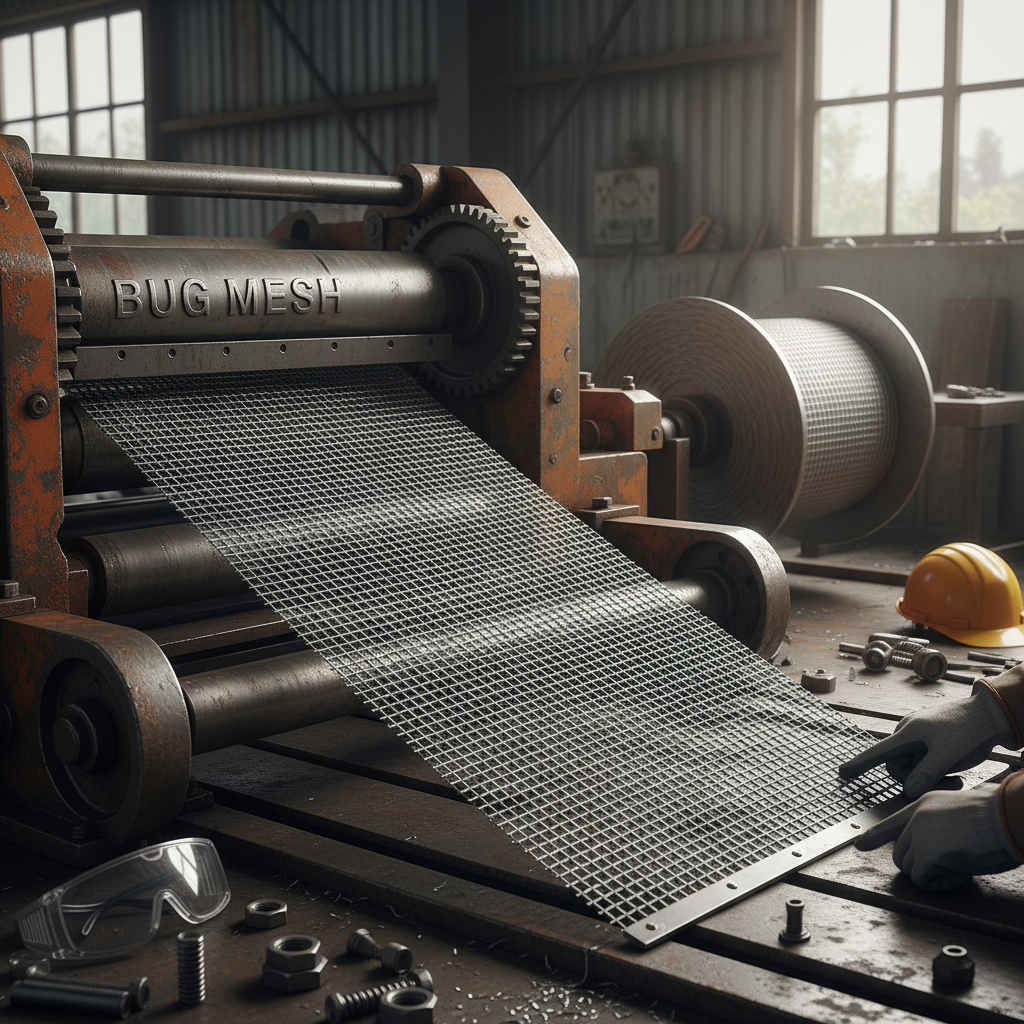
Understanding the nylon net price requires an analysis of material science and industrial manufacturing processes. In B2B procurement, the cost of synthetic netting is not a fixed figure but a variable dependent on polymer quality, weave density, and the intended operational environment. This guide examines the economic drivers behind netting costs to help procurement officers make informed decisions.
For agricultural and industrial sectors, selecting a mesh involves balancing the initial investment against the long-term service life. Factors such as High-Density Polyethylene (HDPE) or nylon purity significantly influence the structural integrity and UV resistance of the product. By analyzing these technical parameters, buyers can avoid the common mistake of prioritizing the lowest quote over total lifecycle value.
Readers will gain insights into how mesh count, surface treatments, and material selection dictate the final commercial offer. We will explore the relationship between technical specifications—such as those used in crop protection—and the resulting market valuation, providing a framework for evaluating supplier quotations and ensuring project scalability.
Commercial Factors of Synthetic Mesh
The commercial valuation of synthetic woven materials is rooted in the raw material market and the complexity of the weaving process. Nylon and HDPE are the primary polymers used due to their high strength-to-weight ratios and versatility. From a manufacturing perspective, the energy required to extrude high-tenacity yarns and the precision of the looms used to maintain consistent hole sizes directly impact the production cost. In regions known for wire and mesh production, such as Anping, the integration of advanced R&D equipment allows for the creation of specialized specifications that balance durability with cost-efficiency.
Furthermore, the industrial application determines the material grade. For instance, a nylon net price can vary significantly if the product is designed for simple bird prevention versus high-pressure filtration or specialized crop protection. The latter requires precise breathable structures to maintain air and light permeability, necessitating tighter quality control and more expensive raw polymers. Understanding these foundations allows buyers to differentiate between generic mesh and engineered technical textiles.
Analyzing Value and Procurement
When evaluating commercial bids for synthetic netting, it is essential to look beyond the per-square-meter cost. The true value is found in the intersection of technical specifications and the operational environment where the net will be deployed.
Material Composition and Grade
The base polymer—whether it is virgin nylon, recycled HDPE, or a specialized blend—is the primary cost driver. Virgin materials offer superior tensile strength and longevity, particularly in harsh weather conditions, whereas recycled options may reduce initial costs but shorten the replacement cycle.
| Material Type | Durability Level | Primary Application | Cost Driver |
|---|---|---|---|
| Virgin Nylon | High | Industrial Filtration | Polymer Purity |
| HDPE | Medium-High | Crop Protection | UV Additives |
| Recycled Polymer | Low-Medium | Temporary Fencing | Processing Cost |
| Galvanized Steel | Very High | Infrastructure | Coating Thickness |
| Stainless Steel | Extreme | Pharmaceuticals | Alloy Grade |
| Blended Fiber | Custom | Specialized Safety | Weave Complexity |
Impact of Mesh Count on Cost
Mesh count refers to the number of holes per square inch. A higher mesh count, such as 80+ mesh, requires finer yarns and more precise weaving, which increases production time and reduces the yield per loom cycle. For example, a 40-mesh insect net provides a balance of pest exclusion and breathability, making it a cost-effective choice for medium-sized pests like aphids, whereas ultra-fine meshes command a premium due to their technical complexity.
UV Stabilization Requirements
Synthetic fibers naturally degrade under ultraviolet radiation. To prevent brittleness and tearing, stabilizers are added to the polymer melt. The concentration of these UV inhibitors directly influences the quoted price. Professional-grade agricultural nets are treated to withstand years of direct sunlight, which is a critical investment for greenhouses and orchards to avoid premature failure.
Application-Specific Durability
The environment dictates the required performance. Nets used in river management or mountain slope protection require different tensile properties than those used for insect prevention. The ability of a manufacturer to select the correct material for the specific application ensures that the client does not overpay for unnecessary specs or under-invest in a product that will fail in the field.
Manufacturing Scale and Lead Times
Economies of scale play a significant role in B2B pricing. Large-scale factories covering thousands of square meters can optimize raw material procurement and reduce unit costs. However, customized orders with non-standard specifications often incur a "setup cost," as the machinery must be recalibrated, potentially increasing the price for small-batch specialized runs.
Surface Treatment Options
Beyond the weave, surface treatments can enhance performance. Coatings that provide flame retardancy, anti-fouling properties, or enhanced water repellency add a layer of processing cost. For industrial applications in petroleum or metallurgy, these treatments are essential for longevity, shifting the value proposition from initial cost to operational efficiency.
Customization vs. Standard Sizes
Standardized rolls are the most economical way to procure netting. Once a buyer requests specific dimensions, reinforced edges, or custom grommet placements, the product moves into the custom fabrication category. While this increases the unit cost, it reduces the waste and labor required during on-site installation, often lowering the total project cost.
FAQ
What primarily determines the cost of nylon netting?
The cost is primarily driven by the quality of the polymer (virgin vs. recycled), the mesh count (density of the weave), and the inclusion of UV stabilizers. Higher density meshes require more material and precise manufacturing, which increases the price. Additionally, the intended use—such as industrial filtration versus basic crop protection—dictates the material grade and any necessary surface treatments.
How does mesh count affect pest control efficiency?
Mesh count refers to holes per square inch. A 20-30 mesh is suitable for large insects like beetles. A 40-60 mesh is effective against medium pests such as aphids and whiteflies. For tiny pests like thrips or mites, an 80+ mesh is required. Choosing the correct count ensures maximum protection without compromising the air and light permeability necessary for plant growth.
Is HDPE more cost-effective than nylon for agriculture?
HDPE is often more cost-effective for large-scale agricultural applications like insect nets because it offers excellent UV resistance and durability at a lower raw material cost than high-tenacity nylon. However, nylon may be preferred for applications requiring higher elasticity or specific filtration properties. The choice depends on whether the priority is long-term outdoor exposure or high mechanical strength.
What should I check when evaluating a netting supplier?
Buyers should verify the supplier's manufacturing capacity, the grade of polymers used, and their ability to provide consistent mesh counts across large orders. Inquire about UV stabilization certifications and whether the factory has the R&D capability to customize specifications. A supplier with a long history of industrial experience, such as those in Anping, typically provides better consistency and technical support.
How do surface treatments impact the lifespan of the net?
Surface treatments can drastically extend the lifespan by protecting the core fibers from environmental degradation. Anti-corrosive coatings for metal meshes or UV-resistant additives for synthetic nets prevent the material from becoming brittle. While these treatments increase the initial procurement cost, they reduce the frequency of replacements, thereby lowering the total cost of ownership over several years.
Can I customize the mesh size for specific crop needs?
Yes, professional manufacturers can adjust the mesh count and material to suit specific crops. For example, leafy vegetables prone to thrips may require a finer mesh than fruit trees. Customization involves selecting the appropriate fiber diameter and weave pattern to ensure the balance between pest exclusion and the necessary microclimate (ventilation and light) for the specific plant variety.
References and further reading
- Polymer Engineering and Synthetic Textile Standards for Agricultural Use.
- Industrial Weaving Techniques and Material Tensile Strength Analysis.
- UV Degradation Mechanisms in High-Density Polyethylene (HDPE) Fibers.
Related Articles