100 Mesh Insect Net - Ultra-Fine Barrier for Thrips & Mites?
100 Mesh Insect Net - Ultra-Fine Barrier for Thrips
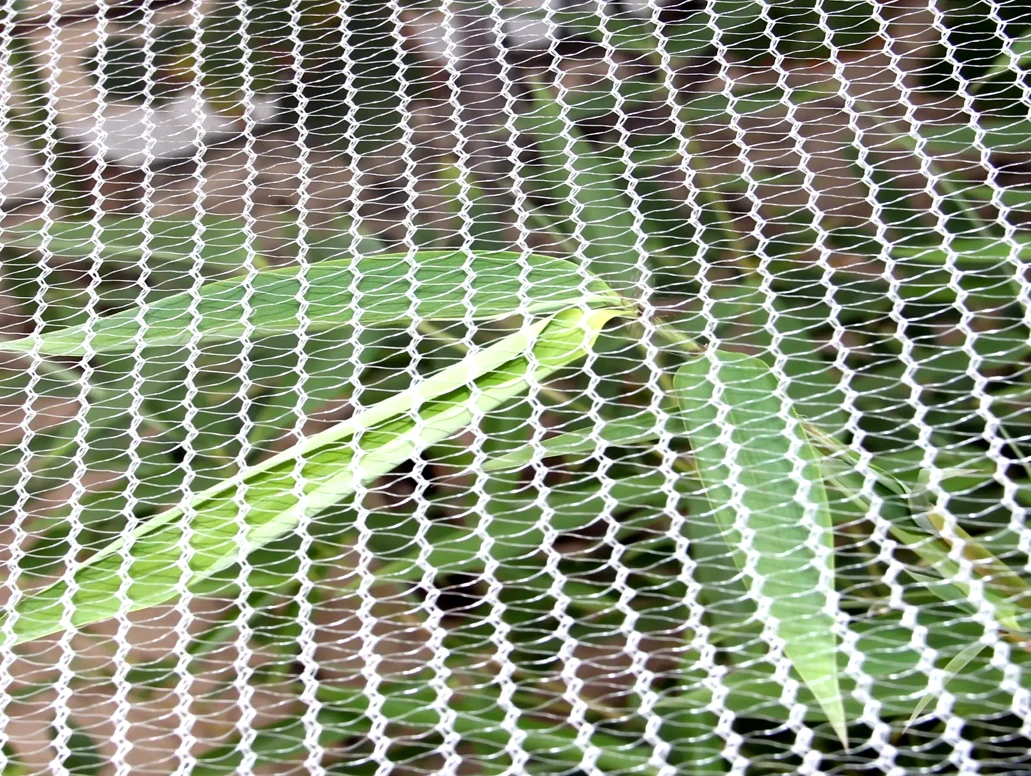
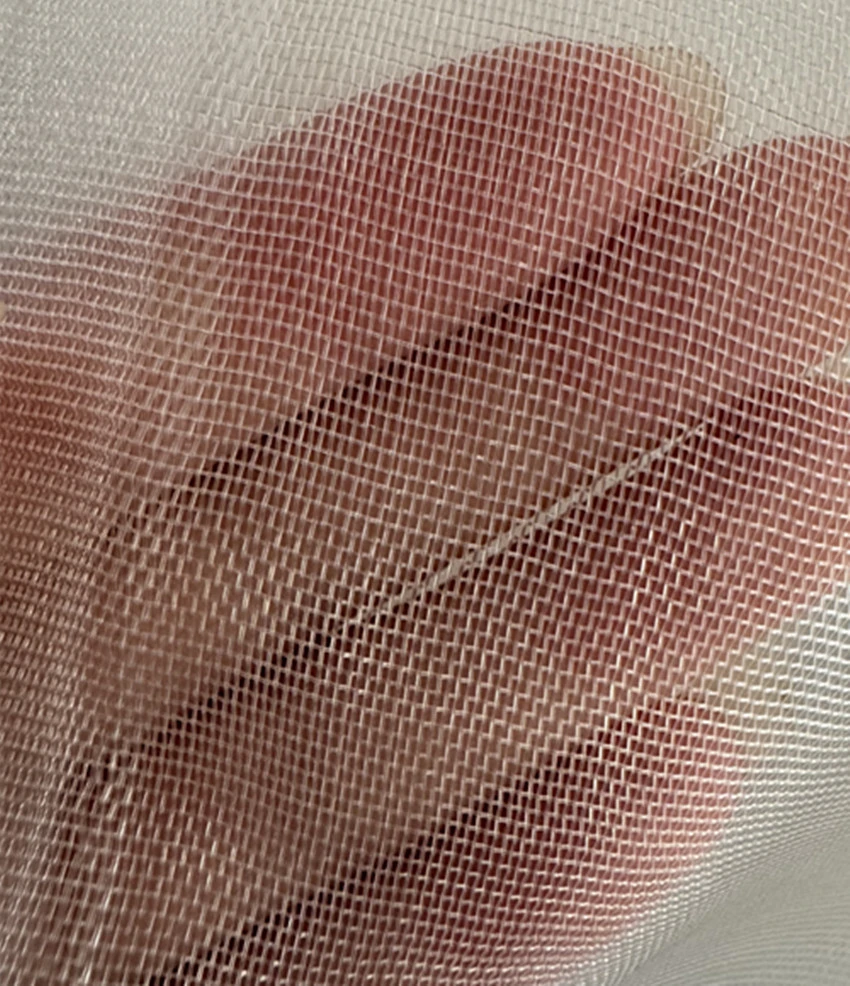
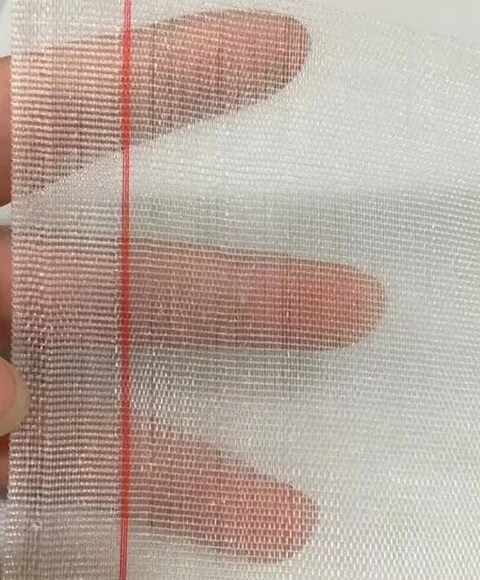
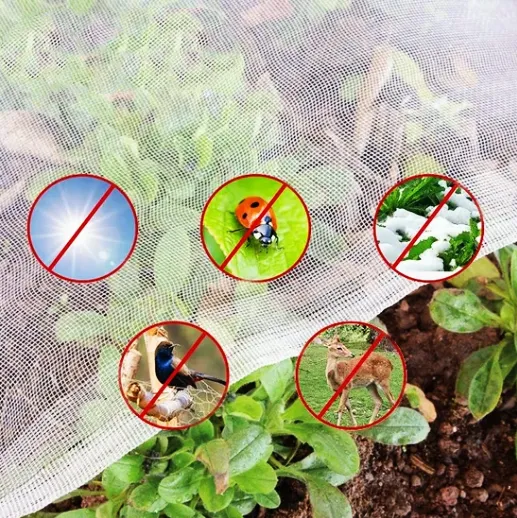
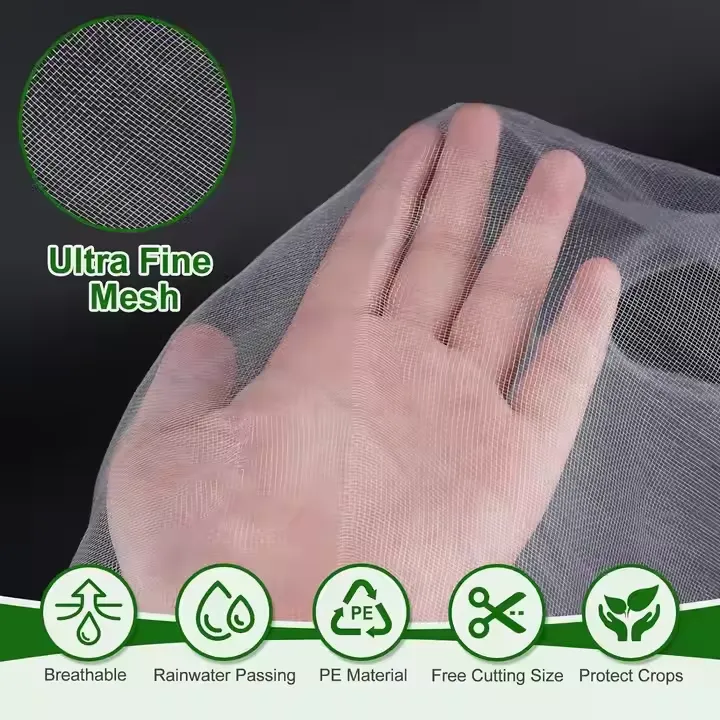
If you grow peppers, cucumbers, ornamentals—or frankly anything thrips adore—you’ve probably learned the hard way: conventional 40–60 mesh screens just don’t cut it. This ultra-fine 100-mesh solution arrives from China’s specialist makers, combining UV-stabilized HDPE monofilament with tight quality control. To be honest, the first time I handled it in the field, the difference in aperture consistency was obvious.
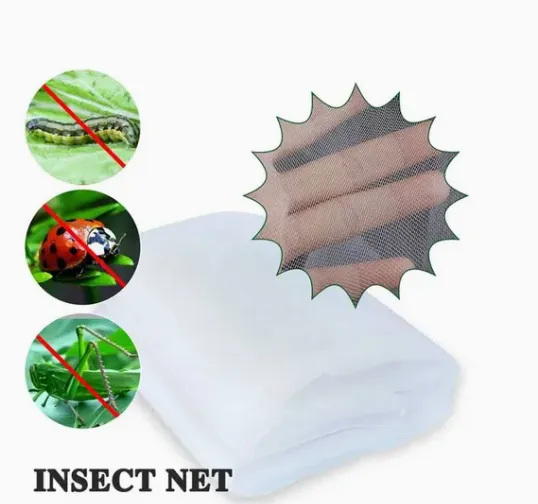
What’s trending and why it matters
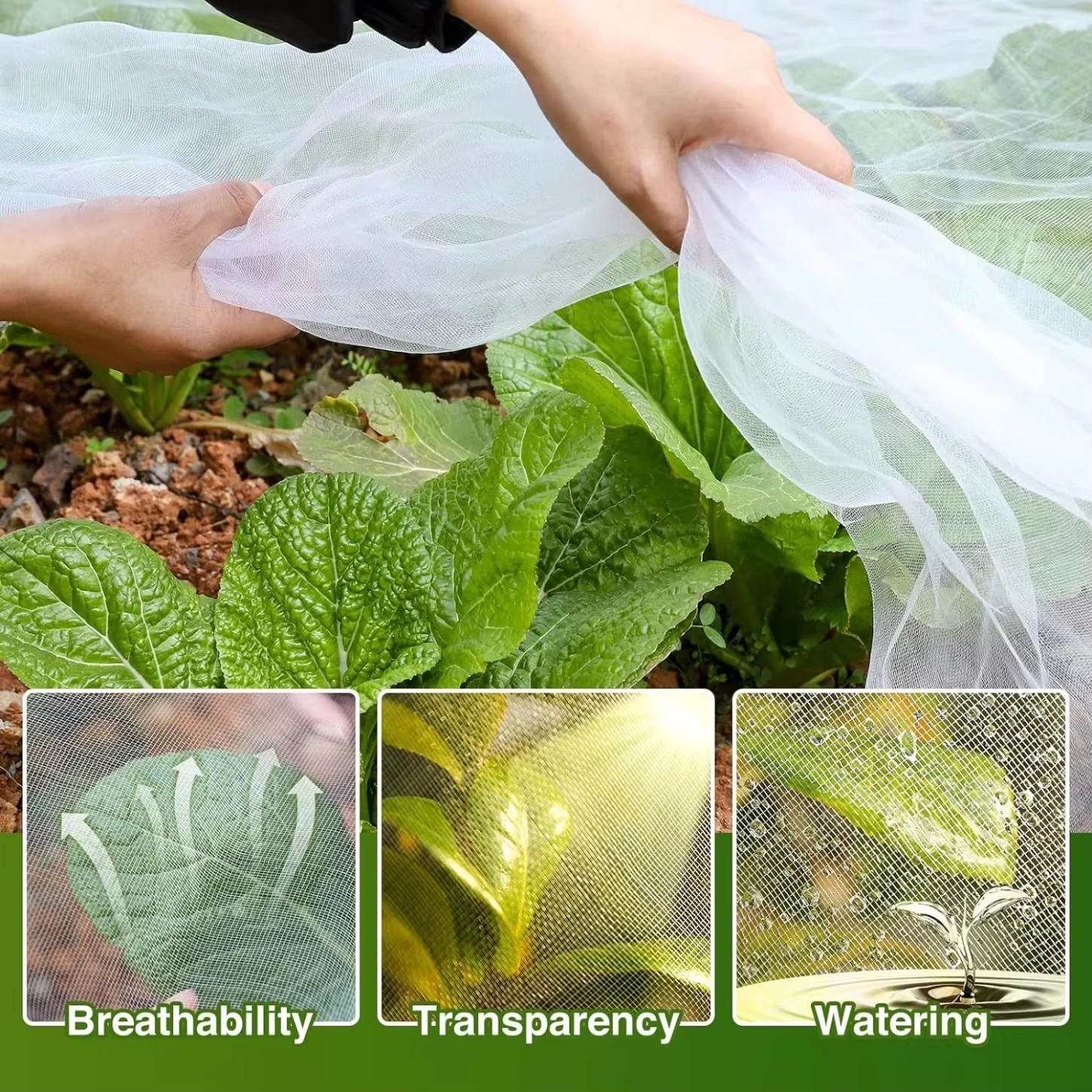
Growers are pivoting to physical exclusion as chemical resistance climbs and MRL scrutiny tightens. Actually, ultra-fine netting is now standard in high-value greenhouses and seed nurseries; it seems that airflow-friendly designs are winning over skeptics who feared heat build-up. Many customers say they cut insecticide sprays by half after switching.
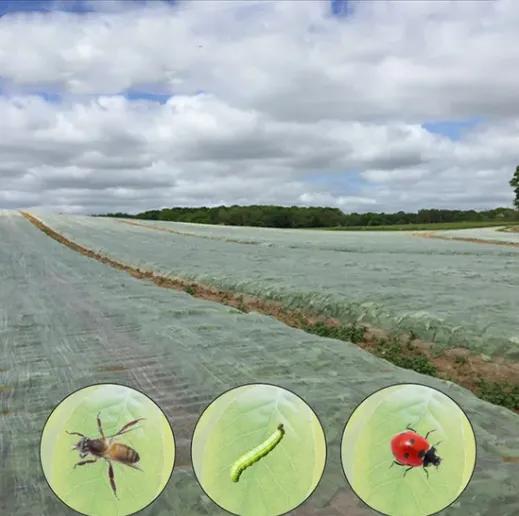
Core specifications
| Spec | Detail |
|---|---|
| Material | Virgin HDPE monofilament + UV masterbatch |
| Mesh count | 100 mesh (per inch), woven leno |
| Aperture | ≈150–200 μm (real-world use may vary) |
| Monofilament Ø | ≈0.13–0.16 mm |
| Weight | ≈55–70 g/m² |
| UV stability | ≥500 kLy equivalent; QUV tested |
| Widths/rolls | 1–5 m width; 50–200 m/roll (custom) |
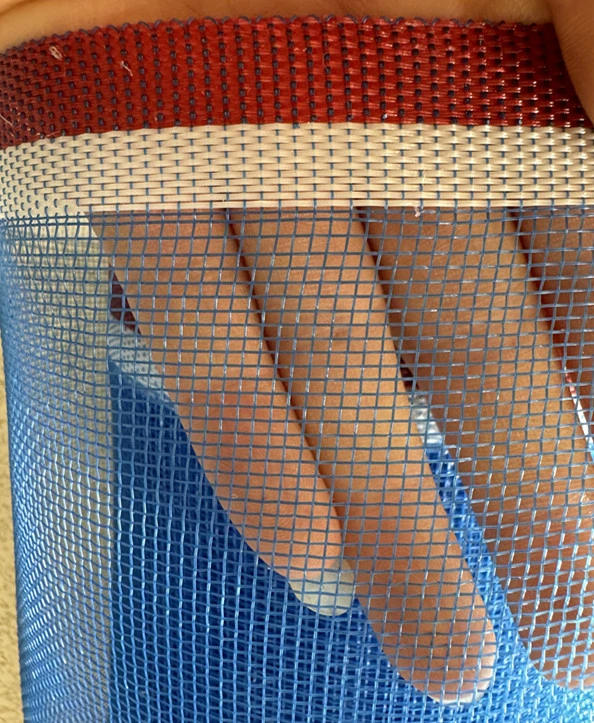
| Color options | Clear, milky, greenish |
| Origin | China |
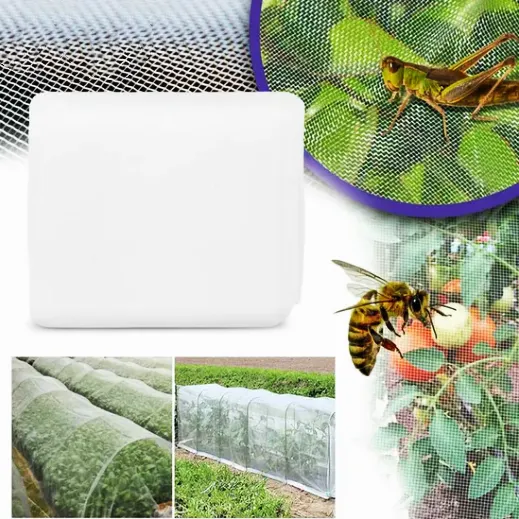
Process flow and testing
Resin selection → monofilament extrusion/drawing → precision weaving (leno) → heat-setting & selvage reinforcement → roll inspection → packaging. Tests include mesh count (ISO 4920 visual/optical), air permeability (ISO 9237), tensile (ISO 13934-1), UV aging (ISO 4892-3 / ASTM G154). Typical service life: around 3–5 seasons depending on UV index and handling.
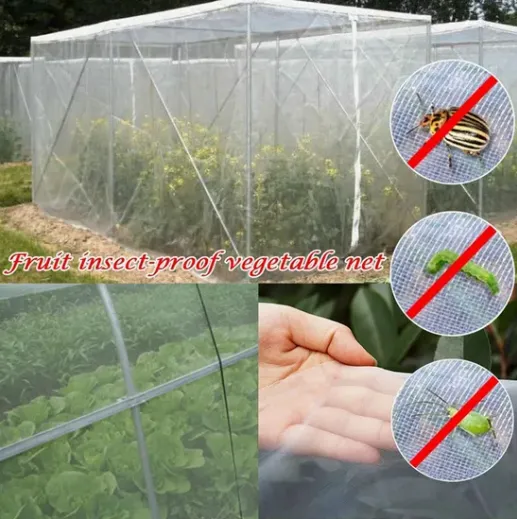
Where it excels
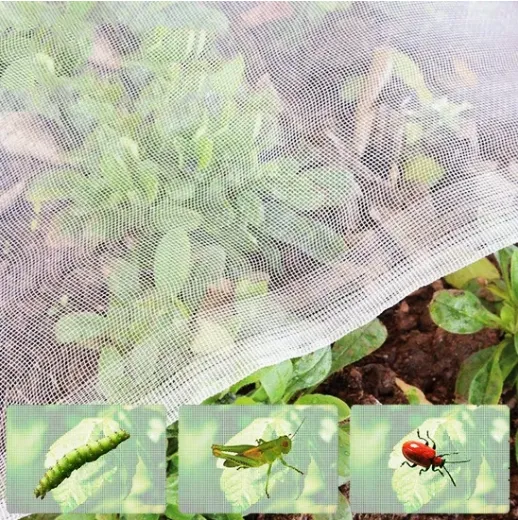
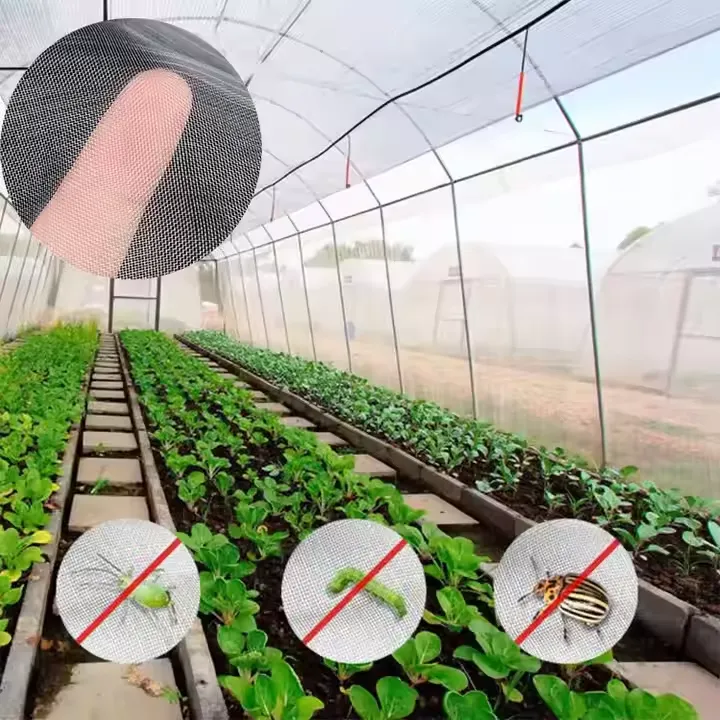
- Thrips, whiteflies, leafminers, mites suppression at greenhouse inlets and roof vents
- Seedling nurseries and quarantine zones (IPM first line)
- Open-field low tunnels and insect-proof screenhouses
- Post-harvest packing areas to keep vectors out
Advantages: reliable aperture uniformity, solid UV package, and—surprisingly—respectable airflow for 100-mesh when properly tensioned.
Vendor snapshot (quick comparison)
| Vendor | Mesh consistency | UV package | Lead time | Certs |
|---|---|---|---|---|
| YJ Wire Mesh (factory) | High (±3%) | ≥2% UV additive | ≈10–20 days | ISO 9001, REACH |
| Generic importer | Medium (±6–8%) | 1–1.5% | ≈30–45 days | Varies |
| Local fabricator | Medium–High | 1.5–2% | ≈7–21 days | ISO optional |
Note: values are indicative; real-world results depend on climate and handling.
Customization and installation tips
Options: widths up to 5 m, edge-reinforced hems, zipper doors, grommet spacing, and pre-cut vent screens. Installation: keep fabric taut (no belly), align airflow with pad-fan systems, and add lint filters where dust is heavy. I guess checking tension monthly saves headaches.
Field notes
- Case A (Spain peppers): 92% reduction in thrips counts within 10 days; spray interval extended from 7 to 18 days.
- Case B (Kenya cut-flowers): Botrytis risk stabilized after airflow tuning; whitefly ingress near zero at vents.
Customer feedback: “Airflow better than expected,” and “edges don’t fray—nice touch.”
Compliance, data, and the bottom line
Compliance: ISO 9001 factory QA; material conforms to REACH and RoHS intents for common agricultural use. Test data snapshot: air permeability around 150–230 L/m²/s (ISO 9237, at 100 Pa); tensile ≥350 N/5 cm (ISO 13934-1). In fact, these numbers line up with what I’ve seen on independent lab sheets.
If you want a no-nonsense thrips barrier, the 100 Mesh Insect Net - Ultra-Fine Barrier for Thrips gives a practical balance of exclusion, durability, and install flexibility.
- FAO. Greenhouse crop production in IPM programs—Insect-proof netting guidelines.
- ISO 4892-3. Plastics—Methods of exposure to laboratory light sources—Fluorescent UV lamps.
- ASTM G154. Standard Practice for Operating Fluorescent UV Lamp Apparatus for Exposure of Nonmetallic Materials.
- ISO 9237. Textiles—Determination of permeability of fabrics to air.
- ISO 13934-1. Textiles—Tensile properties of fabrics—Strip method.
- CABI Datasheets—Thrips spp. morphology and size ranges relevant to screen apertures.
-
High Quality Anti Bird Agro Net for Professional Crop ProtectionNewsApr.16,2026
-
Guide to Bird Netting Cost Per Square Foot and Material OptionsNewsApr.09,2026
-
Comprehensive Guide to Bird Netting Cost Factors and Material ChoicesNewsApr.07,2026
-
Comprehensive Guide to Bird Net for Balcony Cost and Installation OptionsNewsApr.04,2026
-
Comprehensive Guide to Bird Netting Price and Effective Protection SolutionsNewsMar.31,2026
-
Comprehensive Guide to Nylon Bird Net Price Factors and OptionsNewsMar.28,2026