Anti Butterfly Garden Netting – Durable Pest Control Solutions for Agriculture | YJ Wire Mesh
Anti Butterfly Garden Netting is a key solution in the industry, specifically within agriculture and horticulture sectors. This article explores how https://www.yjwiremesh.com supports professionals with durable, high-performance products, and explains why this product is an ideal choice for businesses in these sectors.
Table of Contents
- Anti Butterfly Garden Netting Overview
- Benefits & Use Cases of Anti Butterfly Garden Netting
- Cost, Maintenance & User Experience
- Sustainability & Market Trends
Anti Butterfly Garden Netting Overview
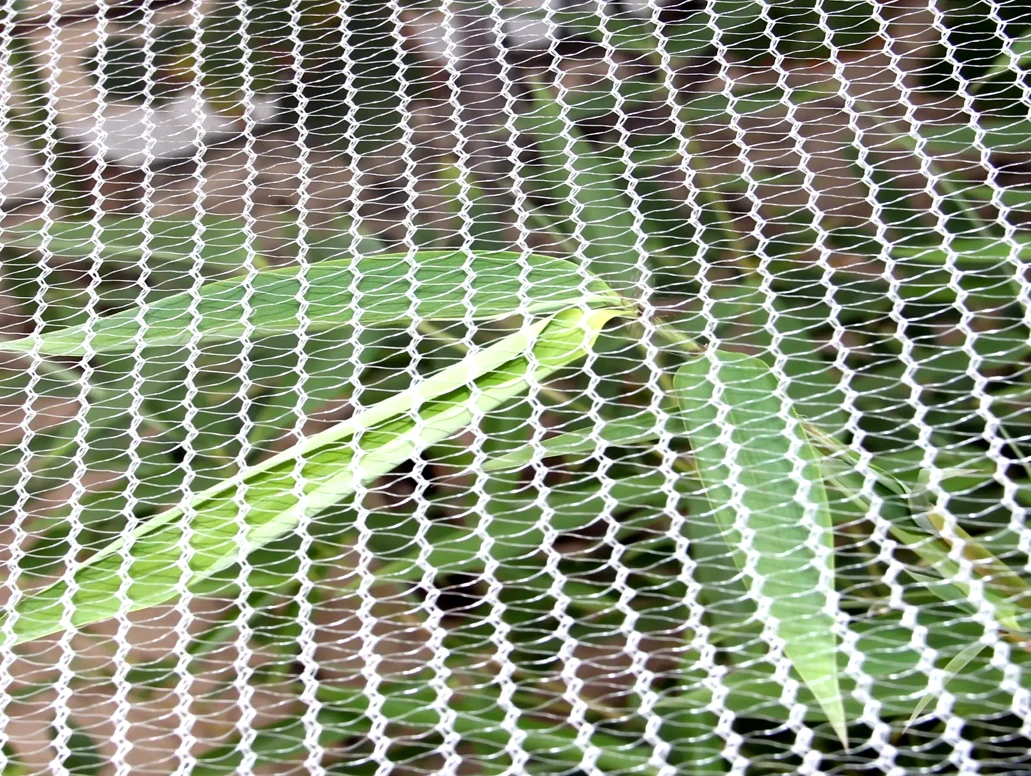
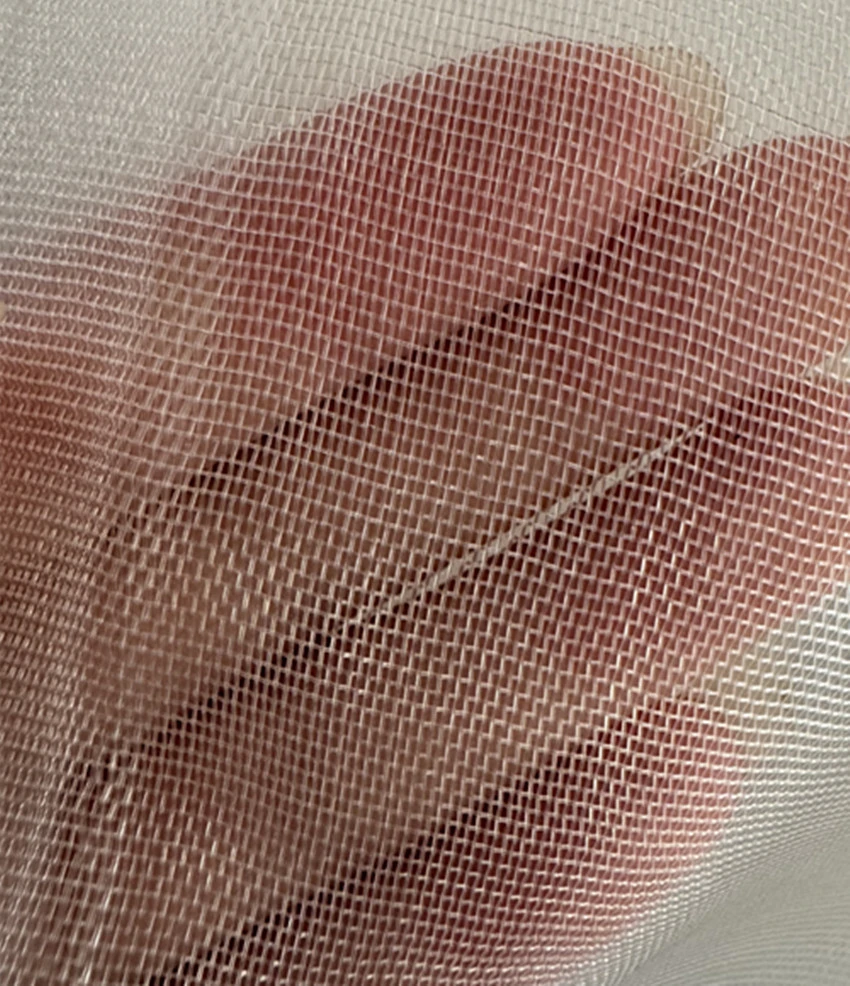
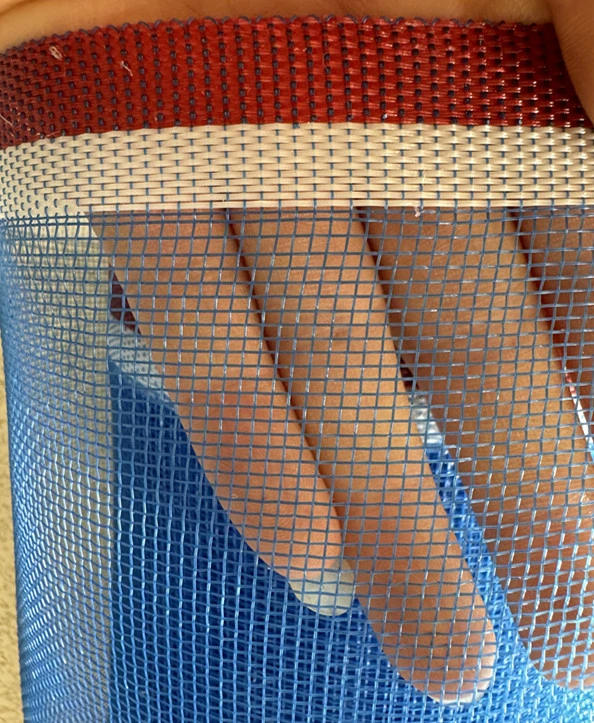
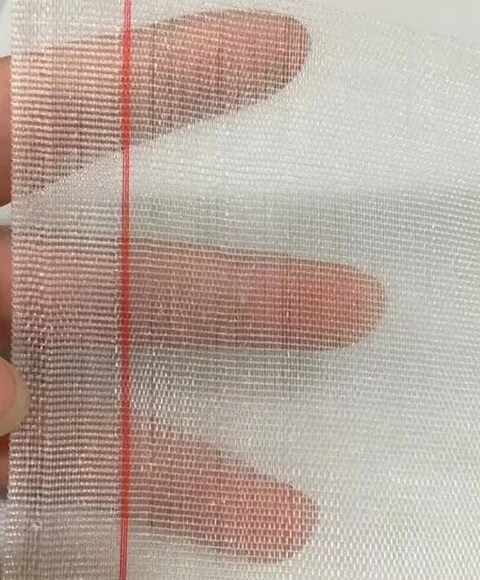
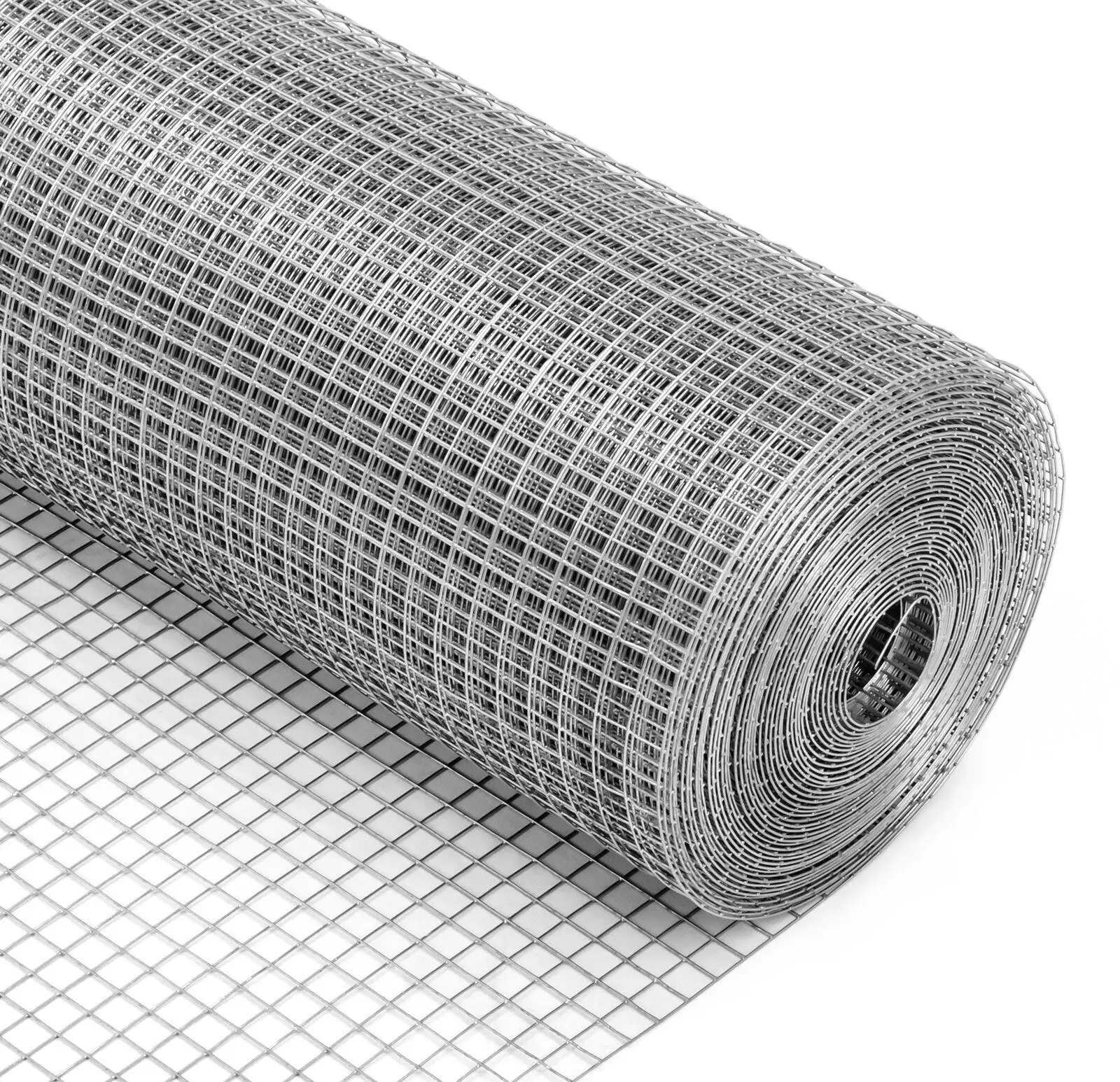
Anti Butterfly Garden Netting is designed primarily to protect crops and garden plants from the harm caused by butterflies and other flying pests. Unlike typical bird netting, this product features a fine mesh that prevents even smaller insects and butterflies from accessing the plants beneath, which often carry larvae harmful to fruit and vegetable yields. Technically speaking, the netting is made from UV-resistant polyethylene with a mesh size optimized to balance air and sunlight flow while providing a robust barrier. Frankly, in my experience working with growers, it’s essential to have a netting option that’s both tough and breathable, and this product fits that bill well.
- Material: UV stabilized polyethylene with high tensile strength
- Mesh size: Typically 6mm x 10mm, preventing small butterflies and moths
- Durability: Designed to last 4-6 growing seasons under normal sun exposure
| Specification | Details |
|---|---|
| Material | UV-stabilized Polyethylene |
| Mesh Size | 6mm x 10mm |
| Color Options | Black, Green, White |
| Width / Length Options | 1m to 6m width; lengths customizable |
| Warranty | 3 years against UV degradation |
Benefits & Use Cases of Anti Butterfly Garden Netting
When it comes to practical applications, Anti Butterfly Garden Netting plays a crucial role in organic and chemical-free farming, where pest control options are limited. Many farms growing vegetables, fruits, and even flowers rely on this type of netting to shield their plants without pesticides. It’s also popular in greenhouse settings and nurseries. The netting’s lightweight yet durable properties ensure it doesn’t weigh down tender shoots or reduce air circulation, which some older nettings struggle with.
- Protecting crops such as tomatoes, cabbages, and berries from butterfly-born larvae
- Used in both open-field and controlled environment agriculture
- Competitive edge: superior UV resistance and customizable sizes
| Vendor | Material Quality | Customization | Pricing | Delivery Time |
|---|---|---|---|---|
| YJ Wire Mesh | High-grade UV-stabilized PE | Tailored sizes & colors | Competitive, volume discounts | 2–3 weeks standard |
| Vendor B | Standard PE, moderate UV resistance | Limited options | Higher price per sqm | 3–4 weeks |
| Vendor C | Basic material, no UV guarantee | No customization | Lowest upfront cost | 1–2 weeks |
Cost, Maintenance & User Experience
I suppose the most important question for decision makers is what the total cost of ownership really looks like. While upfront prices vary, durable Anti Butterfly Garden Netting tends to save money over time because it withstands UV exposure and weathering better than cheaper alternatives. Maintenance involves minimal care — usually a gentle wash or shake to remove dirt is sufficient. Several growers I spoke with shared that replacing damaged sections can be straightforward if the provider offers customized sizes, which is a bonus.
- Durability reduces replacement frequency to roughly once every 4 to 6 seasons
- Easy installation and removal increase labor efficiency
- Excellent ROI due to minimized crop losses and reduced pesticide usage
Sustainability & Market Trends
Oddly enough, sustainability is becoming a bigger concern in garden netting than many realize. The trend toward organic farming and regulatory pressures against chemical pesticides means physical barriers like Anti Butterfly Garden Netting will only grow in demand. Moreover, companies like YJ Wire Mesh focus on eco-friendly manufacturing processes and recyclable materials, which matters when scaling operations — it’s kind of a reassuring bonus to know the netting won't add to landfill woes. Industry reports show increasing market growth globally, reinforced by technological improvements in netting longevity and UV stability.
- Industry adoption driven by organic certification requirements
- Innovation focusing on biodegradable alternatives in development
- Regulatory push for minimizing pesticide chemical residues
Frequently Asked Questions about Anti Butterfly Garden Netting
- What is Anti Butterfly Garden Netting and how does it work?
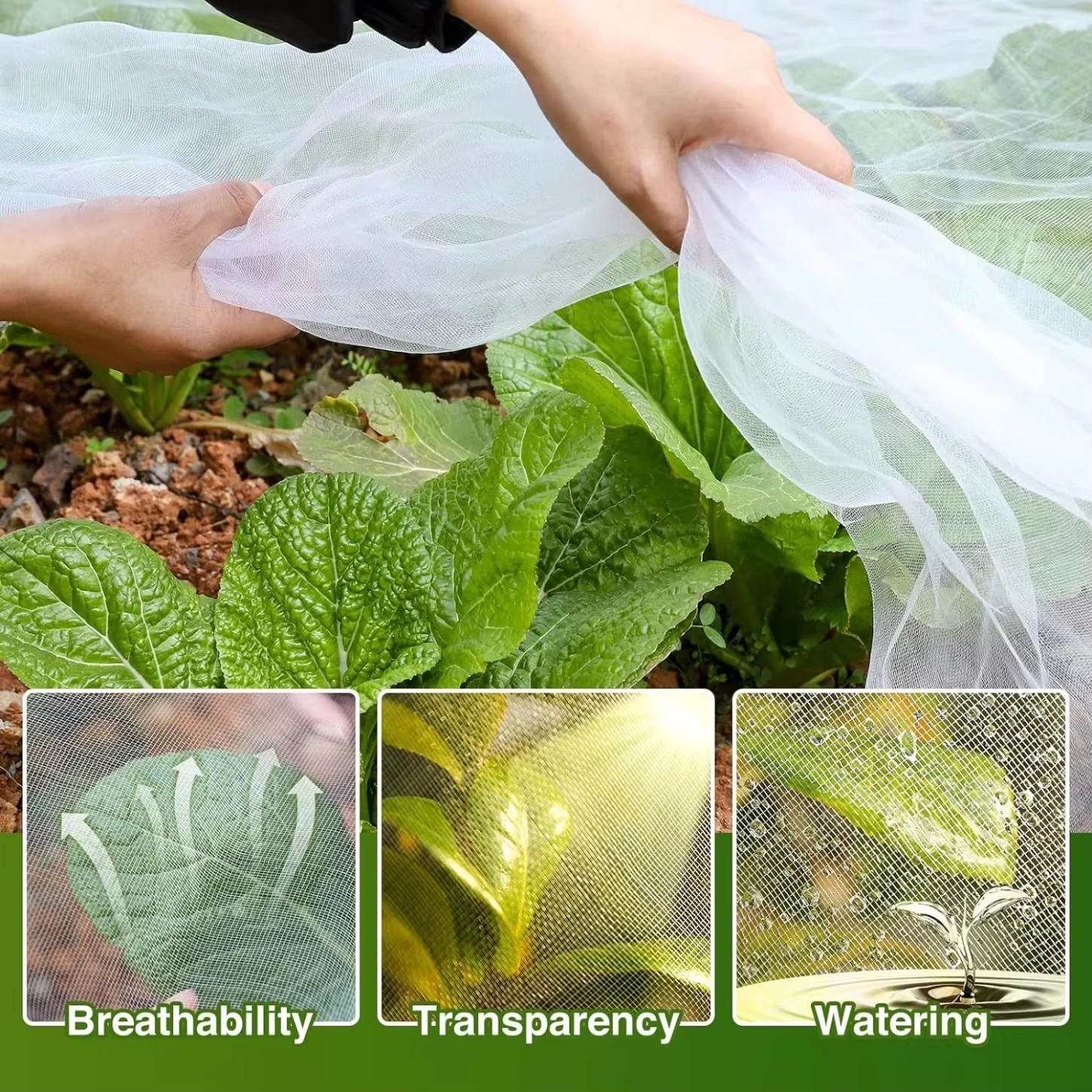
- At its core, Anti Butterfly Garden Netting is a fine mesh barrier designed to physically exclude butterflies and moths from accessing plants. This prevents them from laying eggs that hatch into larvae harmful to crops. The netting allows air, light, and water through while creating an invisible shield against pests, thus supporting healthier plant growth.
- What are the main benefits of using Anti Butterfly Garden Netting in industrial applications?
- In industrial contexts, this netting delivers durability, ease of installation, and significant reductions in crop damage without relying on chemicals. It also reduces labor costs associated with pest management and supports compliance with organic farming standards, making it attractive to growers and distributors alike.
- How does Anti Butterfly Garden Netting compare to traditional alternatives?
- Compared with traditional bird netting or chemical controls, Anti Butterfly Garden Netting offers a targeted approach — finer mesh and UV-resistant materials extend lifespan and reduce unintended blockages of pollinators. It often outperforms older materials by combining strength with breathability, ultimately improving crop quality and yields.
- What industries can benefit most from Anti Butterfly Garden Netting implementation?
- Primarily, the agriculture and horticulture sectors stand to gain the most—especially fruit farms, vegetable growers, plant nurseries, and greenhouses. Some landscaping businesses focused on pest prevention also deploy this netting to protect trees and shrubs from butterfly larvae damage.
Conclusion on Anti Butterfly Garden Netting from China
Wrapping up, Anti Butterfly Garden Netting represents a smart investment for B2B decision makers aiming to reduce crop damage sustainably and cost-effectively. The balance of material strength, UV resistance, and customization options offered by suppliers like YJ Wire Mesh signals a promising direction for industry players. For anyone involved in agricultural production seeking to mitigate pest impact without extra chemical input, giving this netting a closer look is definitely worthwhile.
- Key takeaway: durable, effective, and increasingly sustainable pest control.
- Visit our website: https://www.yjwiremesh.com
Reflecting on the role of physical pest barriers, it feels like these nettings are quietly becoming an unsung hero in sustainable farming. As growers pivot toward eco-friendlier strategies, products blending innovation and practicality, such as Anti Butterfly Garden Netting, become the backbone of resilient agriculture.
References:
1. International Journal of Agricultural Sciences, 2023
2. YJ Wire Mesh Product Manual, 2024 Edition
3. Organic Farming Trends Report, 2023
-
High Quality Anti Bird Agro Net for Professional Crop ProtectionNewsApr.16,2026
-
Guide to Bird Netting Cost Per Square Foot and Material OptionsNewsApr.09,2026
-
Comprehensive Guide to Bird Netting Cost Factors and Material ChoicesNewsApr.07,2026
-
Comprehensive Guide to Bird Net for Balcony Cost and Installation OptionsNewsApr.04,2026
-
Comprehensive Guide to Bird Netting Price and Effective Protection SolutionsNewsMar.31,2026
-
Comprehensive Guide to Nylon Bird Net Price Factors and OptionsNewsMar.28,2026