Big Bug Netting for Safe, Durable Protection—Why Choose Us?
Field Notes on Big-Pest Control: What Today’s Growers Want from big bug netting
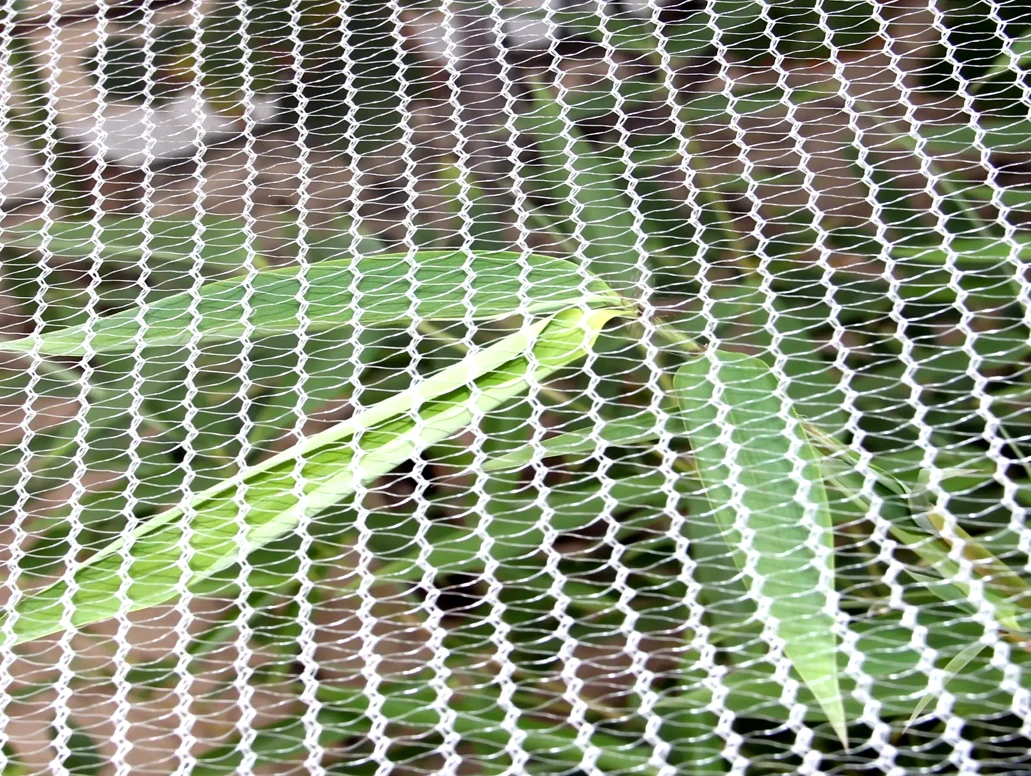
If you’ve walked a greenhouse row in late summer, you know the feeling: one missed window and whiteflies or thrips throw a party. Lately I’ve been hearing growers talk less about “spray schedules” and more about barrier strategies. The 24 mesh Anti-insect Netting from China has popped up in my notes a lot—partly because it balances airflow with exclusion, and partly because it’s actually shipping on time (a non-trivial detail this season).
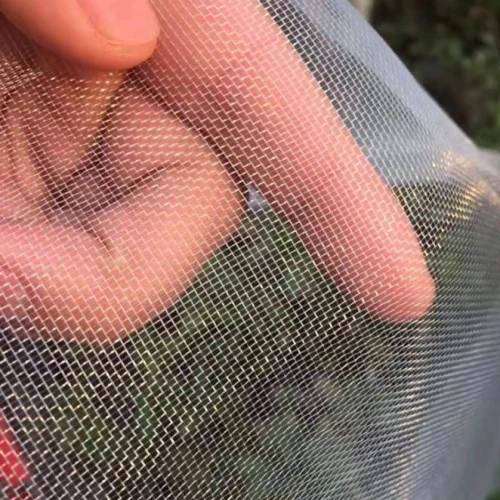
Why 24 mesh is having a moment
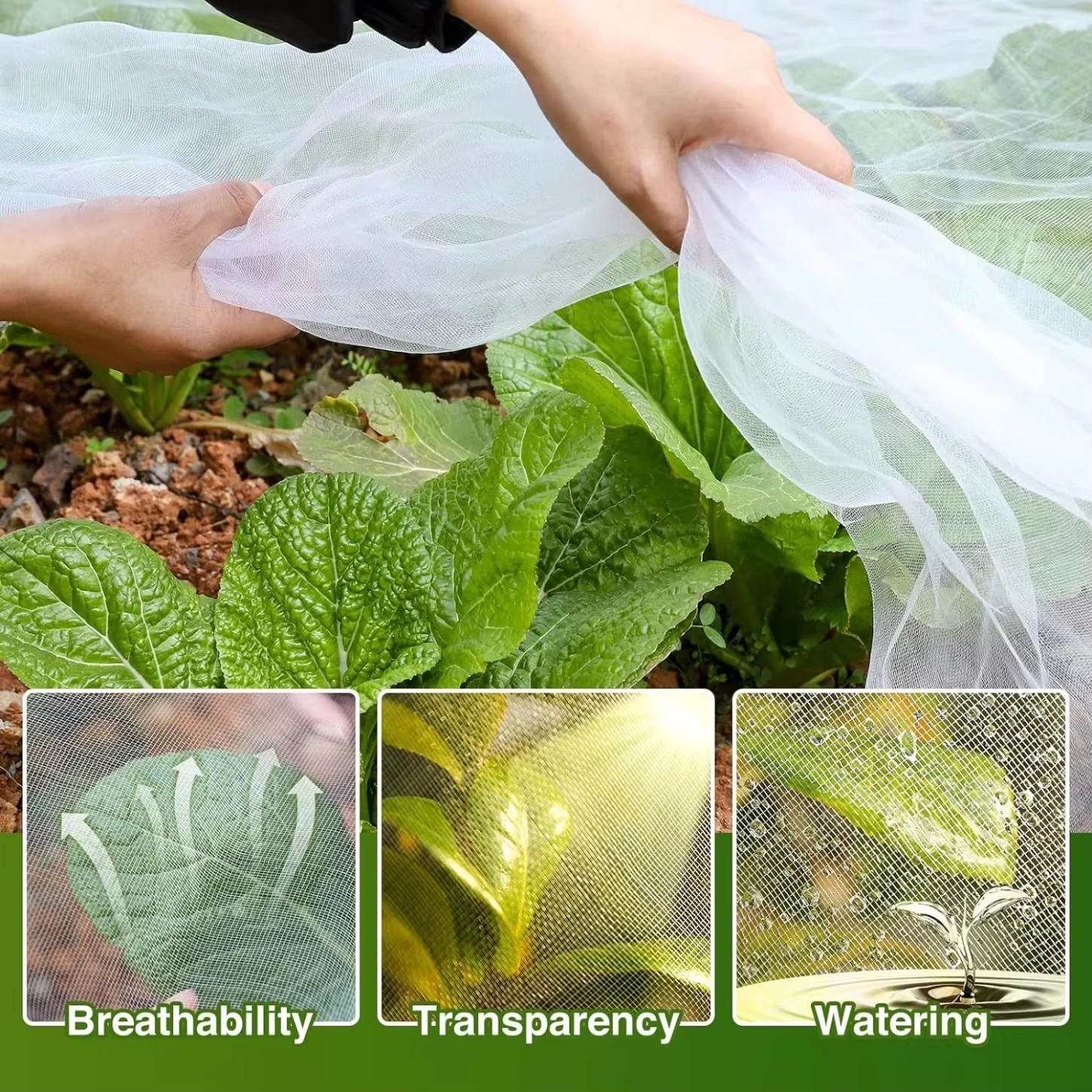
Industry trend, quick take: growers are moving to physical exclusion not just for organic compliance, but for resistance management and worker safety. A decent big bug netting keeps out the usual suspects (whitefly, aphids, flea beetles), while letting enough air move so the microclimate doesn’t turn into a fungal Airbnb. The trick is monofilament quality, UV stabilization, and edge reinforcement—things that sound boring until they fail on week seven.
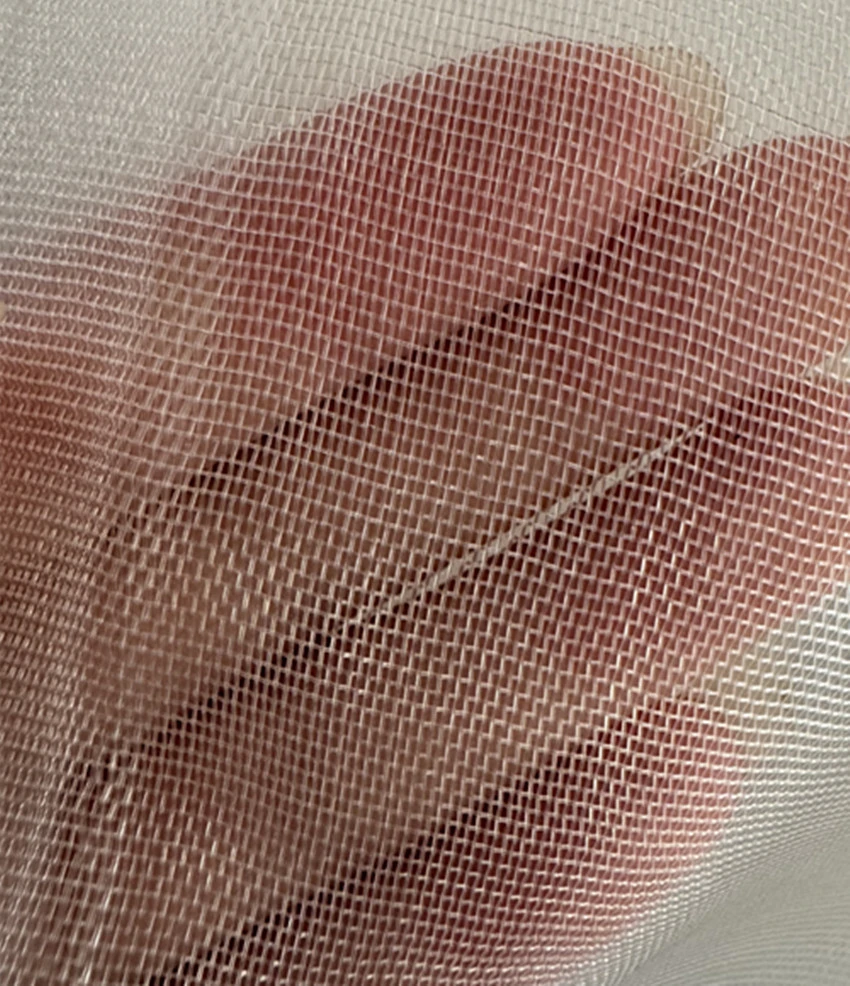
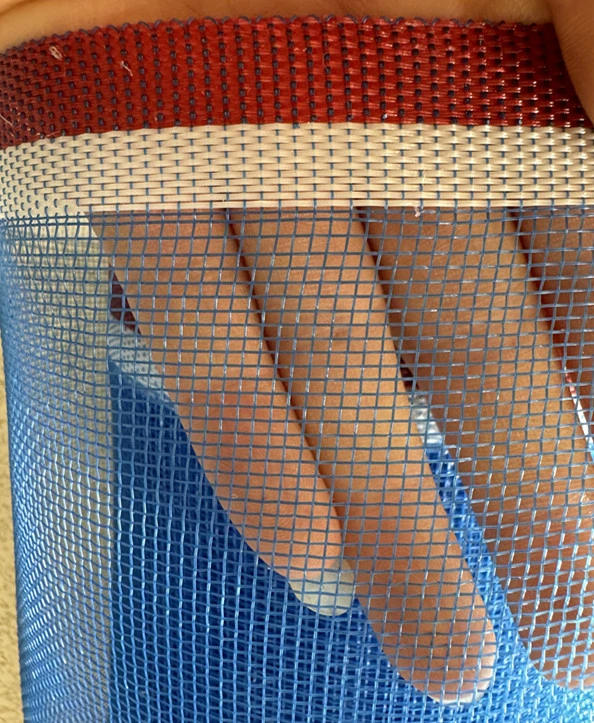
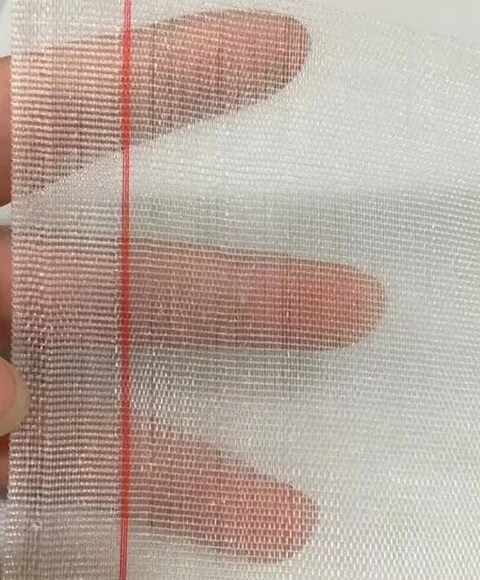
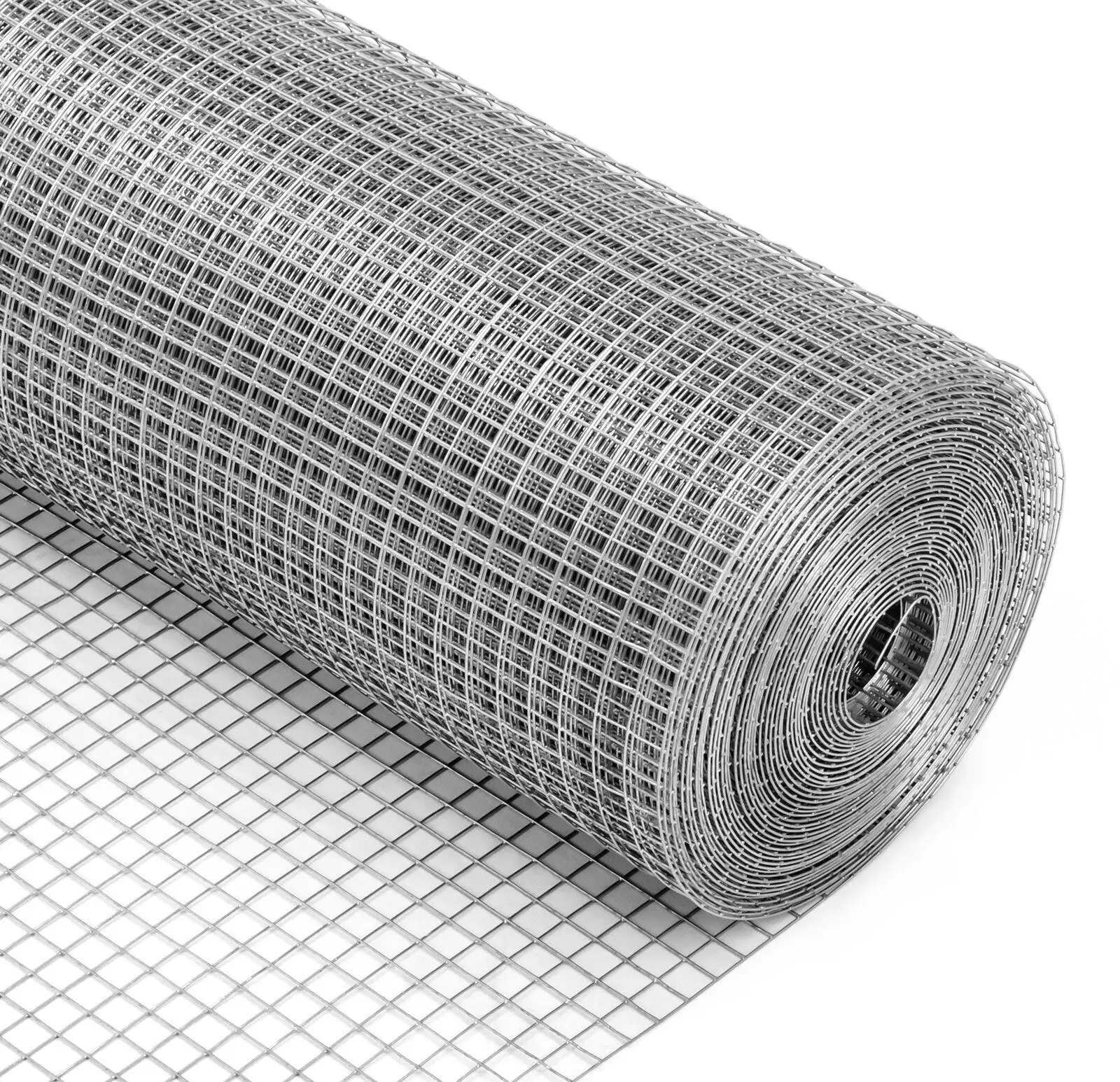
Product snapshot: 24 mesh Anti-insect netting
| Material | HDPE monofilament + UV stabilizers (anti-aging additives) |
| Mesh density | 24 × 24 per inch (≈0.8–1.0 mm nominal aperture; real-world use may vary) |
| Filament diameter | ≈0.18–0.25 mm (application-dependent) |
| Weight | ≈60–90 g/m² |
| Roll width / length | Up to 5 m width; 50–200 m length (customizable) |
| Color | Clear, white, or green (others on request) |
| Origin | China |
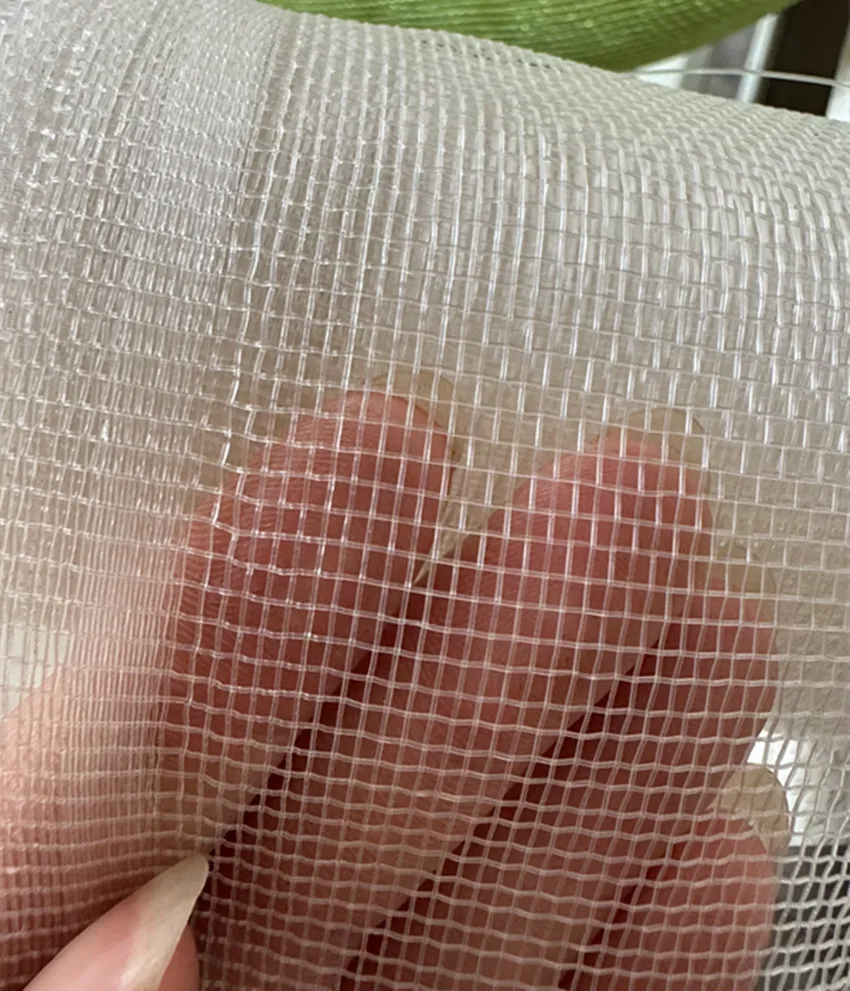
Process flow (how it’s made and vetted)
- Materials: virgin HDPE + HALS UV stabilizers, anti-aging package, optional anti-dust coating.
- Methods: precision monofilament extrusion → Raschel warp knitting → heat-setting → selvedge reinforcement → rolling.
- Testing: mesh count per ISO 7211-1; tensile strength ASTM D5035; burst ASTM D3787; UV weathering ISO 4892-3 (≥1,000 h, retention ≈80%); abrasion ISO 12947 (screen use); pesticide splash resistance (lab soak, in-house).
- Service life: ≈3–5 years outdoor depending on UV index, orientation, and chemical exposure.
- Industries: horticulture, orchard net houses, seedling nurseries, packing sheds, screened loading bays, even RV/porch screening when people get creative.
Field data I’ve seen: tensile ≥350 N/5 cm, burst ≥200 kPa, and airflow adequate for peppers and leafy greens when vents are sized correctly. To be honest, installation quality is half the battle—net tension and edge sealing determine whether a tiny thrips finds that one welcome gap.
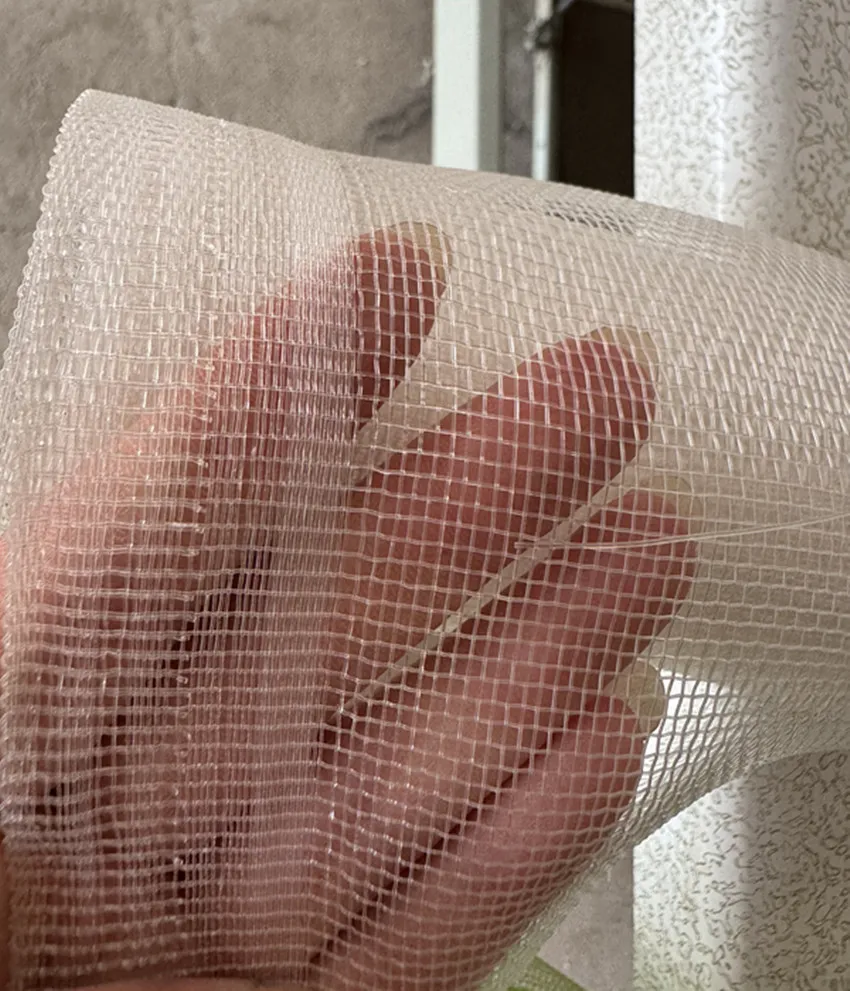
Vendor landscape (what buyers compare)
| Vendor | Mesh accuracy | UV package | Certifications | Lead time | Customization | Price (≈) |
|---|---|---|---|---|---|---|
| YJ 24 mesh (China) | ±5% (batch QC) | HALS, high UV | ISO 9001, REACH-like | 2–4 weeks | Width, color, edges | $ |
| EU Maker A | ±3% premium | High UV, agro-grade | ISO 14001, ROHS | 3–6 weeks | Wide range | $$$ |
| US Supplier B | ±5% (imported) | Standard UV | USDA-compliant docs | Stock, 1–2 weeks | Cut-to-size | $$ |
Use cases and feedback
- Greenhouse vents and sidewalls: balance exclusion and airflow; many customers say humidity is manageable with proper ridge venting.
- Orchard net tunnels: keeps larger pests off soft fruit; surprisingly durable against wind rub when edges are taped.
- Packhouse doors: quick-swing frames reduce housefly ingress by ≈80% (manager estimate).
Case study, Almería peppers: A 1.2 ha house retrofitted with 24 mesh reported ~40% reduction in whitefly pressure and two fewer pesticide events over the main season, compared with the neighbor’s 20 mesh. Not a randomized trial, but it tracks with extension advice.
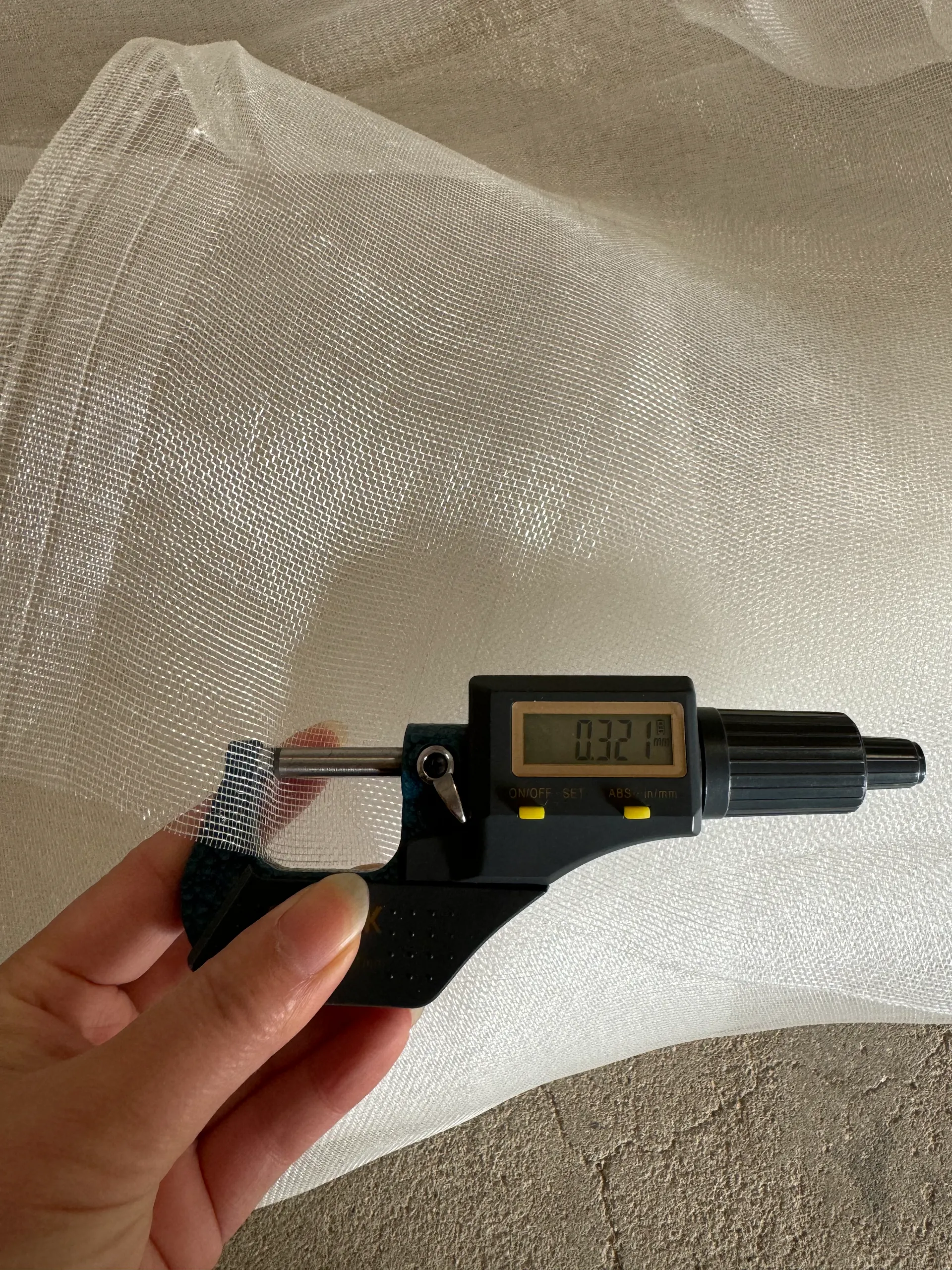
Specs that matter (and how to customize)
When ordering big bug netting, ask for: mesh count tolerance, UV retention after 1,000 h (ISO 4892-3), tensile spec per width, selvedge type (reinforced or not), and roll flatness. Customization usually covers width up to 5 m, color for light diffusion, and edge webbing with eyelets for fast install.
Compliance & documentation
Look for ISO 9001 QA, REACH/RoHS substance statements, and test sheets citing ASTM D5035 and D3787. For organic systems, your certifier typically wants the composition and additive list on file.
Citations:
[1] FAO. Insect-proof netting in protected cultivation.
[2] ASTM D5035 – Standard Test Method for Breaking Force and Elongation of Textile Fabrics (Strip Method).
[3] ISO 4892-3 – Plastics — Methods of exposure to laboratory light sources — Fluorescent UV lamps.
[4] UF/IFAS Extension. Insect screening for vegetables: mesh size vs. pest size.
-
High Quality Anti Bird Agro Net for Professional Crop ProtectionNewsApr.16,2026
-
Guide to Bird Netting Cost Per Square Foot and Material OptionsNewsApr.09,2026
-
Comprehensive Guide to Bird Netting Cost Factors and Material ChoicesNewsApr.07,2026
-
Comprehensive Guide to Bird Net for Balcony Cost and Installation OptionsNewsApr.04,2026
-
Comprehensive Guide to Bird Netting Price and Effective Protection SolutionsNewsMar.31,2026
-
Comprehensive Guide to Nylon Bird Net Price Factors and OptionsNewsMar.28,2026