Bird in Net Problem? Humane Rescue Tools & Safe Netting
Bird netting for gardens, orchards, and job sites: what actually matters
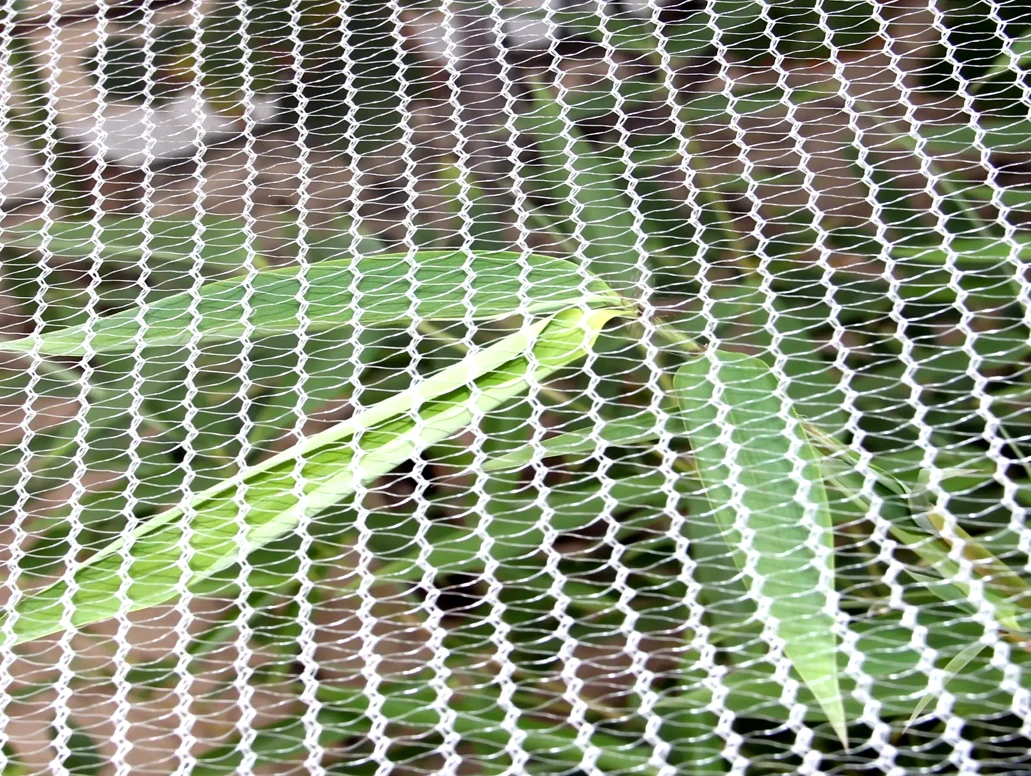
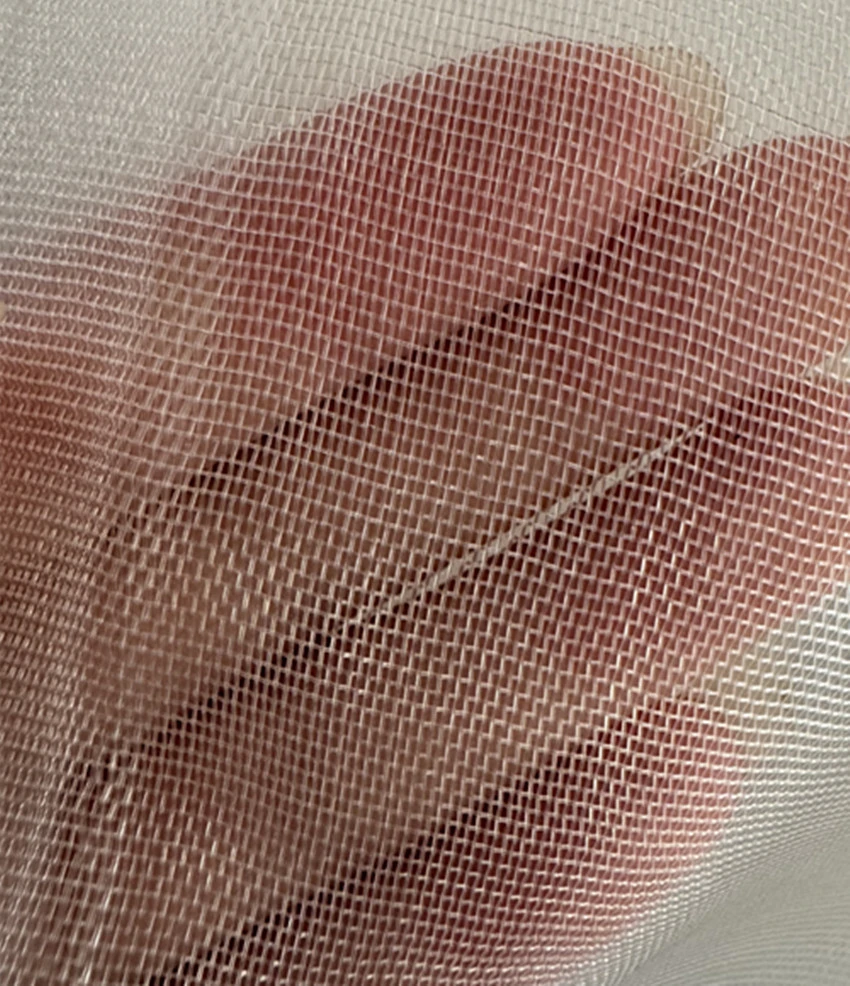
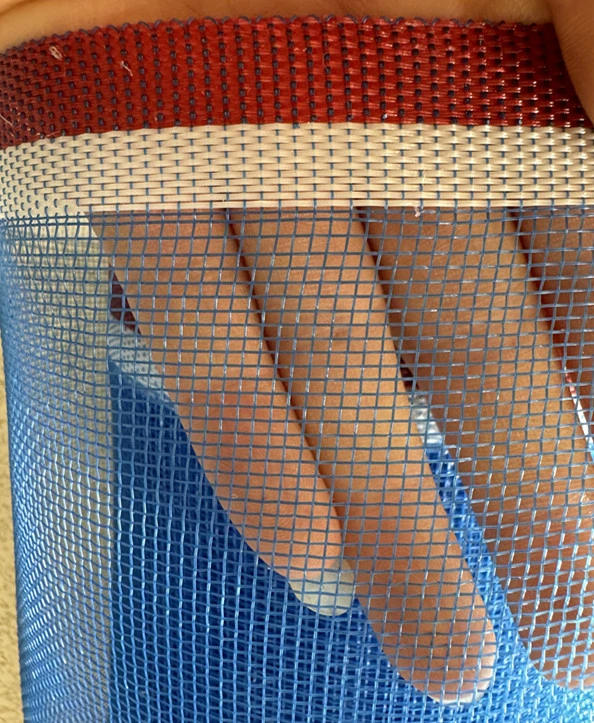
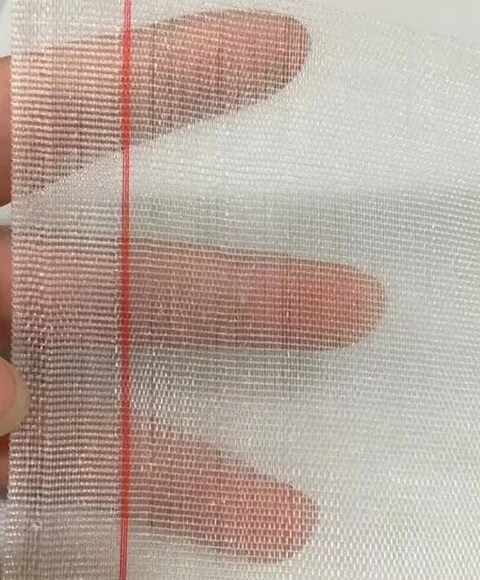
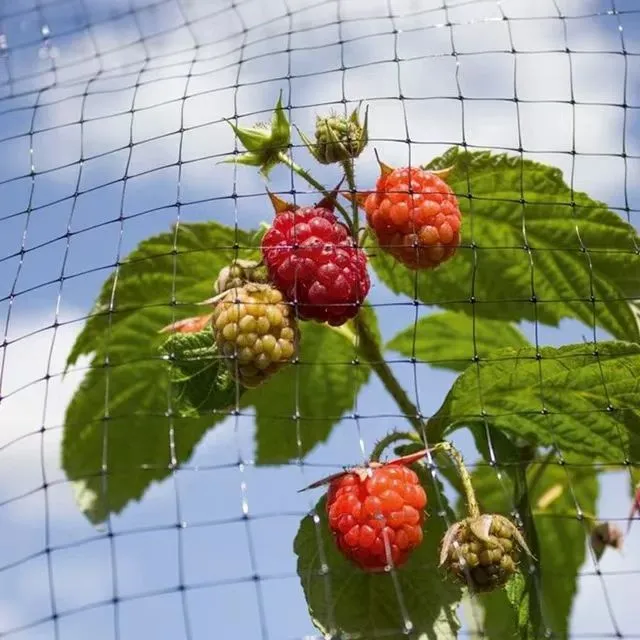
If you’ve ever searched for a simple way to protect fruit and veggies, you’ve probably stumbled across bird in net solutions. The model I’ve been testing lately is the Bird Netting for Garden 13 x 40 FT Heavy Duty Anti Bird Netting Mesh, made in China. It’s a mouthful, sure, but the build tells a story: UV-stabilized polyethylene, weatherable, knotted or knotless options, and enough tensile strength that it doesn’t tear the moment a blackbird lands on it.
Material, methods, and durability
The netting uses UV-resistant PE strands with anti-aging and anti-oxidation additives. In plain English: it’s made to sit in full sun and shrug off rainy winters. You can choose knotted (classic diamond mesh, great resistance) or knotless (quieter, smoother, less snagging on stems). In practice, both styles work; knotless is kinder to soft fruit, knotted takes more abuse around trellises.
Process flow (factory-level): resin selection → mono/multi-filament extrusion → weaving/knitting (knotted or knotless) → heat-setting → edge reinforcement → QC (mesh gauge, tensile, UV aging) → packing. Tested against recognized methods like accelerated UV exposure (ASTM G154/ISO 4892), tensile/tear checks (ASTM D5035 or ISO 13934-1 equivalents), and dimensional stability (mesh aperture checks). Real-world service life: around 5–8 seasons depending on latitude and storage.
Product specs that buyers actually ask about
| Model | Bird Netting for Garden 13 x 40 FT Heavy Duty |
| Material | UV-stabilized polyethylene (PE), weather-resistant |
| Size | 13 ft × 40 ft (≈ 4 m × 12.2 m) |
| Mesh type | Knotted or knotless (user-selectable) |
| Aperture | ≈ 15–25 mm (real-world use may vary by batch/customization) |
| UV/Weathering | Additive-stabilized; tested to ASTM G154/ISO 4892 protocols |
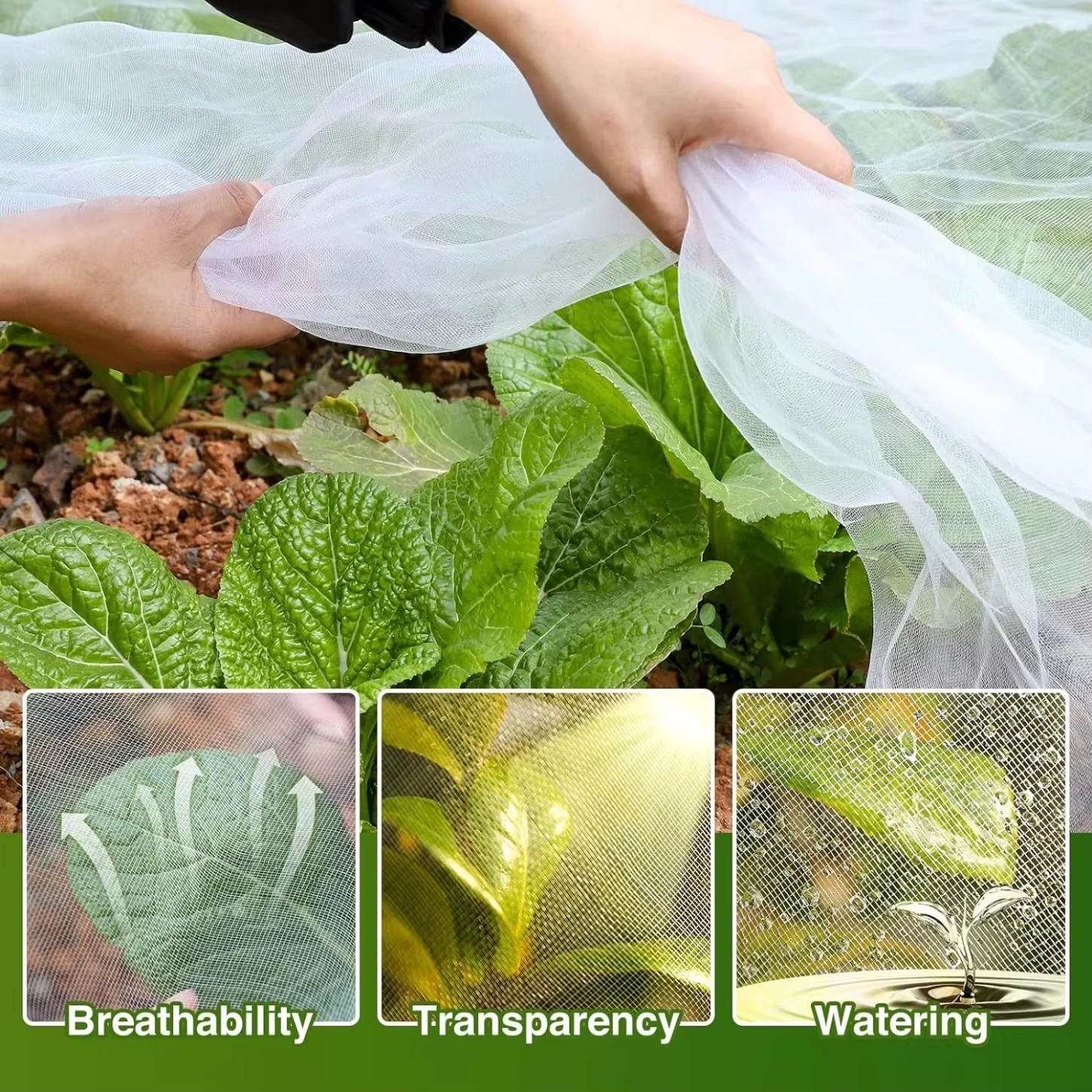
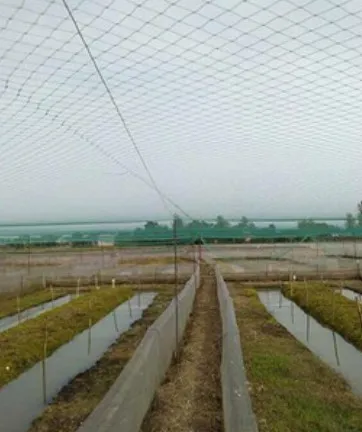
Applications I keep seeing: raised beds, berry tunnels, fruit trees, koi ponds, pergolas, chicken runs, patio eaves, even light-duty warehouse openings. For rooftops and solar fields, I’d step up to a heavier gauge, but this one is fine for gardens and small orchards. Many customers say it’s a sweet spot: light enough to drape, strong enough to reuse if you store it dry.
Advantages, customization, and test notes
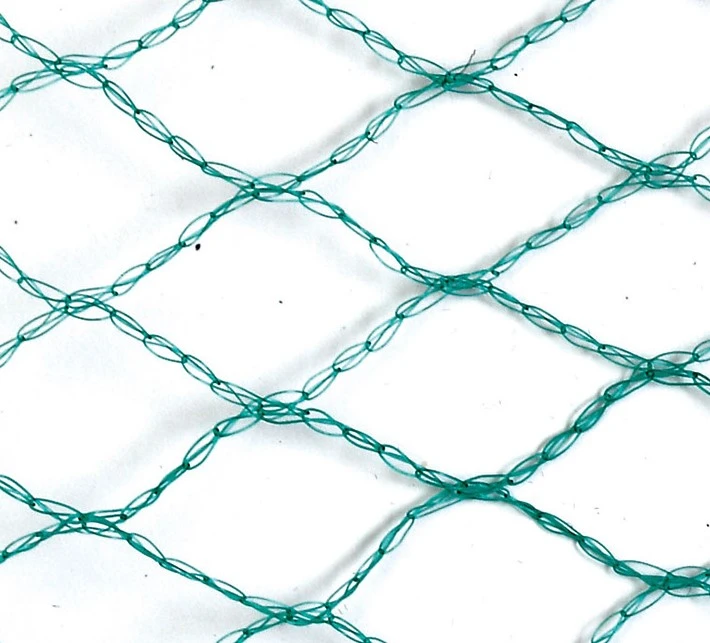
- Advantages: UV resistance, high tensile strength, low weight, quick installation over hoops or frames, gentle on foliage.
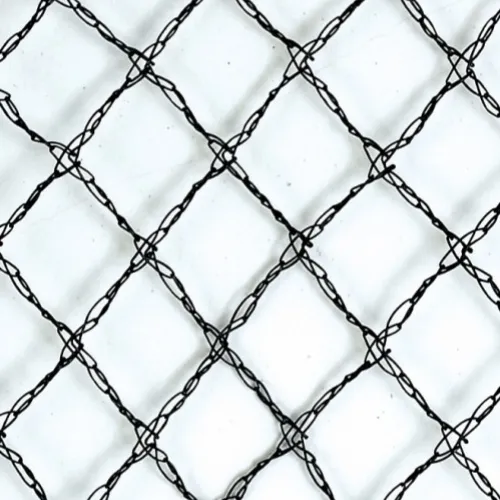
- Customization: width/length, mesh size, color (green/black), selvage reinforcement, packing, and knotted vs knotless.
- Certifications: factory-level ISO 9001 QMS; materials typically RoHS/REACH-aligned for additives (ask for current declarations).
- Sample test data (internal lab, example): tensile at break ≈ 35–60 N per strand; 500-hour UV cycle retained strength ≈ 80–88%.
Vendor snapshot: how it stacks up
| Vendor/Model | Material & UV | Mesh Type | Service Life | Lead Time |
|---|---|---|---|---|
| YJ Wire Mesh 13×40 FT | UV-stabilized PE, additive-rich | Knotted/Knotless | ≈ 5–8 seasons | ≈ 7–15 days |
| Big-Box Store Net | Generic PE, light UV | Knotless | ≈ 1–3 seasons | In stock |
| No‑Brand Online | PE/PET mix (varies) | Unknown | ≈ 1–2 seasons | ≈ 10–25 days |
Field notes and a quick case
A small blueberry grower I know in the Pacific Northwest draped two rows with this net and left two rows uncovered (control). To be honest, I expected only a modest bump. Harvest logs showed ≈ 28–32% higher marketable yield on the protected rows, mostly by deterring robins and starlings. Installation was a one-person job over hoop wires; reuse the next season looked good after a simple rinse and dry storage.
Customer feedback (paraphrased): “Surprisingly quiet in wind,” “doesn’t snag as much as the cheap stuff,” and “light but tough.” If you need the term for keyword’s sake: bird in net setups like this are a tidy, non-lethal control that keep fruit intact without chemicals.
Quick tips
- Pre-fit frames or hoops; avoid laying net directly on fruit clusters.
- Stake edges to prevent gaps; tension lightly to avoid tearing.
- Off-season: wash, dry fully, store dark/cool to extend life.
Standards and references
- ASTM G154 – Standard Practice for Operating Fluorescent UV Lamp Apparatus for Exposure of Nonmetallic Materials.
- ISO 4892-2 – Plastics: Methods of exposure to laboratory light sources.
- USDA APHIS – Bird Damage Management in Horticulture (best practices overview).
- ISO 9001 – Quality Management Systems (manufacturing process control).
-
High Quality Anti Bird Agro Net for Professional Crop ProtectionNewsApr.16,2026
-
Guide to Bird Netting Cost Per Square Foot and Material OptionsNewsApr.09,2026
-
Comprehensive Guide to Bird Netting Cost Factors and Material ChoicesNewsApr.07,2026
-
Comprehensive Guide to Bird Net for Balcony Cost and Installation OptionsNewsApr.04,2026
-
Comprehensive Guide to Bird Netting Price and Effective Protection SolutionsNewsMar.31,2026
-
Comprehensive Guide to Nylon Bird Net Price Factors and OptionsNewsMar.28,2026