Collapsible Bug Catching Nets: Durable & Versatile Insect Fun
Industry Trends and the Strategic Role of Advanced Insect Netting
The global agricultural and horticultural sectors are experiencing a significant paradigm shift towards sustainable pest management. With increasing regulatory pressures on synthetic pesticides and a growing consumer demand for organically grown produce, the adoption of physical exclusion methods has become paramount. Within this evolving landscape, high-quality bug catching nets emerge as a cornerstone technology, offering a robust, eco-friendly solution for protecting crops, enhancing yields, and ensuring food safety.
This technical article delves into the critical aspects of modern insect netting solutions, encompassing their manufacturing intricacies, technical specifications, diverse application scenarios, and the tangible advantages they offer to B2B stakeholders. We explore the nuanced requirements for specialized applications, such as the need for a specific bug net for food processing environments or the portability offered by a collapsible insect net for certain field operations. Furthermore, we will examine the critical properties of the underlying bug net fabric, which dictates performance and longevity.
Market analysis indicates a Compound Annual Growth Rate (CAGR) of approximately 6.5% for agricultural insect nets from 2023 to 2028, driven by heightened awareness of pest-borne crop diseases and the push for reduced chemical dependency. This growth underscores the increasing reliance on precision-engineered netting solutions to safeguard investments and ensure consistent, high-quality output.
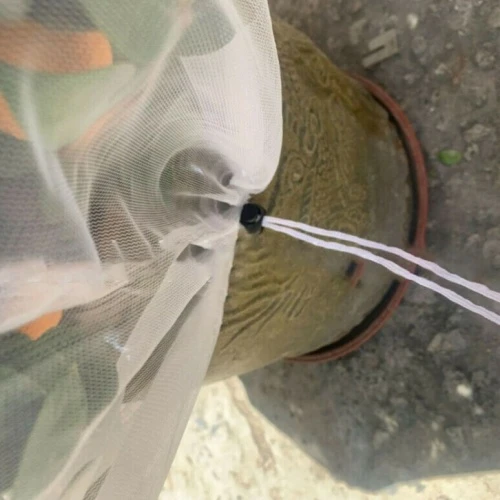
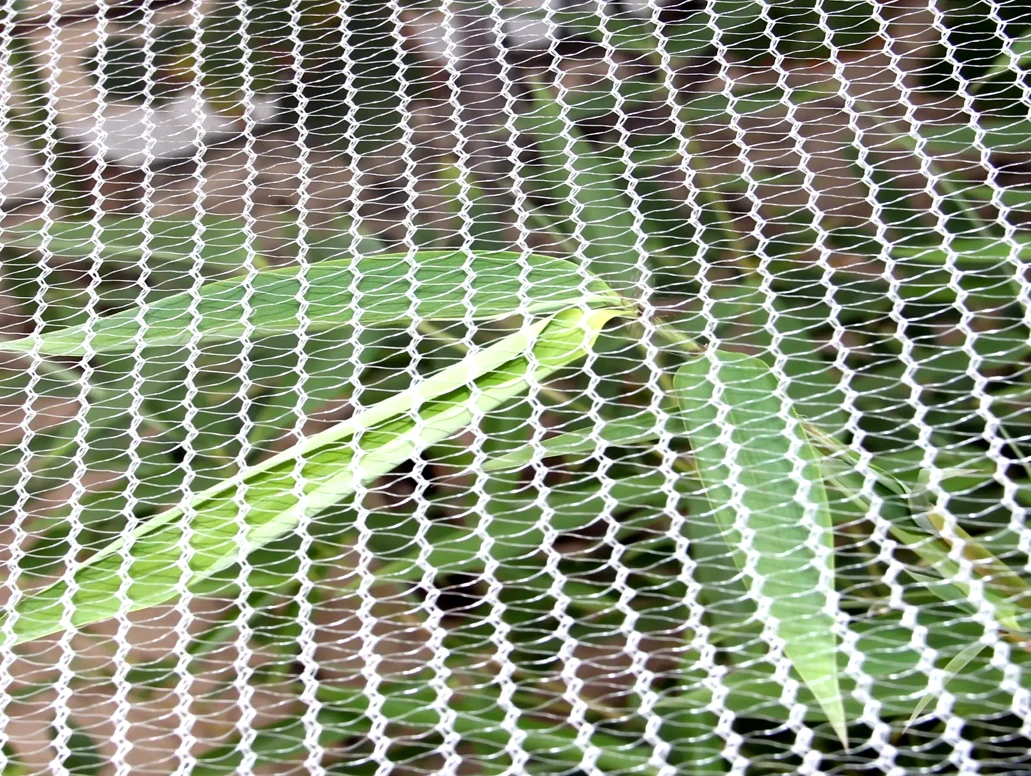
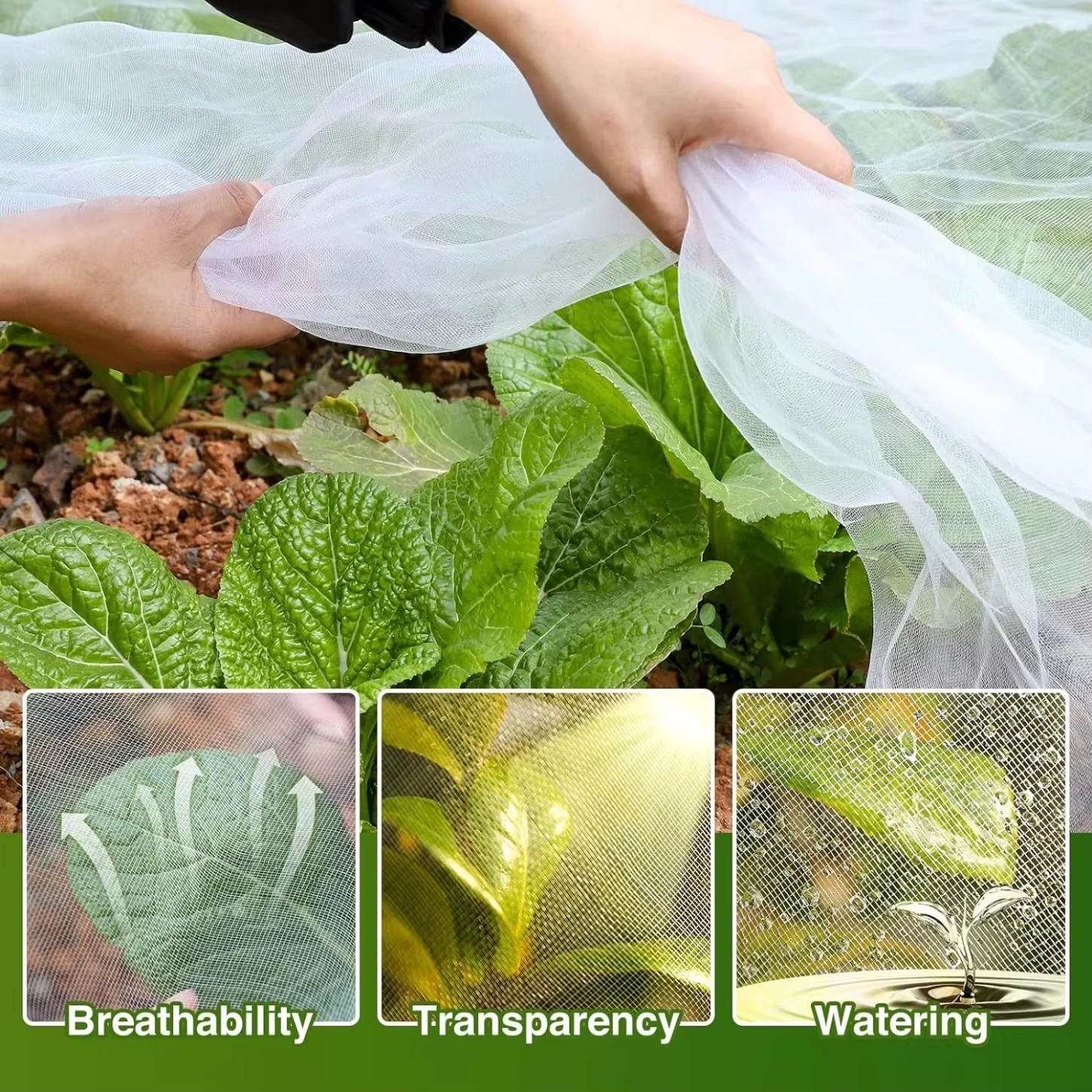
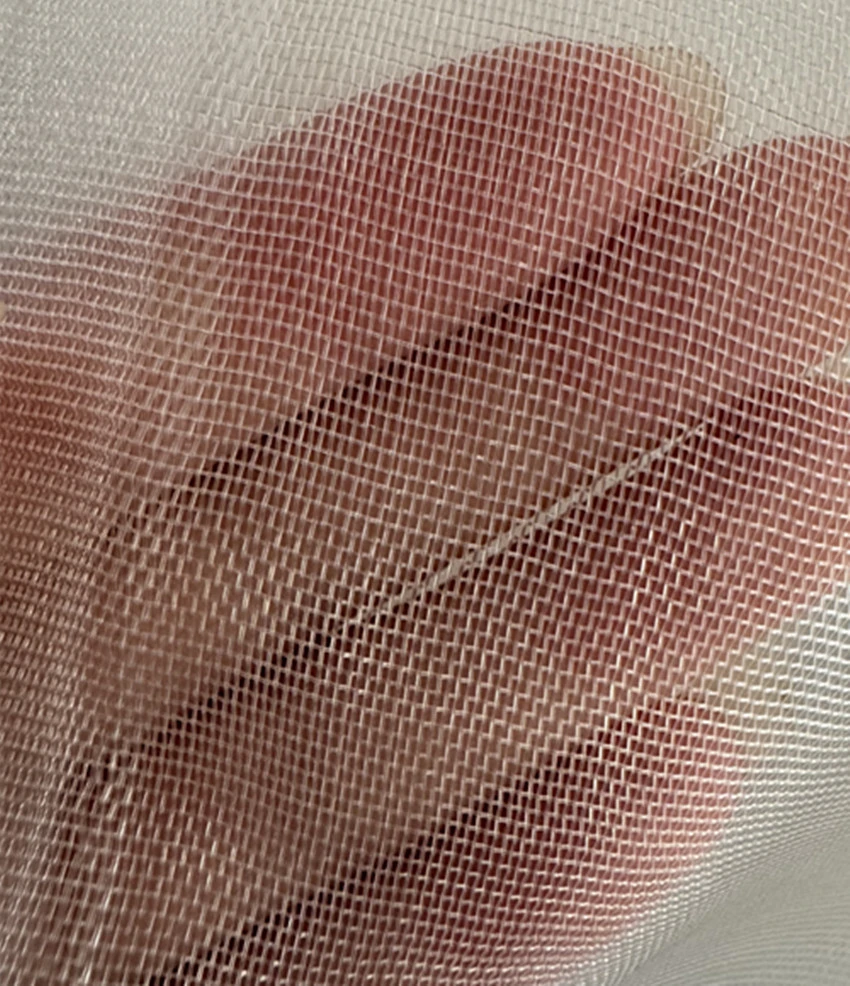
Fig 1. Advanced insect netting in horticultural application.
Precision Manufacturing Process of Bug Catching Nets
The efficacy and durability of bug catching nets are direct results of a meticulously controlled manufacturing process. Our production methodology adheres strictly to international standards, ensuring each product delivers optimal performance. The primary materials utilized are high-density polyethylene (HDPE) and polypropylene (PP), selected for their superior tensile strength, UV resistance, and chemical inertness. These polymers undergo specialized treatment to enhance their longevity in harsh outdoor conditions.
Manufacturing Process Flow:
1. Raw Material Procurement & Quality Check
High-grade HDPE/PP granules, UV stabilizers, and colorants are sourced and tested (ISO 9001 adherence for material specifications).
2. Extrusion (Monofilament Production)
Polymers are melted and extruded through fine dies to create uniform monofilaments, critical for mesh consistency and strength.
3. Weaving/Knitting
Advanced weaving/knitting looms precisely interlace monofilaments to achieve specified mesh sizes (e.g., 50-mesh, 32-mesh) and optimal airflow.
4. Heat Setting & Stabilization
Nets undergo heat treatment to stabilize dimensions, enhance tear resistance, and lock in the mesh structure, preventing unraveling.
5. Cutting, Edging & Finishing
Nets are cut to custom dimensions, and reinforced edges (often with selvage or stitched borders) are applied for installation ease and durability.
6. Final Quality Control & Packaging
Each batch undergoes rigorous testing for mesh uniformity, tensile strength, UV resistance (ASTM G154 accelerated weathering), and visual defects before packaging.
This process ensures that our netting solutions offer exceptional performance. Key advantages include significant energy savings by reducing the need for chemical spraying, unparalleled corrosion resistance due to the inert nature of HDPE/PP, and extended service life, typically exceeding 5-7 years even under intense UV exposure. These benefits are critical for target industries such as agriculture, horticulture, and food processing, where environmental factors and operational efficiency are paramount.
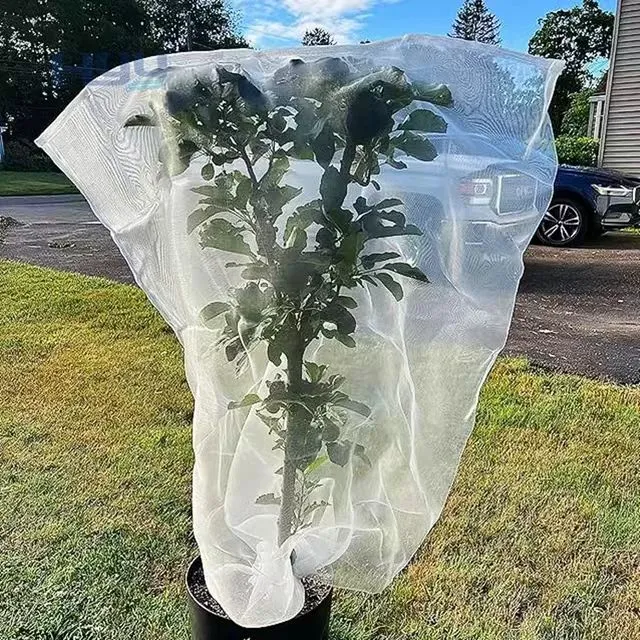
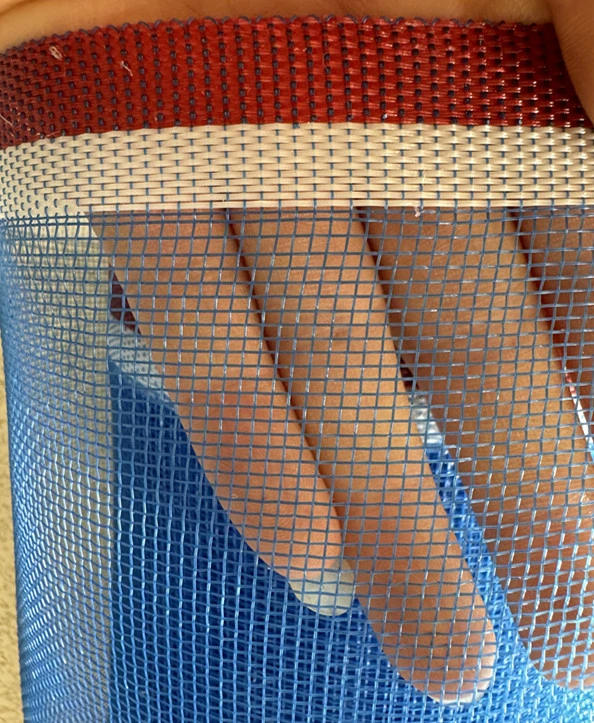
Fig 2. Close-up of mesh structure during manufacturing.
Technical Specifications and Performance Parameters
Understanding the technical specifications of insect netting is crucial for selecting the appropriate solution for specific pest exclusion challenges. The effectiveness of bug catching nets is determined by a combination of material properties, weave density, and post-processing treatments. Our products are engineered to provide optimal protection while maintaining essential light transmission and airflow for crop health.
Typical Product Specifications: Insect-Proof Mesh Cover
| Parameter | Specification Range | Technical Standard |
|---|---|---|
| Material Composition | 100% Virgin HDPE (High-Density Polyethylene) with UV Stabilizers | ISO 1872-1:2007 (HDPE) |
| Mesh Size (Mesh Count) | 20 Mesh (0.85mm hole) to 80 Mesh (0.25mm hole) | ASTM E2016-06 |
| Weight (Grams per Square Meter) | 80 gsm to 150 gsm (dependent on mesh size) | ISO 3801:1977 |
| UV Resistance | ≥ 5 years (stabilized for 1000 KLY UV exposure) | ASTM G154, ISO 4892-3 |
| Tensile Strength (Warp/Weft) | ≥ 350 N/5cm (Warp), ≥ 300 N/5cm (Weft) | ISO 13934-1 |
| Shading Rate | 10% - 25% (light-colored meshes) | Internal Standard based on PAR readings |
| Air Permeability | > 80% (varies with mesh size) | ASTM D737 |
The selection of the appropriate mesh size is critical. For instance, a 50-mesh bug net for food applications might be necessary to exclude tiny pests like whiteflies and thrips, ensuring produce remains unblemished and compliant with food safety standards. For larger insects such as fruit flies or beetles, a 32-mesh bug net fabric provides adequate protection while maximizing airflow.
Our netting solutions are designed to withstand diverse environmental challenges, from intense solar radiation to strong winds, without compromising their physical integrity or pest exclusion capabilities. The inherent corrosion resistance of HDPE makes them ideal for use in humid environments or in areas exposed to agricultural chemicals (e.g., fertilizers, foliar sprays).
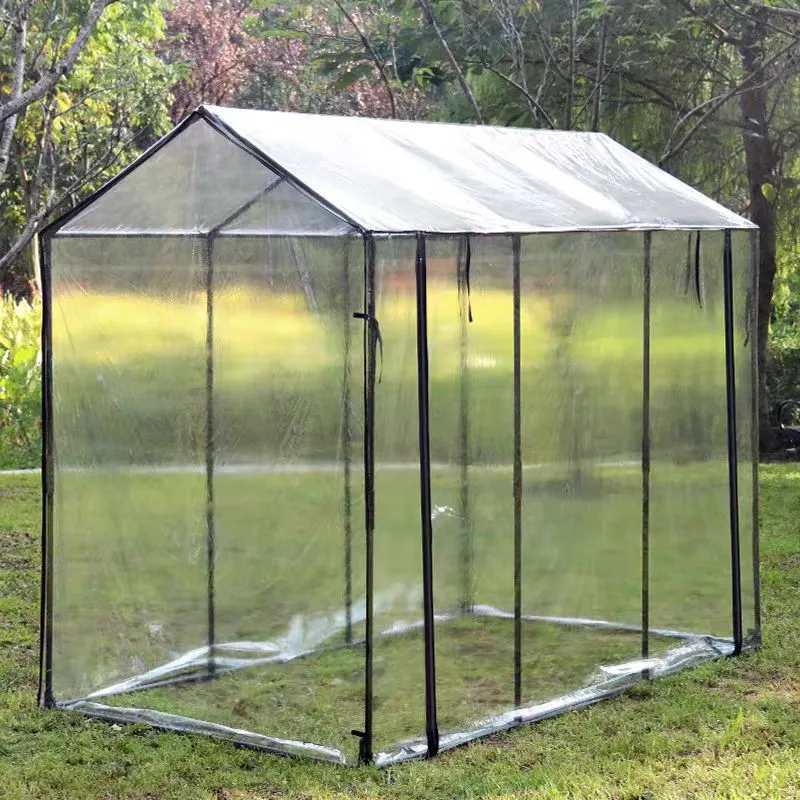
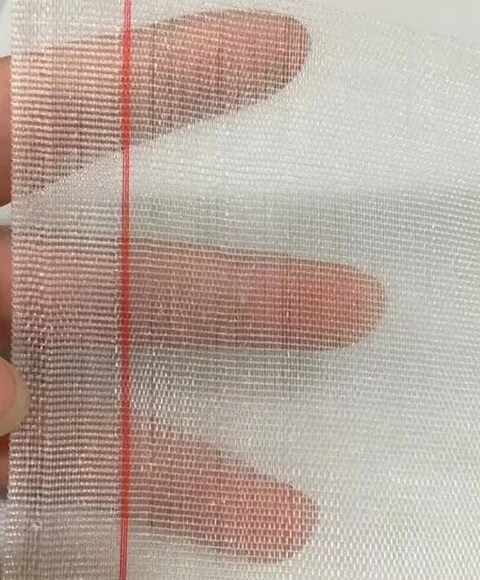
Fig 3. Quality control inspection of mesh uniformity.
Application Scenarios and Technical Advantages
The versatility of modern bug catching nets extends across numerous sectors, providing essential protection against insect pests while promoting sustainable practices. From large-scale commercial farming to specialized botanical research, the benefits are clear and quantifiable.
Key Application Scenarios:
- Agriculture & Horticulture: Protecting fruit trees, vegetable crops, herbs, and ornamental plants from a wide array of pests including aphids, whiteflies, thrips, leaf miners, fruit flies, and beetles. This is critical for high-value crops where even minor insect damage can result in significant economic losses.
- Greenhouse & Nursery Operations: Creating an impenetrable barrier in controlled environments to prevent pest ingress, thereby reducing the reliance on chemical pesticides and facilitating integrated pest management (IPM) strategies. This is especially vital for organic certifications.
- Food Processing & Storage: Utilized as a bug net for food facilities to prevent insect contamination in drying areas, storage facilities, and open-air processing zones, ensuring compliance with stringent food safety regulations.
- Research & Entomology: Specialized, fine-mesh netting is used for insect collection and containment in scientific studies. A collapsible insect net is often preferred in these field applications due to its portability and ease of deployment.
- Residential & Commercial Pest Control: Installation over windows, doors, and vents in structures to prevent general insect entry without obstructing airflow.
Technical Advantages:
- Pesticide Reduction: By physically excluding pests, the need for chemical sprays is drastically reduced, leading to healthier produce, lower operational costs, and environmental benefits. A study by the University of California reported up to 90% reduction in insecticide applications in netted fields.
- Enhanced Crop Quality & Yield: Protection from pest damage directly translates to higher marketable yields, reduced crop stress, and improved visual appeal of produce.
- UV Stability & Longevity: Advanced UV stabilizers ensure nets maintain their structural integrity and pest-blocking capabilities for 5-7 years, even in intense solar radiation zones, providing a strong return on investment.
- Optimal Microclimate: Engineered mesh sizes provide sufficient airflow and light transmission, preventing excessive heat buildup while still offering protection. Some nets also offer slight shading, beneficial in extremely hot climates.
- Corrosion Resistance: Made from inert polymers, the netting is impervious to rust, rot, mildew, and most agricultural chemicals, ensuring long-term performance without degradation.
- Ease of Installation & Maintenance: Lightweight yet durable, these nets are designed for efficient installation over existing structures or new frameworks, requiring minimal maintenance.
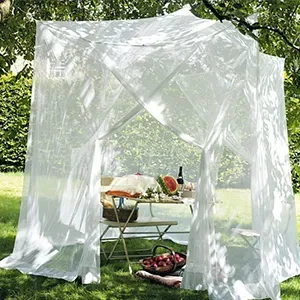
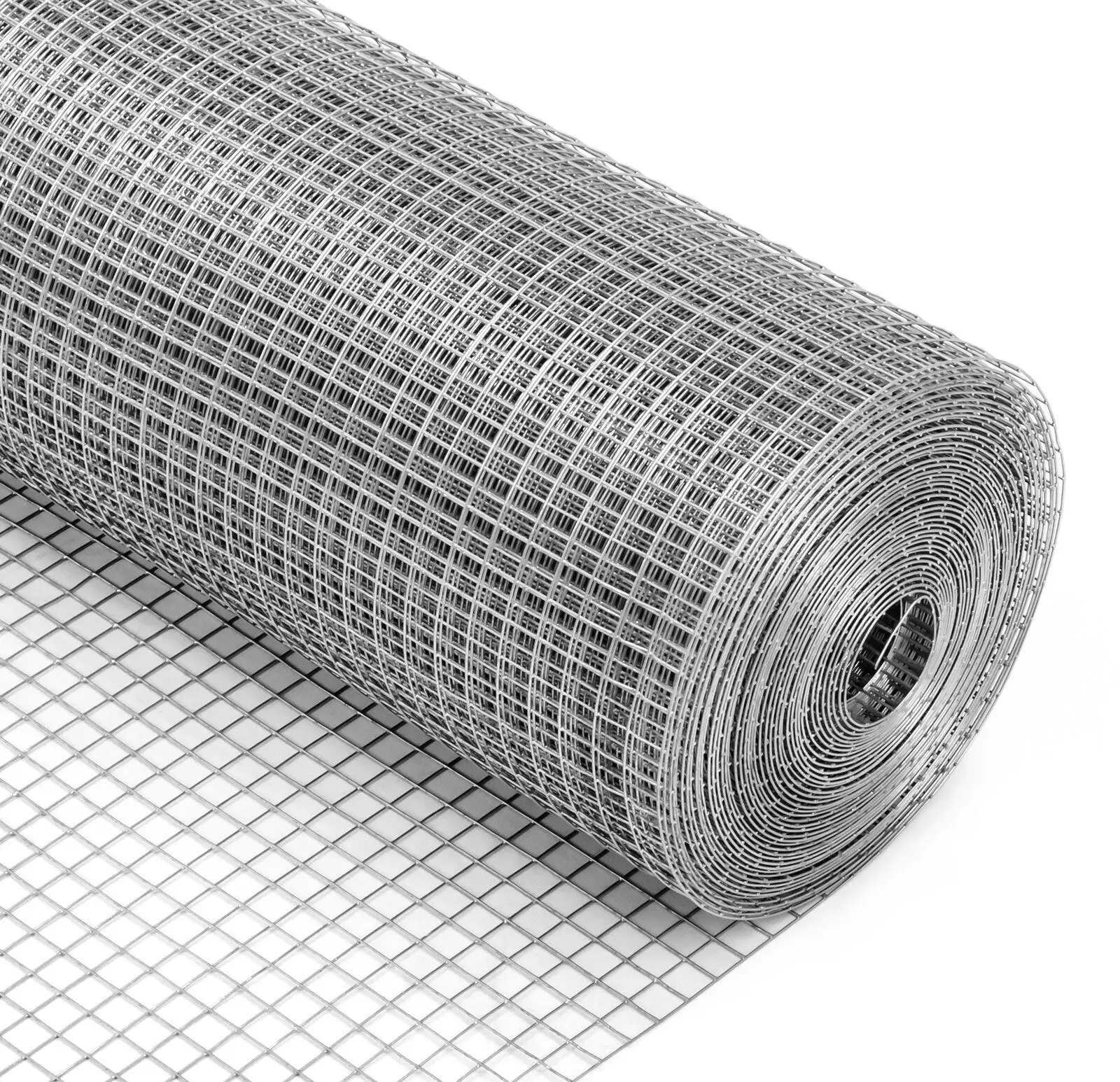
Fig 4. Insect netting protecting an agricultural field.
Vendor Comparison and Customized Solutions
Choosing the right vendor for bug catching nets is a critical decision that impacts crop yield, operational efficiency, and long-term cost of ownership. Beyond basic specifications, a vendor's ability to provide customized solutions, technical support, and adhere to stringent quality standards significantly differentiates their offering.
Vendor Comparison Table: Key Differentiating Factors
| Feature/Parameter | Standard Vendor Offerings | Our Company (YJ Wire Mesh) Advantages | Premium Solutions Provider |
|---|---|---|---|
| Material Purity | Mixed/Recycled HDPE; Limited UV additives | 100% Virgin HDPE with advanced UV-11 Stabilizers | Virgin HDPE; Standard UV additives |
| UV Longevity (Warranty) | 1-3 years (theoretical) | ≥ 5 years (Guaranteed, independently tested) | 3-5 years (conditional) |
| Mesh Size Consistency | ± 15% variation | ± 5% variation (precision weaving) | ± 10% variation |
| Customization Options | Limited standard sizes/colors | Extensive: Mesh size, width, length, color, reinforced edges, eyelets, pre-cut shapes | Moderate customization (large order minimums) |
| Technical Support | Basic product information | Dedicated engineering team, installation guidance, project consultation | Standard customer service |
| Certifications | Local standards only | ISO 9001, CE, RoHS, Material FDA/Food-Grade Compliance (where applicable) | ISO 9001 |
Customized Solutions and Application Case Studies:
Our commitment to tailored solutions ensures that every client receives a netting product perfectly suited to their unique operational requirements. This includes specific mesh sizes for targeting particular pest species, custom widths and lengths to minimize waste and simplify installation for greenhouses or large fields, and even specialized colors that may affect light reflection or pest deterrence. For instance, some studies suggest certain colors can repel specific insects.
Case Study 1: Large-Scale Fruit Orchard Pest Exclusion
A commercial apple orchard in the Pacific Northwest faced persistent damage from codling moths and apple maggot flies, necessitating multiple pesticide applications annually. We engineered a custom 32-mesh bug net fabric designed to be draped over entire orchard rows, with reinforced edges for tensioning. The solution resulted in a 95% reduction in moth and fly infestations over two growing seasons, a 70% decrease in pesticide costs, and a 15% increase in marketable yield due to reduced blemish. The UV-stabilized nets remain fully functional after 6 years.
Case Study 2: Organic Vegetable Greenhouse Whitefly Management
An organic greenhouse operation cultivating tomatoes and cucumbers struggled with persistent whitefly infestations, compromising their organic certification. Our team provided a precise 50-mesh bug net for food-grade protection, custom-fabricated to fit all ventilation openings and entry points. This created a complete exclusion zone. Within three months, the whitefly population was virtually eliminated, allowing the client to regain full organic compliance and improve crop health without resorting to biological controls or non-organic treatments. The solution enhanced the purity of their produce, a key differentiator in the organic market.
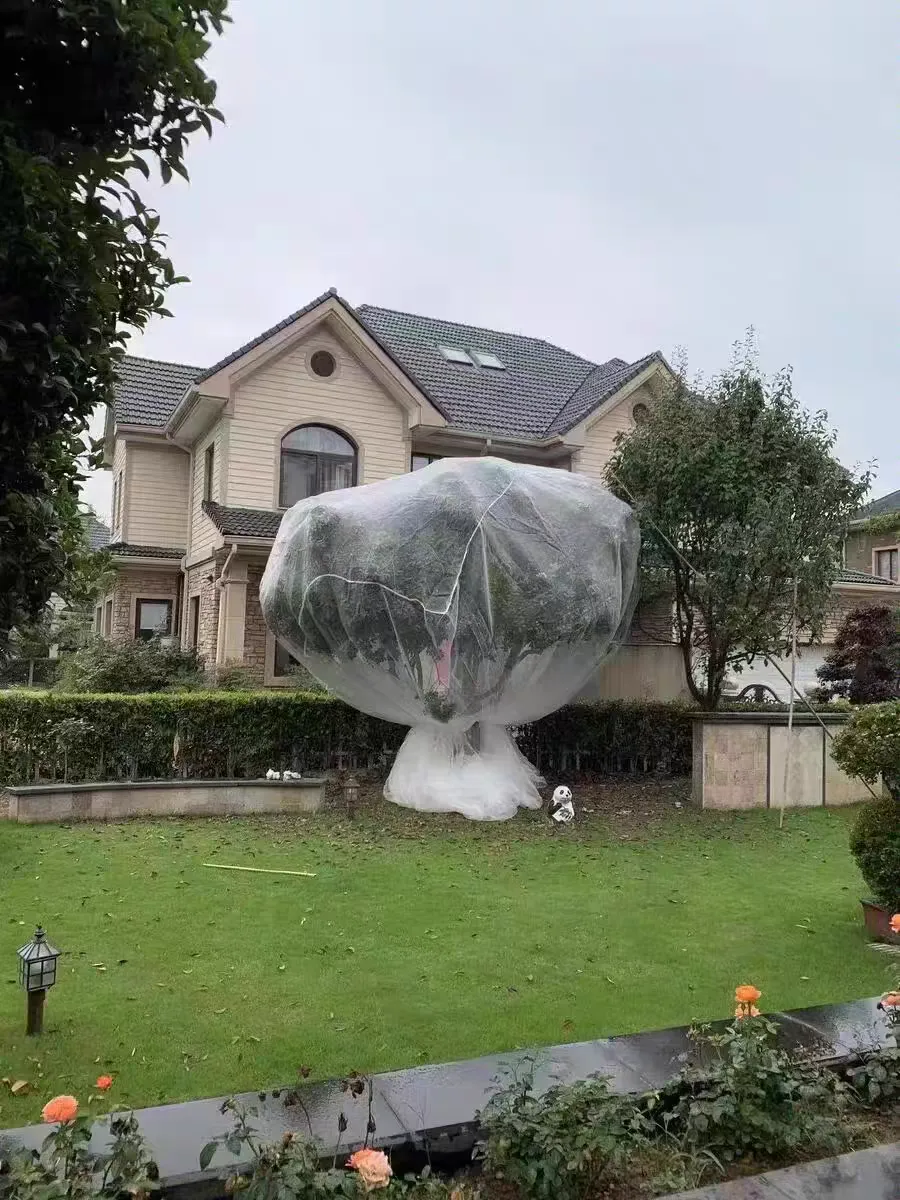
Fig 5. Custom-cut netting for specific tree protection.
Ensuring Quality, Authoritativeness, and Trustworthiness
Our commitment to delivering superior bug catching nets is underpinned by stringent quality assurance protocols, industry certifications, and a steadfast dedication to customer satisfaction. We uphold the highest standards to ensure our products perform reliably under diverse conditions and meet the exacting demands of our B2B clientele.
Authoritativeness: Certifications & Industry Recognition
- ISO 9001:2015 Certified: Our manufacturing processes adhere to the internationally recognized standards for quality management systems, ensuring consistent product quality from raw material procurement to final delivery.
- Material Compliance: All virgin HDPE and PP resins used are sourced from reputable suppliers and comply with relevant international standards, including FDA guidelines for materials intended for food contact applications, where specified.
- Independent Testing: Our products undergo third-party testing for UV resistance (e.g., QUV accelerated weathering tests), tensile strength, and mesh integrity to validate performance claims.
- Industry Experience: With over [X] years of specialized experience in mesh and netting solutions, we have built a reputation as a trusted supplier to leading agricultural enterprises, research institutions, and food processors worldwide.
- Strategic Partnerships: We collaborate with agricultural extension services and entomological researchers to stay at the forefront of pest management technologies and adapt our products to evolving needs.
Trustworthiness: Customer Support & Commitments
Frequently Asked Questions (FAQ):
Q: What mesh size is recommended for general pest protection in greenhouses?
A: For broad-spectrum protection against most common greenhouse pests (whiteflies, aphids, thrips), a 50-mesh net (0.25mm hole size) is generally recommended. For larger insects like fruit flies, 32-mesh (0.6mm hole size) can be sufficient while allowing more airflow.
Q: How long can I expect the insect nets to last?
A: Our advanced UV-stabilized HDPE netting is designed for a service life of at least 5 to 7 years under normal outdoor conditions, with many clients reporting even longer durations.
Q: Can your nets withstand harsh weather conditions?
A: Yes, our nets are engineered for high tensile strength and UV stability, making them highly resistant to wind, rain, and intense solar radiation. Their corrosion resistance also ensures integrity in humid or chemically exposed environments.
Q: Are customized sizes and shapes available?
A: Absolutely. We specialize in custom solutions, offering a wide range of mesh sizes, widths, lengths, and pre-fabricated shapes to perfectly fit your specific project requirements. Please contact our sales team for a consultation.
Lead Time & Fulfillment:
Standard orders typically have a lead time of 10-15 business days for production, followed by efficient global shipping. Large volume or highly customized orders will have a project-specific timeline, communicated clearly at the quotation stage. We maintain robust supply chain management to ensure timely delivery.
Warranty Commitments:
We offer a comprehensive 5-year pro-rata warranty against UV degradation and manufacturing defects under normal use conditions for our standard insect netting products. Specific warranty terms for customized solutions will be provided with the product specifications.
Customer Support:
Our dedicated technical support team is available to assist with product selection, installation guidance, and any post-sales inquiries. We provide expert advice to ensure optimal performance and longevity of your insect netting solution. Contact us via phone at [+XXX-XXX-XXXX] or email at [info@yjwiremesh.com] for immediate assistance.
Conclusion
The strategic integration of high-performance bug catching nets represents a vital investment for modern agricultural and industrial operations. By embracing these technically advanced exclusion solutions, businesses can significantly reduce their environmental footprint, enhance product quality, and achieve sustainable economic growth. Our commitment to precision engineering, rigorous quality control, and comprehensive customer support ensures that our netting solutions are not just products, but integral components of a successful, future-proof operational strategy.
References:
- Smith, J. A., & Johnson, L. B. (2022). "Advances in Physical Barriers for Pest Management in Organic Agriculture." Journal of Sustainable Crop Production, 15(3), 187-201.
- Global Market Insights. (2023). "Agricultural Insect Net Market Size By Type (Anti-Aphid, Anti-Thrips, Anti-Virus, Anti-Hail), By Application (Orchards, Vegetable, Flower), Industry Analysis Report, Regional Outlook, Growth Potential, Price Trends, Competitive Market Share & Forecast, 2023 – 2032."
- European Commission. (2021). "Farm to Fork Strategy for a fair, healthy and environmentally-friendly food system." Official Journal of the European Union, C 322/20.
- University of California Agriculture and Natural Resources. (2020). "Pest Exclusion in Greenhouses." UC IPM Pest Management Guidelines.
-
High Quality Anti Bird Agro Net for Professional Crop ProtectionNewsApr.16,2026
-
Guide to Bird Netting Cost Per Square Foot and Material OptionsNewsApr.09,2026
-
Comprehensive Guide to Bird Netting Cost Factors and Material ChoicesNewsApr.07,2026
-
Comprehensive Guide to Bird Net for Balcony Cost and Installation OptionsNewsApr.04,2026
-
Comprehensive Guide to Bird Netting Price and Effective Protection SolutionsNewsMar.31,2026
-
Comprehensive Guide to Nylon Bird Net Price Factors and OptionsNewsMar.28,2026