Comprehensive Guide to Custom Safety Net: Global Applications, Benefits, and Innovations
Custom Safety Net: What It Is and Why It Matters Globally
If you’ve ever thought about how industries and communities stay protected from accidents, falls, and unexpected hazards, you’ve brushed against the vital concept of a custom safety net. It’s more than just a simple mesh of ropes or wires — it’s a tailored solution designed to fit specific safety challenges worldwide. Understanding its role is increasingly important because as industries expand and urban development grows denser across continents, safety becomes not just compliance but a moral imperative.
Globally, safety net solutions reduce injuries and deaths — a major concern highlighted by the International Labour Organization (ILO) which estimates over 2.78 million workplace fatalities annually. The benefits of properly engineered custom safety nets stretch beyond saving lives to improving productivity and reducing costly downtime. They’re the unsung heroes behind safe construction sites, industrial zones, sports arenas, and even disaster response efforts.
Why This Matters Now
The ongoing global urbanization (with over 56% of the population now in cities according to UN data) and industrial advancements mean that tailored safety measures can’t be “one size fits all.” Customized nets account for unique environments — from towering skyscraper scaffolds in Asia to open-pit mines in Africa. No wonder international standards, including ISO 22865, emphasize correct net design parameters that meet specific force and durability requirements.
Defining the Custom Safety Net
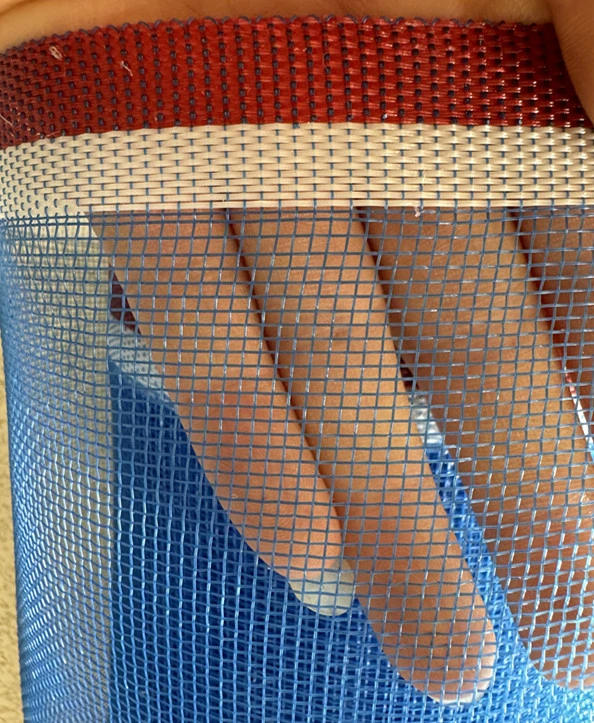
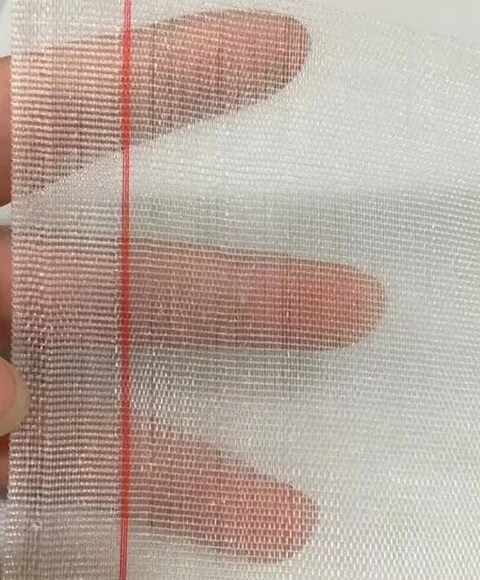
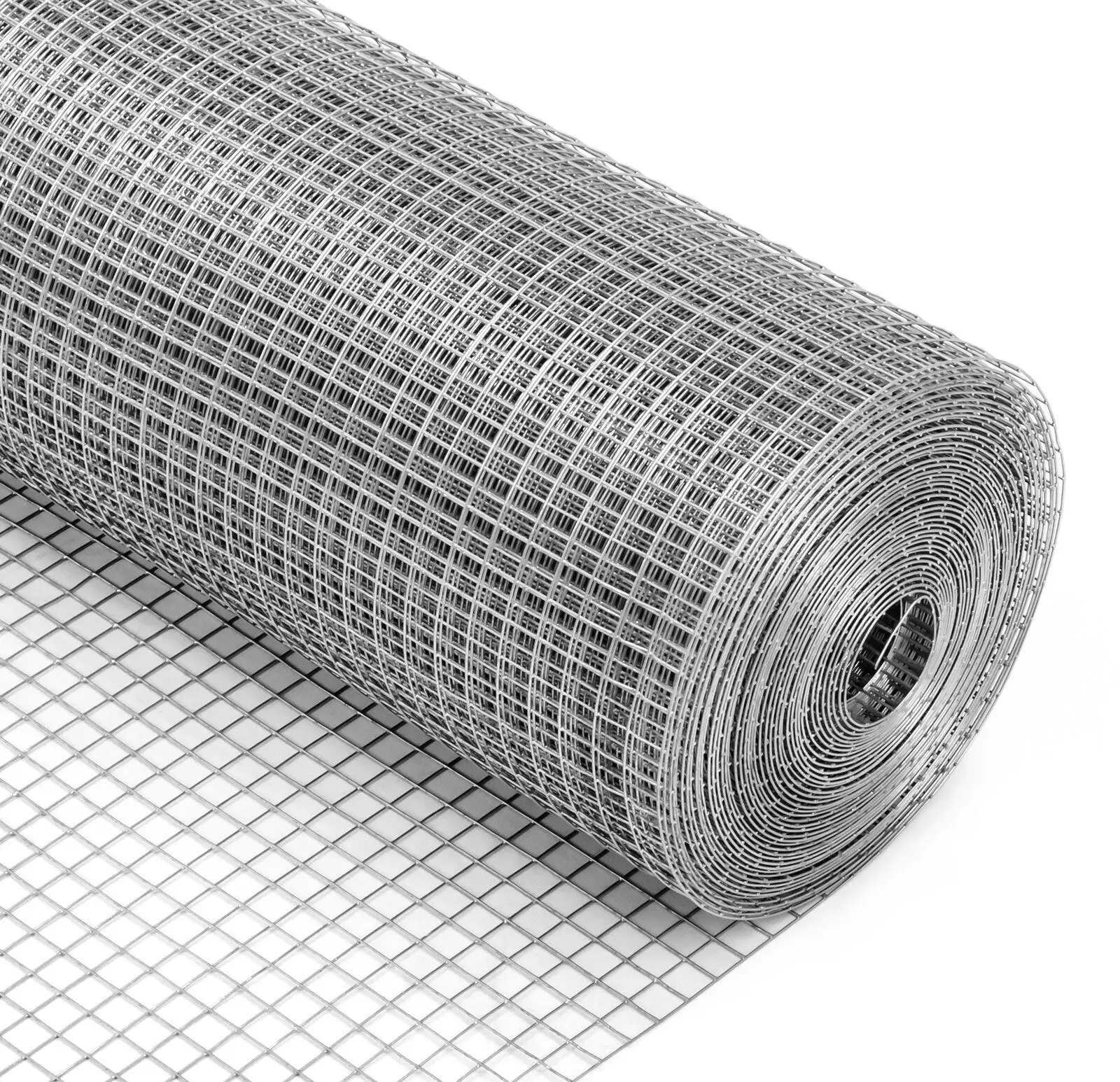
Simply put, a custom safety net is a specifically designed and manufactured safety barrier made from durable materials (like high-tensile nylon or galvanized steel wire) that can be tailored in size, shape, and strength to meet the exact needs of a job site or environment. Unlike generic nets, the customization ensures optimal coverage, strength, and usability that align precisely with site risks and regulations.
This engineering is crucial in modern industries where risk variables vary widely — think infrastructure projects, cargo handling, or even humanitarian relief. A net customized for a construction site in windy coastal conditions will look very different from one used to secure a humanitarian aid shipment.
Key Components of a Custom Safety Net
1. Durability
Durability is fundamental. Materials must resist UV radiation, abrasion, chemicals, and extreme weather. For example, high-modulus polyethylene (HMPE) fibers often meet the mark due to their high strength-to-weight ratio.
2. Scalability and Sizing
Custom safety nets need to scale up or wrap complex shapes. Large-span industrial applications require large nets without compromise on strength. Precision in sizing prevents weak points.
3. Load Capacity
Knowing the maximum fall force or debris weight is key. Nets are engineered to catch loads without braking or deforming. Standards guide safety factors — often 10x the expected load.
4. Compliance and Certification
Nets must comply with OSHA, EU EN standards, or local safety laws, giving stakeholders peace of mind. Certifications like ISO 22865 offer standardized testing benchmarks.
5. Installation Flexibility
Customization includes ease of setup on irregular structures—hooks, clamps, or quick-release fasteners adapted for on-site realities. Makes a huge difference when speed matters.
Practical Specifications of a Typical Custom Safety Net
| Specification | Details |
|---|---|
| Material | High-Tensile Nylon or Galvanized Steel Wire |
| Mesh Size | 50 mm to 150 mm (customizable) |
| Max Load Capacity | Up to 3000 N depending on size |
| UV Resistance | > 5000 hours (ASTM G154 test) |
| Standard Certifications | ISO 22865, OSHA compliant |
Global Applications & Real-World Use Cases
Custom safety nets protect workers on skyscraper projects in North America, ensure safety in high-altitude mining sites in Latin America, and provide fall arrest in the congested industrial zones of Southeast Asia. Oddly enough, these nets also find life-saving application in humanitarian settings, for example, securing cargo loads in post-disaster zones such as hurricane-hit Caribbean islands.
An interesting case study is a major bridge project in India where custom safety nets reduced fall-related incidents by 80% within the first year—because they were specifically engineered for the bridge’s unique curves and height profile.
You can also see their role in entertainment venues or sports arenas where large crowd control safety nets are essential during events, reducing risk while maintaining atmosphere.
In short, industries from construction, logistics, mining, and even emergency management increasingly rely on these bespoke nets that reflect local needs and regulations.
Vendor Comparison: Leading Custom Safety Net Providers
| Feature | YJ Wire Mesh | Global Net Solutions | SafeMesh Co. |
|---|---|---|---|
| Customization Options | Highly flexible (mesh size, materials, colors) | Moderate | Limited standard sizes only |
| Material Quality | High-tensile nylon, corrosion resistant | Galvanized steel wire | Standard nylon mesh |
| Certification Compliance | ISO 22865, OSHA | OSHA only | None specified |
| Typical Lead Time | 2-3 weeks with custom specs | 4-6 weeks | 1 week for stock sizes |
| Price Range | Moderate to high | Moderate | Low |
Advantages & Long-Term Value of Custom Safety Nets
The immediate advantage is obvious: they save lives and reduce incident-related costs. But beyond that, there’s a sustainability story. High-quality nets reduce waste because they last longer. You don’t have to replace a worn safety net every six months when it’s built to withstand harsh weather and heavy use.
Plus, the dignity and peace of mind for workers or users can’t be overstated. When a safety net fits precisely for purpose, workers feel safer and are thus more productive. Companies gain a reputation for innovation and social responsibility. It’s a win-win.
Future Innovations in Custom Safety Nets
The field is evolving oddly fast. For instance, the integration of smart sensors in nets to detect impact and stress levels is already happening. Imagine a net that alerts supervisors when a critical threshold is reached, enabling proactive maintenance or emergency response.
Sustainable materials like bio-based polymers or recycled fibers are gaining traction — aligning with global green energy and circular economy goals. Digital design tools are making custom nets faster to prototype and produce, improving lead times and precision.
Challenges & Practical Solutions
Common challenges include cost concerns, especially for small contractors, and the specialized expertise required for design and installation. Some sites have complicated architecture making netting difficult. But legit experts overcome these by modular designs and offering consultation services.
Educating clients about proper installation and maintenance remains key. Oddly enough, a custom safety net is only as good as how it’s installed — so vendors often provide onsite training or technical support to bridge that gap.
FAQs About Custom Safety Net
- What factors should I consider before ordering a custom safety net?
Consider environmental conditions, required load capacity, dimension needs, and compliance with local safety standards. Consulting with a professional can help specify these correctly. - How long do custom safety nets last in harsh environments?
With quality materials and proper maintenance, nets can last 3 to 5 years or more, even in UV-heavy or chemically aggressive environments. - Can a custom safety net be used for debris containment as well as fall protection?
Yes, custom safety nets can be engineered for multi-purpose use, including debris containment, by adjusting mesh size and strength. - Is it difficult to install these nets on complex structures?
Installation complexity varies, but many vendors design modular systems with flexible mounting options to fit irregular spaces. - Where can I find reliable suppliers of custom safety nets?
Trusted manufacturers with certifications (such as custom safety net specialists) are a great start; check for ISO and OSHA compliance.
Conclusion
The long-term benefits of a custom safety net extend beyond immediate accident prevention. With innovations in materials and design, these bespoke safety solutions continue to adapt globally to ever-changing industrial demands. If you’re considering enhancing your site or project safety, customized nets offer durable, compliant, and flexible protection that truly fits your needs.
For tailored solutions, deep expertise, and reliable delivery, visit our website and explore how a custom safety net can elevate your safety standards today.
Takeaway: When it comes to safety, one size does not fit all. Custom nets are the tailored shield against unforeseen risks.
- International Labour Organization - Workplace Safety Statistics
- United Nations - Urbanization Data (https://www.un.org/en/global-issues/urbanization)
- ISO Standard 22865 - Safety Nets for Fall Protection
-
High Quality Anti Bird Agro Net for Professional Crop ProtectionNewsApr.16,2026
-
Guide to Bird Netting Cost Per Square Foot and Material OptionsNewsApr.09,2026
-
Comprehensive Guide to Bird Netting Cost Factors and Material ChoicesNewsApr.07,2026
-
Comprehensive Guide to Bird Net for Balcony Cost and Installation OptionsNewsApr.04,2026
-
Comprehensive Guide to Bird Netting Price and Effective Protection SolutionsNewsMar.31,2026
-
Comprehensive Guide to Nylon Bird Net Price Factors and OptionsNewsMar.28,2026