Comprehensive Guide to Steel Expanded Metal Mesh: Uses, Benefits & Trends
Understanding Steel Expanded Metal Mesh: Why It Matters Today
Steel expanded metal mesh — the phrase might not roll off the tongue of most people, but trust me, it’s quietly woven into the fabric of modern infrastructure, industry, and even humanitarian efforts worldwide. At its core, this material answers multiple global challenges by being lightweight yet incredibly strong, affordable, and versatile. That’s why in industries ranging from architecture to disaster relief, understanding steel expanded metal mesh is not just academic—it’s critical.
Global Context: The Worldwide Relevance of Steel Expanded Metal Mesh
Globally, the need for sustainable, resilient building and industrial materials is pressing. According to ISO standards and global trade data, steel production surged to over 1.8 billion metric tons by 2022, much of it destined for industrial applications including meshes and grids. Steel expanded metal mesh emerged as a solution that addresses key challenges: resource efficiency, durability, and adaptability in harsh environments. For instance, UN Habitat stresses the importance of affordable and robust materials in constructing safer communities, particularly in rapidly urbanizing but resource-limited regions.
That said, raw steel's traditional forms sometimes fall short in meeting modern demands –- they can be heavy, wasteful, or limited in structural utility. Steel expanded metal mesh solves much of that by providing a framework that uses less raw material but maintains integrity and strength.
Defining Steel Expanded Metal Mesh
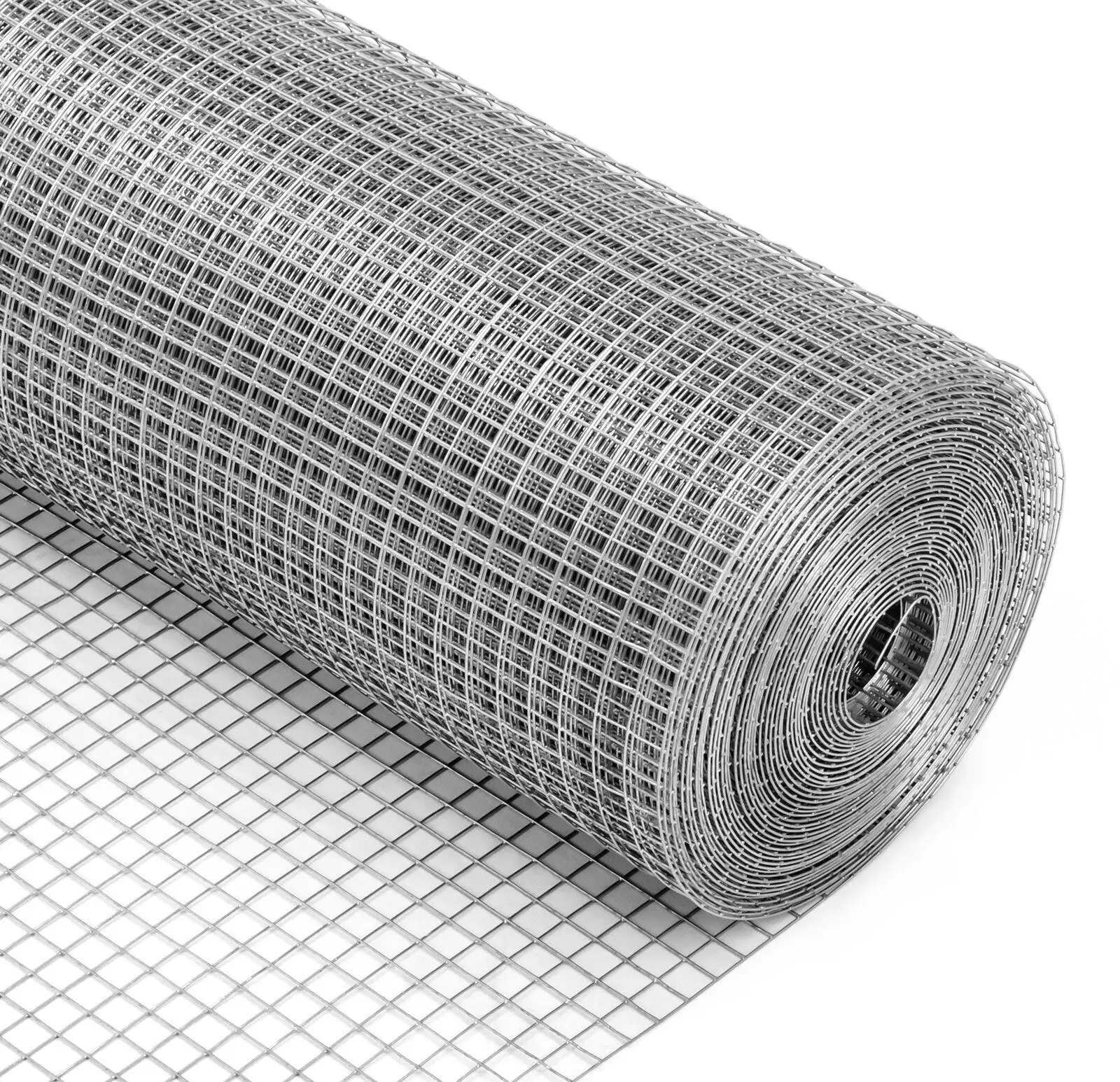
Simply put, steel expanded metal mesh is a sheet of steel plate that’s been cut and stretched into diamond-shaped openings. Imagine taking a flat sheet, slitting it several times, then stretching it into a net-like pattern without welding or losing strength. Unlike welded wire mesh or perforated plates, it is a single piece of metal that offers superior strength-to-weight ratio.
In practical terms, this means it can serve as secure fencing, protective gratings, architectural facades, or even filtration media. It’s prevalent in industries from manufacturing and mining to infrastructure restoration and even aid projects requiring quick yet resilient setups.
Key Factors of Steel Expanded Metal Mesh
1. Durability and Strength
Made of steel, this mesh resists heavy loads and environmental stresses like corrosion, particularly when coated (galvanized or stainless variants). These traits make it ideal for high-stress areas such as walkways, building reinforcements, and security barriers.
2. Scalability and Flexibility
Its dimensions can be customized easily during manufacture: thickness, strand width, and diamond size vary depending on the application. This flexibility means it can fit anything from delicate HVAC filters to rugged construction scaffolds.
3. Cost Efficiency
As the mesh is fabricated by expanding a single metal sheet, material waste is minimal compared to punched or welded alternatives. This efficiency brings down production costs and environmental footprint, which is a big plus for large-scale industrial use.
4. Safety and Security
The rigid structure and sharp edges (typically flattened for handling) contribute to its role in safety applications — think protective cages around machinery or anti-climb fencing.
5. Sustainability
Because it uses less steel per square meter while still maintaining structural integrity, steel expanded metal mesh is seen as an eco-friendlier alternative in metal products. Additionally, steel is infinitely recyclable, fitting well with circular economy goals.
Steel Expanded Metal Mesh: Product Specifications at a Glance
| Specification | Details |
|---|---|
| Material | Carbon steel, stainless steel, galvanized steel |
| Sheet Thickness | 0.6 mm – 6.0 mm |
| Mesh Opening Size (Diamond) | 6 mm × 12 mm to 50 mm × 100 mm |
| Surface Treatment | Galvanized, powder-coated, plain |
| Accessories | Frames, brackets, fasteners |
Global Applications & Use Cases of Steel Expanded Metal Mesh
Oddly enough, steel expanded metal mesh pops up in places you wouldn’t immediately expect. In post-disaster relief operations, rapid-deployment shelters and fences use it for both security and ventilation. In countries like Japan or New Zealand, prone to earthquakes, it reinforces concrete structures without massive added weight. The mining and oil sectors in Australia and the Middle East rely on it to create safe pathways and protective screens that endure harsh climates.
Urban architects also embrace it for aesthetic and functional facades, using the mesh for sunshades or balcony guards that need airflow but also safety. And yes, manufacturing plants and warehouses across North America and Europe integrate it in mezzanines and safety cages because it stands up to industrial rigors.
For related industries and supplies, check out steel expanded metal mesh vendors that specialize in tailored solutions.
Vendor Comparison Table
| Vendor | Material Options | Customization | Lead Time | Typical Use Cases |
|---|---|---|---|---|
| YJ Wire Mesh | Carbon, Stainless, Galvanized | Full range: Size, thickness, treatment | 2-4 weeks | Construction, security, architecture |
| SteelWorks Ltd. | Carbon and galvanized only | Limited custom sizes | 3-5 weeks | Industrial usage, fencing |
| Global Mesh Corp. | Stainless steel premium grade | Custom orders only | 4-6 weeks | Marine, food processing |
Advantages & Long-Term Value
For many, the real appeal of steel expanded metal mesh is its balanced offering—cost-effectiveness paired with longevity. It significantly lowers lifecycle costs because rust-resistant coatings drastically reduce maintenance. It also gives a sense of security and dignity, especially in humanitarian applications where people need safe, ventilated, and yet secure environments.
Social impact aside, businesses appreciate the innovation it brings—a relatively low-tech but smart metalworking method that maximizes materials and reduces waste. It’s hard not to admire something that is rugged and industrial but finds uses even in elegant design contexts.
Looking Ahead: Future Trends & Innovations
The future of steel expanded metal mesh feels tied closely to sustainability and digital transformation. With green energy initiatives increasing demand for lightweight yet strong materials, expect meshes paired with smart coatings or integrated sensors to monitor structural integrity in real time. Advancements in laser cutting and automation could yield even more precise, customizable patterns on-demand, cutting lead times further.
Plus, pushing the boundaries with hybrid materials—combining steel meshes with composites or polymers—may create new classes of mesh products for aerospace or flexible architecture.
Challenges & Solutions
Naturally, no material is perfect. Steel expanded metal mesh can be prone to sharp edges if not properly finished, posing handling risks. Also, corrosion can be a challenge in highly aggressive environments without adequate surface treatment. Lead times for customized orders may frustrate smaller projects.
Solutions include better post-production finishing processes, wider use of stainless steel or galvanization especially in marine or chemical industries, and establishing vendor partnerships to streamline custom fabrication. Many engineers I’ve talked to stress the importance of early-stage project planning to mitigate these issues proactively.
FAQ: Frequently Asked Questions About Steel Expanded Metal Mesh
- Q: What makes steel expanded metal mesh better than welded wire mesh for construction?
A: Steel expanded metal mesh is made from one continuous sheet, eliminating weld points that can weaken over time. It offers greater strength-to-weight ratio and uniform load distribution, making it particularly suited for structural reinforcement. - Q: How long does galvanized steel expanded metal mesh typically last outdoors?
A: When properly galvanized, steel expanded metal mesh can last 20 to 30 years outdoors, depending on environmental exposure. Coastal or industrial environments may shorten lifespan without premium coatings. - Q: Can steel expanded metal mesh be recycled?
A: Yes, steel expanded metal mesh is 100% recyclable. It can be melted down and reprocessed into new steel products repeatedly without losing its properties. - Q: Are custom mesh sizes and coatings expensive?
A: Customization adds some cost but many suppliers now offer scalable solutions that keep price competitive, especially when ordered in bulk or planned ahead. - Q: Is steel expanded metal mesh suitable for high-security fencing?
A: Absolutely. Its rigid and continuous metal structure deters cutting or climbing, and when combined with locks and alarms, provides effective high-security fencing.
Conclusion
All things considered, steel expanded metal mesh stands out as a material that cleverly weaves together economy, durability, and versatility. Whether you're working on a large industrial facility, a resilient infrastructure project, or humanitarian sheltering, it embodies a balanced choice that lasts long and adapts well. To explore more detailed offerings and custom solutions, do visit our website.
Mini takeaway: Among metal meshes, steel expanded metal mesh uniquely combines practical design with sustainability, making it a global go-to in many arenas.
References:
1. International Organization for Standardization (ISO)
2. UN Habitat
3. Expanded Metal - Wikipedia
-
High Quality Anti Bird Agro Net for Professional Crop ProtectionNewsApr.16,2026
-
Guide to Bird Netting Cost Per Square Foot and Material OptionsNewsApr.09,2026
-
Comprehensive Guide to Bird Netting Cost Factors and Material ChoicesNewsApr.07,2026
-
Comprehensive Guide to Bird Net for Balcony Cost and Installation OptionsNewsApr.04,2026
-
Comprehensive Guide to Bird Netting Price and Effective Protection SolutionsNewsMar.31,2026
-
Comprehensive Guide to Nylon Bird Net Price Factors and OptionsNewsMar.28,2026