Comprehensive Guide to Types of Safety Net in Construction for Global Safety
Understanding the Types of Safety Net in Construction: Why They Matter Globally
Safety nets in construction aren’t just about catching a falling worker; they embody a critical layer of protection, risk mitigation, and regulatory compliance worldwide. Given the construction industry’s notoriously high accident rates—where falling remains a leading cause of fatal injuries—knowing the types of safety net in construction is vital for both workers’ lives and project success. Globally, these nets reduce hazards, improve site efficiency, and bolster employer responsibility. Understanding the various kinds can help companies choose the right solution for their needs, meeting both safety standards and cost demands.
Introduction: The Global Importance of Safety Nets in Construction
The World Health Organization reports that falls cause around 37% of fatal injuries in workplace accidents, with construction disproportionately affected. Around the world—whether in developed cities or emerging markets—construction safety protocols often include netting as a frontline defense. Oddly enough, while personal protective equipment (PPE) like harnesses gets much attention, safety nets complement these by offering a passive, always-on shield beneath high work zones.
As global construction booms to meet urbanization demands, from skyscrapers in Asia to infrastructure projects in Africa, so do the challenges of protecting workers efficiently. That’s why exploring all types of safety net in construction available can be a game changer—for safety officers, project managers, and even policymakers.
What Are Safety Nets in Construction?
Simply put, safety nets are mesh barriers installed around or beneath high work areas to catch falling objects or people, preventing injury or death. They’re typically constructed from high-tenacity synthetic fibers or steel cables, designed to absorb and distribute the force of a fall. These nets are more than just safety gear; they’re a reflection of industry adaptation to modern risks. They tie into regulatory frameworks such as OSHA in the US or ISO standards globally that mandate fall protection measures.
Key Factors When Choosing Types of Safety Nets in Construction
1. Durability
A safety net’s material quality determines its lifespan and effectiveness. Nylon or polypropylene nets can last several years but degrade under UV exposure, while wire mesh nets offer stronger physical resilience but at higher cost and lower flexibility. Knowing the work environment helps in picking the right material.
2. Load Capacity
Fall impact is not equal to static load. Nets must handle dynamic forces — often up to 5 kN or more — safely without failing. This makes design standards critical, since a net only works if it meets or exceeds expected maximum loads.
3. Installation Flexibility
Construction sites evolve rapidly. The ideal safety nets should adapt easily to changing scaffolding heights or facades while maintaining secure attachment points.
4. Cost Efficiency
Of course, budgets matter. Some nets come cheaper initially but require frequent replacement or repairs — leading to unexpected expenses. Evaluating lifecycle costs pays off.
5. Compliance & Certification
Certified nets conforming to standards like EN 1263-1 (Europe) or ASTM (US) not only ensure safety quality but also simplify regulatory inspections.
Product Specifications Comparison Table
| Net Type | Material | Max Load Capacity | UV Resistance | Typical Uses |
|---|---|---|---|---|
| Polypropylene Net | Synthetic Fiber | ≥ 5 kN | Moderate | Facade protection, debris containment |
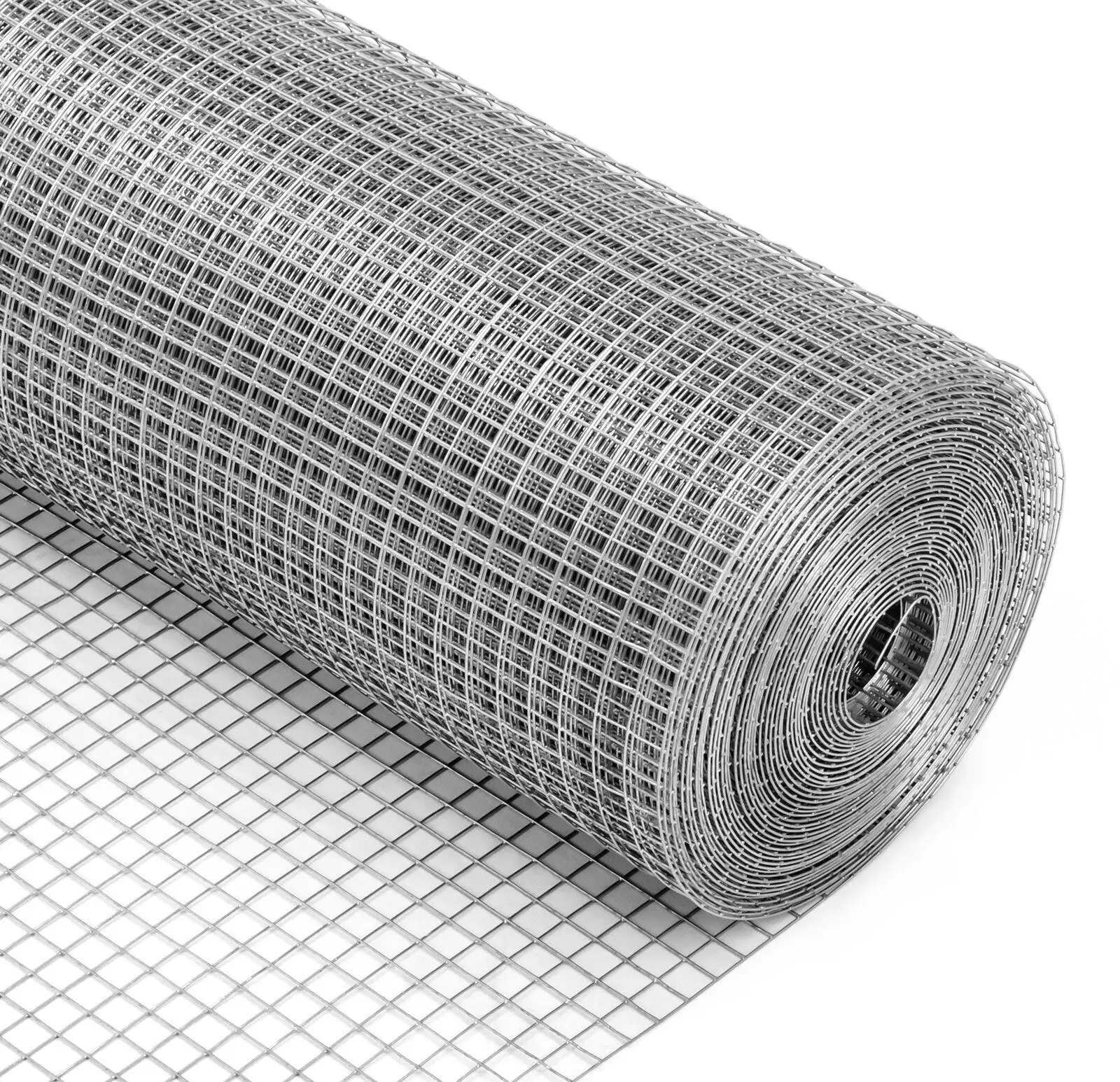
| Steel Wire Mesh | Galvanized Steel | ≥ 10 kN | High | Heavy-duty fall arrest, overhead protection |
| Nylon Safety Net | High tenacity nylon | ≥ 4.5 kN | Low to Moderate | Worker fall protection, temporary use |
Where Are Safety Nets Used Worldwide?
You find safety nets in all sorts of places—from dense urban skyscraper sites in New York, to sprawling industrial zones in Dubai, and even in developing regions where infrastructure projects are rapidly advancing. Oddly enough, several emergency relief organizations now use modular safety nets in disaster recovery construction to protect workers rebuilding roads and shelters.
In regions like East Asia, stringent building regulations alongside labor unions' pressure make safety nets standard daily. Meanwhile, in some African countries, widespread informal construction still struggles to adopt these safety devices despite high accident rates.
types of safety net in construction also feature in offshore wind farms and large-scale solar installations—places where height and weather heighten the risk of deadly falls.
Advantages & Long-Term Value of Different Safety Nets
- Protection & Peace of Mind: They save lives and reduce trauma on job sites, which indirectly lowers insurance premiums and downtime.
- Compliance & Risk Management: Avoid fines, project delays, or shutdowns linked to safety violations.
- Cost Savings: Though upfront investment can be high, their durability and reusability offer excellent ROI, especially for large projects.
- Social Impact: By preventing fatal accidents, companies build trust with communities and better employee morale.
Frankly, the emotional benefit—knowing workers are safer and respected—can't be overstated.
Future Trends in Safety Net Technologies
Safety nets are evolving. Research in advanced polymers is leading to lighter, stronger nets with built-in UV protection. Digital monitoring is also on the rise; sensors embedded in nets can detect impact or wear stresses, automatically signaling maintenance teams.
Sustainability is key too. New nets use recycled materials or are designed to be greener in manufacturing and disposal. Automation in deployment—think robotic unroll-and-install—promises time and labor savings on complex sites.
Challenges & How Experts Solve Them
One challenge is installation complexity—nets must fit irregular building shapes, sometimes awkwardly. Experts tailor net sizes and shapes on-site, factoring scaffold adjustments. Another issue is material degradation, for which frequent inspections and choosing UV-resilient fibers address the problem.
Logistics in remote sites can delay net delivery; modular, foldable nets reduce shipping volume. Regulations vary widely by country, so international companies must meticulously navigate compliance—something consultants specialized in construction safety can help with.
Vendor Comparisons: Leading Safety Net Suppliers
| Vendor | Product Range | Global Certifications | Price Range | Notable Clients |
|---|---|---|---|---|
| SafeNet Solutions | Comprehensive synthetic and steel nets | OSHA, EN1263-1 | $$$ | Skanska, Bechtel |
| Global Mesh Tech | Modular nylon nets, sensor-integrated | ISO 9001, ASTM F2430 | $$$$ | Siemens, Shell |
| EcoNet Systems | Recycled-material nets, UV-resistant | EN1263-2 | $$ | Local contractors, NGOs |
FAQs About Types of Safety Net in Construction
- Q: What type of safety net is best for high-rise construction?
- For high-rise sites, steel wire mesh nets or UV-resistant synthetic nets with high dynamic load capacity (usually >10 kN) are preferred due to their durability and strength. They can handle heavy impacts and harsh weather during long projects.
- Q: Can safety nets be reused across multiple projects?
- Yes, provided nets undergo thorough inspections and maintenance. Proper storage and handling extend the lifespan, making them cost-efficient over many projects.
- Q: How often should safety nets be inspected on site?
- Most standards recommend inspections before each use and regular detailed checks at least monthly. Inspections focus on mesh integrity, attachment points, and signs of UV or chemical damage.
- Q: Are safety nets mandatory in all construction countries?
- Regulations vary globally. Developed countries generally mandate them under occupational safety laws, while emerging markets may have inconsistent enforcement. It’s essential to check local laws and opt for best practices regardless.
Conclusion + Call to Action
Types of safety net in construction represent an essential safety layer critical for protecting lives, enabling compliance, and sustaining project momentum in the face of complex challenges. Their thoughtful selection and maintenance can pay dividends across cost, efficiency, and social responsibility.
Interested in learning more or sourcing the latest safety nets? Visit us at https://www.yjwiremesh.com—your partner in trusted construction safety solutions.
To wrap up, a good safety net feels like peace of mind stretched across your site’s heights—an invisible but crucial hero.
-
High Quality Anti Bird Agro Net for Professional Crop ProtectionNewsApr.16,2026
-
Guide to Bird Netting Cost Per Square Foot and Material OptionsNewsApr.09,2026
-
Comprehensive Guide to Bird Netting Cost Factors and Material ChoicesNewsApr.07,2026
-
Comprehensive Guide to Bird Net for Balcony Cost and Installation OptionsNewsApr.04,2026
-
Comprehensive Guide to Bird Netting Price and Effective Protection SolutionsNewsMar.31,2026
-
Comprehensive Guide to Nylon Bird Net Price Factors and OptionsNewsMar.28,2026