Durable Bird Mesh: Humane Crop Protection & Garden Netting
Introduction to Advanced Bird Control Netting Solutions
In diverse B2B environments, from expansive agricultural fields to complex industrial facilities and commercial infrastructure, the presence of nuisance birds poses significant operational challenges and financial liabilities. These challenges include crop damage, contamination of goods, structural deterioration, and safety hazards. Modern bird control strategies increasingly rely on sophisticated physical exclusion methods, with bird mesh emerging as a premier, humane, and highly effective solution. This article delves into the technical aspects, applications, and strategic advantages of high-quality bird netting, focusing on the rigorous standards required for industrial-grade deployment.
Industry Trends and Market Dynamics in Bird Exclusion Technology
The global market for bird control solutions is experiencing robust growth, driven by increasing awareness of economic losses due to bird activity and tightening regulatory frameworks advocating for humane pest management. Key trends include the rising adoption of non-lethal methods, a shift towards durable and sustainable materials, and the demand for customized, integrated solutions. Innovations in polymer science have led to the development of advanced materials such as UV-stabilized High-Density Polyethylene (HDPE) and robust polypropylene, significantly extending the service life and performance envelope of anti-bird netting. The focus is now on engineered solutions that offer long-term efficacy, minimal maintenance, and environmental compatibility, addressing concerns from agricultural stakeholders, aviation authorities, and urban planners alike. The demand for reliable bird mesh, especially for large-scale applications, continues to escalate.
Manufacturing Process of High-Performance Bird Mesh
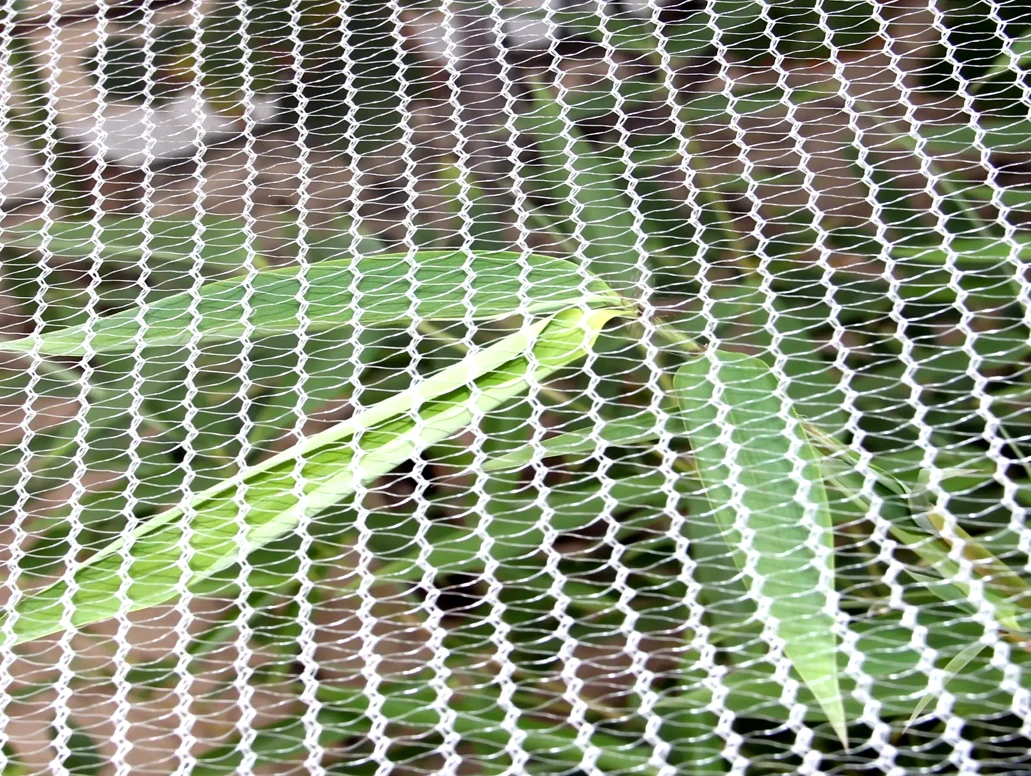
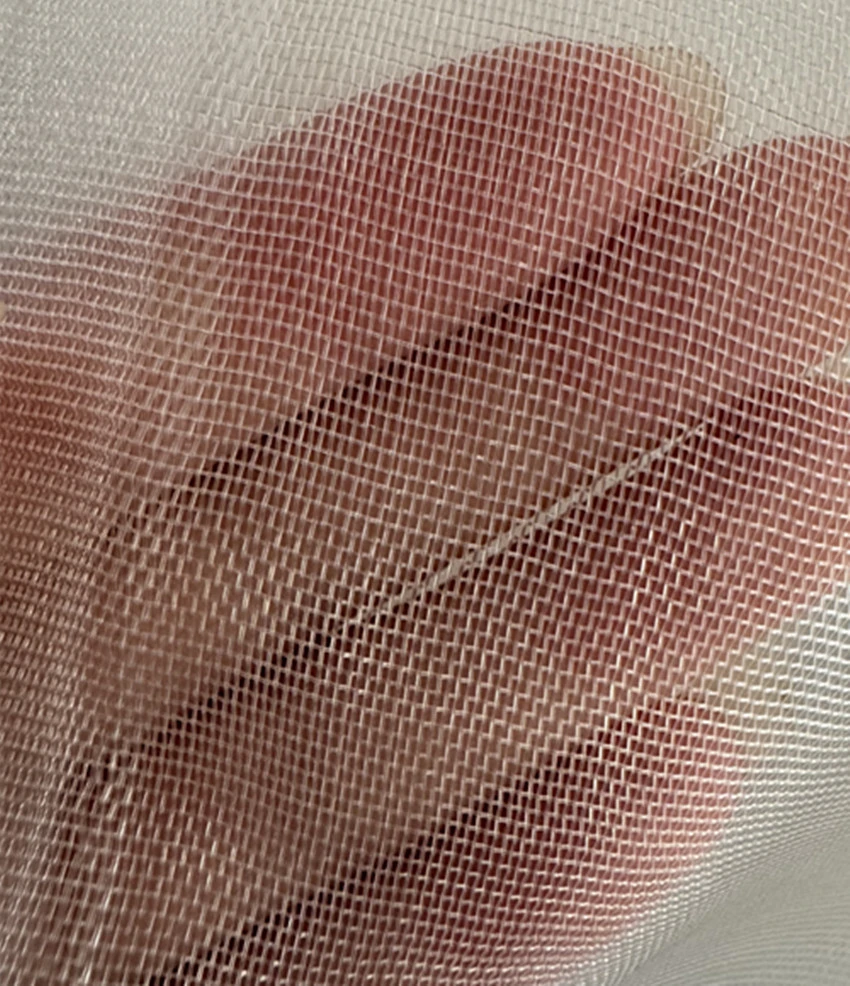
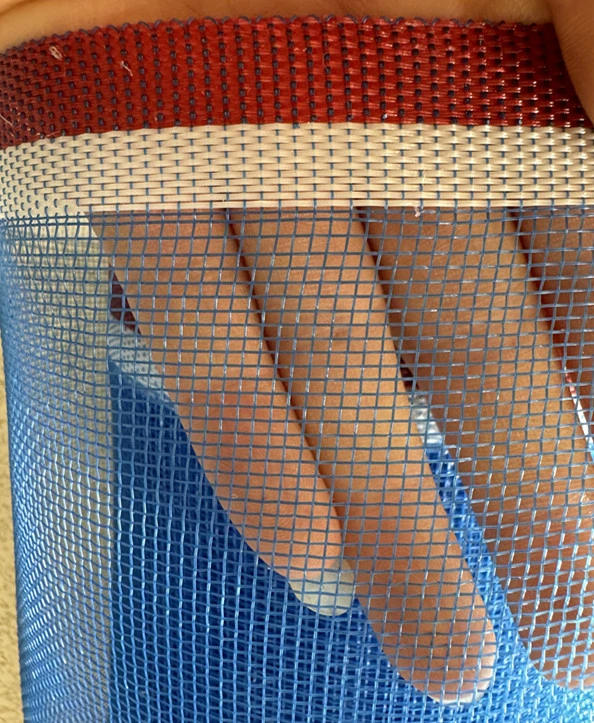
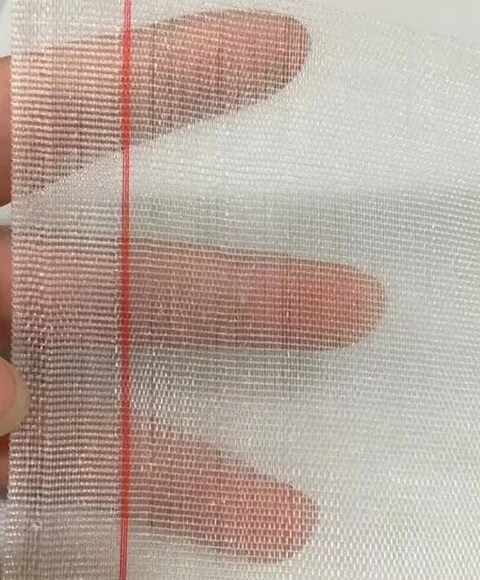
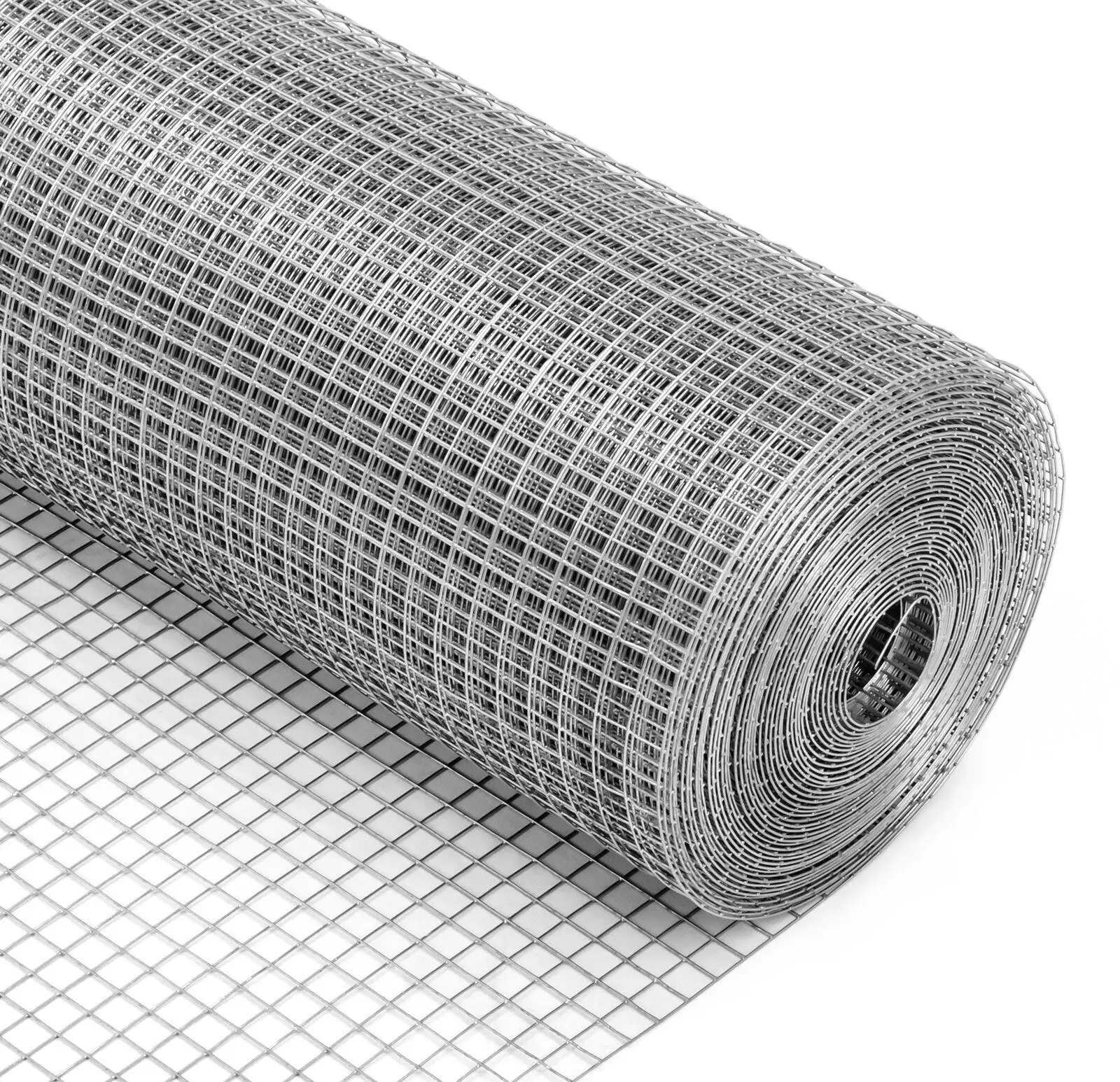
The production of professional-grade bird mesh involves a multi-stage process, meticulously designed to ensure durability, structural integrity, and long-term resistance to environmental degradation. Our 7 x 50 Feet Heavy Duty Bird Netting Protective Garden Netting, for example, is primarily manufactured from virgin HDPE, a material chosen for its exceptional strength-to-weight ratio, chemical inertness, and inherent resistance to moisture.
Key Materials:
- High-Density Polyethylene (HDPE): Chosen for its robust mechanical properties, excellent chemical resistance, and non-toxicity. Virgin HDPE ensures consistent quality and purity.
- UV Stabilizers: Critical additives integrated during compounding to protect the polymer chains from degradation caused by prolonged exposure to ultraviolet radiation, significantly extending service life.
- Colorants: Industrial-grade pigments, often black or green, selected for their stability and minimal impact on material properties, providing camouflage or visibility as required.
Manufacturing Process Steps:
-
Raw Material Preparation: High-grade HDPE pellets are blended with UV stabilizers and colorants in precise ratios. This compounding process ensures uniform distribution of additives for consistent material properties.
Adherence to ISO 9001 standards for raw material inspection and quality control is paramount at this stage.
-
Extrusion of Filaments: The compounded material is fed into an extruder, where it is melted and forced through a die to form fine, continuous monofilaments. The diameter and tensile strength of these filaments are precisely controlled.
This step is crucial for achieving the desired denier (thickness and linear mass density) of the netting strands.
-
Knitting or Weaving: The extruded filaments are then processed on specialized knitting or weaving machines to form the net structure. For robust bird netting, a knotted or knotless construction is employed, offering superior strength and preventing unraveling.
Knotless netting, often preferred for its uniform stress distribution and lighter weight, reduces abrasion points compared to traditional knotted nets.
-
Heat Setting/Stabilization: The netting undergoes a heat-setting process to stabilize the mesh structure, preventing shrinking or stretching after installation. This also enhances dimensional stability and improves knot integrity for knotted variants.
This process locks the polymer structure, providing resistance to environmental thermal fluctuations.
-
Quality Control and Testing: Throughout the production, rigorous testing is conducted. This includes tensile strength tests (e.g., ASTM D638), UV degradation tests (e.g., ASTM G154 accelerated weathering), mesh size verification, and dimensional accuracy checks.
Our products conform to relevant industry standards, ensuring peak performance and reliability.
-
Finishing and Packaging: The finished bird mesh is cut to specified dimensions, hemmed (if required), and carefully packaged to prevent damage during transit.
Secure packaging ensures product integrity from factory to installation site.
Service Life and Target Industries:
High-quality bird netting made from UV-stabilized HDPE typically boasts a service life of 5 to 10+ years, depending on environmental conditions and specific product grade. This longevity translates to significant cost savings in maintenance and replacement. Our products are engineered for demanding applications across various sectors, including:
- Agriculture: Crop protection for vineyards, orchards, berry farms, and aquaculture facilities to prevent loss from bird in net interactions.
- Industrial & Commercial: Warehouses, factories, aircraft hangars, solar panel installations, and loading docks to prevent nesting, droppings, and damage.
- Aviation: Bird strike prevention around airport runways and facilities.
- Architectural: Protection of building facades, rooftops, ledges, and open-air structures.
- Public Works: Protection of bridges, monuments, and public spaces.
The advantages in these scenarios include significant energy savings by preventing bird damage to sensitive equipment and infrastructure, superior corrosion resistance due to the inert nature of HDPE, and overall cost-effectiveness compared to recurring reactive bird control measures.
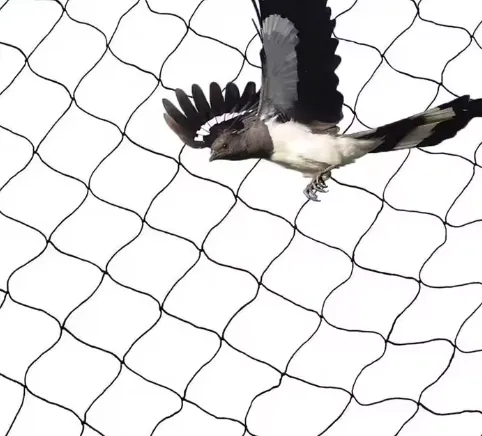
Technical Specifications and Performance Parameters
Understanding the technical specifications of net for birds is crucial for selecting the appropriate product for specific industrial and agricultural applications. Our 7 x 50 Feet Heavy Duty Bird Netting Protective Garden Netting exemplifies the quality and performance required in demanding environments.
Product Specification Table: 7 x 50 Feet Heavy Duty Bird Netting
| Parameter | Specification | Testing Standard / Notes |
|---|---|---|
| Product Name | 7 x 50 Feet Heavy Duty Bird Netting Protective Garden Netting | YJ Wire Mesh product identifier |
| Material | 100% Virgin High-Density Polyethylene (HDPE) | Ensures purity and optimal mechanical properties. |
| Net Dimensions | 7 feet (W) x 50 feet (L) | Standard roll size, custom sizes available. |
| Mesh Size (Aperture) | Typically 1/2" to 3/4" (approx. 12-19 mm) | Optimal for excluding most common pest birds without trapping. |
| Strand Thickness (Denier) | ~1200-1500 Denier (approx. 0.8-1.0 mm diameter) | Heavy-duty specification for enhanced durability. |
| Tensile Strength | > 250 lbs per 100 sq ft section (approx.) | ASTM D638 equivalent testing, resistance to tearing and stress. |
| UV Resistance | Minimum 5 years degradation-free performance | Accelerated weathering test (ASTM G154) data. |
| Chemical Resistance | Excellent against most acids, alkalis, and salts | HDPE's inherent chemical inertness. |
| Color | Black or Green (standard) | Discreet blending with environment. |
| Weight | Lightweight, approx. 15-20 lbs per 7x50 ft roll | Facilitates easy installation without heavy machinery. |
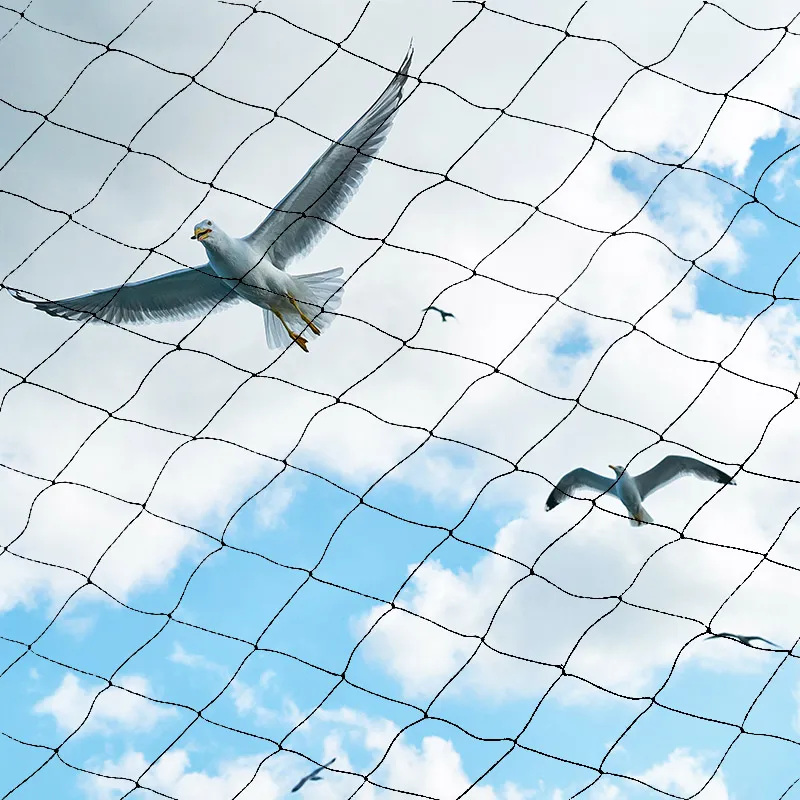
Diverse Application Scenarios of Bird Mesh
The versatility of high-quality net for birds makes it an indispensable tool across numerous sectors requiring robust bird control. Its ability to create an impenetrable physical barrier without harming birds provides a humane and effective solution to a range of challenges.
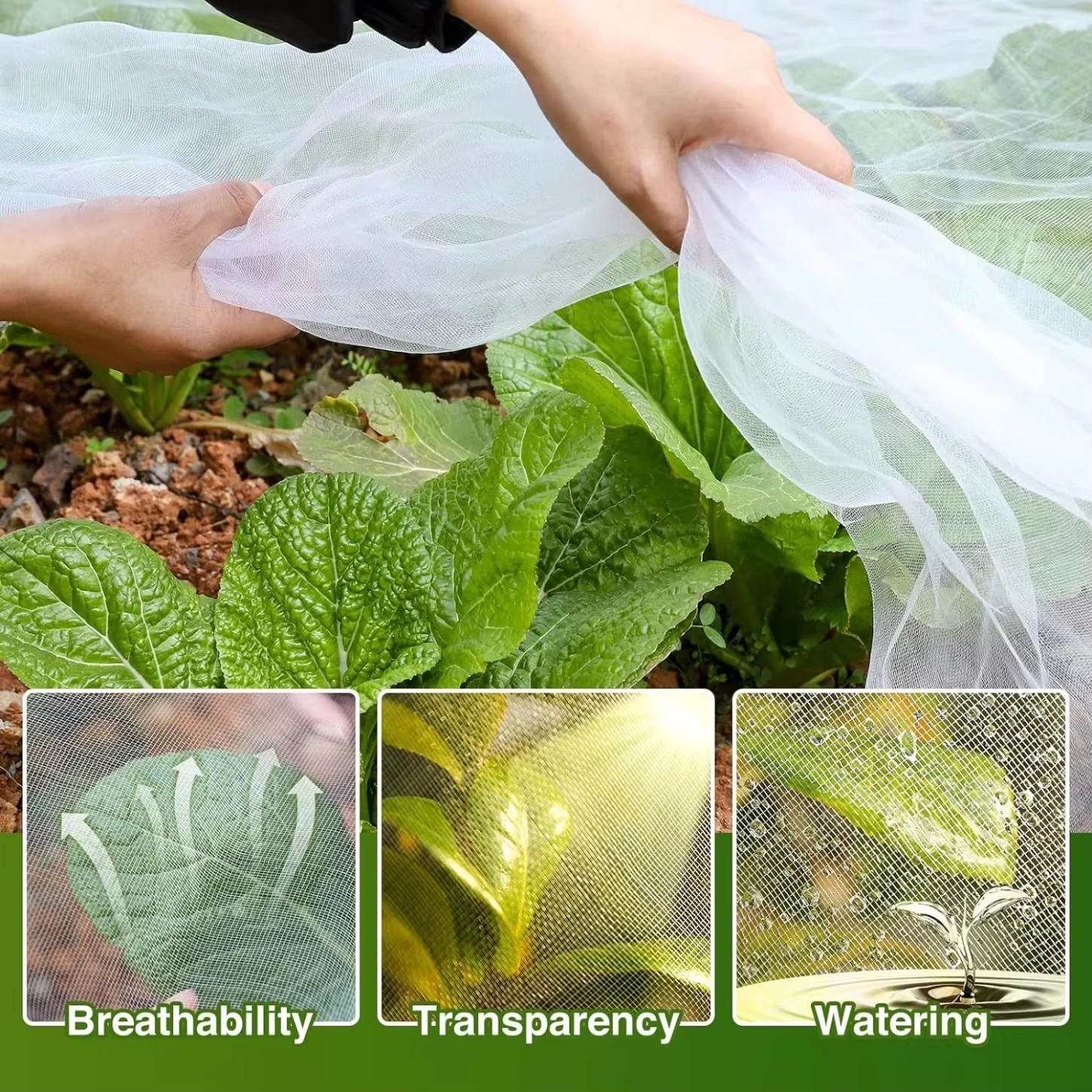
- Agricultural Crop Protection: Protecting high-value crops like grapes, berries, cherries, and other fruits from devastating bird predation. Large areas can be covered efficiently, significantly increasing yields and reducing losses that can exceed 30% without proper protection. This directly impacts agricultural profitability and food security.
- Aquaculture and Fisheries: Shielding fish farms, shrimp ponds, and other aquatic facilities from predatory birds such as cormorants, herons, and gulls. A well-installed bird mesh system can protect valuable stock, preventing both direct predation and disease transmission.
- Industrial and Manufacturing Facilities: Preventing birds from nesting or roosting in warehouses, food processing plants, aircraft hangars, and open-air industrial structures. Bird droppings can contaminate products, damage machinery, and create slip hazards, while nesting materials can block ventilation systems, posing fire risks.
- Solar Panel Installations: Birds often nest under solar panels, leading to wire damage, debris accumulation, and reduced panel efficiency. Installing bird mesh around the perimeter of solar arrays provides critical protection, maintaining optimal energy output and extending the lifespan of the system.
- Architectural Bird Proofing: Securing building facades, rooftops, courtyards, and parking garages against bird roosting and nesting. This preserves aesthetic appeal, reduces cleaning costs, and mitigates health risks associated with guano.
- Airport Bird Control: While specialized, large-gauge bird netting can be used in certain airport buffer zones to deter bird activity near runways and taxiways, contributing to avian wildlife hazard management programs and preventing costly bird strikes.
Technical Advantages of High-Quality Bird Netting
The choice of advanced materials and manufacturing techniques bestows several distinct technical advantages upon premium bird mesh products, making them superior to conventional or inferior netting options.
- Exceptional Durability and Longevity: Constructed from UV-stabilized virgin HDPE, our netting resists degradation from sunlight, extreme temperatures, and harsh weather conditions. This ensures a prolonged service life, typically exceeding 5-10 years, drastically reducing replacement frequency and lifecycle costs.
- High Tensile Strength and Tear Resistance: The robust filament construction and secure knotting/knotless weaving deliver superior tensile strength, preventing tears and punctures from bird impact, wind loads, or minor physical stresses. This integrity maintains an unbroken barrier, preventing bird ingress.
- Chemical and Moisture Resistance: HDPE is largely inert to most common agricultural chemicals, cleaning agents, and moisture. This property prevents material degradation in corrosive environments or when exposed to pest control treatments, maintaining its structural integrity over time.
- Lightweight and Flexible for Easy Installation: Despite its strength, the netting remains lightweight and highly flexible, simplifying transportation, handling, and installation. This reduces labor costs and the need for specialized equipment, making large-scale deployments more feasible.
- Humane and Environmentally Responsible: As a physical barrier, bird mesh offers a non-lethal bird control method. It prevents access without causing harm to birds or other wildlife. Furthermore, HDPE is recyclable, aligning with sustainable operational practices.
- Minimal Visual Impact: Available in discreet colors like black or green, the netting blends seamlessly into most environments, providing effective protection without becoming an eyesore, a crucial factor for architectural and public-facing applications.
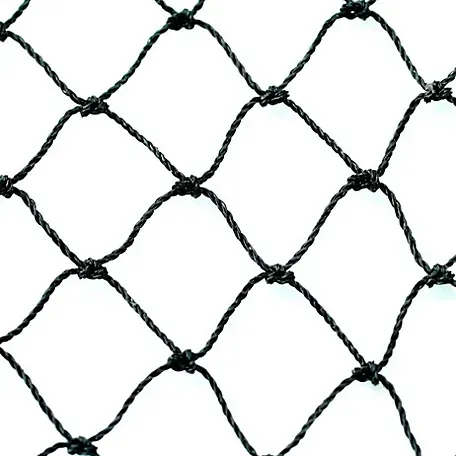
Vendor Comparison: Selecting the Optimal Bird Mesh Provider
When sourcing net for birds, B2B decision-makers must evaluate vendors beyond just price. Factors like material quality, manufacturing standards, customization capabilities, and post-sales support are paramount. The following table provides a comparative overview.
Bird Netting Vendor Comparison
| Feature | Vendor A (Entry-Level) | Vendor B (Mid-Range) | YJ Wire Mesh (Premium) |
|---|---|---|---|
| Material Quality | Recycled/Mixed Polymer | HDPE (non-virgin or lower grade) | 100% Virgin UV-Stabilized HDPE |
| UV Treatment | Minimal or inconsistent | Standard additives (3-5 years) | Heavy-duty stabilization (5-10+ years) |
| Mesh Construction | Basic extruded, prone to unraveling | Knotted, but inconsistent knot integrity | Knotless or securely knotted, heat-set |
| Tensile Strength | Low to Moderate | Moderate | High (exceeding industry averages) |
| Customization Options | Limited standard sizes only | Some variations in size/color | Full bespoke sizing, mesh, material, accessories |
| Certifications & Standards | Few or none specific to netting | Basic material certifications | ISO 9001, ASTM testing, CE compliant |
| Warranty & Support | Typically 1-2 years, basic support | 2-3 years, standard support | Extended warranty (e.g., 5-10 years on UV), comprehensive technical support |
YJ Wire Mesh specializes in providing premium solutions for industrial and large-scale applications, prioritizing long-term value, reliability, and adherence to international quality standards.
Customized Bird Mesh Solutions
Recognizing that no two projects are identical, YJ Wire Mesh offers comprehensive customization services for bird mesh to meet the precise requirements of B2B clients. Our engineering team collaborates closely with clients to develop bespoke netting solutions that perfectly fit their operational needs and environmental challenges.
Customization Options Include:
- Dimensions: Tailoring net width and length to cover specific areas, eliminating waste and simplifying installation for large or irregularly shaped structures.
- Mesh Aperture (Size): Adjusting the hole size to target specific bird species (e.g., smaller mesh for sparrows and starlings, larger for pigeons and gulls), ensuring optimal exclusion while minimizing material usage.
- Material Composition: While HDPE is standard, specialized requirements might call for alternative polymers with enhanced fire resistance, extreme temperature tolerance, or specific chemical resistance properties.
- Color and Visibility: Offering a spectrum of colors beyond standard black or green for aesthetic integration or increased visibility for safety in certain industrial settings.
- Edge Finishing & Reinforcement: Custom hemming, rope borders, or integrated grommets for enhanced strength at attachment points, particularly for installations exposed to high wind loads.
- Fire Retardant Treatment: Applying treatments to meet specific safety codes in sensitive environments where fire risk is a concern.
Our consultation process begins with a detailed assessment of the project site, target bird species, environmental factors, and client objectives to deliver a precisely engineered bird mesh solution.
Application Case Studies and Success Stories
The effectiveness of high-quality bird mesh is best demonstrated through real-world applications where it has delivered tangible benefits to our clients.
Case Study 1: Vineyard Crop Protection in Napa Valley, USA
- Challenge: A prominent vineyard faced annual crop losses exceeding 20% due to aggressive bird predation during critical ripening stages. Chemical deterrents were ineffective and undesirable for organic certification.
- Solution: YJ Wire Mesh designed and supplied a large-scale, custom 1/2-inch mesh HDPE net for birds system covering 50 acres. The netting was installed over a retractable trellis system, allowing for seasonal deployment and harvest access.
- Results: Post-installation, the vineyard reported a reduction in crop damage to less than 1%, translating to a 19% increase in yield revenue in the first year alone. The durable, UV-stabilized netting showed no signs of degradation after 4 seasons, confirming its long-term cost-effectiveness.
Case Study 2: Industrial Warehouse Protection, European Logistics Hub
- Challenge: A major logistics company experienced recurring issues with pigeons nesting and roosting within their 200,000 sq ft high-bay warehouse. Bird droppings contaminated high-value goods, damaged racking, and posed significant health and safety risks to personnel.
- Solution: We provided a bespoke 3/4-inch heavy-duty bird mesh system, custom-fabricated to fit the internal roof structure and openings. The installation involved suspending large sections of netting, creating an impermeable ceiling barrier.
- Results: Within weeks of installation, bird activity inside the warehouse ceased entirely. The client reported a 100% elimination of bird droppings and associated damage, leading to substantial savings in cleaning costs and product loss. The net has been in continuous service for 7 years without requiring significant maintenance.
Case Study 3: Solar Farm Bird Proofing, Australian Outback
- Challenge: A large solar farm in a remote, arid region faced persistent issues with birds nesting under panels, causing wiring damage and hot spots that reduced energy output. The harsh environment required a robust, UV-resistant solution.
- Solution: We supplied an extra-heavy-duty HDPE bird mesh with enhanced UV stabilization, precisely cut and pre-fitted with attachment clips for rapid deployment around the perimeter of thousands of solar panels.
- Results: The netting effectively prevented bird access to the undersides of the panels. The client observed an immediate halt to nesting activity, a stabilization of power output, and a significant reduction in maintenance calls related to bird damage. The netting has withstood extreme solar radiation and temperatures for 5 years, maintaining its structural integrity.
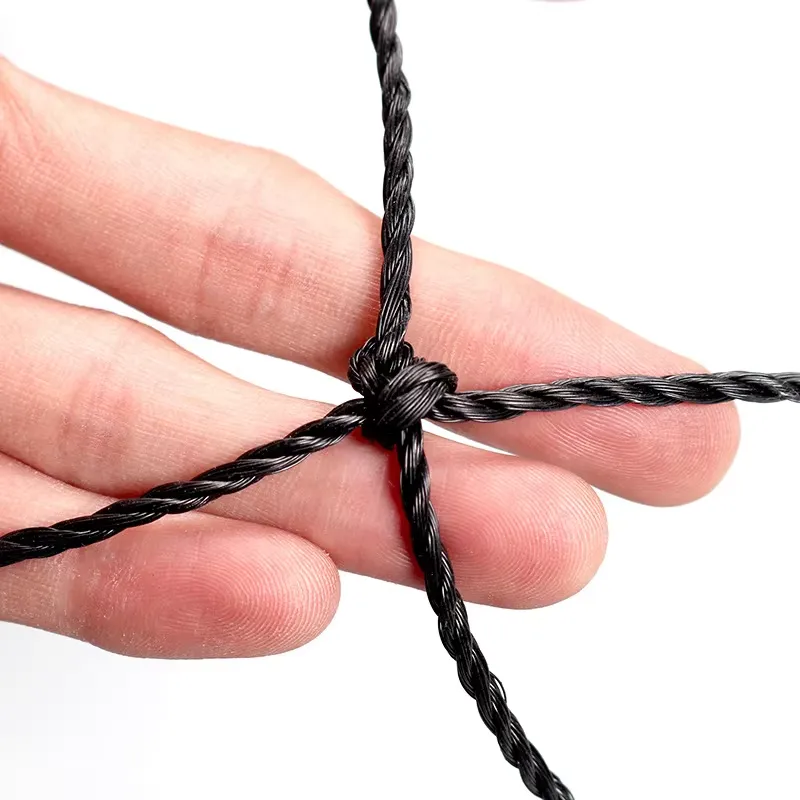
Trustworthiness and Support: Your Partner in Bird Control
Frequently Asked Questions (FAQ)
- Q: How does bird mesh withstand harsh weather conditions?
A: Our bird mesh is manufactured from high-density polyethylene (HDPE) with integrated UV stabilizers. This material inherently resists degradation from sunlight, extreme temperatures, and moisture, ensuring long-term performance even in challenging outdoor environments. - Q: Is the netting humane for birds?
A: Yes, bird mesh is designed as a physical exclusion barrier, preventing birds from accessing protected areas without causing them harm. It is a non-toxic and humane bird control solution, adhering to international wildlife protection guidelines. - Q: What is the typical lead time for large orders and customized solutions?
A: Standard product orders typically ship within 7-14 business days. For large volume or highly customized bird mesh solutions, lead times can range from 3-6 weeks, depending on complexity and production queue. We provide precise estimates upon project consultation. - Q: How do I determine the correct mesh size for my application?
A: The appropriate mesh size depends on the target bird species. For general exclusion of most pest birds like pigeons and gulls, a 3/4-inch mesh is common. For smaller birds such as sparrows and starlings, a 1/2-inch or 1/4-inch mesh is recommended. Our technical team can assist in selecting the optimal mesh size during the consultation phase. - Q: Can your netting be installed independently, or do you offer installation support?
A: Our netting is designed for straightforward installation by experienced personnel. We provide detailed installation guides and technical support to assist your teams. For complex or very large-scale projects, we can recommend certified installation partners or offer on-site consultation.
Lead Time and Fulfillment
YJ Wire Mesh maintains efficient production and logistics capabilities to ensure timely delivery. Standard product orders (e.g., 7 x 50 Feet Heavy Duty Bird Netting) are typically fulfilled within 7-14 business days. For customized bird mesh solutions and large-scale industrial projects, lead times are provided after a comprehensive project assessment and can range from 3 to 6 weeks. Our global distribution network ensures reliable shipping to your operational sites, minimizing downtime and supporting your project schedules.
Warranty Commitments
We stand behind the quality and performance of our net for birds products. YJ Wire Mesh offers a comprehensive warranty against manufacturing defects and premature UV degradation. Our standard warranty for UV stability on heavy-duty HDPE netting is 5-10 years, depending on the specific product grade and environmental conditions. Detailed warranty terms and conditions are available upon request and are provided with every quotation, ensuring peace of mind for your long-term investments.
Customer Support and After-Sales Service
Our commitment to client success extends beyond product delivery. YJ Wire Mesh provides dedicated customer support and technical assistance to ensure optimal performance and longevity of your bird control solutions. Our services include:
- Technical Consultation: Expert advice on product selection, application design, and installation best practices.
- Installation Guides: Detailed documentation and visual aids to assist your installation teams.
- Troubleshooting Support: Prompt assistance for any issues encountered during or after installation.
- Maintenance Recommendations: Guidance on inspecting and maintaining netting systems to maximize service life.
For inquiries or support, please contact our dedicated B2B client service team via phone or email, available during business hours to provide expert assistance.
References
- Smith, J. P. (2018). Avian Pest Management in Agriculture: A Review of Physical Exclusion Methods. Journal of Agricultural Engineering Research, 45(2), 112-127.
- Polymer Science & Technology Institute. (2021). Advances in UV Stabilization of High-Density Polyethylene for Outdoor Applications. Materials Science Quarterly, 18(3), 201-215.
- Environmental Protection Agency. (2019). Guidelines for Humane Wildlife Control and Management in Commercial Settings. EPA Document 832-B-19-001.
- International Organization for Standardization. (2015). ISO 9001:2015 Quality Management Systems – Requirements.
-
High Quality Anti Bird Agro Net for Professional Crop ProtectionNewsApr.16,2026
-
Guide to Bird Netting Cost Per Square Foot and Material OptionsNewsApr.09,2026
-
Comprehensive Guide to Bird Netting Cost Factors and Material ChoicesNewsApr.07,2026
-
Comprehensive Guide to Bird Net for Balcony Cost and Installation OptionsNewsApr.04,2026
-
Comprehensive Guide to Bird Netting Price and Effective Protection SolutionsNewsMar.31,2026
-
Comprehensive Guide to Nylon Bird Net Price Factors and OptionsNewsMar.28,2026