Durable Bird Netting for Humane Crop & Garden Protection
Introduction to Advanced Agricultural Protection Solutions
In modern agriculture, safeguarding crops from avian pests is a persistent challenge that directly impacts yield, quality, and profitability. Traditional deterrents often prove insufficient or environmentally detrimental. This necessitates the adoption of robust, sustainable, and effective physical barriers. Among these, bird netting stands out as a critical innovation. Designed to create a protective canopy, it physically prevents birds from accessing crops without causing them harm, aligning with ecological preservation principles. This comprehensive overview delves into the technical aspects, market trends, and practical applications of high-performance bird netting solutions, providing essential insights for agricultural enterprises, vineyard managers, and infrastructure developers seeking reliable avian pest control.
Industry Trends in Avian Pest Management
The agricultural sector is witnessing a significant shift towards integrated pest management (IPM) strategies, emphasizing non-lethal and environmentally friendly approaches. Key trends influencing the demand for advanced bird netting solutions include:
- Sustainable Agriculture Practices: A growing focus on organic farming and reduced pesticide use drives demand for physical barriers like netting.
- Climate Change Adaptation: Erratic weather patterns can alter avian migration and foraging behaviors, necessitating more resilient protection systems.
- Technological Integration: The integration of netting with smart farming technologies, such as automated deployment systems and drone-based inspection, is on the rise.
- Regulatory Compliance: Stricter regulations regarding wildlife protection and chemical usage are pushing farmers towards humane deterrents.
- Increased Crop Value: High-value crops, such as berries, grapes, and exotic fruits, demand uncompromising protection to maximize returns.
These trends highlight a market moving towards more durable, effective, and ethically sound methods of crop protection, positioning high-quality netting as an indispensable tool.
Manufacturing Process Flow: Knotted PE/Nylon/Plastic Agriculture Anti Bird Netting
The production of high-quality agricultural anti-bird netting involves a meticulously controlled multi-stage process to ensure durability, strength, and effective performance. Our Knotted PE/Nylon/Plastic Agriculture Anti Bird Netting follows a stringent manufacturing protocol, ensuring compliance with international standards such as ISO 9001 for quality management.
Process Steps:
- Raw Material Selection and Preparation: High-grade virgin polyethylene (PE), nylon (polyamide), or polypropylene (PP) resins are selected. These materials are chosen for their intrinsic properties: PE for UV resistance and low cost, Nylon for superior tensile strength and abrasion resistance, and PP for stiffness and chemical resistance. UV stabilizers, anti-oxidants, and color pigments are blended to enhance the material’s resistance to environmental degradation.
- Extrusion and Monofilament/Multifilament Production: The blended polymer granules are fed into an extruder, melted, and forced through a die to form continuous strands (monofilaments) or multiple fine filaments (multifilaments). The diameter and denier of these strands are precisely controlled for optimal strength and flexibility.
- Twisting/Ply Formation (for Multifilament): For multifilament nets, multiple extruded filaments are twisted together to form stronger yarns. This twisting process enhances the overall breaking strength and knot stability.
- Knotting/Weaving Process: The prepared yarns are then fed into advanced knotting machines. These machines create a secure, fixed knot at each intersection, forming a diamond or square mesh pattern. The knotted construction ensures that if a single strand is cut or damaged, the integrity of the surrounding mesh remains largely unaffected, preventing unraveling—a critical advantage over knotless nets for demanding agricultural applications.
- Heat Setting and Stretching: After knotting, the netting undergoes a heat-setting process. This involves controlled heating and stretching, which stabilizes the knots, improves mesh uniformity, enhances dimensional stability, and significantly increases the tensile strength of the net. This step is crucial for achieving consistent mesh aperture and preventing sag over time.
- UV Stabilization Treatment: An additional external UV stabilization treatment may be applied, depending on the material and intended service life. This surface treatment, combined with internal UV additives, provides maximum protection against degradation from solar radiation, extending the net's operational lifespan.
-
Quality Control and Testing: Throughout the process, rigorous quality control checks are performed. This includes:
- Tensile Strength Testing: According to ISO 1806, ASTM D2256.
- Mesh Aperture Measurement: Ensuring consistent hole size.
- UV Resistance Testing: Accelerated weathering tests (e.g., QUV exposure) to predict service life.
- Knot Slip Resistance: To ensure knots hold under stress.
- Dimensional Stability: Checking for shrinkage or expansion.
- Cutting, Edging, and Packaging: The finished rolls of netting are cut to specified dimensions. Edges are often reinforced with thicker selvage cords or overlocking stitches to prevent fraying and provide robust attachment points. The netting is then carefully folded or rolled and packaged for shipment.
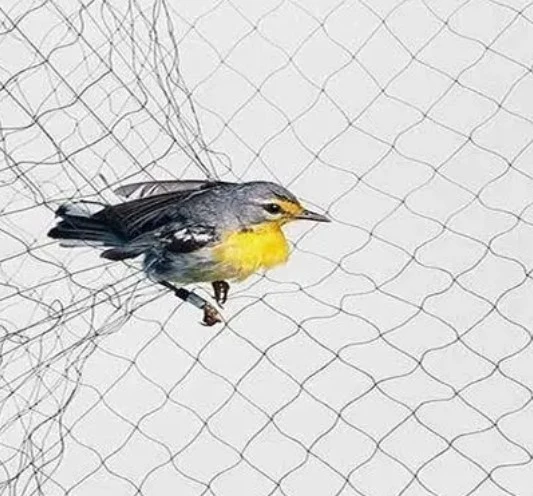
Schematic of manufacturing steps for high-quality knotted anti-bird netting.
Advantages & Target Industries:
- Service Life: With proper UV stabilization, our bird netting typically offers a service life of 5-10 years, even under intense solar exposure.
- Target Industries: Primarily agriculture (orchards, vineyards, berry farms, vegetable plots), aquaculture (protecting fish farms from predatory birds), and civil infrastructure (protecting public spaces, solar panel installations, and building facades).
- Energy Saving: By preventing crop damage, netting significantly reduces the need for re-planting or replanting efforts, conserving agricultural resources and associated energy inputs.
- Corrosion Resistance: As synthetic polymer products, these nets are inherently resistant to rust, rot, mildew, and most agricultural chemicals, ensuring longevity in diverse environmental conditions.
- Low Maintenance: Once installed, the netting requires minimal maintenance, freeing up labor for other critical tasks.
Technical Specifications and Product Parameters
Selecting the appropriate bird netting requires a thorough understanding of its technical specifications. These parameters dictate performance, durability, and suitability for specific applications.
Standard Product Specifications: Knotted PE Anti-Bird Netting
The choice of mesh aperture is crucial: smaller apertures (e.g., 10-15mm) are effective against smaller birds like sparrows and starlings, while larger apertures (e.g., 25-50mm) are suitable for pigeons, crows, and gulls, often used in larger structures where smaller birds are not the primary concern. Yarn denier directly correlates to net strength and visibility. Higher denier yields stronger, more visible nets, while lower denier creates finer, less intrusive barriers, often preferred for delicate fruit crops.
Application Scenarios and Strategic Deployment
The versatility of bird netting extends across a myriad of sectors, offering adaptable solutions for avian exclusion. Strategic deployment is key to maximizing its efficacy.
Primary Application Areas:
-
Agriculture:
- Orchards & Vineyards: Protecting high-value fruits like grapes, cherries, apples, and blueberries from significant damage during ripening. Large-scale canopy systems are common.
- Row Crops: Shielding tender vegetables (e.g., lettuce, corn seedlings) from early-stage foraging.
- Seedbeds & Nurseries: Preventing birds from consuming seeds or damaging young plants.
- Hydroponic & Greenhouse Operations: Maintaining sterile environments and protecting sensitive crops indoors.
-
Aquaculture:
- Fish Farms: Covering open ponds or raceways to deter predatory birds (e.g., cormorants, herons) that can decimate fish stocks.
- Shrimp Farms: Protecting shrimp from avian predation.
-
Commercial & Industrial Facilities:
- Warehouses & Factories: Preventing birds from roosting inside, which can lead to contamination, structural damage, and health hazards.
- Solar Panel Installations: Protecting solar arrays from bird nesting and droppings that reduce efficiency.
- Airports & Transportation Hubs: Mitigating bird strike risks in sensitive areas.
-
Public & Civil Infrastructure:
- Building Protection: Netting facades, eaves, and courtyards to prevent roosting and associated mess.
- Historical Sites: Protecting delicate structures from damage caused by bird droppings and nesting materials.
- Bridges & Overpasses: Preventing nesting and ensuring structural integrity.
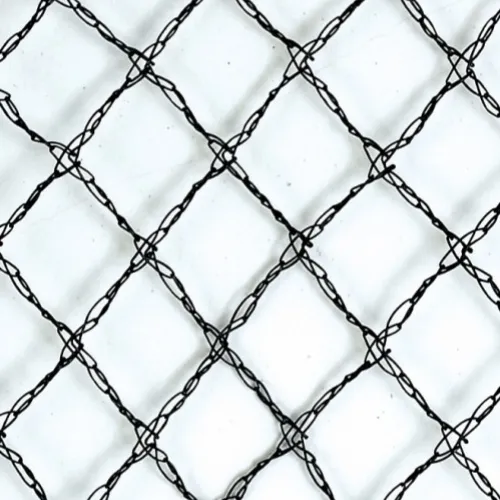
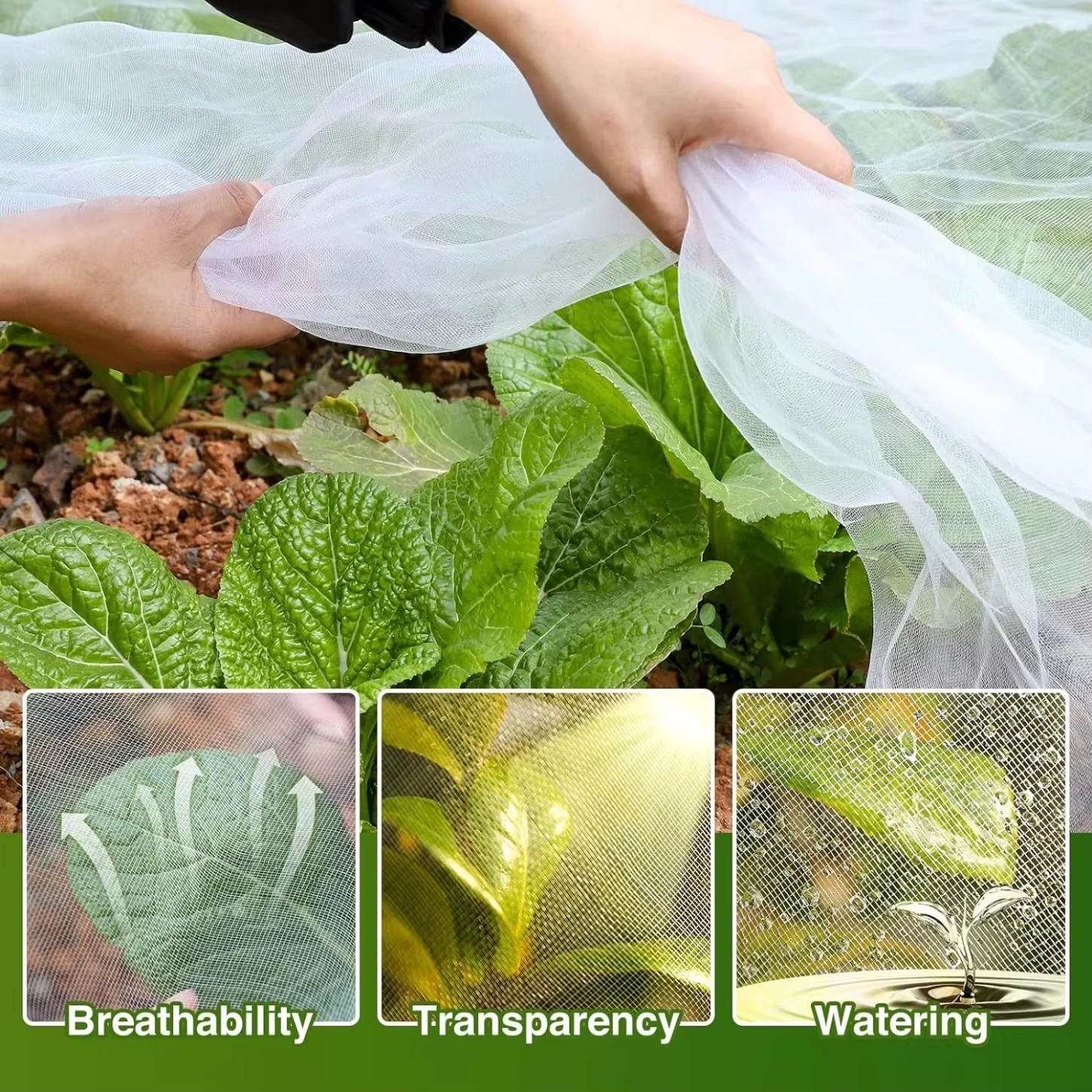
Versatile deployment of netting in a horticultural setting.
Experience has shown that the most effective installations involve bespoke designs that account for crop type, bird species prevalence, wind loads, and aesthetic considerations. Professional installation ensures proper tensioning, secure anchoring, and full perimeter sealing to prevent bird ingress.
Technical Advantages of High-Performance Bird Netting
The technical superiority of modern bird netting extends beyond simple physical deterrence, offering a suite of benefits crucial for long-term operational efficiency and sustainability.
- Superior Durability and Longevity: Engineered from high-tensile HDPE or nylon, our knotted netting is inherently resistant to tearing, fraying, and stretching. The advanced UV stabilization package (often rated for >7,500 hours of accelerated UV exposure) ensures sustained performance even in harsh sunlight, translating to a service life of 5-10 years.
- Robust Knot Configuration: The knotted construction provides exceptional structural integrity. Unlike knotless alternatives, individual mesh strands are securely locked, preventing unraveling or enlargement of holes if localized damage occurs. This increases resilience against physical impacts and prolongs the net's effective life.
- Chemical and Environmental Resistance: Being made from synthetic polymers, the netting exhibits excellent resistance to most agricultural chemicals, fertilizers, pesticides, and organic acids. It is impervious to rot, mildew, and fungal growth, ensuring hygiene and structural integrity in humid or wet environments.
- Optimized Airflow and Light Transmission: Despite its protective capabilities, the open mesh design allows for unimpeded air circulation, crucial for crop health and pollination. High-quality netting materials minimize shading, ensuring optimal light penetration for photosynthesis. Transparent or white options further enhance light transmission.
- Humane and Eco-Friendly Solution: The netting provides a non-lethal physical barrier, preventing birds from accessing protected areas without causing them harm. This aligns with increasingly stringent environmental regulations and consumer demands for sustainable and ethical agricultural practices.
- Versatility in Installation: Available in various mesh sizes, weights, and dimensions, the netting can be custom-fitted to diverse structures, from small garden plots to vast commercial orchards, aquaculture ponds, or building facades. It can be installed as draped systems, permanent structures, or retractable covers.
- Cost-Effectiveness Over Time: While the initial investment may be higher than temporary deterrents, the long service life, minimal maintenance, and significant prevention of crop loss or structural damage make high-quality netting a highly cost-effective solution in the long run. Studies show an ROI within 1-3 seasons for high-value crops.
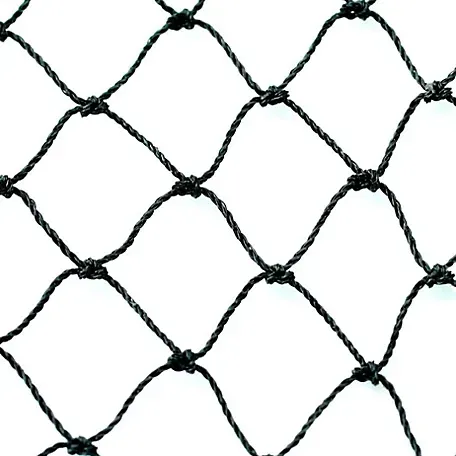
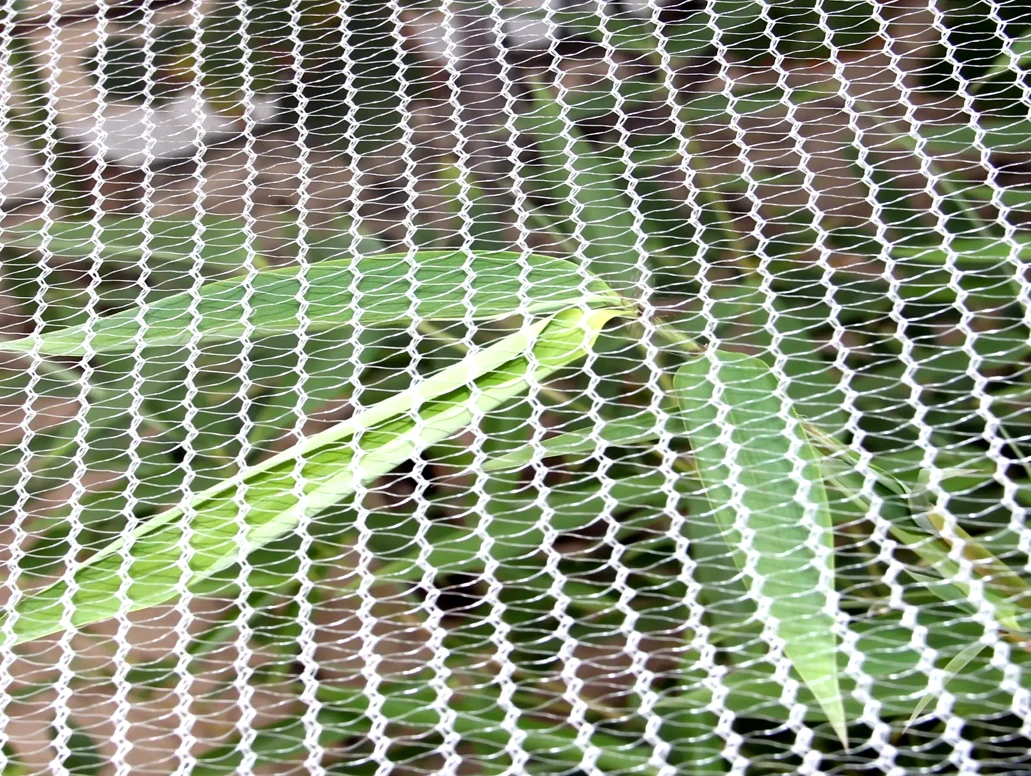
The robust knotted structure provides superior durability and prevents unraveling.
Vendor Comparison: Key Differentiators in Bird Netting Suppliers
When sourcing bird netting, B2B decision-makers must evaluate vendors based on more than just price. A holistic comparison ensures optimal product performance and long-term value.
Critical Comparison Factors:
Established vendors like YJ Wiremesh, with decades of experience in wire mesh and netting solutions, provide certified products and robust support. Their commitment to quality and understanding of specific B2B needs differentiates them from general suppliers.
Customized Solutions and Project Engineering
Off-the-shelf netting may suffice for simple applications, but complex agricultural or industrial projects often demand highly customized bird netting solutions. Our engineering team specializes in tailoring products to exact specifications.
Customization Capabilities Include:
- Dimensioning: Precise cutting and seaming of nets to custom widths and lengths, minimizing waste and simplifying installation for large-span structures (e.g., 50m x 200m single pieces).
- Mesh Configuration: Tailoring mesh aperture and knot type (e.g., square or diamond) based on target bird species and crop type.
- Material & Yarn Specification: Selection of PE, Nylon, or PP with specific denier and UV additive levels to meet desired tensile strength, flexibility, and service life requirements (e.g., heavy-duty Nylon for extreme wind loads).
- Reinforced Edges & Grommets: Integration of stronger border cords, webbing, or brass/stainless steel grommets for enhanced attachment strength and longevity, critical for tensioned systems.
- Color Matching: Custom color options for aesthetic integration with architectural designs or specific agricultural needs (e.g., white for light reflection, black for discreet installation).
- Pre-fabricated Panels: Delivering pre-assembled netting panels designed for specific structural bays, significantly reducing on-site installation time and complexity.
Our approach involves close collaboration with clients, from initial site assessment and engineering design to material selection and final deployment strategies. This ensures that the bird netting solution is not just a product, but a fully integrated, high-performance system designed for specific operational demands.
Application Case Studies
Case Study 1: Large-Scale Vineyard Protection
A prominent Californian vineyard, "Napa Valley Vintners," faced annual crop losses exceeding 15% due to starlings and other migratory birds during the veraison period. Traditional deterrents proved ineffective. Our team provided a customized solution involving heavy-duty, UV-stabilized HDPE bird netting with a 19mm x 19mm mesh. Over 50 hectares were covered using a retractable overhead system supported by galvanized steel cables. The netting was fabricated in large custom panels (20m x 150m) with reinforced selvage edges for enhanced attachment.
- Outcome: Crop losses attributed to birds reduced to less than 1% in the first season, leading to a projected ROI within two harvesting cycles. The vineyard reported significantly higher grape quality and uniformity.
- Client Feedback: "The customized netting solution from YJ Wiremesh has been a game-changer for our vineyard. The durability and effectiveness exceeded our expectations, securing our harvests for years to come."
Case Study 2: Commercial Airport Hangar Avian Exclusion
"Global Aviation Services," a major aircraft maintenance facility, experienced significant issues with pigeons and sparrows nesting inside their large hangars, leading to expensive equipment damage, sanitation problems, and potential FOD (Foreign Object Debris) risks. We designed and installed a bespoke netting system using fire-retardant, black Nylon netting with a 28mm x 28mm mesh. The installation required intricate rigging to cover all overhead structural beams and open bays, creating an impenetrable barrier while maintaining light and airflow.
- Outcome: Complete elimination of bird ingress and nesting within the hangars within two weeks of installation. Maintenance costs related to bird droppings reduced by 90%, and FOD risks were mitigated.
- Client Feedback: "The technical expertise in installation and the quality of the netting were outstanding. Our hangars are now bird-free, contributing significantly to operational safety and cleanliness."
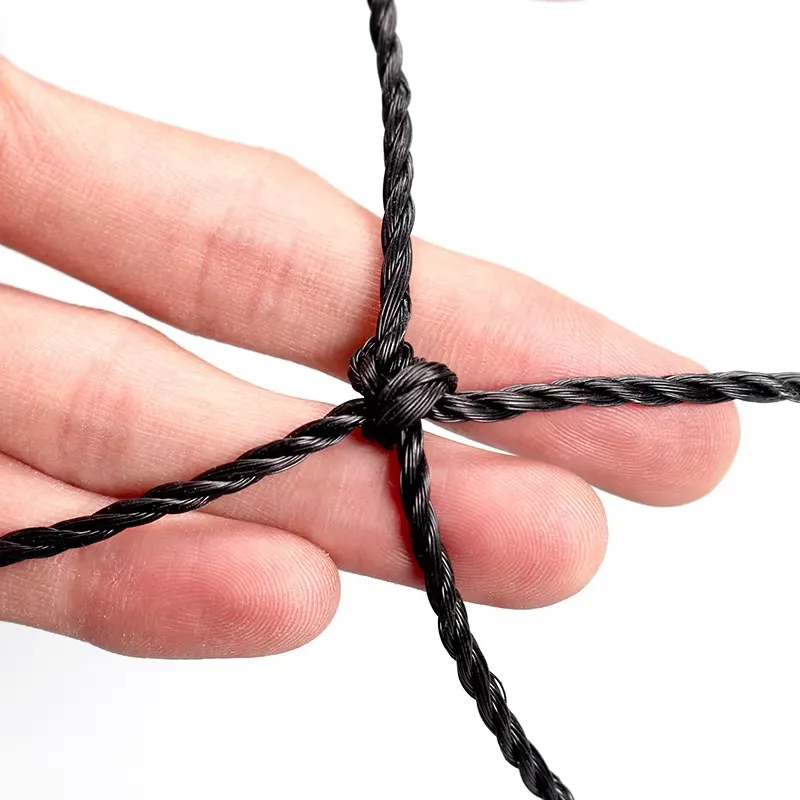
Bird netting installed over valuable crops, demonstrating effective avian exclusion.
Frequently Asked Questions (FAQ)
- Q1: What is the typical lifespan of your bird netting?
- A1: Our high-grade PE and Nylon netting, with advanced UV stabilization, is engineered for a service life of 5 to 10 years, depending on the material, specific application, and local climatic conditions. We provide detailed UV degradation ratings for each product.
- Q2: Can the netting withstand harsh weather conditions?
- A2: Yes, our knotted netting is designed for resilience. The robust material and knot construction provide excellent resistance to wind, hail, and snow loads when properly installed. It is also impervious to rot and mildew, making it suitable for diverse outdoor environments.
- Q3: Is professional installation required?
- A3: For large-scale or complex installations, professional guidance is highly recommended to ensure optimal tensioning, secure anchoring, and maximum effectiveness. We offer installation support and can recommend certified partners.
- Q4: What mesh size is best for my needs?
- A4: The ideal mesh size depends on the target bird species. For small birds like sparrows and starlings, 10-19mm mesh is suitable. For larger birds such as pigeons, crows, or gulls, 28-50mm mesh typically suffices. Our technical team can advise on the optimal mesh for your specific requirements.
- Q5: Is the netting visible and does it affect light penetration?
- A5: Our netting is designed for minimal visual impact. Black netting typically blends well with backgrounds, especially in large installations. While there might be a negligible reduction in light, careful material selection and design ensure optimal light transmission for crop health.
Lead Time, Warranty, and Customer Support
Lead Time & Fulfillment:
Standard stock items typically have a lead time of 5-10 business days for shipping. Custom orders, depending on complexity and volume, generally require 3-6 weeks for manufacturing and preparation. We utilize efficient logistics networks to ensure timely delivery to global destinations. Expedited production and shipping options are available upon request to meet urgent project deadlines.
Warranty Commitments:
We stand behind the quality of our Knotted PE/Nylon/Plastic Agriculture Anti Bird Netting with a comprehensive warranty. Our standard warranty covers defects in material and workmanship for a period of one (1) year from the date of purchase. Furthermore, we offer a prorated warranty against excessive UV degradation for up to five (5) years under normal outdoor exposure, provided the netting is installed and maintained according to our guidelines. Full details of our warranty policy are available upon request.
Dedicated Customer Support:
Our commitment extends beyond product delivery. We provide expert pre-sales consultation, guiding clients through material selection, mesh size optimization, and installation strategies. Post-sales, our dedicated support team is available for technical assistance, troubleshooting, and addressing any concerns. Clients can reach us via phone, email, or through our website's contact portal during business hours. We prioritize prompt and effective resolution of all customer inquiries, ensuring long-term satisfaction and partnership.
References
- FAO (Food and Agriculture Organization of the United Nations). "Sustainable Pest Management: A Global Perspective." 2023.
- International Organization for Standardization (ISO). "ISO 1806: Fishing nets – Measuring resistance to damage of netting." 2002.
- American Society for Testing and Materials (ASTM). "ASTM D2256 / D2256M – Standard Test Method for Tensile Properties of Yarns by the Single-Strand Method." 2018.
- Q-Lab Corporation. "QUV Accelerated Weathering Tester Manual." Latest Edition.
- Cornell University Cooperative Extension. "Bird Control in Fruit Crops." 2021.
-
High Quality Anti Bird Agro Net for Professional Crop ProtectionNewsApr.16,2026
-
Guide to Bird Netting Cost Per Square Foot and Material OptionsNewsApr.09,2026
-
Comprehensive Guide to Bird Netting Cost Factors and Material ChoicesNewsApr.07,2026
-
Comprehensive Guide to Bird Net for Balcony Cost and Installation OptionsNewsApr.04,2026
-
Comprehensive Guide to Bird Netting Price and Effective Protection SolutionsNewsMar.31,2026
-
Comprehensive Guide to Nylon Bird Net Price Factors and OptionsNewsMar.28,2026