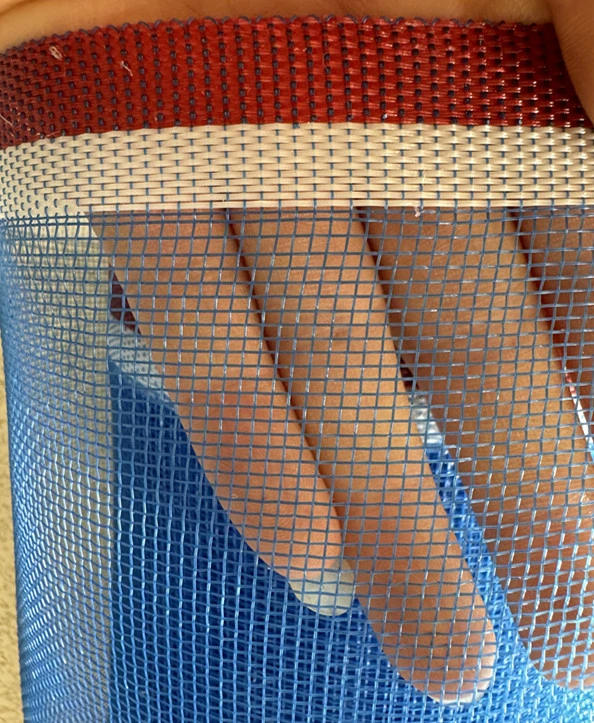
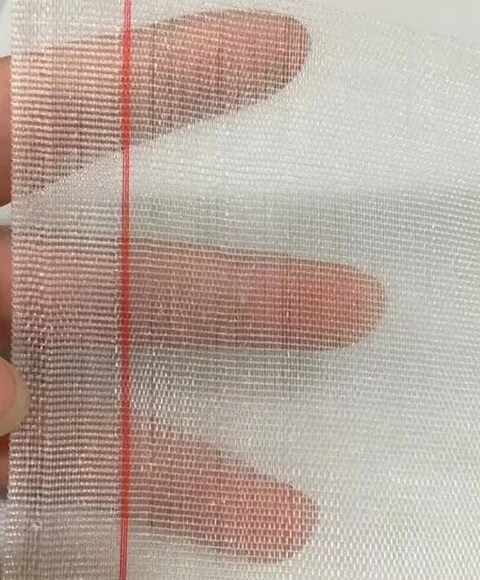
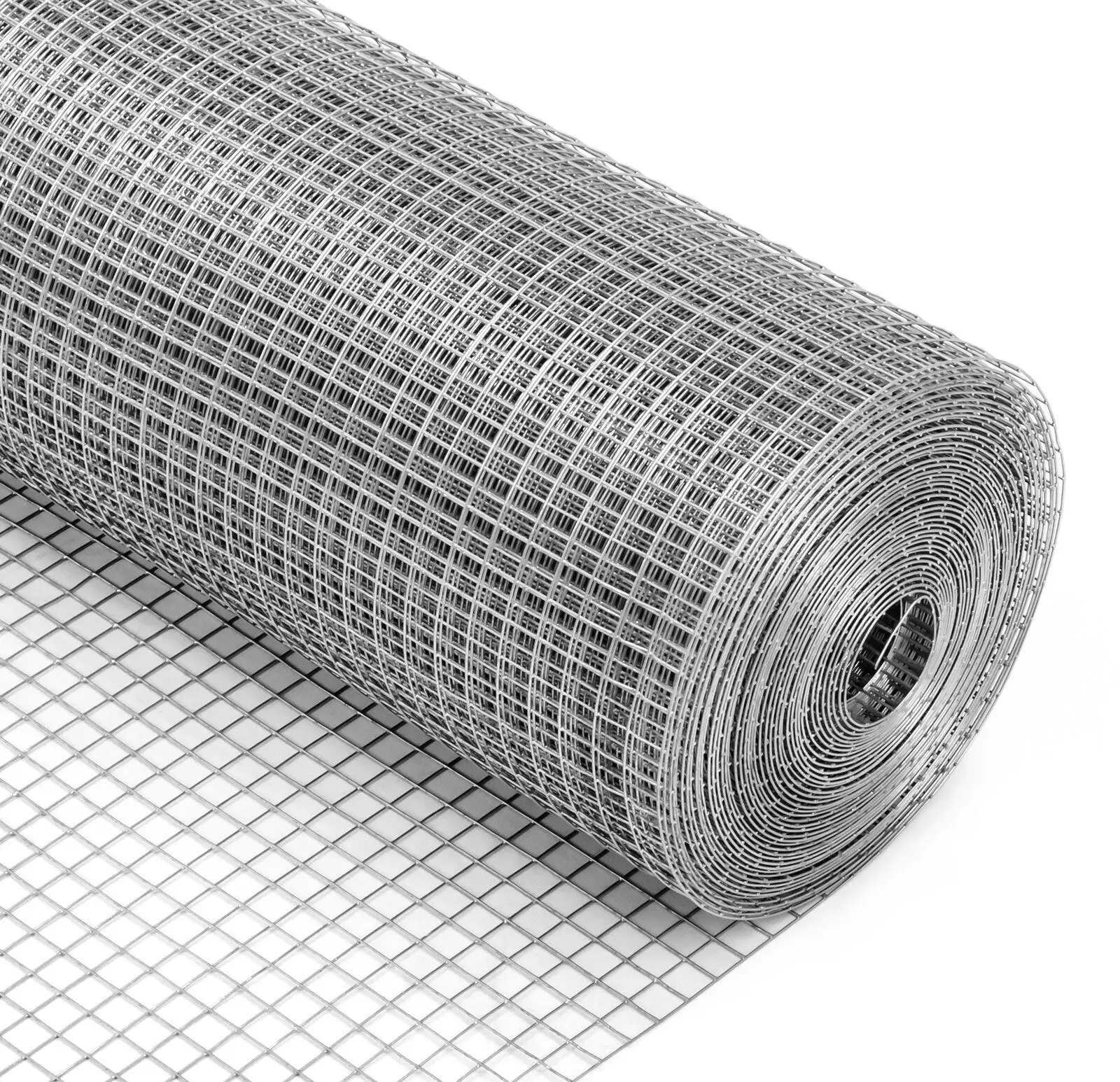
Durable Debris Netting | Heavy Duty Safety & Scaffold Protection
Advanced Debris Netting Solutions: Ensuring Site Safety and Operational Efficiency in Modern Construction
In the rapidly evolving landscape of construction and industrial operations, safety is paramount, and the strategic deployment of protective measures is non-negotiable. As a leading B2B supplier of advanced safety solutions, we recognize the critical role that high-quality debris netting plays in safeguarding personnel, equipment, and the public from falling objects, dust, and other construction-related hazards. The demand for robust, reliable, and compliant netting solutions has surged, driven by stricter regulatory frameworks, the increasing complexity of urban development projects, and a heightened global awareness of occupational safety. Our commitment extends beyond mere product provision; we aim to deliver comprehensive safety architectures that integrate seamlessly into diverse operational environments, offering unparalleled protection and peace of mind. The industry trend clearly indicates a shift towards materials that offer superior tensile strength, enhanced UV stability, and flame-retardant properties, moving away from conventional alternatives that may compromise long-term performance or regulatory adherence. This evolution in material science and manufacturing precision underscores the necessity for specialized providers who can meet these rigorous demands. Our Safety Net solutions, engineered to exceed industry benchmarks, represent the zenith of this technological advancement, providing an indispensable layer of security for any project, regardless of its scale or complexity, from high-rise building construction to infrastructure development and demolition activities. Our expertise in material selection, manufacturing techniques, and application engineering ensures that our netting provides optimal performance under the most challenging conditions.
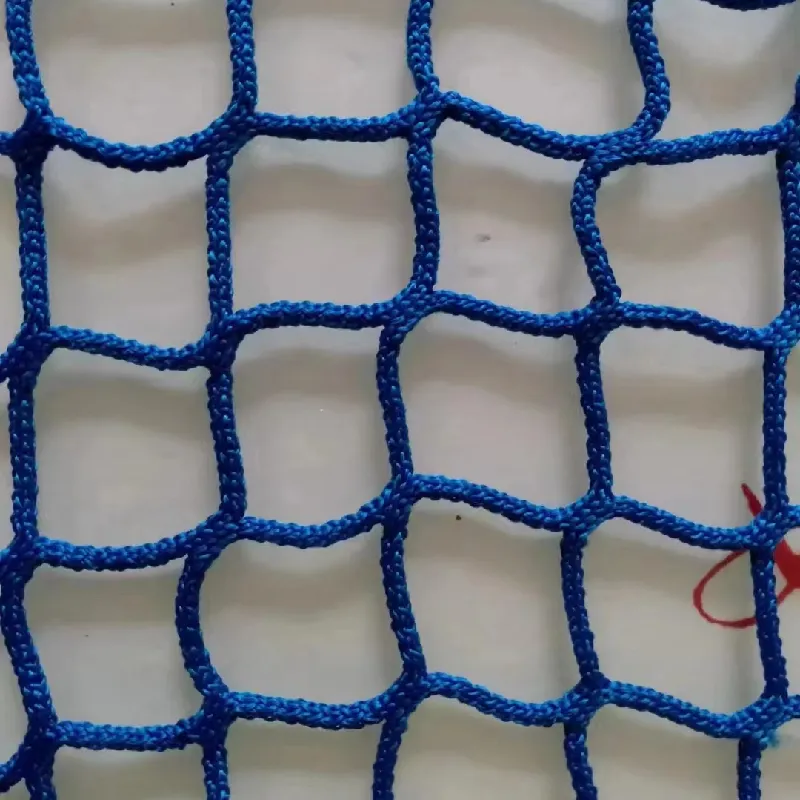
The market for safety netting solutions, particularly for heavy duty debris netting, is experiencing significant growth, projected to reach substantial market value by 2028, according to recent industry reports. This growth is primarily fueled by extensive investments in construction and infrastructure development across both developed and emerging economies. Furthermore, the stringent enforcement of safety regulations by bodies such as OSHA (Occupational Safety and Health Administration) and national equivalents worldwide mandates the implementation of effective fall protection and containment systems. Compliance is no longer an option but a legal and ethical imperative, leading companies to seek certified and high-performance solutions. Beyond regulatory compliance, the economic benefits of preventing accidents, reducing property damage, and minimizing project delays further reinforce the value proposition of superior safety netting. Our products are designed not only to meet but to surpass these evolving requirements, incorporating innovations that enhance durability, ease of installation, and overall cost-effectiveness. The integration of advanced polymeric materials, such as high-density polyethylene (HDPE) with specialized additives, ensures prolonged service life and resistance to environmental degradation, including harsh UV radiation and extreme temperatures. This proactive approach to product development ensures that our clients receive solutions that are future-proof, minimizing the total cost of ownership over the project lifecycle.
Precision Manufacturing: The Core of Superior Debris Netting Performance
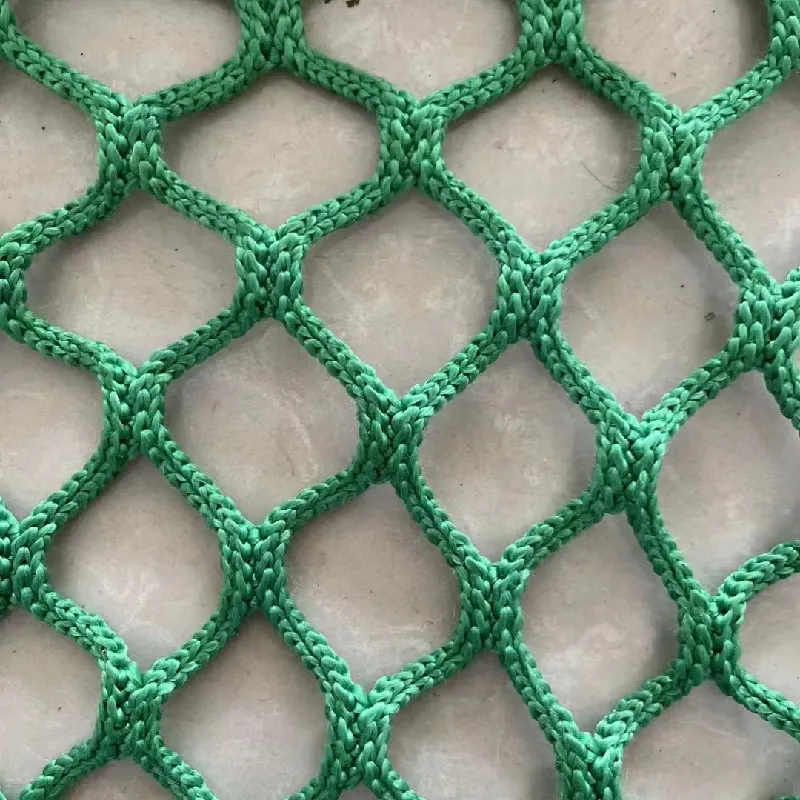
The manufacturing process of our debris netting is a meticulously controlled sequence, beginning with the selection of premium-grade High-Density Polyethylene (HDPE) virgin resins, chosen for their inherent strength-to-weight ratio, chemical inertness, and exceptional resistance to environmental stressors. Unlike many commodity plastics, HDPE offers superior tensile strength, making it ideal for applications requiring high load-bearing capacity and resilience. The initial stage involves the extrusion of these resins into fine monofilaments, where precise temperature and pressure control are critical to achieving uniform filament diameter and optimal molecular alignment, which directly translates to the finished product's strength. Following extrusion, these high-strength monofilaments are then woven or knitted using advanced industrial looms. For Safety Net solutions, a Leno weave or Raschel knit pattern is typically employed. The Leno weave creates a strong, stable fabric where warp yarns are twisted around weft yarns, locking them in place and preventing unraveling, even if a filament breaks. Raschel knitting, on the other hand, produces a ladder-resistant structure, offering superior elasticity and tear resistance, essential for dynamic applications like catching falling objects. This intricate weaving or knitting process is digitally controlled to ensure consistent mesh size and uniform material distribution across the entire net, a crucial factor for its safety and containment efficacy. The choice between weaving and knitting depends on the specific application and desired properties, with both methods optimized for maximum durability and performance.
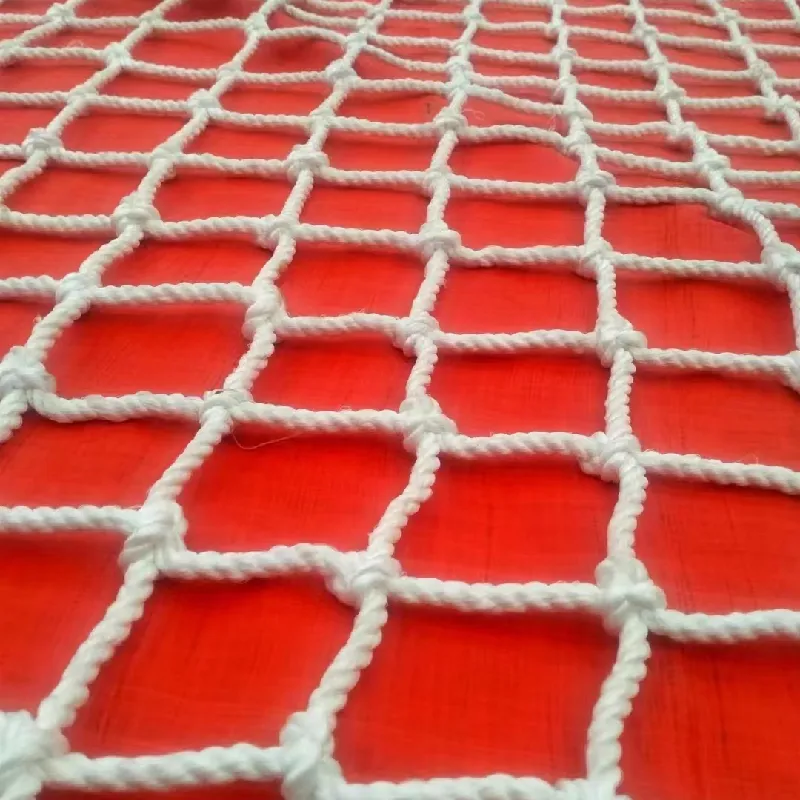
Post-production, each batch of scaffold netting undergoes rigorous quality assurance testing to meet and exceed international standards such as ISO 9001 for quality management systems and ANSI A10.37 for safe work practices on construction and demolition sites. Key performance indicators include tensile strength (ASTM D5034 for grab tensile strength), tear resistance (ASTM D2261), UV resistance (ASTM G154 accelerated weathering), and flame retardancy (NFPA 701, Method 2 for large-scale tests), ensuring that our products perform reliably under various environmental conditions and emergencies. For example, our netting is engineered to withstand prolonged exposure to direct sunlight, providing an expected lifespan of 3-5 years outdoors under typical conditions, thanks to advanced UV inhibitors compounded directly into the HDPE resin. This extended lifespan significantly reduces the frequency of replacement, leading to substantial long-term cost savings for our clients. Furthermore, the robust construction provides excellent resistance to chemicals commonly encountered in industrial environments, such as mild acids, alkalis, and solvents, without compromising structural integrity. This resilience makes our netting suitable for a broad spectrum of industries, including infrastructure development, industrial maintenance, and large-scale public works projects, where both falling debris and material containment are critical concerns. Our rigorous testing protocols and adherence to global standards underscore our commitment to delivering superior quality and unwavering reliability in every product.
Technical Specifications and Key Advantages of Our Debris Netting
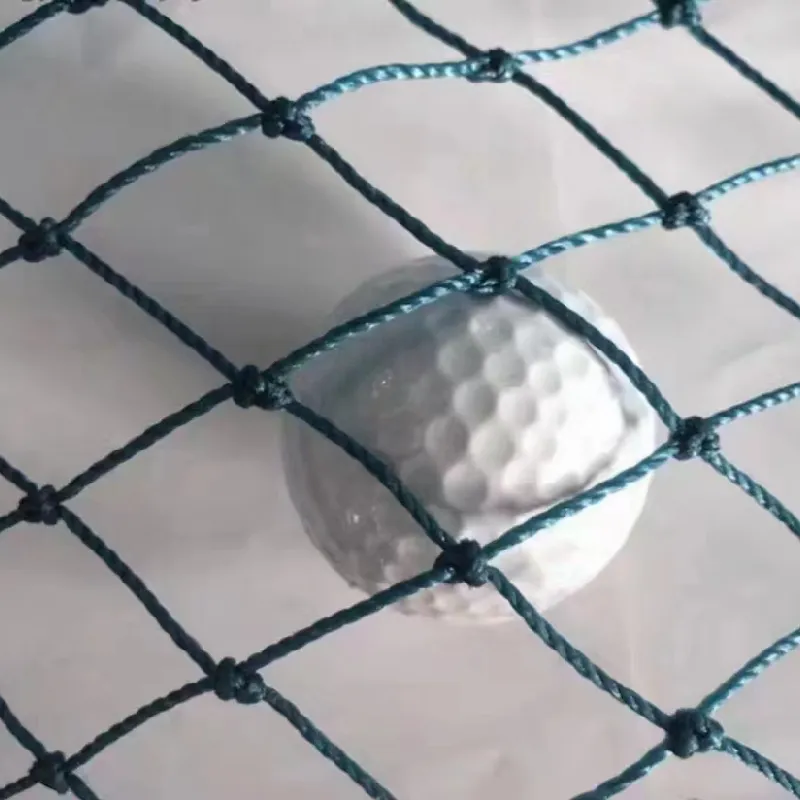
Understanding the precise technical parameters of debris netting is crucial for effective project planning and risk management. Our Safety Net solutions are engineered with specific properties to deliver optimal performance across diverse operational environments. For instance, our standard line offers a material weight (density) typically ranging from 90 GSM to 200 GSM, indicating the amount of material per square meter and directly correlating to its strength and durability. A higher GSM generally implies a denser weave and greater resistance to tears and punctures. Mesh sizes vary from 2mm x 2mm for fine dust containment to larger openings like 1/4 inch or 3/8 inch for capturing larger debris, while still maintaining high visibility. The tensile strength, measured in Newtons per 5 centimeters (N/5cm), often exceeds 1000N/5cm in both warp and weft directions for our heavy-duty variants, ensuring exceptional resistance to ripping under dynamic loads. UV stabilization is achieved through the incorporation of high-performance hindered amine light stabilizers (HALS) during the extrusion process, providing a minimum of 5,000 hours of UV resistance, translating to an extended outdoor service life of 3-5 years, depending on regional solar intensity. This robust UV protection prevents material degradation, embrittlement, and color fading, preserving the net's structural integrity and aesthetic appeal over time.
| Parameter | Typical Range for Standard/Heavy Duty Netting | Significance for Performance |
|---|---|---|
| Material | 100% Virgin High-Density Polyethylene (HDPE) with UV Stabilizers | Ensures superior tensile strength, chemical resistance, and longevity. |
| Weight/Density (GSM) | 90 GSM - 200 GSM | Higher GSM indicates greater material density and durability against tears. |
| Mesh Size | 2mm x 2mm to 10mm x 10mm (or 1/4" to 3/8" square) | Determines containment capability for various debris sizes, dust control. |
| Tensile Strength (Warp/Weft) | >1000 N/5cm (approx. >225 lbs/2 inch) | Critical for resisting tearing under impact or heavy loads, ensuring integrity. |
| Tear Resistance | >200 N (approx. >45 lbs) | Resistance to propagating tears from punctures or snags. |
| UV Resistance | Minimum 5,000 hours (ASTM G154 accelerated weathering) | Ensures long-term outdoor stability, preventing degradation from sunlight. |
| Flame Retardancy | Meets NFPA 701, Method 2 (for specified models) | Crucial for compliance in environments with fire risks, adds safety layer. |
| Roll Size (Typical) | Width: 1.8m, 2m, 3m, 4m; Length: 50m, 100m | Facilitates coverage for various scaffold sizes and construction zones. |
| Reinforcement | Reinforced buttonholes/grommets every 6 inches - 1 foot | Provides secure attachment points, distributes stress evenly, prevents tearing. |
The technical advantages of our security netting extend beyond mere specifications. Our netting features reinforced edges with integrated buttonholes or grommets, typically spaced every 6 to 12 inches. This design choice is critical for secure attachment to scaffolding or structural elements, ensuring that the net maintains its tension and integrity even under dynamic wind loads or direct impact. The reinforced perimeter significantly enhances the net's tear resistance at attachment points, which are often the weakest links in conventional netting systems. Furthermore, select models of our netting are treated with proprietary flame retardants, allowing them to meet stringent fire safety standards such as NFPA 701, making them indispensable for projects in high-risk environments or those requiring specific building code compliance, such as high-rise construction or industrial facilities handling flammable materials. The consistent material quality and precision manufacturing also contribute to minimal material shrinkage or expansion due to temperature fluctuations, ensuring a stable and reliable barrier throughout its operational lifespan. This superior engineering minimizes maintenance requirements and extends the net's operational window, providing substantial value to our clients through reduced downtime and enhanced safety.
Versatile Application Scenarios for Debris Netting Across Industries
The versatility of debris netting makes it an indispensable safety component across a multitude of industries, extending far beyond conventional construction sites. In general construction, including residential, commercial, and industrial building projects, our netting provides critical overhead protection, preventing tools, materials, and concrete fragments from falling onto workers or public areas below. This is especially vital in dense urban environments where pedestrian traffic is heavy and adjacent buildings are close by. For instance, in high-rise building construction, the nets create a protective envelope around the structure, containing dust and small debris that can be carried by wind currents. During demolition phases, our heavy-duty nets are deployed to contain explosive debris, pulverised concrete, and other hazardous particles, minimizing environmental contamination and ensuring the safety of surrounding properties. The durability of our netting means it can withstand repeated impacts from larger debris without tearing, making it an ideal choice for the extreme conditions encountered during structural deconstruction. Beyond mere safety, the presence of clearly visible netting also enhances site professionalism and public perception, signaling a commitment to safety and environmental responsibility.
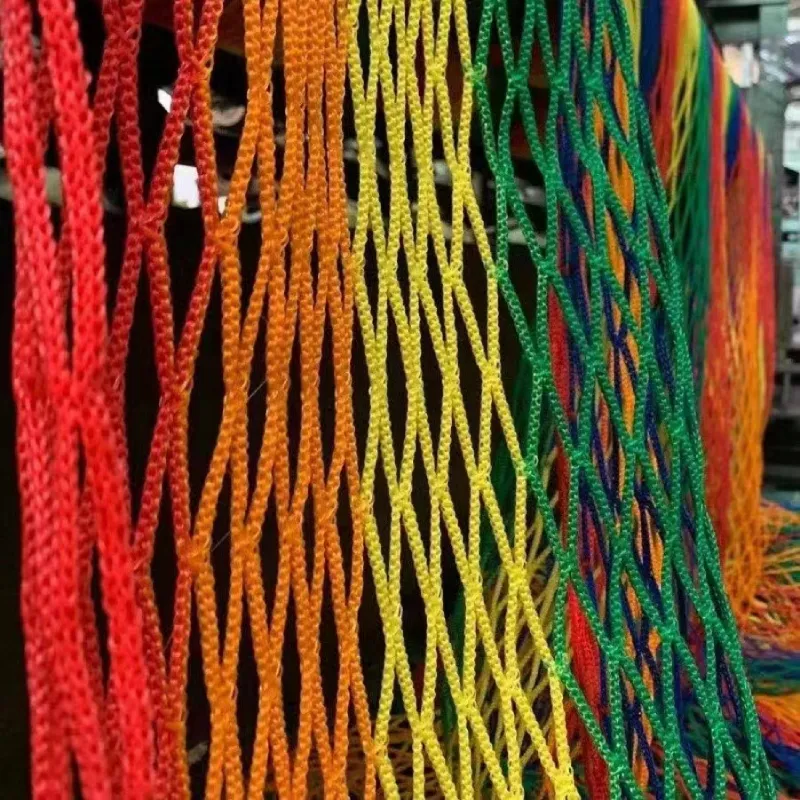
Beyond traditional construction, our safety netting construction solutions find critical applications in specialized industrial sectors. In the petrochemical industry, during maintenance shutdowns or new plant construction, our flame-retardant netting can be used to encapsulate work areas, preventing tools or small components from falling into active processing units or sensitive equipment, which could lead to severe operational disruptions or safety incidents. Similarly, in the metallurgy sector, especially in steel mills or foundries, the netting provides protection against falling slag, sparks, or metallic fragments during furnace overhauls or structural repairs. The fire-resistant properties are particularly advantageous here, mitigating fire risks associated with high-temperature operations. In large-scale infrastructure projects, such as bridge construction or highway expansion, our robust nets are used to shield traffic lanes below from construction debris, ensuring public safety and maintaining traffic flow. Even in water supply and drainage projects, where excavation and trenching are common, the netting acts as a barrier to contain excavated soil, tools, and materials, preventing them from contaminating water sources or drainage systems. This broad applicability demonstrates the engineered versatility and essential role of our debris netting in safeguarding complex industrial and civil engineering operations.
Tailored Solutions and Manufacturer Expertise
Navigating the diverse offerings in the market for debris netting requires a discerning eye, particularly when evaluating potential manufacturers and suppliers. While many providers offer standard products, a true partner in safety provides comprehensive solutions backed by deep industry knowledge and technical expertise. When comparing manufacturers, key differentiators often include the source and quality of raw materials – virgin HDPE vs. recycled materials, which can significantly impact tensile strength and UV stability. Furthermore, the sophistication of manufacturing equipment and quality control protocols plays a pivotal role; leading manufacturers employ state-of-the-art weaving or knitting machinery and implement multi-stage inspection processes, from filament extrusion to finished product testing. Our distinguished position in the market is validated by over 20 years of dedicated service in the wire mesh and safety netting industry, accumulating invaluable experience and refining our manufacturing processes to perfection. This extensive operational history reflects not just longevity, but a continuous commitment to innovation, quality improvement, and customer satisfaction, earning us a reputation for reliability and excellence.
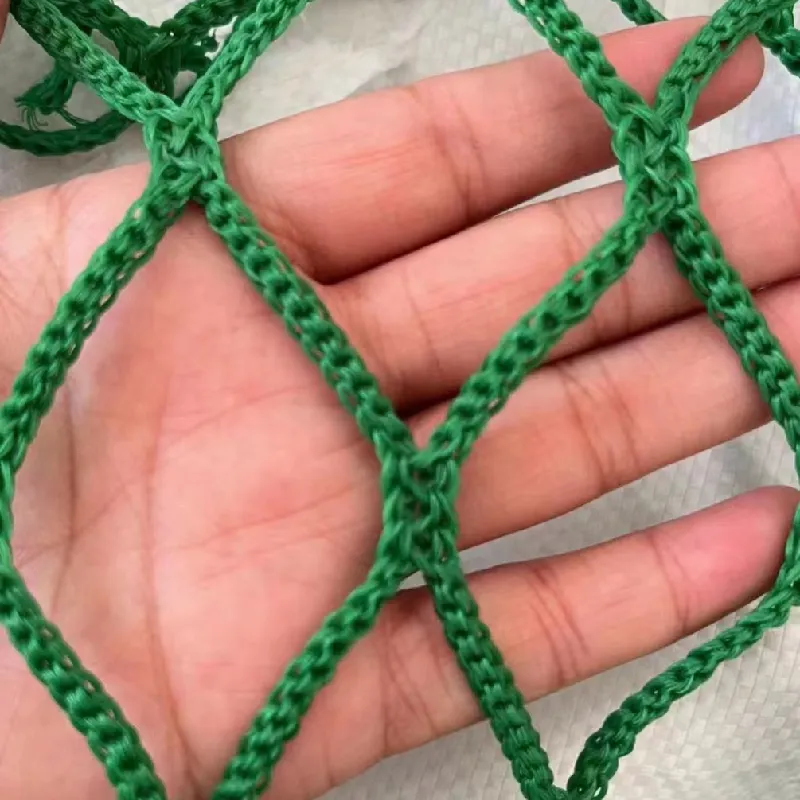
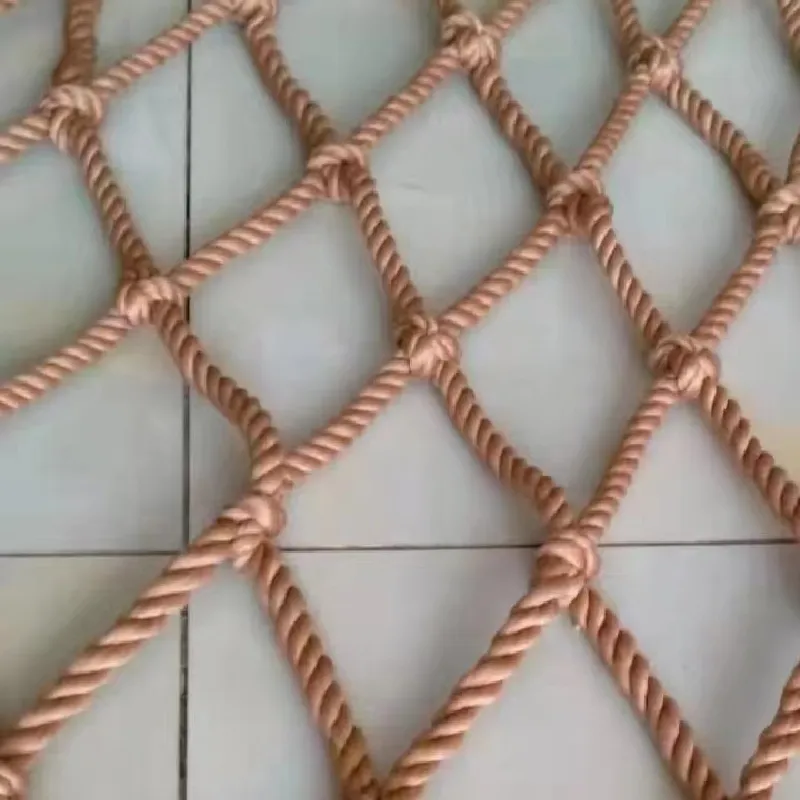
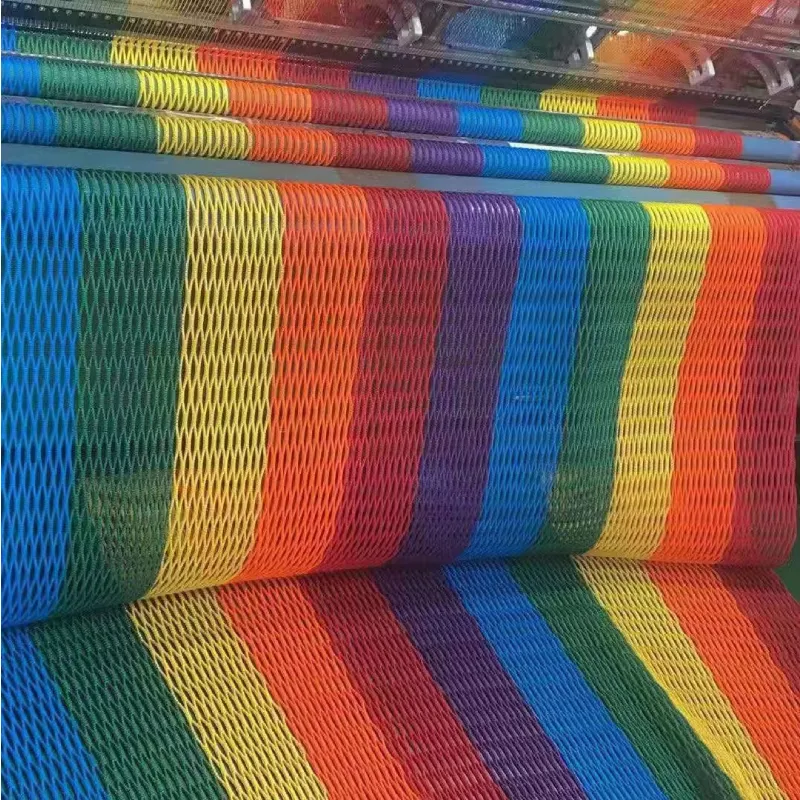
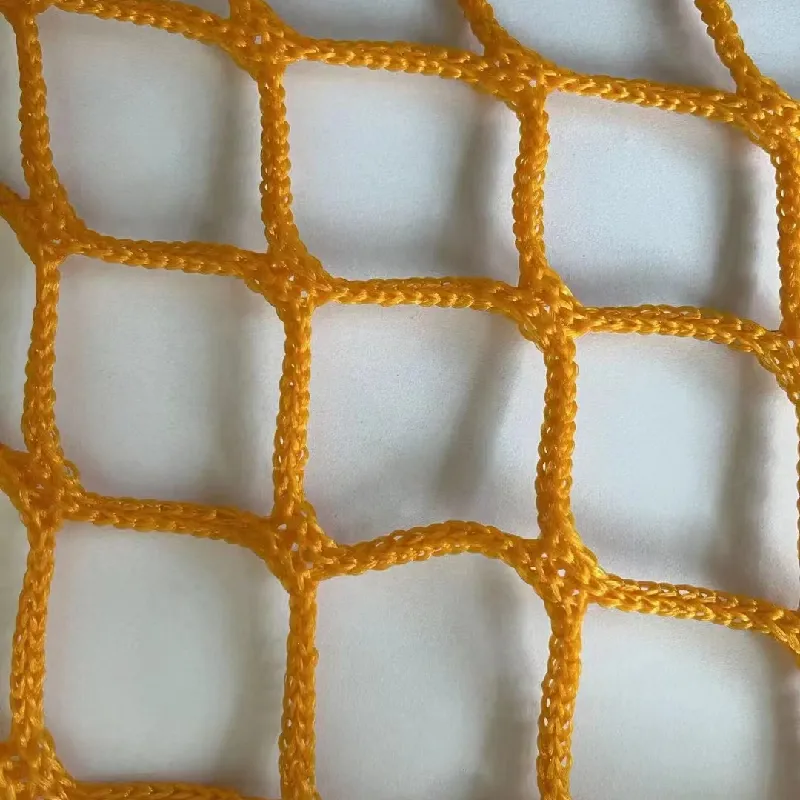
Customization is a cornerstone of our service philosophy, recognizing that every project presents unique challenges and specifications for heavy duty debris netting. We offer bespoke solutions tailored precisely to client requirements, whether it's specific mesh sizes for fine dust containment in pharmaceutical plant construction, non-standard roll dimensions for unique scaffolding configurations, or custom colors for corporate branding or visibility purposes. Our engineering team collaborates closely with clients from conceptualization through deployment, providing expert consultation on material selection, design optimization, and installation best practices. This collaborative approach ensures that the final product not only meets functional requirements but also integrates seamlessly with existing site safety protocols and operational workflows. For example, a recent project involved developing a highly visible orange netting with enhanced tear resistance for a mining operation, specifically designed to withstand abrasive conditions and extreme temperatures while maintaining optical clarity for heavy machinery operators. This level of customization, coupled with our rigorous quality assurance and accredited certifications like ISO 9001 and adherence to ANSI standards, sets us apart. Our certifications are not just badges; they are a testament to our unwavering commitment to quality and process excellence, providing our clients with the assurance that they are investing in products engineered for superior performance and safety.
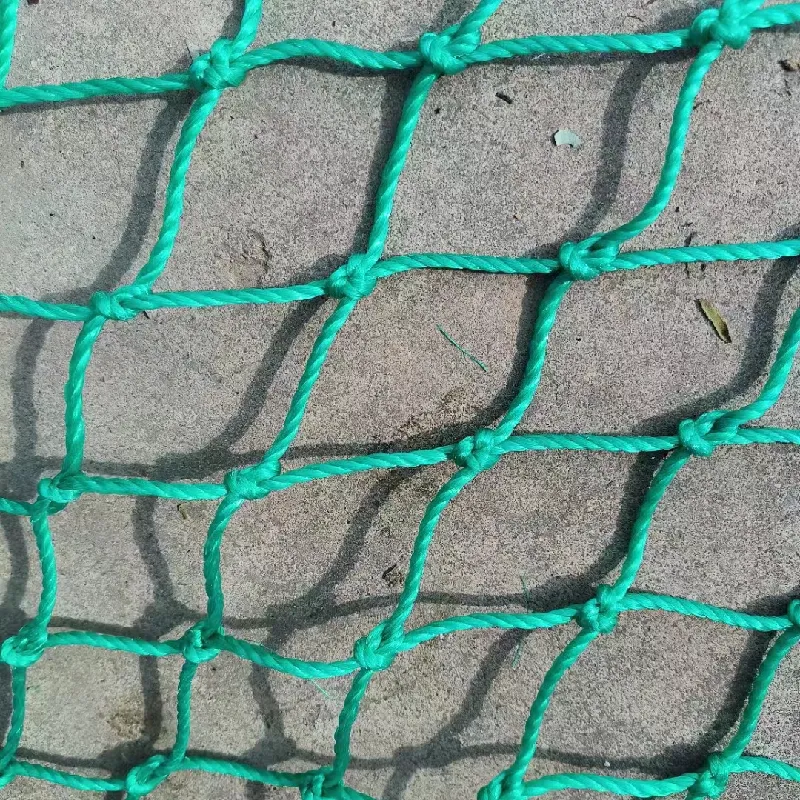
Real-World Impact: Debris Netting in Action and Client Success
The tangible benefits of high-performance debris netting are best illustrated through real-world application examples and direct client feedback. One notable case involved a major urban high-rise construction project where our specialized fire-retardant safety netting was deployed across 40 floors. The project site, situated in a densely populated area, required stringent dust and debris containment to comply with local environmental regulations and ensure public safety. Our netting effectively contained all falling objects, from small tools to concrete chips, preventing potential injuries to pedestrians and damage to surrounding properties. During a particularly windy period, the netting's robust construction and secure attachment points, designed with reinforced buttonholes, withstood wind gusts exceeding 50 mph, demonstrating exceptional resilience and maintaining structural integrity throughout the challenging conditions. The construction management team reported a significant reduction in site cleanup costs and zero incidents related to falling debris, directly attributing these successes to the reliability and performance of our netting system. This experience underscores not only the product's technical superiority but also its contribution to overall project efficiency and risk mitigation, validating the investment in quality safety solutions.
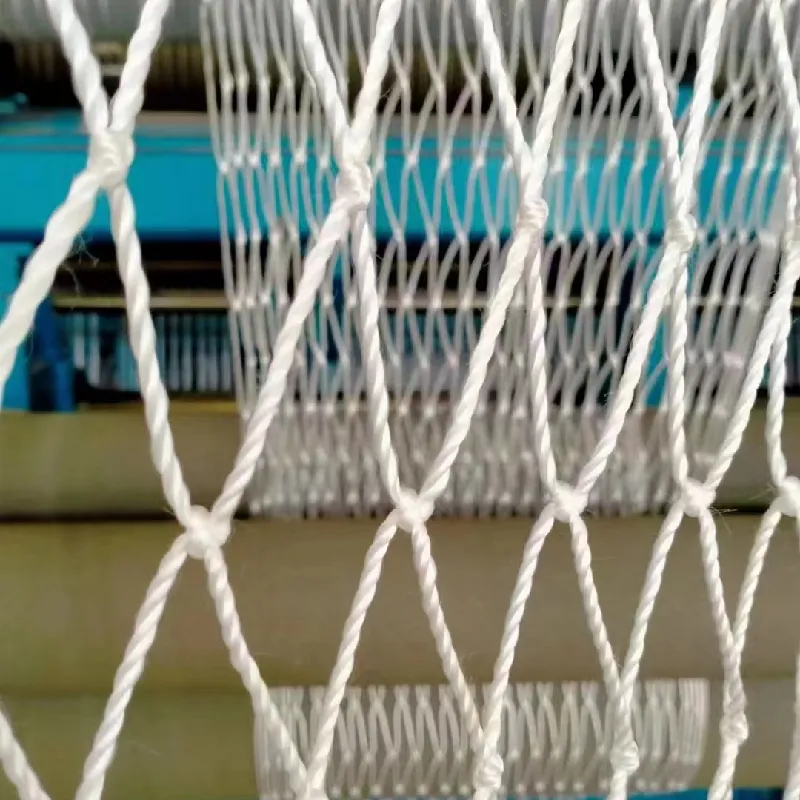
Another compelling case highlights the economic advantages of our scaffold netting. For a large-scale renovation of an historical building, preservation of original architectural elements was paramount, alongside worker safety. The client required a netting solution that would not only prevent falling debris but also offer superior dust control to protect sensitive facades and minimize environmental impact. Our fine-mesh netting, specifically engineered for dust containment, was deployed to create a protective barrier. Over the course of the 18-month project, the netting effectively captured construction dust and small particles, preventing them from contaminating the building's delicate exterior and adjacent public spaces. This meticulous dust control significantly reduced the need for external cleaning services, saving the client considerable operational expenses. Furthermore, the long-term durability of the netting, supported by its integrated UV stabilization, meant no premature degradation or need for replacement, further contributing to cost efficiencies over the project's extended timeline. These successful deployments reinforce our commitment to delivering not just a product, but a comprehensive safety and efficiency solution that directly impacts project outcomes and client profitability, underscoring our authority and trustworthiness in the market.
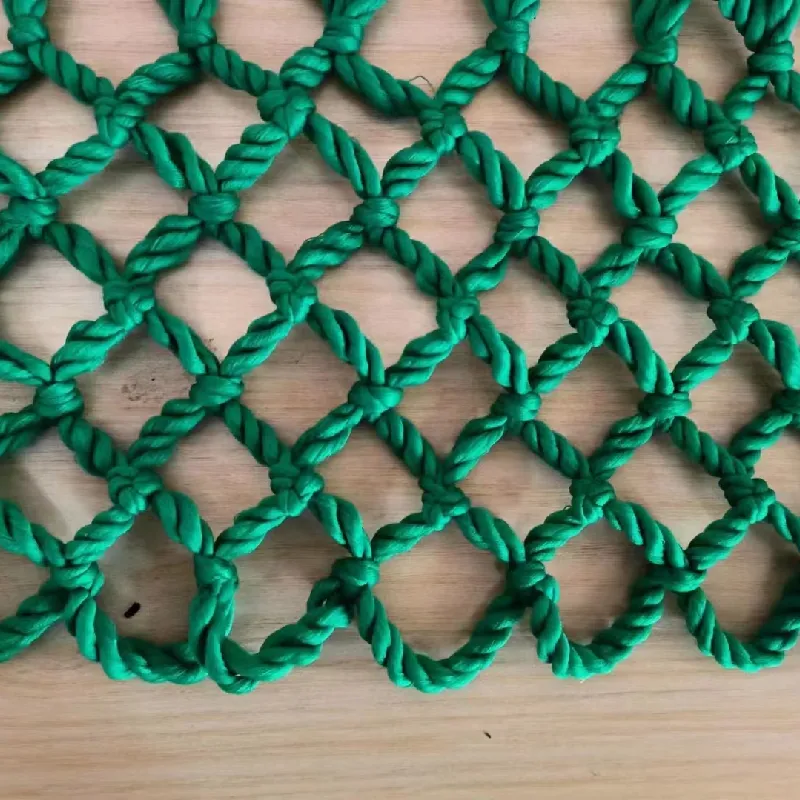
Commitment to Quality, Support, and Customer Trust
At the heart of our operations lies an unwavering commitment to quality assurance and customer satisfaction, establishing a foundation of trust with our B2B partners for their debris netting needs. Every roll of netting that leaves our facility is subjected to a multi-stage quality control process, from raw material inspection upon arrival to in-process checks during extrusion and weaving, culminating in rigorous post-production testing of the finished product. This comprehensive approach ensures that each product consistently meets our stringent internal quality benchmarks and relevant international standards. Our quality management system is ISO 9001 certified, reflecting our dedication to continuous improvement and operational excellence. Furthermore, our products regularly undergo independent third-party testing to validate their performance characteristics, including tensile strength, tear resistance, and UV stability, providing an unbiased verification of our claims. This commitment to transparency and verifiable quality forms the bedrock of our relationships with clients globally, reinforcing our authoritative standing as a reliable supplier in the safety solutions market. We believe that true partnership is built on consistent quality and mutual trust, which is why we invest heavily in maintaining the highest standards across our entire supply chain.
Frequently Asked Questions (FAQ)
-
Q: What is the typical lifespan of your debris netting in outdoor conditions?
A: Our standard debris netting, specifically treated with advanced UV stabilizers, is designed to provide an outdoor service life of 3-5 years under typical climate conditions. This lifespan can vary slightly based on the intensity of UV exposure and specific environmental factors like extreme temperatures or chemical exposure.
-
Q: Can your netting be customized for specific project dimensions or color requirements?
A: Absolutely. We specialize in providing customized debris netting solutions. We can manufacture netting in various roll widths and lengths, tailored mesh sizes, and a broad spectrum of colors to match specific project aesthetics or branding needs. Our engineering team is available for consultation to ensure your precise requirements are met.
-
Q: What is your standard delivery timeframe for large orders?
A: Standard delivery for large orders typically ranges from 2 to 4 weeks, depending on the volume and customization required. For urgent projects, we offer expedited production and shipping options. We recommend contacting our sales team for precise lead times based on your specific order details.
Our dedication to customer support and after-sales service is a fundamental aspect of our commitment to trustworthiness. We offer comprehensive support, from initial product consultation and technical specifications guidance to post-installation advice and troubleshooting. Our responsive customer service team is available to address any inquiries or concerns, ensuring a seamless experience for our clients. Furthermore, we stand behind the quality of our debris netting products with a robust warranty, covering manufacturing defects and material integrity. This warranty provides an additional layer of assurance, reflecting our confidence in the durability and performance of our safety solutions. Our delivery process is optimized for efficiency and reliability, with global shipping capabilities and a proven track record of on-time delivery. We understand the critical nature of project timelines, which is why our logistics team works diligently to ensure that your orders arrive when and where you need them, minimizing costly delays. This holistic approach, encompassing superior product quality, expert support, and reliable logistics, reinforces our position as a preferred partner for industrial and construction safety solutions worldwide.
Conclusion and Authoritative References
In summation, the selection and deployment of high-quality debris netting are critical elements of any comprehensive safety strategy in contemporary construction and industrial environments. Our Safety Net solutions represent the pinnacle of engineering excellence, combining superior material science with precision manufacturing to deliver products that consistently exceed industry standards for strength, durability, and environmental resistance. From meticulous raw material selection and advanced knitting techniques to rigorous quality control and bespoke customization options, every aspect of our production process is geared towards maximizing safety and operational efficiency for our B2B partners. The compelling technical specifications, diverse application versatility, and verifiable client success stories underscore our expertise and authority in this specialized field. By choosing our robust and reliable netting, businesses can significantly mitigate risks associated with falling objects and environmental contamination, ensuring compliance with stringent safety regulations while enhancing overall project integrity and profitability. Our commitment to innovation, customer support, and continuous improvement positions us as the trusted choice for all your safety netting requirements, providing peace of mind and unparalleled protection for your personnel and assets.
Authoritative References:
- Occupational Safety and Health Administration (OSHA) - Construction Industry Standards (29 CFR 1926).
- American National Standards Institute (ANSI) - A10.37-2016 Safety Requirements for Debris Netting in Construction and Demolition Operations.
- International Organization for Standardization (ISO) - ISO 9001:2015 Quality Management Systems.
- National Fire Protection Association (NFPA) - NFPA 701: Standard Methods of Fire Tests for Flame Propagation of Textiles and Films.
- ASTM International - Various standards for polymer testing including D5034 (Tensile Strength) and G154 (UV Exposure).
-
High Quality Anti Bird Agro Net for Professional Crop ProtectionNewsApr.16,2026
-
Guide to Bird Netting Cost Per Square Foot and Material OptionsNewsApr.09,2026
-
Comprehensive Guide to Bird Netting Cost Factors and Material ChoicesNewsApr.07,2026
-
Comprehensive Guide to Bird Net for Balcony Cost and Installation OptionsNewsApr.04,2026
-
Comprehensive Guide to Bird Netting Price and Effective Protection SolutionsNewsMar.31,2026
-
Comprehensive Guide to Nylon Bird Net Price Factors and OptionsNewsMar.28,2026