Durable Netting to Keep Animals Out of Garden - Expert Guide
Netting to Keep Animals Out of Garden: A Practical Guide
If you’ve been around farming or industrial gardening for any stretch of time, you quickly realize one stubborn truth: no matter how lovingly you tend your plants, critters have their own agenda. Bird flocks, deer, rabbits… they all seem to have GPS to your prized veggies. That’s why netting to keep animals out of garden isn’t just a convenience—it’s an outright necessity.
Frankly, I’ve installed a lot of different fencing and mesh solutions over the years, and netting is often underestimated. It’s a simple concept: create a physical barrier that’s durable enough to deter animals but flexible to handle the elements. What’s trickier is finding the right material and design that holds up season after season—especially if you’re dealing with broadleaf deer or persistent rabbits.
Material Choices and Industry Insights
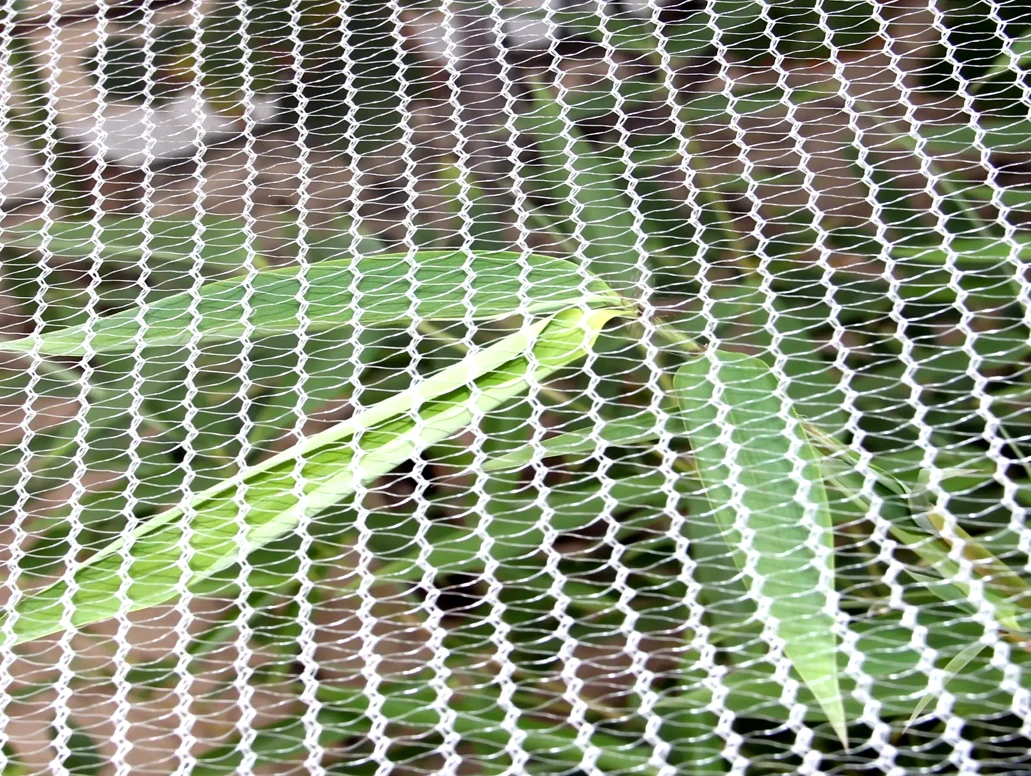
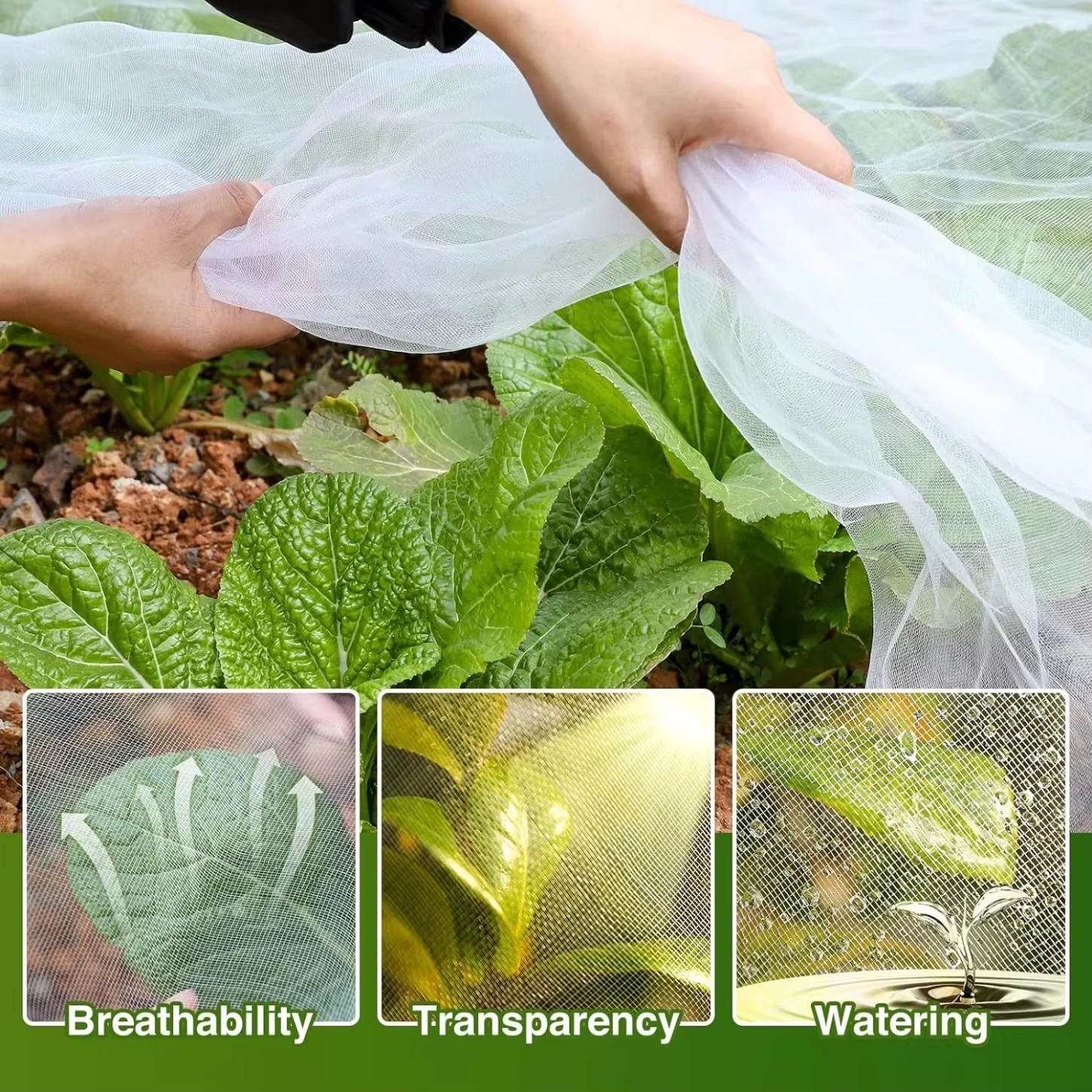
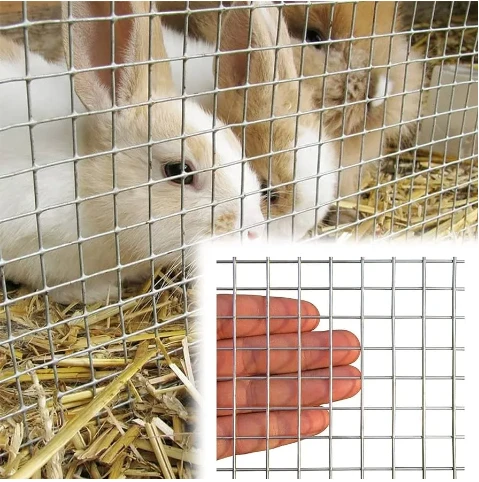
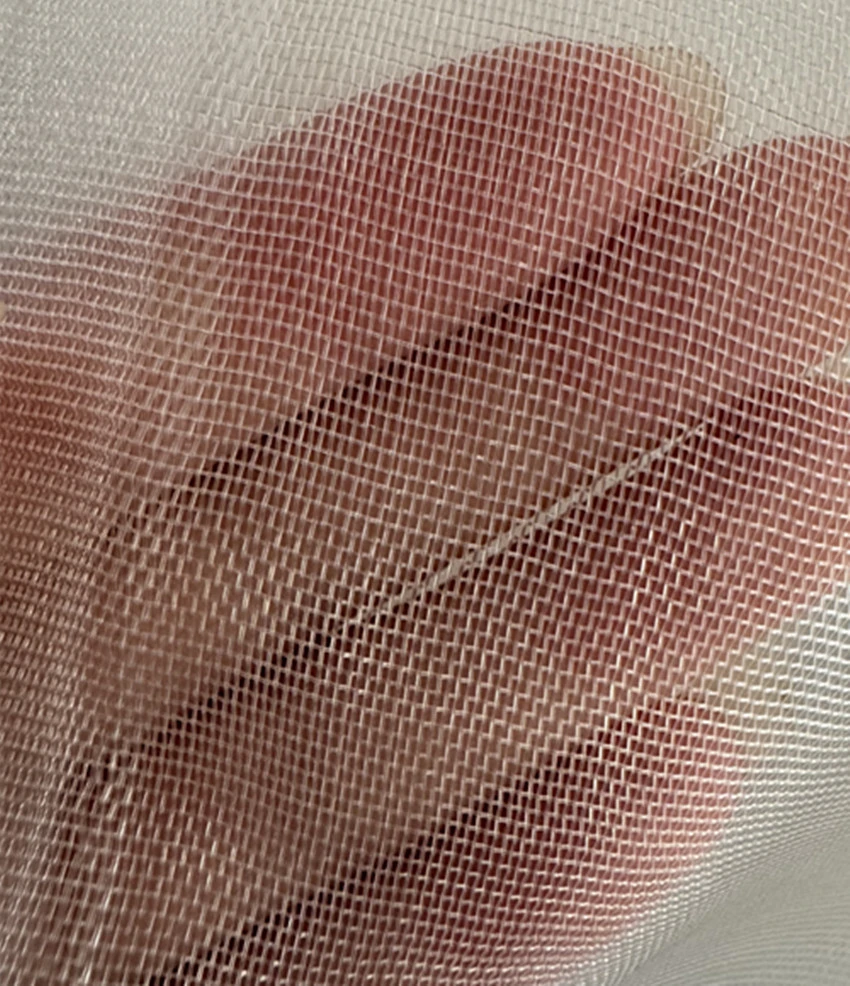
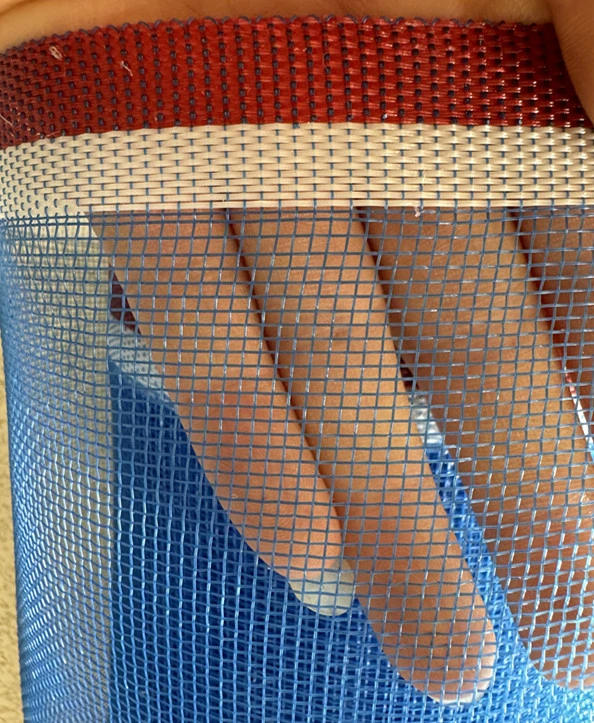
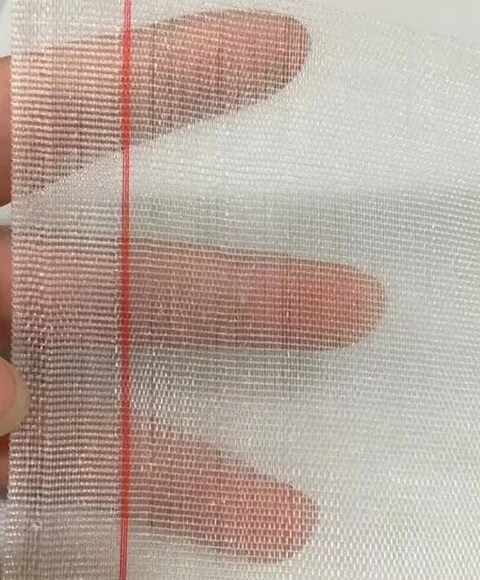
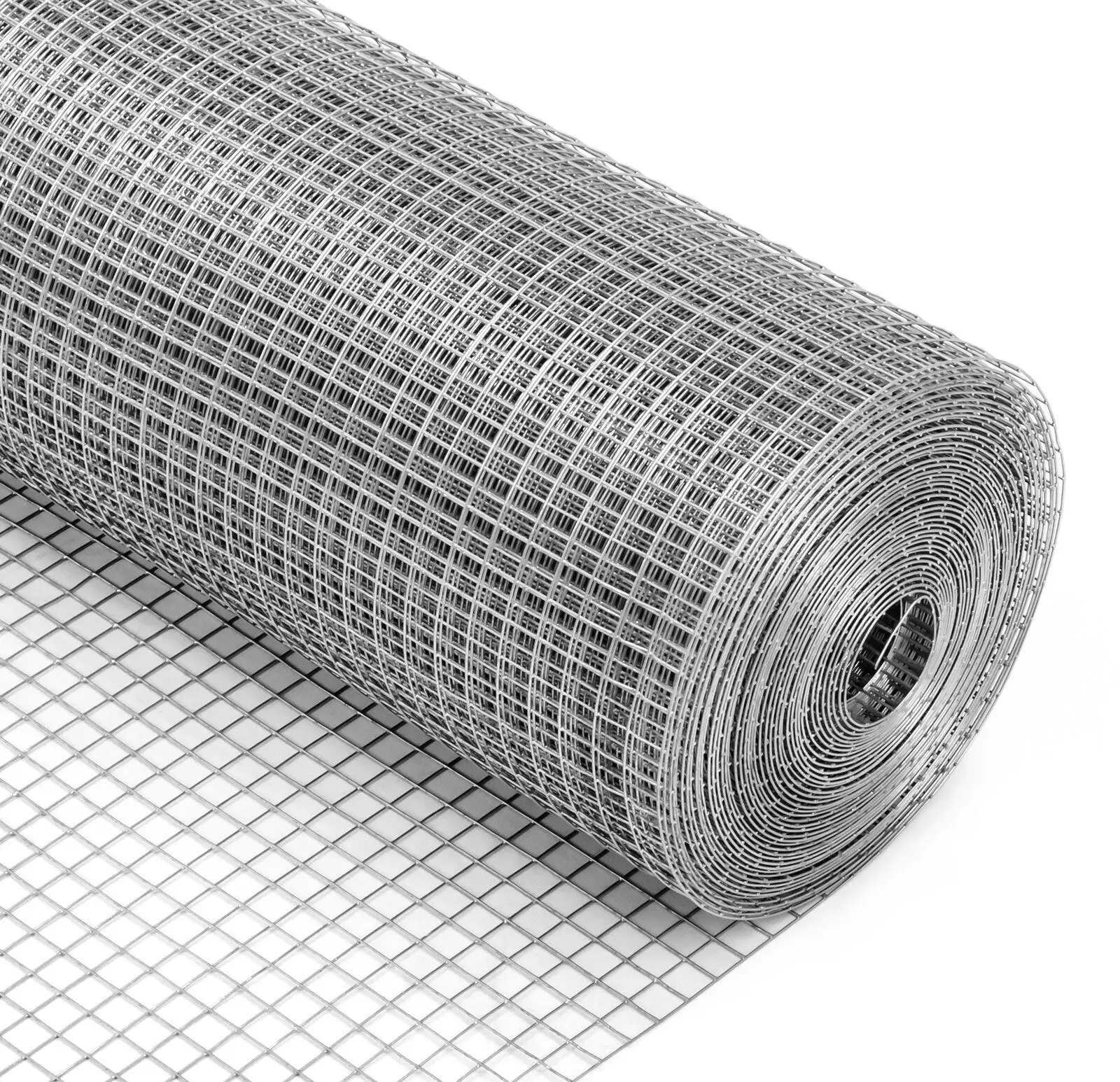
Most professional-grade garden netting I’ve worked with uses galvanized steel wire or UV-protected polyethylene. The galvanized steel options have this ruggedness to them—they resist corrosion even after heavy rain and retain strength without sagging. Oddly enough, some of the polyethylene nets, while lighter, can be surprisingly effective, particularly if you want something easier to install and remove seasonally.
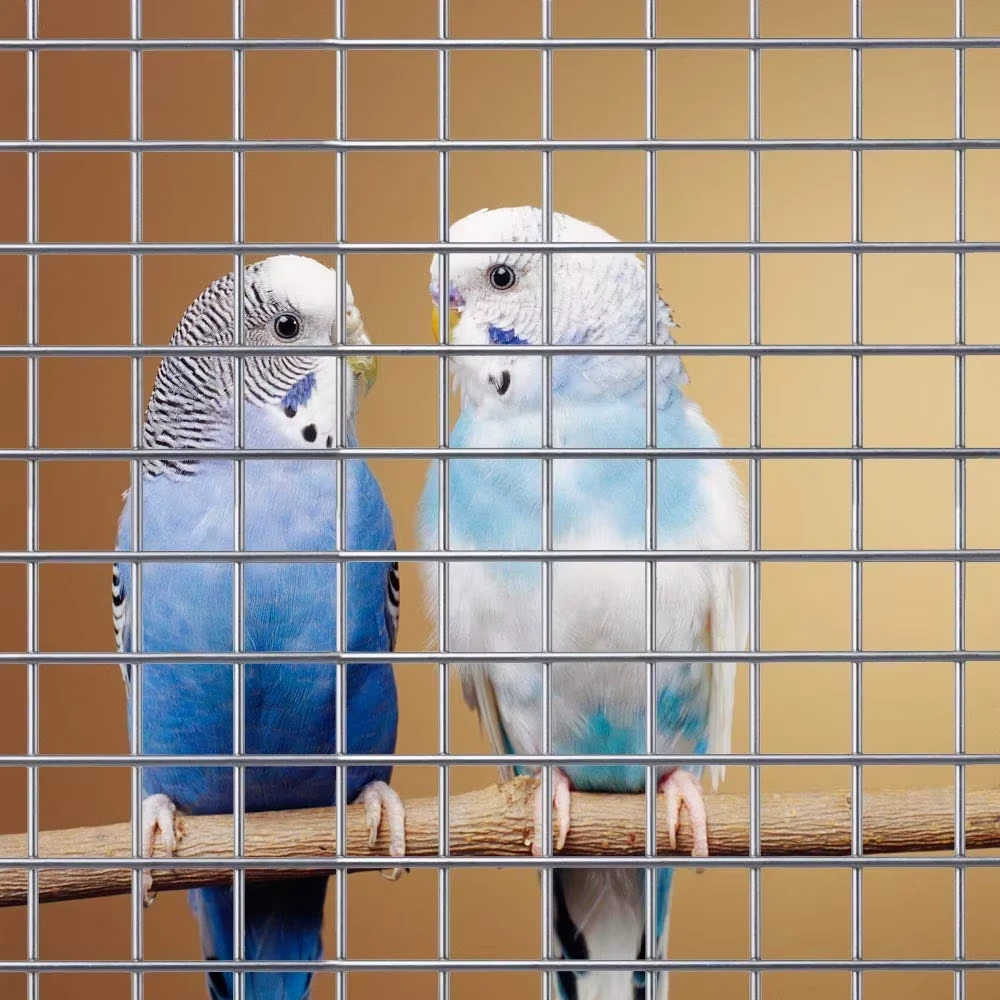
From my experience, industrial suppliers often emphasize custom mesh sizes and coated finishes. The mesh size you choose can be the difference between letting in pesky birds or sealing out every small invader. Oddly, a smaller mesh size increases durability but sometimes can reduce airflow, which matters for certain crops.
Practical Specifications of Typical Garden Netting
| Specification | Typical Range | Notes |
|---|---|---|
| Material | Galvanized Steel / UV Polyethylene | Resists weather and corrosion |
| Mesh Size | 0.5" to 2" | Determines animal exclusion level |
| Roll Width | 4 ft to 8 ft | Common for easy installation |
| Tensile Strength | 30-50 kN/m | Ensures resistance to tearing |
| UV Resistance | 5-10 years lifespan | Depends on material and coating |
Vendor Comparison: What to Look For
Not all suppliers are created equal, and it’s a space that requires a bit of homework. Here’s a quick comparison I’ve seen among some of the main industrial wire mesh vendors supplying garden netting:
| Feature | YJ Wire Mesh | Vendor B | Vendor C |
|---|---|---|---|
| Material Options | Galvanized & PVC coated | Galvanized only | Polyethylene only |
| Customization | Custom mesh sizes & colors | Limited standard sizes | Few options |
| Durability | High (10+ years with coating) | Moderate (7+ years) | Lower (3-5 years) |
| Pricing | Competitive | Lower-cost | Premium |
| Lead Time | 2-3 weeks | 1 week | 4+ weeks |
One anecdote that sticks with me is a small organic farm I consulted for in the Pacific Northwest. They’d tried everything from scarecrows to electric fences but still lost crops to local rabbits. We installed a galvanized steel net with a 1-inch mesh size from YJ Wire Mesh. Within days, the difference was clear. Maybe it’s the coating, or the sturdiness, but the plants thrived, and the farmer said it was like finally giving his garden an invisible protective cloak.
Oddly enough, because the netting is so flexible, it also allowed him to easily open sections to harvest without wrestling a big fence apart every time. It’s these kinds of practical benefits you don’t always spot until you’re elbow-deep in the soil.
In real terms, investing in quality netting pays off by reducing replanting and stress for gardeners genuinely attached to their crops. Plus, with growing environmental awareness, physical barriers are a humane way to protect without harmful chemicals or traps.
So, if you’re on the hunt for reliable netting to keep animals out of garden, consider durability, mesh size, and your local wildlife. Sometimes, the simplest fix is the smartest.
Reflections from over a decade in industrial garden protection: it’s always a balance between nature’s persistence and thoughtful barriers. And often, the best solutions are those you barely notice once installed—just quietly doing their job.
- "Garden Protection Mesh: A Buyer’s Guide" — Industrial Wire Mesh Journal, 2022
- "Durability Testing of Agricultural Nets" — AgriMaterials Quarterly, 2021
- Personal experience advising organic farms across the Northwest, 2015-2023
© 2024 Industrial Equipment Insights
-
High Quality Anti Bird Agro Net for Professional Crop ProtectionNewsApr.16,2026
-
Guide to Bird Netting Cost Per Square Foot and Material OptionsNewsApr.09,2026
-
Comprehensive Guide to Bird Netting Cost Factors and Material ChoicesNewsApr.07,2026
-
Comprehensive Guide to Bird Net for Balcony Cost and Installation OptionsNewsApr.04,2026
-
Comprehensive Guide to Bird Netting Price and Effective Protection SolutionsNewsMar.31,2026
-
Comprehensive Guide to Nylon Bird Net Price Factors and OptionsNewsMar.28,2026