Installing Bird Netting: Easy, Effective & Humane Solutions
Strategic Implementation: The Critical Role of Bird Netting in Industrial and Agricultural Protection
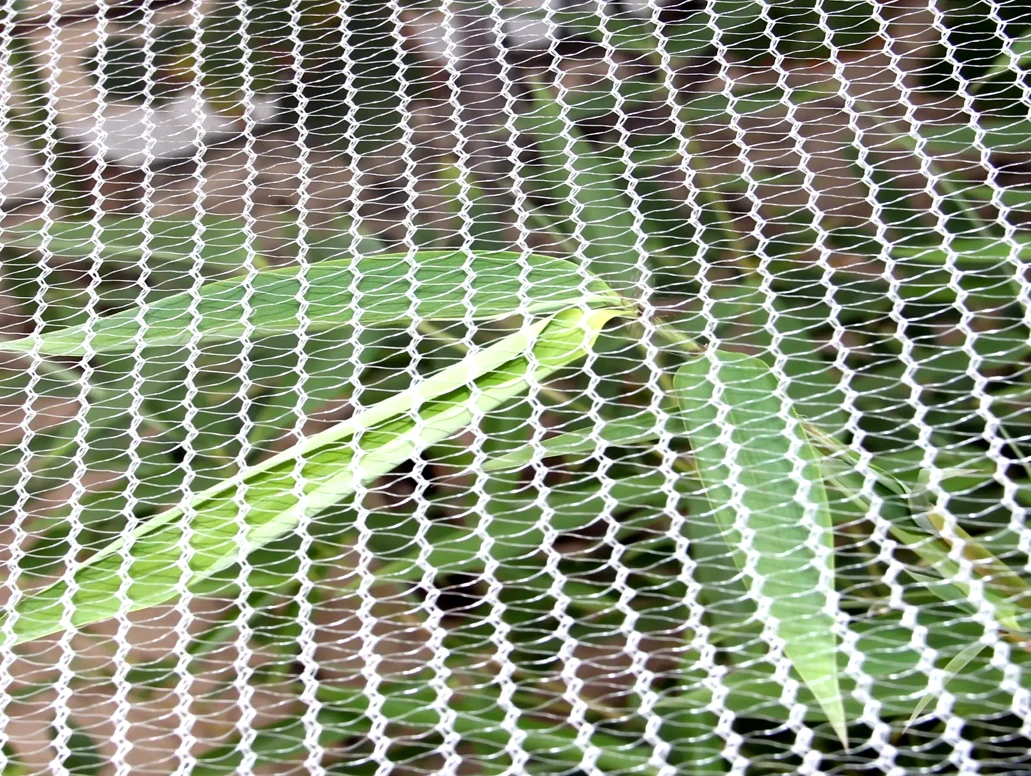
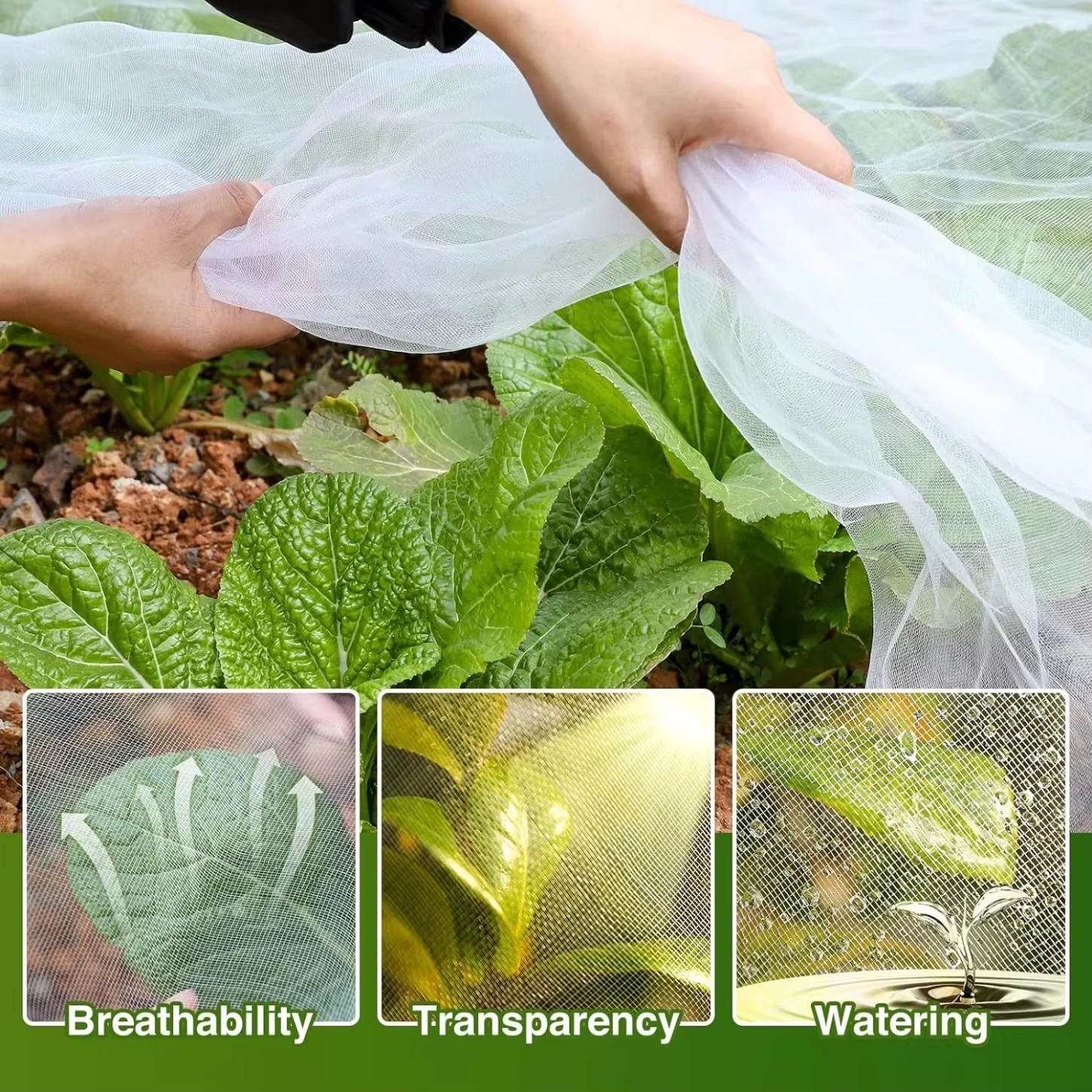
Effective bird control is a paramount concern for a diverse range of B2B sectors, from agricultural enterprises safeguarding valuable crops to industrial facilities protecting infrastructure and ensuring operational hygiene. The strategic deployment of bird netting represents one of the most reliable and environmentally conscious solutions for mitigating avian pest issues. Understanding the nuances of installing bird netting is critical for maximizing its efficacy and longevity. This comprehensive guide delves into the technical specifications, application methodologies, and strategic advantages of modern bird netting solutions, providing B2B decision-makers with the insights necessary for informed procurement and implementation.
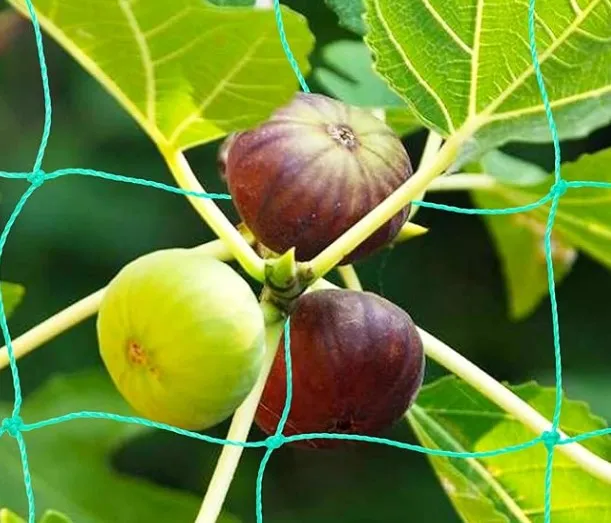
The demand for robust bird control solutions continues to escalate across multiple industries. Agricultural producers face annual crop losses estimated in the billions globally due to bird depredation, while industrial and commercial facilities contend with structural damage, contamination risks, and costly maintenance associated with bird roosting and nesting. Advanced bird netting, particularly high-density polyethylene (HDPE) variants, offers a durable, humane, and cost-effective barrier that prevents avian access without causing harm. Its adaptability allows for customized installations across vast and varied environments, making it an indispensable asset in modern pest management strategies.
Industry Trends and Market Dynamics in Avian Exclusion
The global bird control market is experiencing steady growth, driven by increasing awareness of economic losses and health risks posed by avian pests. Key trends include a shift towards environmentally friendly and humane deterrents, which bird netting inherently provides. Technological advancements in material science have led to more resilient and UV-stabilized nettings, extending service life and reducing the total cost of ownership.
- Sustainable Solutions: Growing preference for non-lethal and eco-friendly bird deterrents aligns perfectly with netting applications.
- Material Innovation: Development of advanced HDPE materials with superior UV resistance and tensile strength, ensuring longer operational lifespans (typically 5-10 years, sometimes up to 15 years in temperate climates).
- Customization: Increasing demand for bespoke netting solutions tailored to specific architectural designs or agricultural layouts.
- Integrated Pest Management (IPM): Bird netting is often a cornerstone of comprehensive IPM strategies, minimizing reliance on chemical or more aggressive methods.
The market is segmented by application, with agriculture, aviation, industrial infrastructure, and public spaces being major consumers. For instance, solar farms are increasingly adopting bird netting to protect panels from droppings, which can significantly reduce energy efficiency (up to 25% according to some studies) and cause permanent damage.
The Manufacturing Process of High-Performance HDPE Bird Netting
The production of professional-grade bird netting, particularly the knotted HDPE variant designed for robust protection, involves a meticulous process to ensure durability, longevity, and effectiveness. Understanding this process underscores the quality and performance attributes critical for successful installing bird netting in challenging environments.
Process Flow Schematic:
- Raw Material Sourcing & Preparation: High-quality virgin HDPE (High-Density Polyethylene) granules are selected. HDPE is favored for its high strength-to-density ratio, impact resistance, and excellent chemical resistance. UV stabilizers, often carbon black or hindered amine light stabilizers (HALS), are compounded with the HDPE to prevent photodegradation, a critical factor for outdoor applications.
- Extrusion: The compounded HDPE is fed into an extruder, melted, and forced through a die to form fine monofilament strands. Precision control over temperature and pressure ensures uniform filament diameter and optimal molecular orientation for strength.
- Stretching & Annealing: The extruded monofilaments are then stretched (drawn) to align the polymer chains, significantly increasing tensile strength. This process is followed by annealing, where the filaments are heated and slowly cooled to relieve internal stresses, stabilizing the material and improving dimensional stability.
- Knotting/Weaving: The monofilaments are then fed into specialized netting machines. For knotted netting, individual strands are interwoven and tied into strong, permanent knots at each intersection. This method provides superior structural integrity and resistance to unraveling compared to knotless variants, making it ideal for situations requiring high durability against environmental stressors and avian impact.
- Quality Control & Testing: Throughout and after the manufacturing process, strict quality control measures are implemented.
- Tensile Strength Testing: Samples are tested according to ISO 13934-1 standards to ensure they meet specified breaking strengths (e.g., typically 250-500 N per strand for industrial-grade netting).
- UV Stability Testing: Accelerated weathering tests (e.g., ASTM G154, ISO 4892-2) simulate prolonged outdoor exposure to verify the effectiveness of UV inhibitors and predict service life.
- Mesh Size & Dimensional Accuracy: Precise measurements ensure consistent mesh opening and overall netting dimensions, crucial for specific bird species exclusion.
- Finishing & Packaging: The completed netting panels are cut to specified dimensions, often with reinforced borders for ease of installation. They are then rolled or folded and packaged securely for wholesale distribution.
The target industries for these robust nettings include petrochemical plants (to prevent nesting in critical areas), metallurgy facilities (to protect open-air cooling systems), and water supply & drainage utilities (to keep birds out of reservoirs and treatment basins). The inherent corrosion resistance of HDPE, combined with its high energy absorption capacity (preventing bird entanglement injuries while also absorbing impact), demonstrates significant advantages in these typical application scenarios.
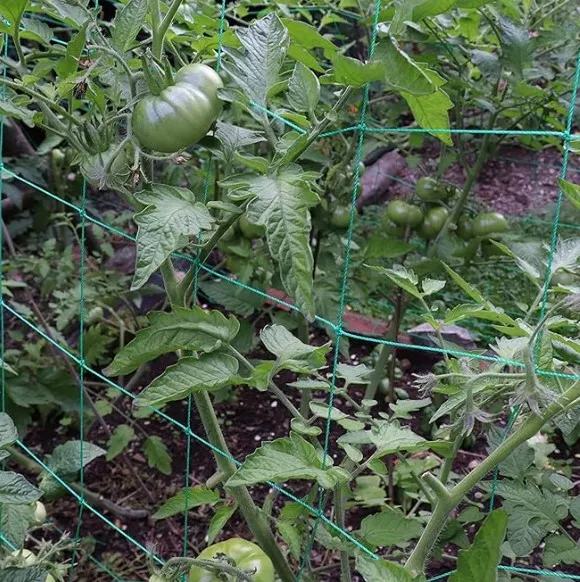
This meticulous manufacturing process, compliant with international standards like ISO 9001 for quality management, ensures a service life of 5-10 years for standard netting, extending up to 15 years or more for premium UV-stabilized variants, even under harsh environmental conditions.
Technical Specifications and Performance Parameters
Selecting the appropriate bird netting requires a detailed understanding of its technical specifications. These parameters directly influence the netting's effectiveness, durability, and suitability for specific applications when installing bird netting.
Typical HDPE Knotted Bird Netting Specifications
| Parameter | Specification | Standard/Notes |
|---|---|---|
| Material | 100% Virgin High-Density Polyethylene (HDPE) | UV stabilized, chemically inert |
| Net Type | Knotted (Square Mesh) | Superior strength & unraveling resistance |
| Mesh Size (Opening) | 19mm x 19mm (3/4 inch) to 50mm x 50mm (2 inch) | Varies by target bird species (e.g., 19mm for sparrows/starlings, 50mm for gulls) |
| Twine Thickness | 0.8mm to 2.0mm (standard 1.0mm-1.2mm) | Influences strength and visibility |
| Tensile Strength (per strand) | ~250 N (for 1.0mm twine) to ~500 N (for 2.0mm twine) | ISO 13934-1 compliant |
| Breaking Strength (per mesh) | > 20 kg (for 19mm, 1.0mm twine) | Resistant to bird impact |
| UV Stability | 5-10 years minimum (guaranteed) | Tested per ASTM G154, ISO 4892-2 (Accelerated Weathering) |
| Temperature Range | -30°C to +70°C | Maintains integrity in extreme conditions |
| Flammability | Slow burning / Flame Retardant options available | Meets specific industry safety standards (e.g., NFPA 701) |
| Color Options | Black (standard), Stone, Translucent | Aesthetics and environmental blending |
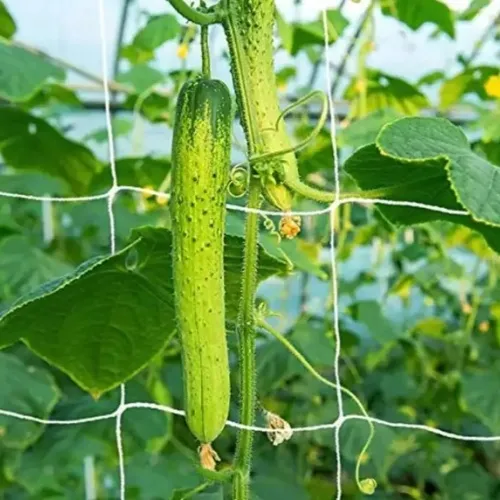
These specifications are crucial for engineers and procurement specialists to ensure the netting selected is fit-for-purpose, offering maximum protection and longevity. The robust nature of knotted HDPE netting, combined with advanced UV stabilization, makes it a superior choice for long-term avian exclusion projects.
Key Application Scenarios and Operational Advantages
The versatility of bird netting allows for its effective deployment across a myriad of challenging B2B environments. Successful installing bird netting hinges on understanding the specific requirements of each application.
Diverse Application Scenarios:
- Agriculture: Protecting high-value crops like vineyards, orchards, berry farms, and aquaculture ponds from bird damage. This directly impacts yield and profitability.
- Industrial Facilities: Securing open-air structures, warehouses, loading docks, eaves, and critical equipment in manufacturing plants, power stations, and chemical processing facilities to prevent nesting and contamination.
- Aviation: Enclosing hangars, air traffic control towers, and preventing bird ingress into sensitive zones near runways to enhance aviation safety.
- Solar Farms: Creating protective canopies over solar panels to prevent bird roosting and droppings, which degrade panel efficiency and require costly cleaning.
- Architectural & Heritage Sites: Discreetly protecting historic buildings, statues, and facades from corrosive bird droppings and nesting materials.
- Water Treatment Plants & Reservoirs: Preventing contamination of potable water sources by gulls and other aquatic birds, ensuring compliance with public health regulations.
Operational Advantages:
- Cost-Effectiveness: A long-term solution with minimal maintenance, offering a superior return on investment compared to recurring pest control services or repair costs.
- Durability & Longevity: HDPE netting, especially with robust UV stabilization, withstands harsh weather conditions, maintaining integrity for up to 15 years.
- Humane Bird Control: Creates an impenetrable physical barrier without harming birds, aligning with environmental regulations and corporate social responsibility.
- Reduced Maintenance: Significantly decreases the need for cleanup of bird droppings and repairs to structures or equipment caused by nesting materials.
- Regulatory Compliance: Assists industries in meeting health, safety, and environmental regulations by preventing contamination and structural damage.
- Versatile Installation: Can be tensioned over large areas, draped over crops, or used to seal off specific access points, adapting to complex geometries.
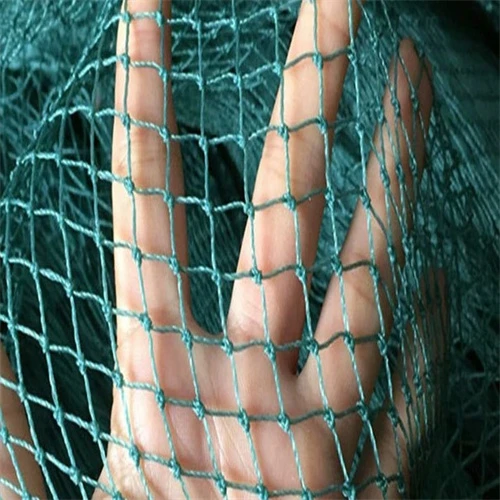
These advantages position bird netting as a strategic investment for businesses seeking to protect assets, ensure operational continuity, and comply with environmental and safety standards.
Vendor Comparison and Customized Solutions
When sourcing bird netting solutions, B2B clients must consider several factors beyond just price. A strategic vendor comparison and the availability of customized solutions are paramount to achieving optimal results when installing bird netting.
Key Criteria for Vendor Evaluation:
| Criterion | Description |
|---|---|
| Material Quality & Certifications | Verify use of virgin HDPE, adequate UV stabilization (ISO 4892-2, ASTM G154), and ISO 9001 certification for manufacturing processes. |
| Customization Capabilities | Ability to provide netting in specific mesh sizes, twine thicknesses, colors, and fire retardant treatments to meet unique project requirements. |
| Technical Support & Expertise | Access to technical specifications, installation guides, and expert consultation for complex projects. A vendor with deep industry experience (e.g., 20+ years) is preferable. |
| Lead Time & Logistics | Reliable production schedules and efficient global shipping capabilities are crucial for project timelines. |
| Warranty & After-Sales Service | Clear warranty terms against material defects and premature UV degradation, coupled with responsive customer service. |
| Cost-Effectiveness (Total Cost of Ownership) | Evaluating not just the upfront purchase price, but also installation costs, expected lifespan, and maintenance requirements. |
Tailoring Solutions for Optimal Performance:
Customization is a significant differentiator. While standard netting sizes are available, many B2B projects require bespoke solutions. This includes:
- Specific Mesh Sizes: To exclude particular bird species (e.g., smaller mesh for sparrows, larger for pigeons or gulls).
- Custom Dimensions: Pre-cut panels or rolls tailored to exact structural measurements, reducing on-site cutting and waste.
- Reinforced Edges & Grommets: For enhanced attachment points and increased tear resistance in high-stress areas.
- Color Matching: To blend seamlessly with existing architecture or natural environments, improving aesthetic appeal.
- Flame Retardancy: Essential for certain industrial or public building applications where fire safety regulations (e.g., NFPA 701) are stringent.
Partnerships with manufacturers who offer comprehensive customization and robust support ensure that the netting solution is not merely a product but a fully engineered system designed for maximum efficacy and longevity.
Application Case Studies & Industry Experience
Real-world deployments illustrate the tangible benefits of well-executed installing bird netting. These case studies demonstrate the versatility and effectiveness of bird netting in diverse B2B environments.
Case Study 1: Agricultural Yield Protection
- Client: Large-scale commercial vineyard in California.
- Challenge: Significant annual crop loss (up to 20%) due to starlings and finches during ripening season, leading to substantial revenue reduction. Traditional deterrents (noisemakers, visual scare devices) were proving ineffective and labor-intensive.
- Solution: Installation of 19mm knotted HDPE bird netting across 50 acres of prime vineyard. Custom-sized panels were designed to drape over trellises, supported by a tensioned cable system, allowing for easy seasonal removal and reinstallation.
- Outcome: The vineyard reported a reduction in bird damage to less than 2% in the first season, directly correlating to a projected 18% increase in harvestable yield and revenue. The durable netting showed no signs of degradation after three seasons, confirming its long-term cost-effectiveness.
Case Study 2: Industrial Facility Protection
- Client: Major automotive manufacturing plant with a large open-air storage and loading dock area.
- Challenge: Persistent pigeon and sparrow activity in the loading dock overhead structures led to fouling of new vehicle components, creating contamination risks and significant cleaning costs. Birds were also nesting in light fixtures, posing fire hazards.
- Solution: A comprehensive bird exclusion plan involving the installation of 28mm knotted HDPE netting to seal off all overhead structural gaps and open beams in the 10,000 sq meter loading area. Specialized access flaps were integrated for maintenance.
- Outcome: Within one month, all bird activity ceased within the netted areas. The facility reported a 95% reduction in contamination-related rejections of parts and a significant decrease in cleaning and maintenance expenditures, demonstrating rapid ROI.
Case Study 3: Solar Array Protection
- Client: Commercial solar farm in a desert environment, covering 20 acres.
- Challenge: Buzzards and large raptors were using the solar panels for roosting, depositing corrosive droppings that caused hot spots and efficiency drops across the array, requiring constant manual cleaning and panel replacement.
- Solution: A robust overhead netting system using 50mm heavy-duty knotted HDPE netting, tensioned over the entire solar field using specialized poles and cabling. The system was designed to withstand high winds and extreme temperatures.
- Outcome: The netting effectively prevented large birds from accessing the panels. Energy output stabilized, and cleaning frequency was drastically reduced. The estimated annual savings from improved efficiency and reduced maintenance exceeded 6-figure sums, with the netting showing excellent integrity after 5 years in harsh conditions.
Trustworthiness and Support: Your Partner in Avian Exclusion
Establishing trust and providing comprehensive support are cornerstones of a successful B2B partnership. We are committed to ensuring client satisfaction through transparent operations and dedicated after-sales service for all aspects of installing bird netting.
Frequently Asked Questions (FAQ)
A: Our standard HDPE knotted bird netting, with integrated UV stabilizers, is guaranteed for a minimum of 5-10 years. Premium grades can last 10-15 years, depending on environmental exposure and proper installation.
A: Absolutely. We offer extensive customization options, including various mesh sizes (from 19mm to 50mm), twine thicknesses, custom panel dimensions, and specialized treatments like flame retardancy or specific colors to match your project's exact needs.
A: Yes, our bird netting is designed as a physical barrier to prevent birds from entering a protected area without causing them harm. It is a humane and environmentally responsible solution.
A: For standard orders, lead times typically range from 2-4 weeks. Large or highly customized orders may require 4-8 weeks, depending on complexity and current production schedules. We always work closely with clients to meet project deadlines.
Lead Time & Fulfillment
Our streamlined manufacturing and logistics ensure efficient order processing and timely delivery. Standard products are typically dispatched within 10-14 business days, while customized solutions or bulk orders may require 3-6 weeks, depending on the specifications. We maintain robust supply chains and provide detailed fulfillment updates, including tracking information, for every shipment to global destinations.
Warranty Commitments
We stand behind the quality of our HDPE bird netting with a comprehensive warranty against manufacturing defects and premature degradation from UV exposure. Our standard warranty covers material integrity for 5-10 years, ensuring your investment is protected. Specific terms and conditions are provided with each order, underscoring our commitment to product excellence.
Customer Support Information
Our dedicated customer support team is available to assist with technical queries, order tracking, and any post-purchase assistance. From initial consultation to final implementation, we provide expert guidance to ensure your bird exclusion project is a complete success.
Contact Us:
- Email: sales@example.com (placeholder)
- Phone: +1 (555) 123-4567 (placeholder)
- Online Portal: Available for registered B2B clients for 24/7 support and resources.
Conclusion
The strategic deployment of high-quality HDPE bird netting represents a critical, long-term investment for B2B enterprises facing avian pest challenges. By understanding the intricate manufacturing processes, adhering to rigorous technical specifications, and leveraging customized solutions, businesses can effectively protect their assets, ensure operational continuity, and comply with environmental standards. Partnering with an authoritative and trustworthy vendor that prioritizes material excellence, comprehensive support, and tailored solutions is paramount for achieving sustainable and humane bird control outcomes.
References
- Food and Agriculture Organization of the United Nations (FAO). "Economic Impact of Vertebrate Pests." Online Publication.
- ASTM International. "Standard Practice for Operating Fluorescent Ultraviolet (UV) Lamp Apparatus for Exposure of Nonmetallic Materials." ASTM G154.
- International Organization for Standardization (ISO). "Textiles — Tensile properties of fabrics — Part 1: Determination of maximum force and elongation at maximum force using the strip method." ISO 13934-1:2013.
- National Fire Protection Association (NFPA). "Standard Methods of Fire Tests for Flame Propagation of Textiles and Films." NFPA 701.
- Solar Energy Industries Association (SEIA). "Best Practices for O&M of Photovoltaic Systems." Industry Guidelines.
-
High Quality Anti Bird Agro Net for Professional Crop ProtectionNewsApr.16,2026
-
Guide to Bird Netting Cost Per Square Foot and Material OptionsNewsApr.09,2026
-
Comprehensive Guide to Bird Netting Cost Factors and Material ChoicesNewsApr.07,2026
-
Comprehensive Guide to Bird Net for Balcony Cost and Installation OptionsNewsApr.04,2026
-
Comprehensive Guide to Bird Netting Price and Effective Protection SolutionsNewsMar.31,2026
-
Comprehensive Guide to Nylon Bird Net Price Factors and OptionsNewsMar.28,2026