Looking for a Sunshade Net with 95% UV Block & Durability?
A Practical Insider’s Guide to Choosing a Sun Shade Cloth Mesh Tarp
If you manage crops, keep chickens, or just care about comfortable outdoor spaces, you’ve probably looked at a sunshade net at least once this season. Heat spikes are getting wilder; growers tell me canopies that worked five years ago simply don’t cut it now. And homeowners? They just want patios that don’t feel like a frying pan. That’s where a well-made HDPE mesh tarp quietly does its job—day after day.
What’s under the hood (and why it matters)
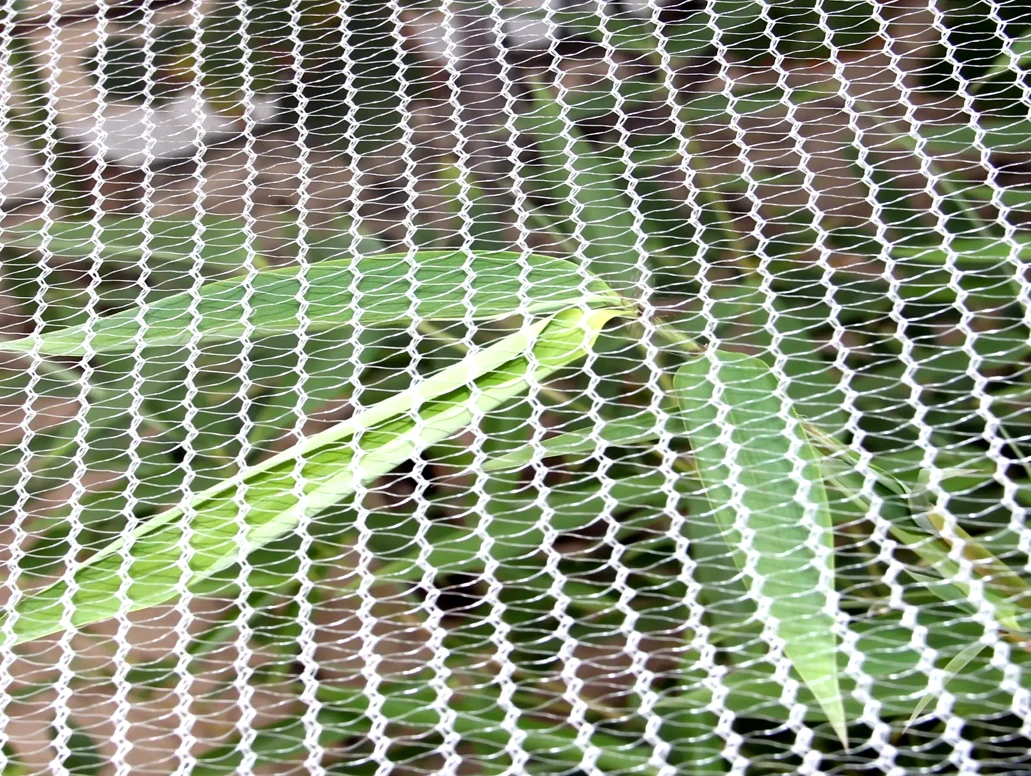
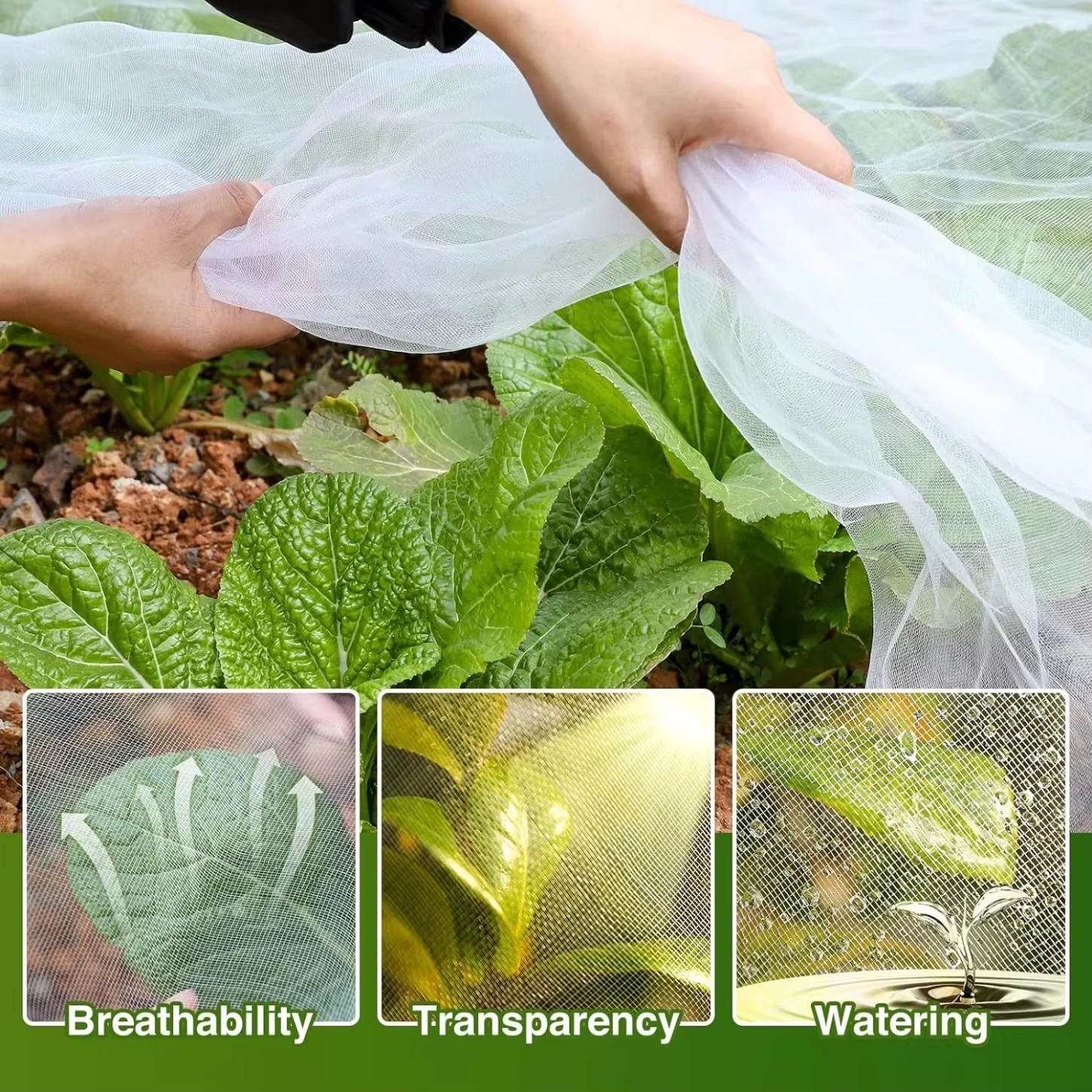
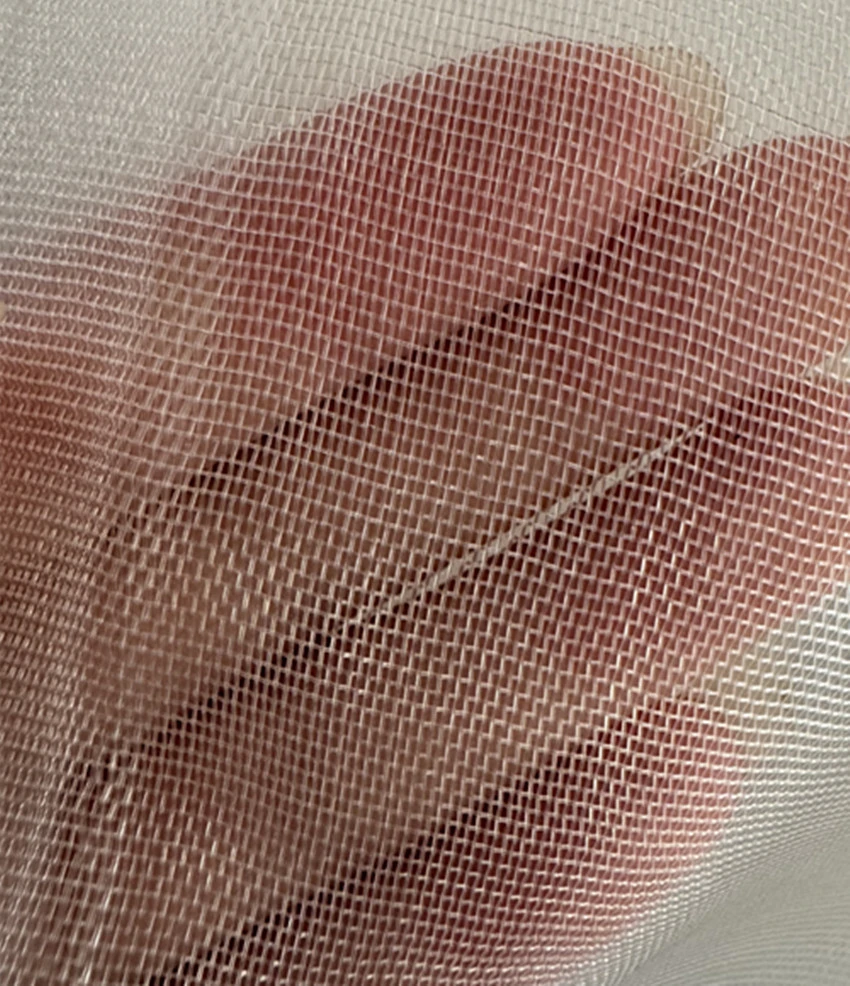
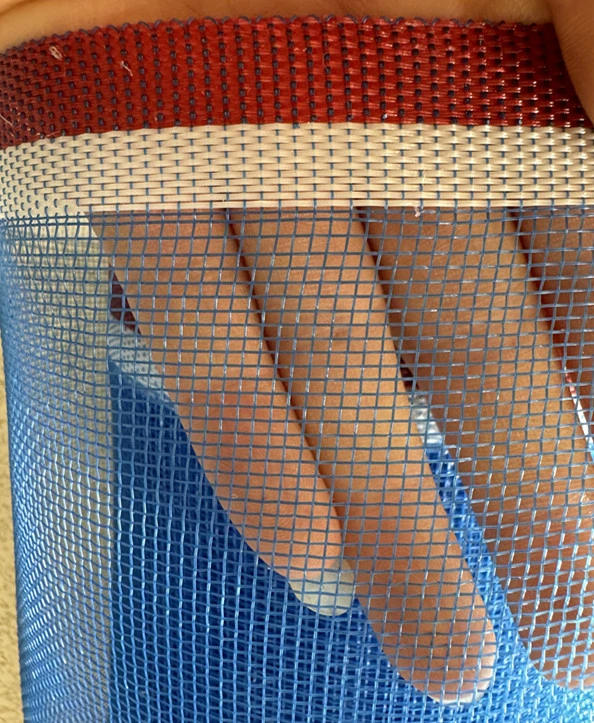
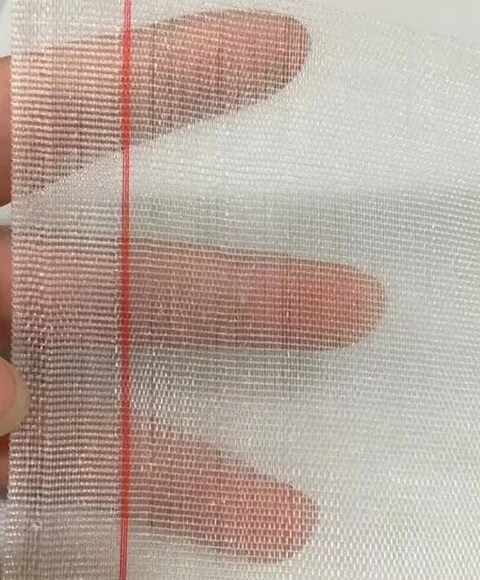
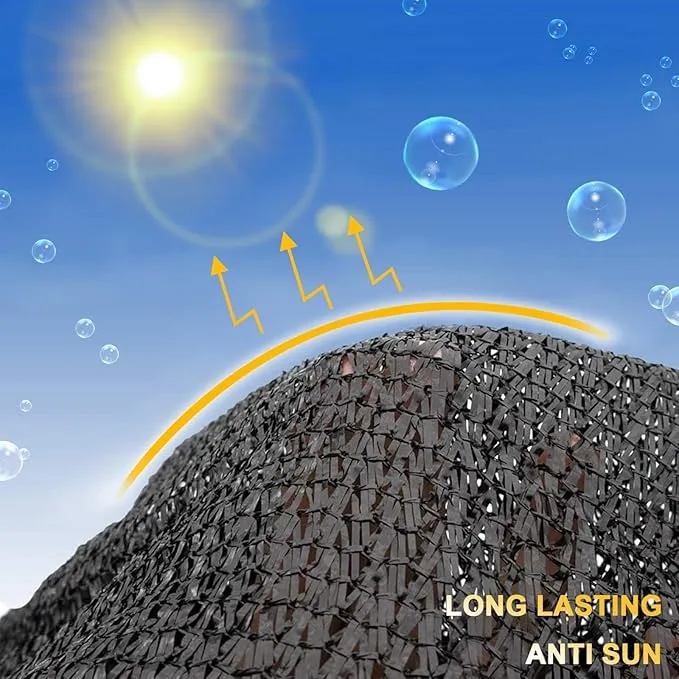
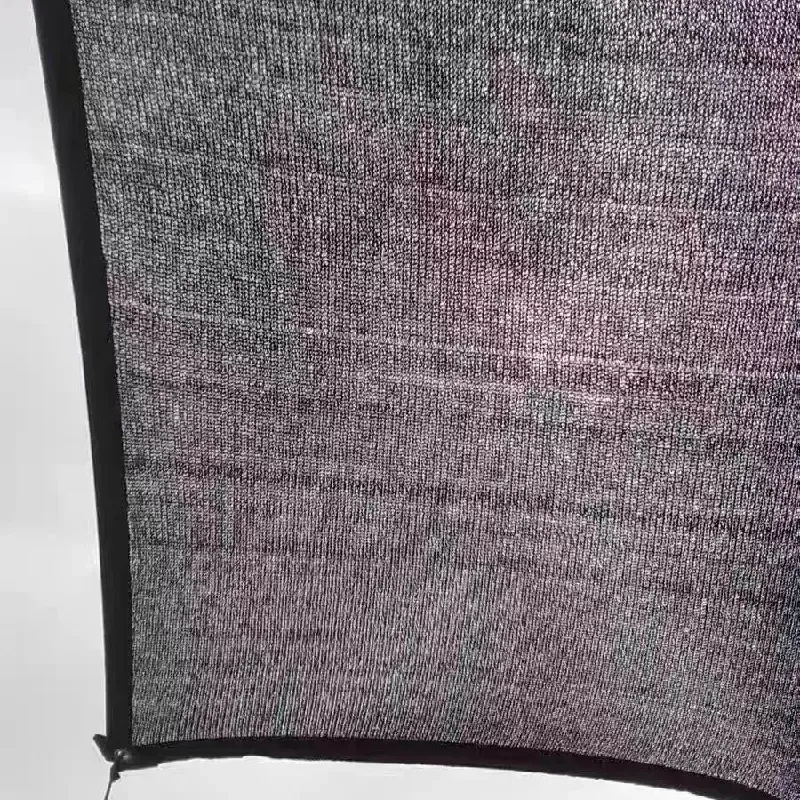
The Sun Shade Cloth Mesh Tarp is knitted from high-density polyethylene (HDPE) with UV stabilizers and antioxidants blended into the polymer—so the protection isn’t just a surface coating. The raschel-knit structure is tear-resistant yet breathable, which many customers say is the sweet spot: strong enough for wind-prone sites, airy enough for plants to transpire. Origin: China. To be honest, the durability you get per dollar here is hard to beat.
Typical Specs (field-proven values)
| Material | HDPE, UV-stabilized (HALS 2.5–5%) |
| Knit Type | Raschel, tear-resistant |
| Shade Factor | 30% / 50% / 70% / 90% (±3% real-world) |
| Weight | ≈120–220 gsm (±5%) |
| Widths & Lengths | Up to 8 m wide; 50 m / 100 m rolls |
| Mechanical | Tensile ≈650 N (warp) / 550 N (weft), ASTM D5034; Tear ≈180/160 N, ASTM D2261 |
| Air Permeability | ≈450–900 mm/s (ASTM D737) |
| Service Life | 5–8 years temperate; 3–5 years tropical (UV-intense) |
How it’s made (quick process flow)
Materials: HDPE pellets + UV/HALS + color masterbatch → Raschel warp-knitting → Edge reinforcement (PE tape + double-stitch) → Optional grommets every ≈0.5–1 m → QC and lab tests. UV aging per ASTM G154/ISO 4892-3, grab tensile per ASTM D5034, tear per ASTM D2261, and—because growers ask—shade rate validation by spectrophotometry. Certificates available: ISO 9001, RoHS, REACH (SGS reports on request).
Where it works best
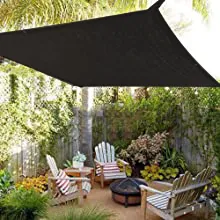
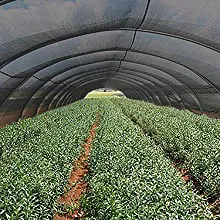
Greenhouses, hydroponic tunnels, orchards (fruit sunburn control), garden beds, pergolas, balconies for privacy, chicken coops, pet runs, carports, even café terraces. I’ve seen a sunshade net cut midday leaf scorch dramatically on peppers, yet still keep airflow steady.
Customization that actually helps
Shade 30–95%, widths up to 8 m, black/green/sand/white, custom roll lengths, hem styles, grommet spacing, keder edge for track systems, and optional FR formula (aiming at NFPA 701 small-scale). Branding print is doable. For construction wraps, a denser sunshade net variant reduces glare while keeping visibility.
Vendor comparison (from a buyer’s notebook)
| Vendor | Lead Time | Certs/Tests | Customization | Notes |
|---|---|---|---|---|
| YJ Wire Mesh (China) | 10–20 days | ISO 9001, RoHS/REACH, ASTM/ISO tests | High (shade %, width, FR, grommets) | Best value for bulk; consistent dye lots |
| Generic Importer | 25–40 days | Varies; limited test data | Medium | Price-focused; mixed QC |
| Local Retailer | In stock | Basic | Low | Great for small jobs; higher unit cost |
Real-world outcomes (quick snapshots)
- Arizona greenhouse: 70% shade reduced leaf scorch by ≈27% and cut pad-and-fan runtime by ~15% (July–August, grower logs).
- Coastal café deck: sand-color sunshade net dropped perceived temperature by 6–8°C at midday with better glare control.
- Poultry farm (SEA): lower afternoon mortality during heat events; simple shade + airflow, nothing fancy.
Trends I’m watching
Recycled-content HDPE (with careful UV stabilization), lighter colors to mitigate heat islands, and pairing shade with sensor-driven irrigation. Also, agrivoltaics: partial-shade crops under solar arrays are booming; the right mesh complements panel geometries nicely.
Bottom line: pick the shade factor for your latitude and crop (or people), insist on UV test data, and don’t skimp on edges and grommets. The rest—honestly—is installation and maintenance.
Authoritative citations
- ASTM D5034 — Standard Test Method for Breaking Strength and Elongation of Textile Fabrics (Grab Test)
- ASTM G154 — UV Exposure of Nonmetallic Materials (Fluorescent UV Lamps) / ISO 4892-3
- ASTM D737 — Standard Test Method for Air Permeability of Textile Fabrics
- NFPA 701 — Standard Methods of Fire Tests for Flame Propagation of Textiles and Films
-
High Quality Anti Bird Agro Net for Professional Crop ProtectionNewsApr.16,2026
-
Guide to Bird Netting Cost Per Square Foot and Material OptionsNewsApr.09,2026
-
Comprehensive Guide to Bird Netting Cost Factors and Material ChoicesNewsApr.07,2026
-
Comprehensive Guide to Bird Net for Balcony Cost and Installation OptionsNewsApr.04,2026
-
Comprehensive Guide to Bird Netting Price and Effective Protection SolutionsNewsMar.31,2026
-
Comprehensive Guide to Nylon Bird Net Price Factors and OptionsNewsMar.28,2026