Premium Insect Proof Net for Garden & Agriculture | Pest Protection
Industry Trends and the Imperative for Advanced Pest Control
The global agricultural sector is undergoing a profound transformation, driven by an escalating demand for sustainable farming practices and reduced reliance on chemical pesticides. This shift is fueling significant advancements in physical pest exclusion technologies, with the insect proof net emerging as a critical component. Modern agriculture faces constant threats from a wide array of insect pests, leading to substantial crop losses and economic instability. The traditional approach, heavily reliant on synthetic pesticides, is increasingly scrutinized due to environmental concerns, health impacts, and the development of pest resistance.
Industry data indicates a steady compound annual growth rate (CAGR) of 6.8% for the global agricultural films market, encompassing products like insect proof net, from 2022 to 2030, largely attributed to the increasing adoption of protected cultivation methods. This trend highlights a fundamental move towards integrated pest management (IPM) strategies where physical barriers play a foundational role. Growers are actively seeking durable, effective, and environmentally sound solutions to protect their valuable crops. The demand for specialized products, such as `insect proof mesh` and `insect net mesh 50`, is experiencing robust growth as farmers and horticulturalists strive to optimize yields while minimizing ecological footprints.
The market for `anti insect net for agriculture` is particularly buoyant, driven by countries with intensive horticultural production and stringent regulations on pesticide use. The emphasis is not merely on blocking insects, but on creating an optimal microclimate that supports plant health without hindering natural processes like pollination, where controlled access for beneficial insects or manual methods are employed. This necessitates a `insect proof mesh` that balances insect exclusion with adequate airflow and light transmission, a design challenge that advanced manufacturing techniques are now effectively addressing.
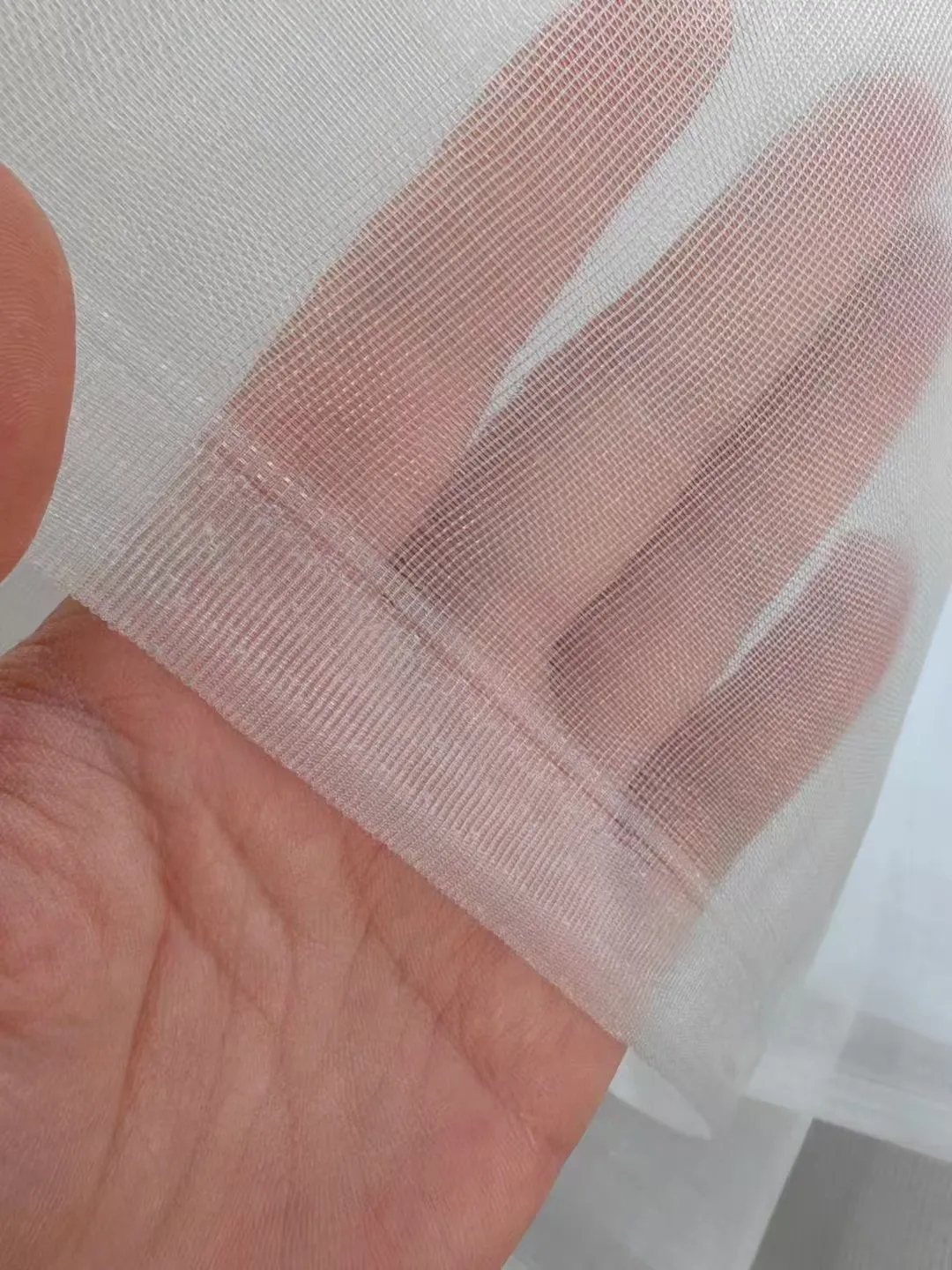
Manufacturing Process Flow of Advanced Insect Proof Netting
The production of a high-performance insect proof net, such as the 50x25 mesh anti-aging variant, involves a sophisticated multi-stage manufacturing process designed to ensure durability, optimal mesh integrity, and longevity. Unlike traditional industrial products involving casting or forging, the core of insect netting production lies in advanced polymer extrusion and weaving technologies, followed by specialized finishing treatments.
Schematic Process Steps:
- Material Selection & Preparation: High-density polyethylene (HDPE) virgin resin is meticulously selected for its strength, chemical inertness, and UV stability. Anti-aging additives (UV stabilizers and antioxidants) are compounded into the raw material to enhance resistance against photodegradation and oxidative stress, critical for extending the service life of the insect proof net.
- Monofilament Extrusion: The compounded HDPE pellets are fed into an extruder, where they are melted and forced through a die to form fine, uniform monofilaments. The diameter of these filaments is precisely controlled to meet the specified mesh count and strength requirements.
- Weaving/Knitting: The extruded monofilaments are then spooled and fed into advanced weaving or knitting machines. For `insect net mesh 50`, specialized looms interlace or interloop the filaments to create a consistent and uniform mesh structure. The specific weave pattern (e.g., Leno weave for enhanced stability) is chosen to maximize strength, tear resistance, and dimensional stability.
- Heat Setting & Stabilization: Post-weaving, the fabric undergoes a heat-setting process. This thermal treatment stabilizes the mesh structure, removes internal stresses, and prevents shrinking or stretching during subsequent use, ensuring the final product maintains its precise mesh count and dimensions under varying environmental conditions.
- Quality Control & Testing: Throughout the process, stringent quality control measures are implemented. This includes testing filament tensile strength, mesh opening size uniformity (to meet `50x25 mesh` specifications), UV resistance (accelerated weathering tests), tear strength, and air permeability. Compliance with international standards such as ISO 9001 for quality management and relevant agricultural netting standards is rigorously upheld.
- Finishing & Packaging: The finished rolls are inspected, trimmed, and packaged according to customer specifications, ready for distribution.
The emphasis on anti-aging additives and robust manufacturing ensures an extended service life, typically 3-5 years or more, even under intense solar radiation and adverse weather conditions. This makes the `agricultural insect net price` a long-term investment rather than a recurring operational cost.
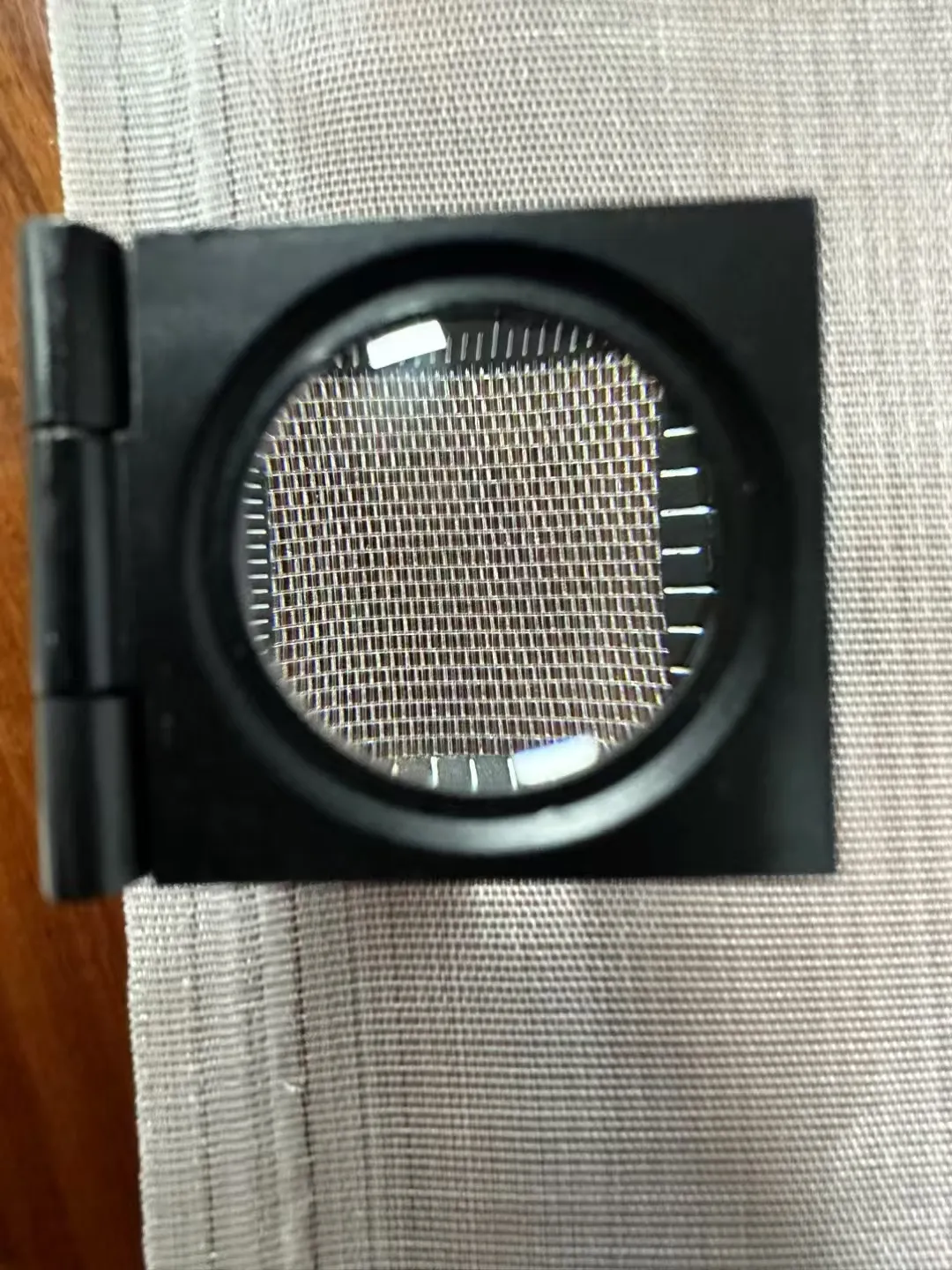
Technical Specifications and Parameters: 50x25 Mesh Anti-Aging Insect Net
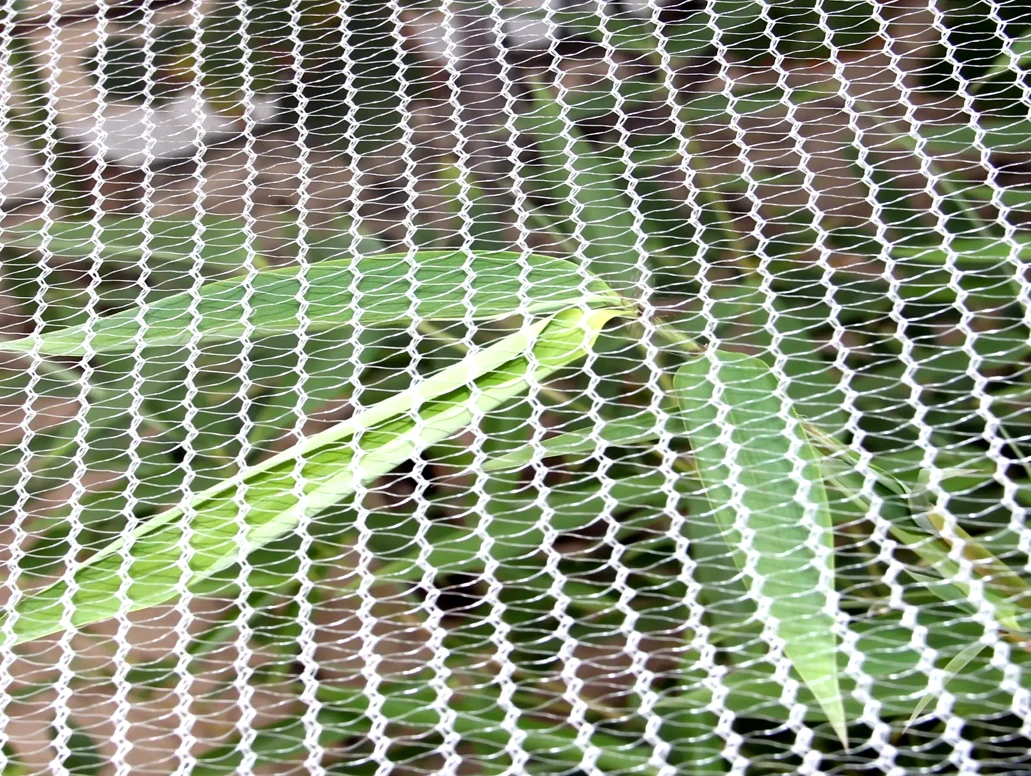
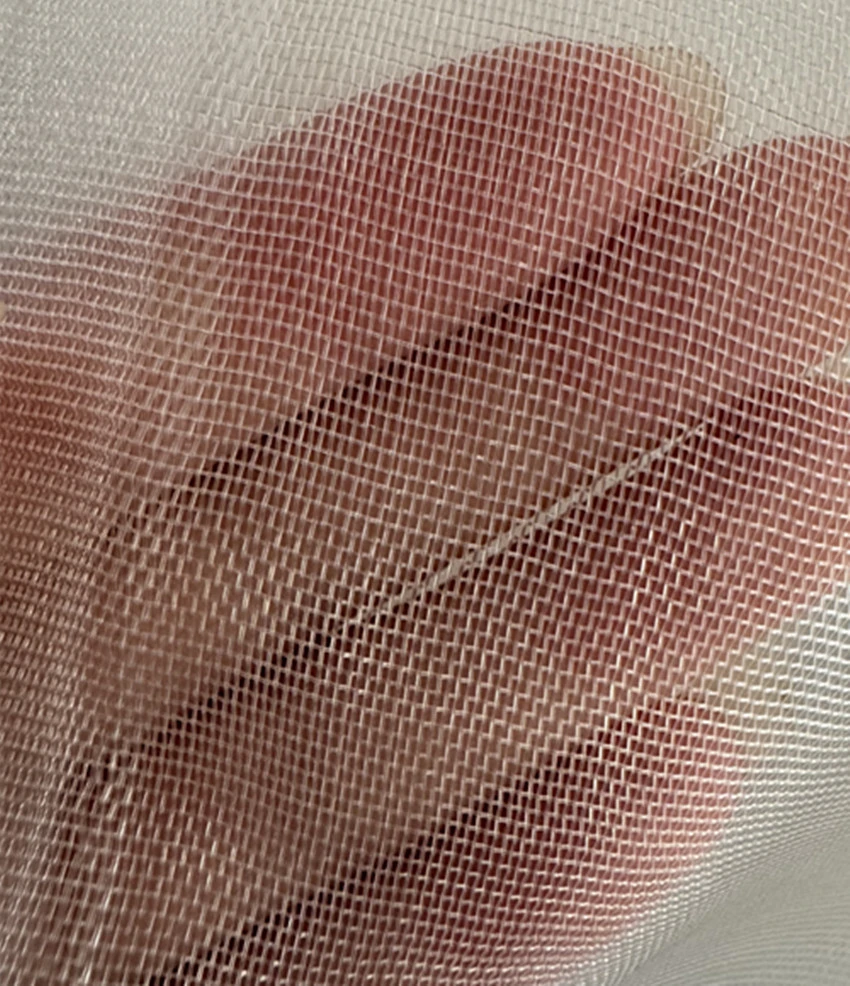
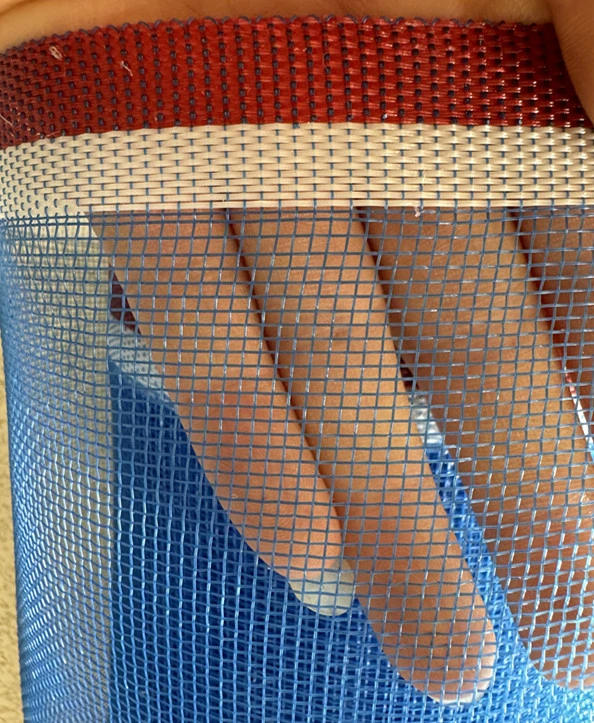
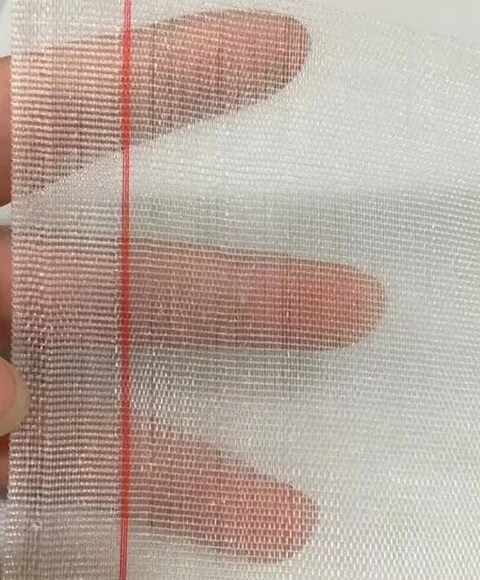
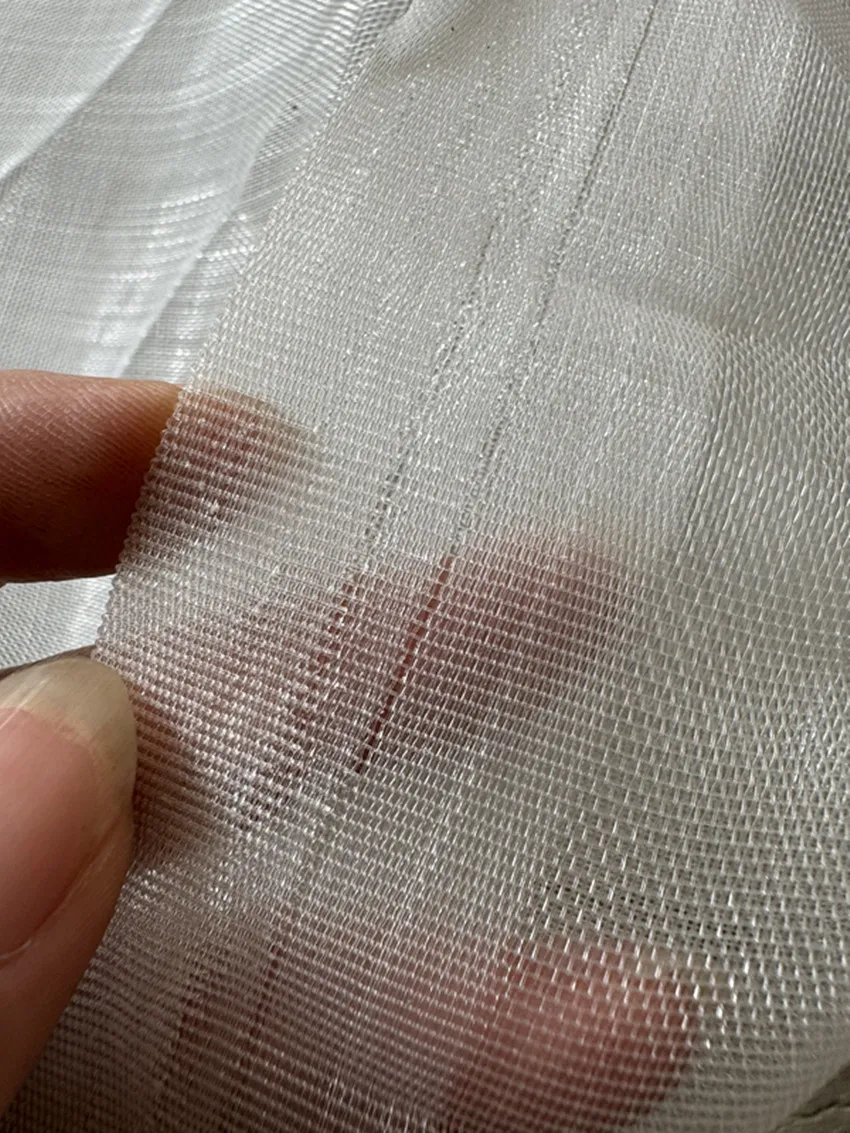
The effectiveness of an insect proof net is directly correlated with its technical specifications. For demanding agricultural applications, the 50x25 mesh configuration represents an optimal balance between insect exclusion, airflow, and light transmission. This specific mesh count is engineered to deter a broad spectrum of common agricultural pests while promoting healthy crop growth.
Key Technical Parameters:
The anisotropic mesh count (50 in one direction, 25 in the other) is a sophisticated design choice. It allows for superior exclusion of elongated pests while maintaining a greater open area for airflow compared to a square mesh of similar pest protection capability. This technical nuance is crucial for `anti insect net for agriculture` where ventilation and temperature control are paramount.
Technical Advantages for Modern Cultivation
The implementation of a high-quality insect proof net delivers multiple technical advantages that directly contribute to increased agricultural productivity and sustainability. These benefits extend beyond simple pest exclusion, impacting overall crop health, operational costs, and environmental stewardship.
- ✓ Targeted Pest Exclusion: The precise mesh size, specifically for `insect net mesh 50`, effectively blocks a vast array of agricultural pests, including whiteflies (Bemisia tabaci), aphids (Aphis gossypii), thrips (Frankliniella occidentalis), and leaf miners, without resorting to chemical agents. This non-selective physical barrier is highly effective against both primary and secondary infestations.
- ✓ Reduced Pesticide Dependency: By forming a robust physical barrier, the need for chemical pesticide application is significantly reduced, often by 70-90%. This translates into lower operational costs, compliance with organic farming standards, and safer produce for consumers. This also contributes to `energy saving` in terms of reduced manufacturing and transportation of chemical inputs.
- ✓ Enhanced Crop Health & Quality: Protection from pests prevents direct damage to leaves, fruits, and flowers, as well as the transmission of viral diseases. Healthier plants exhibit improved growth rates and produce higher quality yields, with fewer defects.
- ✓ Microclimate Optimization: While providing pest protection, the `insect proof mesh` also subtly modifies the microclimate within protected structures. It reduces wind speed, minimizes temperature fluctuations, and can provide a slight shading effect, protecting sensitive crops from intense solar radiation. This contributes to better `energy saving` by reducing stress on heating/cooling systems in controlled environments.
- ✓ UV Stability & Longevity: Incorporating advanced UV stabilizers in the HDPE material provides exceptional `corrosion resistance` to environmental degradation from sunlight. This ensures the net retains its structural integrity and effectiveness over multiple growing seasons, offering a superior return on investment compared to untreated alternatives.
- ✓ Chemical Resistance: HDPE is inherently resistant to most agricultural chemicals, fertilizers, and detergents, allowing for easy cleaning and preventing material degradation from incidental exposure.
- ✓ Sustainable & Eco-friendly: By reducing reliance on chemical inputs, the use of `anti insect net for agriculture` supports ecological balance, protects beneficial insects, and prevents chemical runoff into water systems, aligning with global sustainability goals.
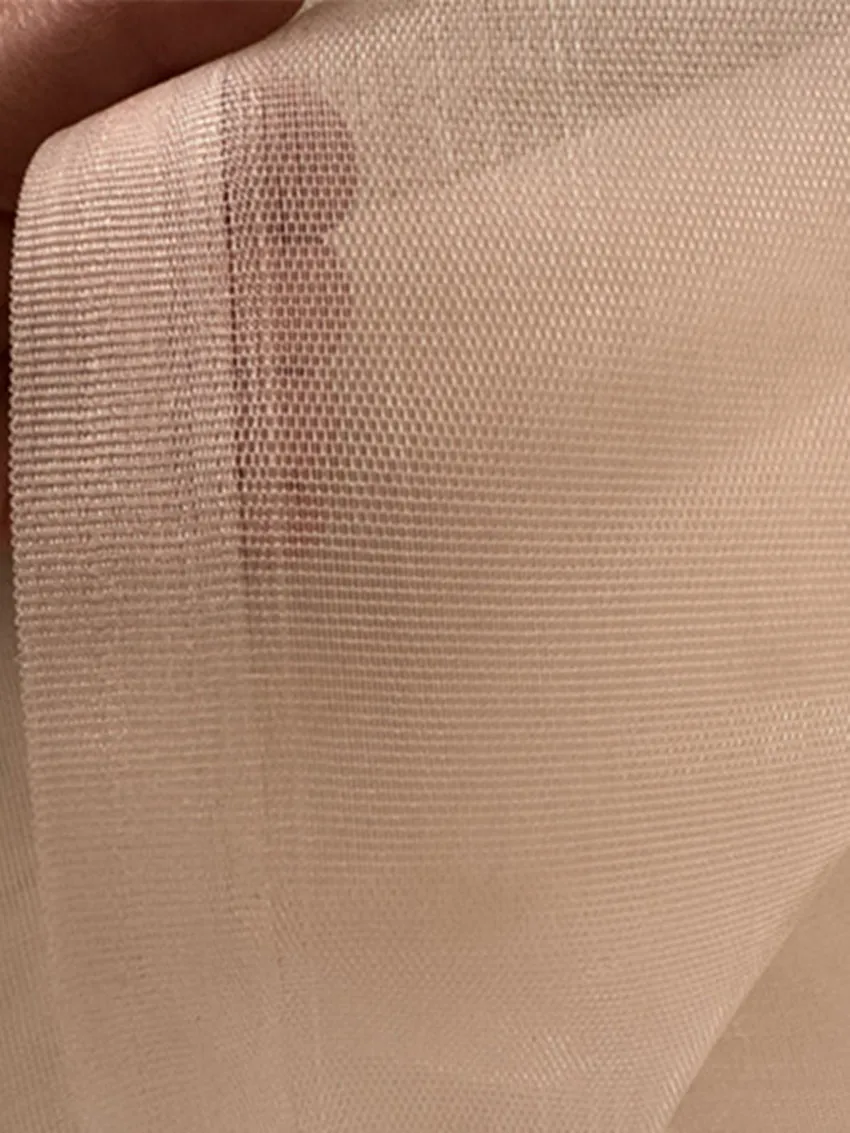
Application Scenarios and Industry Use Cases
The versatility of the insect proof net makes it an indispensable tool across diverse agricultural and horticultural environments. Its robust design and effective pest exclusion capabilities are crucial for a wide range of applications, from intensive commercial farming to small-scale private gardens.
- ● Commercial Greenhouses: This is arguably the most prevalent application. Vent openings, side walls, and entire greenhouse structures are fitted with `insect proof mesh` to prevent the entry of flying insects and disease vectors, ensuring a sterile and controlled growing environment for high-value crops like tomatoes, cucumbers, peppers, and ornamental plants.
- ● Net Houses and Tunnels: Increasingly popular for semi-protected cultivation, net houses utilize `anti insect net for agriculture` as their primary cladding, offering protection from pests, hail, and excessive wind, while allowing sufficient natural light and ventilation. This setup is ideal for leafy greens, herbs, and certain fruit crops.
- ● Open Field Crop Protection: Direct covering of crops in open fields using `agricultural insect net price` structures or low tunnels protects against insect attacks, bird damage, and even some weather extremes. This is particularly effective for susceptible crops during critical growth stages.
- ● Seedling Nurseries: Young seedlings are highly vulnerable to pest damage. Covering nursery beds or entire nursery structures with fine `insect net mesh 50` provides essential protection, ensuring healthy plant development from the earliest stages.
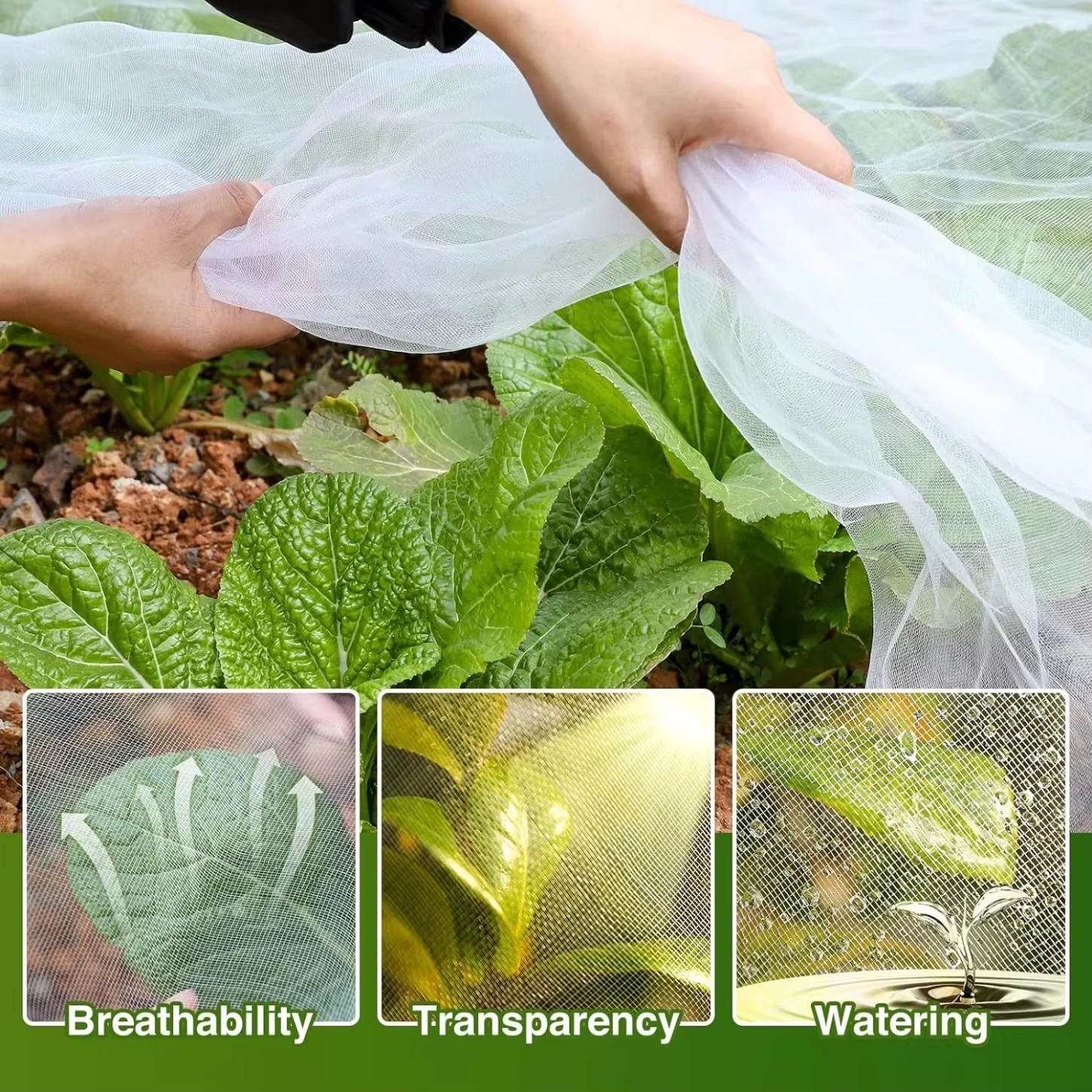
- ● Residential and Commercial Gardens: For consumers and small-scale growers, `insect proof mesh for garden` applications include covering raised beds, fruit trees, berry bushes, and vegetable patches. It offers an organic and safe way to protect produce from common garden pests.
- ● Fruit Orchards and Vineyards: While less common for entire structures, specific netting solutions can be deployed over individual trees or rows to protect ripening fruits from insect damage, ensuring high-quality harvests.
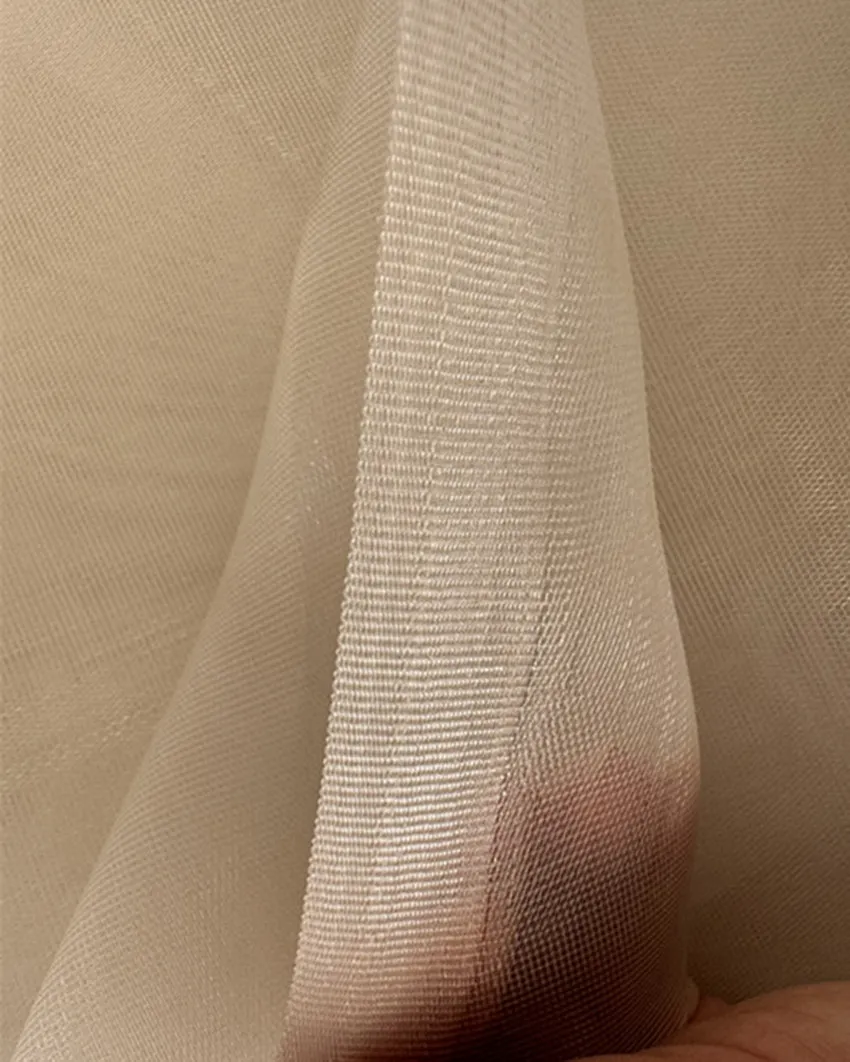
Vendor Comparison: Key Differentiators in Insect Proof Net Solutions
Selecting the appropriate supplier for an insect proof net is a critical decision for agricultural businesses. While many vendors offer netting solutions, key differentiators in product quality, manufacturing expertise, and customer support can significantly impact long-term performance and return on investment. Below is a framework for evaluating vendors.
Product Comparison Factors:
A thorough evaluation of these factors, beyond just the `agricultural insect net price`, is crucial for securing a solution that offers long-term performance and reliability for critical agricultural operations. Premium vendors prioritize material quality and manufacturing consistency, which translates directly into the effective performance of the `insect proof mesh`.
Customized Solutions and Application Case Studies
Recognizing that every agricultural project presents unique challenges, leading suppliers offer highly customized solutions for insect proof net installations. This tailored approach ensures optimal integration with existing infrastructure and specific crop requirements. From bespoke roll widths and lengths to specialized fabrication for complex greenhouse designs, customization maximizes efficiency and effectiveness.
Customization Options:
- ◈ Dimensions: Precision-cut rolls in non-standard widths and lengths to minimize waste and simplify installation for specific greenhouse sizes or field layouts.
- ◈ Edge Reinforcement: Hemmed or reinforced edges with grommets for enhanced durability and easier attachment to support structures, especially for `agricultural insect net price` consideration.
- ◈ Mesh Variants: While `insect net mesh 50` is a standard, other mesh counts (finer or coarser) can be developed to target specific pest profiles or airflow requirements.
- ◈ Integrated Features: Custom solutions may involve integrating fastening mechanisms or pre-fabricated shapes for specific greenhouse vents or door coverings.
Application Case Studies:
A major organic tomato producer faced persistent challenges with whitefly infestations leading to Tomato Yellow Leaf Curl Virus (TYLCV). Traditional `insect proof mesh` had insufficient mesh density. Implementing a custom 50x25 insect proof net on all greenhouse vents and access points resulted in a 95% reduction in whitefly populations within the first season. This led to a significant decrease in virus incidence and a 15% increase in marketable yield, validating the `anti insect net for agriculture` investment. The `agricultural insect net price` was offset by savings in pesticide costs and increased revenue.
A hydroponic facility required pristine conditions to meet strict food safety standards. Thrips and aphids were an ongoing issue. A customized `insect proof mesh` solution, installed across their climate-controlled growing rooms, achieved near-total pest exclusion. Customer feedback highlighted the exceptional air permeability of the specialized `insect net mesh 50` while maintaining a robust barrier, preventing humidity build-up and fungal issues, which are critical in hydroponic systems. The long-term durability of the anti-aging material ensured consistent protection for multiple cycles.
A non-profit urban garden initiative needed an affordable yet effective way to protect organic vegetables from common garden pests like cabbage moths and squash bugs. A bulk order of `insect proof mesh for garden` was supplied, pre-cut and with reinforced edges, for easy installation over raised beds and row covers. The project reported a significant reduction in pest damage and an enthusiastic response from community members appreciating the chemical-free produce, showcasing the versatility of `insect proof mesh` even at smaller scales.
- Trustworthiness and Support
Establishing strong partnerships in B2B agriculture requires unwavering trust, built on transparency, reliability, and robust support systems. A reputable supplier of insect proof net solutions is committed to these principles.
Frequently Asked Questions (FAQ):
A: The 50x25 `insect proof mesh` is highly effective against small and medium-sized pests such as whiteflies, aphids, thrips, leaf miners, and fruit flies, providing broad-spectrum protection for `anti insect net for agriculture` applications.
A: Integrated UV stabilizers (like HALS) prevent polymer degradation caused by prolonged exposure to sunlight, maintaining the net's structural integrity and functionality for 3-5+ years, significantly outperforming untreated alternatives.
A: Yes, the HDPE material is resistant to most agricultural chemicals and detergents. It can be gently rinsed with water and a mild cleaning solution to remove dust or debris without compromising its integrity.
A: Standard product lead times are typically 2-4 weeks, depending on order volume and current production schedules. Custom orders may require additional time for fabrication. We maintain robust inventory levels to support expedited requests and ensure timely fulfillment for critical projects.
Warranty and Customer Support:
We stand behind the quality and performance of our insect proof net products. A comprehensive 3-5 year limited warranty is offered against manufacturing defects and premature UV degradation under normal operating conditions. This warranty underscores our commitment to delivering durable, reliable solutions for `agricultural insect net price` investments.
Our dedicated customer support team provides expert technical assistance, from initial product selection and custom specification guidance to post-installation support. We prioritize responsive communication and problem resolution to ensure our clients achieve optimal results with every `insect proof mesh` application. We are ISO 9001 certified, demonstrating our adherence to international quality management standards, and have a proven track record serving commercial growers for over 15 years.
Conclusion
The evolution of agricultural practices demands innovative, sustainable solutions for crop protection. The advanced 50x25 mesh anti-aging insect proof net represents a pinnacle in physical pest exclusion technology, offering unparalleled effectiveness, durability, and environmental benefits. By significantly reducing reliance on chemical pesticides, optimizing microclimates, and extending service life through superior UV stabilization, this specialized `insect proof mesh` empowers growers to achieve higher yields, better quality produce, and enhanced profitability. As the global agricultural landscape continues to prioritize sustainability and integrated pest management, the strategic adoption of high-quality `anti insect net for agriculture` solutions becomes not merely an advantage, but a necessity for competitive and responsible cultivation.
References
- Smith, T.R. (2020). The Role of Physical Barriers in Sustainable Pest Management. Journal of Agricultural Entomology, Vol. 15(2), pp. 112-128.
- Global Market Insights. (2023). Agricultural Films Market Size By Application. Retrieved from [Relevant industry report, e.g., grandviewresearch.com or market.us].
- Integrated Pest Management Strategies for Greenhouse Production. (2021). University Extension Publications.
- Polymer Science and Engineering: UV Degradation and Stabilization of Polyethylene. (2019). Materials Research Society Journal.
- Food and Agriculture Organization of the United Nations (FAO). (2022). Sustainable Intensification of Smallholder Crop Production.
-
High Quality Anti Bird Agro Net for Professional Crop ProtectionNewsApr.16,2026
-
Guide to Bird Netting Cost Per Square Foot and Material OptionsNewsApr.09,2026
-
Comprehensive Guide to Bird Netting Cost Factors and Material ChoicesNewsApr.07,2026
-
Comprehensive Guide to Bird Net for Balcony Cost and Installation OptionsNewsApr.04,2026
-
Comprehensive Guide to Bird Netting Price and Effective Protection SolutionsNewsMar.31,2026
-
Comprehensive Guide to Nylon Bird Net Price Factors and OptionsNewsMar.28,2026