Spring Steel Wire Mesh: Durable, Flexible Solutions for Global Industry and Relief
Spring Steel Wire Mesh: A Vital Component in Modern Industry and Beyond
Spring steel wire mesh—sounds pretty technical, right? But it’s actually one of those unsung heroes in manufacturing, construction, and even humanitarian relief. Globally, as industries demand materials that offer both resilience and flexibility, spring steel wire mesh keeps popping up as a practical solution. Understanding it isn’t just for engineers; whether you’re in procurement, design, or logistics, knowing its value can really change the game.
Introduction: Why Spring Steel Wire Mesh Matters Worldwide
It’s oddly enough not just a niche industrial product. According to the ISO, global steel production topped 1.8 billion tons in recent years, with spring steel varieties accounting for a meaningful segment thanks to their unique mechanical properties.[1] The versatility of spring steel wire mesh addresses challenges like durability under repetitive stress and material fatigue—common hurdles in everything from automotive to agricultural applications.
Frequent problems such as corrosion, brittleness, or failure under strain have historic precedence, especially in infrastructure projects. But spring steel wire mesh often brings the kind of long-lasting, elastic strength needed to prevent costly downtime and safety risks in these environments.
Mini takeaway: The global rise in construction and manufacturing sectors has increased the demand for materials like spring steel wire mesh, prized for toughness and flexibility.
What Is Spring Steel Wire Mesh?
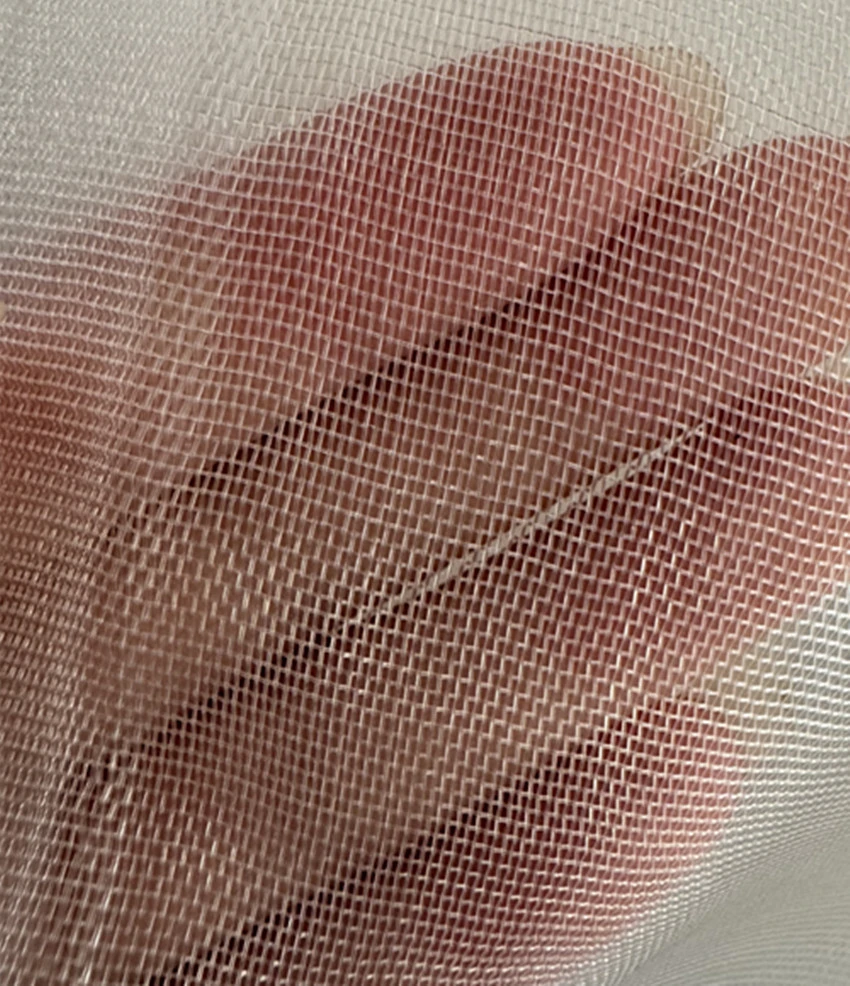
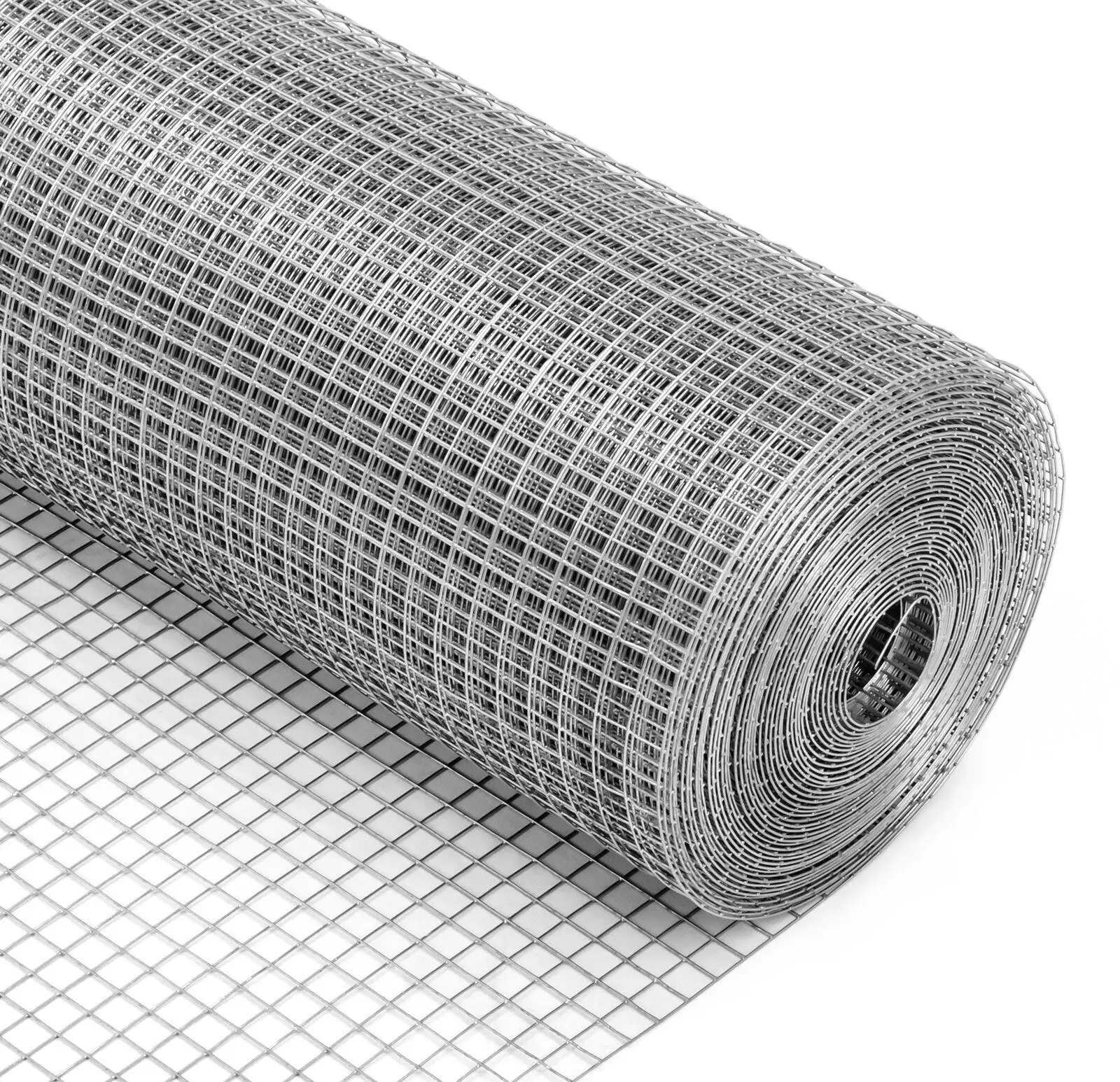
Put simply, spring steel wire mesh is a woven or welded network of spring steel wires. Spring steel itself is a low-alloy medium-carbon steel or high-carbon steel known for its exceptional ability to return to its original shape after bending or twisting. When made into a mesh form, it combines that elasticity with structural openness, allowing applications that require both strength and flexibility.
This mesh form plays crucial roles where modern industry demands mechanical endurance alongside adaptability — from heavy machinery guards to protective fencing. On a humanitarian note, these meshes can be essential in building temporary structures or reinforcing housing in disaster zones, where materials must flex under stress yet maintain safety.
Core Components & Key Features of Spring Steel Wire Mesh
1. Durability
Spring steel wires inherently resist deformation, so when woven into mesh, the network handles repetitive stress without cracking or losing shape—perfect for dynamic loads.
2. Corrosion Resistance
Typically, these wires come with coatings like galvanization or are alloyed to fend off rust, significantly extending useful life, especially outdoors.
3. Elasticity and Flexibility
Unlike rigid meshes, spring steel meshes bend and rebound, making them easier to install around complex geometries or in applications that experience vibration.
4. Customizability
Wire diameter, mesh opening size, and coating options vary widely—vendors tailor them to specific loads, exposure levels, and industry needs.
5. Cost Efficiency
Though slightly pricier than standard wire mesh, the long-term value from reduced replacement frequencies often makes spring steel mesh economical.
Specifications of a Typical Spring Steel Wire Mesh Product
| Specification | Typical Range / Value | Notes |
|---|---|---|
| Wire Diameter | 0.4 mm to 2.5 mm | Depends on load requirements |
| Mesh Opening Size | 5 mm to 50 mm | Varies to balance airflow & strength |
| Tensile Strength | 1800 - 2500 MPa | Crucial for stress resistance |
| Coating | Galvanized, PVC, or untreated | Depends on environment |
| Standard Dimensions | Rolls: 1m x 10m (custom available) | Easy transport & installation |
Global Applications & Notable Use Cases
- Construction Industry: Used for reinforcement in concrete, protective fencing, and vibration damping in earthquake-prone areas.
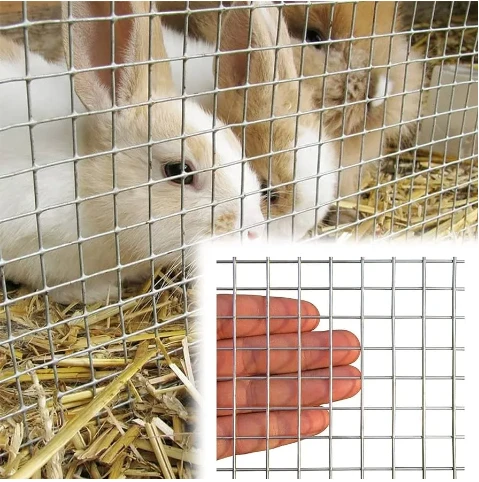
- Agriculture: Animal enclosures and erosion control meshes in regions with varied climates.
- Automotive: Suspension parts and protective grills where flexibility under load is critical.
- Humanitarian Relief: In post-disaster housing, spring steel wire mesh offers structural support for fast-assembly shelters.[2]
- Mining and Industrial Safety: Protective barriers and screens that must absorb shock and wear.
Regions in Southeast Asia and parts of Africa benefit especially from spring steel wire mesh in housing, thanks to its resilience against environmental stress and cost-effectiveness compared to other materials.
Mini takeaway: From remote relief camps to urban industrial zones, spring steel wire mesh stands out as a vital material bridging performance and adaptability.
Advantages & Long-Term Impact
There’s a lot that makes spring steel wire mesh more than just “strong wire.” For one, it dramatically enhances safety by reducing mesh failure—thus preventing accidents or security breaches. Economically, it’s a smart investment since reduced replacements and maintenance translate directly into savings.
It also plays a subtle but important role in sustainability. Durable materials mean fewer waste cycles and less resource drain, a compelling factor given increasing global focus on green building standards and circular economies.[3]
On an emotional level, communities or workers using equipment or shelters reinforced by spring steel mesh often report a feeling of enhanced security and confidence. It’s like trusting a resilient partner—one that bends but won’t break.
Future Trends & Innovations
In real terms, the future of spring steel wire mesh seems to be tied closely with digital and green technologies. Advances in coating technologies promise even better corrosion resistance without harming the environment. Meanwhile, integration with IoT-enabled sensors embedded in mesh could allow real-time structural health monitoring—a bit sci-fi but very practical.
Also, as industries push for automation, manufacturers are exploring more precise weaving and welding machines, improving uniformity and performance—helping mesh meet even more specialized needs. Sustainability remains a big driver, with research ongoing into recyclable coatings and lower-carbon steel production.
Challenges & Solutions
Of course, it’s not all smooth sailing. Spring steel wire mesh can be somewhat tricky to weld or bend onsite without proper equipment, somewhat limiting fieldwork ease. Coating failures over time in extreme conditions also present challenges, meaning periodic inspections are vital.
Experts recommend tailored maintenance protocols and using high-grade coatings to overcome these issues. Meanwhile, training workers on proper handling and installation ensures the mesh reaches its expected lifespan.
Vendor Comparison: Top Spring Steel Wire Mesh Suppliers
| Vendor | Customization | Lead Time | Pricing | Global Reach |
|---|---|---|---|---|
| YJ Wire Mesh | High (wire diameter & coating) | 2-4 weeks | Competitive | Worldwide |
| SteelMeshCorp | Moderate | 4-6 weeks | Mid-range | North America & Europe |
| GlobalWires Ltd. | Low | 1-3 weeks | Discount Pricing | Asia-Pacific Focused |
Frequently Asked Questions About Spring Steel Wire Mesh
- Q: How long does spring steel wire mesh typically last in outdoor conditions?
- A: With proper coatings like galvanization, it can last 10–20 years outdoors. However, maintenance and local climate significantly affect durability.
- Q: Is spring steel wire mesh recyclable?
- A: Yes. Since it’s primarily steel, it’s highly recyclable. Using recyclable coatings further supports sustainable lifecycle management.
- Q: Can spring steel wire mesh be used in highly corrosive environments?
- A: Yes, but it requires specialized coatings such as PVC or polymer layers, and sometimes stainless spring steel variants to resist harsh chemicals.
- Q: What makes spring steel wire mesh better than regular steel mesh?
- A: The key difference lies in elasticity and fatigue resistance — spring steel can flex repeatedly without permanent deformation, improving longevity especially under dynamic loads.
- Q: How can NGOs source spring steel wire mesh quickly for disaster relief?
- A: Partnering with suppliers offering ready stock and customization services with short lead times, like spring steel wire mesh vendors, expedites procurement and deployment.
Conclusion: The Long-Term Value of Spring Steel Wire Mesh
To wrap it up, spring steel wire mesh is more than just strands of steel woven together. It’s a testament to engineering finesse—a material that handles stress with grace, supports industries globally, and contributes to safer, longer-lasting infrastructure. For anyone looking to enhance durability without sacrificing flexibility, it’s well worth considering.
If you want to discover more about tailored solutions or explore latest products, be sure to visit our website. Spring steel wire mesh could be exactly what your next project needs!
It’s a small element with a big role—almost like the backbone of many essential systems.
References
-
High Quality Anti Bird Agro Net for Professional Crop ProtectionNewsApr.16,2026
-
Guide to Bird Netting Cost Per Square Foot and Material OptionsNewsApr.09,2026
-
Comprehensive Guide to Bird Netting Cost Factors and Material ChoicesNewsApr.07,2026
-
Comprehensive Guide to Bird Net for Balcony Cost and Installation OptionsNewsApr.04,2026
-
Comprehensive Guide to Bird Netting Price and Effective Protection SolutionsNewsMar.31,2026
-
Comprehensive Guide to Nylon Bird Net Price Factors and OptionsNewsMar.28,2026