Stainless Steel Cable Net: Durable, Flexible Solutions for Modern Architecture and Safety
Understanding Stainless Steel Cable Net: A Critical Component in Modern Infrastructure
Stainless steel cable net might not be a phrase you come across every day, but it’s quietly reshaping how industries design, secure, and beautify spaces worldwide. From architectural marvels to safety barriers in industrial plants, these nets combine strength, flexibility, and durability in ways few materials can. Globally, the demand reflects both an economic and environmental wake-up call — projects need materials that last longer, require less maintenance, and support increasingly complex designs.
Why does this matter? Well, as the world urbanizes rapidly—according to the UN’s Urbanization Prospects, over 68% of the global population will live in cities by 2050—the pressure on building safe, sustainable infrastructure has never been greater. Stainless steel cable nets answer many challenges of modern construction and safety systems, enhancing resilience against wear and extreme conditions.
What Is a Stainless Steel Cable Net?
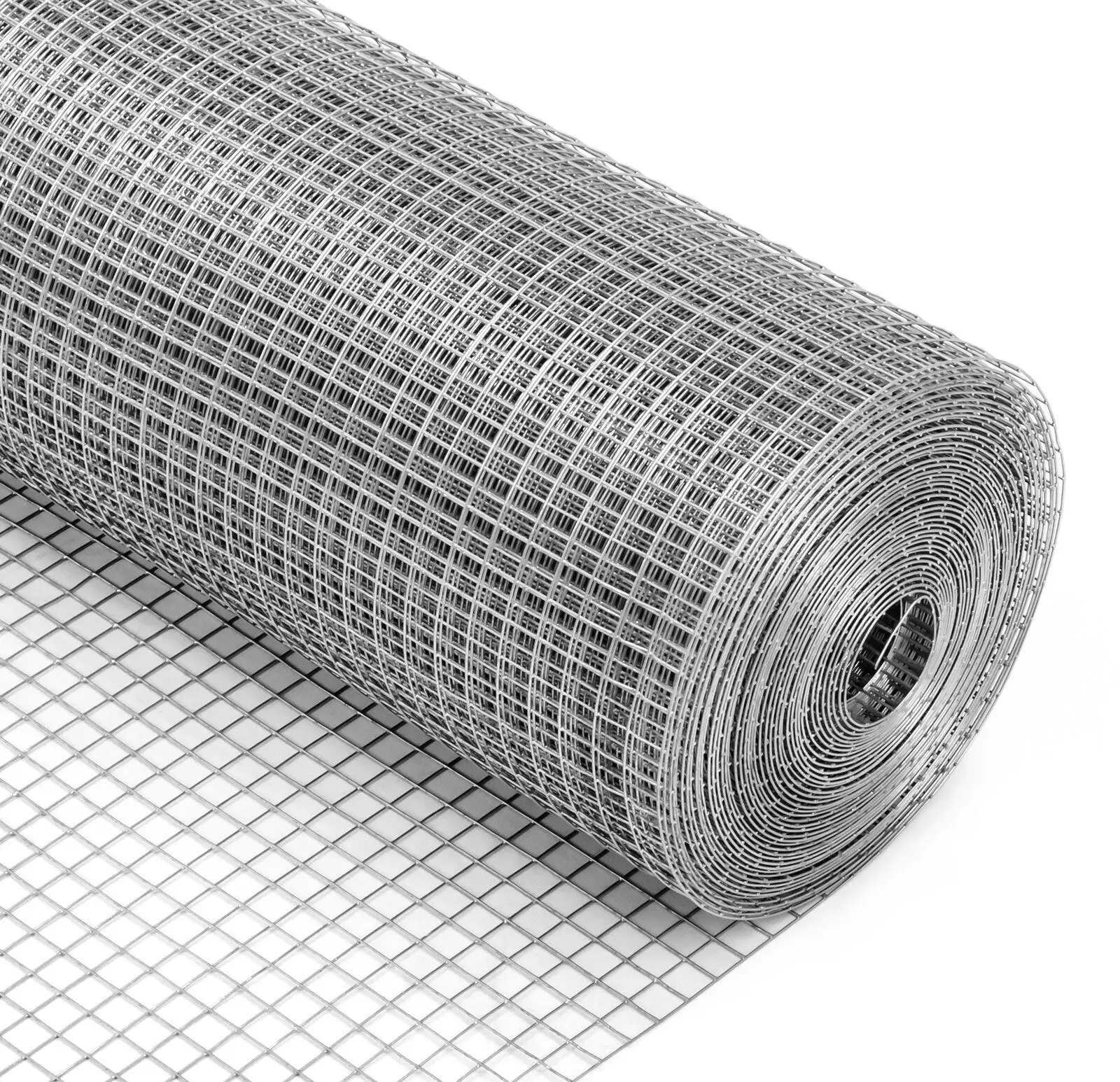
Simply put, a stainless steel cable net is a network of interlinked stainless steel cables, woven or mechanically connected to form a flexible mesh. These nets often serve as protective barriers, architectural features, or suspension supports. The “stainless steel” component is crucial for corrosion resistance, maintaining strength and appearance even under harsh environmental factors. Think of it as a high-tech netting solution designed to last decades without the degradation that ordinary steel might suffer.
These nets have grown from niche industrial use to a go-to material for architects and engineers, especially where transparency, durability, and flexibility converge.
Core Components and Features of Stainless Steel Cable Nets
- Durability: Stainless steel alloys resist rust and corrosion even in marine or industrial environments, ensuring longevity without frequent replacement.
- Scalability & Flexibility: Cable nets can be made to any size or shape, ideal for custom architectural designs or complex safety barriers.
- Strength and Safety: Despite their delicate appearance, these nets can bear enormous loads — from containing falling rocks to acting as fall protection systems.
- Aesthetic Appeal: Unlike bulky fencing, these cable nets add openness and elegance to structures, creating seamless boundaries that blend with surroundings.
- Low Maintenance: The stainless surface means minimal upkeep, reducing costs over time.
- Environmental Sustainability: Being 100% recyclable, they align with green building practices.
To sum up: stainless steel cable nets combine practicality with innovation, creating solutions that look good and endure.
Global Applications & Use Cases
These nets have appeared everywhere—from the spectacular suspension bridges in Europe to zoo enclosures in Australia, and sporting arenas in North America. In post-disaster relief operations, for instance, they are used to secure debris zones quickly, protecting workers and residents alike. Remote industrial zones rich in minerals benefit from cable net rockfall protection systems, which help reduce accidents and downtime.
Architects employ stainless steel cable nets to design façade claddings that enhance safety without compromising views, such as the famous stainless steel cable net installations in transparent safety rails. Urban planners in Asia increasingly integrate them to improve pedestrian safety on bridges and high-traffic walkways.
Product Specification Table
| Attribute | Typical Value | Notes |
|---|---|---|
| Material Grade | 316 Stainless Steel | Highest corrosion resistance |
| Cable Diameter | 2mm–12mm | Customized per load specs |
| Mesh Opening Size | 20mm–100mm | Varies by safety need |
| Breaking Strength | Up to 2000 kgf per cable | Depends on cable diameter and grade |
| Finish | Polished / Passivated | Enhances corrosion resistance and aesthetic |
Vendor Comparison Table: Leading Stainless Steel Cable Net Suppliers
| Supplier | Material Grades Offered | Customization Options | Lead Time | Sustainability Certifications |
|---|---|---|---|---|
| YJ Wire Mesh | 304, 316 | Full customization | 3-4 weeks | ISO 14001 |
| SteelNet Global | 316L only | Limited sizes | 4-6 weeks | LEED Compliant |
| EcoMesh Solutions | 304, 316 | Standard sizes only | 2-3 weeks | ISO 14001, FSC |
Advantages and Long-Term Value
In real terms, stainless steel cable nets offer a blend of durability and design flexibility that translates to tangible benefits:
- Cost Efficiency: Fewer replacements, minimal maintenance – which means your investment goes much further.
- Sustainability: The recyclable nature combined with long service life aligns with global green building standards like those endorsed by the ISO 14001.
- Safety and Trust: Numerous engineering studies back their performance in high-risk environments—rockfall nets, climbing nets, safety barriers.
- Emotional Impact: They maintain openness and aesthetics, which help people feel secure without discomfort or visual blockage.
When I visited a high-altitude cable net installation last year, I noticed that the structure almost seemed invisible from a distance but offered unquestionable peace of mind to hikers. This kind of balance is rare in safety engineering.
Emerging Trends and Innovations
Innovation isn’t slowing down. For stainless steel cable nets, smart integration is on the horizon. Sensors embedded in nets can monitor tension, detect damage, or even alert maintenance teams before failure occurs—helping transition from reactive to predictive maintenance.
Meanwhile, green energy projects rely on similarly robust materials. Using stainless steel cable nets in solar panel mounts or wind turbine enclosures combines strength with environmental responsibility.
Challenges & Expert Solutions
Yet, stainless steel cable nets aren’t without challenges. Their cost is higher upfront compared to synthetic options, and installation requires skilled labor to ensure correct tension and safety performance. Additionally, in extreme industrial chemicals environments, special coatings might be necessary.
Experts recommend partnering closely with suppliers like YJ Wire Mesh, ensuring customization and local compliance. Training installer teams and running pilot projects before full-scale deployment is essential, too.
FAQ: Frequently Asked Questions About Stainless Steel Cable Net
- What are the key benefits of stainless steel cable net over traditional fencing?
- Stainless steel cable nets offer superior corrosion resistance, flexibility for unusual shapes, and better aesthetic integration, making them ideal for architectural and safety applications.
- How long can stainless steel cable nets last under harsh environmental conditions?
- With proper grade selection (commonly 316 steel) and maintenance, these nets can last 25–30 years even in marine or industrial conditions.
- Are stainless steel cable nets recyclable and environmentally friendly?
- Yes, stainless steel is 100% recyclable, and the manufacturing processes often comply with environmental standards like ISO 14001, ensuring sustainability.
- Can stainless steel cable nets be custom-designed for unique architectural projects?
- Absolutely. One of their primary advantages is scalability and customization, allowing engineers and architects to design nets for diverse forms and safety needs.
- How do I ensure proper installation to maintain safety standards?
- Engage certified professionals and follow manufacturer guidelines closely. It's crucial to ensure tensioning and fixing systems work correctly to achieve required strength.
Conclusion
All things considered, stainless steel cable nets are more than a fencing material—they’re a multifunctional, sustainable solution that meets demanding modern needs. Their longevity, adaptability, and safety features make them invaluable assets in architecture, industry, and beyond.
If you’re curious to explore these solutions further or need custom designs, I encourage you to visit YJ Wire Mesh and discover how stainless steel cable nets can transform your projects.
Reflecting on the versatility of stainless steel cable nets, it feels like they embody the kind of engineering elegance we need more of—simple yet profound solutions for complex challenges.
-
High Quality Anti Bird Agro Net for Professional Crop ProtectionNewsApr.16,2026
-
Guide to Bird Netting Cost Per Square Foot and Material OptionsNewsApr.09,2026
-
Comprehensive Guide to Bird Netting Cost Factors and Material ChoicesNewsApr.07,2026
-
Comprehensive Guide to Bird Net for Balcony Cost and Installation OptionsNewsApr.04,2026
-
Comprehensive Guide to Bird Netting Price and Effective Protection SolutionsNewsMar.31,2026
-
Comprehensive Guide to Nylon Bird Net Price Factors and OptionsNewsMar.28,2026