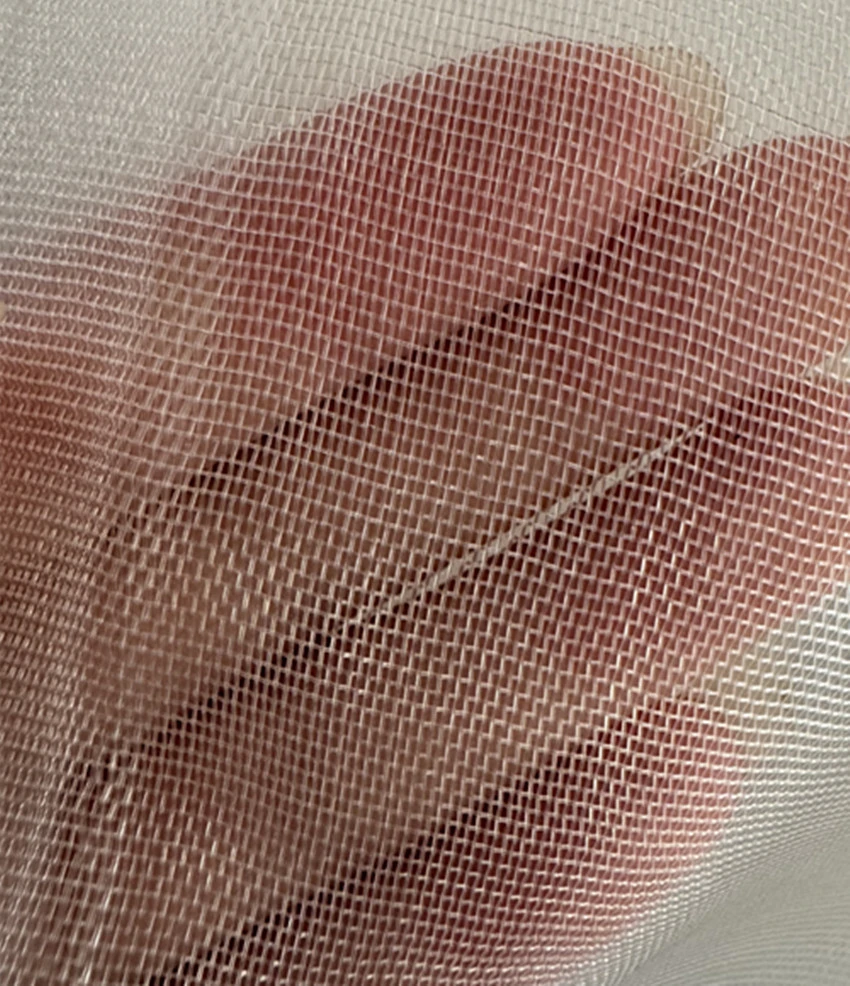
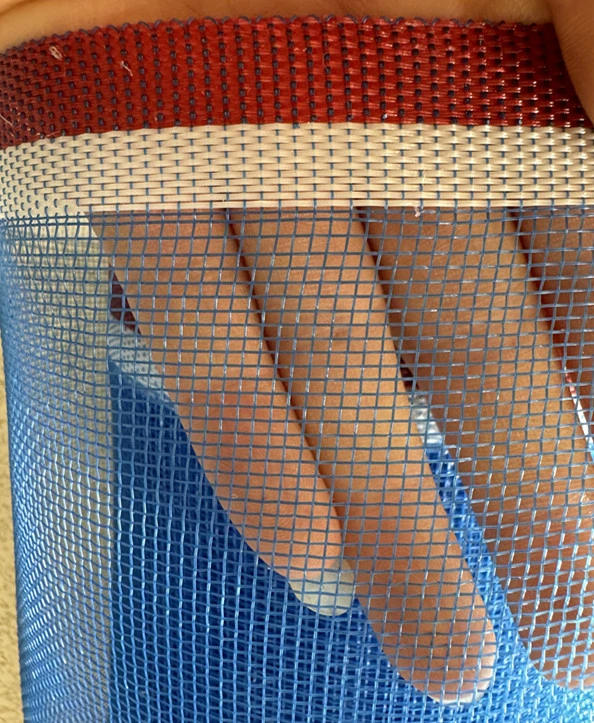
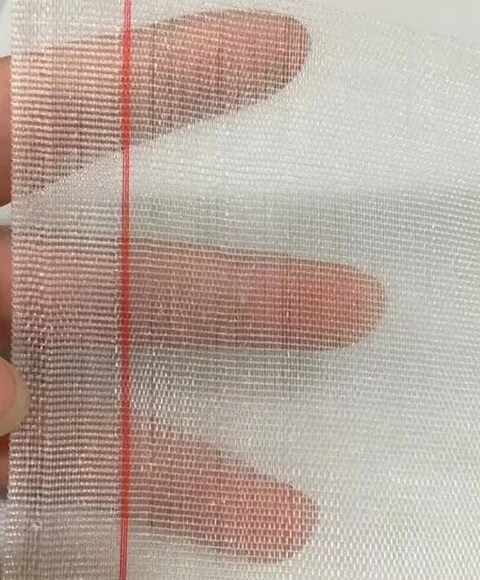
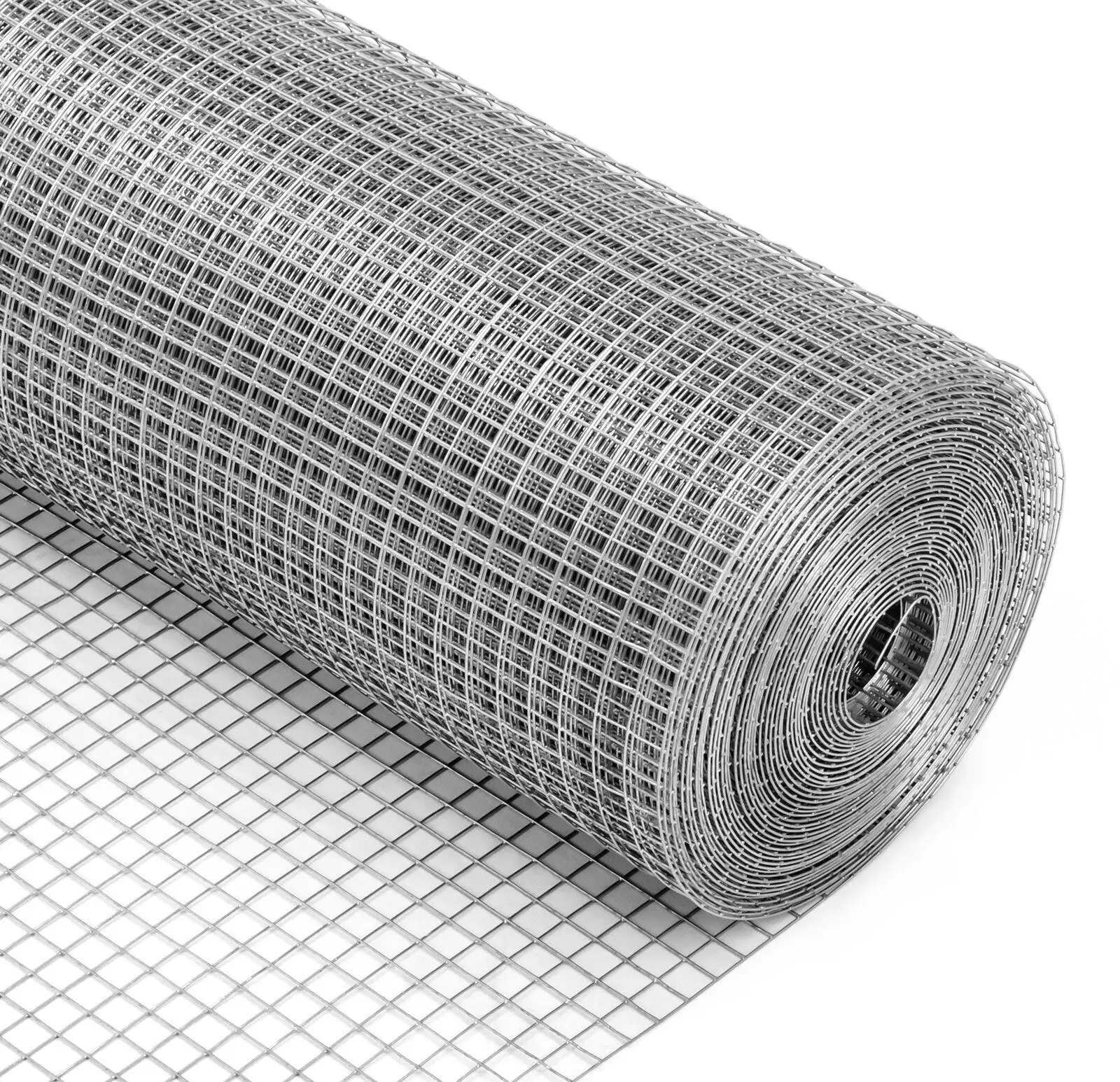
Stainless Steel Ferrule Mesh: Durable, Versatile, and Essential for Global Industry
Understanding Stainless Steel Ferrule Mesh: A Global Industrial Essential
Stainless steel ferrule mesh might sound like jargon at first, but it plays an indispensable role in modern industries across the globe. Simply put, it’s a type of woven metal mesh made from stainless steel fibers bound tightly with ferrules — small metal rings or clamps — which create a secure, durable network. Why does this matter so much worldwide? Because industries spanning from filtration and construction to aerospace and food processing rely on these meshes for strength, corrosion resistance, and reliability.
Getting to know this material isn’t just for engineers or manufacturing specialists. The global market for industrial mesh products is expanding rapidly, driven by infrastructure investment, environmental standards, and advanced manufacturing needs. For instance, according to the International Organization for Standardization (ISO), demand for corrosion-resistant meshes like stainless steel ferrule mesh is expected to grow by roughly 7% annually over the next decade. So it’s worth understanding how these materials impact safety, sustainability, and innovation in the real world.
Mini takeaway: Stainless steel ferrule mesh is a critical industrial material with growing global relevance thanks to durability, strength, and versatility.
Global and Industry Context
The world today is hungry for resilient materials that can endure harsh environments, from offshore oil rigs to food processing plants. The stainless steel ferrule mesh is well positioned in this demand surge. Reports from the World Bank highlight that infrastructure development in emerging economies demands more corrosion-resistant materials. At the same time, industries face tightening regulations on waste and contamination, pushing manufacturers to seek reliable filtration and containment solutions. Stainless steel ferrule mesh addresses all these challenges by combining strength with non-corrosive properties, thereby reducing maintenance costs and downtime.
Oddly enough, the mesh’s ability to maintain its integrity in aggressive environments makes it an unsung hero in humanitarian engineering projects too, such as water purification systems in remote areas. There’s this fascinating intersection of industry needs and social impact at play here.
Definition and Meaning of Stainless Steel Ferrule Mesh
At its core, stainless steel ferrule mesh is a woven or knitted fabric formed by interlocking stainless steel wires secured with ferrules. Ferrules act like tiny, precise connectors or clamps holding wire intersections firmly in place, which means the mesh doesn’t lose shape under stress or corrosion. This design is vital because it results in stable openings for filtration, physical barriers, or even protective enclosures.
From filtering microscopic particles in pharmaceutical manufacturing to acting as scaffolding nets in extreme climates, stainless steel ferrule mesh has far-reaching applications. Its connection to modern industry is also about addressing longevity and safety, which, frankly, align well with increasing global sustainability goals.
Core Aspects of Stainless Steel Ferrule Mesh
1. Durability
The stainless steel itself is resistant to rust and corrosion, letting the mesh thrive in challenging conditions like saltwater exposure or chemical environments. Combined with ferrule connections, this durability means the mesh resists physical deformation better than other metal meshes.
2. Scalability
Thanks to the standardized ferrule technique, manufacturers can produce meshes in large sheets or customized panels without losing structural integrity. This scalability is crucial for industries that need exact sizing while maintaining strength.
3. Cost Efficiency
At first glance, stainless steel meshes might seem pricier than polymer alternatives, but when you factor in reduced replacements and maintenance due to corrosion resistance, the long-term savings become clear.
4. Versatility
Whether it’s for filtration, protective screening, or architectural applications, the mesh adapts well. It can handle varying aperture sizes or modified wire gauges depending on the use case.
5. Environmental Impact
Being recyclable and resistant to harsh chemicals, stainless steel ferrule mesh often aligns with green manufacturing goals, reducing waste and chemical runoff.
Product Specifications at a Glance
| Specification | Details |
|---|---|
| Material Grade | 304, 316, 316L Stainless Steel |
| Wire Diameter | 0.2 mm to 2.0 mm |
| Mesh Aperture | 1 mm to 50 mm |
| Ferrule Type | Crimped stainless steel ferrules |
| Surface Finish | Polished, electro-polished, pickled |
| Thickness | 0.5 mm to 10 mm |
Global Applications and Use Cases
Around the world, stainless steel ferrule mesh finds use in diverse sectors. In Europe and North America, it’s a staple in water treatment plants where precision filtration is non-negotiable. In Asia, rapidly growing manufacturing hubs use the mesh for durable protective guarding on machinery and in automotive production lines. African humanitarian projects employ these meshes in solar panel enclosures, leveraging corrosion resistance to protect investments in unreliable climates.
For example, after the 2015 Nepal earthquake, relief organizations utilized stainless steel ferrule mesh in temporary water purification setups, ensuring debris and impurities were filtered despite challenging field conditions. Meanwhile, remote industrial zones in Australia rely on it to shield critical equipment from dust and sand intrusion.
Vendor Comparison Table
| Vendor | Material Grades Available | Custom Sizing | Price per m² | Lead Time |
|---|---|---|---|---|
| YJ Wiremesh | 304, 316, 316L | Yes | $50 - $70 | 2–3 weeks |
| Global Mesh Supplies | 316 only | Limited | $60 - $80 | 3–4 weeks |
| SteelNet Corp. | 304, 316L | Yes | $55 - $75 | 3 weeks |
Advantages and Long-Term Value of Stainless Steel Ferrule Mesh
Investing in this kind of mesh offers not only economic benefits but also delivers reliability and social goodwill, especially when it’s deployed in sensitive industries. Its corrosion resistance translates into fewer replacements—crucial in critical infrastructure and safety gear. The material’s recyclability also aligns with a growing global movement towards environmentally conscious manufacturing.
From an emotional perspective, there’s something reassuring about a product that holds firm under pressure and stands the test of time. In manufacturing facility visits, engineers often note how the ferrule mesh feels “like a silent guardian” — sturdy yet unobtrusive, a backdrop to daily operations that quietly maintains safety and quality.
Future Trends and Innovations
Future developments indicate even greater integration of the stainless steel ferrule mesh with digital manufacturing and sustainability initiatives. Industry 4.0 is pushing for mesh materials embedded with sensors for real-time monitoring of strain or damage. Sustainable certification programs are also encouraging suppliers to reduce production waste and embrace renewable energy.
Meanwhile, advances in nano-coatings and hybrid mesh composites could further improve corrosion resistance and flexibility, expanding potential applications to even more extreme environments. As green energy projects like offshore wind farms grow, high-performance meshes will be more in demand than ever.
Challenges and Solutions
Of course, not everything is perfect. Stainless steel ferrule mesh can be expensive upfront compared to plastic-based alternatives. Also, working with ferrules requires precision machinery and quality control to avoid weak points in the mesh. Shipment times may add constraints for urgent projects.
Yet, manufacturers are addressing these issues by improving automation during assembly and offering modular systems that speed installation and reduce total costs. Suppliers like YJ Wiremesh also provide extensive customization and logistics support to ease international procurement.
Frequently Asked Questions About Stainless Steel Ferrule Mesh
- Q: How does stainless steel ferrule mesh differ from regular wire mesh?
A: Ferrule mesh uses crimps or collars at wire intersections for stronger holds, reducing deformation under load, unlike plain woven wire mesh that relies on wire friction alone. - Q: Can stainless steel ferrule mesh be used in food-grade filtration?
A: Absolutely. The common grades 304 and 316 are corrosion resistant and meet hygienic standards, making them suitable for food processing and pharmaceutical filters. - Q: What’s the expected lifespan of stainless steel ferrule mesh in coastal environments?
A: Typically, with high-grade 316 stainless steel and proper maintenance, the mesh can last 15+ years in salty or humid conditions without significant corrosion. - Q: Are custom sizes and apertures available for specialized projects?
A: Yes, many suppliers—including stainless steel ferrule mesh providers—offer tailored sizing, wire gauges, and surface finishes based on client needs. - Q: How can NGOs import stainless steel ferrule mesh efficiently?
A: Partnering with reliable vendors offering export documents, flexible order sizes, and logistics assistance can ease international purchase processes.
Conclusion and Call to Action
In sum, stainless steel ferrule mesh is one of those quietly transformative technologies — strong, dependable, and quietly crucial across multiple industries worldwide. Its long-term value lies not just in physical durability but also in supporting sustainable, safe, and efficient operations everywhere.
If you want to explore further or consult on your specific needs, visit https://www.yjwiremesh.com to discover detailed product info and expert assistance.
Final thought: Choosing the right stainless steel ferrule mesh today means investing in performance and peace of mind for years to come.
References
-
High Quality Anti Bird Agro Net for Professional Crop ProtectionNewsApr.16,2026
-
Guide to Bird Netting Cost Per Square Foot and Material OptionsNewsApr.09,2026
-
Comprehensive Guide to Bird Netting Cost Factors and Material ChoicesNewsApr.07,2026
-
Comprehensive Guide to Bird Net for Balcony Cost and Installation OptionsNewsApr.04,2026
-
Comprehensive Guide to Bird Netting Price and Effective Protection SolutionsNewsMar.31,2026
-
Comprehensive Guide to Nylon Bird Net Price Factors and OptionsNewsMar.28,2026