Stainless Steel Nets: Durable & Sustainable Mesh Solutions for Industry and More
Understanding Stainless Steel Nets: Durable Solutions for a Changing World
Stainless steel nets might not be top of mind for most folks, but they quietly play a pivotal role across industries worldwide. From construction sites to environmental conservation, these nets offer unmatched durability and versatility. Grasping what stainless steel nets are—and why they're gaining traction globally—helps industries innovate smarter and safer processes while addressing pressing challenges like sustainability and safety. Let's dive into what makes these nets so essential.
Introduction: Stainless Steel Nets in Global Industry and Beyond
The world is increasingly reliant on materials that combine strength with resilience. Stainless steel nets fulfill this need, with their applications spanning sectors from marine fishing to infrastructure security. According to ISO standards, durability and corrosion resistance are non-negotiable in many industrial uses. For instance, the World Bank notes that safer construction materials reduce accidents by up to 30%. Here, stainless steel nets solve an age-old problem — how to maintain robust, long-lasting barriers or filters that withstand environmental extremes without rapid deterioration.
Oddly enough, while many think nets are simple, the difference between low-grade nets and high-quality stainless steel nets is radical in terms of cost efficiency and longevity. Without these sturdy nets, industries face costly repairs or even safety hazards due to corrosion or structural failures.
Mini takeaway: Stainless steel nets are a backbone material globally, helping industries reduce risks, costs, and environmental impacts.
What Are Stainless Steel Nets?
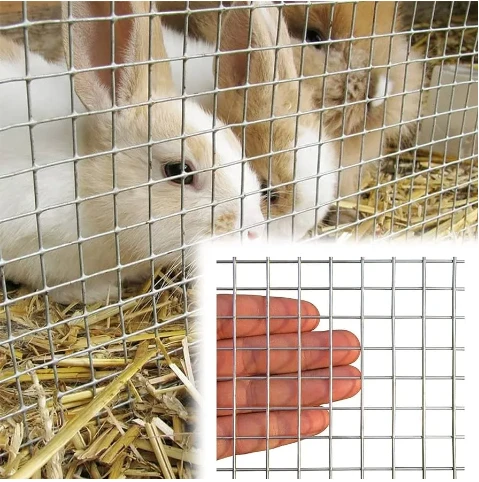
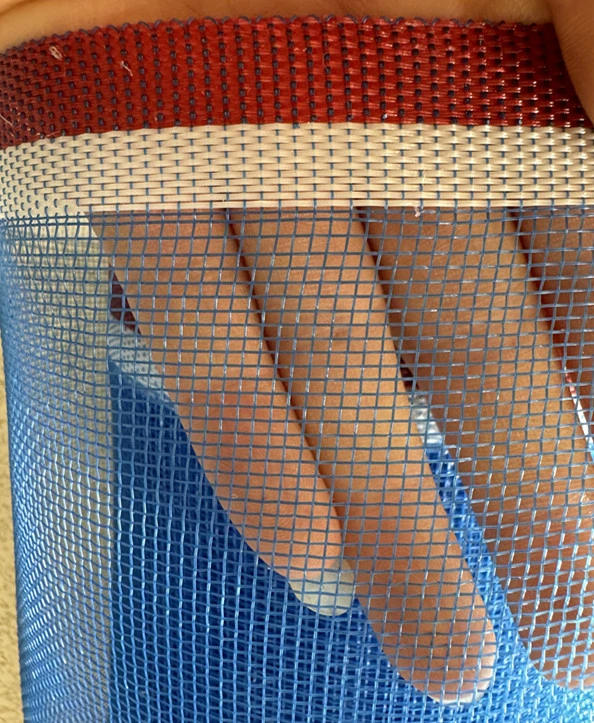
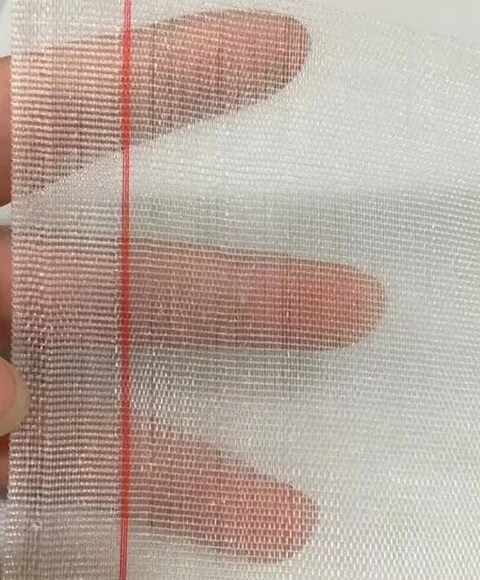
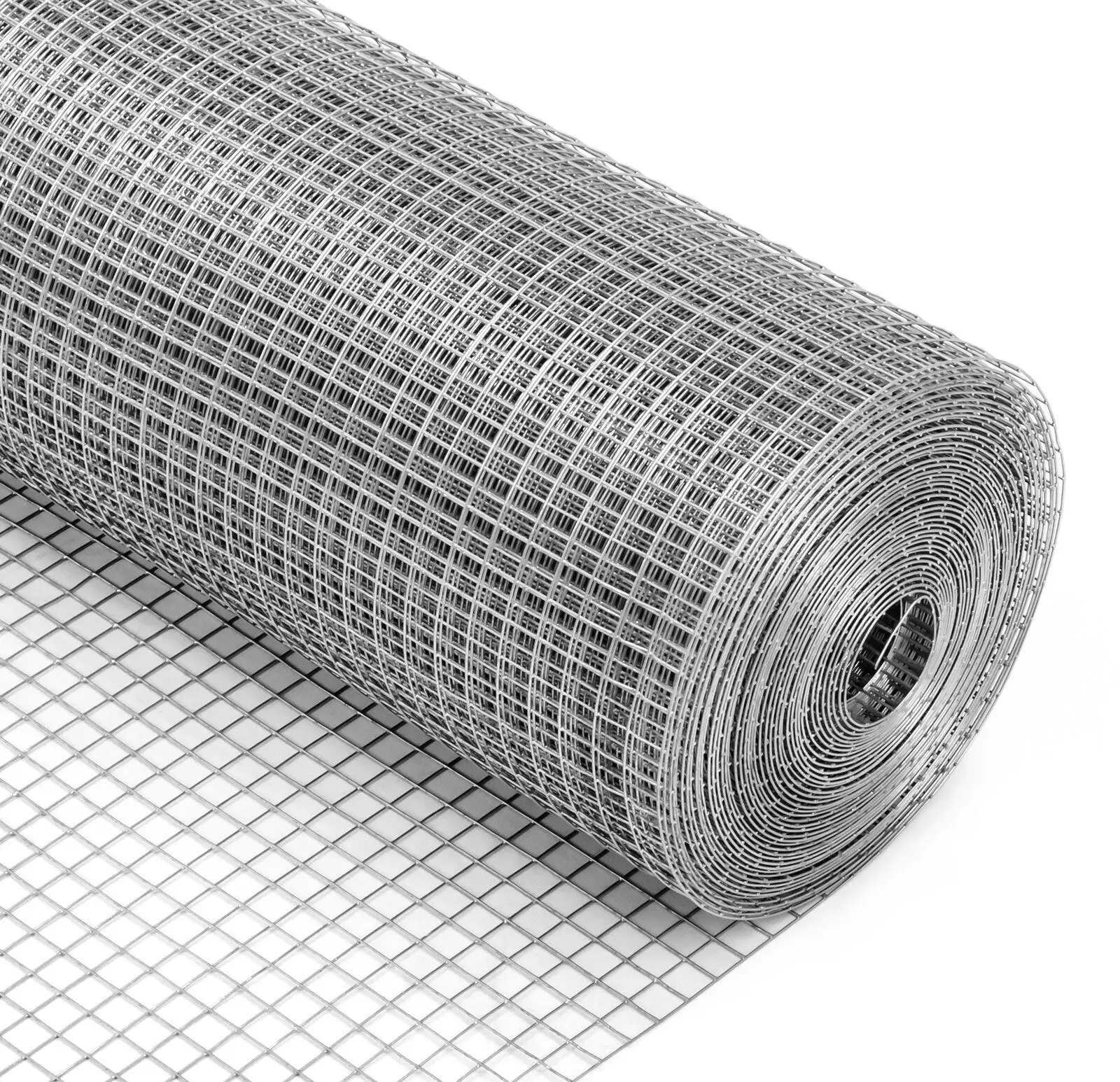
At its core, a stainless steel net is a mesh made from stainless steel wires woven or welded into a lattice pattern. The "stainless" attribute means this metal resists rust and corrosion thanks to chromium and other alloying elements. This simple definition belies their critical role across modern industrial, maritime, and humanitarian applications—where strength, longevity, and hygiene are paramount.
For humanitarian needs, these nets often provide secure fencing or filtration, allowing safe, hygienic solutions in challenging environments, like refugee camps or disaster-stricken areas.
stainless steel nets come in dozens of varieties tailored to specific uses, whether corrosion-resistant nets for saltwater or fine filters for air purification. Fast deployment, easy maintenance, and modularity make them favored in industries from mining to aquaculture.
Key Factors of Stainless Steel Nets
Durability and Corrosion Resistance
Thanks to stainless steel alloys, these nets withstand harsh chemicals, salty air, extreme temperatures, and abrasion—without rusting or weakening. This makes them ideal for use in marine environments or chemical plants.
Scalability and Customization
Although stainless steel nets can seem like a one-size-fits-all product, manufacturers customize mesh size, wire diameter, and weave pattern to specific projects, from large-scale security fencing to delicate filtration systems.
Cost Efficiency Over Lifetime
While initially pricier than plastic or galvanized wire nets, stainless steel nets’ longevity, lower maintenance needs, and superior performance mean savings over years. For example, the installation cost difference often pays off within 3–5 years through avoided replacements.
Safety and Hygiene
Because stainless steel is non-porous and resistant to bacteria, it’s widely used in food processing, healthcare facilities, and water treatment plants, where hygiene matters as much as strength.
Typical Product Specifications
| Specification | Details |
|---|---|
| Material Grade | 304 / 316 Stainless Steel |
| Mesh Size | 0.5mm to 50mm (customizable) |
| Wire Diameter | 0.2mm – 5mm |
| Weave Type | Welded / Twisted / Plain Weave |
| Surface Finish | Polished / Matte / Coated |
Global Applications & Use Cases
Stainless steel nets are remarkably versatile. In aquaculture, for example, companies use corrosion-proof nets to cage fish safely in coastal farms, particularly along Asia’s rapidly growing marine farming regions. Mining operations in South America favor the nets for reliable screens that sort minerals.
Post-disaster relief efforts also deploy stainless steel nets to secure temporary shelters and perimeter fencing that’s weather resistant for long-term durability. In urban infrastructure, they're used to protect façades and prevent debris from falling in massive construction projects.
Some more examples:
- Environmental conservation projects using nets to protect endangered species from predators.
- Food processing plants relying on hygienic stainless steel mesh to filter and sieve ingredients.
- Architectural designs incorporating decorative stainless steel mesh that also serve as sunshades or ventilation.
Mini takeaway: Stainless steel nets serve a diverse, truly global set of needs — the sort of “hidden heroes” in many sectors.
Advantages & Long-Term Value
Frankly, the most striking advantage is their combination of strength and low maintenance. They don't need constant repainting or replacements — something plastic or iron nets struggle with. Also, their resistance to corrosion means they contribute to environmental sustainability by reducing waste and resource consumption.
From a social viewpoint, stainless steel nets foster safety and dignity in humanitarian setups, securing spaces without imposing bulky walls. There's also an aesthetic aspect: many architects praise their ability to marry function and form.
Vendor Comparison: Leading Stainless Steel Net Suppliers
| Vendor | Product Range | Customization | Lead Time | Global Shipping |
|---|---|---|---|---|
| YJ Wire Mesh | Wide, including industrial & decorative nets | Highly customized sizes & finishes | 2-4 weeks | Yes |
| Global Mesh Co. | Standard mesh sizes, mainly industrial | Limited customization | 3-5 weeks | Mostly regional |
| Steelmesh Solutions | High-end architectural meshes | Custom design focus | 4-6 weeks | Global |
Future Trends & Innovations in Stainless Steel Nets
Looking forward, the stainless steel net industry is embracing sustainability through recycled metals and greener manufacturing processes. Digital transformation means vendors now offer enhanced traceability and quality assurance using blockchain and IoT technologies. Automation in weaving and welding nets improves precision and lowers costs.
Innovations also point to hybrid nets combining stainless steel with other high-tech fibers for lighter, stronger materials—great news for aerospace or sports applications. As governments push for greener infrastructure, stainless steel nets' recyclability and robustness put them in a sweet spot for future investment.
Challenges & Practical Solutions
No material is perfect. Stainless steel nets face challenges like initial cost barriers and complexity in on-site installation for custom meshes. Still, expert advice suggests upfront budgeting for lifetime value rather than short-term costs. Also, innovative modular designs speed up assembly and reduce labor.
Corrosion under extreme chemical exposure can sometimes degrade certain stainless steel grades, making proper material selection crucial. Vendors now offer detailed guidance and testing to mitigate risks.
FAQ: Frequently Asked Questions About Stainless Steel Nets
- Q: What makes stainless steel nets better than traditional wire nets?
A: Stainless steel nets resist rust and corrosion far better, last longer, and require less maintenance, making them more cost-effective over time despite higher initial prices. - Q: How customizable are stainless steel nets for special industrial needs?
A: Very customizable. Parameters like mesh size, wire diameter, and weave type are tailored to applications ranging from filtration to heavy-duty fencing. - Q: Can stainless steel nets be recycled?
A: Yes. Stainless steel is highly recyclable without loss of quality, facilitating sustainable practices in manufacturing and end-of-life disposal. - Q: Are stainless steel nets suitable for coastal or marine environments?
A: Absolutely. Grades like 316 stainless steel offer superior corrosion resistance in saltwater and humid coastal conditions.
Conclusion
Stainless steel nets offer a uniquely durable, sustainable, and versatile solution for today’s industrial and humanitarian challenges. Their combination of strength, longevity, and hygienic properties ensures lasting value and safety in diverse settings around the globe. If you’re considering reliable mesh solutions that stand the test of time and environment, it’s worth exploring the offerings from trusted suppliers like YJ Wire Mesh. These nets might just be the unsung hero you’ve been looking for.
Reflecting on these nets, it’s clear that sometimes the simplest materials make the biggest difference.
-
High Quality Anti Bird Agro Net for Professional Crop ProtectionNewsApr.16,2026
-
Guide to Bird Netting Cost Per Square Foot and Material OptionsNewsApr.09,2026
-
Comprehensive Guide to Bird Netting Cost Factors and Material ChoicesNewsApr.07,2026
-
Comprehensive Guide to Bird Net for Balcony Cost and Installation OptionsNewsApr.04,2026
-
Comprehensive Guide to Bird Netting Price and Effective Protection SolutionsNewsMar.31,2026
-
Comprehensive Guide to Nylon Bird Net Price Factors and OptionsNewsMar.28,2026