Steel Mesh Factory: Key to Durable Construction & Industrial Innovation
Understanding the Steel Mesh Factory: Backbone of Modern Construction and Industry
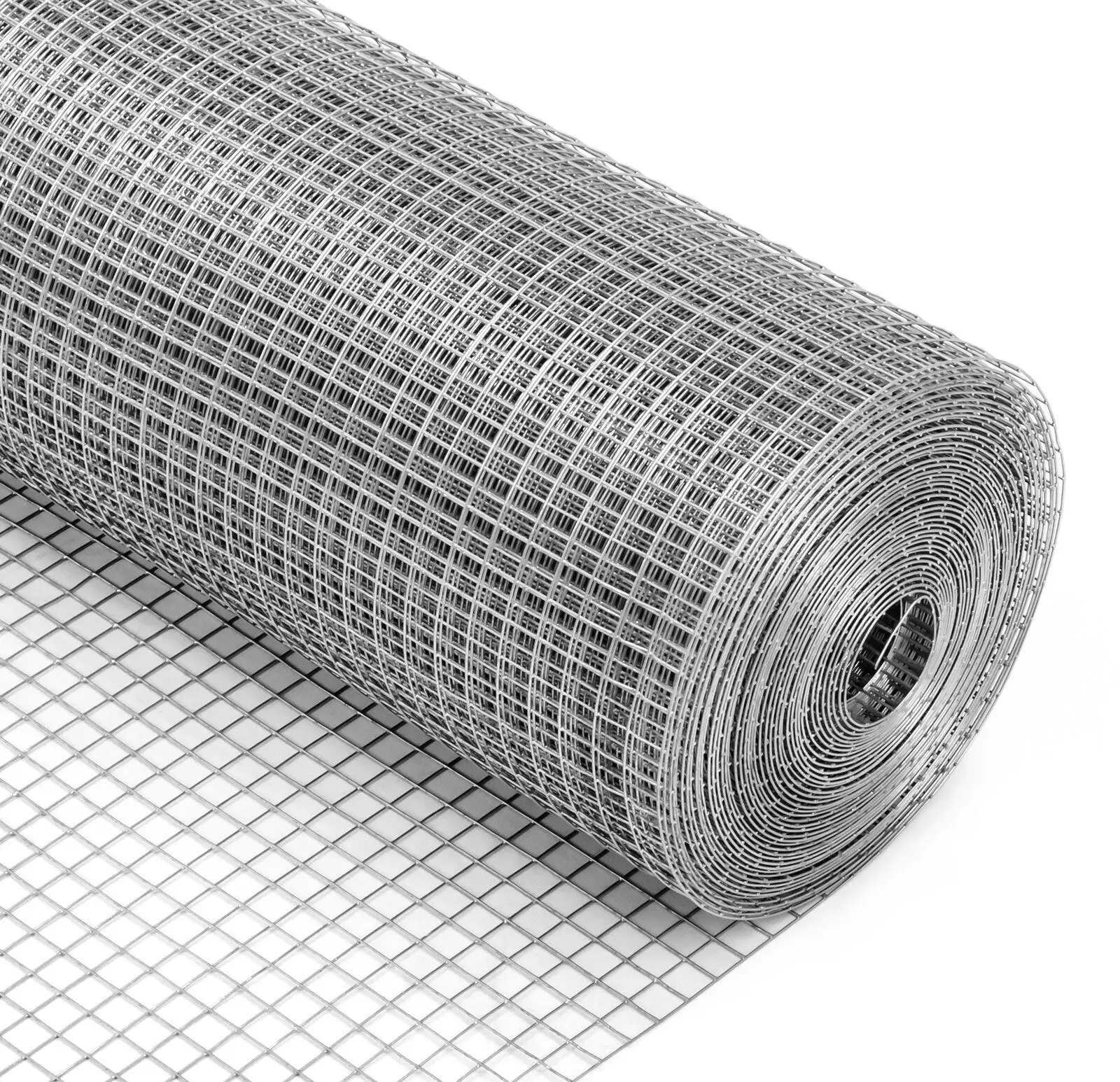
Steel mesh factories might not be the first thing that comes to mind when you think about global industry, but their role is pretty pivotal. Essentially, they produce steel mesh — a versatile, durable grid of steel wires or bars, woven or welded together — that acts as structural reinforcement in a surprising variety of applications. From towering skyscrapers to infrastructure repairs, and even humanitarian efforts, this product showcases how industrial innovation contributes quietly but effectively to safety, sustainability, and economic development. Understanding the steel mesh factory, how it operates, and why it matters, opens a door onto many modern engineering feats and humanitarian responses.
Why the Steel Mesh Factory Matters Globally
Global construction and manufacturing industries lean heavily on steel mesh. According to the International Organization for Standardization (ISO), the demand for reinforcing steel products has been rising steadily in emerging economies, driven by urbanization and infrastructure development1. At the same time, the UN’s sustainable development goals emphasize resilient infrastructure and innovation, and steel mesh products contribute directly to these aims by improving building safety and longevity. However, many countries face challenges regarding material quality and supply chain reliability—problems that well-managed steel mesh factories can help solve.
Defining the Steel Mesh Factory
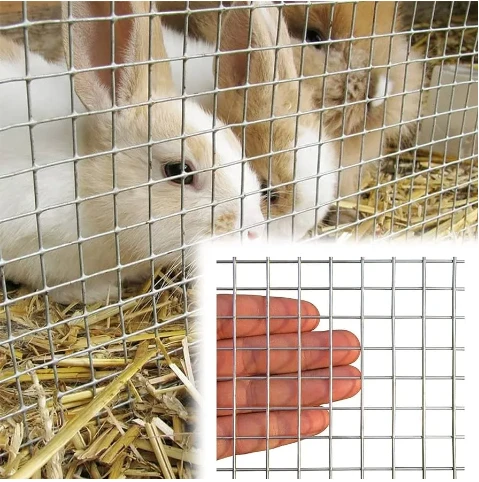
Put simply, a steel mesh factory is a production facility specializing in manufacturing steel mesh materials. This involves processes like wire drawing, welding or weaving, cutting, and sometimes galvanizing to enhance corrosion resistance. These factories provide the backbone for many industries requiring reinforcing materials that improve strength and stability. Apart from construction, steel mesh plays roles in agriculture, transportation, and disaster relief operations — which is why their quality and availability are so critical.
Core Components and Key Factors of Steel Mesh Production
Durability
Steel mesh products need to withstand enormous forces, environmental stresses, and aging—durability is non-negotiable. High tensile strength wire grades and corrosion-resistant coatings are often used to meet this need.
Scalability and Customization
Factories often tailor mesh sizes, wire gauges, and shapes to project-specific requirements. This flexibility means projects—from residential buildings to large industrial plants—can source exactly what they need without compromise.
Cost Efficiency
Manufacturers strive to optimize processes to reduce waste and energy usage, directly lowering costs both for themselves and clients. It’s a balance between quality and affordability, which is trickier than it sounds.
Sustainability
Many steel mesh factories now integrate eco-friendly practices like recycling scrap metal and using energy-efficient equipment, aligning with green building standards worldwide.
Quality Control and Certification
ISO certifications and in-house testing labs ensure products meet necessary standards, which is crucial for trust—especially in safety-critical sectors.
Global Applications & Use Cases for Steel Mesh
- Construction and Infrastructure: Reinforcement in concrete slabs, walls, roads, and bridges.
- Agriculture: Protecting crops and supporting vine growth through trellis systems.
- Disaster Relief: Quick-deploy shelters or reinforcement when rebuilding after earthquakes or floods.
- Industrial uses: Safety barriers, fencing, and filtration systems in factories worldwide.
For example, in post-disaster relief operations in Southeast Asia, steel mesh has been a staple in rebuilding efforts thanks to its speed of installation, availability, and strength. In remote industrial zones of Australia, flexible mesh designs help protect fragile ecosystems during project development.
Mini Takeaway:
The steel mesh factory is not just an industrial hub; it’s a provider of solutions that balance strength, safety, and sustainability across diverse sectors worldwide.
Product Specifications of Typical Steel Mesh
| Specification | Typical Range | Notes |
|---|---|---|
| Mesh Size (inches) | 0.5 – 4 | Customizable per project needs |
| Wire Diameter (mm) | 2 – 12 | Higher diameter increases tensile strength |
| Material | Low carbon steel, galvanized steel | Galvanized for weather resistance |
| Tensile Strength (MPa) | 350 – 600 | Depends on steel grade and treatment |
Vendor Comparison: Top Steel Mesh Factory Providers
| Vendor | Production Capacity (tons/year) | Quality Standards | Sustainability Commitment | Lead Time |
|---|---|---|---|---|
| Factory A | 25,000 | ISO 9001, ASTM | High (90% scrap recycled) | 3-4 weeks |
| Factory B | 18,000 | ISO 14001, CE certification | Medium (energy-saving initiatives) | 4-5 weeks |
| Factory C | 30,000+ | ISO 9001, ISO 45001 | High (solar powered site) | 2-3 weeks |
Advantages and Long-Term Value of Steel Mesh from Modern Factories
Using steel mesh produced in a quality-controlled factory setting translates into clear advantages: consistent material performance, reduced project risk, and better alignment with international building codes. In emotional terms, it’s reassuring to know the integrity of the structures you live or work in comes from such rigor. Logically, these products mean fewer repairs, less downtime, and stronger infrastructure. Moreover, when factories adopt green policies, the social impact grows positively — meaning your project isn't just strong, but also responsible.
Future Trends & Innovations
The steel mesh factory sector is looking ahead at fascinating possibilities. Innovations include the integration of digital monitoring and automation to improve precision and reduce waste. There's ongoing development in advanced coatings that better resist corrosion without harmful chemicals. Also, some factories are trialing hybrid meshes combining steel with carbon fiber to push strength-to-weight ratios. The push for sustainability is driving use of renewable energy in production and closed-loop recycling. Oddly enough, as digital transformation takes hold, traditional factories are becoming smarter and greener at once.
Challenges & Solutions in the Steel Mesh Industry
Despite advances, the steel mesh industry faces issues such as fluctuating raw material prices, environmental regulations, and logistics bottlenecks—especially post-pandemic. A common challenge is ensuring quality remains high across high-volume demand spikes. Solutions include better supplier integration via digital platforms, improved supply chain transparency, and investment in workforce training. Factories with R&D units often pioneer process improvements that smaller plants can adopt later, helping raise the entire sector.
Frequently Asked Questions About Steel Mesh Factory
- What factors determine the quality of steel mesh?
Quality depends on wire material, welding integrity, mesh size consistency, and corrosion protection. Certified factories test these rigorously. - How long does it take to produce and deliver steel mesh?
Typically, lead times range from 2 to 5 weeks depending on factory capacity, customization, and shipping distances. - Can steel mesh be customized for specific industrial applications?
Absolutely. Factories offer mesh sizes, wire diameters, and coatings tailored to client requirements, ensuring fit-for-purpose solutions. - Is galvanized steel mesh more durable than plain steel mesh?
Yes, galvanization significantly improves corrosion resistance, which extends lifespan, especially in outdoor or humid environments. - How can international buyers find reliable steel mesh factories?
Checking certifications, reputation, and client reviews plus arranging audits or samples is vital. Platforms like steel mesh factory directories help.
Conclusion & Call to Action
To wrap it up, steel mesh factories play a crucial role in producing materials that underpin global infrastructure integrity, safety, and sustainability. Their products enable innovation while meeting pressing societal challenges, spanning from urban growth to disaster resilience. If you want to explore reliable sources and customized solutions for your next project, don’t hesitate to visit our website: https://www.yjwiremesh.com. Because frankly, how your steel mesh is made matters a lot to the durability of what you build.
Reflection: It’s easy to underestimate something as “simple” as steel mesh. But when you peel back the layers, you glimpse a fascinating blend of engineering, global commerce, and sustainability. Sometimes the backbone of progress is found in the mesh behind the scenes.
-
High Quality Anti Bird Agro Net for Professional Crop ProtectionNewsApr.16,2026
-
Guide to Bird Netting Cost Per Square Foot and Material OptionsNewsApr.09,2026
-
Comprehensive Guide to Bird Netting Cost Factors and Material ChoicesNewsApr.07,2026
-
Comprehensive Guide to Bird Net for Balcony Cost and Installation OptionsNewsApr.04,2026
-
Comprehensive Guide to Bird Netting Price and Effective Protection SolutionsNewsMar.31,2026
-
Comprehensive Guide to Nylon Bird Net Price Factors and OptionsNewsMar.28,2026