Steel Screening Solutions for Industrial Excellence
Steel Screening: The Unsung Hero of Industrial Processing
Having spent more years than I can count around industrial equipment yards and fabrication shops, I’ve come to appreciate how critical quality components like steel screening really are. It’s one of those things you only notice when it’s absent or failing, but when it works well, it keeps the entire operation humming smoothly. In real terms, steel screening isn’t just about sifting particles or separating materials — it’s about reliability under punishing conditions and adaptability when processes shift.
If you ask engineers on site, they’ll often tell you the secret sauce is the mesh design and material grade. I noticed early on that not all steel screens are created equal — and frankly, many businesses overlook how essential customization is. You want a screen that resists corrosion, yet holds up to abrasion; one that’s easy to maintain but robust enough for continuous use.
Why Steel Screening Stands Out in Industrial Equipment
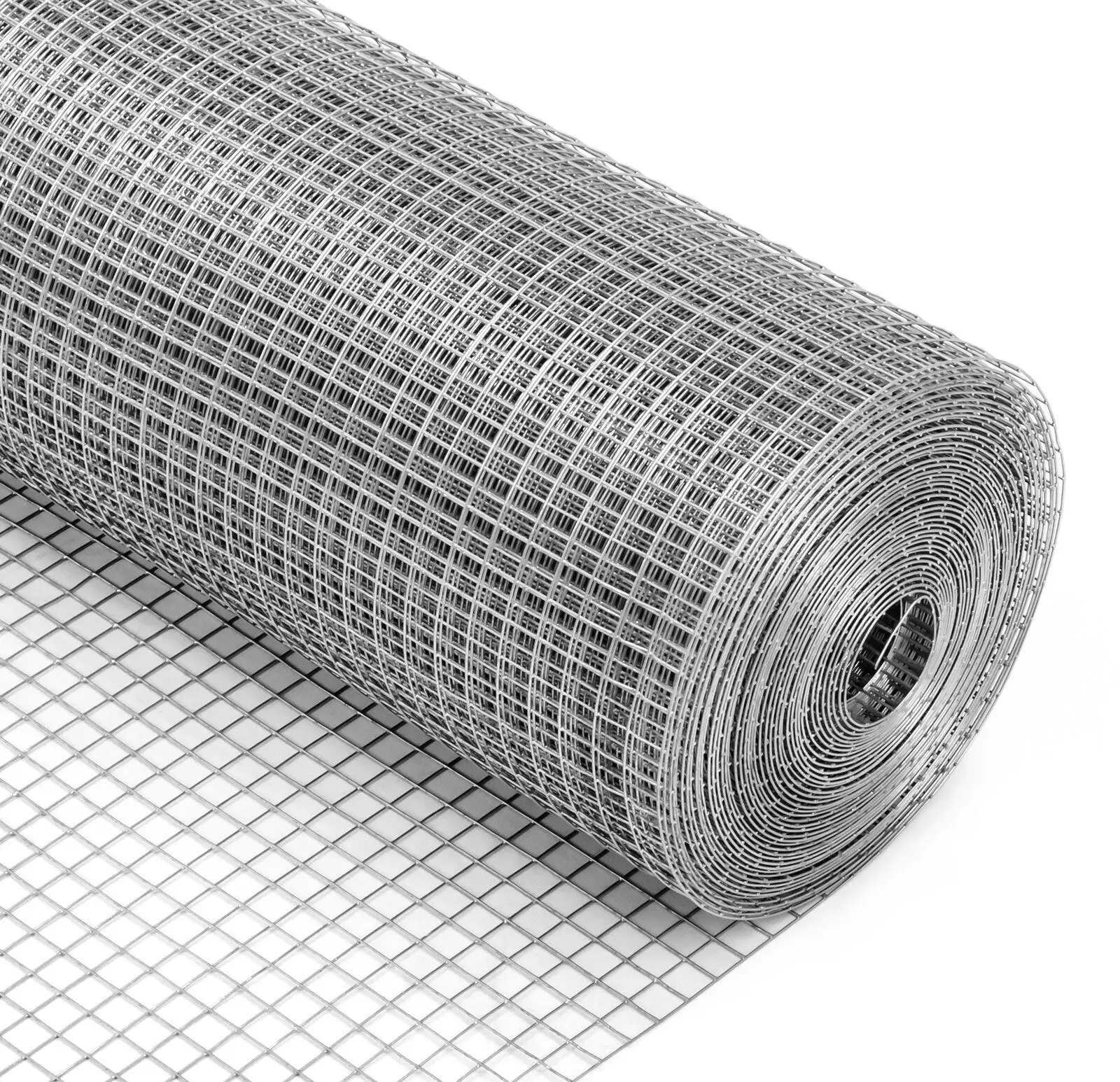
Steel screening, typically made of stainless or carbon steel wire mesh, is widely favored for its strength and durability. Whether you're sorting aggregates, recycling materials, or processing bulk powders, there’s a screen suited for that task. Honestly, it feels like every industry puts its own spin on what’s “ideal”—that’s why customization is so important.
Many companies lean on screens manufactured with specific weave patterns or wire thicknesses. Some opt for galvanized finishes to fend off moisture effects — others go full stainless to withstand acids or chemicals. And, steel screening providers often offer these variations to match your operational challenges.
Talking to a plant manager recently, he mentioned how switching from a generic screen to a custom woven one reduced their downtime by nearly 30%. The mesh controlled the flow better, caught unwanted particles earlier, and ultimately saved hours of reprocessing. It’s small changes like that that ripple through productivity.
Product Specifications: What to Check Before You Buy
| Specification | Details |
|---|---|
| Material | 304 or 316 Stainless Steel, Carbon Steel |
| Mesh Opening Size | 0.5 mm to 50 mm (custom available) |
| Wire Diameter | 0.2 mm to 4 mm |
| Weave Types | Plain, Twilled, Dutch Weave, Crimped |
| Finish | Galvanized, Powder Coated, Plain |
| Custom Sizes | Available upon request |
Choosing the Right Vendor: A Short Comparison
In my experience, the choice of vendor can be as impactful as the product specs. Oddly enough, lead times and support often matter more than the seemingly technical details listed online. Here’s a rough vendor comparison based on what I’ve seen clients gravitate toward:
| Vendor | Customization | Lead Time | Price Range | Quality Consistency |
|---|---|---|---|---|
| YJ Wire Mesh | High – bespoke specs supported | Medium (2–3 weeks typical) | Mid-range | Very High |
| Vendor B | Limited | Short (1–2 weeks) | Low | Moderate |
| Vendor C | Moderate | Long (4+ weeks) | High | High |
From the little chats I’ve had and some site visits, YJ Wire Mesh strikes a really solid balance between quality and flexibility. Plus, they tend to be quite responsive to technical inquiries — a big deal if your screening needs evolve.
To wrap it up, steel screening might seem straightforward at first glance, just a mesh that separates stuff. But peel back the layers and it’s an art of material science, engineering, and practical on-site know-how. Good screens help you catch faults before they cascade, reduce waste, and even cut costs.
If you’re in the market, consider sizing, materials, the weave style — and yes, vendor support. Makes a world of difference when that conveyor’s running 24/7. I’ve seen enough downtime to respect that.
References:
- Industry interviews & plant visits, 2023
- YJ Wire Mesh product catalogs, 2024
- Material durability case studies, Industrial Equipment Weekly
-
High Quality Anti Bird Agro Net for Professional Crop ProtectionNewsApr.16,2026
-
Guide to Bird Netting Cost Per Square Foot and Material OptionsNewsApr.09,2026
-
Comprehensive Guide to Bird Netting Cost Factors and Material ChoicesNewsApr.07,2026
-
Comprehensive Guide to Bird Net for Balcony Cost and Installation OptionsNewsApr.04,2026
-
Comprehensive Guide to Bird Netting Price and Effective Protection SolutionsNewsMar.31,2026
-
Comprehensive Guide to Nylon Bird Net Price Factors and OptionsNewsMar.28,2026