The Essential Guide to Stainless Steel Mesh Panels: Durability, Application & Future Trends
Why Stainless Steel Mesh Panels Matter in Today's Global Landscape
If you’ve ever gotten inadvertently tangled in a wire fence or admired the clean lines of modern architecture, you might have brushed past the humble yet mighty stainless steel mesh panel. They’re more than just aesthetic or security features—they play essential roles worldwide in industries ranging from construction to environmental protection. Understanding these panels gives you a glimpse into how engineers and designers solve complex challenges efficiently. Globally, stainless steel mesh panels contribute to safer infrastructure, sustainable resource management, and even humanitarian efforts, such as emergency shelters. For instance, according to the International Stainless Steel Forum, global stainless steel production topped 56 million tons in recent years — a testament to how integral its derivatives have become in modern life. They balance durability, corrosion resistance, and flexibility that many materials lack. The stakes are high in sectors like infrastructure and disaster relief where material failure simply isn’t an option. But how exactly do these mesh panels pull their weight? Let’s slow down and unpack their story from steel wire to global savior.Stainless Steel Mesh Panel: What Is It, Really?
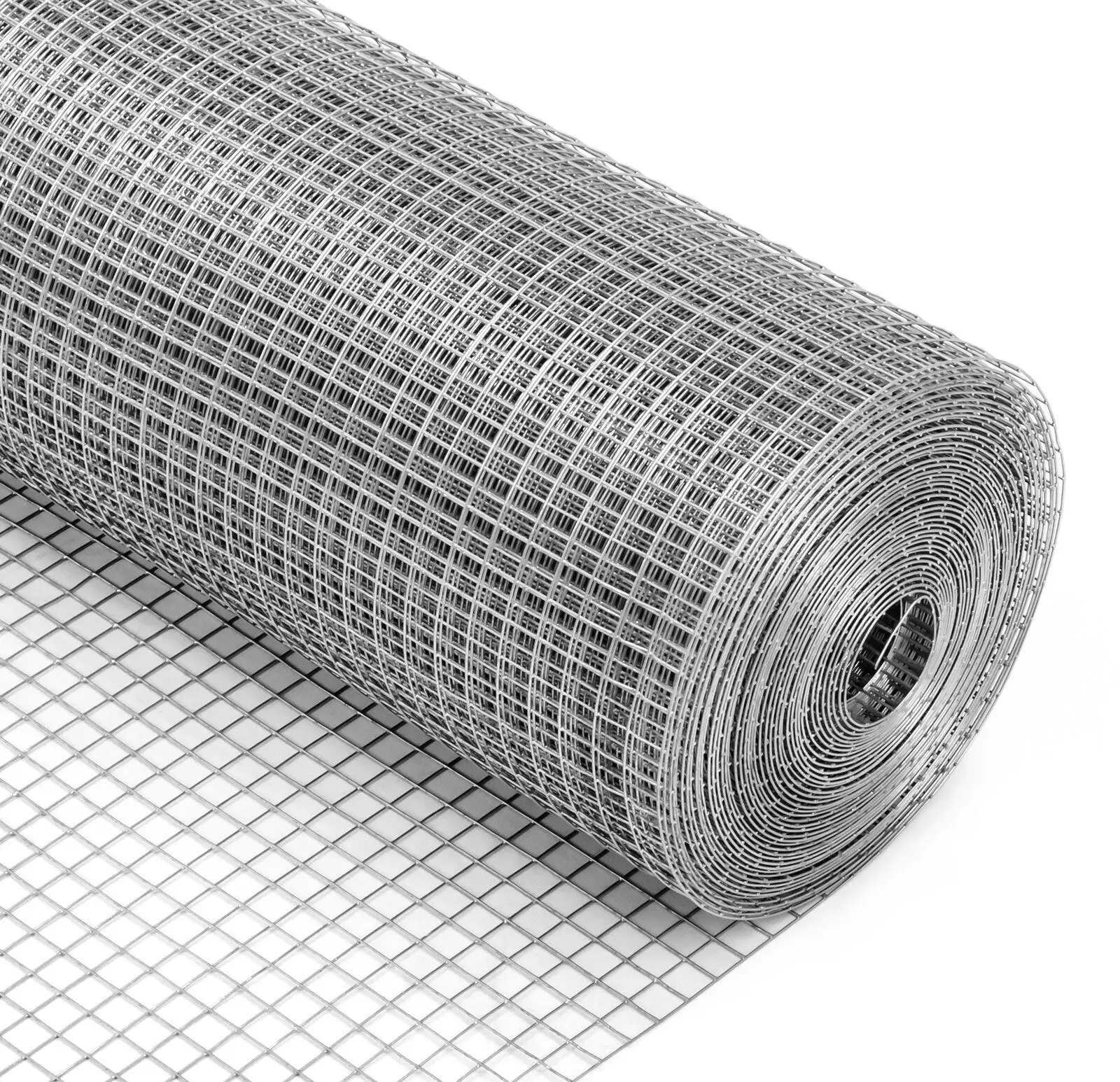
At its core, a stainless steel mesh panel is a grid composed of tightly woven or welded stainless steel wires. Think of it as a metal fabric with a purpose—be it security fencing, filtration, architectural cladding, or anything in between. Unlike regular wire mesh, the stainless steel variant prides itself on resisting rust, tarnish, and wear even after years outdoors or in corrosive environments. That’s because of its chromium content which forms a protective oxide layer—magical stuff, really. Industries from food processing to mining count on stainless steel mesh panels to uphold hygiene standards or filter contaminants. In humanitarian applications, these panels often form the backbone of temporary shelters or security perimeters. Their combination of lightweight and strength means they are both transport-friendly and robust. It’s interesting that a simple material can bridge diverse needs — from remote industrial outposts to crisis zones.Core Factors Defining Stainless Steel Mesh Panels
Durability: The Long Haul
I’ve often heard engineers say, “If it’s in stainless steel mesh, it will likely outlast the project.” Its corrosion resistance means the panel can endure cuts, abrasions, and exposure to elements without cracking or rusting, unlike galvanized meshes. This property cuts down on frequent replacements—big cost and labor saver.Versatility in Design & Scalability
Depending on the wire gauge and mesh aperture (the open space size), these panels can be tailored for many functions—security fencing needs tighter meshes, while architectural shading systems benefit from more open patterns to allow air and light. This scalability makes them favored in both industrial and decorative roles.Cost Efficiency Over Time
Sure, at first glance stainless steel mesh panels may seem pricier than other materials. But factoring in lower maintenance costs, fewer replacements, and the safety they help maintain, they often prove more cost-effective over the product's life cycle.Eco-Friendliness & Sustainability
Recyclable and often made from recycled steel, these panels align well with green building certifications such as LEED. Their longevity further reduces waste streams, an often-overlooked sustainability metric.Ease of Installation and Customization
Because they’re lightweight and can be manufactured in tailored sizes and shapes, installation teams can quickly deploy stainless steel mesh panels even in difficult terrains or tight urban spaces. Custom finishes and coatings add further value without compromising core strength.Security & Protection
From deterring intruders to providing containment solutions, stainless steel mesh panels’ strength and rigidity make them go-to materials for high-security areas, prisons, and sensitive industrial plants.Global Applications of Stainless Steel Mesh Panels: From Factories to Farmlands
Around the world, stainless steel mesh panels satisfy a kaleidoscope of needs. In Asia’s booming urban centers, architects are using decorative mesh panels to provide shade while making buildings visually striking. The Middle East’s oil and gas sectors rely on them heavily for corrosion-resistant filtration and containment. In post-disaster zones—say, after an earthquake in the Pacific Ring of Fire—NGOs deploy panels as temporary fencing or building reinforcement because of their portability and durability. In North America, livestock farms use these panels to build safe enclosures that resist predator damage. One particularly illustrative story happens in coastal European regions prone to salt spray damage. Switching from traditional fencing to stainless steel mesh panels has reportedly cut repair costs by nearly half in some farms, saving time and nerves for the owners. These applications show the panels' adaptability to a variety of climates and uses, making them a trusted asset worldwide.Product Specification Table: Typical Stainless Steel Mesh Panel
| Specification | Value / Range | Remarks |
|---|---|---|
| Material Grade | 304, 316, 316L | 316 for marine environments |
| Wire Diameter | 0.5 mm - 3.0 mm | Based on strength requirements |
| Mesh Opening Size | 1 mm - 50 mm | Dependent on application |
| Panel Dimensions | 1 m x 2 m standard, customizable | Sizes tailored per project |
| Finish | Mill finish, brushed, powder coated | Influences appearance & corrosion resistance |
| Weight per Panel | 5 - 15 kg | Varies with thickness and size |
Vendor Comparison: Stainless Steel Mesh Panel Suppliers
| Feature | Supplier A | Supplier B | Supplier C |
|---|---|---|---|
| Material Grades | 304, 316 | 316, 316L | 304, 316, Custom alloys |
| Customization Options | Size & thickness | Mesh size, finish | Full range including coatings |
| Lead Time | 2-4 weeks | 3-5 weeks | 1-3 weeks (stock items) |
| Price Range | $$ | $$$ | $$ - $$$ |
| Global Shipping | Available | Limited | Available |
Advantages and the Long-Term Value of Stainless Steel Mesh Panels
Let’s be honest. When you're investing in building materials, you want reliability without fuss. Stainless steel mesh panels offer: - Longevity: They stand up to years of weather, chemicals, and physical abuse without corroding. - Safety and Security: Their strength discourages intrusions and protects people and assets. - Sustainability: Fully recyclable and durable, they fit well with today's eco-conscious designs. - Aesthetic Flexibility: From industrial grit to sleek modernity, they can be finished to suit design needs. - Cost Savings Over Time: Lower replacement and maintenance costs mean fewer headaches and better budgets. Emotionally, trust builds when your infrastructure holds firm during tough times—they embody a promise of safety and progress.Future Trends: Innovations Shaping Stainless Steel Mesh Panels
Looking ahead, the stainless steel mesh panel world is buzzing with some exciting shifts: - Smart Materials: Integration of IoT sensors into panels is beginning—imagine fencing that alerts you to breaches or structural stress. - Green Manufacturing: Lower carbon footprint production methods are under development, including hydrogen-fueled furnaces. - Advanced Coatings: Self-cleaning, anti-bacterial coatings help in hygienic installations like food processing or hospitals. - Customization via Digital Fabrication: Laser cutting and 3D printing techniques enable intricate mesh designs once impossible at scale. Oddly enough, these innovations feel like they’re bringing a bit of the future into what once was just simple heavy-duty wiring.Challenges & Solutions in the Use of Stainless Steel Mesh Panels
Of course, no material is perfect (that would be boring). Stainless steel mesh panels face challenges: - Cost Barriers: Initial price can deter buyers. However, solutions like modular panels reduce waste and speed installation, lowering overall cost. - Weight Concerns: Steel’s density means it can be heavier than composites. Lighter gauges or hybrid materials sometimes help here. - Supply Chain Issues: Global demand means lead times can fluctuate. Working with local manufacturers or stocking key sizes improves availability. - Installation Difficulties in Tight Spaces: Pre-fabricated custom panels and flexible mounting brackets ease deployment. In real terms, vendors and engineers collaborate continuously to overcome these—from material science tweaks to smarter logistics.FAQ: Common Questions About Stainless Steel Mesh Panels
Q1: How do stainless steel mesh panels compare to galvanized ones in harsh climates?
A1: Stainless steel mesh panels excel in corrosion resistance compared to galvanized steel, especially in saline or acidic environments. Although the upfront cost is higher, their longer lifespan and minimal maintenance often justify the investment in harsh climates.
Q2: Can stainless steel mesh panels be customized to different sizes and finishes?
A2: Absolutely. They can be crafted in various dimensions, wire gauges, and mesh openings. Finishes range from mirror-polished to matte brushed, even powder-coated for additional protection or color.
Q3: Are stainless steel mesh panels eco-friendly?
A3: Yes, they are 100% recyclable and often made with recycled content. Their durability also means less frequent replacement, lowering environmental impact over time.
Q4: What industries benefit the most from stainless steel mesh panels?
A4: Industries including construction, mining, food processing, agriculture, and security rely on them. Their versatility means they often find roles in unexpected sectors too.
Q5: How quickly can stainless steel mesh panels be shipped internationally?
A5: Delivery times depend on customization level and vendor location but generally range between one to five weeks globally. Planning ahead helps avoid project delays.
Wrapping Up: The Stainless Steel Mesh Panel Advantage
In sum, stainless steel mesh panels quietly power some of the world’s toughest and most demanding applications. Their strength, flexibility, and sustainability make them a favorite choice whether you’re securing a remote industrial site or crafting a cutting-edge urban facade. If you want to explore stainless steel mesh panel options tailored to your needs, visit our website: https://www.yjwiremesh.com. Sometimes the right mesh opens up more than space — it opens possibilities.1. International Stainless Steel Forum - Stainless Steel Market Data
2. ISO 9001:2015 Quality Management Systems Overview
3. Wikipedia - Stainless Steel Mesh (source)
-
High Quality Anti Bird Agro Net for Professional Crop ProtectionNewsApr.16,2026
-
Guide to Bird Netting Cost Per Square Foot and Material OptionsNewsApr.09,2026
-
Comprehensive Guide to Bird Netting Cost Factors and Material ChoicesNewsApr.07,2026
-
Comprehensive Guide to Bird Net for Balcony Cost and Installation OptionsNewsApr.04,2026
-
Comprehensive Guide to Bird Netting Price and Effective Protection SolutionsNewsMar.31,2026
-
Comprehensive Guide to Nylon Bird Net Price Factors and OptionsNewsMar.28,2026