Understanding Rolled Steel Mesh: Applications, Benefits, and Future Trends
Rolled Steel Mesh: A Global Perspective on Strength and Versatility
If you’ve ever driven past a construction site or seen reinforcing materials in large infrastructure projects, you might have glimpsed rolled steel mesh in action. But what exactly is it, why should anyone care globally, and why is understanding it becoming increasingly important? Well, rolled steel mesh is more than just a metal grid — it’s a backbone of modern construction, industry, and even humanitarian relief. It offers unmatched strength, flexibility, and efficiency that help build safer buildings, bridges, and even temporary shelters in disaster zones.
Worldwide, the demand for reliable, cost-effective, and quickly deployable materials keeps rising. According to the International Organization for Standardization (ISO), steel production topped 1.8 billion tonnes in 2022, a good chunk of which supports mesh fabrication. Why? Because rolled steel mesh offers an excellent balance between durability and accessibility, touching sectors from urban development to rural relief efforts.
Rolled steel mesh addresses real challenges: reinforcing concrete without sacrificing time or budget, creating modular frameworks in remote areas, and improving structural safety in seismic zones. It’s the unsung hero in so many contexts.What Exactly is Rolled Steel Mesh?
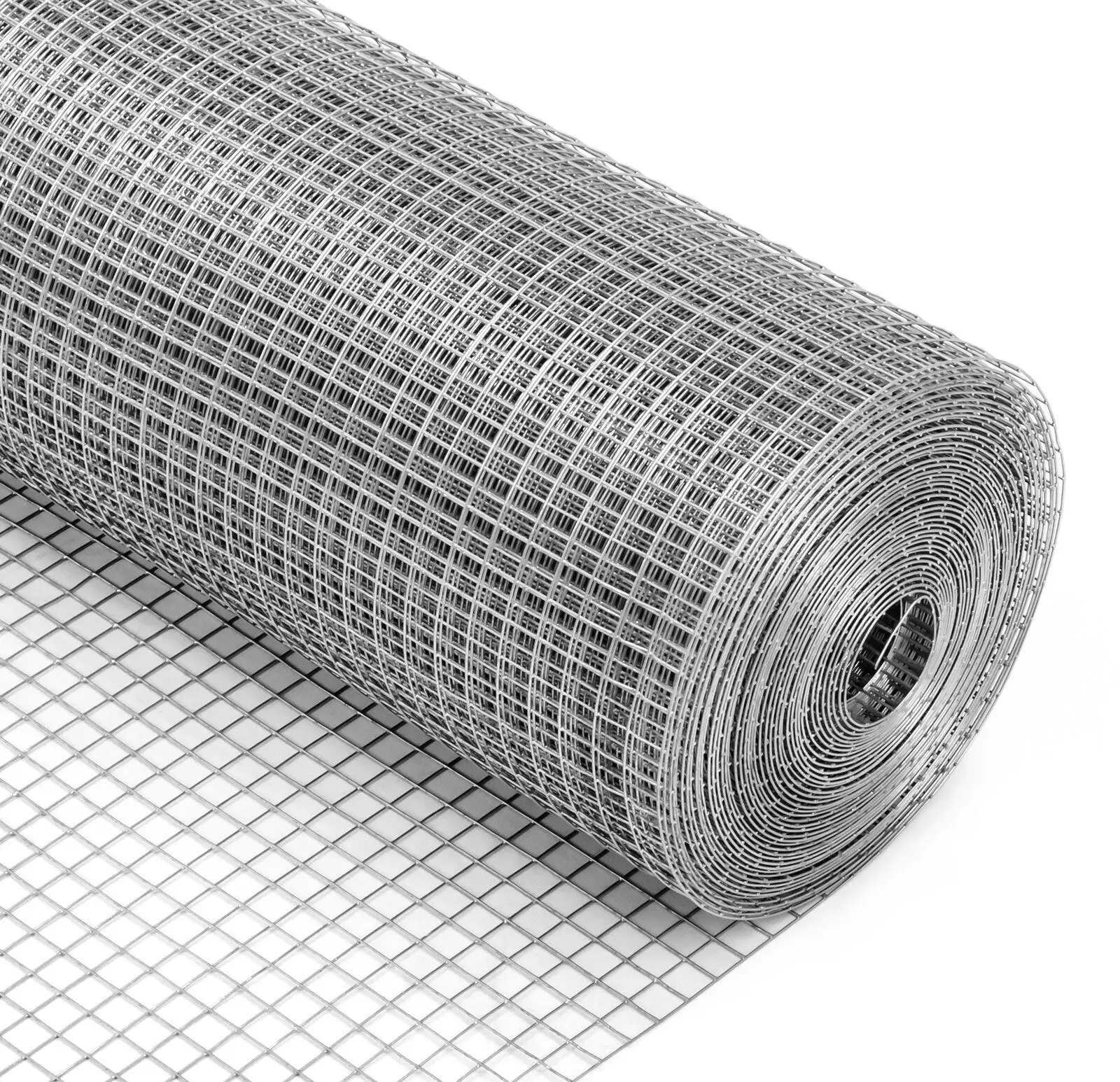
Simply put, rolled steel mesh is a grid-like sheet made by welding or weaving steel wires or bars into a flat panel, then rolling them into large coils for easy transport and installation. Instead of dealing with individual rebars, construction crews use these sheets to reinforce concrete slabs quickly.
Think of it as steel’s answer to fabric—flexible yet strong, adaptable to many shapes and sizes. It’s critical not just for buildings but also in humanitarian infrastructure, like constructing durable, fast-to-build shelters or protective fencing in emergency zones. This connection between industry and humanitarian needs is what makes rolled steel mesh so fascinating — it’s both a high-tech material and a practical one.
Key Aspects of Rolled Steel Mesh
Durability
Manufactured typically from carbon steel, rolled steel mesh withstands heavy stress, weathering, and corrosion (especially when galvanized). Its tensile strength means reinforced concrete won’t crack easily, making buildings and infrastructure last longer.
Scalability
Since it comes in large rolls and customizable sheet sizes, rolled steel mesh can quickly cover vast areas. This scalability reduces labor time and allows for modular design approaches — which is especially valuable in fast-paced construction or emergency projects.
Cost Efficiency
Using steel mesh cuts down on labor costs since it installs faster than tying individual bars. Plus, it optimizes material use by distributing stress evenly, meaning less waste and fewer repairs long-term.
Flexibility
These meshes can be adapted for varied spacing, thickness, and coatings depending on project needs, whether it’s a high-rise foundation or a bridge deck.
Environmentally Friendly Options
Many vendors offer galvanized or stainless steel meshes that can be recycled or manufactured with low emissions, addressing sustainability concerns increasingly prioritized worldwide.
Summary Takeaway:
- Rolled steel mesh combines strength, adaptability, and cost-effectiveness.
- It suits a range of projects from major urban infrastructure to emergency sheltering.
Product Specifications of a Common Rolled Steel Mesh
| Specification | Typical Value | Notes |
|---|---|---|
| Wire Diameter | 4–12 mm | Varies by application |
| Mesh Opening Size | 50×50 mm to 200×200 mm | Spaced for strength vs. flexibility |
| Roll Width | 2–3 m | Customizable per order |
| Length per Roll | 20–50 m | Supports large-scale projects |
| Coating | Galvanized or Epoxy | Increases corrosion resistance |
Global Applications & Use Cases
Rolled steel mesh pops up all over the globe, sometimes in ways you don’t realize. In the US and Europe, it’s a standard in commercial real estate and transportation infrastructure. Elsewhere, in developing countries like India or Nigeria, it supports affordable housing and bridges. UN Habitat reports point out its crucial role in sustainable urban development, especially where rapid population growth stresses city infrastructure.
In humanitarian contexts, you’ll find rolled steel mesh in refugee camps where temporary yet sturdy fencing and shelter frames protect displaced people. Post-disaster efforts — like after earthquakes or floods — often rely on mesh panels to speed reconstruction.
Oddly enough, some remote industrial zones use rolled steel mesh for creating safe work platforms and secure barriers, improving worker safety without complicated logistics.
Vendor Comparison: Rolled Steel Mesh Suppliers
| Vendor | Product Range | Customization | Delivery Speed | Sustainability |
|---|---|---|---|---|
| YJ Wire Mesh | Wide (4-16mm wires, custom sizes) | High, tailored orders accepted | Fast (2-3 weeks globally) | Galvanized, eco-conscious sourcing |
| Global Steel Mesh Co. | Medium; standard sizes | Limited | Moderate (4-6 weeks) | Standard galvanized options |
| EcoMesh Industries | Niche (focus on recycled steel) | Moderate | Varies by region | High emphasis on sustainability |
Advantages & Long-Term Value
The logic behind choosing rolled steel mesh is quite straightforward: it saves time, money, and energy while delivering structural integrity. For engineers and architects, it means meeting building codes efficiently. For communities, it means safer schools, hospitals, and homes.
On an emotional level, knowing a structure reinforced by steel mesh can resist harsh weather or seismic activity offers real peace of mind. Socially, it ensures dignity by providing secure living conditions during crises. Its innovation spurs trust among stakeholders, from donors to construction managers.
Looking Ahead: Future Trends in Rolled Steel Mesh
Innovations in production are pushing mesh toward lighter weights, enhanced corrosion resistance, and integration with smart sensors for “intelligent” infrastructure monitoring. Sustainability is huge — expect more recycled steel meshes and reduced carbon footprints, aligned with global climate goals.
Automation in welding and mesh fabrication is cutting lead times further. Digital modeling lets engineers simulate mesh performance in extreme conditions before ordering. This kind of digital transformation, combined with green energy initiatives, is reshaping how and where rolled steel mesh is used.
Challenges & Solutions
Granted, rolled steel mesh has limitations. Corrosion can still be an issue in highly saline or acidic environments, demanding better coatings or alternative materials like stainless steel. Transporting heavy rolls to remote areas is logistically challenging too.
Companies are experimenting with modular mesh segments for easier handling and novel anti-corrosion treatments. Plus, partnering with local fabricators helps overcome shipping hurdles. Frankly, that’s where partnerships with trusted vendors matter most — along with quality assurance.
FAQs About Rolled Steel Mesh
- Q: How does rolled steel mesh improve construction speed?
- A: Rolled mesh arrives ready to install, eliminating the time spent manually tying rebar. It covers large areas quickly, accelerating concrete reinforcement and reducing labor costs.
- Q: Can rolled steel mesh be recycled?
- A: Absolutely. Steel mesh is highly recyclable, and many manufacturers offer products made from recycled materials, supporting sustainable building practices.
- Q: What industries benefit most from rolled steel mesh?
- A: Construction, infrastructure, agriculture (fencing), and humanitarian relief sectors heavily rely on it due to its versatility and strength.
- Q: Is it suitable for earthquake-prone regions?
- A: Yes. Rolled steel mesh improves concrete ductility and crack control, which is crucial for seismic resistance.
- Q: How can international customers ensure quality when ordering rolled steel mesh?
- A: Working with reputable suppliers, reviewing certifications (ISO 9001), and requesting third-party testing can ensure product quality.
Conclusion
Rolled steel mesh continues being a foundational material worldwide, pivotal for safer, faster, and cost-effective construction, whether in booming cities or fragile humanitarian settings. Its versatility, paired with evolving technology, means it's poised to remain relevant for decades.
Curious to explore premium rolled steel mesh options tailored to your needs? Visit our website today and discover how mesh innovation can strengthen your projects — literally.
My takeaway? Rolled steel mesh feels like the quiet workhorse of modern construction — often overlooked but absolutely essential.
-
High Quality Anti Bird Agro Net for Professional Crop ProtectionNewsApr.16,2026
-
Guide to Bird Netting Cost Per Square Foot and Material OptionsNewsApr.09,2026
-
Comprehensive Guide to Bird Netting Cost Factors and Material ChoicesNewsApr.07,2026
-
Comprehensive Guide to Bird Net for Balcony Cost and Installation OptionsNewsApr.04,2026
-
Comprehensive Guide to Bird Netting Price and Effective Protection SolutionsNewsMar.31,2026
-
Comprehensive Guide to Nylon Bird Net Price Factors and OptionsNewsMar.28,2026