Protecting Your Home and Garden with Effective Netting to Keep Squirrels Out
Effective Solutions: Netting to Keep Squirrels Out
Dealing with squirrels can be a frustrating experience for homeowners and property managers. These clever creatures can cause significant damage to gardens, attics, and structures. Fortunately, there are effective solutions available, and one of the most reliable is using netting to keep squirrels out. This article will explore the best types of netting, installation tips, and long-term strategies for squirrel control. Discover how to protect your property with durable, effective netting solutions. Choosing the right netting is crucial for protecting your home and garden from these persistent pests.
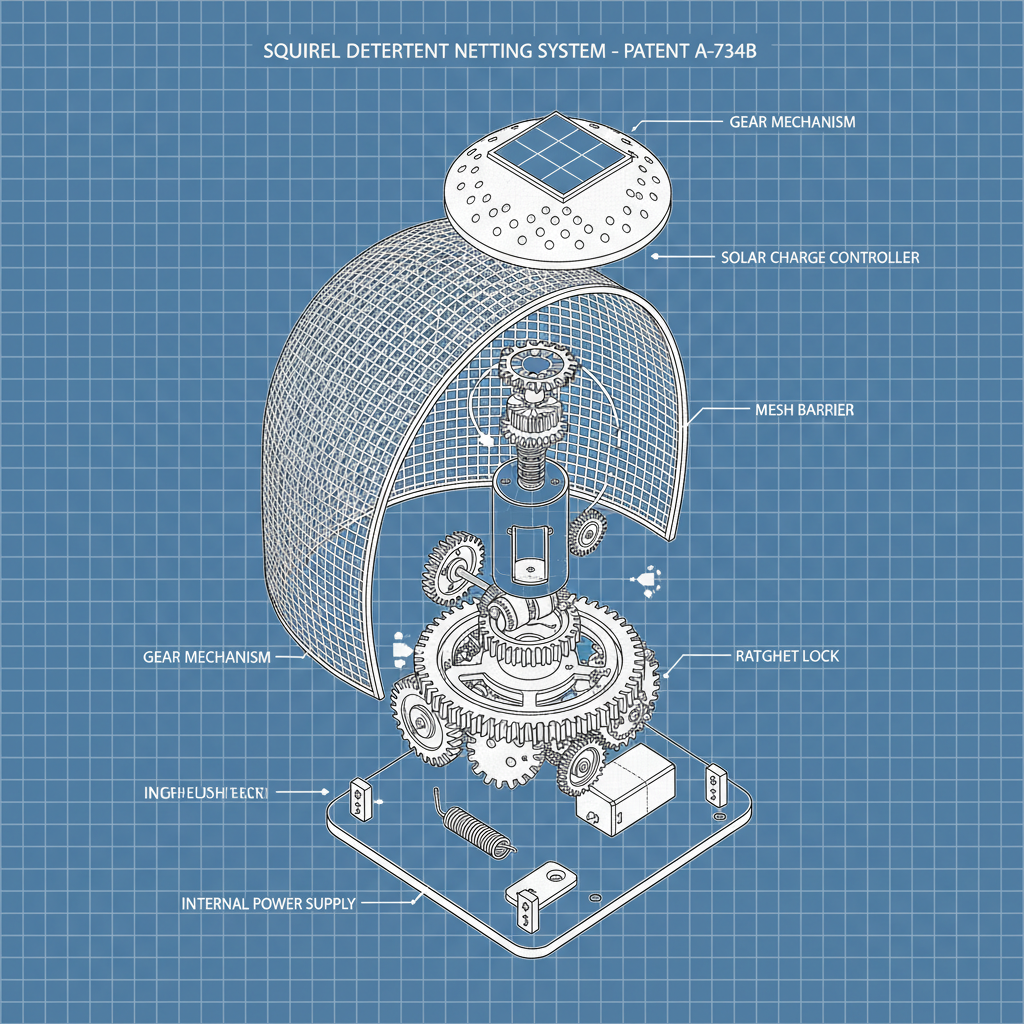
Why Choose Netting to Keep Squirrels Out?
Netting provides a physical barrier that prevents squirrels from accessing vulnerable areas. Unlike repellents, which need frequent reapplication, netting offers a long-lasting and reliable solution. It’s a humane method of pest control, as it doesn’t harm the animals but simply restricts their access. Furthermore, netting is relatively inexpensive and easy to install, making it a practical choice for many property owners. Different types of netting are available, catering to specific needs and applications. From protecting fruit trees to sealing off attic vents, there’s a netting solution for almost any squirrel-related problem. Protecting your property with high-quality netting is a smart and effective strategy.
Key Benefits: Long-lasting protection, humane pest control, cost-effective, easy installation, versatile applications.
Types of Netting for Squirrel Control
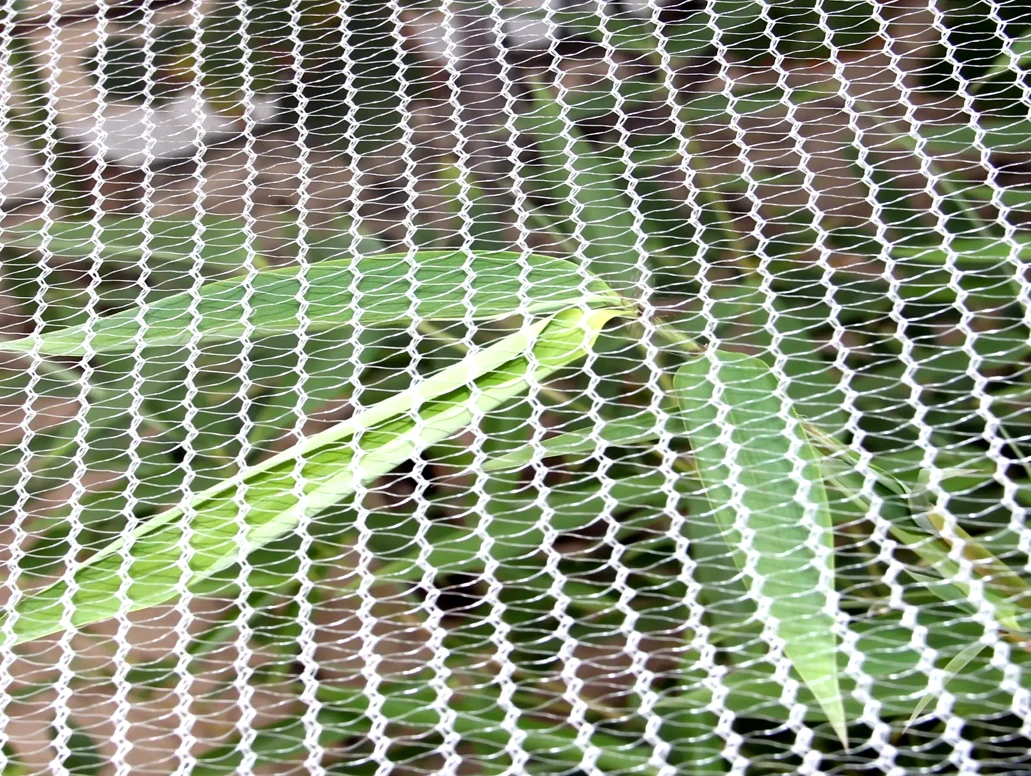
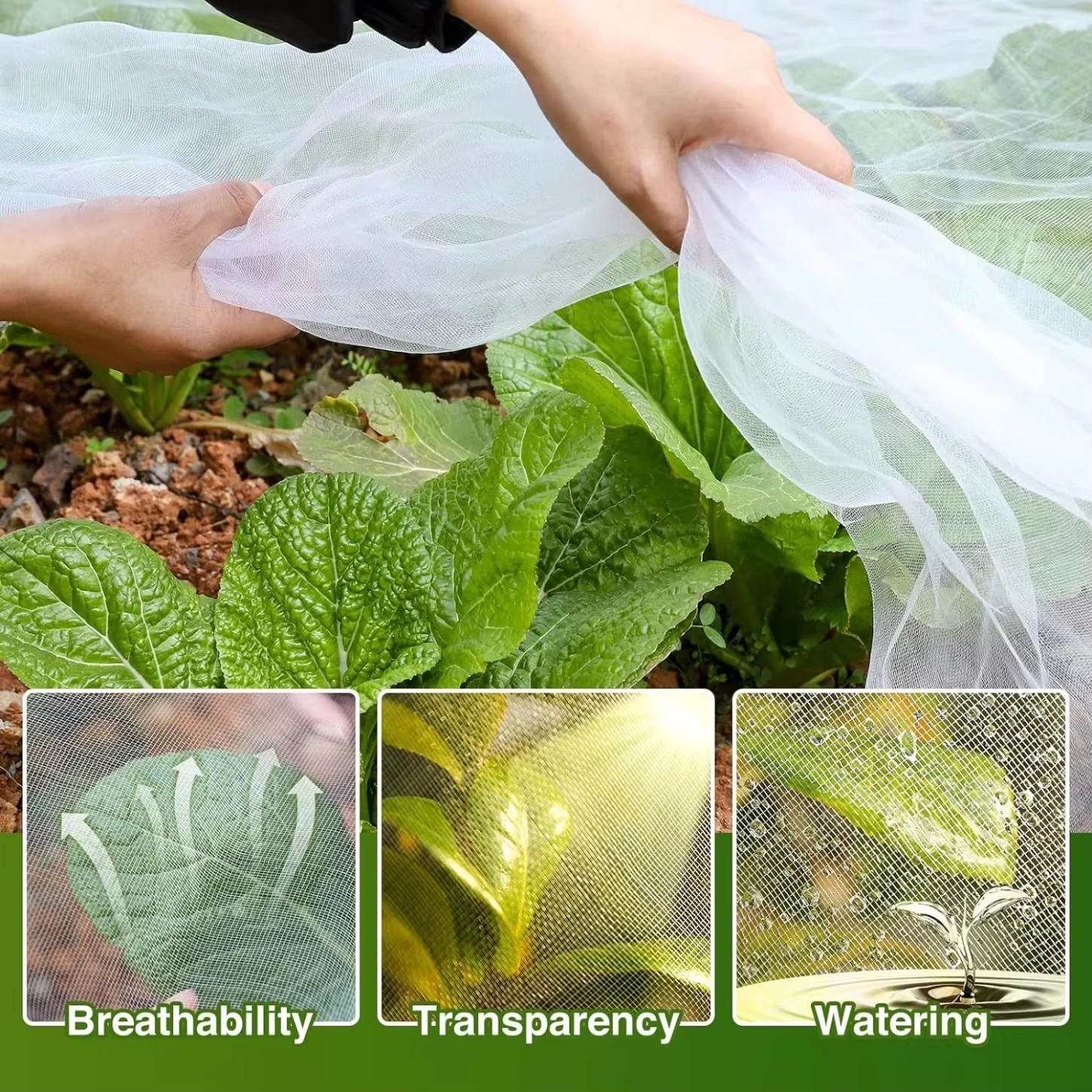
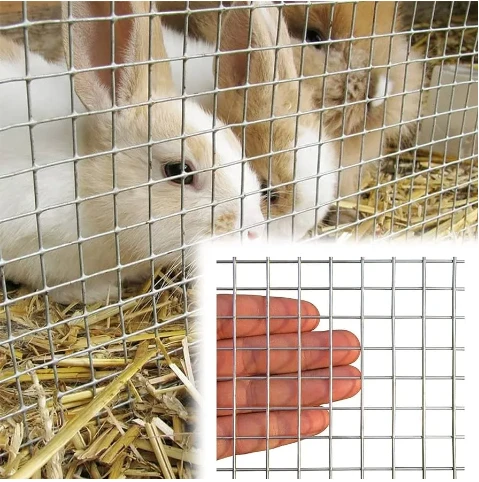
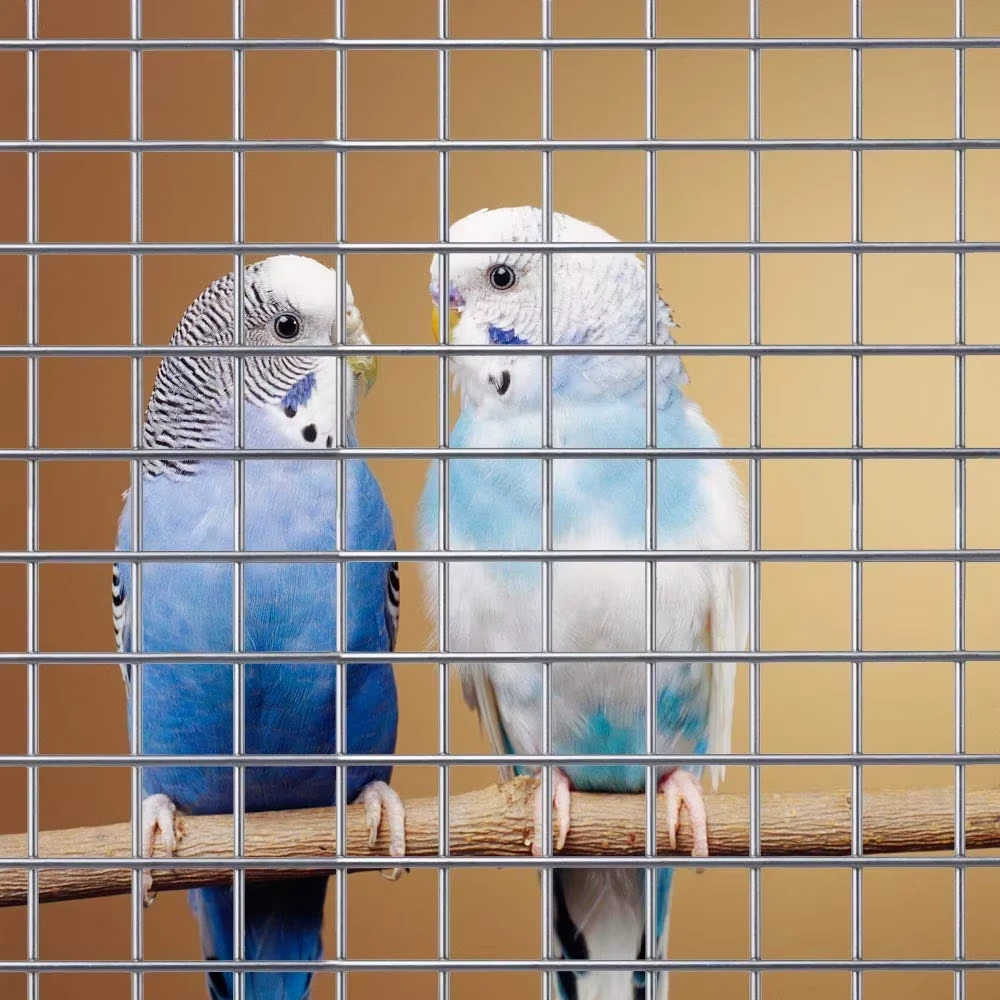
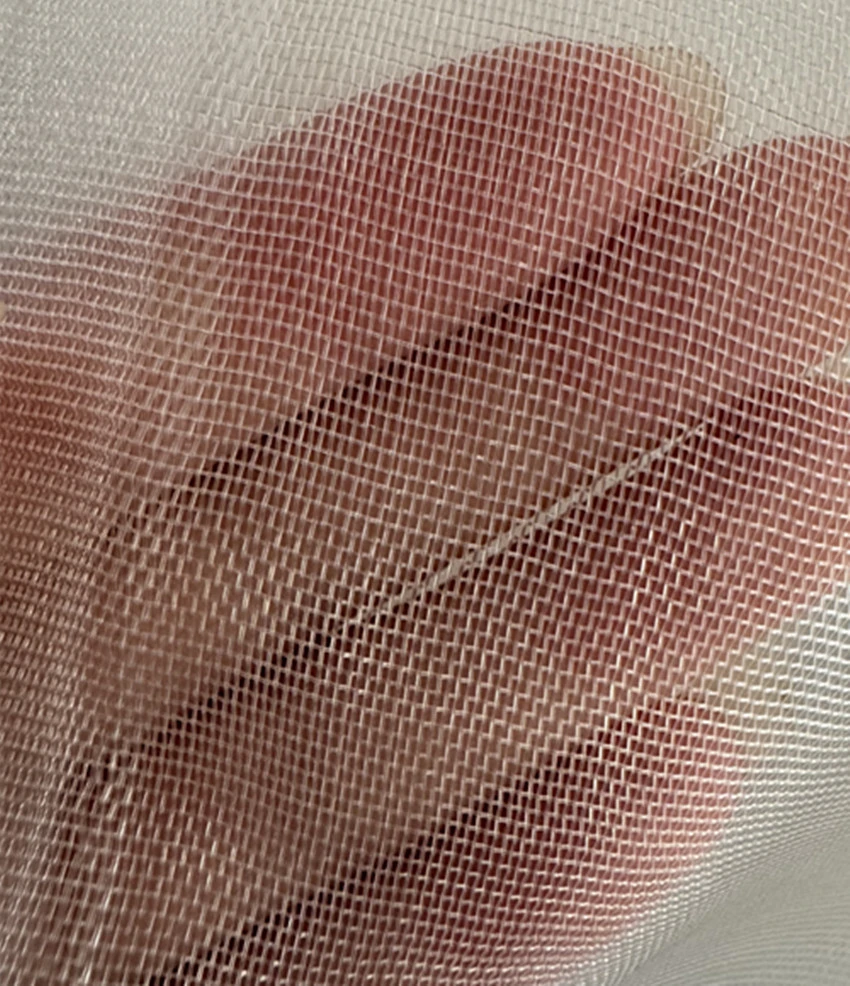
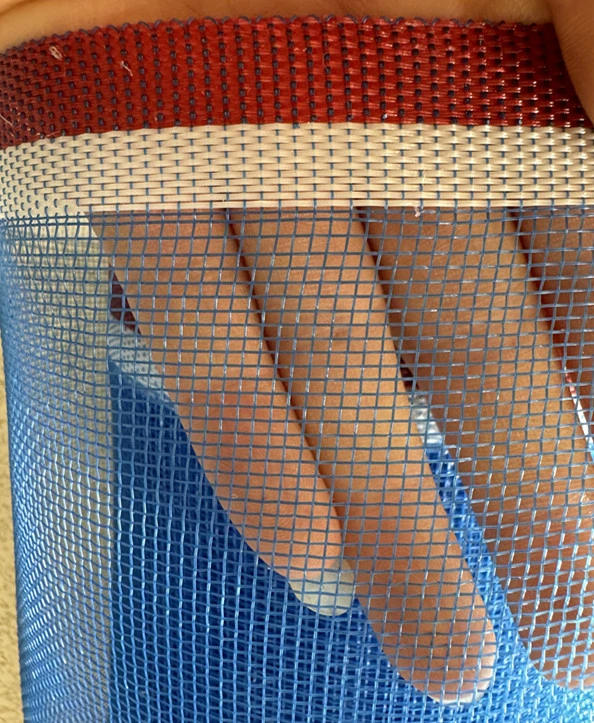
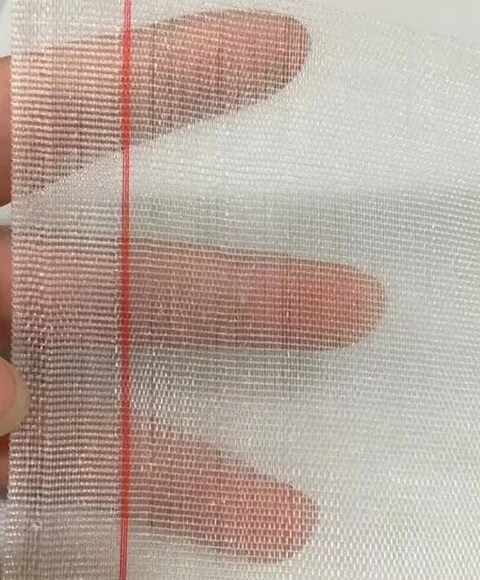
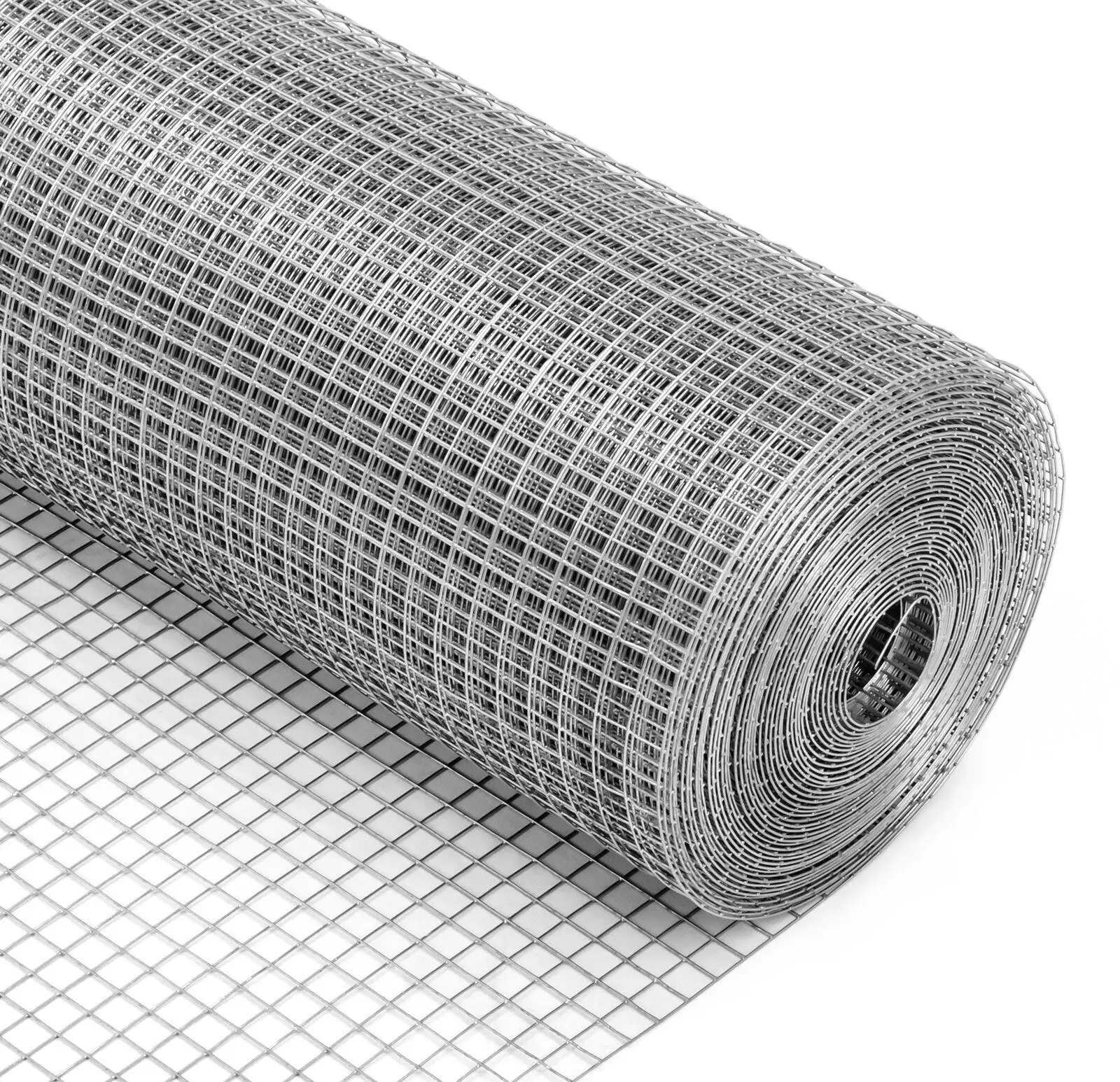
Several types of netting are suitable for squirrel control, each with its own advantages. Plastic netting is a common and affordable option, ideal for larger areas like gardens and fruit trees. Hardware cloth, a woven wire mesh, is a more durable choice, perfect for sealing off vents and gaps in structures. Bird netting, though designed for birds, can also deter squirrels due to its fine mesh size. Choosing the right netting depends on the specific application and the level of protection required. Consider the size of the area, the persistence of the squirrels, and the durability needed when making your selection. You can find a wide selection of netting options at YJ Wire Mesh.
Netting Options:
• Plastic Netting: Affordable, versatile for gardens.
• Hardware Cloth: Durable, ideal for structural openings.
• Bird Netting: Fine mesh, effective deterrent.
• Vinyl Coated Wire Mesh: Weather Resistant and Durable.
Netting to Keep Squirrels Out: A Comparison
Selecting the right netting isn’t simply about choosing a material. Factors like mesh size, durability, and cost all play a role. Here's a comparison to help you decide:
Installation Tips for Maximum Effectiveness
Proper installation is critical for ensuring the netting effectively keeps squirrels out. Secure the netting tightly to prevent squirrels from squeezing through gaps. Overlap the edges of the netting by several inches and secure them with zip ties, staples, or wire. Regularly inspect the netting for tears or weaknesses and make repairs promptly. Pay attention to potential entry points like vents, chimneys, and gaps in roofing. For large areas, consider using a frame to support the netting and prevent sagging. Consult resources at YJ Wire Mesh for expert advice on installation techniques.
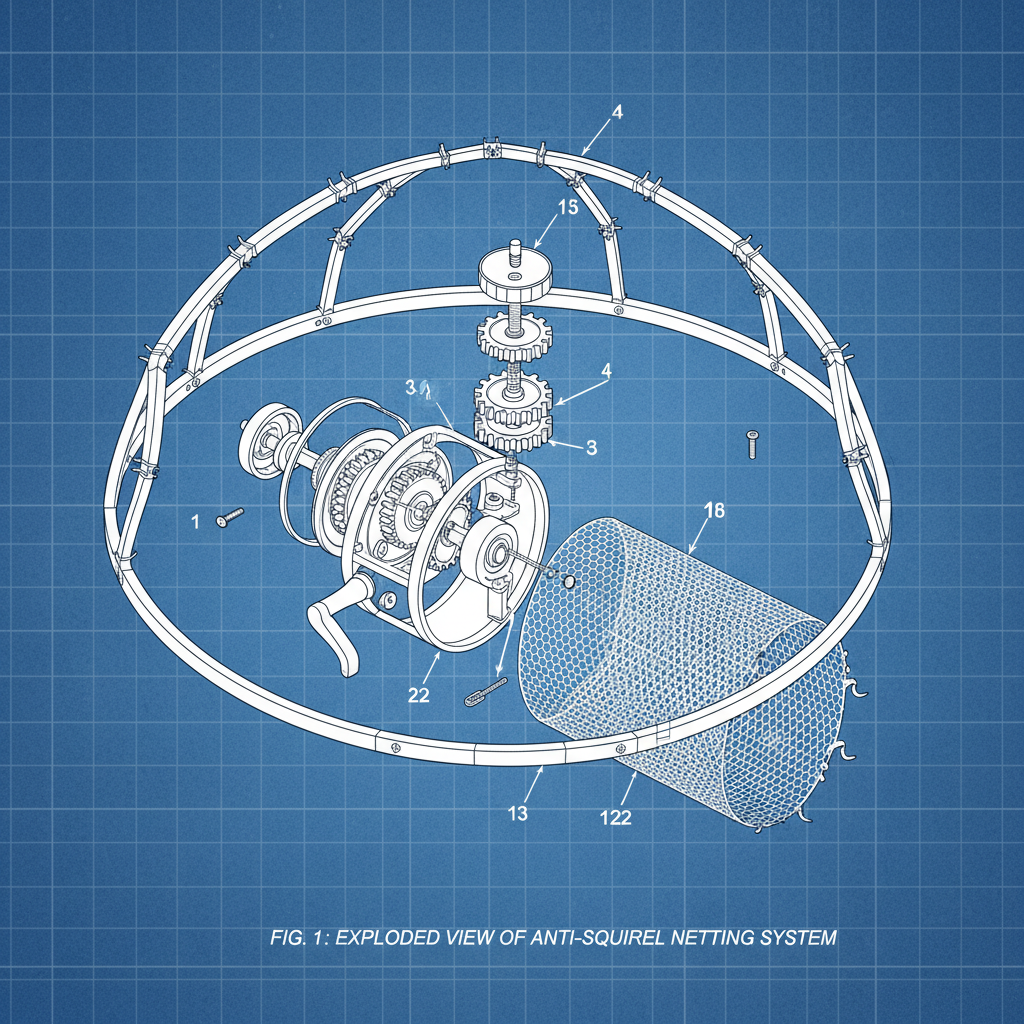
Long-Term Squirrel Control Strategies
While netting is an excellent preventative measure, combining it with other strategies can provide more comprehensive squirrel control. Remove food sources like bird feeders and fallen fruit. Trim tree branches that provide access to your roof. Seal any potential entry points into your home or attic. Consider using squirrel-repellent plants around your property. Regular monitoring and maintenance are essential for keeping squirrels at bay. Explore the range of netting and wire mesh solutions at YJ Wire Mesh to find the perfect fit for your needs.
Conclusion: Protect Your Property with Effective Netting
Using netting to keep squirrels out is a reliable and humane way to protect your property from these persistent pests. By choosing the right type of netting, installing it correctly, and combining it with other control strategies, you can effectively safeguard your home and garden. Don’t let squirrels cause damage – invest in effective netting solutions today.
Frequently Asked Questions (FAQs)
What is the best mesh size for keeping squirrels out?
For effective squirrel control, a mesh size of 1/2 inch or smaller is recommended. This prevents squirrels from squeezing through the openings. Hardware cloth with a 1/4 inch mesh is particularly effective, providing a robust barrier. Larger mesh sizes may allow squirrels to chew through or manipulate the netting to create openings. When selecting netting at YJ Wire Mesh, always check the mesh size to ensure it’s suitable for squirrel exclusion.
How long does netting typically last?
The lifespan of netting depends on the material and exposure to weather conditions. Plastic netting typically lasts 2-5 years, while hardware cloth can last 10 years or more. UV exposure can degrade plastic netting over time, making it brittle and less effective. Regularly inspect the netting for damage and replace it when necessary. Vinyl-coated wire mesh offers superior durability and can withstand harsh weather conditions.
Can squirrels chew through netting?
Yes, squirrels can chew through some types of netting, particularly plastic netting. However, hardware cloth and vinyl-coated wire mesh are much more resistant to chewing. Choose a durable netting material and ensure it’s securely fastened to prevent squirrels from gaining access. Regularly inspect the netting for any signs of chewing and make repairs immediately.
What areas should I focus on netting to keep squirrels out?
Focus on areas where squirrels are actively causing problems or where they’re likely to enter. This includes vents, attic openings, fruit trees, gardens, and any gaps in your home’s exterior. Inspect your property for potential entry points and seal them off with appropriate netting or wire mesh. Protecting vulnerable areas is key to preventing squirrel damage.
-
High Quality Anti Bird Agro Net for Professional Crop ProtectionNewsApr.16,2026
-
Guide to Bird Netting Cost Per Square Foot and Material OptionsNewsApr.09,2026
-
Comprehensive Guide to Bird Netting Cost Factors and Material ChoicesNewsApr.07,2026
-
Comprehensive Guide to Bird Net for Balcony Cost and Installation OptionsNewsApr.04,2026
-
Comprehensive Guide to Bird Netting Price and Effective Protection SolutionsNewsMar.31,2026
-
Comprehensive Guide to Nylon Bird Net Price Factors and OptionsNewsMar.28,2026