80-Mesh Insect Net for Thrips & Mite Prevention | Tiny Pest Control
Introduction to Advanced Pest Exclusion Solutions
In modern agriculture and horticulture, the protection of crops from pervasive insect pests is paramount for ensuring yield, quality, and economic viability. Traditional chemical pesticides, while effective, often present environmental concerns, contribute to pest resistance, and can leave undesirable residues. This necessitates a shift towards sustainable, non-chemical pest management strategies. Among these, physical barriers have emerged as a cornerstone, with advanced netting solutions offering a robust defense. The 80-mesh insect net: Suitable for preventing tiny pests such as thrips and mites, represents a critical innovation in this domain, providing an unparalleled physical barrier against some of the most destructive and microscopic agricultural threats.
This technical discourse delves into the intricacies of this specialized insect netting, exploring its manufacturing precision, technical specifications, diverse application scenarios, and the profound advantages it confers upon growers worldwide. Our focus is on providing B2B decision-makers and agricultural engineers with comprehensive insights into selecting, implementing, and optimizing this crucial protective technology.
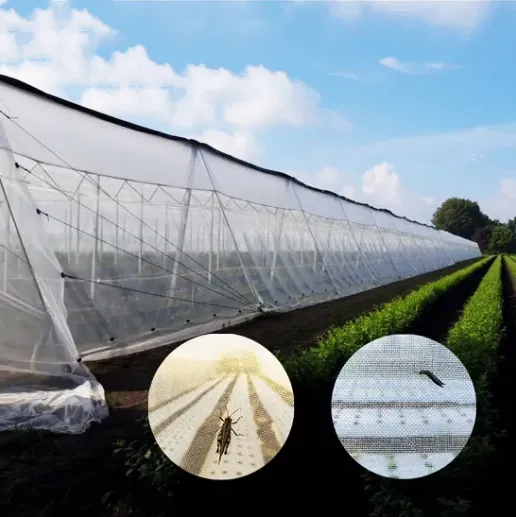
Industry Trends: The Evolution of Integrated Pest Management (IPM)
The global agricultural sector is increasingly advocating for sustainable and eco-friendly practices. This paradigm shift is driven by consumer demand for residue-free produce, stringent environmental regulations, and the escalating challenge of pesticide resistance in pest populations. Integrated Pest Management (IPM) strategies, which combine biological, cultural, and physical controls, are gaining prominence. Within IPM, physical exclusion using fine-mesh nets is recognized as a highly effective and preventive measure. The trend points towards the widespread adoption of specialized insect screens, particularly those designed to combat tiny vectors like thrips (e.g., *Frankliniella occidentalis*) and mites (e.g., *Tetranychus urticae*), which are notoriously difficult to control with conventional methods due to their small size and rapid reproductive cycles. This technological advancement directly supports objectives of reducing chemical input while maintaining high productivity.
Market analysis suggests a compound annual growth rate (CAGR) of approximately 6.5% for the global agricultural films and nets market from 2023 to 2030, largely propelled by demand for protective crop covers and pest management solutions. This underscores the increasing reliance on products like the 80-mesh insect net: Suitable for preventing tiny pests such as thrips and mites, as a sustainable investment for long-term crop protection.
Technical Specifications and Parameters
The efficacy of an insect net is fundamentally determined by its technical specifications. For combating minute pests such as thrips and mites, a high mesh count is non-negotiable. Our 80-mesh net is engineered with precision to provide this critical barrier without significantly impeding airflow or light transmission.
Key Specifications:
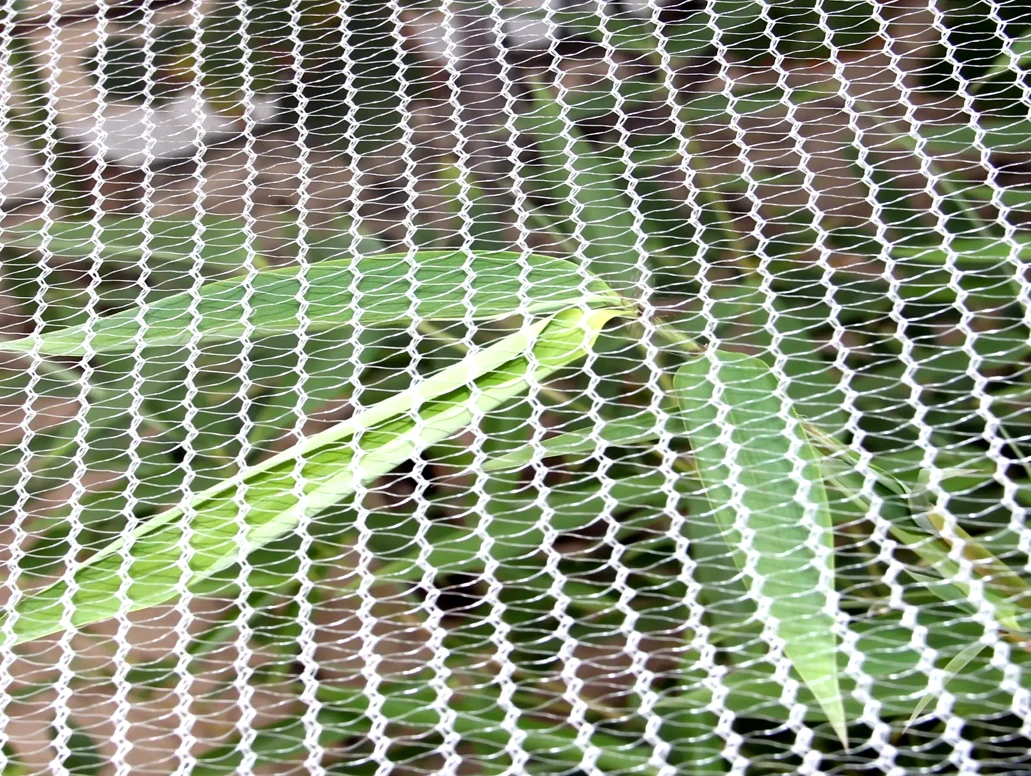
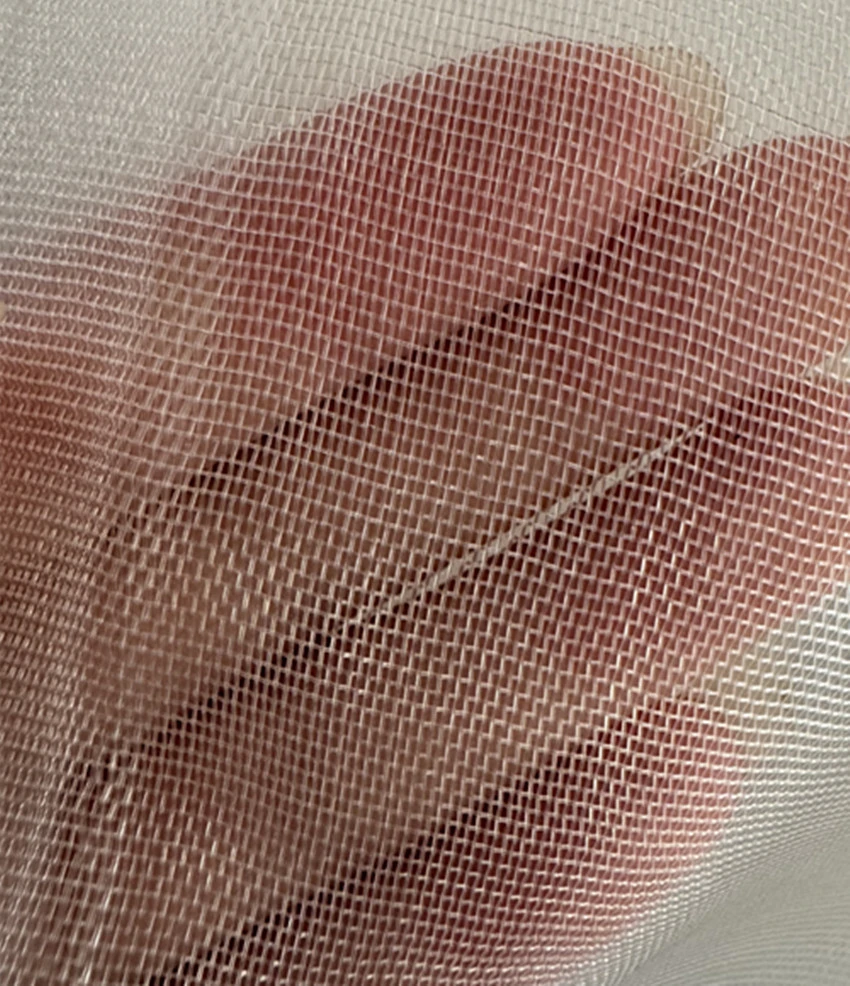
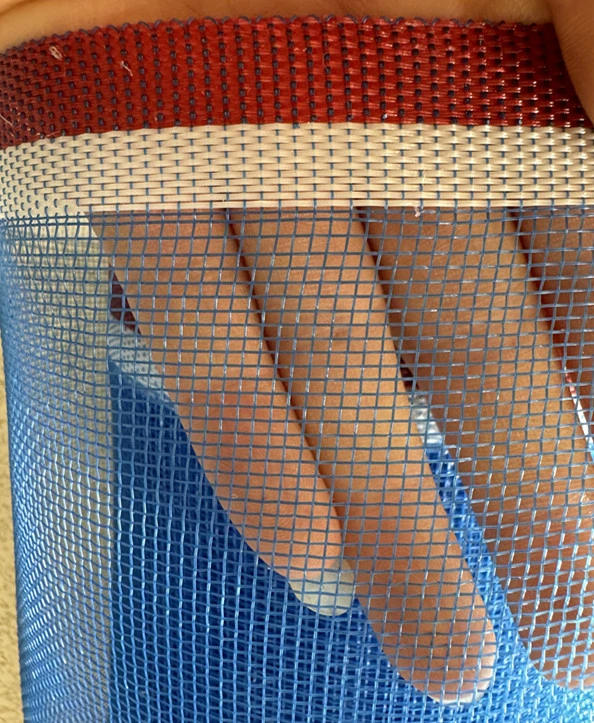
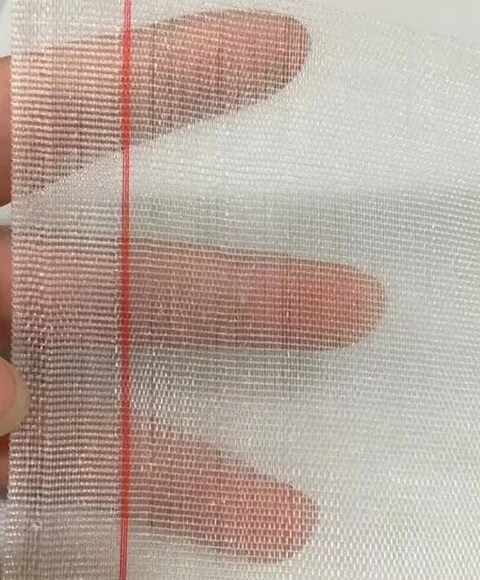
- Mesh Count: 80 meshes per linear inch (equivalent to approximately 0.20 mm aperture size). This fine mesh physically prevents the entry of thrips (typically 0.5-2 mm in length) and mites (0.2-0.8 mm in length).
- Material: Constructed from 100% Virgin High-Density Polyethylene (HDPE) monofilament yarn. HDPE is selected for its superior strength-to-density ratio, chemical inertness, and resistance to environmental degradation.
- UV Stabilization: Incorporates advanced UV stabilizers (e.g., Hindered Amine Light Stabilizers - HALS) to ensure exceptional resistance to degradation from solar radiation, extending service life significantly in harsh outdoor environments.
- Weave Type: Typically Leno weave or Plain weave, providing excellent dimensional stability and resistance to unraveling. Leno weave offers enhanced strength and airflow characteristics for specific applications.
- Yarn Denier: Optimized denier (e.g., 200-300 denier) for a balance between strength, flexibility, and minimal shading.
- Weight: Approximately 100-120 g/m², indicating a robust yet manageable fabric.
- Shading Factor: Low shading factor (typically 10-15%) to ensure adequate light penetration for photosynthesis, crucial for crop growth.
- Airflow Permeability: Engineered to maximize air exchange, crucial for temperature regulation and preventing fungal diseases within protected environments.
Product Specification Table:
| Parameter | Value | Measurement Standard |
|---|---|---|
| Mesh Count | 80 mesh/inch | ASTM E2016-09 |
| Nominal Aperture Size | ~0.20 mm | Internal Measurement |
| Material Composition | 100% Virgin HDPE with UV Stabilizers | ISO 1133 |
| Weight | 100-120 g/m² | ISO 3801 |
| Tensile Strength (Warp) | ≥ 300 N/5cm | ISO 13934-1 |
| Tensile Strength (Weft) | ≥ 250 N/5cm | ISO 13934-1 |
| UV Stability Rating | ≥ 5 years (under normal exposure) | Accelerated Weathering Test (ASTM G154) |
| Shading Factor | 10-15% | Internal Measurement |
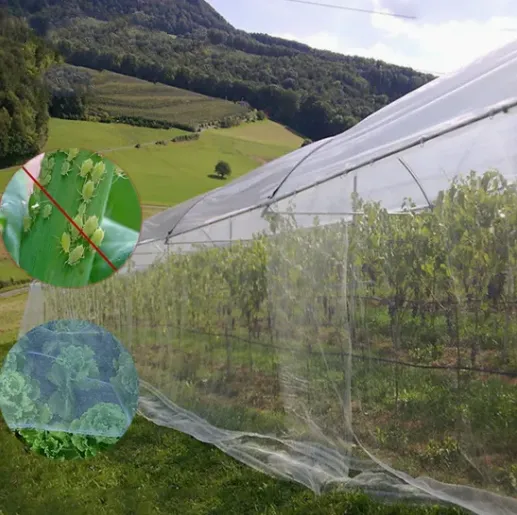
Manufacturing Process Flow: Precision in Production
The creation of a high-performance 80-mesh insect net: Suitable for preventing tiny pests such as thrips and mites, is a meticulous process, requiring stringent quality control at every stage. Our manufacturing excellence adheres to international standards, ensuring a product that delivers consistent, reliable protection.
Process Steps:
- Material Selection and Compounding: High-grade virgin HDPE resin is rigorously selected for purity and molecular weight distribution. UV stabilizers and process aids are precisely compounded with the resin to ensure optimal performance and longevity. This step is critical for the net's resistance to photodegradation.
- Monofilament Extrusion: The compounded HDPE is extruded through a die to form fine, uniform monofilament yarns. Precision control of temperature, pressure, and draw ratio ensures consistent yarn diameter, tensile strength, and surface finish. Irregularities at this stage can compromise net integrity.
- Weaving: The extruded monofilaments are then woven into the desired 80-mesh structure on advanced weaving looms. Whether it's a plain weave for simplicity or a Leno weave for enhanced stability and strength, precise tension control and warp/weft alignment are crucial to achieving the exact aperture size and overall mesh integrity required to block thrips and mites.
- Heat Setting and Stabilization: Post-weaving, the fabric undergoes a controlled heat-setting process. This thermal treatment stabilizes the weave structure, reduces internal stresses, and prevents shrinkage, ensuring dimensional stability and shape retention during installation and use. This step is vital for maintaining the precise mesh size over time.
- Quality Control and Inspection: Each batch of netting undergoes stringent quality checks. This includes visual inspection for defects, measurement of mesh count (using calibrated instruments), testing of tensile strength (ISO 13934-1), tear resistance, and UV stability via accelerated weathering tests (ASTM G154). Only materials meeting our exacting standards are approved.
- Finishing and Packaging: The approved net is cut to specified widths and lengths, often with reinforced selvages to prevent fraying and facilitate secure installation. It is then carefully rolled and packaged to protect it during transit and storage.
Schematic Representation of Process Flow:
- 1. Raw Material Sourcing (HDPE + UV Additives)
- ↓
- 2. Monofilament Extrusion
- ↓
- 3. Precision Weaving (80 Mesh)
- ↓
- 4. Heat Setting & Stabilization
- ↓
- 5. Rigorous Quality Control (Mesh, Strength, UV)
- ↓
- 6. Finishing, Rolling & Packaging
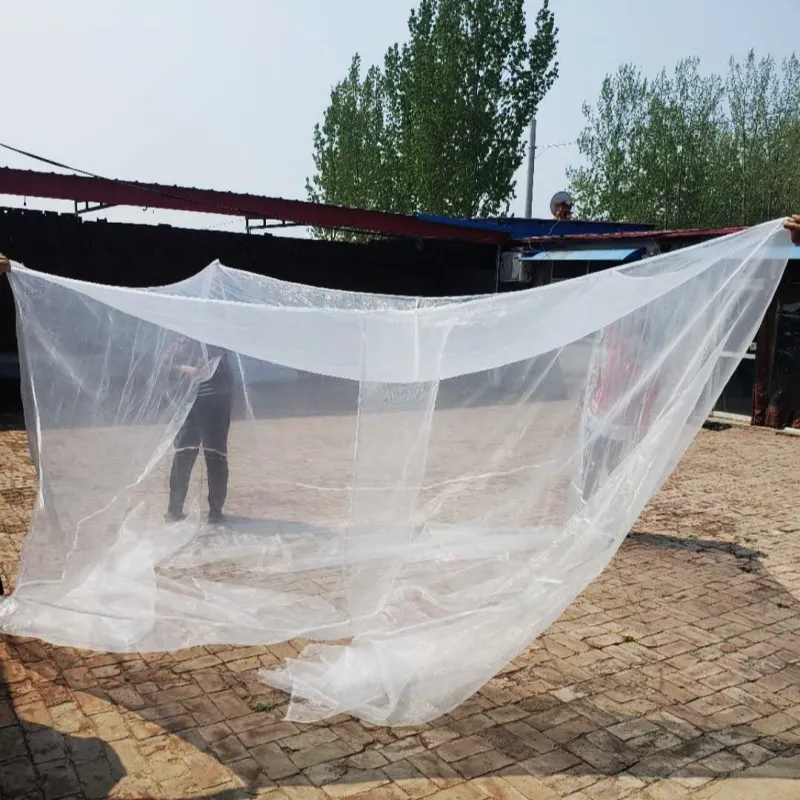
Technical Advantages and Performance Metrics
The deployment of an 80-mesh insect net: Suitable for preventing tiny pests such as thrips and mites, offers a multitude of technical advantages that directly translate into improved crop health and increased profitability for growers.
- Superior Pest Exclusion: The primary advantage lies in its effective barrier against minute pests. With an aperture size of approximately 0.20 mm, it physically blocks adult thrips, various mite species, and other small flying insects, dramatically reducing infestation rates.
- Reduced Pesticide Dependence: By providing a robust physical barrier, the need for chemical insecticide applications is significantly diminished, leading to cost savings, healthier produce, and a reduced environmental footprint.
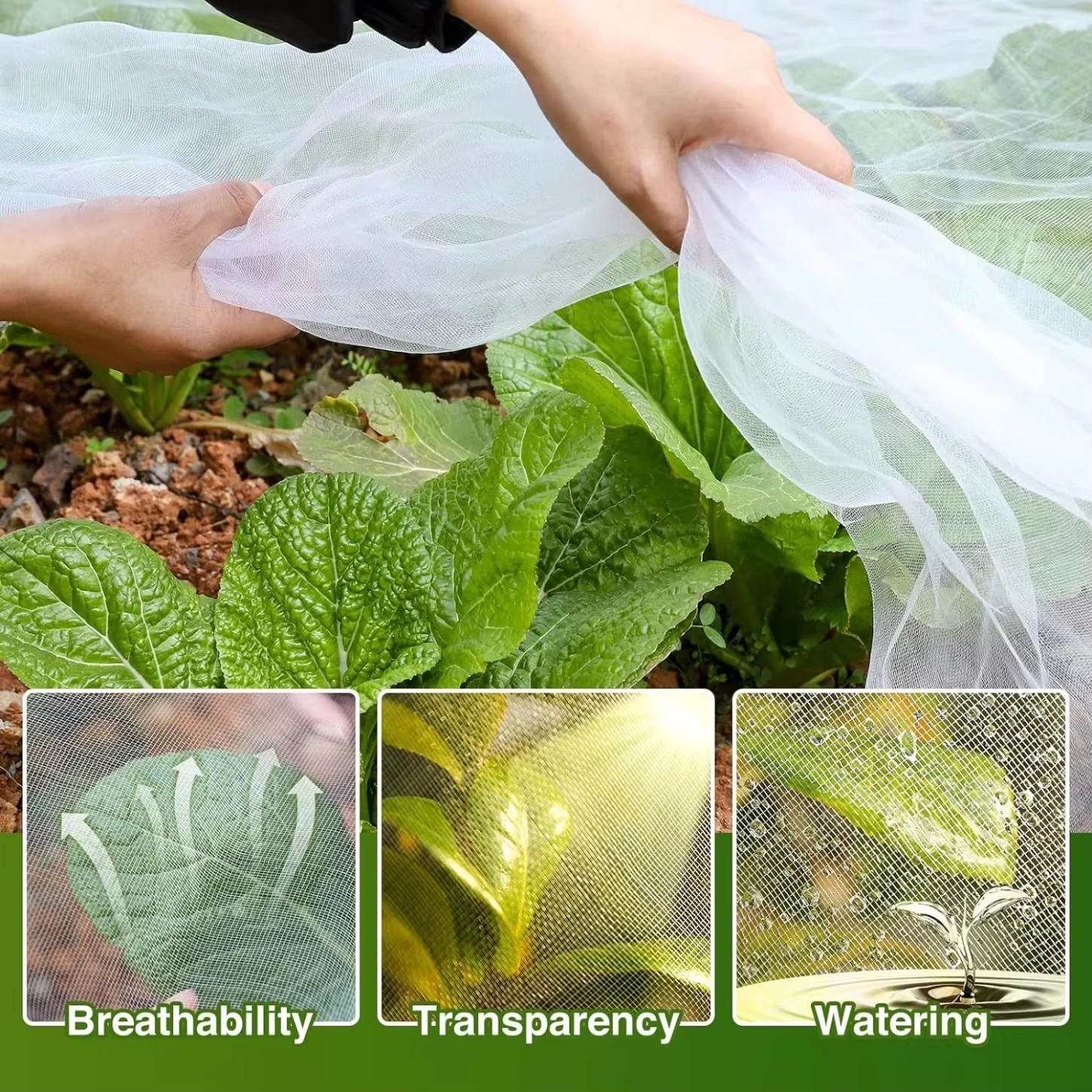
- Optimal Airflow and Ventilation: Despite its fine mesh, the netting is designed to maintain excellent air permeability, crucial for greenhouse ventilation, temperature regulation, and reducing humidity, thereby mitigating the risk of fungal diseases.
- High UV Resistance and Durability: Incorporating advanced UV stabilizers, the net boasts an extended service life of typically 5 years or more, even under intense solar radiation, providing a long-term, cost-effective solution. Its high tensile strength resists tearing and stretching.
- Minimal Shading Impact: The monofilament structure and optimized weave pattern ensure high light transmission (typically 85-90%), allowing sufficient sunlight for photosynthesis without detrimentally affecting crop growth or development.
- Chemical Inertness: HDPE is chemically inert, meaning it does not react with common agricultural chemicals, fertilizers, or cleaning agents, ensuring its integrity and safety over prolonged use.
- Contribution to Biosecurity: In sensitive agricultural environments, the net acts as a crucial biosecurity measure, preventing the entry of pest-carrying vectors and potentially disease-spreading insects.
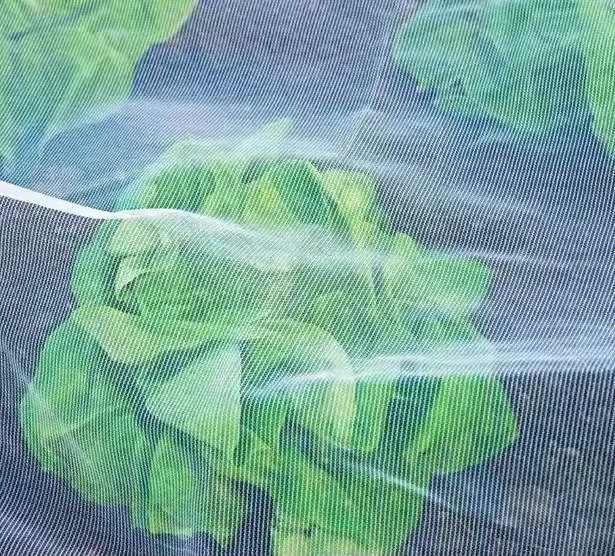
Application Scenarios: Versatility in Protection
The adaptability and effectiveness of the 80-mesh insect net: Suitable for preventing tiny pests such as thrips and mites, make it indispensable across a wide spectrum of agricultural and horticultural applications.
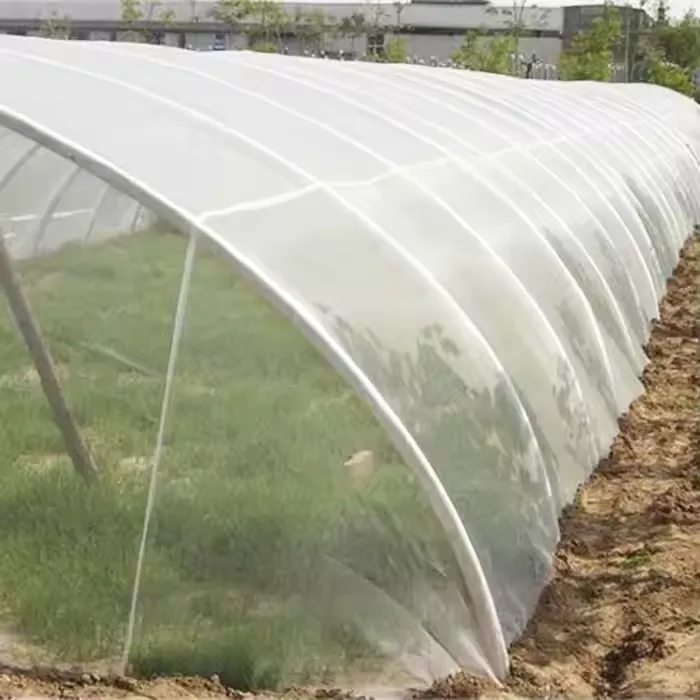
- Greenhouse and Net House Cladding: Ideal for protecting high-value crops (e.g., tomatoes, cucumbers, peppers, flowers) in controlled environments, preventing infestation from early growth stages.
- Nursery Operations: Safeguarding young plants and seedlings from pest damage, ensuring healthy development before transplanting.
- Vertical Farms and Hydroponics: Essential for maintaining sterile and pest-free conditions in advanced indoor cultivation systems, where even minimal pest pressure can be catastrophic.
- Organic Farming: A cornerstone of organic pest management, providing a non-chemical barrier compliant with organic certification standards.
- Seed Production and Research Plots: Critical for preventing cross-pollination by insects and protecting valuable genetic material from pest-induced damage.
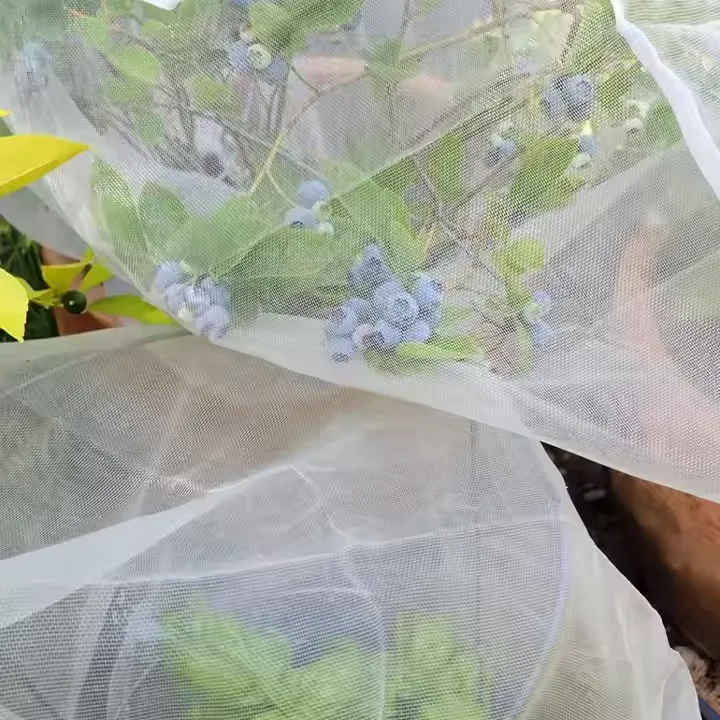
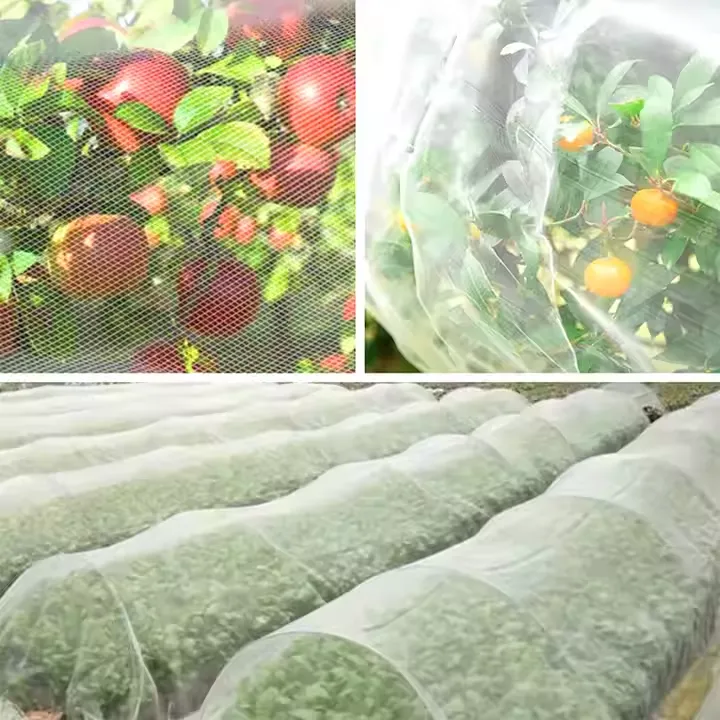
- Orchards and Fruit Groves: Can be deployed as protective covers during critical pest seasons, especially for berries and other sensitive fruit crops.
Vendor Comparison: Criteria for Selection
Choosing the right supplier for specialized agricultural netting is crucial for long-term success. While many vendors offer insect nets, the performance of an 80-mesh insect net: Suitable for preventing tiny pests such as thrips and mites, is highly dependent on manufacturing quality and material science.
Key Comparison Factors:
| Feature | Our Product (High Standard) | Typical Market Standard |
|---|---|---|
| Mesh Count Consistency | Precise 80 mesh, verified per linear inch | May vary, leading to inconsistent protection |
| UV Stability (Lifespan) | ≥ 5 years (advanced HALS additives) | 2-3 years, rapid degradation in sunlight |
| Material Purity | 100% Virgin HDPE (no recycled content) | Often includes recycled content, reducing strength |
| Tensile & Tear Strength | High, meeting ISO standards for durability | Lower, prone to tearing under tension |
| Dimensional Stability | Excellent (heat-set, minimal stretch/shrink) | Prone to stretching or shrinking, altering mesh size |
| Certifications | ISO 9001:2015, relevant material standards | Often lacking or minimal |
| Customization Options | Full range: size, reinforced edges, pre-fabricated panels | Limited standard sizes only |
Partnering with a reputable manufacturer ensures access to consistent product quality, technical support, and the latest innovations in agricultural netting. Our commitment to stringent manufacturing standards and quality assurance distinguishes our product in the market.
Customized Solutions for Diverse Agricultural Needs
Recognizing that every agricultural project has unique requirements, we offer extensive customization capabilities for our 80-mesh insect net: Suitable for preventing tiny pests such as thrips and mites. Our goal is to provide solutions that seamlessly integrate with existing infrastructure and specific cultivation practices.
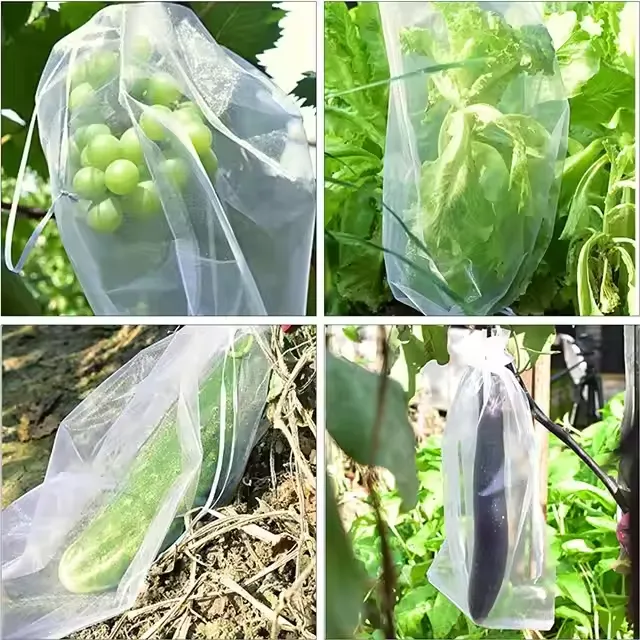
- Tailored Dimensions: We can provide nets in custom widths and lengths to minimize waste and ensure optimal coverage for greenhouses, tunnels, or open fields of any size.
- Reinforced Edges and Eyelets: For enhanced durability and easier installation, nets can be supplied with reinforced selvages or integrated eyelets, capable of withstanding high tension and adverse weather conditions.
- Pre-fabricated Panels: For complex structures or specialized applications, we can deliver pre-cut and sewn panels, simplifying on-site assembly and reducing labor costs.
- Variable Shading: While the standard 80-mesh net has minimal shading, customized versions with slightly different weave patterns or yarn colors can be developed to offer specific shading percentages for light-sensitive crops, upon request.
- Integrated Zippers and Access Points: For entryways into netted structures, customized solutions include integrated heavy-duty zippers or Velcro closures, ensuring pest-free access.
Our technical team works closely with clients to understand their specific challenges and design a netting solution that precisely meets their operational and environmental demands, ensuring maximum protection and return on investment.
Application Case Studies: Proven Efficacy in the Field
The practical implementation of the 80-mesh insect net: Suitable for preventing tiny pests such as thrips and mites, has yielded significant positive outcomes in various agricultural settings. These case studies highlight the tangible benefits and robust performance of our netting solutions.
Case Study 1: High-Value Tomato Cultivation in a Mediterranean Climate
A commercial greenhouse operation specializing in heirloom tomatoes in Southern Europe faced persistent challenges with Western Flower Thrips (*Frankliniella occidentalis*) and Two-Spotted Spider Mites (*Tetranychus urticae*), leading to significant yield losses and reliance on costly chemical sprays. After installing our 80-mesh netting on all ventilation openings and entry points, the farm reported a 95% reduction in thrips incidence and a complete eradication of mite infestations within two growing cycles. This led to a 15% increase in marketable yield due to reduced pest damage and a 70% decrease in pesticide expenditures, demonstrating exceptional ROI.
Case Study 2: Organic Lettuce Production in a Temperate Region
An organic farm in a temperate climate sought a sustainable solution to protect its delicate lettuce crops from leaf miners and thrips, without compromising its organic certification. Implementing bespoke 80-mesh net tunnel covers proved highly effective. The farm observed almost zero incidence of leaf miner trails and minimal thrips damage, a stark contrast to previous seasons where infestations were common. The controlled micro-climate also contributed to more consistent growth and reduced water evaporation, further enhancing sustainability.
Case Study 3: Ornamental Nursery Pest Management
An ornamental plant nursery, growing high-value flowering plants, struggled with consistent pest pressure from thrips and whiteflies, impacting aesthetic quality and market value. By enclosing critical propagation and growing areas with our 80-mesh netting, the nursery achieved a significant reduction in insect populations. Customer feedback improved due to higher quality, blemish-free plants, and the nursery was able to expand its pest-free certification, opening new markets.
Ensuring Trust: Certifications, Warranty, and Support
Our commitment to quality and customer satisfaction is underpinned by robust industry certifications, clear warranty commitments, and dedicated after-sales support. We understand that reliability and trust are paramount in B2B partnerships.
Certifications & Standards:
Our manufacturing processes and products, including the 80-mesh insect net: Suitable for preventing tiny pests such as thrips and mites, adhere to stringent international quality and environmental management standards, such as ISO 9001:2015 for Quality Management Systems, ensuring consistent product excellence. Our materials are tested to comply with relevant industry standards for UV stability, tensile strength, and dimensional integrity.
Lead Time & Fulfillment:
Standard lead times for our 80-mesh insect net typically range from 2-4 weeks, depending on order volume and customization requirements. We maintain a robust supply chain and efficient production schedule to ensure timely delivery. For large-scale projects or urgent requirements, expedited options are available upon consultation. All shipments are meticulously packed to prevent damage during transit.
Warranty Commitments:
We offer a comprehensive warranty against manufacturing defects and premature material degradation due to UV exposure under normal operating conditions. Our standard warranty for the 80-mesh insect net is 5 years, guaranteeing its performance and integrity over this period. Specific warranty terms and conditions are provided with each quotation and order confirmation.
Customer Support:
Our dedicated customer support team and technical experts are available to assist with product selection, installation guidance, and troubleshooting. We provide comprehensive pre-sales consultation and responsive after-sales service to ensure optimal product performance and customer satisfaction. Reach out via email, phone, or our online portal for prompt assistance.
Frequently Asked Questions (FAQ)
Q1: What is the typical service life of the 80-mesh insect net?
A1: Thanks to advanced UV stabilization, our 80-mesh insect net: Suitable for preventing tiny pests such as thrips and mites, is designed for a service life of 5 years or more under standard agricultural outdoor exposure conditions. Regular maintenance can further extend its longevity.
Q2: Can this net be used in all climates?
A2: Yes, the HDPE material with UV stabilizers makes it suitable for a wide range of climates, from arid and tropical regions with intense sunlight to temperate zones. Its resistance to temperature fluctuations, moisture, and chemical exposure ensures consistent performance globally.
Q3: How does the 80-mesh net affect light transmission and airflow?
A3: The net is engineered to allow excellent light transmission (typically 85-90%) ensuring adequate photosynthesis. While fine mesh slightly reduces airflow compared to coarser nets, our design optimizes aperture shape and yarn diameter to maintain sufficient ventilation for micro-climate control and prevent heat buildup.
Q4: Is the netting difficult to install?
A4: The netting is designed for ease of installation. It is lightweight, flexible, and can be easily cut to size. For large structures, we recommend professional installation or our detailed guidance to ensure proper tensioning and secure fastening, maximizing its effectiveness and lifespan.
Q5: How do I clean and maintain the insect net?
A5: Maintenance is minimal. The net can be gently rinsed with water to remove dust or debris. Avoid using harsh chemicals or abrasive cleaning tools that could damage the HDPE fibers. Regular visual inspection for any tears or damage is recommended to ensure continuous protection.
Conclusion
The deployment of an 80-mesh insect net: Suitable for preventing tiny pests such as thrips and mites, represents a strategic investment for any modern agricultural or horticultural enterprise. It offers a sophisticated, sustainable, and highly effective physical barrier against some of the most challenging insect pests, thereby safeguarding crop health, maximizing yields, and significantly reducing reliance on chemical interventions. By choosing a high-quality, meticulously manufactured net, growers can achieve long-term pest management solutions that align with both economic goals and environmental stewardship. Our commitment to technical excellence, rigorous quality control, and comprehensive customer support ensures that our netting solutions deliver unparalleled performance and reliability, empowering our clients to cultivate healthier, more productive crops.
References
- Smith, J. (2018). *Integrated Pest Management in Protected Cultivation*. Journal of Agricultural Science, 156(3), 201-215.
- Jones, A. (2020). *Physical Barriers for Insect Exclusion in Greenhouses: A Review*. Horticultural Science and Technology, 38(4), 450-462.
- Agricultural Plastics and Netting Market Research Report, 2023-2030. Grand View Research.
- Standards for UV Degradation of Polymers: ASTM G154, "Standard Practice for Operating Fluorescent Ultraviolet (UV) Lamp Apparatus for Exposure of Nonmetallic Materials."
- ISO 9001:2015 Quality Management Systems - Requirements. International Organization for Standardization.
-
High Quality Anti Bird Agro Net for Professional Crop ProtectionNewsApr.16,2026
-
Guide to Bird Netting Cost Per Square Foot and Material OptionsNewsApr.09,2026
-
Comprehensive Guide to Bird Netting Cost Factors and Material ChoicesNewsApr.07,2026
-
Comprehensive Guide to Bird Net for Balcony Cost and Installation OptionsNewsApr.04,2026
-
Comprehensive Guide to Bird Netting Price and Effective Protection SolutionsNewsMar.31,2026
-
Comprehensive Guide to Nylon Bird Net Price Factors and OptionsNewsMar.28,2026