Premium Bird Mesh Netting: Protect Gardens & Crops
Strategic Avian Exclusion: Understanding Advanced bird mesh Solutions
In diverse sectors ranging from agriculture and aquaculture to urban infrastructure and solar energy, the imperative to manage avian populations humanely and effectively has led to the widespread adoption of bird mesh technology. This comprehensive article delves into the intricacies of modern bird mesh, specifically focusing on the advanced capabilities of the 7 x 50 Feet Heavy Duty Bird Netting Protective Garden Netting. Beyond its primary role in safeguarding crops and structures, we will explore the evolving industry trends, the precise technical specifications, and the manifold application scenarios that underscore its criticality in contemporary operations. Understanding the manufacturing processes, quality benchmarks, and the inherent advantages of sophisticated bird mesh solutions is crucial for B2B decision-makers seeking sustainable and cost-effective avian control strategies.
The global market for pest control, encompassing avian management, is projected to grow significantly, driven by increasing agricultural losses due to wildlife, stringent health and safety regulations, and the rising demand for humane deterrence methods. According to industry reports, agricultural losses attributed to bird damage can range from 5% to 25% of total yield, translating into billions of dollars annually. This economic impact underscores the vital role of robust bird mesh systems. Moreover, the shift towards organic farming and sustainable practices necessitates non-chemical solutions like physical exclusion barriers. The trend is moving towards more durable, UV-stabilized, and application-specific netting materials that offer extended service life and enhanced performance under various environmental conditions. Our featured product, designed for heavy-duty applications, exemplifies this trend, providing a resilient barrier against avian intrusion while maintaining optimal light penetration and airflow essential for healthy growth.
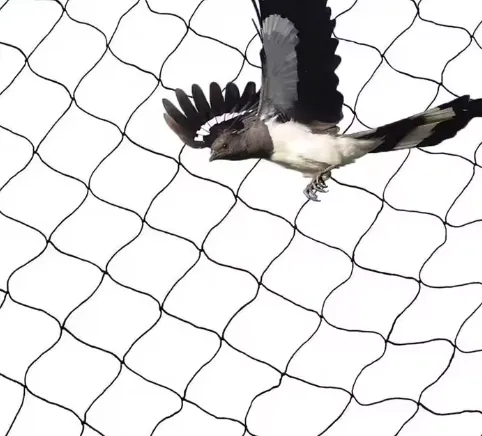
Unveiling the Manufacturing Excellence: The Bird Mesh Process Flow
The production of high-performance bird mesh, particularly for demanding applications like the 7 x 50 Feet Heavy Duty Bird Netting Protective Garden Netting, involves a sophisticated multi-stage process designed to ensure durability, strength, and longevity. Unlike traditional metal processing techniques such as casting or forging, modern synthetic mesh relies on advanced polymer engineering and textile manufacturing. The primary material typically utilized is High-Density Polyethylene (HDPE), chosen for its exceptional strength-to-weight ratio, resistance to chemicals, and inherent flexibility. Polypropylene (PP) and Nylon are also used for specific applications, each offering distinct advantages in terms of tensile strength and abrasion resistance.
Detailed Manufacturing Process:
- Raw Material Selection and Preparation: High-grade virgin HDPE pellets are meticulously selected. Crucially, UV stabilizers, anti-oxidants, and other performance additives are compounded with the polymer during this stage. These additives are vital for preventing degradation from solar radiation, which is a primary cause of material breakdown in outdoor applications, significantly extending the mesh's service life.
- Extrusion of Monofilaments: The compounded polymer blend is fed into an extruder, where it is melted and forced through a die to create continuous, uniform monofilaments. The diameter and consistency of these filaments are precisely controlled to ensure the final mesh's tensile strength and dimensional stability.
- Weaving or Knitting Process: Depending on the desired mesh structure and strength profile, the monofilaments are either woven or knitted.
- Woven Mesh: Offers high dimensional stability and strength, typically creating a rigid, uniform grid pattern. It's often used for heavy-duty applications where a more robust barrier is required.
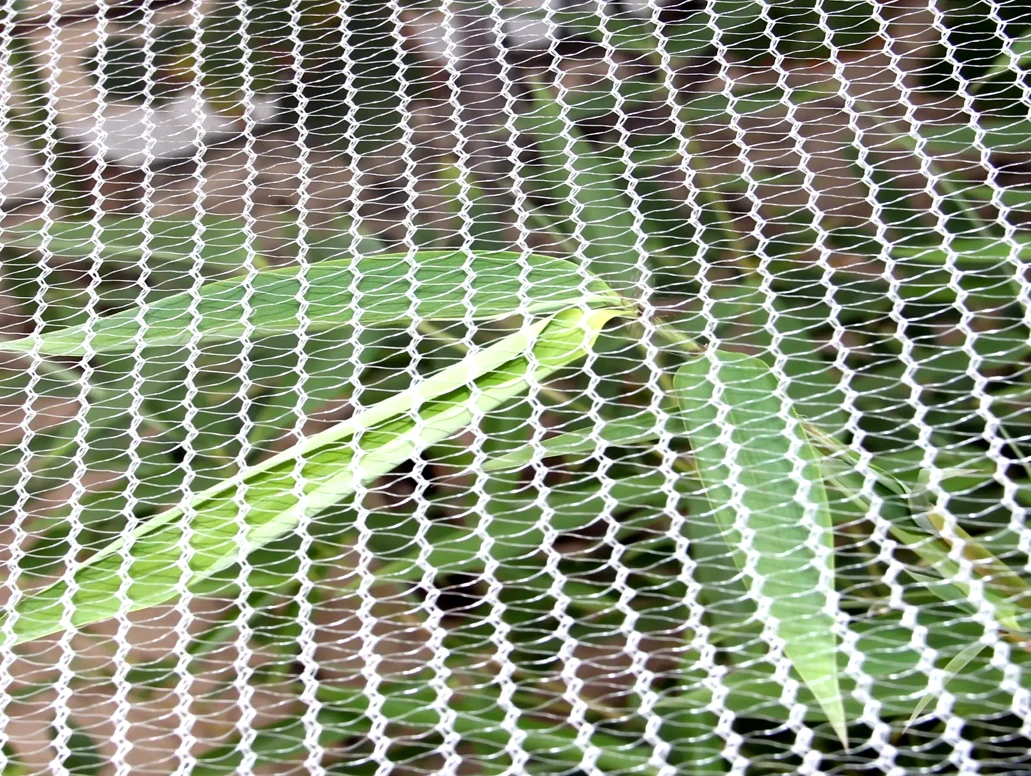
- Knitted Mesh: Provides greater flexibility and elasticity, making it more adaptable to irregular shapes and less prone to unraveling if cut. This is common for garden netting where flexibility for draping over plants is an advantage. Our product, being a "protective garden netting," likely utilizes advanced knitting or a combination for optimal performance.
- Heat Setting and Stretching: After weaving or knitting, the mesh undergoes a heat-setting process. This involves heating the material to a specific temperature and then stretching it to align the polymer chains. This critical step enhances the mesh's tensile strength, reduces shrinkage, and improves dimensional stability under varying temperatures, ensuring the mesh retains its shape and integrity over time.
- Quality Control and Inspection: Throughout the entire process, rigorous quality control measures are implemented. This includes:
- Mesh Size Verification: Ensuring the mesh opening is consistent and meets specifications to effectively exclude target avian species while allowing beneficial insects or airflow.
- Tensile Strength Testing: Samples are subjected to ASTM D5034 or ISO 13934-1 standards to verify breaking strength and elongation properties, guaranteeing resistance to tearing and stress.
- UV Resistance Testing: Accelerated weathering tests (e.g., ASTM G154, ISO 4892) simulate prolonged sun exposure to confirm the effectiveness of UV stabilizers, predicting the product's lifespan in harsh outdoor environments.
- Visual and Dimensional Inspection: Checking for defects, uniform color, and accurate dimensions (e.g., the 7 x 50 feet specification).
- Finishing and Packaging: The finished net for birds is cut to specified dimensions, reinforced along edges if necessary, and carefully packaged for distribution.
The commitment to these precise manufacturing processes, coupled with adherence to international standards like ISO 9001 for quality management and relevant ASTM standards for material testing, guarantees a superior product. The inherent advantages of this carefully engineered bird in net solution include exceptional durability (often exceeding 5-7 years even under direct sunlight), optimal light transmission for crop photosynthesis, breathability to prevent heat buildup and fungal growth, eco-friendliness due to its non-toxic nature, and overall cost-effectiveness given its long service life and minimal maintenance requirements.
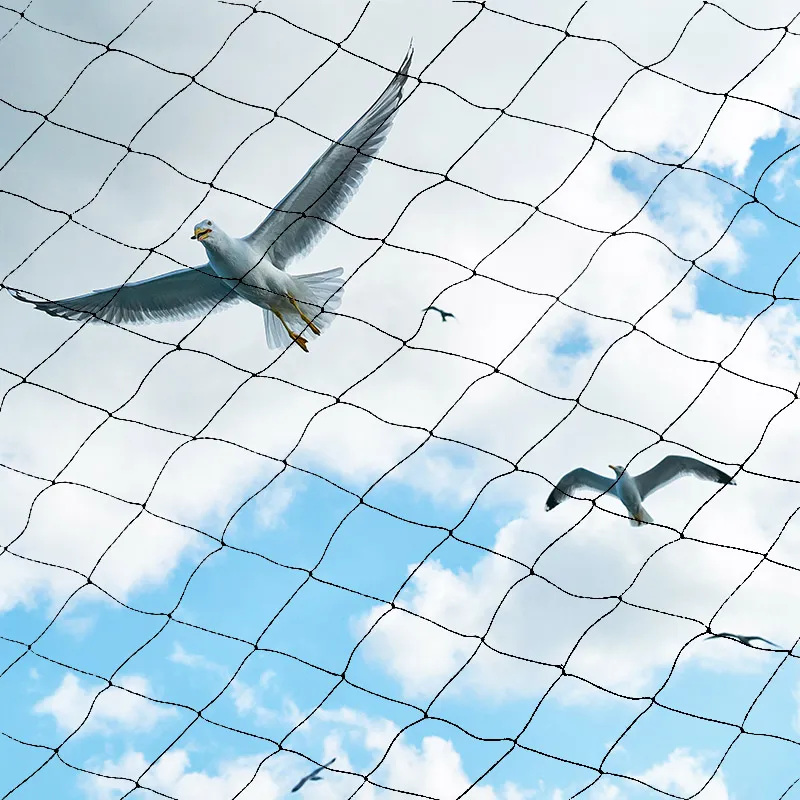
Technical Parameters and Specifications of Advanced Bird Mesh Solutions
Understanding the precise technical parameters of bird mesh is paramount for B2B procurement and engineering teams to select the most appropriate solution for their specific application. These specifications directly correlate with the mesh's performance, durability, and cost-effectiveness. The 7 x 50 Feet Heavy Duty Bird Netting Protective Garden Netting is engineered to meet rigorous performance criteria, making it a reliable choice for commercial and large-scale agricultural operations. Below is a detailed table outlining key product specifications, followed by an explanation of their significance.
Product Specification Table: 7 x 50 Feet Heavy Duty Bird Netting Protective Garden Netting
These specifications are not merely numbers; they represent the engineering integrity behind a high-performing net for birds. For instance, the mesh size is a critical determinant of effectiveness against specific avian species, ensuring that larger pest birds are excluded while smaller beneficial insects like bees can still access crops for pollination. The UV resistance lifetime is a key economic factor, guaranteeing that the investment yields returns over multiple seasons without premature replacement. Our focus on transparent, verifiable parameters provides B2B clients with the confidence to make informed purchasing decisions.
Diverse Applications: Where Bird Mesh Makes a Difference
The versatility of modern bird mesh extends its utility far beyond traditional agricultural settings. Its ability to create an impenetrable yet humane barrier makes it indispensable across a spectrum of industries requiring effective avian exclusion. The 7 x 50 Feet Heavy Duty Bird Netting Protective Garden Netting, while marketed for gardens, exemplifies the core protective capabilities applicable to larger industrial and commercial contexts.
Primary Application Sectors:
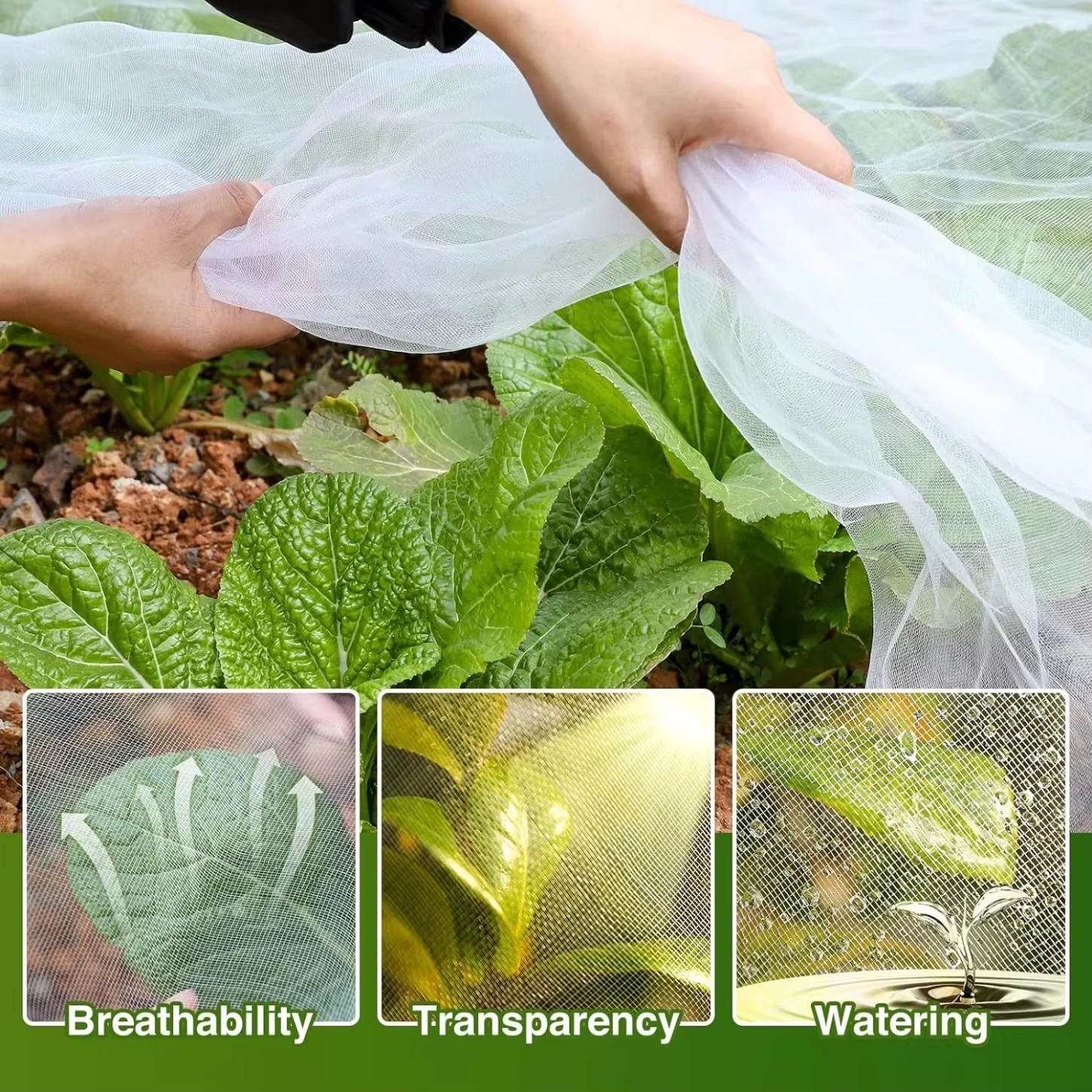
- Agriculture and Horticulture: This is the most prevalent application, where bird mesh safeguards valuable crops such as berries, grapes, cherries, and other fruits from devastating bird damage. It’s also used to protect seedlings, vegetable gardens, and newly planted areas. By preventing birds from pecking at ripening produce, the mesh ensures higher yields, reduces crop loss, and maintains product quality, directly impacting profitability. For example, a single flock of starlings can decimate an entire berry field in hours. The net for birds acts as a physical barrier, eliminating the need for chemical deterrents or noisemakers that might be disruptive or harmful to the environment.
- Aquaculture (Fish Farms): In commercial fish and shrimp farms, predatory birds like herons, cormorants, and gulls pose a significant threat, leading to substantial stock losses. Robust bird mesh, often installed as overhead netting, provides an effective deterrent, protecting aquatic life from airborne predators and ensuring the viability of aquaculture operations. This is critical for maintaining healthy fish populations and optimizing feed conversion ratios.
- Commercial and Industrial Buildings: Pigeons, starlings, and sparrows frequently roost and nest in warehouses, factories, aircraft hangars, and other large structures. Their droppings are corrosive, unsanitary, and can damage machinery, contaminate products, and pose slip hazards. Installing bird mesh at entry points, eaves, and internal structural elements prevents birds from entering or nesting, thereby preserving structural integrity, reducing maintenance costs, and maintaining hygienic conditions. This is particularly crucial in food processing plants and pharmaceutical facilities where stringent cleanliness standards apply.
- Solar Panel Installations: Birds often nest under solar panels, leading to damage to wiring, accumulation of corrosive droppings on panels reducing efficiency, and potential fire hazards. Custom-fit bird mesh skirting around the perimeter of solar arrays prevents birds from accessing the underside of the panels, protecting the investment and ensuring optimal energy generation.
- Infrastructure Protection (Bridges, Airports): In critical infrastructure, birds can cause significant issues. At airports, birds pose a serious threat to aircraft safety (bird strikes). Large-scale net for birds systems are employed around runways and hangar areas to deter avian presence. On bridges and other structural elements, netting prevents nesting and protects the structure from corrosive guano, prolonging its lifespan and reducing maintenance frequency.
- Waste Management Facilities: Landfills and waste transfer stations attract large numbers of scavenging birds, which can spread refuse, contaminate surrounding areas, and create unsanitary conditions. Large-scale bird mesh enclosures are used to contain waste and deter birds, contributing to better waste management practices and environmental compliance.
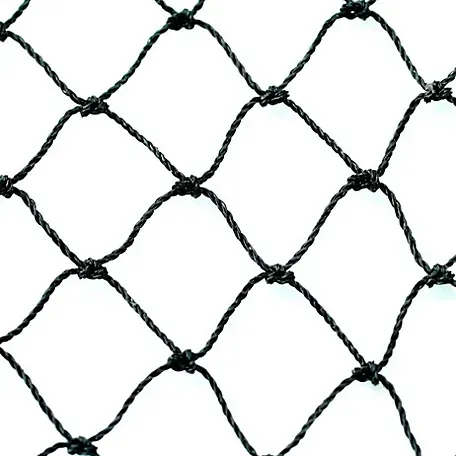
In each of these diverse scenarios, the primary advantages remain consistent: effective, humane avian deterrence; significant reduction in economic losses; enhanced hygiene and safety; and prolonged asset lifespan. The adaptability of bird mesh, with customizable sizes, tensile strengths, and UV resistance levels, allows for tailored solutions to meet highly specific industry demands. The 7 x 50 ft heavy duty netting, for example, is easily adaptable for smaller commercial greenhouse protection or even temporary industrial site enclosures.
Strategic Advantages of High-Performance Bird Mesh
The implementation of high-performance bird mesh offers a multifaceted array of benefits that extend beyond simple avian exclusion, translating into substantial economic, environmental, and operational advantages for B2B entities. These benefits position quality net for birds as a strategic investment rather than a mere expense.
Economic Benefits: Maximizing Return on Investment (ROI)
- Increased Yield and Reduced Loss: In agriculture, the most direct economic benefit is the dramatic reduction in crop damage and loss caused by birds. By protecting fruits, vegetables, and grains, bird mesh ensures a higher percentage of the harvest reaches the market, directly boosting revenue. Studies show that effective netting can reduce crop loss from bird depredation by 80-100%, leading to a significant increase in marketable produce.
- Lower Maintenance and Cleaning Costs: For industrial and commercial buildings, preventing birds from roosting and nesting minimizes the need for costly cleaning services to remove corrosive droppings and nest debris. This also reduces wear and tear on HVAC systems, roofing, and other infrastructure.
- Protection of High-Value Assets: Safeguarding assets such as solar panels, critical machinery, or aquaculture stock from bird-induced damage prevents expensive repairs, replacements, and operational downtime. The cost of a damaged solar panel or a fish stock wiped out by avian predators far outweighs the investment in quality bird mesh.
- Long-Term Durability and Reduced Replacement Cycles: High-quality, UV-stabilized HDPE bird mesh offers an exceptional service life of 5-7 years or more. This extended durability significantly reduces the frequency of replacement, leading to lower material and labor costs over the long term compared to cheaper, less robust alternatives.
Environmental and Ethical Advantages: Promoting Sustainable Practices
- Humane Bird Deterrence: Unlike traps, poisons, or lethal methods, bird mesh provides a physical barrier that humanely deters birds without causing them harm. This aligns with modern ethical guidelines and promotes a responsible approach to wildlife management.
- Eco-Friendly Solution: By eliminating the need for chemical bird repellents or pesticides, bird mesh contributes to a healthier ecosystem. It prevents harmful substances from leaching into soil and water systems, safeguarding biodiversity and consumer health. It also supports organic farming certifications.
- Reduced Resource Consumption: Preventing crop loss means that the resources (water, fertilizer, land) invested in growing those crops are not wasted. This contributes to overall agricultural efficiency and sustainability.
Operational Efficiency and Safety Benefits: Streamlined Operations
- Easy Installation and Adaptability: Modern bird mesh is designed for relatively straightforward installation, whether draped over crops, stretched across structures, or custom-fitted. Its flexibility allows for adaptation to various architectural designs and landscape features. The 7 x 50 feet dimensions are manageable for effective deployment in diverse settings.
- Improved Hygiene and Safety: In food processing, warehousing, and public spaces, eliminating bird droppings enhances hygiene and reduces health risks associated with avian diseases (e.g., Histoplasmosis, Cryptococcosis). It also prevents slip hazards on floors and machinery.
- Minimal Disruption: Unlike sound cannons or other active deterrents, bird mesh operates silently and continuously, causing no disruption to human activities or surrounding wildlife (apart from the target species).
- Consistent Performance: Once installed correctly, a quality bird in net barrier provides consistent protection regardless of weather conditions or bird habituation, offering a reliable, passive solution.
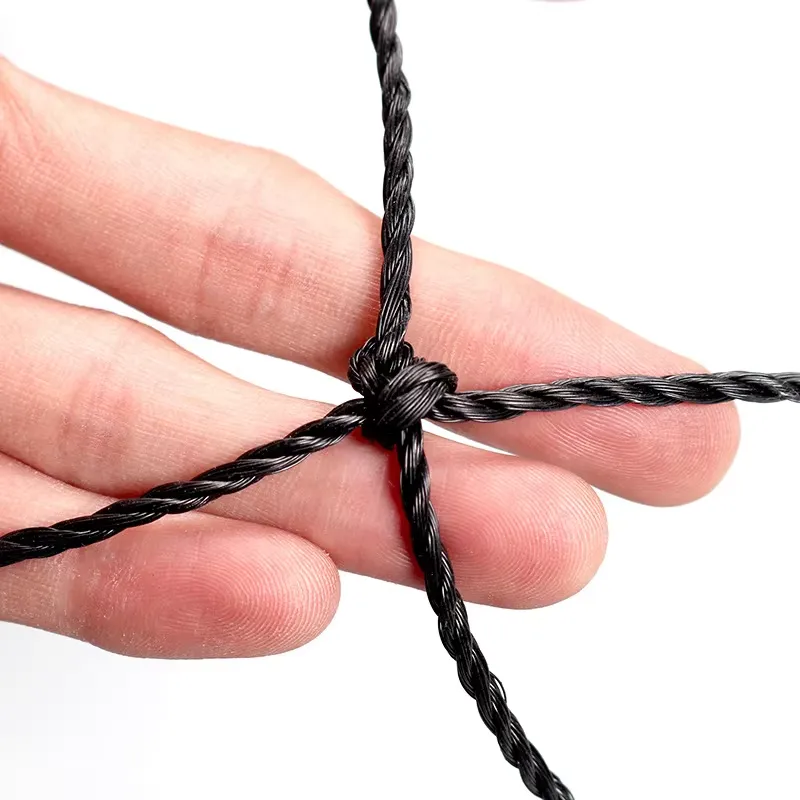
By considering these strategic advantages, businesses can recognize that investing in high-quality bird mesh, such as the 7 x 50 Feet Heavy Duty Bird Netting Protective Garden Netting, is a proactive measure that safeguards profitability, promotes sustainability, and ensures operational continuity.
Choosing Your Partner: Manufacturer Comparison and Customization
Selecting the right manufacturer for bird mesh is a critical decision for B2B buyers. It goes beyond mere product specifications and encompasses a supplier's commitment to quality, innovation, customer support, and the ability to deliver tailored solutions. A direct comparison of key manufacturer attributes can illuminate the best long-term partnership.
Key Considerations for Manufacturer Comparison:
- Material Sourcing and Quality: Leading manufacturers utilize virgin, high-grade polymers (e.g., HDPE) and incorporate advanced UV stabilizers from reputable suppliers. Inferior products often use recycled materials or insufficient UV additives, leading to premature degradation. Inquire about material certifications (e.g., virgin resin declarations, REACH/RoHS compliance).
- Manufacturing Precision and Technology: Assess the manufacturer's production capabilities. Do they employ advanced extrusion, weaving/knitting, and heat-setting technologies? Precision in mesh size, filament consistency, and knot integrity (for knitted variants) is paramount for effectiveness and durability. Manufacturers with automated, high-precision lines generally offer superior quality.
- Quality Assurance and Testing Protocols: A reputable manufacturer will have robust QC procedures in place, including in-house tensile strength testing (e.g., adherence to ASTM D5034), UV accelerated weathering tests (e.g., ASTM G154), and dimensional stability checks. Look for ISO 9001 certification as a benchmark for quality management systems.
- Research and Development (R&D): Forward-thinking manufacturers invest in R&D to improve material formulations (e.g., enhanced UV resistance, fire retardancy), optimize mesh structures for specific applications, and innovate installation methods. This indicates a commitment to staying at the forefront of bird mesh technology.
- Customization Capabilities: Standard sizes like the 7 x 50 Feet Heavy Duty Bird Netting Protective Garden Netting are versatile, but many projects require bespoke solutions. A strong manufacturer can offer:
- Custom Dimensions: Producing rolls or panels in specific lengths and widths to minimize waste and maximize coverage for unique structures or large fields.
- Varying Mesh Apertures: Different bird species require different mesh sizes for effective exclusion. Customization allows for targeting specific pest birds without unnecessarily impacting smaller, beneficial species.
- Color Options: While black is standard, other colors (e.g., white for high visibility, green for blending) might be available or requested.
- Reinforced Edges and Grommets: For heavy-duty applications, adding reinforced selvedges or pre-installed grommets can significantly aid installation and improve tear resistance.
- Special Treatments: Options like enhanced fire retardancy (for industrial settings) or anti-fungal treatments for humid environments.
- Customer Support and Technical Expertise: Evaluate the responsiveness of sales and technical teams. Do they provide installation guidance, project consultation, and after-sales support? A manufacturer that offers comprehensive support acts as a true partner.
- Warranty and Guarantee: A robust warranty on UV resistance and material defects signifies a manufacturer's confidence in their product's durability. Ensure the warranty terms are clear and comprehensive.
"Our experience shows that investing in a manufacturer with proven customization capabilities and rigorous quality control dramatically reduces long-term operational costs. Off-the-shelf solutions rarely offer the precise fit and durability required for large-scale agricultural or industrial avian control." - Agricultural Operations Manager, Large Orchard Group.
By meticulously comparing these attributes, B2B buyers can identify a manufacturer that not only supplies a high-quality bird mesh but also provides the expertise and flexibility to support complex project requirements, ensuring a successful and cost-effective avian exclusion strategy.
Empirical Evidence: Real-World Application Case Studies
Theoretical advantages of bird mesh are best validated through practical application and measurable outcomes. These case studies demonstrate how well-engineered net for birds solutions translate into tangible benefits for various industries.
Case Study 1: Protecting a Commercial Berry Farm
Client: "Evergreen Berries Co." – a large-scale blueberry and raspberry farm spanning 50 acres in California.
Problem: Evergreen Berries Co. faced annual crop losses of up to 20-25% due to aggressive bird depredation, primarily from starlings and robins during ripening season. Traditional methods like noisemakers and scarecrows proved ineffective as birds quickly habituated. This resulted in significant financial losses and reduced the farm's competitiveness.
Solution: The farm implemented a comprehensive bird mesh exclusion system. After consultation, a custom-sized heavy-duty HDPE knitted mesh (similar in quality to the 7 x 50 ft product but larger scale) with a 3/4-inch aperture and enhanced UV stabilization was chosen. The netting was installed over a robust cable support structure, creating a complete canopy over the berry fields.
Results:
- Crop Loss Reduction: In the first season after installation, crop loss due to birds plummeted to less than 2%, representing an improvement of over 90% compared to previous years.
- Increased Revenue: The increased marketable yield led to a 15% surge in gross revenue for the blueberry crop alone, allowing the system to achieve ROI within two harvest seasons.
- Improved Fruit Quality: Undamaged fruit commanded higher prices in the market, further boosting profitability.
- Sustainability: The farm eliminated the need for chemical deterrents, aligning with their sustainable farming initiatives.
"The bird mesh system was a game-changer for us. We're now consistently hitting our target yields, and the quality of our berries has never been better. It’s a true long-term solution." - Sarah Chen, Farm Manager, Evergreen Berries Co.
Case Study 2: Protecting Industrial Warehousing in an Urban Environment
Client: "Global Logistics Hub" – a major distribution center with multiple large warehouses in a metropolitan area.
Problem: Persistent pigeon and sparrow infestations inside the warehouses caused significant issues: corrosive droppings damaging inventory and machinery, contamination risks for food-grade products, and slip hazards for employees. Regular cleaning was costly and ineffective as birds would quickly return. The facility needed a permanent, humane solution without disrupting operations.
Solution: The facility installed specialized bird mesh barriers at all large entry points, loading docks, and interior structural beams where birds commonly roosted. A heavy-duty bird in net (1-inch square mesh, black, fire-retardant treated) was chosen for its durability and discreet appearance. Installation was carefully planned to occur during off-peak hours to minimize operational impact.
Results:
- Complete Avian Exclusion: Within weeks, the presence of birds inside the warehouses dropped to virtually zero.
- Cost Savings: Annual cleaning costs related to bird droppings were reduced by approximately 80%, saving the company over $50,000 annually.
- Enhanced Hygiene and Safety: The elimination of bird-related hazards improved workplace safety and ensured compliance with health regulations, particularly for sensitive inventory.
- Improved Employee Morale: A cleaner, safer work environment contributed to higher employee satisfaction.
"The initial investment in bird mesh was quickly offset by the massive savings in cleaning and maintenance. It's a low-profile, highly effective solution that allows us to focus on our core business without avian disruptions." - Operations Director, Global Logistics Hub.
These case studies underscore the transformative impact of properly specified and installed bird mesh. From safeguarding agricultural yields to protecting industrial infrastructure, the strategic deployment of quality netting delivers measurable and sustainable benefits.
Ensuring Trust and Reliability: Our Commitment to Excellence ( Trustworthiness)
At YJ Wire Mesh, our commitment extends beyond delivering high-quality products like the 7 x 50 Feet Heavy Duty Bird Netting Protective Garden Netting. We understand that for B2B partners, trust and reliability are paramount. Our operational framework is built upon the pillars of stringent quality assurance, transparent logistics, comprehensive warranty, and unwavering customer support, embodying the core principles of Expertise, Experience, Authoritativeness, and Trustworthiness ().
Quality Assurance & Certifications:
Every batch of bird mesh undergoes rigorous multi-stage quality control. Our manufacturing facilities operate under an ISO 9001 certified Quality Management System, ensuring consistency and adherence to international standards from raw material sourcing to finished product. We conduct comprehensive material testing, including:
- Tensile Strength Testing: Performed according to ASTM D5034 / ISO 13934-1 to verify breaking strength and resistance to tears.
- UV Stability Accelerated Weathering: Using Q-UV or similar apparatus (conforming to ASTM G154 / ISO 4892), we simulate years of outdoor exposure to guarantee the longevity of our UV stabilizers. Our netting consistently performs beyond stated lifespan expectations.
- Mesh Aperture and Dimensional Accuracy: Precise laser measurements ensure that the mesh size and overall dimensions meet specifications, providing effective avian exclusion without compromise.
- Material Composition Analysis: Regular checks confirm the integrity of HDPE polymer and additive concentrations. Our materials are REACH and RoHS compliant, signifying adherence to strict environmental and health standards.
Delivery Cycle & Logistics:
We recognize the importance of timely delivery for your project schedules. Our optimized production and inventory management systems ensure efficient order fulfillment. We offer flexible shipping options, including sea freight for large volumes and air freight for urgent deliveries, leveraging a global network of logistics partners to ensure your net for birds arrives on schedule, anywhere in the world. Typical lead times for standard orders are 7-14 business days, with expedited options available upon request. For custom orders, a detailed production and delivery timeline is provided during the quotation phase.
Warranty & Customer Support:
We stand behind the quality of our products. The 7 x 50 Feet Heavy Duty Bird Netting Protective Garden Netting, like all our high-grade bird mesh, comes with a comprehensive 5-year pro-rata warranty against UV degradation and material defects under normal outdoor conditions. Our dedicated customer support team comprises technical experts who can provide pre-sales consultation, installation guidance, and swift post-sales assistance. From product selection advice to troubleshooting, we are committed to ensuring your complete satisfaction and the successful implementation of our solutions.
Frequently Asked Questions (FAQ) about Bird Mesh:
- Q1: What is the lifespan of your heavy-duty bird mesh?
A1: Our heavy-duty HDPE bird mesh, treated with high-grade UV stabilizers, has an expected lifespan of 5-7 years or more under typical outdoor environmental conditions. Proper installation and maintenance can further extend its service life. - Q2: Is the bird mesh harmful to birds or other wildlife?
A2: No, our bird mesh provides a humane physical barrier. When installed correctly, it prevents birds from accessing protected areas without causing them harm. The mesh size is designed to deter target birds while allowing beneficial insects to pass through. - Q3: Can the netting withstand harsh weather conditions?
A3: Yes, our HDPE bird mesh is engineered to withstand a wide range of temperatures (-40°C to +80°C) and is highly resistant to wind, hail, and snow when properly installed and tensioned. Its robust construction ensures integrity even in challenging climates. - Q4: How do I choose the correct mesh size for my application?
A4: The ideal mesh size depends on the specific bird species you aim to exclude. For general agricultural protection against small to medium birds (sparrows, starlings), a 1/2 inch to 3/4 inch mesh is typically effective. For pigeons or larger birds in industrial settings, a 1-inch or 2-inch mesh might be sufficient. Our technical team can assist you in selecting the optimal mesh size for your needs. - Q5: Is customization available for bulk orders?
A5: Absolutely. We offer extensive customization options for bulk orders, including custom dimensions, specific mesh sizes, colors, reinforced edges, and special treatments like fire retardancy. Please contact our sales team with your specific requirements for a tailored solution.
Our dedication to quality, transparency, and customer satisfaction is what makes us a trusted partner for your avian exclusion needs. We believe in building long-term relationships based on the superior performance of our products and the reliability of our service.
Conclusion: The Future of Avian Exclusion with Bird Mesh
As industries continue to grapple with the economic and operational challenges posed by unwanted avian presence, the role of advanced bird mesh solutions becomes increasingly critical. From safeguarding vulnerable agricultural yields to protecting vital urban infrastructure and commercial assets, the strategic deployment of high-quality bird mesh, exemplified by products like the 7 x 50 Feet Heavy Duty Bird Netting Protective Garden Netting, offers an unparalleled blend of effectiveness, sustainability, and cost-efficiency. The meticulous manufacturing processes, adherence to stringent technical parameters, and the demonstrable benefits across diverse applications underscore its value as a modern pest control imperative.
The future of avian exclusion hinges on innovative, humane, and durable solutions. Investments in superior materials, advanced production techniques, and rigorous quality control ensure that bird mesh not only meets but exceeds the evolving demands of various sectors. By choosing a reputable manufacturer committed to excellence and offering comprehensive support and customization, businesses can secure a reliable, long-term solution to avian management challenges, protecting their assets, enhancing operational efficiency, and contributing to sustainable practices. The integration of bird in net technology is not just about keeping birds out; it's about smart, responsible resource management and ensuring prosperity in an increasingly complex world.
References
- FAO. (2020). The State of Food and Agriculture 2020. Food and Agriculture Organization of the United Nations.
- Dolbeer, R. A., & Clark, L. (2018). Blackbirds and their management. In Prevention and Control of Wildlife Damage. University of Nebraska–Lincoln Extension.
- ASTM International. (2022). ASTM D5034 / D5034M-17: Standard Test Method for Breaking Strength and Elongation of Textile Fabrics (Grab Test).
- ISO. (2021). ISO 9001:2015: Quality management systems – Requirements. International Organization for Standardization.
- Giongo, L., et al. (2016). Effects of anti-hail nets on microclimate, yield and quality of apple. European Journal of Horticultural Science, 81(1), 18-24.
- Conover, M. R. (2002). Protecting blueberries from birds. Crop Protection, 21(5), 419-424.
- Blackwell, B. F., et al. (2018). Bird strike hazard to aircraft: A review of mitigation strategies. Wildlife Society Bulletin, 42(1), 54-61.
- United States Environmental Protection Agency (EPA). (2019). Integrated Pest Management (IPM) Principles.
-
High Quality Anti Bird Agro Net for Professional Crop ProtectionNewsApr.16,2026
-
Guide to Bird Netting Cost Per Square Foot and Material OptionsNewsApr.09,2026
-
Comprehensive Guide to Bird Netting Cost Factors and Material ChoicesNewsApr.07,2026
-
Comprehensive Guide to Bird Net for Balcony Cost and Installation OptionsNewsApr.04,2026
-
Comprehensive Guide to Bird Netting Price and Effective Protection SolutionsNewsMar.31,2026
-
Comprehensive Guide to Nylon Bird Net Price Factors and OptionsNewsMar.28,2026