Comprehensive Guide to Carbon Steel Mesh: Uses, Advantages, and Trends
Understanding Carbon Steel Mesh: Why It Matters Globally
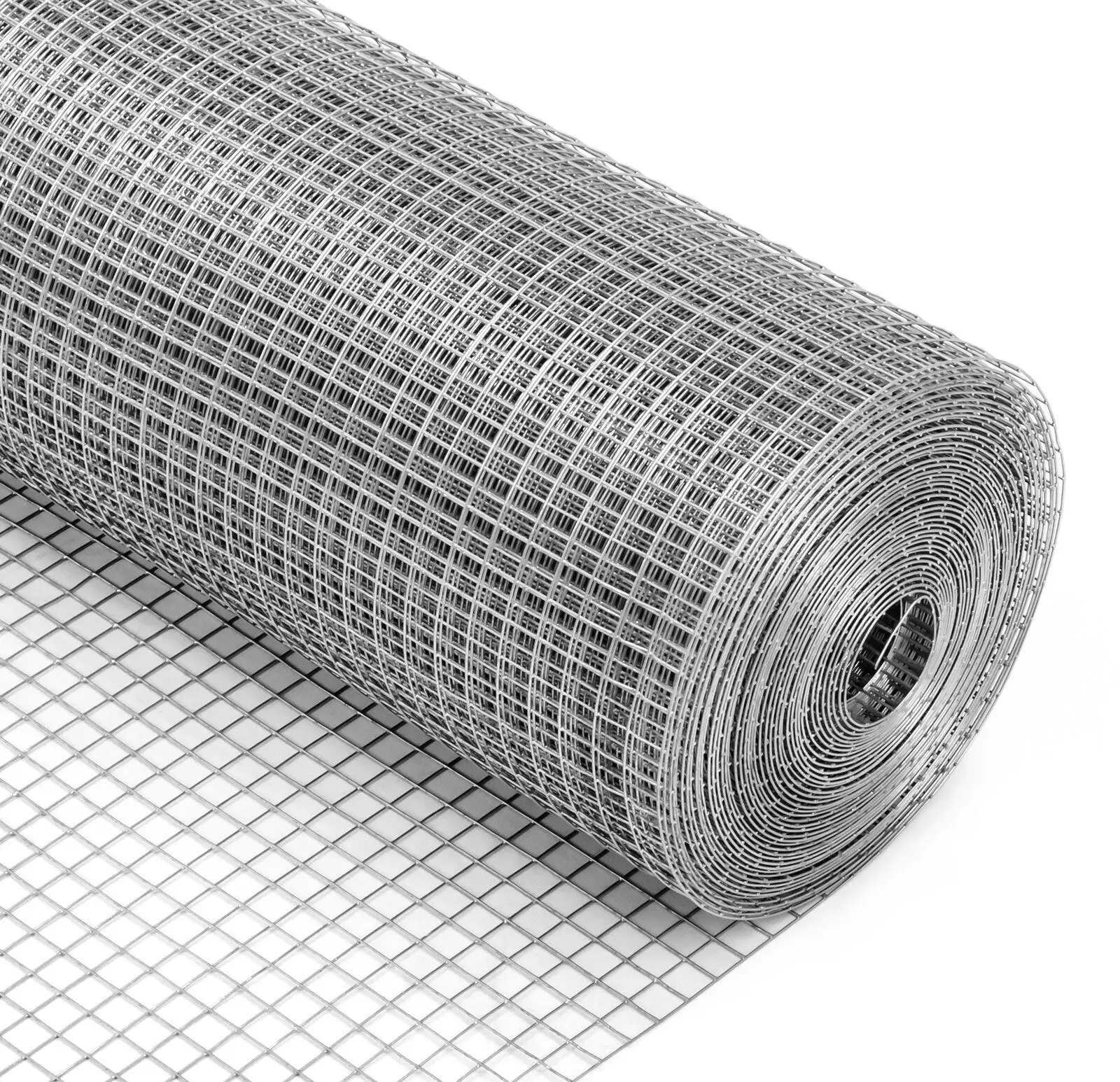
Carbon steel mesh might sound like an industrial term you’d only hear on a factory floor, but it’s truly a fundamental component shaping modern construction, infrastructure, and even humanitarian efforts worldwide. At its core, carbon steel mesh is a grid-like structure made from interconnected strips or wires of carbon steel, designed to reinforce concrete, provide security fencing, or form sturdy yet lightweight partitions. But beyond this technical mumbo jumbo lies a global story about durability, sustainability, and economic efficiency. In a world that’s building faster, safer, and often against the odds—whether due to climate change, population growth, or urbanization—understanding carbon steel mesh unlocks a clearer picture of how our surroundings stay safe and resilient.
Mini Takeaway: Carbon steel mesh isn’t just metal; it’s a backbone of secure, durable infrastructure that countless industries and communities rely on worldwide.
The Global Context: A Backbone for Modern Infrastructure
Think about it: The World Bank reports that infrastructure investment needs globally top $94 trillion through 2040 to match accelerating urban growth and climate resilience goals. Most of the backbone for this comes from steel and its variants. According to the International Organization for Standardization (ISO), steel remains the most recycled material on Earth—largely because of its versatility and strength. Carbon steel mesh, in particular, finds itself at the heart of these developments due to its affordability and mechanical properties.
But the challenges today are not just about building. It’s about building smarter and more sustainably. Steel mesh helps address these needs by reinforcing structures, reducing material use through efficient design, and speeding up construction timelines. This is especially critical in regions suffering from rapid urban sprawl, natural disasters, or fragile economies.
Mini Takeaway: Global infrastructure demands combined with sustainability challenges make carbon steel mesh a key player in balancing cost, durability, and rapid deployment.
What Exactly Is Carbon Steel Mesh?
In simple terms, carbon steel mesh is a woven or welded assembly of steel wires or rods with controlled spacing that creates a lattice or grid. The “carbon” in carbon steel refers to the small but vital amount of carbon added to steel, which improves strength and hardness without making it brittle. Its use spans from reinforcing concrete in buildings and roads to protective fences in factories and farms.
One could say it’s the unsung hero behind many things we take for granted daily — our sturdy bridges, secure industrial sites, and even protective cages for sensitive equipment. In humanitarian spheres, quick-assembling carbon steel mesh panels enable temporary shelters that can handle harsh environments without collapsing or corroding quickly.
Key Components That Make Carbon Steel Mesh Indispensable
Strength and Durability
The prime reason anyone chooses carbon steel mesh is its tensile strength. It supports huge loads and resists environmental stress better than many alternatives. It’s why engineers keep turning to it for reinforcing concrete structures and fencing. Oddly enough, while steel feels heavy, these meshes are designed to maximize strength with minimal material, keeping structures lightweight yet safe.
Cost Efficiency
Compared to stainless steel or specialty alloys, carbon steel mesh is budget-friendly. This cost saving is vital in large-scale projects or in developing regions where finances are tight but the need never lessens. You don’t have to compromise on quality either—just smart sourcing and design tailored to specific applications.
Corrosion Resistance (With Protective Coatings)
While raw carbon steel rusts, most commercial meshes are galvanized or coated with epoxy to endure the elements. This extends their lifespan significantly—crucial for outdoor fencing or exposure during disaster relief deployments.
Versatility and Customization
Wire diameter, mesh size (the gaps), sheet size — all can be tailored. This flexibility allows architects and practitioners to customize solutions for everything from security barriers to agricultural cages.
Easy Installation and Maintenance
Light enough to handle on site but tough once installed, carbon steel mesh often needs minimal upkeep. That means saving costs and time long term, especially in remote or resource-limited settings.
| Parameter | Typical Values | Notes |
|---|---|---|
| Wire Diameter | 2.0 - 6.0 mm | Vary by application |
| Mesh Opening Size | 10 × 10 mm up to 100 × 100 mm | Controls strength, flexibility |
| Surface Treatment | Galvanized, epoxy coated | Improves corrosion resistance |
| Sheet Size | 1 × 2 m, 2 × 3 m typical | Custom sizes available |
| Tensile Strength | 350 - 550 MPa | Varies with alloy composition |
Wide-Ranging Applications for Carbon Steel Mesh
Where wouldn’t you find this metal net? For starters, in carbon steel mesh form it’s critical for reinforced concrete — a cornerstone of everything from skyscrapers in New York to highway bridges in China. Steel mesh distributes tension and lets concrete withstand bending forces it otherwise couldn’t.
In agriculture, it secures crops and livestock, protecting against wildlife or damage without expensive fencing. In security, these meshes make barriers that are both effective and visually less obtrusive.
Oddly, one of the more impactful uses is in disaster relief, especially in earthquake or flood zones. Rapid-assembly steel mesh panels can form shelters or stabilize debris quickly, which international organizations like the UN emphasize in their rebuilding guidelines.
Mini Takeaway: Carbon steel mesh is everywhere — supporting real-world solutions from urban megastructures to makeshift shelters in crisis zones.
Why Choose Carbon Steel Mesh? The Advantages & Long-Term Value
- Cost-effectiveness: Balances upfront investment with lifespan performance.
- Durability: Resists wear and load stress much longer than many alternatives.
- Sustainability: Recyclable and often made from recycled steel.
- Safety: Builds safer structures that protect human life in extreme conditions.
- Design flexibility: Enables innovation in architecture and engineering.
In other words, it gives confidence—not just in bricks and steel but in the safety of people and the continuity of spaces where life unfolds daily.
Looking Ahead: Innovations and The Future of Carbon Steel Mesh
New coatings and nano treatments promise to push corrosion resistance even further. Some suppliers are experimenting with hybrid meshes—combining carbon steel with other materials to achieve properties that neither can provide alone. And with rising focus on green building standards, meshes tailored specifically for thermal insulation and light weight contribute to energy-efficient designs.
Automation in manufacturing means customization can be quicker and cheaper, opening doors for more complex shapes used in modern urban projects or artistic installations.
Common Challenges and How They're Overcome
Rust and corrosion remain a perennial issue, especially in marine or humid environments. But hot-dip galvanizing and epoxy coatings have come a long way, adding decades to product lifespan.
Another challenge is transportation and handling—some custom-sized meshes require careful logistics. Modular design and foldable mesh solutions are slowly gaining traction to solve this issue.
| Vendor | Customization Options | Surface Treatments | Typical Lead Time | Price Range |
|---|---|---|---|---|
| YJ Wire Mesh | High - sizes, coatings, diameters | Galvanized, Epoxy, PVC | 10-15 days | $$ |
| SteelMesh Co. | Medium - standard sizes only | Galvanized | 7-10 days | $ |
| Global Metals Ltd. | Low - limited to pre-made sheets | None / Minimal | 5-7 days | $ |
FAQ: Your Burning Questions About Carbon Steel Mesh
Q1: How does galvanized coating extend the life of carbon steel mesh?
Galvanizing involves coating the steel with a protective layer of zinc which prevents moisture and oxygen from reaching the steel surface. This guards against rust and corrosion, often extending the mesh's lifespan by 10 years or more, depending on conditions.
Q2: Can carbon steel mesh be used in highly corrosive environments like coastal areas?
Yes, but it requires special treatments—like heavy-duty galvanizing, epoxy coatings, or even stainless steel alternatives. Untreated carbon steel mesh will corrode quickly near saltwater, so proper selection is essential for longevity.
Q3: Is carbon steel mesh recyclable?
Absolutely. Steel is among the most recycled materials worldwide. At end-of-life, carbon steel mesh can be melted down and reused without loss of quality.
Q4: How easy is it to customize mesh sizes and wire diameters?
Very easy with most modern suppliers, especially those focused on industrial clients. You can specify wire thickness, mesh opening size, sheet dimensions, and surface finish to fit your particular project needs.
Wrapping It Up: Why Carbon Steel Mesh Is Here to Stay
Carbon steel mesh combines practicality with resilience. Whether it’s holding up the concrete beneath your feet, securing industrial zones, or forming life-saving shelters where disaster strikes, its value is tangible — and hard to replace. Industries around the world, from construction giants to emergency relief organizations, rely on this simple yet powerful material every day.
Want to explore clean, customizable, and cost-effective carbon steel mesh for your projects? Visit our website at YJ Wire Mesh to learn more about options tailored to your needs.
There’s something oddly reassuring about the connected strands of steel mesh—like a silent guardian holding the world’s edges together...
References
-
High Quality Anti Bird Agro Net for Professional Crop ProtectionNewsApr.16,2026
-
Guide to Bird Netting Cost Per Square Foot and Material OptionsNewsApr.09,2026
-
Comprehensive Guide to Bird Netting Cost Factors and Material ChoicesNewsApr.07,2026
-
Comprehensive Guide to Bird Net for Balcony Cost and Installation OptionsNewsApr.04,2026
-
Comprehensive Guide to Bird Netting Price and Effective Protection SolutionsNewsMar.31,2026
-
Comprehensive Guide to Nylon Bird Net Price Factors and OptionsNewsMar.28,2026