Stainless Steel Wire Cloth Mesh: Durable Solutions for Industry & Beyond
What is Stainless Steel Wire Cloth Mesh and Why Does It Matter Globally?
Stainless steel wire cloth mesh might sound like a niche industrial material, but it plays a surprisingly broad and vital role worldwide. From safeguarding food production to supporting infrastructure resilience in disaster zones, this mesh acts as a quiet hero. Why should you care? For starters, the global demand for durable, corrosion-resistant, and versatile materials is growing exponentially — driven by expanding manufacturing, sustainability needs, and security concerns.
Understanding stainless steel wire cloth mesh isn’t just for engineers or procurement specialists. For industries like aerospace, construction, pharmaceuticals, and even humanitarian aid agencies, a solid grasp of this material can mean better products, safer environments, and smarter investments.
The Global Landscape of Stainless Steel Wire Cloth Mesh
The stainless steel wire cloth market reflects broader trends evident in global manufacturing and infrastructure development. According to ISO standards, stainless steel grades and fabrications are pivotal for many modern industries, especially in countries with growing industrial bases like China, Germany, and the U.S.
UN reports highlight how infrastructure and industrial supply chains increasingly require materials that withstand harsh environments without constant replacement. This is where stainless steel wire cloth mesh comes into play — its corrosion resistance and tensile strength solve problems that previously caused delays, safety hazards, and financial losses.
One challenge often overlooked is contamination control in food or pharmaceutical manufacturing. Stainless steel wire mesh, with its fine apertures and hygienic surface, addresses the precise filtering and screening that modern safety protocols demand.
Mini takeaway: This mesh isn’t just metal string woven together. It’s a frontline solution addressing global industrial challenges with a quietly massive footprint.
Defining Stainless Steel Wire Cloth Mesh
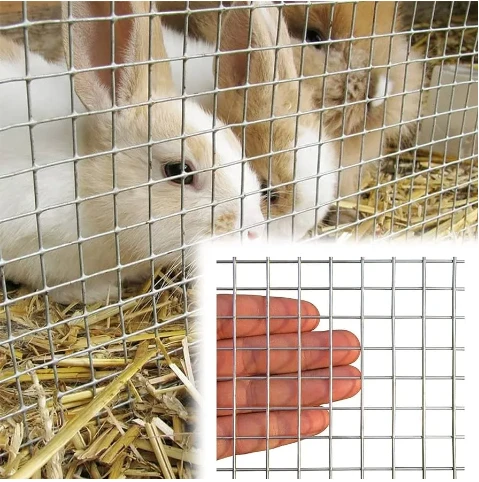
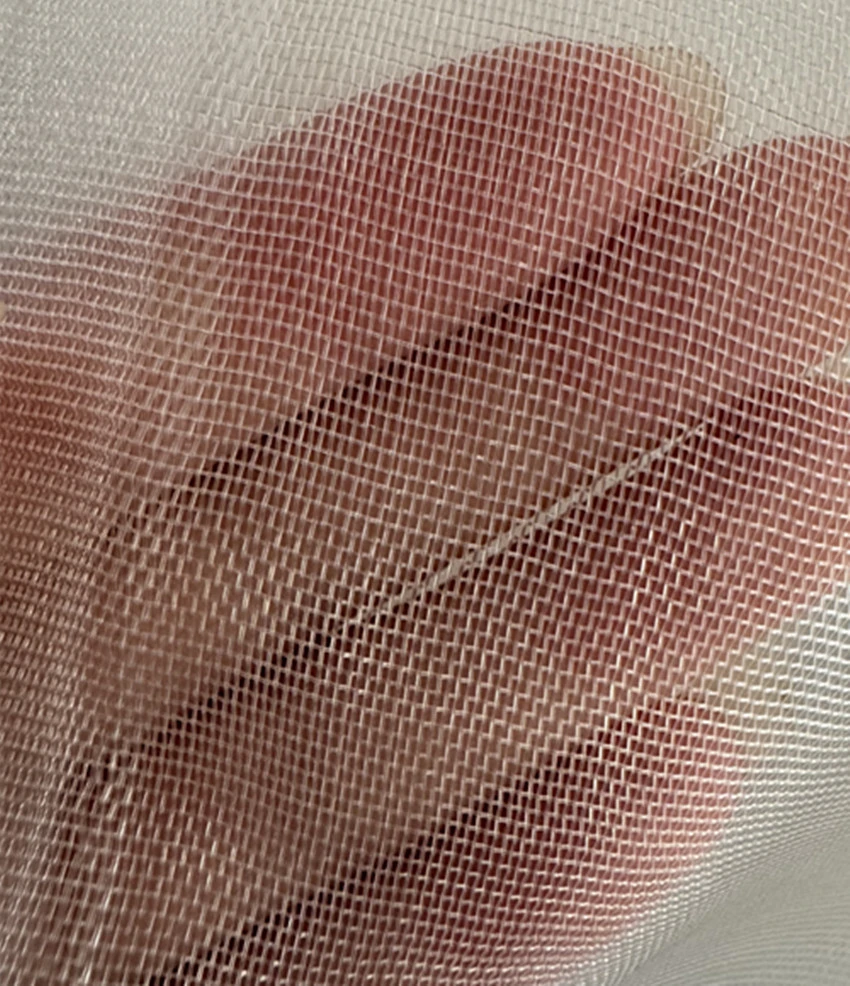
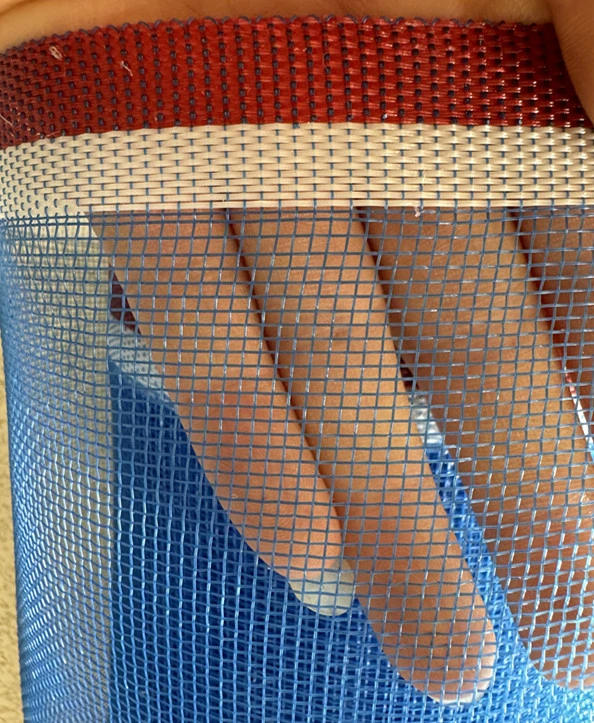
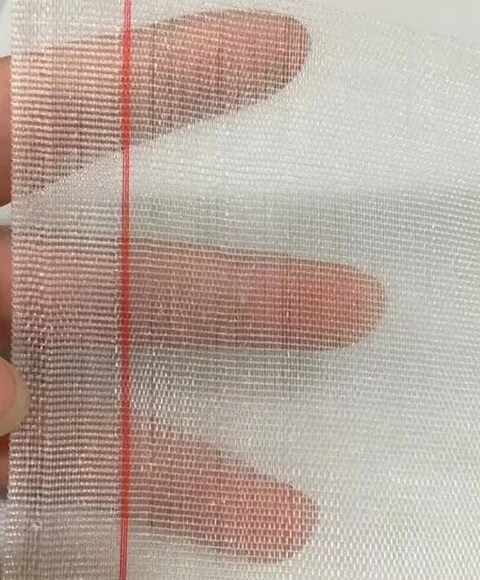
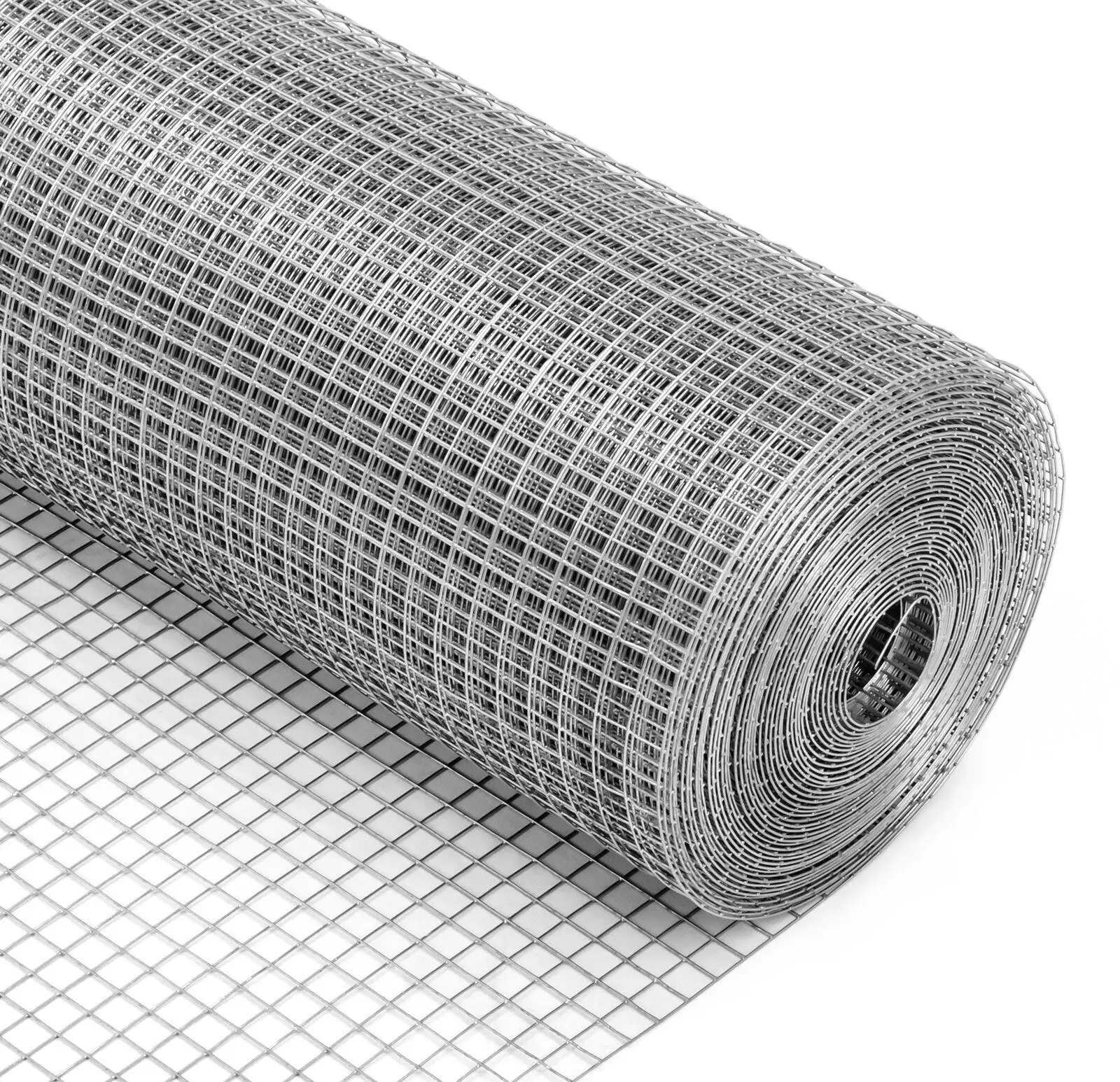
Simply put, stainless steel wire cloth mesh is a fabric made from crisscrossing stainless steel wires woven or welded together with specific weave patterns, diameter sizes, and mesh apertures. This creates a strong, durable sheet that lets air, liquid, or light through while blocking unwanted particles. It’s like a super-durable kitchen sieve, if the sieve were used to protect skyscrapers or filter fuel.
Modern industries depend on this mesh because it combines strength with corrosion resistance — thanks to its chromium content — making it resistant to rust, chemicals, and extreme temperatures. In humanitarian contexts, the mesh’s longevity and easy sterilization support essential equipment in remote or disaster-stricken regions.
Core Components and Key Factors of Stainless Steel Wire Cloth Mesh
1. Durability
Engineers swear by stainless steel’s toughness. The wire cloth resists impact, abrasion, and most corrosive environments, reducing maintenance frequency and costs.
2. Scalability and Customization
Different industries need different mesh types: finer for pharmaceutical filtering, coarser for security barriers. Fabricators create meshes with varied wire diameters and weave patterns to match exact use-cases.
3. Hygiene and Cleanability
Thanks to stainless steel’s non-porous surface, it’s easy to clean and sterilize, crucial in food processing and medical sectors.
4. Cost Efficiency Over Time
Though initial costs can be higher than alternatives like plastic or aluminum meshes, the long-term savings from durability and reduced downtime often justify the investment.
5. Environmental Resistance
Whether it’s salty ocean air or industrial chemicals, stainless steel wire cloth mesh often outperforms other materials, maintaining integrity with minimal degradation.
Mini takeaway: When you pick stainless steel mesh, you’re investing in a material tailored for toughness, adaptability, and long-term reliability.
Global Applications and Real-World Use Cases
The reach of stainless steel wire cloth mesh is, frankly, impressive. In Asia’s booming manufacturing hubs, it often forms the backbone of filtration systems separating fine contaminants from chemicals or liquids. In Europe and North America, it’s a go-to for security screening at airports and correctional facilities.
Oddly enough, the mesh also finds use in post-disaster contexts—say, humanitarian agencies deploying portable water purification setups to flood-hit regions in Africa or Southeast Asia. The mesh filters out impurities while resisting rust in humid, harsh conditions.
Meanwhile, mining companies in Australia use stainless steel mesh screens to sort ore effectively, reducing plant shutdowns due to wear. Even in aerospace, it helps with airflow systems, balancing between light weight and high strength.
Mini takeaway: Stainless steel wire cloth mesh isn’t confined to one corner of industry. It’s everywhere, quietly enabling essential processes.
Advantages and the Long-Term Value Proposition
- Reliability: Stainless steel’s inherent qualities mean fewer failures and safer operations.
- Sustainability: Long lifespan reduces waste and environmental impact compared to disposable options.
- Cost savings: Lower maintenance and replacement frequency save money over project lifetimes.
- Safety and Trust: In critical industries, reliable materials build confidence among end users and regulators.
- Social impact: Durable materials in humanitarian projects mean dignity and health for vulnerable populations.
Many engineers describe it as a classic value tradeoff—pay a bit more upfront to avoid headaches and failures later. It feels like a small shift that pays dividends for years.
Product Specification Table for Stainless Steel Wire Cloth Mesh
| Specification | Details |
|---|---|
| Material Grade | 304, 316, 316L (Common Stainless Grades) |
| Wire Diameter | 0.02 mm to 5 mm (varies by application) |
| Mesh Aperture | 10 microns up to 50 mm |
| Weave Type | Plain, Twilled, Dutch Weave |
| Max Sheet Width | Up to 2.2 meters |
| Tensile Strength | ≥ 500 MPa (depends on wire diameter and grade) |
Comparing Top Vendors of Stainless Steel Wire Cloth Mesh
| Vendor | Key Strength | Product Range | Lead Time | Customization Options |
|---|---|---|---|---|
| YJ Wire Mesh | Strong manufacturing tech, ISO certifications | Full range: 304/316, multiple weave types | 2-4 weeks | Custom diameters & patterns, OEM |
| Industrial Mesh Co. | Large inventory, global distribution | Standard mesh, less custom | 1-3 weeks | Limited customization |
| Steelfab Ltd. | Premium quality, technical support | Selective specialized meshes | 3-5 weeks | Custom engineering assistance |
Emerging Trends and Future Innovations in Wire Cloth Mesh
The future feels quite exciting (and a bit green) for stainless steel wire cloth mesh. As factories implement stricter environmental controls, meshes are being designed not only for durability but also recyclability. There’s talk around hybrid meshes — combining stainless steel with nanocoatings to repel biofilms or reduce friction.
Automation and digital customization mean clients can now order tailored mesh products with precise specs online and get them delivered faster than ever. Meanwhile, integration into smart filters with sensors is an emerging frontier, especially for clean energy and pharmaceutical industries.
Mini takeaway: Stainless steel wire cloth mesh is quietly evolving from simple woven metal to an intelligent part of industrial ecosystems.
Challenges and Practical Solutions
Of course, all isn’t perfect. One challenge with stainless steel wire cloth mesh is balancing cost with complexity. For very fine meshes, production can be expensive and lead times longer, which frustrates buyers on tight schedules. Additionally, welding finer stainless steel wires demands skilled labor and quality controls — no shortcuts.
Experts suggest early collaboration between manufacturers and end-users to specify exact mesh requirements, avoiding over-specification that drives price up or under-specification that causes failure. Advances in automated weaving machines also help reduce costs and improve uniformity, but getting your vendor right remains key.
FAQ: Quick Answers on Stainless Steel Wire Cloth Mesh
- Q: What industries benefit the most from stainless steel wire cloth mesh?
A: Industries like food and beverage, pharmaceuticals, aerospace, mining, and environmental engineering rely heavily on stainless steel wire cloth mesh for filtration, safety barriers, and equipment protection due to its durability and hygienic properties. - Q: How does stainless steel mesh compare to plastic mesh in corrosive environments?
A: Stainless steel exhibits superior corrosion resistance and mechanical strength compared to plastic meshes, especially in high-temperature or chemical exposures, making it better for long-term industrial use despite higher upfront costs. - Q: Can stainless steel wire mesh be customized for unique filtration needs?
A: Absolutely. Vendors often offer customized wire diameters, mesh apertures, and weave types to match specific filtration or screening requirements, ensuring optimal performance tailored to your application. - Q: Is the mesh environmentally friendly?
A: Stainless steel is highly recyclable and long-lasting, meaning less waste over time. It supports sustainability efforts, especially compared to disposable alternatives like plastic meshes. - Q: Where can I source reliable stainless steel wire cloth mesh?
A: Trusted suppliers like stainless steel wire cloth mesh manufacturers offer certified products with customization options and technical support for various industries worldwide.
Conclusion: Why Stainless Steel Wire Cloth Mesh Should Be on Your Radar
In a world demanding stronger, more reliable materials, stainless steel wire cloth mesh stands out as cost-effective, durable, and versatile. Whether you’re managing a complex industrial filtration system, setting up safety barriers, or supporting humanitarian water purification, this material offers long-term peace of mind.
If you want to explore quality options, tailored solutions, and expert support, take a moment to visit https://www.yjwiremesh.com — it’s a great first step into a world where engineering meets resilience.
References:
-
High Quality Anti Bird Agro Net for Professional Crop ProtectionNewsApr.16,2026
-
Guide to Bird Netting Cost Per Square Foot and Material OptionsNewsApr.09,2026
-
Comprehensive Guide to Bird Netting Cost Factors and Material ChoicesNewsApr.07,2026
-
Comprehensive Guide to Bird Net for Balcony Cost and Installation OptionsNewsApr.04,2026
-
Comprehensive Guide to Bird Netting Price and Effective Protection SolutionsNewsMar.31,2026
-
Comprehensive Guide to Nylon Bird Net Price Factors and OptionsNewsMar.28,2026