Comprehensive Guide to Screen Stainless Steel Mesh: Applications, Benefits & Innovations
Understanding Screen Stainless Steel Mesh: What It Is and Why It Matters Globally
Screen stainless steel mesh might sound like a simple material—a straightforward sieve or filter, right? Yet, its impact stretches far beyond common expectations, driving innovation across industries and humanitarian fields globally. Essentially, this mesh combines durability, precision, and corrosion resistance, making it essential for filtration, security, and even architectural applications. Grasping what this product offers helps industries improve efficiency while also supporting critical global needs such as clean water filtration and disaster relief infrastructure.
Oddly enough, although stainless steel mesh seems so mundane, its versatile applications make it an unsung hero in many engineering and social contexts worldwide.
Introduction: The Global Context of Screen Stainless Steel Mesh
The world today faces increasing demands for reliable, sustainable materials in sectors ranging from manufacturing to environmental safety. According to the International Organization for Standardization (ISO), the demand for corrosion-resistant and durable materials has grown by nearly 12% annually over the past decade. Screen stainless steel mesh, with its resistance to rust and strength, addresses significant challenges in industrial filtration, pest control, and architectural design.
In practical terms, industries from mining operations in Australia to water treatment plants in Europe increasingly depend on these meshes to separate particles or provide secure yet breathable barriers. Yet one of the pressing challenges is sourcing mesh solutions that balance cost with long-term performance under varying environmental conditions. Frankly, that’s where the specific characteristics of screen stainless steel mesh shine.
Defining Screen Stainless Steel Mesh
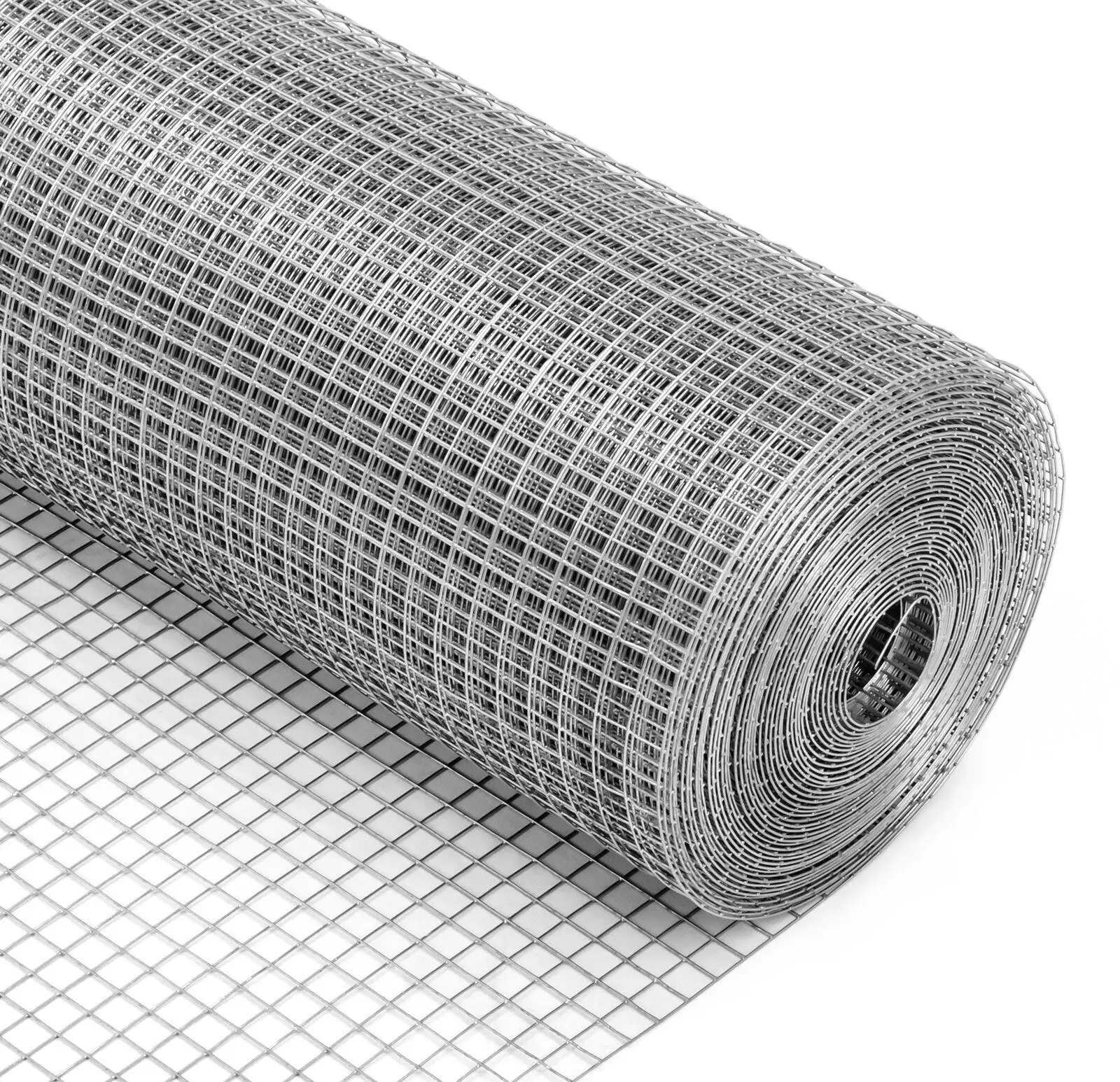
At its core, screen stainless steel mesh is a woven, welded, or knitted network of stainless steel wires formed to create a flexible, strong sheet with regular openings. This design allows air, liquids, and small particulates to pass through while blocking larger items. It’s a direct evolution from earlier traditional mesh materials that lacked corrosion resistance and long-term stability.
This mesh is critical in modern industry for filtering contaminants, protecting machinery from pests, or even providing structural cladding in sustainable building projects. Moreover, its role extends toward humanitarian projects — for instance, ensuring safe water through filtration systems in refugee camps or disaster areas.
Key Factors Defining Screen Stainless Steel Mesh
Durability
Made from stainless steel grades like 304 and 316, this mesh resists rust, oxidation, and mechanical wear. Whether exposed to salty ocean air or industrial chemicals, it maintains integrity longer than alternative materials like plastic or aluminum.
Precision
The mesh’s aperture size is customizable, allowing filtration from micron levels (critical in pharmaceutical or water purification) up to larger screens used in quarrying or grain sorting.
Cost Efficiency
Though stainless steel mesh may have a higher upfront cost than alternatives, its longevity and minimal maintenance reduce total lifecycle expenses, making it a wise choice for long-term installations.
Flexibility & Scalability
Available in rolls or sheets, the mesh can be fabricated into custom sizes, shapes, or even complex three-dimensional forms, fitting diverse applications—from industrial filters to architectural facades.
Corrosion Resistance
This is arguably the most critical feature; corrosion undermines both performance and safety. Screen stainless steel mesh’s resilience in harsh environments ensures consistent functionality and reduces replacement cycles.
Product Specification Table
| Specification | Details |
|---|---|
| Material Grades | 304, 316, 316L stainless steel |
| Wire Diameter | 0.05 mm – 2 mm |
| Mesh Opening Size | 10 microns – 25 mm |
| Width & Length | Customizable, up to 2 meters width, lengths in rolls |
| Surface Finish | Polished, grained, or matte finishes available |
Global Applications & Use Cases
The reach of screen stainless steel mesh spans continents and sectors. In Asia, it’s a staple in the filtration systems of breweries and chemical plants. Africa benefits from its application in solar panel protection and water filtration units, where durability in harsh conditions is vital.
In post-disaster relief operations, agencies use screen stainless steel mesh as filtering screens for potable water systems, safeguarding communities from waterborne diseases. Oddly enough, many tend to overlook that this tiny mesh plays a crucial role in protecting lives during humanitarian crises.
Meanwhile, architecture firms in Europe and North America increasingly integrate stainless steel mesh as a sustainable alternative to traditional shading or structural elements, combining aesthetic appeal with practical environmental benefits.
Vendor Comparison Table
| Vendor | Material Options | Customization | Lead Time | Sustainability Initiatives |
|---|---|---|---|---|
| YJ Wire Mesh | 304, 316 Stainless Steel | High — custom sizes/shapes, surface finishes | 2-4 weeks | Recycling program, energy-efficient production |
| SteelTech Solutions | 304 Stainless Steel only | Standard sizes only | 3-5 weeks | Moderate, focus on waste management |
| Global Mesh Inc. | 304, 316, 430 Grades | Limited customization | 4-6 weeks | Energy-efficient lighting, partial solar power |
Advantages & Long-Term Value
- Cost Savings over Time: Fewer replacements mean reduced operational downtime and inventory costs.
- Sustainability: Stainless steel is 100% recyclable, fitting well within circular economy models, especially when sourced responsibly.
- Enhanced Safety: The mesh prevents contamination or entry of harmful pests, protecting both workers and end consumers.
- Trust & Reliability: You get what you pay for—consistent quality provides confidence in all applications, from pharmaceutical filtering to architectural facade protection.
The interplay of logical benefits (durability, efficiency) with emotional reassurance frankly makes it a product often chosen as much for peace of mind as practical performance.
Future Trends & Innovations
Looking ahead, screen stainless steel mesh is evolving with trends such as:
- Smart Mesh: Integration with sensors for real-time environmental monitoring.
- Eco-friendlier Production: Adoption of greener manufacturing processes to reduce carbon footprints.
- Nanotechnology: Enhancements to filtering capabilities at microscopic levels.
- Automation in Fabrication: Custom automated weaving for precise, complex mesh shapes and variable aperture sizes.
These innovations promise to push the material’s uses into even more specialized fields, including green energy and advanced medical devices.
Challenges & Solutions
Despite its many benefits, stainless steel mesh isn’t without challenges. Cost remains a barrier for some developing market projects. Additionally, extreme environments like highly acidic or salty conditions require specific alloys or protective coatings.
Experts suggest combining stainless steel mesh with polymer coatings or hybrid composites to enhance performance under tough conditions. Furthermore, bulk purchasing and local manufacturing partnerships reduce costs and lead times, broadening access worldwide.
FAQ: Frequently Asked Questions About Screen Stainless Steel Mesh
- What makes screen stainless steel mesh better than plastic mesh?
- It offers superior durability, corrosion resistance, and temperature tolerance. Unlike plastic, it won’t degrade in harsh industrial environments or under UV exposure, reducing replacement frequency and ensuring safety.
- How customizable are stainless steel meshes in terms of size and aperture?
- The mesh can be customized extensively, from wire thickness to opening size, catering to a wide range of filtration and structural needs. Suppliers often provide tailored solutions for specific industrial or architectural demands.
- Can screen stainless steel mesh be used for food-grade filtration?
- Absolutely. Using appropriate stainless steel grades (like 316), the mesh meets hygiene and corrosion standards suitable for pharmaceutical and food processing industries.
- How do international buyers import stainless steel mesh efficiently?
- It’s best to partner with experienced vendors who handle customs documentation, certification, and logistics. Bulk shipments through maritime freight combined with trusted local distributors streamline the process.
Conclusion & Call to Action
Screen stainless steel mesh is more than just a woven metal sheet. Its durability, precision, and versatility make it an indispensable solution for industries around the globe, from water purification projects that save lives to innovative architectural designs shaping sustainable cities.
If you’re interested in exploring tailored, high-quality stainless steel mesh solutions, do visit our website. I suppose you’ll find that this simple material can unlock complex possibilities.
Mini takeaway: Investing in quality screen stainless steel mesh is investing in reliable, sustainable infrastructure for the future.
References:
1. International Organization for Standardization
2. Wikipedia: Stainless Steel
3. United Nations Sustainable Development Goals
-
High Quality Anti Bird Agro Net for Professional Crop ProtectionNewsApr.16,2026
-
Guide to Bird Netting Cost Per Square Foot and Material OptionsNewsApr.09,2026
-
Comprehensive Guide to Bird Netting Cost Factors and Material ChoicesNewsApr.07,2026
-
Comprehensive Guide to Bird Net for Balcony Cost and Installation OptionsNewsApr.04,2026
-
Comprehensive Guide to Bird Netting Price and Effective Protection SolutionsNewsMar.31,2026
-
Comprehensive Guide to Nylon Bird Net Price Factors and OptionsNewsMar.28,2026