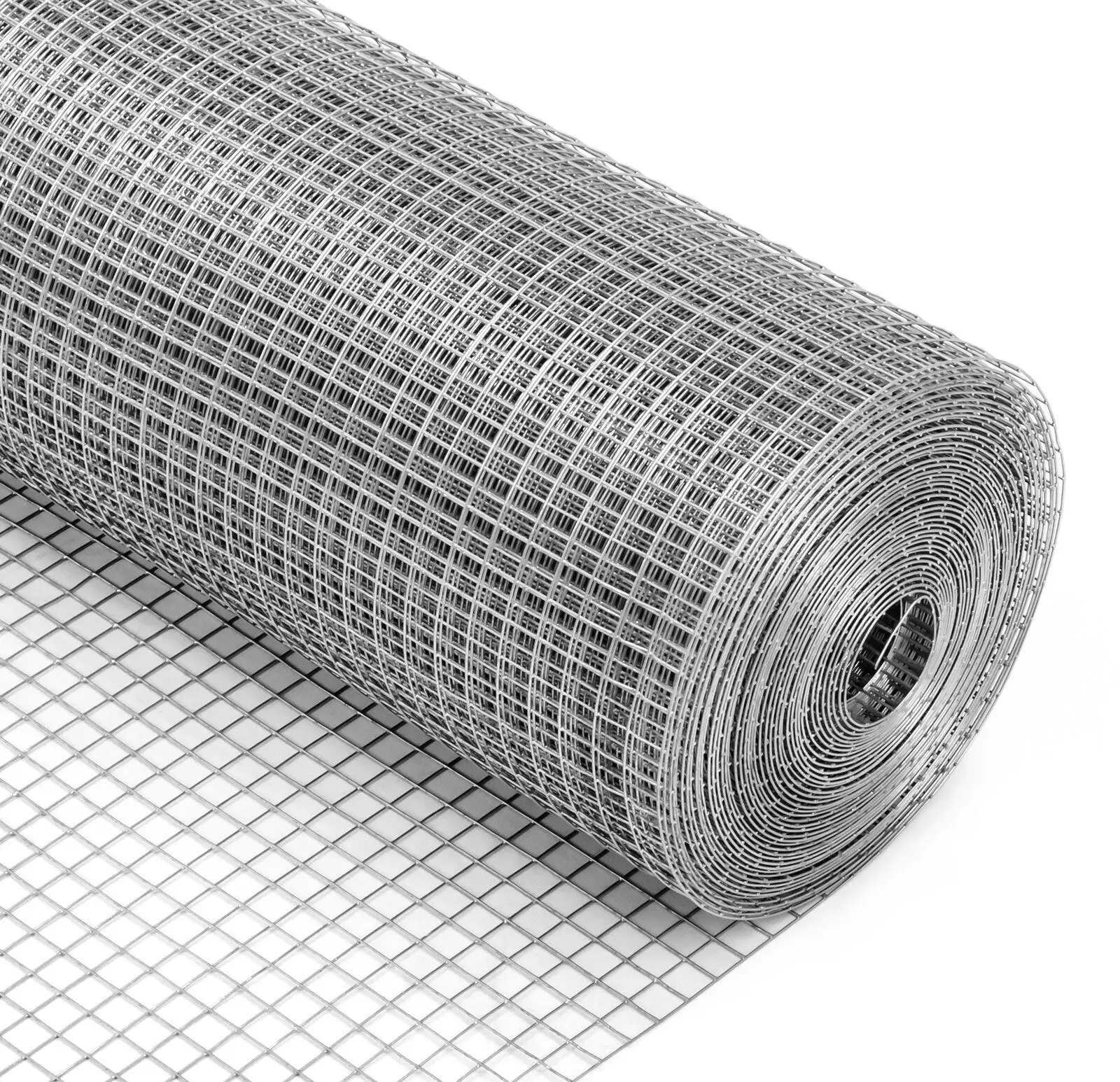
Rubber Coated Metal Mesh: Durable, Safe & Sustainable Material Solutions
Understanding Rubber Coated Metal Mesh: A Global Industrial Asset
Rubber coated metal mesh might not be the headline-grabbing material you hear about in daily news, but its global impact quietly underpins many modern industries. Essentially, it’s a combination of the strength of metal mesh with a protective rubber layer, creating an enhanced product that addresses durability, corrosion, and safety challenges at once. The relevance? With worldwide demands for stronger, longer-lasting materials—especially in construction, automotive, and even humanitarian sectors—knowing how rubber coated metal mesh works can save costs, improve safety, and boost sustainability on a global scale.
Introduction: Why Rubber Coated Metal Mesh Matters Globally
From sprawling urban centers to remote industrial zones, industries worldwide rely on tough yet flexible materials. According to the International Organization for Standardization (ISO), material longevity and environmental resistance are emerging as crucial parameters across manufacturing and infrastructure projects. Rubber coated metal mesh meets these challenges head-on by combining metal’s robustness with rubber’s protective qualities.
Oddly enough, beyond heavy industry, this mesh plays a big role in reducing maintenance costs and increasing safety — two metrics stressed by the World Bank’s recent reports on sustainable infrastructure investments. It’s a smart response to problems like corrosion, sharp edges, and noise insulation, which traditional metal meshes often struggle to manage.
What Exactly Is Rubber Coated Metal Mesh?
In simple terms: it’s metal wire mesh carefully encased or coated with a layer of rubber. This isn’t just an aesthetic choice — the rubber coating enhances grip, prevents rust, minimizes abrasion, and even dampens vibrations. Think of it as steel armor with a soft, protective skin. Industries benefit because it delivers mechanical strength without compromising safety.
This design is particularly significant in environments where both durability and human interaction intersect, like protective fencing, conveyor belts, or safety guards for machinery.
Core Components and Key Factors
1. Durability
The metal base, usually galvanized steel or stainless steel, gives the mesh structural strength. The rubber layer shields this metal from weather, chemicals, and wear — extending life expectancy dramatically versus bare mesh alone.
2. Corrosion Resistance
Moisture and salt often accelerate corrosion — a chronic cost headache in many industries. The rubber acts as an effective barrier against these environmental elements, enabling use in marine or highly humid areas.
3. Safety and Ergonomics
Metal mesh edges can be sharp and hazardous; rubber coating softens these edges, improving worker safety during handling and installation. It also offers better grip, reducing accidental slips on surfaces like stairs or walkways.
4. Noise and Vibration Dampening
Where heavy machinery or conveyor belts operate, noise is a constant issue. Rubber reduces noise transmission and vibrations that metal alone would amplify, improving overall working conditions.
5. Customizability
Rubber coatings can be varied in thickness, hardness, and color, enabling customization to specific industrial demands — be it chemical resistance, temperature tolerance, or visual marking.
Specification Table: Typical Rubber Coated Metal Mesh Properties
| Feature | Specification | Remarks |
|---|---|---|
| Base Material | Galvanized Steel / Stainless Steel | Corrosion resistant grades preferred |
| Rubber Type | NR, SBR, EPDM (commonly used) | Selection based on environment |
| Wire Diameter | 0.5 mm - 6 mm | Varies by application |
| Mesh Size | 5 mm - 100 mm | Custom sizing often required |
| Rubber Thickness | 0.5 mm - 3 mm | Depends on safety regulations |
Global Applications of Rubber Coated Metal Mesh
This product integrates seamlessly into diverse fields:
- Construction: As protective fencing and scaffolding safety covers in Asia-Pacific’s rapidly urbanizing cities.
- Industrial Safety: Mesh guards for moving parts in factories across Europe, reducing workplace accidents.
- Transportation: Conveyor belts, dewatering screens, and anti-slip platforms in mining and logistics hubs like Australia and South America.
- Disaster Relief: In humanitarian projects relying on fast deployment setups, rubber coated mesh offers resilient and reusable protective barriers.
One interesting case: In remote industrial sites in northern Canada, operators praise rubber coated metal mesh for its resistance to freezing and thaw cycles.
For references and to explore related products, see rubber coated metal mesh.
Vendor Comparison Table
| Vendor | Material Options | Customization | Lead Time | Typical Industries |
|---|---|---|---|---|
| YJ Wire Mesh | Galv Steel, Stainless Steel | High, custom rubber thickness/colors | 2-4 weeks | Construction, mining, safety |
| Global Mesh Corp | Stainless Steel only | Moderate, standard colors | 3-5 weeks | Food processing, pharma |
| EcoShield Materials | Recycled steel + EPDM | Focus on eco-friendly options | 4-6 weeks | Green building, automotive |
Advantages and Long-Term Value
Why do industries keep investing in rubber coated metal mesh? To name a few reasons:
- Cost Efficiency: Despite higher upfront costs, long service life lowers replacement expenses.
- Sustainability: Enhanced corrosion resistance reduces waste and environmental impact.
- Safety: Minimizes workplace accidents and enhances operator confidence.
- Innovation: Enables new designs not possible with bare metal meshes.
In real terms, it means fewer shutdowns, safer work environments, and greater trust between suppliers and users—a kind of emotional security tying into reliable material tech.
Future Trends in Rubber Coated Metal Mesh
Looking ahead, innovations include:
- Green Materials: Biodegradable rubber coatings and recycled metal meshes to reduce carbon footprint.
- Smart Coatings: Embedded sensors within rubber layers to monitor wear and stress in real-time.
- Digital Manufacturing: 3D printing and automated coating processes increasing production flexibility.
- Regulatory Changes: Tighter global standards pushing for higher durability and safety certifications.
Challenges & Solutions
Of course, not everything is a smooth ride. Common obstacles include:
- Adhesion Issues: Rubber can peel from metal if manufacturing isn’t spot on.
- Cost Barriers: Initial price sometimes deters smaller manufacturers.
- Environmental Limits: Extreme heat can degrade certain rubber coatings.
Experts recommend stringent quality controls and selecting suitable rubber types (like EPDM for heat resistance). Plus, innovations in surface treatment techniques help improve adhesion dramatically.
FAQ: Frequently Asked Questions About Rubber Coated Metal Mesh
- What industries benefit the most from rubber coated metal mesh?
- Construction, automotive, mining, and manufacturing industries are primary beneficiaries, especially where safety and corrosion resistance are priorities.
- How long does rubber coated metal mesh typically last?
- Under normal conditions, it can last between 5 to 15 years, depending on environment and use, which is significantly longer than uncoated mesh.
- Can rubber coated metal mesh be customized for specific temperature ranges?
- Yes, different rubber compounds like EPDM and SBR allow customization for various temperature tolerances, ranging from -40°C to 120°C.
- Is rubber coated metal mesh recyclable?
- Recycling is challenging due to the composite nature but emerging processes aim to separate rubber and metal for recycling, improving sustainability.
- How can NGOs import rubber coated metal mesh internationally?
- NGOs can work directly with reputable suppliers offering export services and documentation. It’s important to check for compliance with local import regulations and certifications.
Conclusion
Rubber coated metal mesh is more than just a hybrid material; it’s a practical, safe, and future-ready solution woven into industries worldwide. Its ability to combine strength with protection helps organizations build smarter and safer environments while also supporting sustainability goals. If you want to explore options or source high-quality mesh products, I suggest visiting our supplier partner here — their expertise is hard to beat. Oddly enough, once you start digging into this mesh’s world, it feels like an unsung hero of modern infrastructure.
— A quick takeaway: Investing in rubber coated metal mesh equips projects with safety, longevity, and peace of mind that few other materials deliver.
-
High Quality Anti Bird Agro Net for Professional Crop ProtectionNewsApr.16,2026
-
Guide to Bird Netting Cost Per Square Foot and Material OptionsNewsApr.09,2026
-
Comprehensive Guide to Bird Netting Cost Factors and Material ChoicesNewsApr.07,2026
-
Comprehensive Guide to Bird Net for Balcony Cost and Installation OptionsNewsApr.04,2026
-
Comprehensive Guide to Bird Netting Price and Effective Protection SolutionsNewsMar.31,2026
-
Comprehensive Guide to Nylon Bird Net Price Factors and OptionsNewsMar.28,2026