Comprehensive Guide to Steel Fabric Reinforcement Mesh: Uses, Benefits, and Trends
Understanding Steel Fabric Reinforcement Mesh: An Essential Material for Modern Construction
Steel fabric reinforcement mesh might not be a household phrase, yet it literally forms the backbone of countless construction projects worldwide. It’s the unsung hero behind roads, bridges, high-rises, and even disaster relief infrastructures. Grasping what steel fabric reinforcement mesh is — how it’s made, where it’s used, and why it’s so valued — unlocks insight into a critical piece of the global infrastructure puzzle. Given how rapidly urbanization and reconstruction shape economies, this material’s role can’t be overstated.
Introduction: The Global Importance of Steel Fabric Reinforcement Mesh
The scale at which the world builds today is staggering. According to the United Nations, infrastructure development is crucial for achieving sustainable development, yet many regions face challenges in building resilient structures quickly and affordably. That’s where steel fabric reinforcement mesh steps in. This mesh, often made from steel wires welded or woven into grids, adds tensile strength to concrete, ensuring durability under stresses that would otherwise cause cracking or collapse.
Oddly enough, despite the simplicity of this concept, the global demand for steel reinforcement is expected to grow by over 5% annually through the next decade (source: World Steel Association). This isn’t just about bigger buildings — it’s about safer roads, stronger dams, and resilient shelter in disaster zones. However, challenges like cost, sustainability, and supply chain disruptions still loom large, pushing engineers and manufacturers to innovate rapidly.
What is Steel Fabric Reinforcement Mesh?
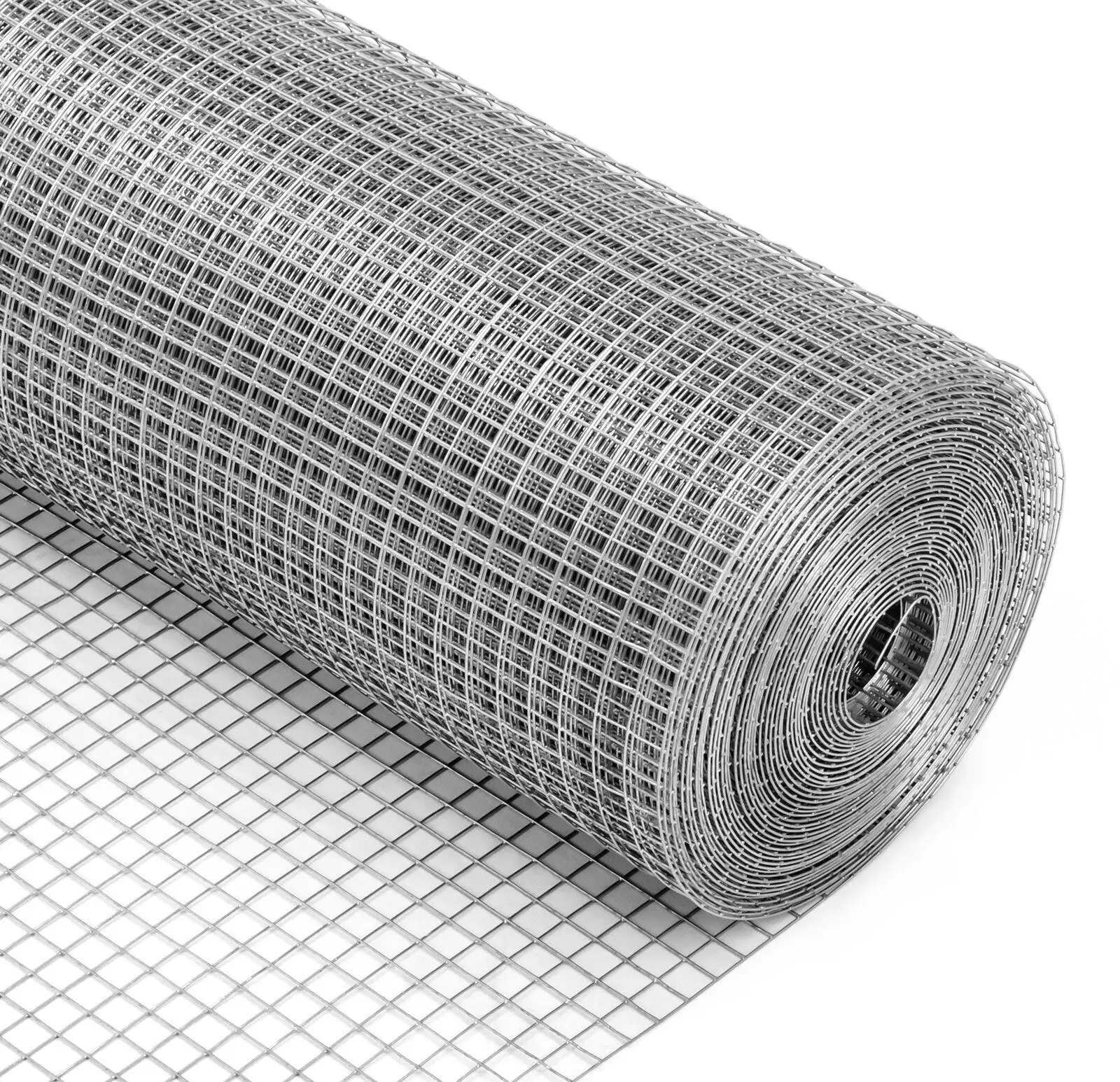
Simply put, steel fabric reinforcement mesh consists of interconnected steel wires laid out in a grid pattern. This mesh is embedded into concrete structures to provide flexibility and prevent brittle failure. Think of it as the steel “skeleton” inside concrete's “flesh.” The mesh takes tensile loads – forces that stretch or pull – which concrete alone cannot handle effectively.
This product is vital not only in high-rise construction or highway pavement but has found humanitarian applications, such as in emergency shelters where rapid and strong concrete walls are required. Its modular design allows it to be tailored to nearly any size or shape of construction project, which is quite handy across different industries.
Key Components of Steel Fabric Reinforcement Mesh
1. Durability
Steel mesh is typically galvanized or coated to resist corrosion, ensuring it withstands decades of exposure, especially in harsh environments like coastal areas. This corrosion resistance preserves the integrity of the reinforcement over time.
2. Load Capacity
The arrangement and wire thickness determine how much tensile load the mesh can bear. Engineers select mesh with appropriate spacing and gauge to match the structural requirements, balancing strength with material cost.
3. Scalability and Customization
Steel fabric reinforcement mesh can be produced in large sheets or in rolls, tailored to project dimensions. Its scalability lends itself well from small-scale constructions to massive infrastructure projects.
4. Cost Efficiency
Compared with bespoke reinforcement methods, pre-fabricated steel fabric mesh typically reduces labor costs and speeds up construction timelines. This translates to tangible savings, which is always a welcome factor.
5. Sustainability
Steel is highly recyclable, and modern production increasingly uses recycled steel. Using steel mesh aligns well with circular economy goals, lowering the environmental footprint of construction.
| Specification | Typical Value | Unit |
|---|---|---|
| Wire Diameter | 5 - 10 | mm |
| Mesh Size (Opening) | 100 x 100 to 200 x 200 | mm |
| Length | Up to 6 | meters |
| Coating | Galvanized / Epoxy / PVC | - |
| Tensile Strength | 550 - 700 | MPa |
Mini takeaway: Steel fabric reinforcement mesh blends mechanical strength, flexibility, and cost-effectiveness—key reasons it’s a staple in construction worldwide.
Global Applications and Use Cases
Whether you’re walking down a city street paved with reinforced concrete or driving over a sturdy highway bridge, steel fabric reinforcement mesh is likely involved. Countries with rapid urban growth, like China and India, use vast amounts of reinforcement mesh to sustain their construction booms.
In post-disaster relief contexts — imagine after an earthquake or hurricane — rapid deployment of robust, reinforced concrete shelters is critical for safety and dignity. NGOs and governments often rely on prefabricated steel fabric reinforcement to expedite recovery.
Industrial zones, especially remote ones in Africa or South America, utilize this mesh to build durable infrastructure that withstands harsh environmental conditions.
| Vendor | Product Range | Average Price (USD/m²) | Lead Time | Global Shipping |
|---|---|---|---|---|
| SteelMESH Co. | Standard + Custom Sizes | 12 - 16 | 2-3 weeks | Yes |
| Global Reinforcements | Galvanized Mesh | 14 - 18 | 1-2 weeks | Limited |
| YJ Wire Mesh | Wide Range + Heavy Duty | 10 - 15 | 2 weeks | Worldwide |
Mini takeaway: Different suppliers vary by product scope, price, and shipping capacity—knowing your project’s needs helps pick the best source. (Speaking of which, see steel fabric reinforcement mesh suppliers with global reach.)
Advantages and Long-Term Value
The benefits of steel fabric reinforcement mesh go beyond simple strength. Obviously, the enhanced load-bearing capacity reduces the risk of cracks and structural failure, preserving safety.
From a sustainability standpoint, its recyclability and durability mean fewer replacement cycles and less material waste. That aligns pretty well with today’s push towards greener construction practices.
Socially, it contributes to community resilience — infrastructure stays standing through storms or seismic events, maintaining safety and dignity for inhabitants. It feels good to know you’re building something more lasting, not just temporary.
Future Trends and Innovations
There’s a lot happening on the innovation front. Researchers are experimenting with composite reinforcement meshes — combining steel with fiber optics for real-time strain monitoring in concrete structures. Imagine a bridge that tells engineers it’s fatigued before visibly cracking. Fascinating stuff.
Another promising direction is integrating sustainable coatings and using even higher recycled-content steel. Automation in manufacturing is also improving precision and reducing costs, making steel mesh ever more accessible globally.
Challenges and Solutions
One classic limitation is corrosion, especially in marine or chemically aggressive environments. While coatings help, long-term exposure still takes a toll. Solutions like cathodic protection, advanced polymer coatings, or stainless steel variants get around this but increase costs.
Supply chain issues, particularly post-pandemic, have also made sourcing steel and shipping materials erratic at times. Building relationships with reliable vendors and keeping a stock buffer are pragmatic strategies.
Frequently Asked Questions About Steel Fabric Reinforcement Mesh
- What sizes of steel fabric reinforcement mesh are typically available?
- Most suppliers offer mesh in standard widths of 2 to 3 meters and lengths up to 6 meters, with wire diameters ranging from 5 to 10 mm. Custom sizes can often be manufactured to meet specific project requirements.
- How do I choose the right mesh for load requirements?
- Load requirements depend on the structure's design and expected stresses. Consult with a structural engineer who can specify mesh spacing and wire gauge based on tensile strength calculations and safety codes.
- Is galvanized mesh better than epoxy-coated for outdoor projects?
- Galvanized mesh provides good protection against corrosion and is cost-effective for many outdoor uses. Epoxy coatings offer enhanced chemical resistance and durability but at a higher price. The choice depends on the environmental conditions and project budget.
- Can steel fabric reinforcement mesh be recycled?
- Yes, steel is one of the most recycled materials globally. At the end of a structure's life, reinforcement mesh can be recovered, melted down, and reused without significant loss of quality.
- How quickly can steel fabric reinforcement mesh be delivered internationally?
- Delivery times vary by supplier and destination. Typically, lead times range from one to three weeks, with expedited shipping available through most large vendors.
Conclusion
Steel fabric reinforcement mesh is a foundational building block for modern infrastructure, offering strength, efficiency, and sustainability benefits. Its broad global demand underlines how vital it is for safe, enduring constructions that meet the needs of growing populations and resilient communities. Whether you’re rebuilding after a disaster or constructing the next urban landmark, this mesh delivers reliability and value.
For those interested in sourcing quality steel fabric reinforcement mesh or exploring custom solutions, do check out steel fabric reinforcement mesh providers experienced in global supply and innovation.
It’s funny how something so simple — a grid of steel wires — can hold up the world’s cities, turn concrete into a fortress, and quietly keep people safe. That’s kind of the marvel of engineering in everyday life.
References
-
High Quality Anti Bird Agro Net for Professional Crop ProtectionNewsApr.16,2026
-
Guide to Bird Netting Cost Per Square Foot and Material OptionsNewsApr.09,2026
-
Comprehensive Guide to Bird Netting Cost Factors and Material ChoicesNewsApr.07,2026
-
Comprehensive Guide to Bird Net for Balcony Cost and Installation OptionsNewsApr.04,2026
-
Comprehensive Guide to Bird Netting Price and Effective Protection SolutionsNewsMar.31,2026
-
Comprehensive Guide to Nylon Bird Net Price Factors and OptionsNewsMar.28,2026