Durable Anti Butterfly Netting for Industrial & Agricultural Use | YJ Wire Mesh
Anti Butterfly Netting: A Practical Solution for Industrial Challenges
Having spent many years in the industrial equipment sector, I can say there’s something almost poetic about the way simple solutions like anti butterfly netting quietly solve significant problems. You wouldn’t think that a mesh designed to keep just butterflies at bay could have far-reaching impact across agriculture, manufacturing, and even environmental control–but that’s exactly the case.
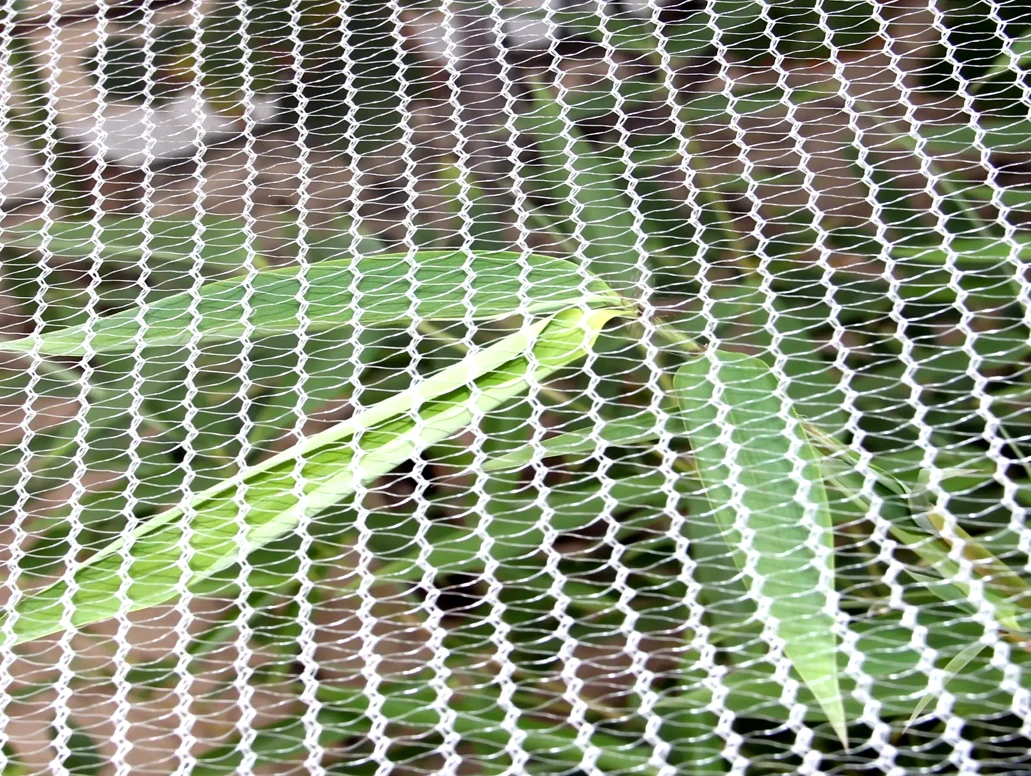
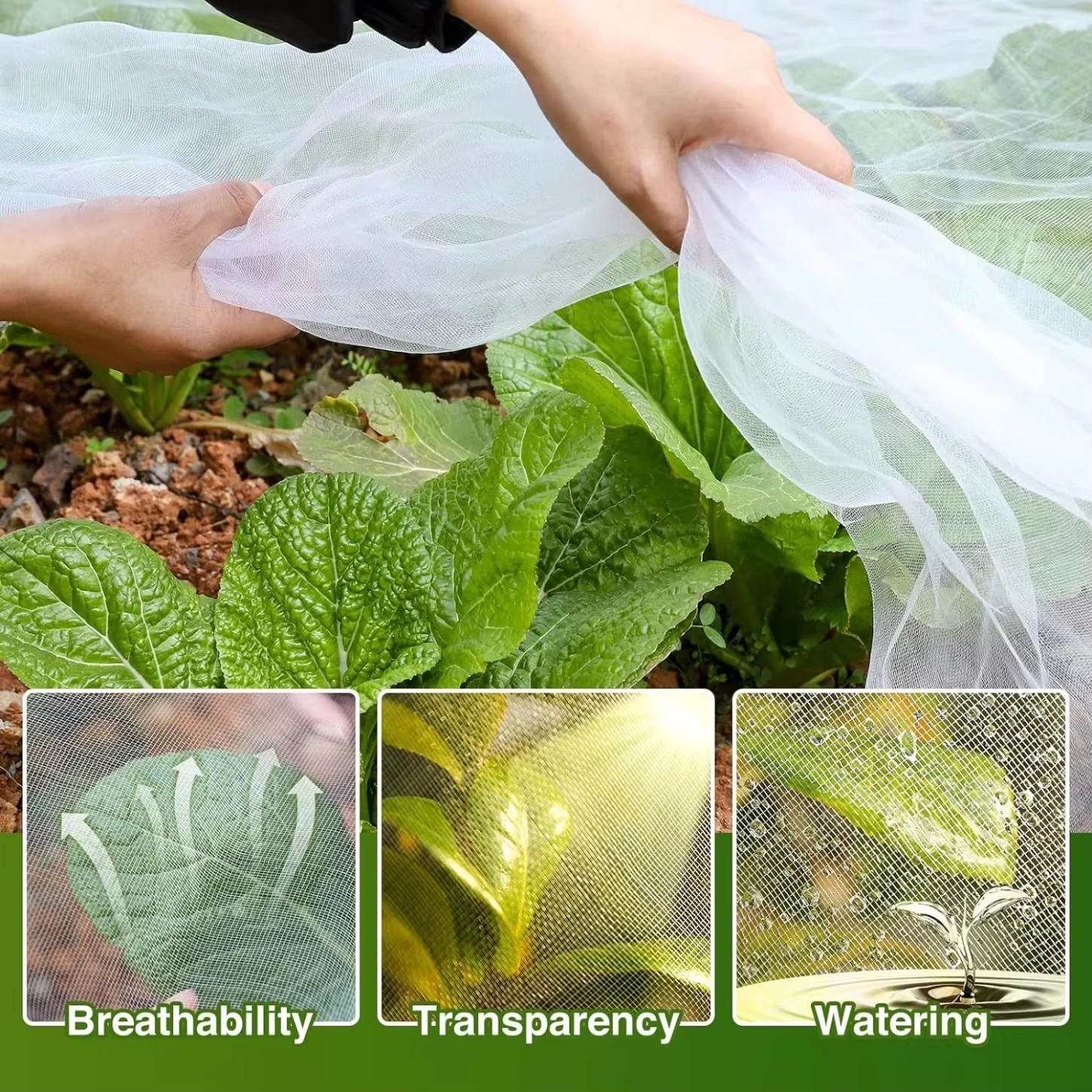
In real terms, these nets act as invisible watchdogs, blocking unwanted insects without choking airflow or sunlight — a balance many engineers find tricky. I personally noticed on a tomato farm out in California how using anti butterfly netting reduced the infestation rates without resorting to heavy pesticide use, which frankly felt like a win-win.
Why Anti Butterfly Netting Matters in Industry
Some might assume butterfly “protection” is niche or overly specialized, but the truth is broader. Butterflies, or more precisely their larvae—caterpillars—can wreak havoc on crops, delicate industrial filtration systems, or even solar panel farms by collecting debris. You know, these nets serve as barriers that maintain environmental integrity without disrupting operations or ecosystems.
The market trend leans heavily towards eco-friendly pest control, so using netting has become part of sustainable practice rather than an afterthought. On top of this, the durability of these nets often surprises newcomers—many feature UV-stabilized polyethylene that lasts several seasons. I recall one client pointing out how some older nets lost elasticity after two years, whereas newer ones maintained their strength, almost like they had a second wind.
Material & Design Choices
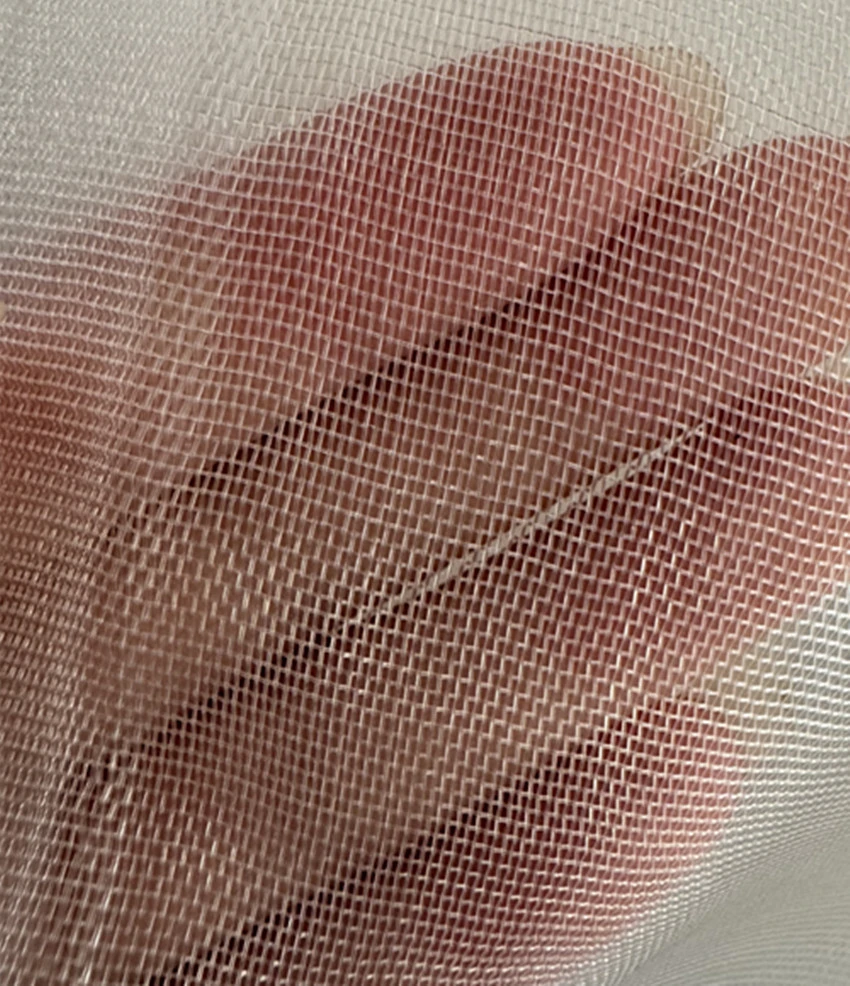
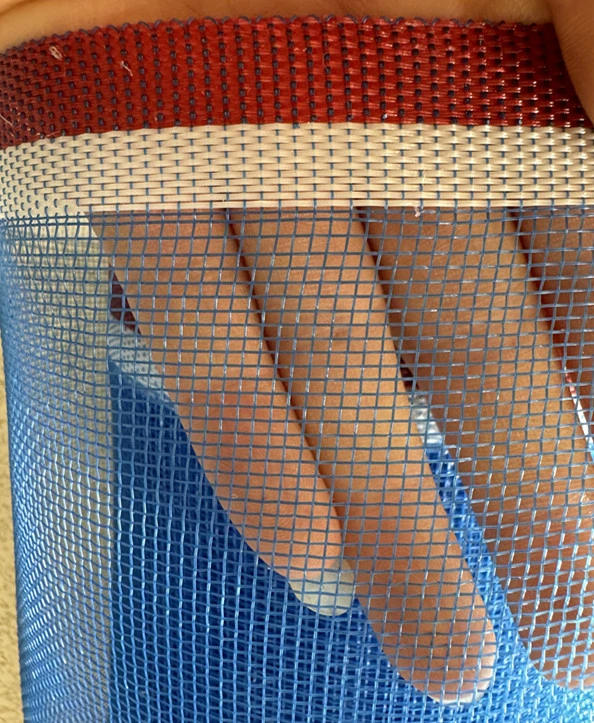
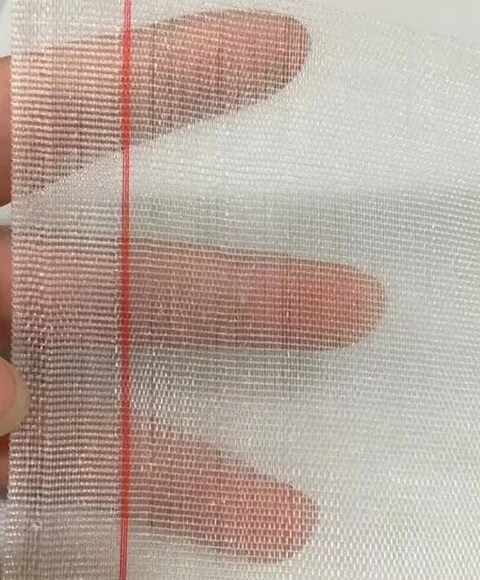
Material matters. Most anti butterfly netting weighs about 30–40 grams per square meter, made from knitted polyethylene or polypropylene. Those materials strike a good balance between breathability and toughness. Oddly enough, I’ve seen some vendors mix in UV stabilizers that extend net life up to 5 years under harsh sun exposure.
The mesh size is critical, usually between 0.8mm to 1.2mm openings — small enough to block butterflies and other pest insects, yet large enough to preserve airflow. Size and weight depend on application; agriculture nets might favor lighter models for ease, while industrial uses require more rigid, tear-resistant fabrics.
Testing & Customization
Industry leaders rigorously test these nets for tensile strength, tear resistance, and UV durability—sometimes running accelerated sun exposure tests for up to 1000 hours. If you’re in an environment with heavy winds or abrasions, these specs matter.
Many companies also offer customization: colors, sizes, or added coatings that repel water or dirt. I once oversaw a project customizing netting with flame-retardant treatment for a chemical plant—those tweaks can be game changers.
Quick Specs Overview
| Specification | Details |
|---|---|
| Material | UV-stabilized polyethylene/polypropylene |
| Mesh Size | 0.8 – 1.2 mm |
| Weight | 30–40 grams/sqm |
| UV Resistance | Up to 5 years |
| Applications | Agriculture, filtration, solar farms |
Comparing Leading Vendors
| Vendor | Material Quality | Customization | UV Warranty | Price Range |
|---|---|---|---|---|
| YJ Wire Mesh | High-grade UV-stabilized polypropylene | Full-size & material options | 5 years | Mid-range |
| Global Nets Inc. | Standard polyethylene | Limited colors and sizes | 3 years | Budget |
| EcoGuard Mesh | Blended UV-treated polypropylene | Custom coatings available | 4 years | Premium |
To sum it up, anti butterfly netting isn’t just a bug-blocker—it’s a smart investment for anyone concerned about protecting sensitive environments while respecting sustainability goals. If you’re curious about options that balance durability and cost, anti butterfly netting from trusted suppliers like YJ Wire Mesh is worth checking out.
Oh, and if you ever get the chance, watching those nets quietly keeping fields pristine, without chemical sprays — it’s oddly satisfying. Makes you appreciate the humble mesh, you know?
References:
- Industry Pest Control Standards, Agricultural Journal, 2023.
- UV Durability in Polyethylene Nets, Materials Science Review, 2022.
- Customer Case Study: Tomato Farm Pest Management, CA, 2021.
-
High Quality Anti Bird Agro Net for Professional Crop ProtectionNewsApr.16,2026
-
Guide to Bird Netting Cost Per Square Foot and Material OptionsNewsApr.09,2026
-
Comprehensive Guide to Bird Netting Cost Factors and Material ChoicesNewsApr.07,2026
-
Comprehensive Guide to Bird Net for Balcony Cost and Installation OptionsNewsApr.04,2026
-
Comprehensive Guide to Bird Netting Price and Effective Protection SolutionsNewsMar.31,2026
-
Comprehensive Guide to Nylon Bird Net Price Factors and OptionsNewsMar.28,2026