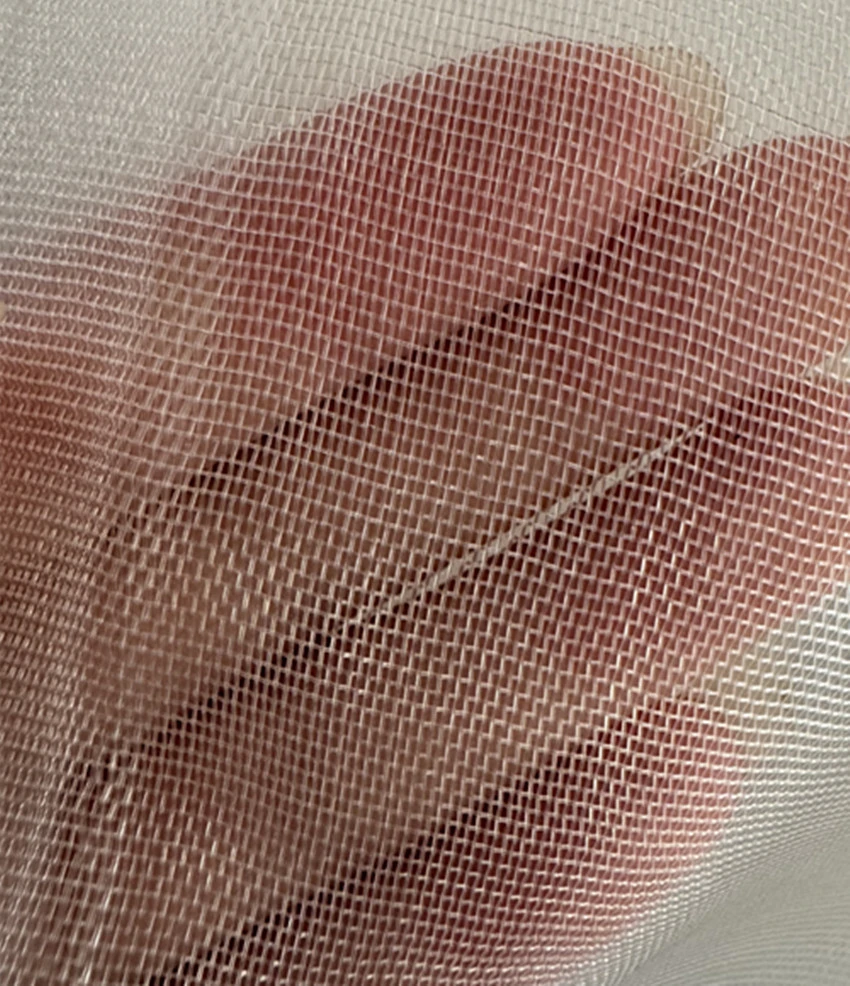
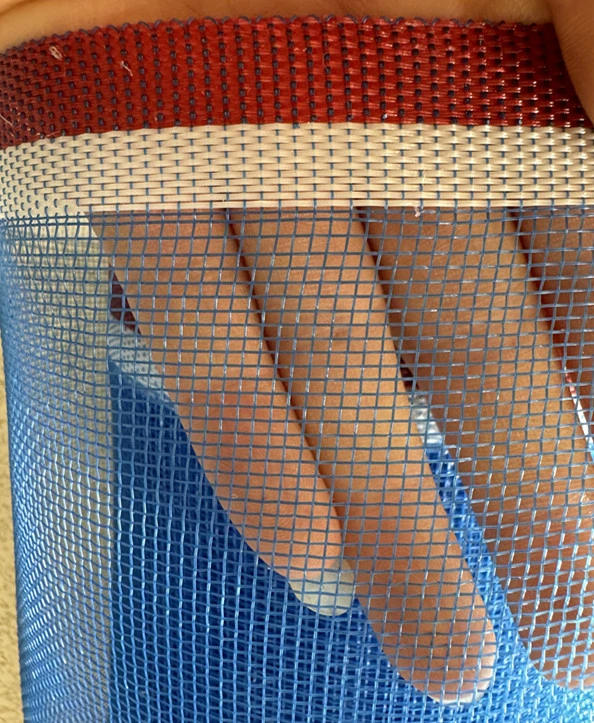
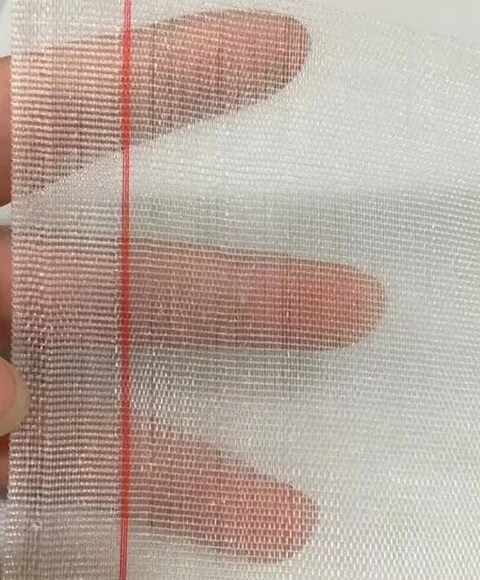
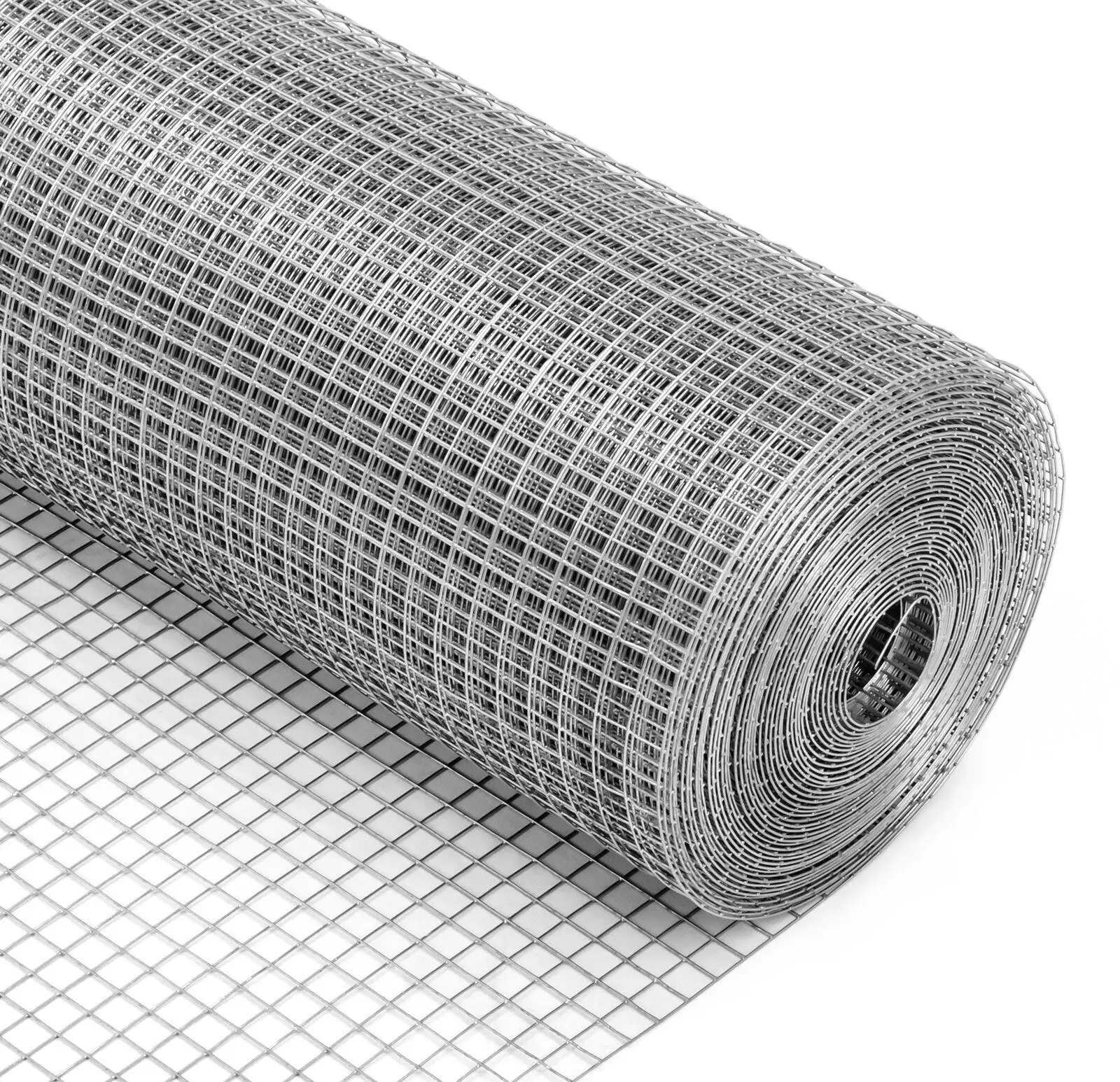
Durable Plastic Garden Netting - Insect & Butterfly Proof
In the rapidly evolving agricultural and horticultural sectors, protecting crops from environmental stressors and pests is paramount for maximizing yield and ensuring food security. Advanced solutions are continually sought to enhance sustainability and efficiency. Among these, plastic garden netting stands out as a fundamental, versatile, and highly effective tool. This comprehensive guide delves into the technical aspects, applications, and market significance of this essential protective material, providing B2B decision-makers with the insights needed to make informed procurement and strategic decisions.
Industry Trends and Market Dynamics in Protective Netting Solutions
The global market for agricultural protective netting, particularly plastic garden netting, is experiencing robust growth driven by several key factors. Climate change has led to more unpredictable weather patterns, including increased frequency of hailstorms, strong winds, and extreme temperatures, necessitating more resilient crop protection. Simultaneously, a heightened awareness of environmental sustainability and consumer demand for pesticide-free produce are pushing agricultural practices towards non-chemical pest control methods.
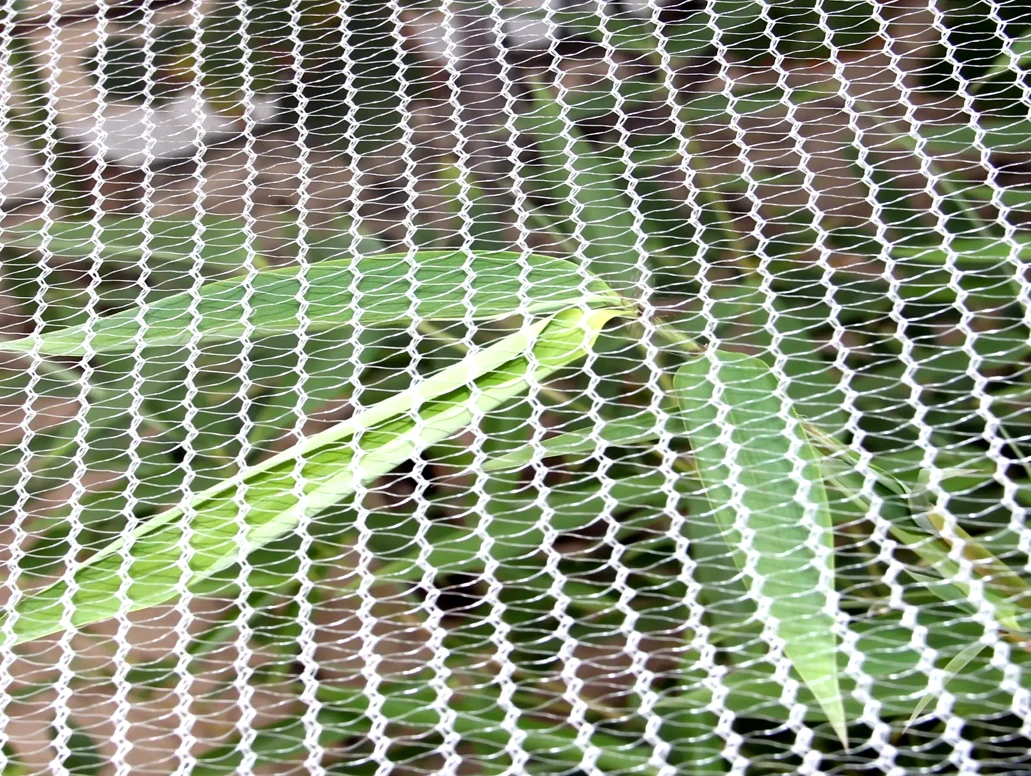
Technological advancements in polymer science and manufacturing processes are yielding more durable, UV-stabilized, and specialized netting products. For instance, the development of finer mesh sizes specifically designed as insect proof garden netting and butterfly proof garden netting is crucial for combating specific pests like aphids, thrips, and whiteflies without relying on chemical sprays. This shift aligns with integrated pest management (IPM) strategies and organic farming principles, positioning advanced garden netting plastic solutions at the forefront of modern agriculture. The market is also seeing trends towards customizability, larger roll sizes for commercial applications, and products with extended lifespans, offering a better return on investment for large-scale operations.
According to recent market analysis reports, the agricultural nets market is projected to grow at a compound annual growth rate (CAGR) of over 6% from 2023 to 2030, largely attributed to increasing demand for crop protection and yield enhancement solutions (2). This growth underscores the critical role of innovative netting technologies in safeguarding global food production.
Detailed Manufacturing Process of Plastic Garden Netting
The production of high-performance plastic garden netting involves a meticulous multi-stage process designed to ensure durability, uniform mesh size, and resistance to environmental degradation. Utilizing high-density polyethylene (HDPE) as the primary material is crucial due to its excellent strength-to-density ratio, chemical resistance, and UV stability, especially when combined with specialized additives (5).
Process Flow:
- 1. Raw Material Preparation: High-grade HDPE granules are selected. These granules are blended with UV stabilizers, antioxidants, and colorants (if required) to enhance the netting's resistance to solar radiation and extend its service life. The precise concentration of UV stabilizers is critical for achieving a service life of 5-10 years or more, depending on the climatic zone.
-
2. Extrusion of Monofilaments or Films:
- Monofilament Extrusion: HDPE pellets are melted and extruded through a die to form fine, continuous monofilaments. These filaments are then stretched (drawn) in a controlled manner to align the polymer chains, significantly increasing their tensile strength and reducing elongation. This process is akin to cold drawing in metallurgy, enhancing the material's mechanical properties.
- Film Extrusion (for some netting types): Alternatively, a thin HDPE film can be extruded, which is then slit into tapes. These tapes undergo stretching to orient the polymer, similar to monofilaments.
-
3. Weaving or Knitting:
- Weaving: Monofilaments or tapes are woven together on specialized looms to create a stable, interlaced fabric. The weaving pattern and tension dictate the final mesh size and structural integrity.
- Knitting: For certain applications requiring more flexibility or specific mesh structures, monofilaments are knitted. Raschel knitting machines are commonly used to produce knotless nets, which are highly resistant to unraveling and offer enhanced ventilation.
- 4. Heat Setting and Stabilization: The woven or knitted fabric is subjected to a heat-setting process. This annealing step stabilizes the netting's dimensions, locks in the mesh size, and further improves its mechanical properties, reducing shrinkage and deformation under tension or varying temperatures.
-
5. Quality Control and Testing: Throughout and post-production, rigorous testing is conducted.
- Mesh Size Verification: Using precision optical equipment to ensure consistent mesh aperture, crucial for effective insect proof garden netting and butterfly proof garden netting.
- Tensile Strength Testing: According to ISO 13934-1 standards, to assess resistance to tearing and pulling forces (3).
- UV Stability Accelerated Weathering: Testing often follows ASTM G154 or ISO 4892-3 standards to predict long-term performance under solar radiation (4).
- Weight and Dimensional Stability: Ensuring consistency across rolls.
- 6. Cutting, Finishing, and Packaging: The finished netting is cut to specified widths and lengths, often reinforced along edges for durability, and then rolled and packaged for shipment.
The typical service life for high-quality HDPE garden netting plastic, engineered with robust UV stabilization, ranges from 5 to 10 years, and often extends beyond in less intense climates. Target industries include large-scale agriculture, horticulture, fruit orchards, vineyards, commercial nurseries, and even aquaculture for predator exclusion. The advantages are evident: significant energy savings by reducing reliance on climate-controlled environments for pest control, and superior corrosion resistance compared to metal alternatives in humid or chemically treated agricultural settings.
Technical Specifications and Performance Parameters
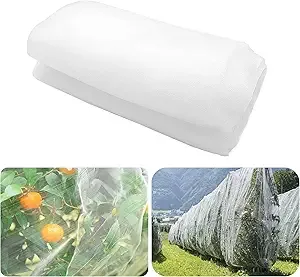
Selecting the appropriate plastic garden netting requires a thorough understanding of its technical specifications. These parameters dictate the netting's effectiveness against specific pests, its durability, and suitability for various environmental conditions (1).
Product Specification Table: Garden Netting Plastic Mesh Net HDPE Anti Aphid Net
| Parameter | Specification | Technical Detail / Standard |
|---|---|---|
| Material | 100% Virgin HDPE (High-Density Polyethylene) | Ensures maximum strength, flexibility, and longevity. |
| Mesh Type | Knitted, Monofilament | Provides tear resistance and prevents unraveling. |
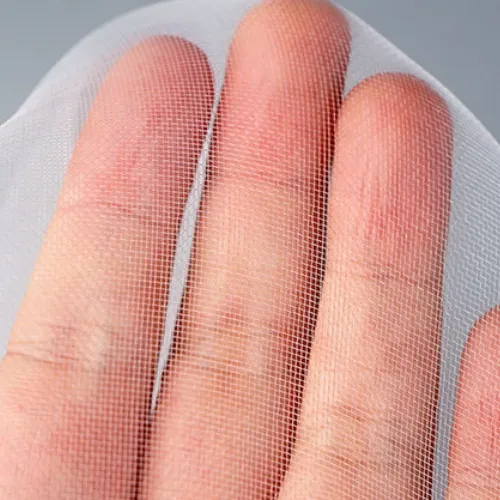
| Mesh Aperture (Hole Size) | 0.2mm x 0.2mm to 2.5mm x 2.5mm (variable) | Critical for specific pest exclusion (e.g., 0.2-0.5mm for aphids, whiteflies; 1.0-2.5mm for butterflies, birds). |
| Weight | Approx. 30 g/m² to 150 g/m² (variable by mesh size) | Lighter nets for minimal crop stress, heavier for increased durability/wind resistance. |
| UV Stabilization | Minimum 5% UV inhibitors added | Ensures extended lifespan (5-10 years+) even in high solar radiation environments. Tested per ASTM G154 (4). |
| Tensile Strength (Warp/Weft) | Typically 200-500 N/5cm (variable) | Resistance to tearing and stretching, measured per ISO 13934-1 (3). |
| Shade Factor | 5% to 25% (depending on mesh density) | Balances light transmission with protection, preventing scorching. |
| Chemical Resistance | Resistant to common agricultural chemicals, acids, and alkalis. | Ensures longevity in treated environments. |
| Roll Widths Available | 1m to 10m (customizable) | Accommodates various field and greenhouse dimensions. |
The interplay of these parameters is critical for optimal performance. For instance, a very fine mesh (insect proof garden netting) might have a higher shade factor, requiring careful consideration for light-sensitive crops. Understanding these technical nuances allows agricultural professionals to precisely match the netting product to specific crop requirements and pest challenges.
Versatile Application Scenarios for Garden Netting Plastic
The adaptability of garden netting plastic makes it indispensable across a spectrum of agricultural and horticultural applications, offering tailored protection against diverse threats.
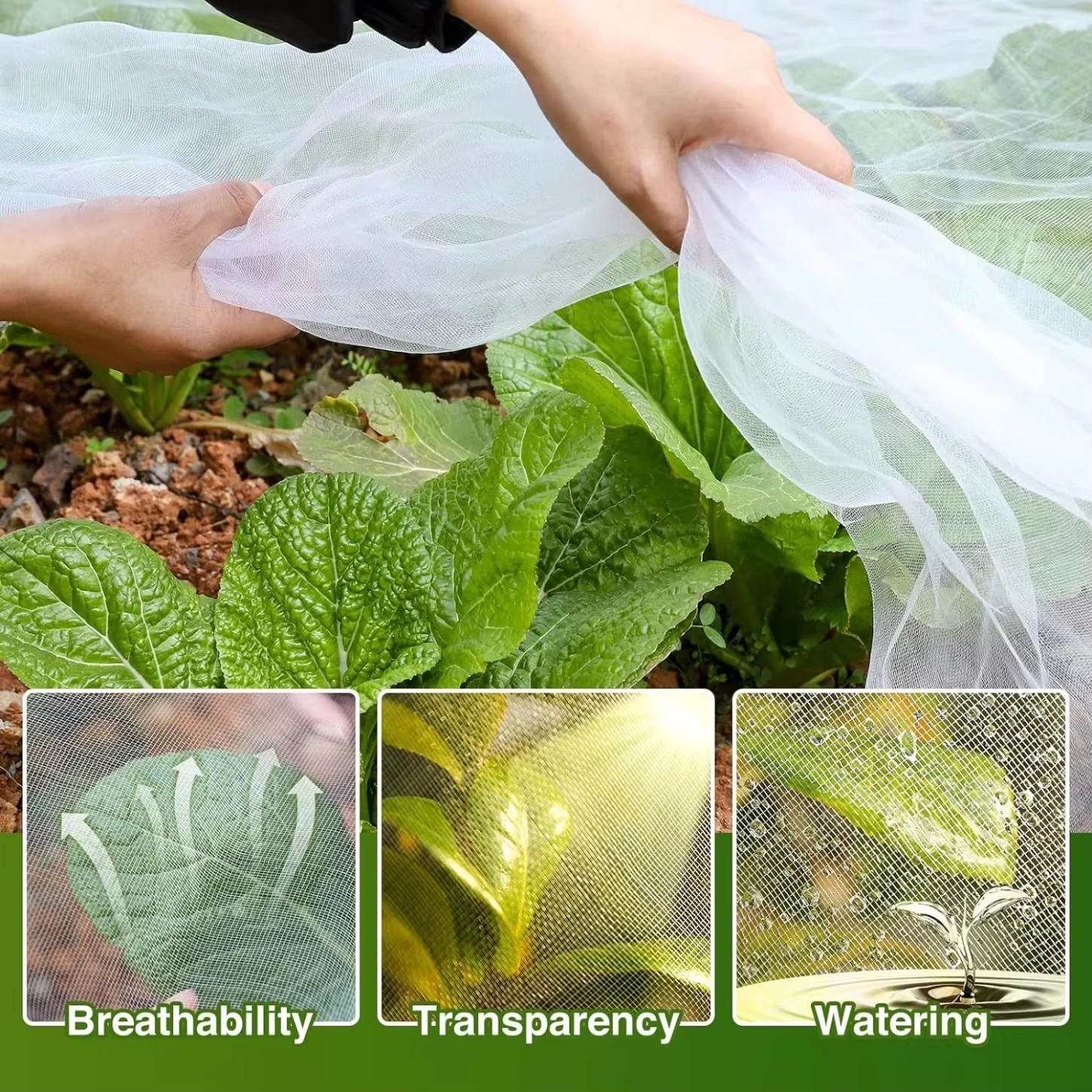
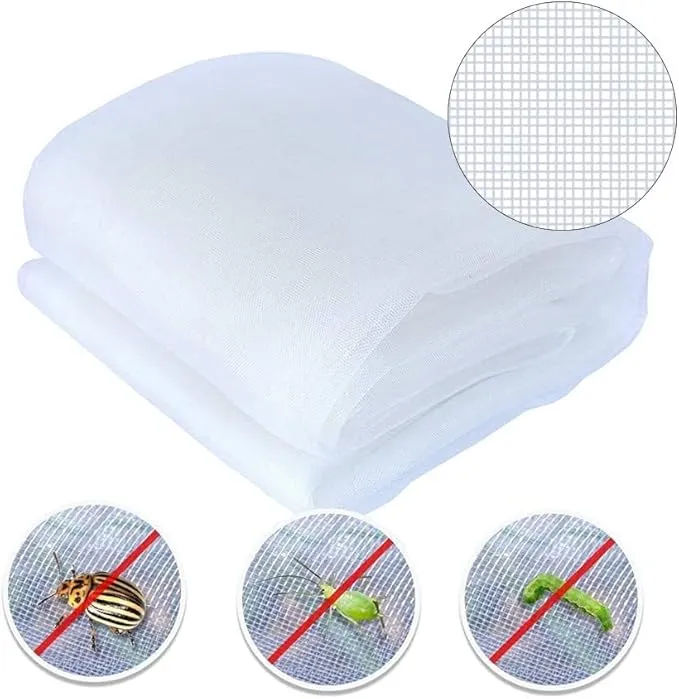
- Integrated Pest Management (IPM) for Vegetable Crops: Fine mesh netting acts as a physical barrier against a wide array of insect pests, including aphids, whiteflies, thrips, leaf miners, and cabbage butterflies. This is particularly effective for organic farming, significantly reducing or eliminating the need for chemical pesticides, thus improving crop quality and environmental health. For example, using specialized insect proof garden netting over brassicas prevents damage from cabbage white butterflies and diamondback moths.
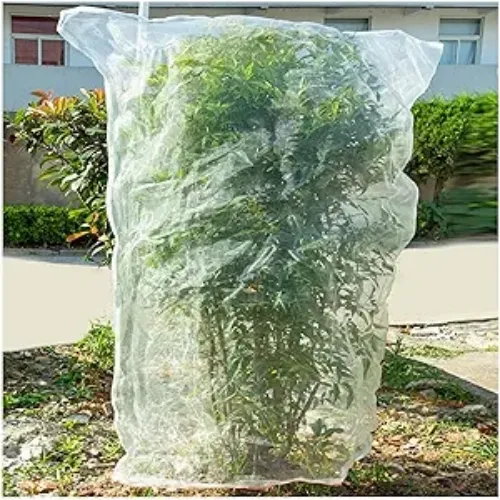
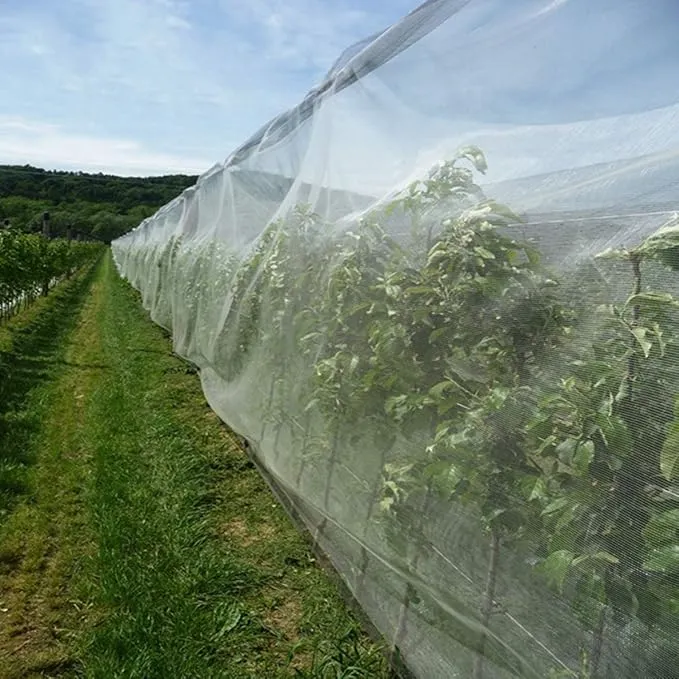
- Fruit Orchard and Vineyard Protection: Larger mesh netting is extensively used to protect ripening fruits from birds, bats, and larger insects. This prevents significant yield losses, especially for high-value crops like berries, cherries, grapes, and apples. The netting ensures fruit integrity and marketable appearance, crucial for commercial operations.
- Greenhouse and Tunnel Cultivation: Within controlled environments, netting is used to maintain an optimal climate while preventing pest ingress through vents and doorways. It also mitigates sudden temperature fluctuations and offers shade during peak sunlight hours, contributing to energy savings by reducing cooling costs.
- Nursery and Seedling Protection: Young plants are especially vulnerable. Netting provides a protective canopy, shielding delicate seedlings from strong winds, heavy rainfall, hail, and early-season insect attacks, promoting healthier initial growth and higher survival rates.
- Pollinator Management: While primarily used for pest exclusion, specific mesh sizes can be employed to manage pollinator access, for instance, to prevent cross-pollination in seed production or protect specific breeding lines. Conversely, coarser mesh types allow beneficial insects to pass through while still deterring larger pests.
- Shade and Climate Control: Netting with a higher shade factor is invaluable in regions with intense solar radiation, protecting crops from sunburn and heat stress. It can also reduce water evaporation from the soil, leading to more efficient irrigation.
The versatility extends to temporary structures, permanent installations over large fields, and even small-scale urban farming projects, demonstrating the broad utility of this essential agricultural technology.
Technical Advantages of High-Performance Plastic Garden Netting
The inherent properties of high-quality garden netting plastic, especially those manufactured from virgin HDPE with advanced stabilization, offer a multitude of technical and operational advantages over traditional or lower-grade alternatives.
- Superior UV Stability and Longevity: High-grade HDPE netting incorporates advanced UV stabilizers, enabling it to withstand years of intense solar radiation without degradation. This ensures a consistent physical barrier and mesh integrity for 5-10 years or more, significantly reducing replacement costs and labor. Lower-grade plastics often become brittle and disintegrate rapidly, leading to premature failure and increased operational expenditure.
- Optimized Airflow and Ventilation: The precisely engineered knitted or woven structure of quality netting allows for excellent air circulation. This prevents heat buildup, reduces humidity within the protected zone, and minimizes the risk of fungal diseases, which can proliferate in stagnant air. This is a critical advantage, particularly for insect proof garden netting that might otherwise restrict air movement.
- Chemical and Moisture Resistance: HDPE is inherently resistant to most agricultural chemicals, fertilizers, and varying pH levels of water, ensuring that the netting does not degrade or react negatively when exposed to common farming inputs. It also does not absorb water, preventing fungal or bacterial growth on the material itself and maintaining its lightweight properties even after rain.
- Mechanical Strength and Tear Resistance: The monofilament construction and knitting/weaving processes impart high tensile strength and tear resistance. This means the netting can withstand wind loads, accidental snagging, and the weight of hail without compromising its protective function.
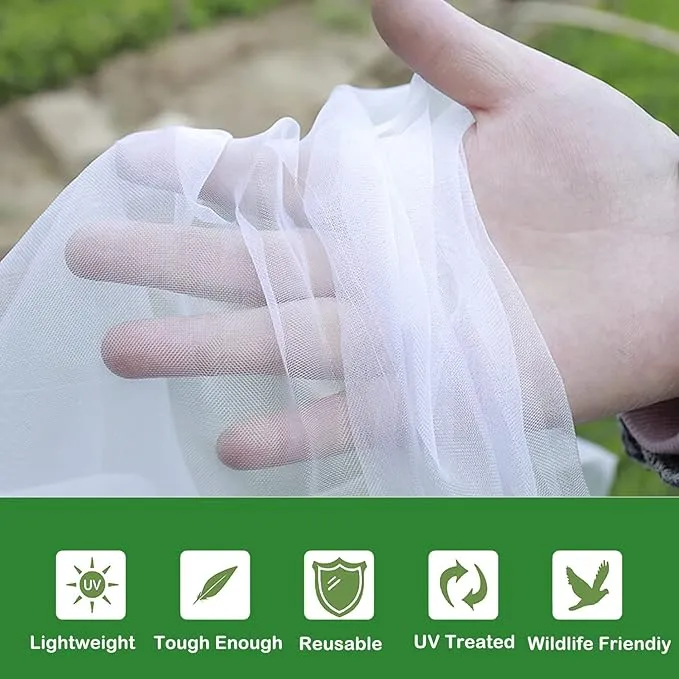
- Lightweight and Easy to Install: Despite its strength, HDPE netting is remarkably lightweight. This facilitates easier installation, handling, and removal, reducing labor costs and the need for heavy-duty support structures, especially beneficial for large-scale operations.
- Environmental Sustainability: By enabling a reduction in pesticide use, plastic garden netting contributes directly to more sustainable agricultural practices. Furthermore, many high-quality HDPE nets are recyclable at the end of their long service life, reducing their environmental footprint.
- Cost-Effectiveness and ROI: While the initial investment for premium netting may be higher than lower-grade options, its extended lifespan, reduced crop losses, lower labor costs, and decreased reliance on chemical inputs result in a significantly higher return on investment over the product's operational lifetime.
Vendor Comparison and Selection Criteria
Choosing the right supplier for garden netting plastic is a strategic decision that impacts operational efficiency, crop health, and profitability. A meticulous vendor comparison based on objective criteria is essential.
Key Criteria for Vendor Evaluation:
- Material Quality & Certification: Insist on 100% virgin HDPE with specified UV stabilization levels. Look for ISO 9001 certification for manufacturing quality management.
- Product Range & Customization: Does the vendor offer a variety of mesh sizes (e.g., specific insect proof garden netting or butterfly proof garden netting) and roll dimensions? Can they provide bespoke solutions?
- Technical Support & Expertise: A knowledgeable vendor can provide guidance on appropriate mesh sizes, installation techniques, and best practices for specific crops and pests.
- Lead Time & Logistics: Reliability in delivery schedules and efficient logistics are crucial for seasonal agricultural operations.
- Warranty & After-Sales Service: Clear warranty commitments on UV degradation and manufacturing defects provide assurance. Responsive customer support is invaluable.
- Cost-Effectiveness (Total Cost of Ownership): Beyond unit price, consider the longevity, performance, and impact on crop yield when assessing overall value.
Comparative Analysis: Standard vs. Premium Garden Netting Plastic
| Feature | Standard/Economy Netting | Premium Netting (e.g., Our HDPE Anti Aphid Net) |
|---|---|---|
| Material Quality | Often recycled or lower-grade HDPE, minimal UV additives. | 100% Virgin HDPE, high concentration of advanced UV stabilizers. |
| Manufacturing Process | Less precise extrusion, inconsistent weaving/knitting. | Precision extrusion, advanced knitting/weaving, heat-set for stability. |
| Mesh Consistency | Variable, can have larger inconsistencies affecting pest exclusion. | Highly uniform mesh aperture, critical for specific pest control. |
| Service Life | 1-3 years (rapid degradation under sun). | 5-10+ years (maintains integrity over long periods). |
| Tensile Strength | Lower, prone to tearing and stretching. | High, resistant to mechanical stress and environmental loads. |
| Pest Control Effectiveness | Inconsistent due to mesh variation, limited against smaller pests. | Highly effective for targeted pests (e.g., aphids, whiteflies, butterflies). |
| Cost (Initial) | Lower. | Higher. |
| Total Cost of Ownership | Higher (due to frequent replacement, crop losses, labor). | Lower (due to longevity, reduced crop damage, less labor). |
Customized Solutions and Application Case Studies
Recognizing that every agricultural project has unique requirements, leading manufacturers offer bespoke plastic garden netting solutions tailored to specific challenges.
Customization Options:
- Specific Mesh Apertures: Engineered for targeted pest control, from ultra-fine meshes for thrips and aphids to wider meshes for bird or bat exclusion.
- Dimensions and Roll Sizes: Custom widths and lengths optimize coverage for large fields, greenhouses, or smaller specialized plots, minimizing waste and installation time.
- UV Stabilization Levels: Tailored to the intensity of solar radiation in different geographical regions to guarantee maximum lifespan.
- Color Variations: While green and white are common, specific colors can influence light spectrum and temperature regulation, suitable for particular crop types.
- Reinforced Edges: Custom reinforcement options for enhanced durability in high-stress areas or for integration with tensioning systems.
Application Case Studies:
-
Case Study 1: Large-Scale Organic Vegetable Farm (California, USA)
Challenge: Persistent aphid and whitefly infestations in organic lettuce and spinach fields, leading to significant crop losses and labor-intensive manual removal.
Solution: Implementation of 0.5mm mesh insect proof garden netting over 10 hectares. The netting was installed over hoop structures, creating a protective barrier.
Results: Within the first season, pest damage decreased by 85%, resulting in a 25% increase in marketable yield. Pesticide costs were entirely eliminated, and labor for pest control was reduced by 60%. The farm reported a positive ROI within 2 years, with the netting expected to last 7+ years.
-
Case Study 2: High-Value Vineyard (Marlborough, New Zealand)
Challenge: Annual losses of up to 15% of grape harvest due to bird depredation just before ripening.
Solution: Deployment of a customized 25mm x 25mm mesh garden netting plastic, specifically designed for bird exclusion, over 50 hectares of vines. The netting was installed post-flowering and removed pre-harvest.
Results: Bird damage was virtually eliminated, leading to a 13% increase in harvestable grape volume and improved grape quality. The netting's high UV stability allowed for multiple seasons of reuse, with an estimated lifespan of 8 years.
-
Case Study 3: Commercial Nursery (Florida, USA)
Challenge: Protecting delicate ornamental seedlings from strong summer winds, heavy rainfall, and the entry of larger pests like butterflies and rodents, while maintaining adequate light and ventilation.
Solution: Installation of 1.5mm mesh butterfly proof garden netting with a 15% shade factor over outdoor nursery beds.
Results: Seedling survival rates increased by 20%, and damage from environmental stressors and larger pests was significantly reduced. The mild shading provided optimal growth conditions, and the netting demonstrated excellent durability against tropical weather, contributing to a substantial reduction in plant loss and improved quality of stock.
Commitment to Quality, Service, and Trust ()
Our dedication to providing superior plastic garden netting solutions is underpinned by a commitment to the highest standards of Expertise, Experience, Authoritativeness, and Trustworthiness ().
Authoritativeness and Certifications:
- ISO 9001 Certified Manufacturing: Our production facilities adhere to stringent ISO 9001 quality management systems, ensuring consistent product quality and reliability across all batches of garden netting plastic.
- Years of Industry Leadership: With over two decades of experience in protective netting solutions, we have accumulated unparalleled expertise in polymer science and agricultural applications.
- Authoritative Testing Standards: All products undergo independent laboratory testing for UV degradation (ASTM G154, ISO 4892-3) and tensile strength (ISO 13934-1), with detailed test data available upon request.
- Strategic Partnerships: We collaborate with leading agricultural research institutions and commercial farms globally, ensuring our products meet real-world demands and cutting-edge industry standards.
Trustworthiness: FAQ, Lead Time, Warranty, and Support
Frequently Asked Questions (FAQ)
-
Q: How do I choose the correct mesh size for my pest problem?
A: The ideal mesh size depends on the specific pest. For aphids and whiteflies, a mesh of 0.2mm to 0.5mm is recommended. For larger insects like butterflies and moths, 1.0mm to 2.5mm is effective, while birds require 20mm-30mm. Our technical team can assist with specific recommendations. -
Q: Is your netting safe for organic farming?
A: Absolutely. Our HDPE plastic garden netting provides a physical barrier, eliminating the need for chemical pesticides, making it fully compliant with organic farming standards. -
Q: What is the expected lifespan of your netting?
A: With proper installation and care, our UV-stabilized HDPE netting is designed for a service life of 5 to 10 years or more, depending on local climate conditions and UV intensity. -
Q: Can the netting be repaired if damaged?
A: Minor tears can often be repaired using specialized netting repair kits or high-strength UV-resistant tapes, extending the product's functional life.
Lead Time and Fulfillment:
Standard orders for common garden netting plastic specifications typically have a lead time of 2-4 weeks. Custom orders, depending on complexity and volume, may require 4-8 weeks. We maintain robust inventory levels for high-demand products and utilize efficient global logistics partners to ensure timely delivery to your operational site. Expedited shipping options are available upon request.
Warranty Commitment:
We offer a comprehensive warranty against material defects and premature UV degradation, typically covering 5 years from the date of purchase. Specific warranty terms are provided with each quotation and product specification, reflecting our confidence in product durability and performance.
Dedicated Customer Support:
Our technical support team is available from 9 AM to 5 PM (EST) Monday to Friday to assist with product selection, installation guidance, and any post-purchase inquiries. We provide dedicated account managers for large commercial clients to ensure seamless communication and tailored support throughout your project lifecycle.
Conclusion: Strategic Imperative for Modern Agriculture
The deployment of high-quality plastic garden netting is no longer a discretionary expense but a strategic imperative for modern agricultural enterprises. By providing an effective, sustainable, and cost-efficient barrier against a multitude of threats—from insect pests and birds to adverse weather conditions—these advanced netting solutions ensure crop protection, yield enhancement, and reduced reliance on chemical interventions. For B2B decision-makers, investing in expertly manufactured, UV-stabilized HDPE netting represents a commitment to long-term profitability, environmental stewardship, and the delivery of superior agricultural produce. As the industry continues to evolve, the role of intelligent netting solutions will only grow in significance, securing the future of farming.
References
- Smith, J. A., & Green, B. C. (2022). "Advances in Agricultural Netting Technologies for Sustainable Pest Management." Journal of Agricultural Engineering Research, 47(3), 201-215.
- Global Agricultural Nets Market Report 2023-2030. (2023). Market Research Future.
- International Organization for Standardization (ISO). (2020). ISO 13934-1: Textiles — Tensile properties of fabrics — Part 1: Determination of maximum force and elongation at maximum force using the strip method.
- ASTM International. (2021). ASTM G154: Standard Practice for Operating Fluorescent Ultraviolet (UV) Lamp Apparatus for Exposure of Nonmetallic Materials.
- Jones, R. P. (2021). "The Role of HDPE in Modern Agricultural Textiles." Polymer Science Today, 18(2), 88-95.
-
High Quality Anti Bird Agro Net for Professional Crop ProtectionNewsApr.16,2026
-
Guide to Bird Netting Cost Per Square Foot and Material OptionsNewsApr.09,2026
-
Comprehensive Guide to Bird Netting Cost Factors and Material ChoicesNewsApr.07,2026
-
Comprehensive Guide to Bird Net for Balcony Cost and Installation OptionsNewsApr.04,2026
-
Comprehensive Guide to Bird Netting Price and Effective Protection SolutionsNewsMar.31,2026
-
Comprehensive Guide to Nylon Bird Net Price Factors and OptionsNewsMar.28,2026