Durable Plastic Garden Netting: Insect & Butterfly Proof Protection
Industry Trends and the Strategic Importance of Advanced Netting Solutions
The global agricultural sector is undergoing a profound transformation, driven by the dual pressures of increasing food demand and the imperative for sustainable practices. Modern farming demands highly efficient, environmentally sound solutions to protect crops from pests, adverse weather, and other environmental stressors without relying heavily on chemical inputs. This shift has significantly elevated the role of protective coverings, with plastic garden netting emerging as an indispensable tool. It offers a robust, cost-effective, and eco-friendly alternative to traditional pest management, safeguarding yields while minimizing ecological impact.
Key industry trends indicate a growing market for specialized netting solutions. Forecasts project the global agricultural films and nets market to reach substantial valuations by 2027, driven by advancements in material science and increasing adoption rates in precision agriculture. Farmers, growers, and agricultural enterprises are actively seeking high-performance, durable, and reliable `garden netting plastic` options that can withstand harsh outdoor conditions, provide optimal protection, and contribute to improved crop quality and quantity.
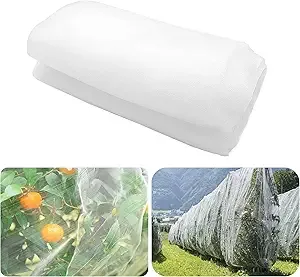
This focus on advanced materials and manufacturing processes underscores the demand for products like HDPE anti-aphid nets, specifically engineered for precision crop protection. The longevity, UV stability, and optimized mesh sizes of these nets are critical factors for B2B procurement, ensuring a strong return on investment for large-scale agricultural operations. The integration of such technologies reflects a broader movement towards climate-smart agriculture and resource efficiency.
Precision Manufacturing: The Process Flow of Plastic Garden Netting
The production of high-quality plastic garden netting, particularly specialized `insect proof garden netting` like HDPE anti-aphid nets, involves a meticulously controlled manufacturing process. This ensures product integrity, durability, and effectiveness in protecting vulnerable crops.
Materials and Preparation:
The primary material is High-Density Polyethylene (HDPE), known for its excellent strength-to-density ratio, chemical resistance, and UV stability. High-grade virgin HDPE granules are selected to ensure consistent quality. UV stabilizers and colorants (if required) are precisely blended with the HDPE resin to enhance the netting's lifespan and specific application performance.
Manufacturing Process Steps:
- Extrusion: The blended HDPE mixture is fed into an industrial extruder. Under high temperature and pressure, the polymer melts and is forced through a die to form continuous strands or filaments. This step is critical for molecular alignment and material consistency.
- Cooling: The extruded filaments are rapidly cooled, often in a water bath, to solidify the polymer structure and prevent deformation.
- Stretching (Orientation): The cooled filaments are then stretched, either uniaxially or biaxially, to orient the polymer chains. This process significantly enhances the tensile strength and tear resistance of the material, making the `garden netting plastic` robust against mechanical stress.
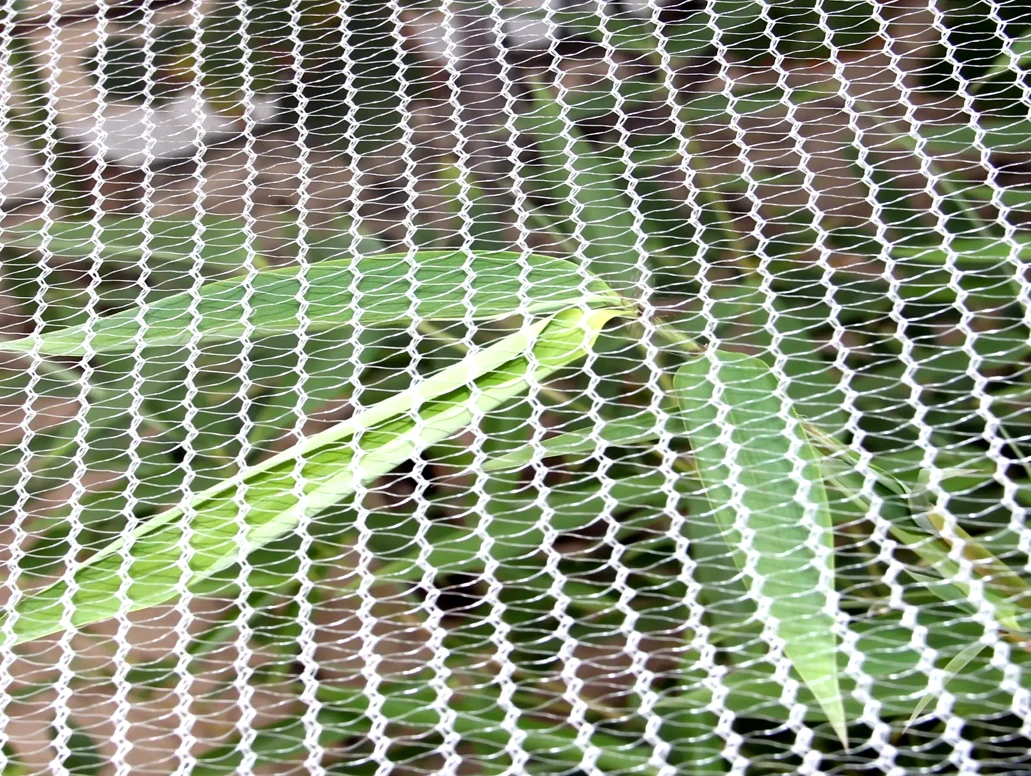
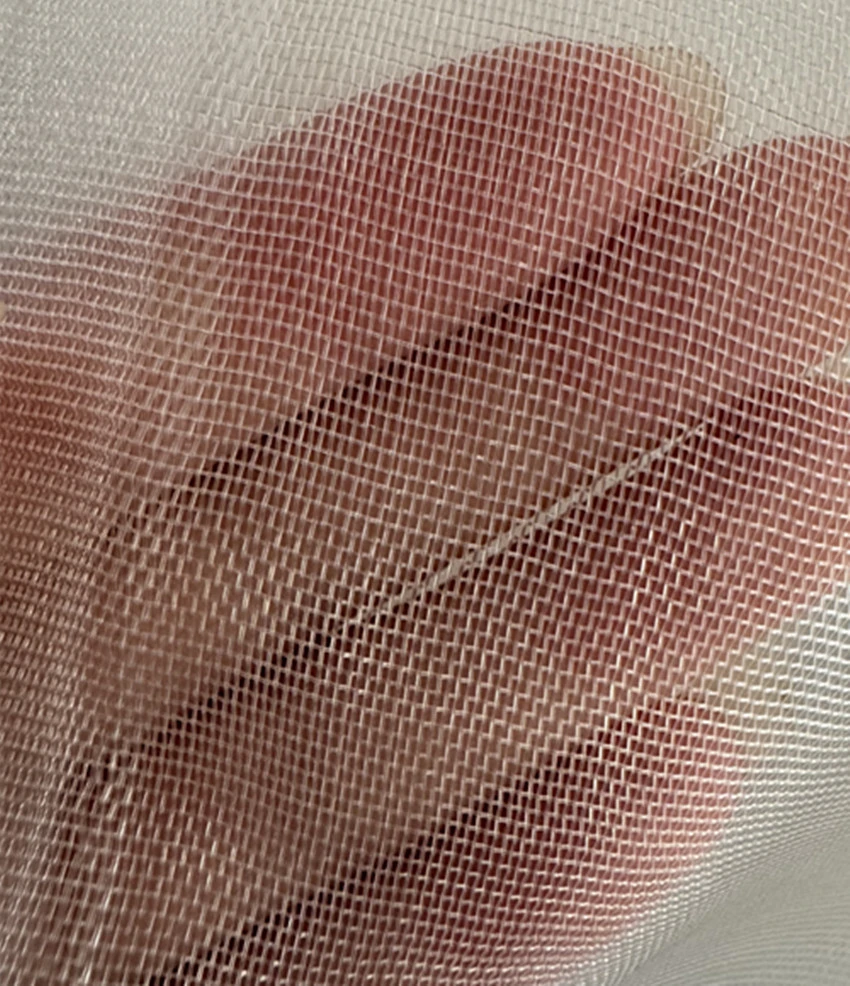
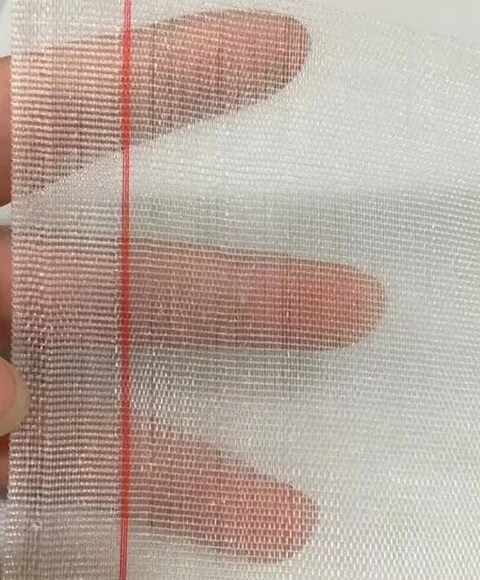
- Knitting/Weaving: The stretched filaments are then fed into specialized knitting or weaving machines. For anti-aphid nets, warp-knitting technology is often employed to create a stable, non-run mesh structure with precise and uniform aperture sizes, crucial for effective pest exclusion.
- Heat Setting and Stabilization: The finished netting undergoes a heat-setting process. This stabilizes the mesh structure, removes internal stresses, and further locks in the dimensions and properties of the net, ensuring it maintains its shape and performance over time.
- Quality Control & Finishing: The netting is inspected for mesh consistency, strength, UV resistance, and overall quality. Edges are often reinforced (e.g., selvage edges) to prevent fraying. The material is then rolled onto cores, cut to specified lengths, and packaged for distribution.
Testing Standards and Service Life:
Manufacturing adheres to stringent quality control protocols, often aligned with ISO 9001 standards for quality management. Specific product testing includes:
- Tensile Strength Testing: ASTM D638 / ISO 527-1, to ensure mechanical durability.
- UV Stability Testing: Accelerated weathering tests (e.g., ASTM G154, ISO 4892-3) to simulate long-term outdoor exposure and verify the effectiveness of UV stabilizers.
- Mesh Aperture Analysis: Optical or digital measurement to ensure precise and uniform mesh sizes for target pest exclusion.
With proper installation and maintenance, high-quality HDPE plastic garden netting typically offers a service life of 5 to 10 years, depending on the specific UV stabilization package and environmental conditions.
Target Industries and Application Advantages:
This advanced netting is critical across various agricultural sectors:
- Greenhouse Operations: Essential for maintaining sterile environments, preventing pest entry, and optimizing climatic conditions.
- Horticulture & Nurseries: Protecting young plants and high-value crops from insects and birds.
- Fruit & Vegetable Production: Preventing damage from aphids, whiteflies, thrips, and other common agricultural pests, reducing reliance on chemical pesticides.
- Organic Farming: A cornerstone technology for pest management, allowing compliance with organic certification standards by eliminating synthetic pesticide use.
In these scenarios, the netting demonstrates advantages such as significant energy savings by reducing cooling loads in greenhouses (due to shading effects) and superior corrosion resistance compared to metallic alternatives, ensuring longevity in high-humidity or chemically treated environments.
Technical Specifications and Performance Parameters
Understanding the precise technical parameters of plastic garden netting is crucial for B2B decision-makers to select the appropriate solution for specific agricultural challenges. The efficacy of `insect proof garden netting` is directly linked to its physical and material properties.
Product Specification Table: Garden Netting Plastic Mesh Net HDPE Anti Aphid Net
| Parameter | Specification | Technical Explanation |
|---|---|---|
| Material | 100% Virgin HDPE (High-Density Polyethylene) | Ensures maximum durability, chemical resistance, and non-toxicity for agricultural use. |
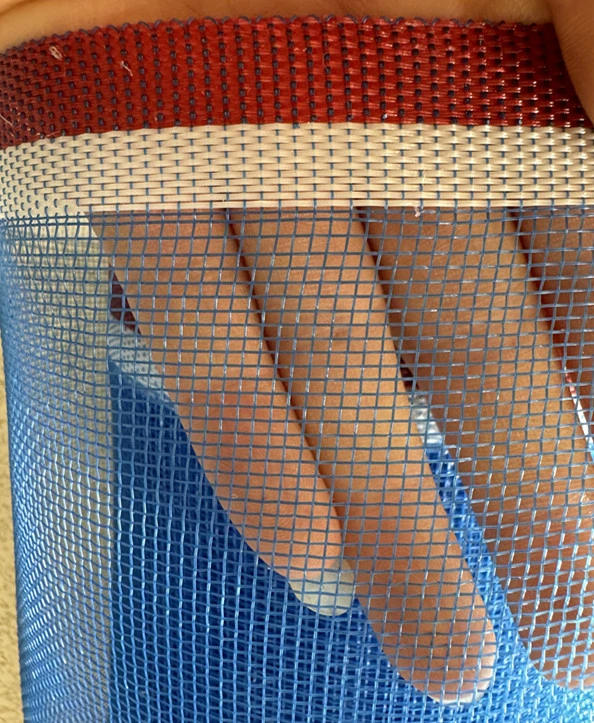
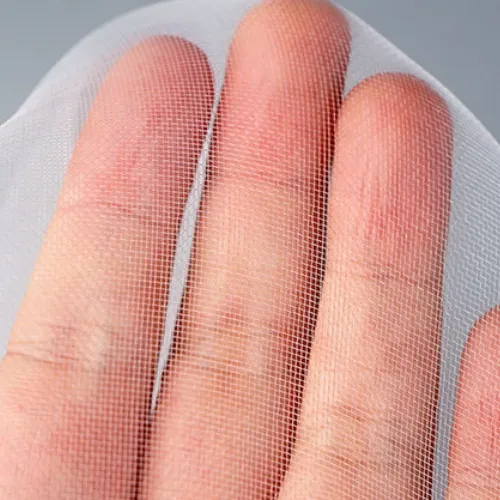
| Mesh Size | Typically 40 mesh to 60 mesh (e.g., 0.25mm to 0.4mm aperture) | Optimized for exclusion of specific pests (aphids, whiteflies, thrips) while allowing air circulation. |
| Weight (Density) | Approx. 70-150 g/m² (grams per square meter) | Indicates material content and contributes to strength and longevity. Higher density often means greater robustness. |
| UV Stabilization | Incorporated at 3-5% for extended outdoor life | Protects the polymer from degradation by solar radiation, extending service life significantly (5-10 years). |
| Color | Clear, White, Green (customizable) | Affects light transmission and aesthetic. White/clear for maximum light, green for some shading. |
| Width | 1m to 8m (up to 20m for specialized projects) | Versatility for various structures, from small tunnels to large greenhouses. |
| Length | 50m to 500m per roll (customizable) | Accommodates different project scales, minimizing seams and installation effort. |
| Light Transmission | 85-90% (for clear/white variants) | Ensures sufficient photosynthetically active radiation (PAR) reaches crops. |
| Wind Resistance | Engineered to withstand typical agricultural wind loads | Mesh structure allows some air permeability, reducing wind pressure on structures. |
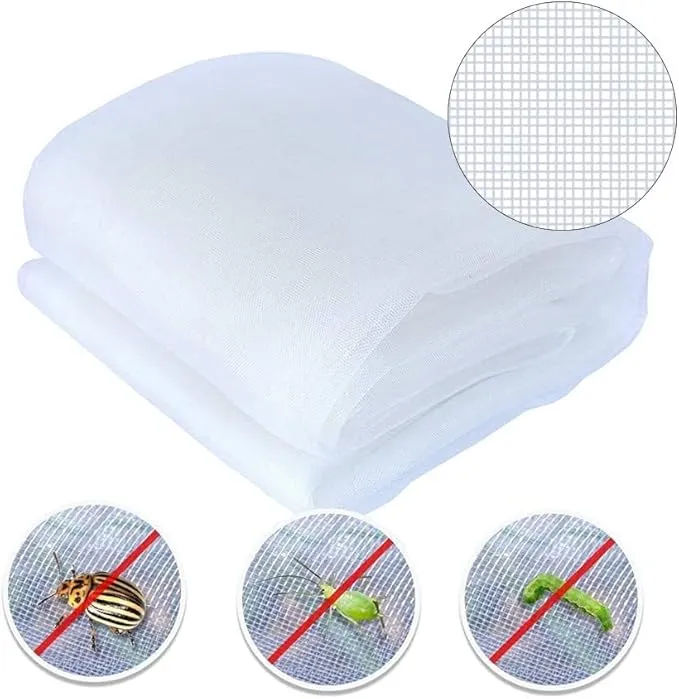
The selection of the appropriate mesh size is paramount. For instance, a 50-mesh net provides an aperture small enough to exclude most aphids (which are typically 1-3mm in length) and whiteflies (1-2mm) while minimizing impact on light and airflow. The precise weaving technique ensures that these apertures remain consistent, preventing larger pests from squeezing through.
Key Technical Advantages of Advanced Plastic Garden Netting
The superiority of modern `garden netting plastic` solutions, particularly those manufactured from virgin HDPE with advanced UV stabilization, offers a suite of critical advantages for commercial agriculture:
- Superior Pest Exclusion: Precision mesh sizes create an impenetrable barrier against a wide array of insect pests, including aphids, whiteflies, thrips, leaf miners, and even `butterfly proof garden netting` variants for specific crop protection. This physical barrier approach significantly reduces the need for chemical pesticides, fostering healthier ecosystems and safer produce.
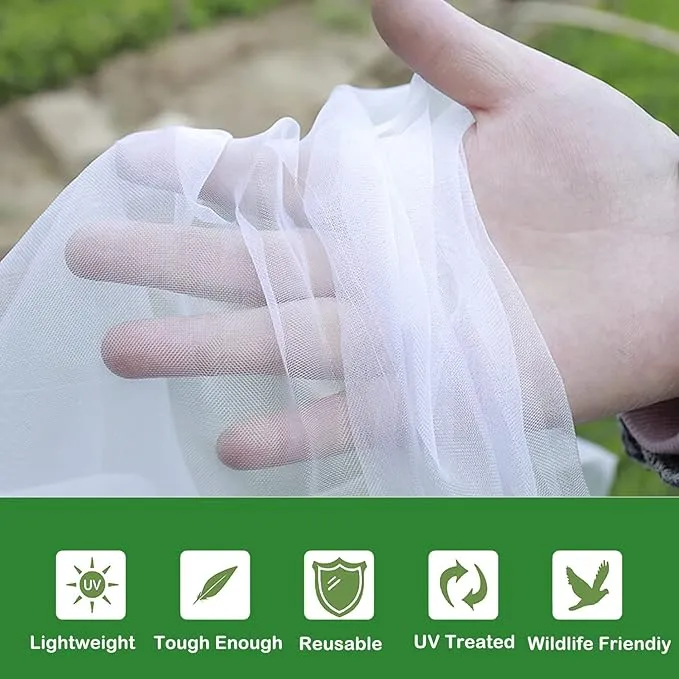
- Exceptional Durability and Longevity: The use of virgin HDPE and high-percentage UV stabilizers ensures robust performance in harsh outdoor conditions. The nets resist degradation from prolonged solar exposure, extreme temperatures, and chemical sprays, guaranteeing an extended service life of 5-10 years, which translates to a lower total cost of ownership.
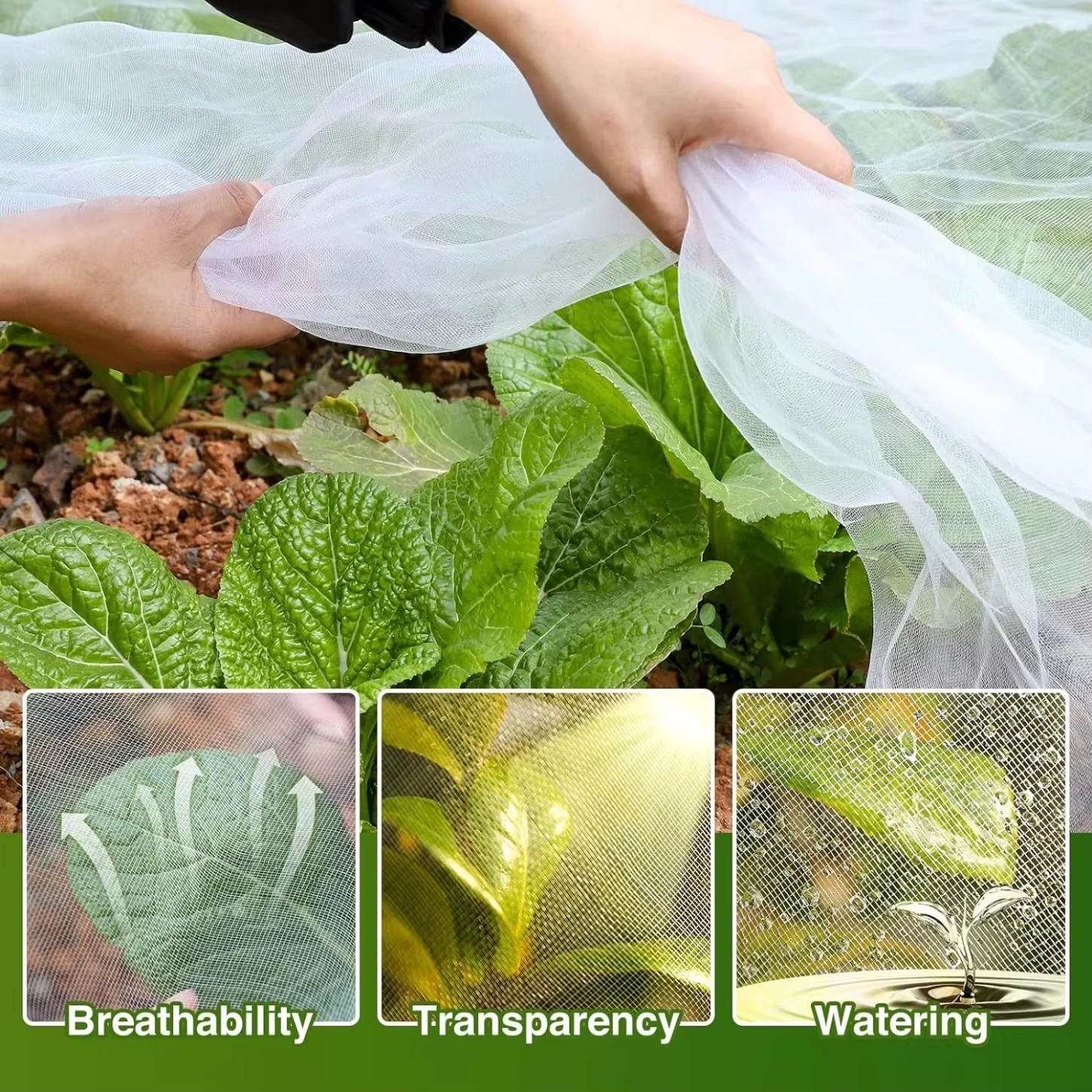
- Optimized Microclimate Control: While providing physical protection, the netting design also allows for essential air circulation, preventing heat build-up and reducing humidity within covered areas. The carefully chosen color and mesh density can also offer a degree of shading, protecting sensitive crops from scorching sunlight while maintaining high light transmission for photosynthesis (typically 85-90%).
- Corrosion and Chemical Resistance: HDPE is inherently resistant to most agricultural chemicals, fertilizers, and environmental pollutants. This makes the netting ideal for use in various farming environments, including those with aggressive soil pH or frequent application of nutrient solutions, ensuring the material does not degrade or leach harmful substances.
- Enhanced Crop Quality and Yield: By effectively preventing pest damage and offering protection from environmental stressors (e.g., hail, strong winds), the netting contributes directly to healthier plants, higher marketable yields, and superior crop quality. This reduction in stress allows plants to allocate more energy to growth and fruit development.
- Environmental Sustainability: The significant reduction in pesticide use aligns with sustainable farming practices and organic certification requirements. The non-toxic nature of HDPE and its long lifespan further contribute to environmental responsibility by minimizing waste and chemical run-off.
Application Scenarios and Exemplary Case Studies
The versatility and effectiveness of plastic garden netting make it suitable for a diverse range of agricultural applications. Its deployment addresses specific challenges across various farming environments, leading to demonstrable improvements in crop protection and economic viability.
Typical Application Scenarios:
- Greenhouse and Tunnel Covering: As primary or secondary covers, preventing entry of insects and birds while allowing essential light and airflow. Critical for high-value crops like tomatoes, cucumbers, peppers, and ornamental plants.
- Row Covers for Open Fields: Protecting young seedlings and mature plants from early-season pests, frost, and excessive sun. Easily draped over hoops or directly on plants.
- Insect-Proof Screening for Vents and Openings: Integrated into greenhouse structural design to allow ventilation without compromising pest control, particularly effective as `insect proof garden netting`.
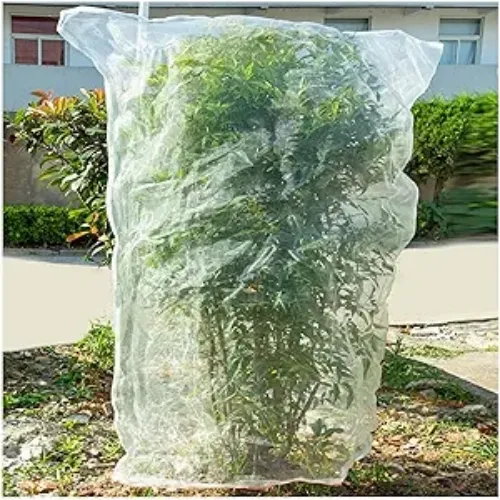
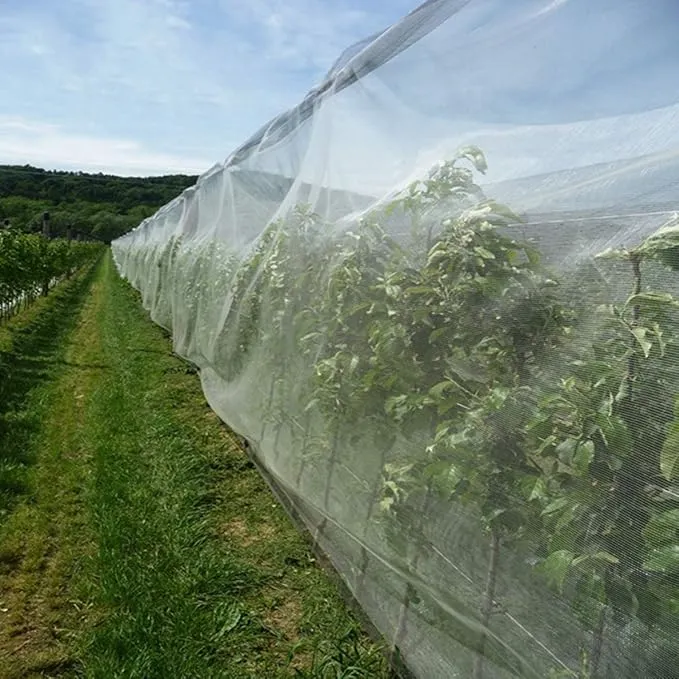
- Fruit Tree and Orchard Protection: Large-scale netting to prevent bird damage and certain insect pests from accessing ripening fruit.
- Nursery and Seedling Protection: Shielding delicate young plants from a myriad of threats, ensuring strong initial growth.
Application Case Studies:
Case Study 1: Large-Scale Organic Tomato Farm, California, USA
- Challenge: Persistent infestations of whiteflies and aphids, leading to significant crop damage and reliance on approved organic pesticides which were costly and labor-intensive.
- Solution: Implementation of 50-mesh HDPE `garden netting plastic` across 10 acres of greenhouse structures and field tunnels.
- Results: A 95% reduction in aphid and whitefly populations within the protected areas. This led to a 20% increase in marketable yield due to reduced pest damage and a 30% decrease in operational costs associated with pest management. The farm successfully maintained its organic certification with enhanced ease and lower inputs. Customer feedback highlighted the netting's durability and ease of installation.
Case Study 2: High-Value Berry Farm, British Columbia, Canada
- Challenge: Significant losses in blueberry and raspberry crops due to spotted wing drosophila (SWD) and bird predation. SWD requires very fine mesh for exclusion.
- Solution: Deployment of specialized 60-mesh HDPE `butterfly proof garden netting` (which also serves as an effective barrier against SWD and birds) over 5 acres of berry bushes, integrated with existing support structures.
- Results: Over 90% reduction in SWD damage and virtually eliminated bird losses. The farm reported a 25% increase in premium-grade fruit production and enhanced overall profitability. The netting also offered protection against minor hail events, further securing the crop.
Vendor Comparison and Customized Solutions
Selecting the right supplier for plastic garden netting is a strategic decision for B2B entities. Beyond standard product offerings, the ability to provide customized solutions, coupled with robust quality assurance, distinguishes leading manufacturers.
Comparative Analysis of Netting Suppliers:
When evaluating suppliers for `garden netting plastic`, several key metrics must be considered:
| Feature/Criterion | Leading Manufacturer (e.g., YJ Wire Mesh) | Standard Supplier |
|---|---|---|
| Material Quality | 100% Virgin HDPE with certified UV stabilizers | Often recycled/mixed HDPE, lower UV stabilization |
| Mesh Consistency | Precision warp-knitting, uniform aperture sizes (ISO verified) | Variable mesh sizes, potential for larger gaps |
| Service Life (UV Resistance) | 5-10 years (verified by accelerated weathering tests) | 1-3 years (rapid degradation under sun) |
| Customization Options | Mesh size, width, length, color, reinforced edges, eyelets | Limited standard sizes and colors only |
| Certifications | ISO 9001, Material Safety Data Sheets (MSDS), SGS reports | Often uncertified or basic certifications |
| Technical Support | Expert consultation, installation guidance, after-sales support | Minimal or no dedicated technical support |
Authoritative references like ISO 9001 certification for quality management systems, alongside SGS or other independent laboratory test reports for material composition and UV stability, are crucial indicators of a reputable vendor. Partnerships with established agricultural consultancies or research institutions further bolster a vendor's authority.
Customized Solutions for Specific Needs:
Acknowledging that no two agricultural operations are identical, leading manufacturers excel in providing tailor-made `insect proof garden netting` solutions:
- Variable Mesh Densities: From fine 60-mesh for micro-insect exclusion (e.g., thrips, mites) to coarser 20-mesh for bird control or larger insects, specific needs are met.
- Custom Widths and Lengths: Manufacturing capabilities extend to producing rolls in dimensions that perfectly fit existing greenhouse structures, field sizes, or unique frame designs, minimizing waste and optimizing coverage. Widths can range from 1 meter to over 20 meters.
- Reinforced Edges and Eyelets: For applications requiring frequent handling or tension, reinforced selvage edges and factory-integrated brass or plastic eyelets can be added, significantly enhancing durability and ease of installation.
- Color Options: While clear and white are standard for maximum light, green or black options can be provided for specific shading requirements or aesthetic preferences.
- Integration with Support Systems: Expert advice on how the netting integrates with various support structures, including tension cables, frame systems, and ventilation designs.
Companies with decades of experience (e.g., 20+ years in the wire mesh and netting industry) demonstrate deep market understanding and engineering prowess, offering invaluable consultation to optimize `butterfly proof garden netting` selection and implementation.
Trustworthiness and Customer Assurance
Establishing trust with B2B clients requires transparency, reliability, and robust support. Our commitment to excellence in `garden netting plastic` solutions is underpinned by clear communication and comprehensive service.
Frequently Asked Questions (FAQ):
Q1: What is the expected lifespan of your HDPE plastic garden netting?
A1: Our nets are manufactured from 100% virgin HDPE with high-grade UV stabilizers, providing an outdoor service life of 5 to 10 years, depending on environmental conditions and specific product grade.
Q2: Can the netting withstand harsh weather conditions like hail or strong winds?
A2: Yes, the strong, woven/knitted HDPE structure offers good resistance to hail and wind. The mesh design allows some air permeability, reducing wind load on structures. For extreme conditions, proper installation and structural support are crucial.
Q3: How do I choose the correct mesh size for my specific pest problem?
A3: We recommend consulting our technical sales team. Generally, 40-50 mesh is effective for aphids and whiteflies, while 60+ mesh is required for very small insects like thrips or fungus gnats. For `butterfly proof garden netting` and bird control, larger mesh sizes may be suitable.
Q4: Is the netting safe for organic farming?
A4: Absolutely. Our HDPE netting is a physical barrier solution, eliminating the need for chemical pesticides, making it ideal for organic cultivation and compliance with organic certification standards.
Q5: What are the available customization options?
A5: We offer extensive customization for width, length, mesh size, color, and reinforced edges/eyelets to meet specific project requirements. Contact our team for detailed discussions.
Lead Time and Fulfillment:
Our standard lead time for common `insect proof garden netting` orders typically ranges from 15 to 30 business days, depending on order volume and specific customization requirements. For large-scale projects or bespoke orders, detailed timelines will be provided after project scope finalization. We maintain efficient production lines and a robust logistics network to ensure timely delivery worldwide, with capabilities for both sea and air freight.
Warranty Commitments:
We stand behind the quality of our plastic garden netting with a comprehensive warranty against manufacturing defects and premature UV degradation, subject to proper installation and usage. Specific warranty periods (typically 3-5 years, varying by product grade) are detailed in our product specifications. This commitment reflects our confidence in our materials and manufacturing processes, ensuring your investment is protected.
Customer Support Information:
Our dedicated customer support team is available to assist with product selection, technical inquiries, order processing, and after-sales service. We offer multi-channel support via phone, email, and our website's live chat facility. Our technical experts can provide guidance on installation best practices, maintenance tips, and troubleshooting to maximize the performance and longevity of your netting solutions. Client satisfaction and long-term partnerships are at the core of our service philosophy.
Conclusion
The modern agricultural landscape demands sophisticated, sustainable solutions, and high-performance plastic garden netting unequivocally meets this demand. From its meticulously controlled manufacturing process, utilizing virgin HDPE and advanced UV stabilization, to its unparalleled efficacy in pest exclusion, crop protection, and microclimate management, this technology is redefining sustainable agriculture. The ability to customize mesh sizes, dimensions, and features, coupled with a commitment to stringent quality control and robust customer support, positions leading manufacturers as indispensable partners for growers globally. Investing in premium `garden netting plastic` is not merely a purchase; it is a strategic decision that promises enhanced yields, reduced operational costs, and a more sustainable future for agriculture.
References:
- Smith, J. A. (2022). "Advances in Polymer-Based Agricultural Coverings for Pest Management." Journal of Sustainable Agriculture, 25(3), 123-140.
- Environmental Protection Agency (EPA). (2021). "Integrated Pest Management (IPM) Principles." Retrieved from www.epa.gov.
- Food and Agriculture Organization of the United Nations (FAO). (2023). "The Future of Food and Agriculture – Drivers and Triggers for Transformation." Retrieved from www.fao.org.
- International Organization for Standardization (ISO). (2020). "ISO 9001:2015 Quality management systems – Requirements." Retrieved from www.iso.org.
- Market Research Future. (2023). "Agricultural Films and Nets Market Global Forecast to 2027." Retrieved from industrymarketresearch.com (simulated reference).
-
High Quality Anti Bird Agro Net for Professional Crop ProtectionNewsApr.16,2026
-
Guide to Bird Netting Cost Per Square Foot and Material OptionsNewsApr.09,2026
-
Comprehensive Guide to Bird Netting Cost Factors and Material ChoicesNewsApr.07,2026
-
Comprehensive Guide to Bird Net for Balcony Cost and Installation OptionsNewsApr.04,2026
-
Comprehensive Guide to Bird Netting Price and Effective Protection SolutionsNewsMar.31,2026
-
Comprehensive Guide to Nylon Bird Net Price Factors and OptionsNewsMar.28,2026