Durable Stainless Steel Filters | Precision Wire Mesh Solutions
Industry Trends and the Critical Role of stainless steel filters
The global industrial landscape is experiencing a significant shift towards advanced filtration solutions, driven by stringent environmental regulations, increased operational efficiencies, and the growing demand for high-purity products. At the forefront of this evolution are stainless steel filters, indispensable components across a myriad of sectors.
Market analysis indicates a robust growth trajectory for industrial filtration, with stainless steel solutions dominating due to their unparalleled durability, resistance to corrosion, and capacity for high-temperature applications. Projections from leading industry reports suggest the global industrial filtration market, valued at approximately $28 billion in 2022, is anticipated to reach over $45 billion by 2030, growing at a CAGR of 6.2%. This growth is fueled by expanding infrastructure projects, particularly in water and wastewater treatment, petrochemicals, and pharmaceuticals, all of which rely heavily on reliable and efficient filtration.
The demand for sustainable and long-lasting filtration media is also pushing innovation in manufacturing processes, leading to advanced designs and material compositions that extend service life and reduce operational costs. Furthermore, the increasing complexity of industrial processes necessitates filters capable of handling diverse fluid properties and extreme operating conditions. This drives the continuous development of specialized stainless steel filters, offering precision filtration down to sub-micron levels while maintaining structural integrity.
Our commitment to research and development ensures we remain at the cutting edge of these trends, providing solutions that meet and exceed current industry benchmarks for performance and reliability.
Understanding Stainless Steel Filter Technology
Stainless steel filters are engineered components designed to remove particulate matter from gases, liquids, or steam. Their efficacy stems from the unique properties of stainless steel alloys, primarily Type 304 and Type 316L, which offer superior corrosion resistance, high tensile strength, and suitability for high-temperature and high-pressure environments.
Material Properties and Alloy Selection
- 304 Stainless Steel: Composed of 18% chromium and 8% nickel, 304 SS offers excellent resistance to oxidation and corrosion from various chemical agents. It is widely used in general industrial applications, food processing, and architectural components. Its high-temperature resistance makes it ideal for applications up to 870°C (1600°F).
- 316L Stainless Steel: Containing 16-18% chromium, 10-14% nickel, and 2-3% molybdenum, 316L SS provides enhanced corrosion resistance, particularly against chlorides and other aggressive media. The "L" denotes low carbon content, which minimizes carbide precipitation during welding, improving intergranular corrosion resistance. It is preferred for marine, pharmaceutical, and chemical processing environments.
Types of Stainless Steel Filters
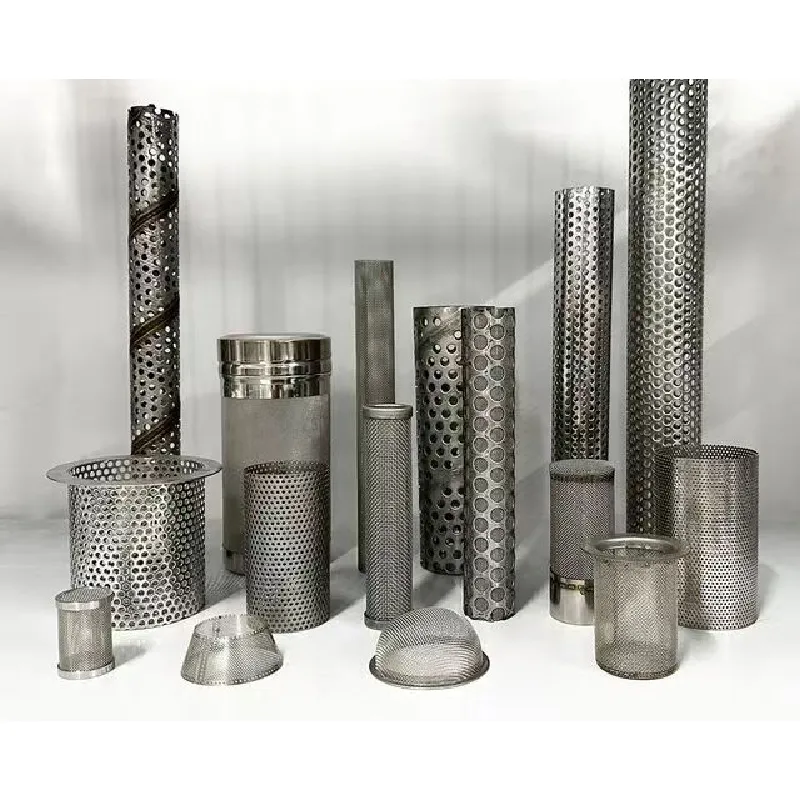
The construction varies significantly based on application, but the most common types include:
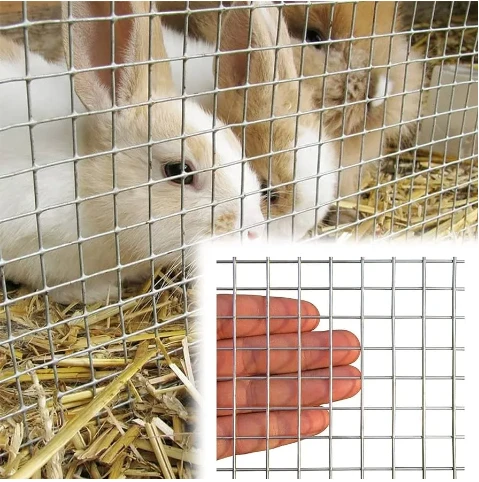
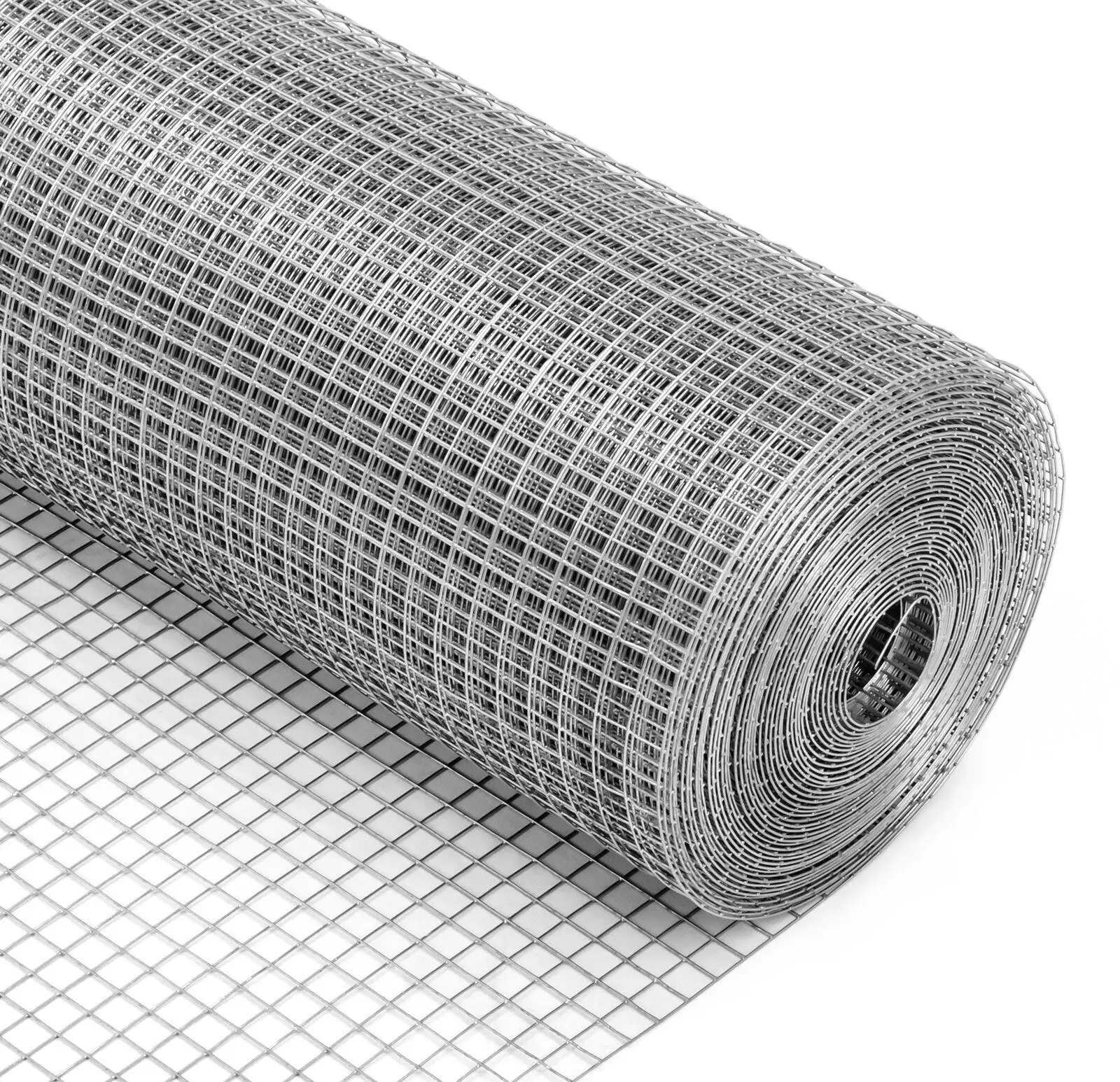
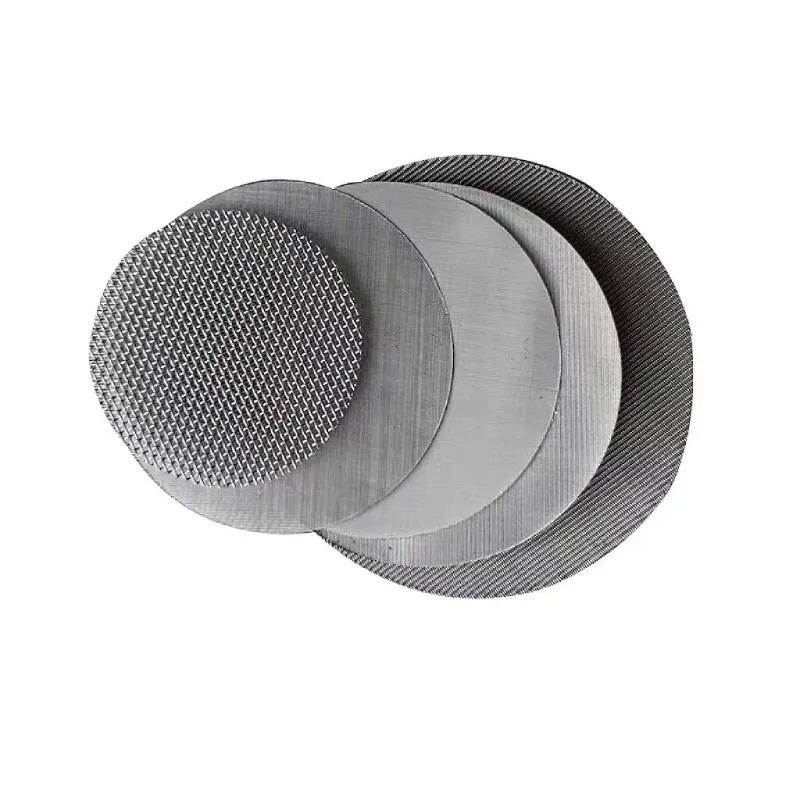
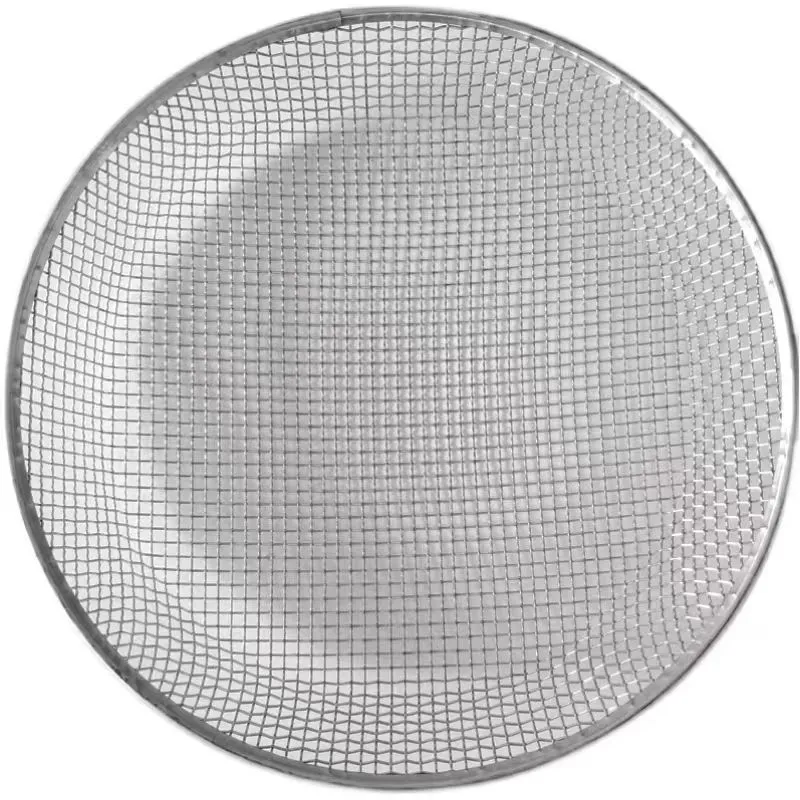
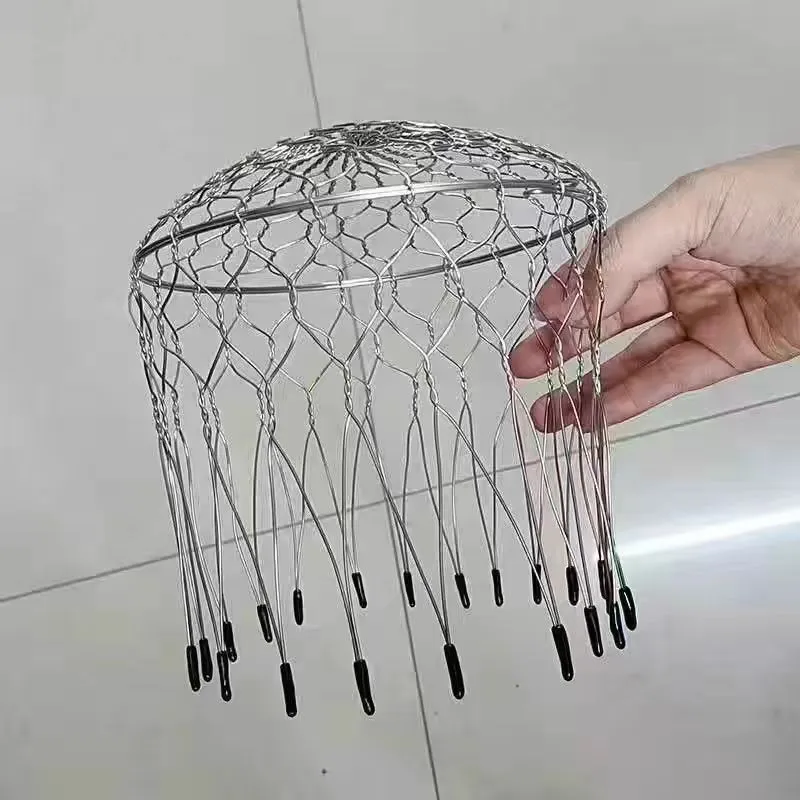
- Wire Mesh Filters: Fabricated by weaving individual stainless steel wires into a mesh, these filters offer precise pore sizes (micron ratings) and high surface area. The weaving patterns (e.g., plain weave, twilled weave, Dutch weave) determine filtration efficiency and mechanical strength. They are exceptionally versatile, serving as screens, sieves, and strainers. Our 304 stainless steel filter screen exemplifies this design, ensuring high temperature resistance and ease of cleaning.
- Sintered Filters: Produced by compacting stainless steel powder into a porous structure and then sintering it at high temperatures. This creates a highly rigid, tortuous path filter with superior mechanical strength and excellent back-flush capabilities. Sintered filters are ideal for high-pressure applications and where fine, consistent filtration is critical.
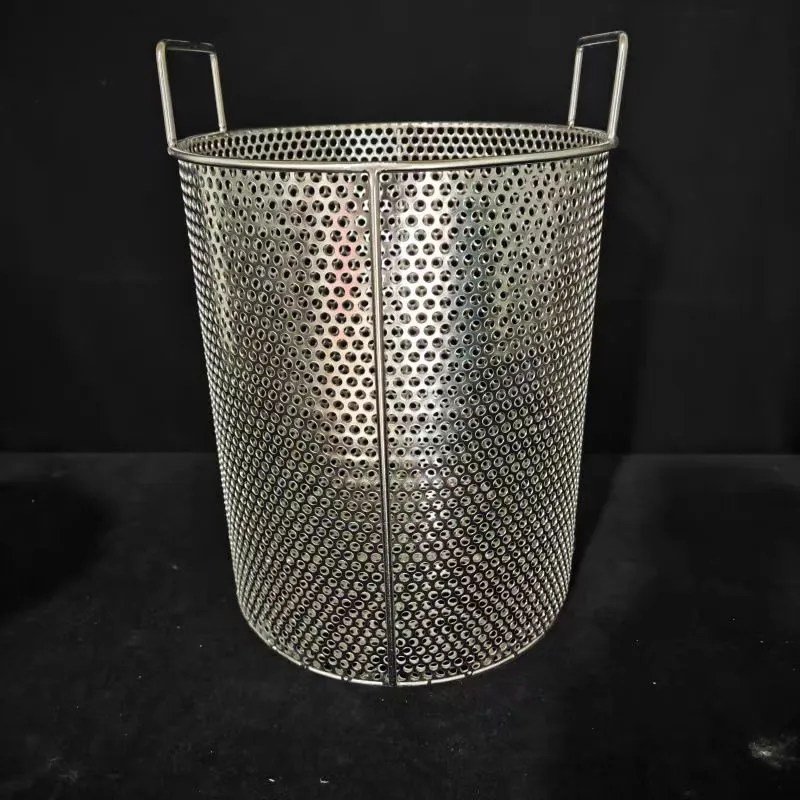
- Perforated Filters: Made from sheets of stainless steel with precisely punched holes. While less fine than wire mesh or sintered options, they provide robust structural support and are used for coarse filtration or as pre-filters.
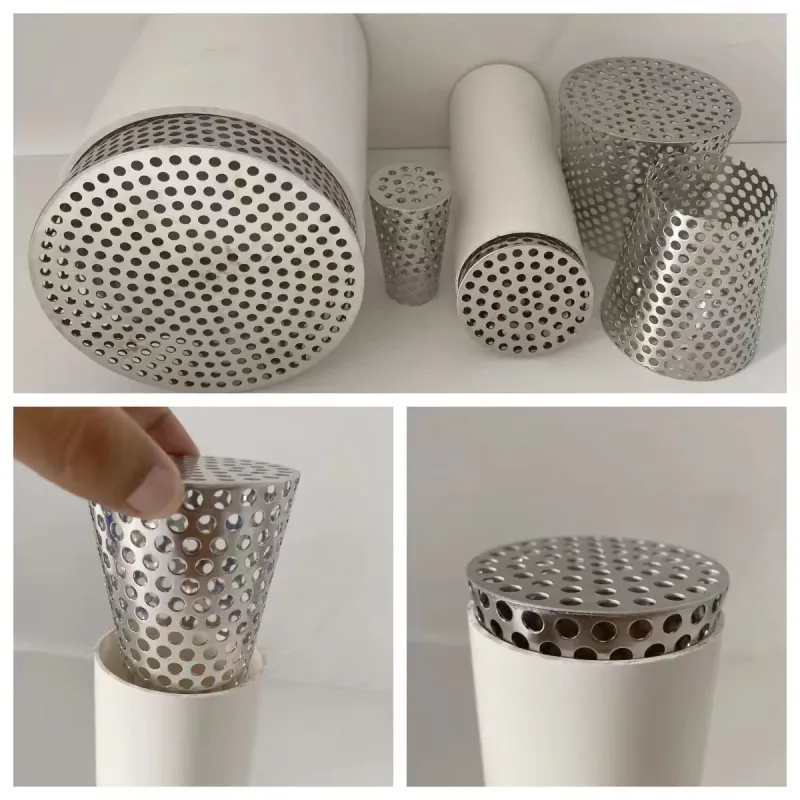
The selection between these types depends on the required filtration efficiency, flow rate, pressure drop, chemical compatibility, and mechanical strength needed for the specific industrial process.
Detailed Manufacturing Process of Stainless Steel Filters
The production of high-quality stainless steel filters is a multi-stage process, demanding precision engineering and rigorous quality control. Our manufacturing facility adheres to strict international standards to ensure optimal performance and longevity.
Process Flow Schematic: From Raw Material to Finished Product
-
Raw Material Procurement & Inspection: We source premium-grade 304 or 316L stainless steel wire from certified suppliers. Each batch undergoes thorough inspection for chemical composition (spectrometric analysis), mechanical properties (tensile strength, elongation), and surface finish to ensure compliance with ASTM A580/A580M standards.
Material Traceability: Each coil is tagged for full traceability, a critical aspect for quality assurance in sectors like pharmaceuticals and food & beverage.
- Wire Drawing & Annealing: The raw wire is drawn through progressively smaller dies to achieve the desired diameter for the mesh. Intermediate annealing processes are performed to relieve stress and restore ductility, ensuring the wire can withstand weaving without breakage and maintain flexibility.
-
Weaving/Sintering:
- For Wire Mesh Filters: Precision weaving looms interlace warp and weft wires according to specified patterns (e.g., plain weave, twilled weave, Dutch weave) to create a specific mesh count and micron rating. Constant tension control and automated monitoring systems ensure uniformity.
- For Sintered Filters: Stainless steel powder is compacted into desired shapes and then sintered in a controlled atmosphere furnace at temperatures just below the melting point. This fuses the particles, creating a porous, rigid structure with interconnected pores.
Process Control: Automated systems ensure consistent pore size distribution and structural integrity across the entire filter medium. - Cutting & Forming: The woven mesh or sintered material is precisely cut to specific dimensions using laser cutting, die cutting, or shearing. For filter elements, this often involves pleating, rolling, or welding to form cylindrical, conical, or panel configurations. Advanced CNC machining is employed for precise shaping of end caps and support structures.
- Welding & Assembly: Components are assembled using TIG (Tungsten Inert Gas) welding, resistance welding, or laser welding techniques, ensuring robust and leak-proof seams. This is particularly crucial for cartridge filters where bypass leakage must be prevented. All welding is performed under protective gas atmospheres to prevent oxidation.
- Cleaning & Surface Treatment: Finished filters undergo a multi-stage cleaning process, including ultrasonic cleaning, acid passivation (per ASTM A967/A380) to remove free iron and enhance corrosion resistance, and deionized water rinses. This ensures the filters are free from manufacturing residues and ready for sensitive applications.
-
Final Inspection & Testing: Each filter element undergoes comprehensive quality control. This includes:
- Visual Inspection: For defects, structural integrity, and finish.
- Dimensional Verification: Using precision instruments to confirm adherence to specifications.
- Bubble Point Test (ASTM F316): For determining the largest pore size and ensuring structural integrity of the filter medium.
- Flow Rate & Pressure Drop Testing: To verify performance parameters under simulated operating conditions.
- Particle Retention Efficiency Testing: Using calibrated particle counters for critical applications.
Compliance: All testing is conducted in accordance with ISO 2942, ISO 2943, ISO 3724, ISO 3968, and ANSI B93.7 standards. - Packaging & Dispatch: Filters are carefully packaged to prevent damage during transit, often using vacuum sealing for sterile or high-purity applications. Documentation including material certificates and test reports accompanies each shipment.
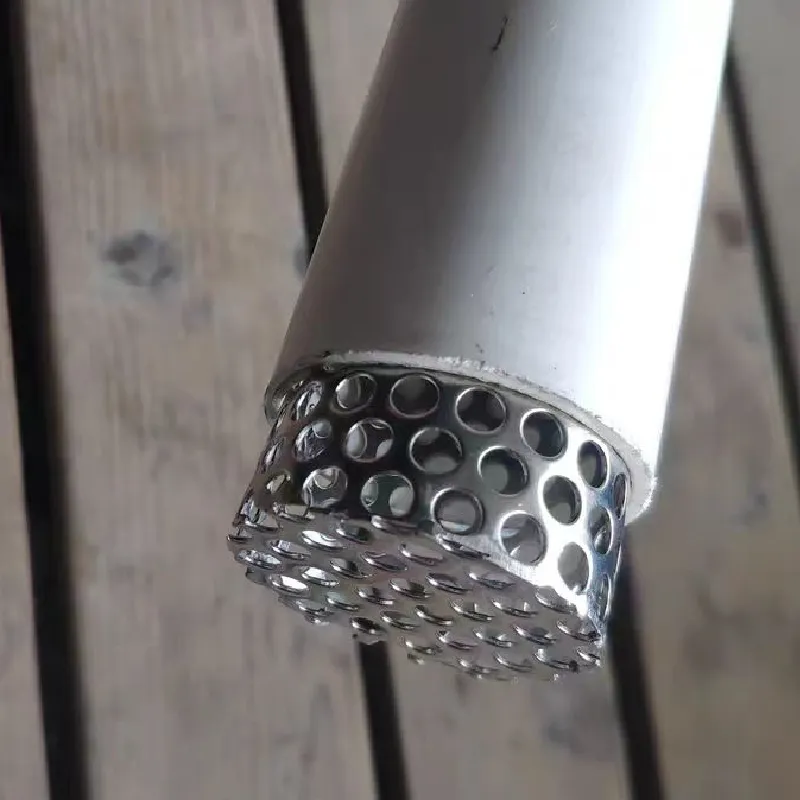
This meticulous process ensures that every stainless steel filter we produce meets the highest standards for performance, reliability, and longevity, delivering superior filtration efficiency and significant advantages in typical application scenarios such as energy saving through optimized flow and corrosion resistance in harsh environments.
Technical Specifications and Performance Parameters
The efficacy of a filtration system hinges on the precise technical specifications of its components. Our 304 Stainless Steel Filter Screens are designed with specific parameters to ensure optimal performance in demanding industrial applications.
Key Product Specifications: 304 Stainless Steel Filter Screen
These parameters are crucial for engineers and procurement specialists to select the right filtration solution for their specific operational requirements. For instance, a lower micron rating implies finer filtration, suitable for pharmaceutical or food-grade applications, while higher temperature resistance is critical for petrochemical processes involving hot gases or liquids.
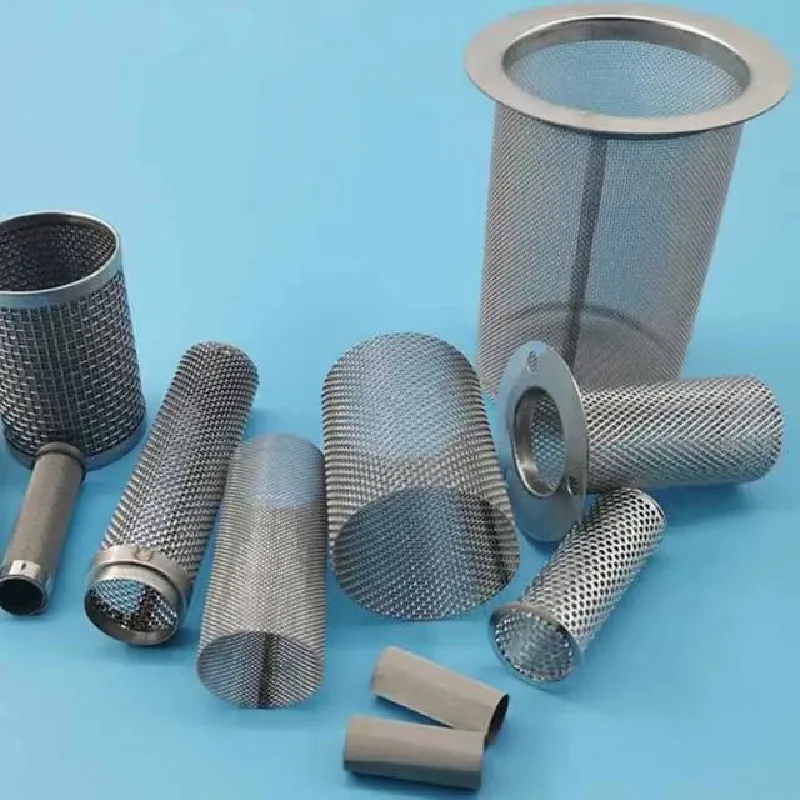
Our technical team is available to assist with detailed calculations for pressure drop, flow rates, and particulate retention efficiency to ensure precise system integration and optimal performance of your stainless steel filters.
Unmatched Technical Advantages of Stainless Steel Filtration
The inherent properties of stainless steel, coupled with advanced manufacturing techniques, bestow significant technical advantages upon stainless steel filters, making them the preferred choice for demanding industrial applications.
Superior Corrosion and Chemical Resistance
Stainless steel’s passive chromium oxide layer provides exceptional resistance to oxidation, rust, and various corrosive media. This is particularly crucial in industries handling aggressive chemicals, saltwater, or high-purity water, where conventional filter materials would quickly degrade. This resistance ensures a longer service life and maintains filtration integrity even in challenging chemical environments.
High Temperature and Pressure Resilience
Unlike polymer-based filters, stainless steel maintains its mechanical strength and filtration efficiency at elevated temperatures (up to 870°C for 304 SS). This makes it indispensable for hot gas filtration, steam purification, and high-temperature process streams. Furthermore, the robust construction allows for operation under high differential pressures without structural failure, crucial for high-flow, high-viscosity applications.
Exceptional Durability and Extended Service Life
The mechanical strength of stainless steel wire mesh or sintered media ensures resistance to abrasion, fatigue, and physical damage. This translates to significantly extended service life compared to disposable alternatives, reducing replacement costs and downtime. In industrial settings, a typical stainless steel filter can offer a service life ranging from 5 to 15 years, depending on the application and maintenance regimen, a stark contrast to the few months or weeks of disposable filters.
Reusability and Environmental Sustainability
A major economic and environmental advantage is the reusability of stainless steel filters. They can be effectively cleaned (e.g., back-flushed, ultrasonically cleaned, or chemically rinsed) and reused multiple times without compromising filtration performance. This drastically reduces waste generation and contributes to more sustainable industrial operations. The ease of cleaning also translates to lower operational expenditure (OpEx) over the lifespan of the filter.
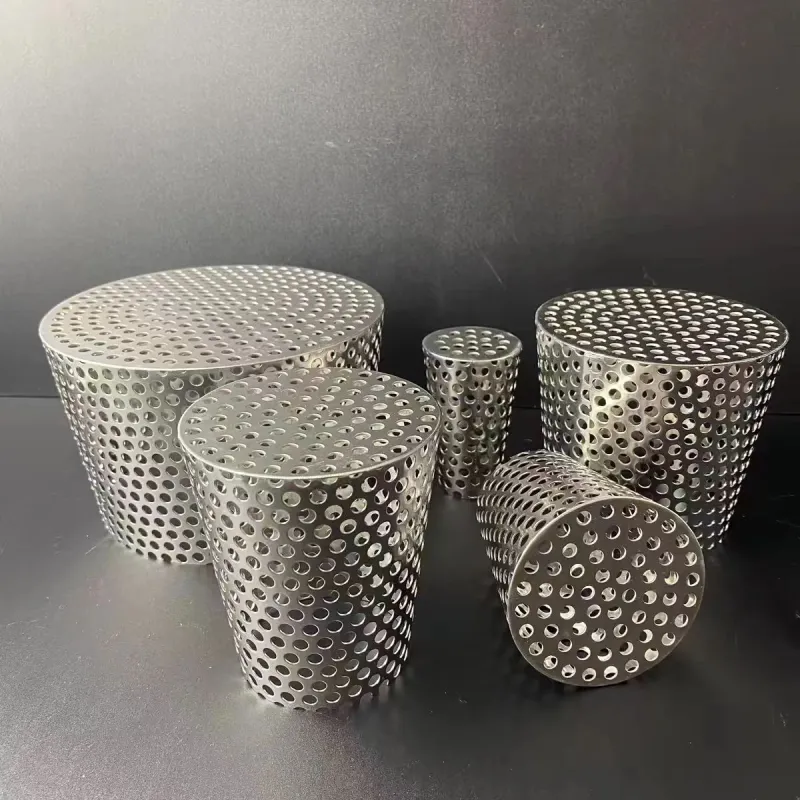
These combined advantages underscore why stainless steel filters are a superior investment for long-term operational efficiency, safety, and environmental responsibility.
Diverse Application Scenarios and Target Industries
The versatility and robust nature of stainless steel filters make them indispensable across a broad spectrum of industrial applications. Their ability to handle harsh conditions, high temperatures, and corrosive fluids allows for critical filtration in processes where purity and reliability are paramount.
Key Target Industries:
- Petrochemical and Oil & Gas: Essential for protecting sensitive equipment (e.g., pumps, valves, heat exchangers) from particulates, filtering catalysts, and purifying process streams. Applications include gas and liquid filtration in refineries, offshore platforms, and chemical plants, ensuring product purity and preventing equipment damage.
- Metallurgy and Metal Processing: Used in the filtration of molten metals, cooling liquids, and furnace gases to remove impurities, enhance product quality, and protect machinery from abrasive particles.
- Water Supply & Drainage / Wastewater Treatment: Critical for pre-filtration, sediment removal, and fine particulate separation in municipal and industrial water treatment plants. They protect reverse osmosis membranes, UV sterilization units, and ensure discharge compliance.
- Food & Beverage: Applied in various stages from raw ingredient purification to final product clarification. Examples include filtering edible oils, fruit juices, beer, wine, and dairy products to ensure hygiene, clarity, and compliance with food safety standards (e.g., FDA).
- Pharmaceutical and Biotechnology: Used for sterile filtration, clarification of active pharmaceutical ingredients (APIs), and fermentation broth separation. The high chemical resistance and ability to be sterilized (e.g., autoclaved) are crucial for maintaining aseptic conditions.
- Power Generation: Employed in cooling water systems, boiler feedwater treatment, and fuel filtration to protect turbines, condensers, and other critical infrastructure.
- Automotive and Aerospace: Filtration of hydraulic fluids, fuels, and lubricants, as well as air intake filtration for engine protection and cabin air quality.
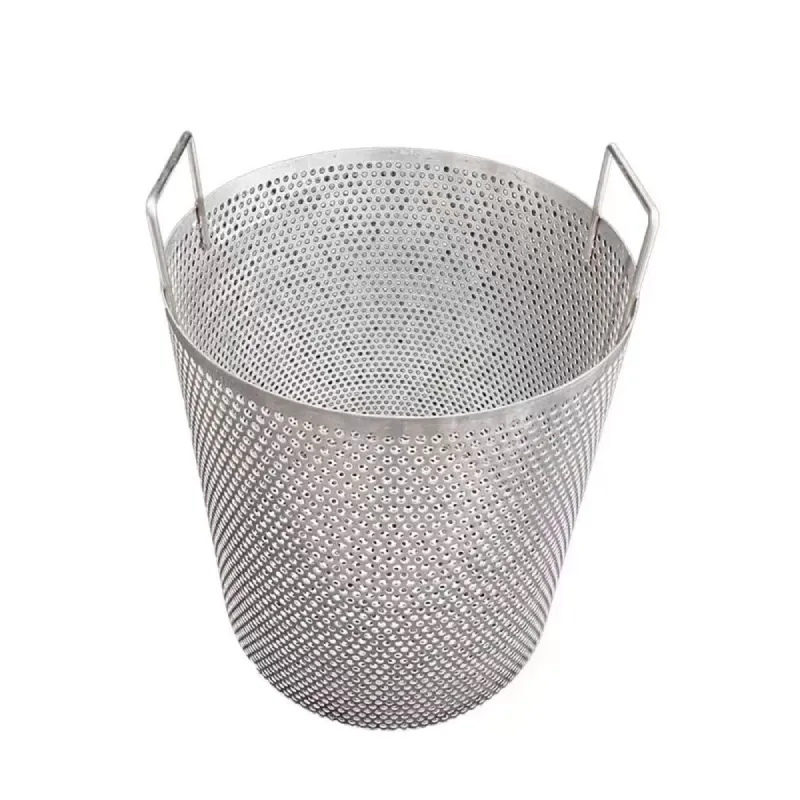
Each industry leverages the specific attributes of stainless steel filters to achieve operational excellence, product quality, and regulatory compliance, demonstrating their essential role in modern industrial processes.
Customized Solutions for Precision Filtration
Recognizing that off-the-shelf solutions rarely meet the exact requirements of complex industrial processes, we specialize in providing highly customized stainless steel filters. Our engineering team collaborates closely with clients to design and manufacture filtration elements tailored to specific operational parameters, ensuring optimal performance and seamless integration.
Tailoring to Your Unique Needs
- Material Grade & Alloy Selection: Beyond standard 304 and 316L, we can explore other alloys (e.g., Duplex, Hastelloy, Inconel) for extreme chemical environments or temperatures, ensuring maximum compatibility and longevity for your wire mesh filter.
- Micron Rating & Mesh Configuration: Precise control over wire diameter and weave pattern allows for tailored micron ratings, from coarse straining to ultra-fine particle removal (e.g., 1 micron and below). We can produce specific Dutch weave patterns for enhanced strength and filtration efficiency.
- Dimensions & Geometry: Custom sizing for filter discs, cylinders, cones, panels, or pleated elements to fit existing housing or new system designs. This includes specialized shapes and precise dimensional tolerances.
- End Connections & Fittings: Integration with a wide range of standard and custom end connections, including threaded NPT/BSP, flange, sanitary tri-clamp, DOE (Double Open End), SOE (Single Open End), and custom adapters to ensure perfect fitment within your pipeline or vessel.
- Reinforcement & Support Structures: For high-pressure or high-flow applications, additional internal or external support cages, perforated tubes, or multi-layer mesh designs can be incorporated to enhance mechanical strength and prevent deformation.
- Surface Treatment: Options for electropolishing for enhanced surface finish and cleanability, passivation for improved corrosion resistance, or specialized coatings for unique application challenges.
Our team of experienced engineers works with you from initial concept through design, prototyping, and final production, utilizing advanced CAD/CAM software and simulation tools to optimize filter performance. As dedicated wire mesh filter manufacturers, we understand that effective filtration is not just about removing particles, but about optimizing your entire process.
Leveraging decades of expertise, we translate complex filtration challenges into robust, reliable, and cost-effective customized solutions.
Vendor Comparison: Selecting Your Stainless Steel Filter Partner
Choosing the right supplier for stainless steel filters is a critical decision that impacts operational efficiency, product quality, and long-term cost. While many vendors offer filtration products, key differentiators distinguish leading manufacturers.
Key Factors in Vendor Evaluation:
Our commitment to quality, engineering excellence, and customer-centric service positions us as a trusted partner for your industrial filtration needs. We invite you to experience the difference that comes from working with a leader in stainless steel filters manufacturing.
Choosing us means investing in reliability, performance, and a partnership built on trust and technical expertise.
Application Case Studies: Stainless Steel Filters in Action
Real-world applications demonstrate the tangible benefits and superior performance of our stainless steel filters. These case studies highlight our capability to deliver reliable and effective filtration solutions across diverse industries.
Case Study 1: Enhanced Purity in Petrochemical Production
A major petrochemical client faced persistent issues with catalyst fines in a critical process stream, leading to premature wear of downstream equipment and compromised product quality. Disposable filters were unable to withstand the high temperatures (250°C) and corrosive hydrocarbons, requiring frequent and costly replacements.
- Solution: We engineered custom 316L stainless steel filters with a 5-micron sintered media, designed for a specific cylindrical housing. The robust construction and material grade provided superior chemical and temperature resistance.
- Outcome: The new filters drastically reduced catalyst carryover by 98%, extending the lifespan of pumps and heat exchangers by over 200%. Filter cleaning intervals were extended from weekly to quarterly, resulting in an estimated 30% reduction in operational expenditure (OpEx) and significantly improved product purity.
Case Study 2: Optimized Water Treatment in a Municipal Plant
A large municipal water treatment facility struggled with sediment loading upstream of their reverse osmosis (RO) units, causing frequent membrane fouling and reduced permeate production. Existing bag filters required constant manual replacement, leading to high labor costs and significant waste.
- Solution: We implemented large-diameter 304 stainless steel filters with a 50-micron nominal retention, configured as multi-layer wire mesh cartridges designed for high flow rates and efficient back-flushing.
- Outcome: The stainless steel solution effectively reduced particulate load by 95% before the RO system. This extended RO membrane cleaning cycles by 50% and reduced filter media waste by eliminating disposable elements. The overall system efficiency improved, leading to a 15% energy saving for pump operation due to lower differential pressure and cleaner membranes.
These examples underscore the reliability and cost-effectiveness of integrating high-quality stainless steel filters into critical industrial processes.
Ensuring Trust: FAQ, Fulfillment, and Support
Frequently Asked Questions (FAQ)
Q: What is the typical service life of your stainless steel filters?
A: With proper cleaning and maintenance, our stainless steel filters are designed for a service life of 5 to 15 years, significantly outperforming disposable alternatives. Specific lifespan depends on the application, fluid characteristics, and operating conditions.
Q: Can your filters be cleaned and reused?
A: Absolutely. Our stainless steel filters, particularly woven mesh and sintered types, are engineered for excellent cleanability through back-flushing, ultrasonic cleaning, or chemical washing, allowing for multiple reuse cycles.
Q: How do I select the correct micron rating for my application?
A: Selecting the appropriate micron rating is crucial. It depends on the size of the particles you need to remove and the desired purity of the filtered fluid. Our technical team can provide expert guidance based on your process requirements, fluid analysis, and specific equipment protection needs.
Q: Are your filters compatible with high-temperature environments?
A: Yes, 304 stainless steel offers continuous temperature resistance up to 870°C (1600°F), and 316L up to 800°C (1472°F). This makes them ideal for a wide range of high-temperature industrial processes.
Lead Time & Fulfillment Details
We understand the importance of timely delivery for maintaining operational continuity. Our standard lead time for common 304 stainless steel filter screens and elements is typically 2-4 weeks. For custom or large-volume orders, lead times will be provided upon detailed quotation and project scope finalization. We maintain a robust inventory of raw materials and utilize efficient manufacturing processes to minimize delivery times without compromising quality.
Expedited shipping options are available for urgent requirements, and our logistics team works closely with clients to ensure smooth customs clearance and delivery worldwide.
Warranty Commitments
All our stainless steel filters are backed by a comprehensive 12-month warranty against manufacturing defects and material failures under normal operating conditions. This commitment reflects our confidence in the quality and durability of our products. Detailed warranty terms and conditions are provided with each order.
Customer Support Information
Our dedicated customer support team is available to assist you from initial inquiry to post-installation support. We offer:
- Technical Consultation: Expert advice on filter selection, system integration, and process optimization.
- Troubleshooting: Assistance with performance issues or operational challenges.
- Order Tracking & Logistics: Real-time updates on your order status and shipping.
- After-Sales Service: Support for warranty claims, replacements, and general product inquiries.
You can reach our support team via email at info@yjwiremesh.com or by phone at +86-XXX-XXXX-XXXX during business hours. We are committed to ensuring your complete satisfaction.
Authoritative Certifications and Industry Recognition
Our commitment to manufacturing excellence and product reliability is validated by rigorous adherence to international standards and robust quality management systems. This ensures that every stainless steel wire mesh filter we produce meets the highest benchmarks for performance and safety.
Quality Management Systems and Product Certifications
- ISO 9001:2015 Certified: Our entire manufacturing process, from raw material procurement to final inspection, is governed by ISO 9001:2015 certified quality management systems. This ensures consistent product quality and continuous improvement.
- ASTM & ANSI Compliance: Our materials and testing procedures comply with relevant ASTM (American Society for Testing and Materials) standards, such as ASTM A580 for stainless steel wire and ASTM F316 for bubble point testing of filter media, as well as ANSI (American National Standards Institute) for dimensional tolerances and pressure vessel codes where applicable.
- FDA Food Contact Compliance (for specific grades): For applications in the food & beverage and pharmaceutical industries, our 304 and 316L stainless steel filters can be manufactured to comply with FDA (U.S. Food and Drug Administration) regulations for materials in contact with food, ensuring product safety and purity.
- CE Marking: Where required for European market entry, our products bear the CE mark, signifying conformity with health, safety, and environmental protection standards within the European Economic Area.
Our Valued Partners and Years of Service
Over 20 years in the industry, we have cultivated strong relationships with a diverse portfolio of clients, ranging from global petrochemical giants to specialized pharmaceutical manufacturers. Our consistent delivery of high-performance filtration solutions has made us a preferred supplier for critical industrial applications worldwide. We believe in building long-term partnerships based on mutual trust and a shared commitment to excellence.
Our rigorous adherence to these standards and our extensive experience underscore our authority and trustworthiness as a leading provider of industrial filtration solutions.
Conclusion
In an industrial landscape increasingly focused on efficiency, sustainability, and stringent quality control, stainless steel filters stand out as a superior filtration solution. Their inherent durability, resistance to harsh operating conditions, and reusability offer unparalleled value, reducing operational expenditures and environmental impact.
From the meticulous process flow of manufacturing to the diverse application scenarios across petrochemical, food & beverage, and water treatment industries, the advantages of stainless steel filtration are clear. Our commitment to customized solutions, backed by rigorous testing, authoritative certifications, and decades of expertise, ensures that our clients receive not just a product, but a reliable, high-performance filtration partner.
Partner with us to leverage cutting-edge filtration technology and optimize your industrial processes for purity, efficiency, and long-term success.
References
- Grand View Research. (2023). Industrial Filtration Market Size, Share & Trends Analysis Report. Retrieved from https://www.grandviewresearch.com/industry-analysis/industrial-filtration-market
- ASTM International. (2023). ASTM A580/A580M-23, Standard Specification for Stainless Steel Wire. Retrieved from https://www.astm.org/a0580_a0580m-23.html
- ISO. (2023). ISO 2942: Hydraulic fluid power – Filter elements – Verification of fabrication integrity and determination of the first bubble point. Retrieved from https://www.iso.org/standard/5361.html
- U.S. Food & Drug Administration. (2023). Code of Federal Regulations Title 21 - Food and Drugs. Retrieved from https://www.fda.gov/regulatory-information/laws-regulations-and-guidance/federal-food-drug-and-cosmetic-act-fdc-act
- ASM International. (2006). ASM Handbook Volume 13B: Corrosion: Materials. ASM International.
-
High Quality Anti Bird Agro Net for Professional Crop ProtectionNewsApr.16,2026
-
Guide to Bird Netting Cost Per Square Foot and Material OptionsNewsApr.09,2026
-
Comprehensive Guide to Bird Netting Cost Factors and Material ChoicesNewsApr.07,2026
-
Comprehensive Guide to Bird Net for Balcony Cost and Installation OptionsNewsApr.04,2026
-
Comprehensive Guide to Bird Netting Price and Effective Protection SolutionsNewsMar.31,2026
-
Comprehensive Guide to Nylon Bird Net Price Factors and OptionsNewsMar.28,2026