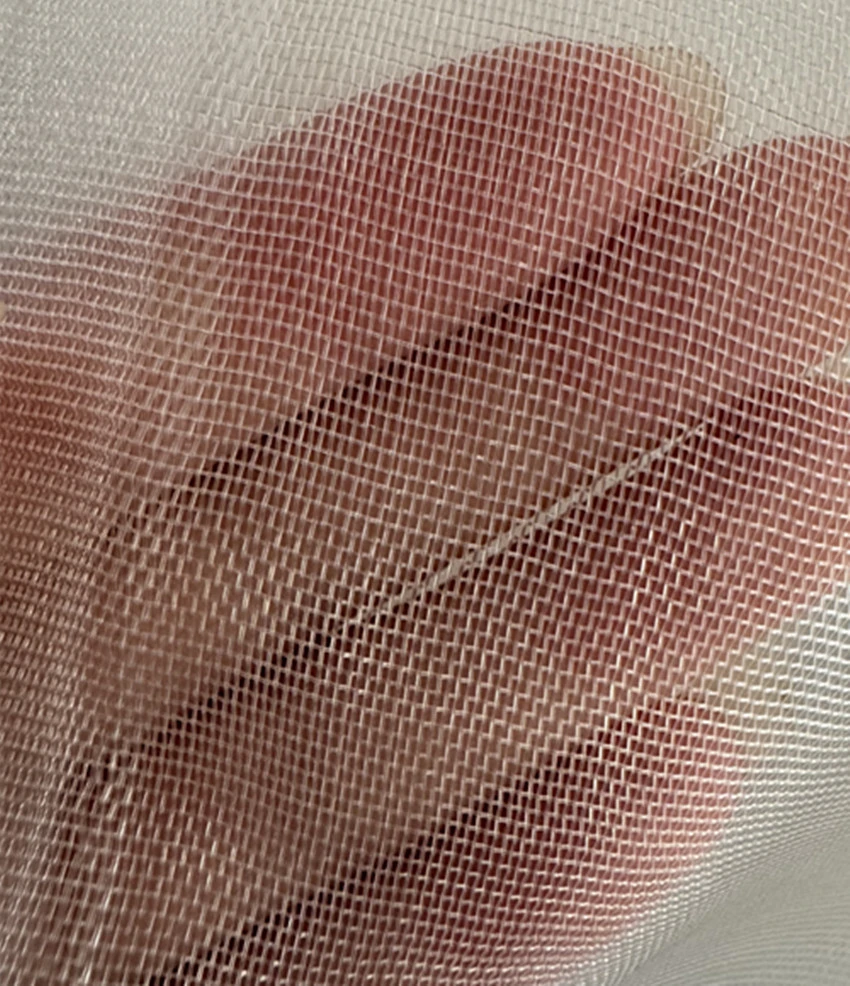
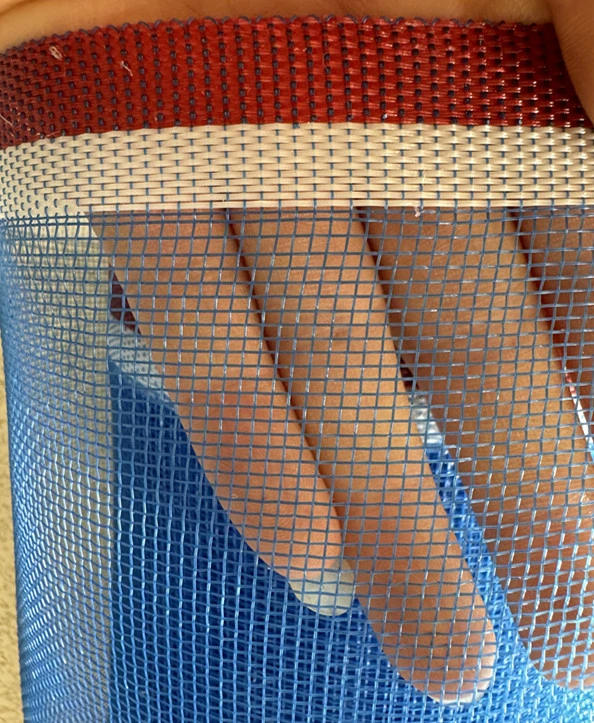
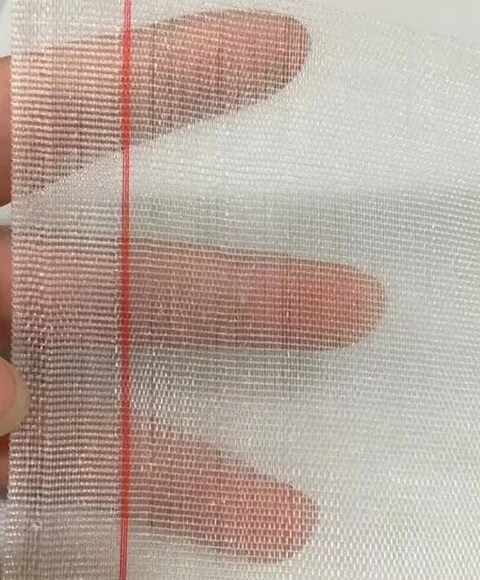
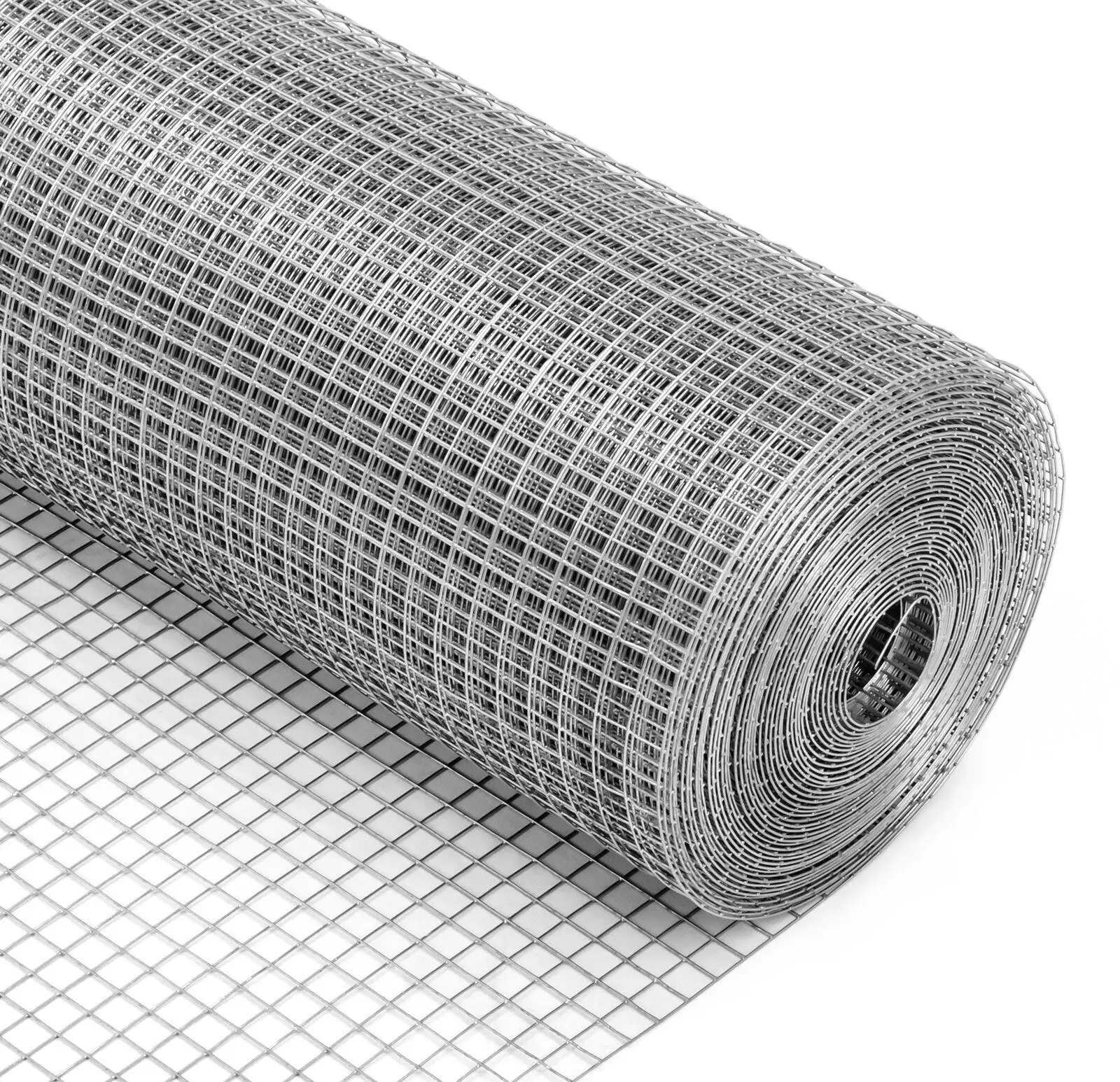
Effective Anti Bird Net for Agriculture | Durable Crop Protection
Introduction to Advanced Agricultural Crop Protection Netting
In the rapidly evolving landscape of modern agriculture, the imperative to protect valuable crop yields from a myriad of environmental and biological threats is more critical than ever. As global demand for high-quality, sustainably produced food escalates, growers are increasingly turning to advanced physical barriers to mitigate losses. Among these sophisticated solutions, the anti bird net for agriculture stands as a cornerstone of effective and environmentally responsible crop management. This detailed article aims to provide B2B decision-makers and agricultural engineers with an in-depth understanding of the technical specifications, manufacturing intricacies, diverse application scenarios, and strategic advantages offered by these essential protective systems. We will explore market trends, delve into material science, and present actionable insights to optimize agricultural productivity and profitability.
Industry Trends and Market Dynamics in Crop Protection
The agricultural netting market is undergoing robust expansion, propelled by several macroeconomic and environmental factors. Projections indicate a Compound Annual Growth Rate (CAGR) exceeding 6% from 2023 to 2030, with a substantial share dedicated to bird control and yield preservation. Key trends shaping this sector include:
- Sustainable and Organic Farming Growth: The global push towards reducing reliance on chemical pesticides and embracing organic certifications directly fuels the demand for physical exclusion methods like robust anti bird net for agriculture. Consumers and regulatory bodies increasingly favor produce grown with minimal chemical intervention.
- Climate Change Adaptation: Erratic weather patterns, including increased frequency of extreme events, necessitate resilient crop protection. While primarily for birds, durable nets also offer some protection against hail and strong winds, contributing to climate resilience.
- Advancements in Polymer Science: Ongoing research in materials science is yielding more durable, lighter-weight, and highly UV-stabilized polymers (e.g., advanced HDPE formulations). These innovations translate to longer product lifespans (up to 10 years or more) and enhanced performance under challenging environmental conditions.
- Precision Agriculture Integration: The future sees netting systems integrating with smart farming technologies, potentially allowing for automated deployment, retraction, and monitoring of crop health beneath the nets.
- Economic Viability: Farmers recognize the tangible economic benefits. Crop losses due to birds can range from 5% to 60% depending on the crop type and avian pressure. A strategic investment in high-quality netting rapidly demonstrates a positive return on investment (ROI) through preserved yields and higher market value for undamaged produce.
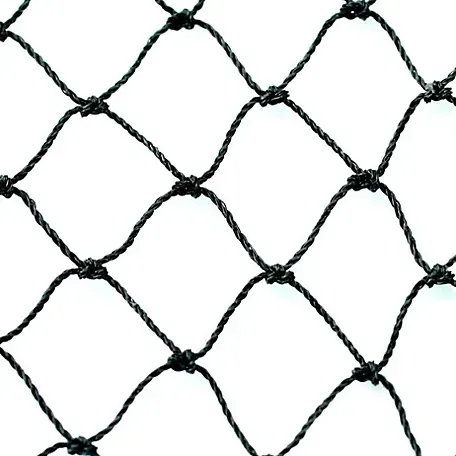
These overarching trends underscore the pivotal role of robust and technologically advanced crop protection strategies in ensuring global food security and sustainable agricultural development.
Manufacturing Process: Precision Engineering for Durable Nets
The production of high-performance anti bird net for agriculture is a meticulous process, meticulously designed to ensure superior durability, functional effectiveness, and extended operational life. The foundation of these nets lies in the selection of premium polymer materials, primarily virgin High-Density Polyethylene (HDPE) or Polypropylene (PP), revered for their exceptional tensile strength, chemical inertness, and inherent resistance to environmental degradation.
Detailed Process Flow:
- Raw Material Preparation & Compounding: High-grade polymer granules (HDPE or PP) are precisely blended with specialized additives, critically including UV stabilizers (e.g., Hindered Amine Light Stabilizers - HALS) and anti-oxidants. These additives are paramount for preventing photodegradation caused by solar ultraviolet radiation, ensuring the net maintains structural integrity and performance for its projected service life of 5 to 10 years, and often beyond. Colorants are also incorporated at this stage if specific net colors (e.g., black, white, green) are required.
- Extrusion of Monofilaments/Multifilaments: The compounded polymer mixture is fed into an industrial extruder. Here, it is melted at controlled temperatures and then forced through fine spinnerets or dies to produce continuous, uniform monofilament or multifilament yarns. The denier (linear mass density, indicating yarn thickness) is critically regulated to achieve the desired tensile strength and overall net weight. Consistency in yarn diameter is vital for uniform mesh strength.
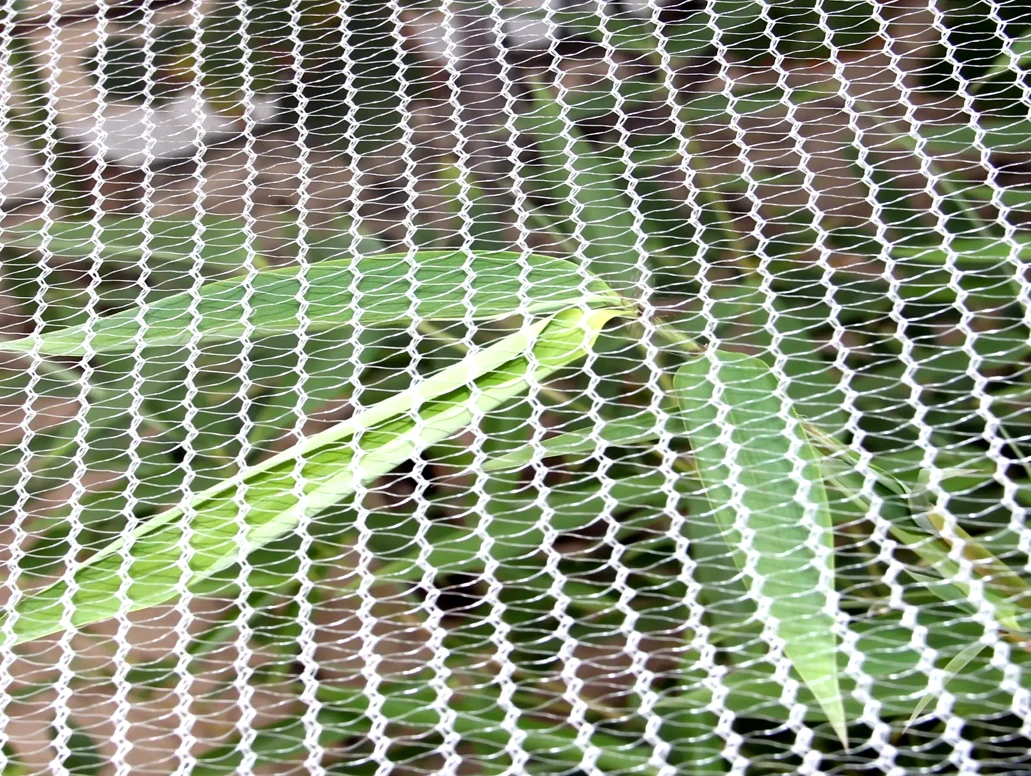
- Knitting or Weaving: The extruded yarns are meticulously fed into sophisticated Raschel knitting or weaving machines. Raschel knitting is particularly favored for agricultural nets due to its superior strength-to-weight ratio, excellent elasticity, and inherent run-resistance, meaning a tear or cut is less likely to propagate across the entire net. The precise mesh size (aperture) and pattern are formed during this stage to effectively exclude target bird species while optimizing light and air transmission.
- Orientation (Stretching) & Heat Setting: The newly formed net fabric undergoes a carefully controlled bi-axial stretching process. This molecular orientation significantly enhances the net's tensile strength and tear resistance. Following stretching, the net is subjected to a heat-setting treatment. This thermal process stabilizes the polymer structure, locking the mesh dimensions in place, preventing shrinkage, and ensuring the net retains its form and integrity under varying environmental conditions.
- Rigorous Quality Control & Testing: Throughout and post-production, each batch of netting undergoes stringent quality assurance protocols to meet international standards (e.g., ISO 9001 for quality management). Key performance metrics tested include:
- Mesh Size Uniformity: Verified against specified apertures using optical gauges.
- Tensile Strength & Elongation (e.g., ASTM D5034/D5035, ISO 13934-1): Measures the force required to break the net and its elasticity, ensuring resilience against wind and stress.
- Tear Resistance (e.g., ASTM D2261, ISO 13937-2): Evaluates the net's ability to resist the propagation of tears, crucial for field durability.
- UV Resistance/Stability (e.g., ISO 4892-3, ASTM G154): Accelerated weathering tests simulate years of solar exposure to confirm the effectiveness of UV stabilizers, often quantified in Kilo Langley (Kly) units or guaranteed years of service.
- Weight per Unit Area (GSM - grams per square meter): Confirms material density and consistency, impacting handling and cost.
- Finishing, Cutting, and Packaging: Finally, the nets are processed for finishing, which may include edge reinforcement (e.g., with stronger selvedge cords) for added durability and ease of installation. They are then precisely cut to customer-specified widths and lengths, rolled, and securely packaged for shipment.
These meticulously controlled steps ensure that the resultant anti bird net for agriculture is not merely a barrier but a highly engineered protective solution, optimized for performance in target industries such as fruit orchards, vineyards, vegetable farms, and specialty horticulture. The advantages realized include significant yield increases, reduced chemical inputs, and extended protection longevity.
Technical Specifications and Performance Parameters
A thorough understanding of the technical specifications is paramount for selecting the optimal anti bird net for agriculture tailored to specific crop protection requirements and regional environmental conditions. These parameters directly influence the net's effectiveness, durability, and cost-efficiency.
Key Product Specifications and Their Significance:
| Parameter | Specification Range (Typical) | Importance and Performance Benefit |
|---|---|---|
| Material Composition | Virgin High-Density Polyethylene (HDPE) with 2%-5% UV Stabilizers (HALS) | Ensures maximal strength, resistance to chemicals (e.g., fertilizers, pesticides), and long-term degradation protection against intense solar radiation. |
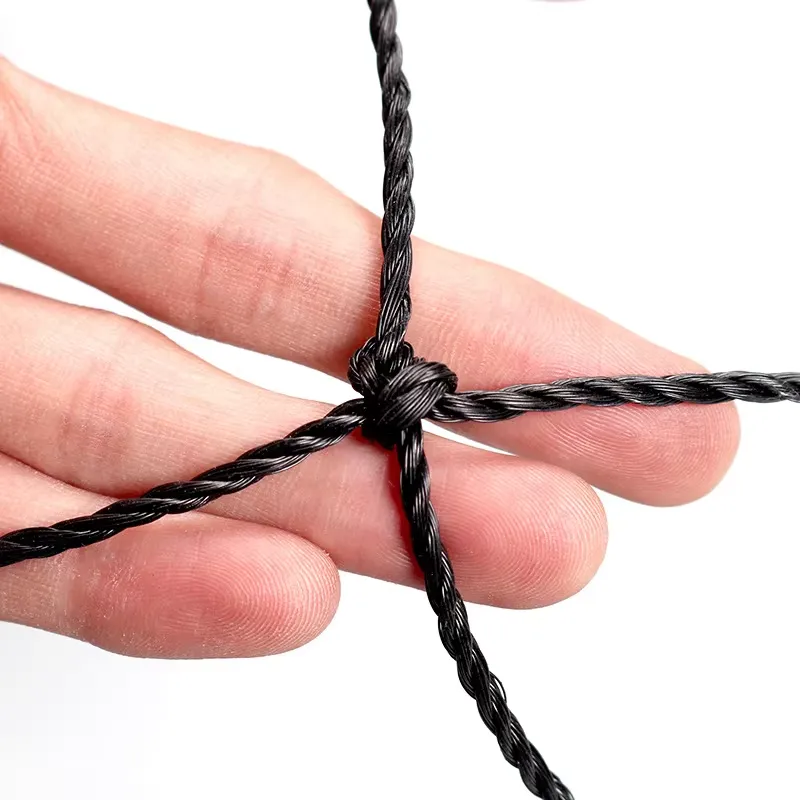
| Mesh Size (Aperture) | 8mm x 8mm to 25mm x 25mm (square or diamond mesh) | Crucial for effective exclusion of specific bird species. Smaller mesh sizes (e.g., 8-12mm) deter smaller birds (sparrows, finches); larger sizes (e.g., 15-25mm) for larger birds (crows, pigeons) while optimizing airflow and light. |
| Yarn Denier / Filament Count | Monofilament: 200 Denier - 1000 Denier; Multifilament: up to 1200 Denier (for heavier duty) | Dictates the thickness and strength of individual net strands. Higher denier implies greater tensile strength and robustness, suitable for harsher environments or larger areas. |
| Tensile Strength (Warp/Weft) | 250 N/5cm to 600 N/5cm (approx. for common netting types, tested via ISO 13934-1) | Measures the net's resistance to breaking under tension. Essential for enduring wind loads, accumulated debris, and tension during installation without tearing. |
| UV Resistance Rating | Guaranteed 500 Kly to 1000 Kly (Kilo Langley) or 5-10 years UV stable | Critical for longevity. This rating confirms the net's ability to resist degradation from prolonged exposure to solar UV radiation, preventing premature brittleness and failure. |
| Weight (GSM - Grams per Square Meter) | 18 g/m² to 65 g/m² | Influences ease of handling, installation, and the structural load on support systems. Lighter nets are easier to manage, while higher GSM indicates a denser, often more robust net. |
| Light Transmission / Shade Factor | Typically 85%-95% light transmission for clear/white nets; 70%-85% for black/green. | Minimizes impact on photosynthesis. Optimal light penetration ensures crop growth is not inhibited, while a slight shade factor can be beneficial in sun-scorching regions. |
These detailed specifications allow agricultural professionals to precisely match the net to the crop, climate, and pest pressure, ensuring maximum efficiency and return on investment.
Application Scenarios and Technical Advantages
The adaptability and robust performance of anti bird net for agriculture make it an indispensable tool across a broad spectrum of farming operations. From protecting delicate berries to safeguarding expansive vineyards, these nets offer targeted and effective deterrence.
Typical Application Scenarios:
- Fruit Orchards (Pome & Stone Fruits): Essential for protecting high-value crops such as cherries, apples, peaches, plums, and pears during their critical ripening phases. Nets can be draped over individual trees, row covers, or installed as expansive overhead canopy systems to shield entire orchard blocks.
- Vineyards: Crucial for grape growers, as birds can inflict significant damage by pecking ripe grapes, leading to direct yield loss and creating entry points for secondary fungal and bacterial infections that can devastate an entire harvest. Permanent or seasonal overhead and side netting solutions are widely adopted.
- Berry Farms: Highly susceptible to bird predation, particularly blueberries, raspberries, and strawberries. Fine-mesh nets protect these delicate fruits, allowing them to fully ripen without damage, thereby maximizing yield and market quality.
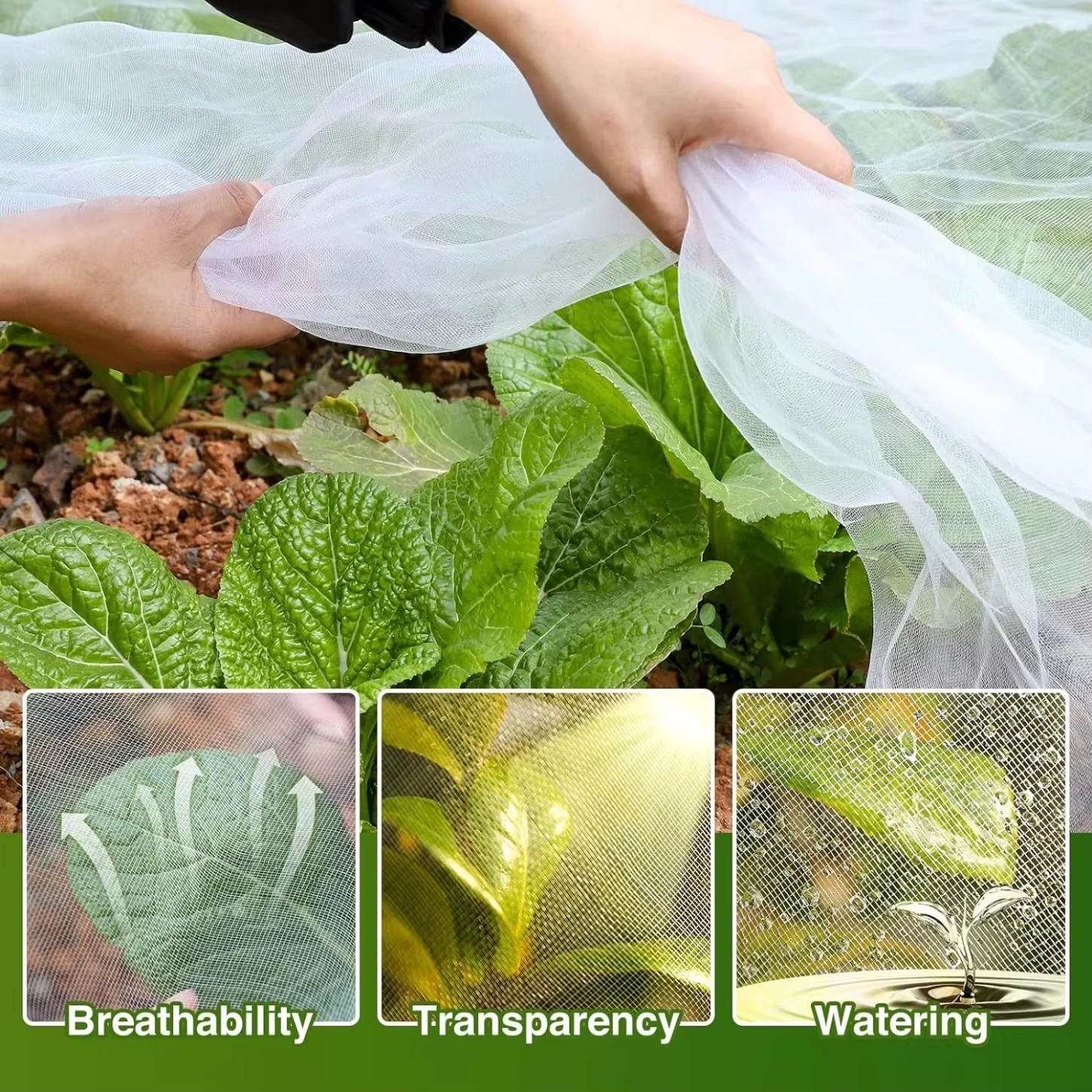
- Vegetable Cultivation: Used to shield sensitive vegetable crops like lettuce, brassicas, and young seedlings from bird foraging. Lightweight nets can be deployed as floating row covers or supported by simple hoop structures.
- Seedling Nurseries & Greenhouses: Provides an effective barrier for young, vulnerable plants against avian pests, ensuring healthy establishment and growth before transplanting.
- Aquaculture: While not directly for agriculture, similar robust netting systems are employed in fish farming to prevent predatory birds (e.g., herons, cormorants) from accessing and depleting valuable fish stocks.
Comprehensive Technical Advantages:
- Substantial Yield Enhancement: By providing a physical, impenetrable barrier, these nets can virtually eliminate bird-related crop losses, leading to significant increases in marketable yield—often ranging from 15% to 50% or more, depending on baseline bird pressure.
- Eco-Friendly & Sustainable: Eliminates the necessity for chemical bird repellents, gas cannons, or other invasive deterrents, aligning perfectly with organic farming standards and integrated pest management (IPM) strategies, reducing environmental impact and promoting biodiversity.
- Exceptional Durability & Longevity: Engineered with advanced UV-stabilized HDPE/PP, these nets are designed for a service life of 5-10 years, offering resistance to harsh weather conditions (e.g., strong winds, hail, heavy snow loads) and maintaining structural integrity throughout multiple seasons.
- Optimized Microclimate Management: While primarily a bird deterrent, nets can also offer ancillary benefits such as reducing sun scald on fruits (especially white or slightly shaded nets) and minimizing moisture evaporation, contributing to overall plant health.
- Cost-Effectiveness Over Lifecycle: The initial investment, while notable, is rapidly offset by the substantial reduction in crop losses and the multi-season durability of the netting, making it a highly cost-efficient solution compared to annually recurring expenses for less effective deterrents.
- Ease of Installation & Adaptability: Modern netting designs are lightweight yet robust, facilitating relatively straightforward deployment and retraction, making them suitable for seasonal applications and adaptable to various farm layouts and support structures.
Vendor Comparison and Strategic Selection Criteria
The selection of a reputable and reliable supplier for anti bird net for agriculture is as crucial as the product itself. B2B purchasers must look beyond initial price points and evaluate vendors based on a holistic set of criteria that ensure product quality, sustained performance, and long-term value.
Critical Vendor Comparison Factors:
| Comparison Factor | Leading Supplier (e.g., YJ Wire Mesh) | Standard/Budget Supplier |
|---|---|---|
| Raw Material Integrity | Utilizes 100% virgin, high-grade HDPE with advanced UV stabilizers (e.g., 5-10 year UV warranty). | May use recycled plastics or lower-grade HDPE with insufficient UV protection, leading to rapid degradation. |
| Manufacturing Excellence | Advanced Raschel knitting/weaving processes, precise heat setting, ISO 9001 certified production, consistent mesh size. | Basic weaving/extrusion, inconsistent mesh uniformity, lacks rigorous process controls. |
| Product Performance Guarantee | Guaranteed service life (e.g., 5-10 years against UV degradation), documented tensile and tear strengths. | Limited or no performance guarantees; typical lifespan of 1-3 years. |
| Customization & Flexibility | Offers a wide range of custom mesh sizes, widths, lengths, colors, and specialized finishes (e.g., reinforced edges). | Limited standard sizes and rigid specifications, often resulting in waste or suboptimal fit. |
| Certifications & Documentation | Provides ISO 9001 certification, comprehensive product data sheets, third-party test reports (UV, tensile), and material safety data. | Minimal or unverifiable certifications; lack of detailed technical documentation. |
| After-Sales Support & Warranty | Clear, transparent warranty terms (e.g., prorated UV degradation warranty), robust technical support, and responsive customer service. | Vague or non-existent warranty; limited or non-responsive after-sales support. |
A leading vendor distinguishes itself through a commitment to material integrity, advanced manufacturing processes, and comprehensive support, ultimately delivering a superior product that provides maximum crop protection and a significantly higher return on investment over its extended lifecycle.
Customized Solutions for Diverse Agricultural Needs
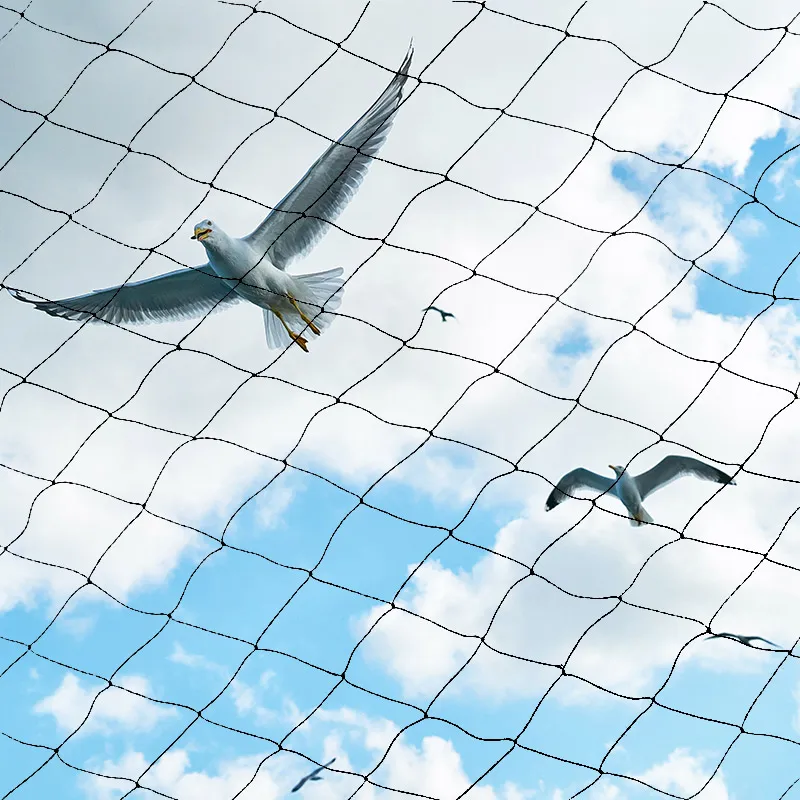
Recognizing that the unique requirements of agricultural operations vary significantly based on crop type, geographic location, regional bird populations, and cultivation methods, leading manufacturers offer bespoke anti bird net for agriculture solutions. This capacity for customization ensures that farmers receive netting systems precisely engineered to their specific challenges, maximizing both effectiveness and economic efficiency.
Key Customization Options:
- Precision Mesh Sizes: Tailoring the net's aperture is critical. Options range from ultra-fine meshes (e.g., 8mm) for small, agile birds like sparrows and finches to larger meshes (e.g., 25mm) suitable for deterring larger avian pests like crows and pigeons, all while balancing airflow and light penetration requirements for specific crops.
- Variable Dimensions: Nets can be supplied in custom widths (e.g., 2m to 30m or more) and lengths (e.g., up to 500m or custom-cut panels) to precisely fit orchard rows, vineyard blocks, hoop houses, or large field coverings, minimizing material waste and simplifying installation logistics.
- Optimized Color Selection: Available in colors such as black, white, green, or transparent. Black nets offer some shading and blend visually; white nets maximize light reflection, potentially reducing heat stress and offering a higher visual deterrent for some bird species. The choice depends on specific crop light requirements and aesthetic preferences.
- Reinforced Edges and Integrated Eyelets: For enhanced durability and easier installation, nets can be manufactured with reinforced selvedge edges featuring stronger border cords, or with pre-integrated eyelets/grommets at specified intervals, allowing for secure fastening to support structures.
- Tailored UV Stabilization Levels: Based on the intended geographical region and expected solar intensity, the concentration of UV inhibitors can be adjusted to provide a specific warranty period (e.g., 5-year, 7-year, or 10-year UV degradation guarantee), optimizing cost for specific lifecycles.
- Specific GSM/Weight: While related to denier, the overall weight per square meter can be adjusted for specific handling needs. Lighter nets are easier for manual deployment; heavier nets offer greater resistance to physical damage.
Engaging with a manufacturer capable of providing these customized options ensures that the anti bird net for agriculture is not a generic product but a precisely engineered solution, perfectly integrated into the farm's operational and environmental context. This strategic partnership ultimately maximizes crop protection efficiency and secures long-term agricultural prosperity.
Application Case Studies: Real-World Impact
The efficacy of high-quality anti bird netting is best demonstrated through tangible results in commercial agricultural settings. These case studies illustrate the profound impact of strategic bird exclusion on crop yield and economic returns.
Case Study 1: Large-Scale Cherry Orchard, Central Valley, USA
Challenge: A 300-acre commercial cherry orchard consistently faced severe depredation from European Starlings and American Robins, resulting in annual crop losses estimated at 20-35% during the crucial 3-week ripening period. Traditional noise deterrents and effigies proved largely ineffective and required constant repositioning.
Solution: The orchard implemented an expansive, custom-engineered overhead netting system utilizing 15mm x 15mm black HDPE anti bird net for agriculture with a 7-year UV stabilization guarantee. The nets were designed with reinforced edges for mechanized deployment and retraction over multiple 10-acre blocks.
Results: In the first season of full deployment, bird damage was reduced to less than 2% across the netted areas. The orchard reported a 28% increase in marketable cherry yield compared to previous years. This translated to an additional revenue of over $750,000 in the first year alone, rapidly recouping the initial investment in the netting system within two seasons. Furthermore, labor costs associated with bird scaring were significantly reallocated.
Case Study 2: Organic Blueberry Farm, British Columbia, Canada
Challenge: A family-owned, certified organic blueberry farm struggled with significant losses (up to 40%) due to persistent predation by various small songbirds during the peak harvest season. Chemical deterrents were not an option due to organic certification requirements, and non-lethal methods were failing.
Solution: The farm installed lightweight, white 10mm x 10mm mesh HDPE netting directly over individual blueberry rows using simple, easily erectable hoop structures. The fine mesh was chosen to specifically exclude small birds, and the white color was selected for its minimal light obstruction and potential to reduce heat absorption in the summer. The nets carried a 5-year UV warranty.
Results: The farm achieved an outstanding 99% reduction in bird-related fruit damage. This allowed the blueberries to fully ripen, enhancing flavor and shelf life, which commanded premium prices in organic markets. The increased yield enabled the farm to fulfill larger distributor contracts and expand their customer base, demonstrating the critical role of physical barriers in maintaining both yield and organic integrity. The nets were easily removed and stored off-season, extending their practical lifespan.
Ensuring Trust: FAQ, Lead Time, Warranty, and Support
Frequently Asked Questions (FAQ):
- Q: What is the expected service life of your anti bird nets?
- A: Our premium nets, manufactured from virgin HDPE with robust UV stabilization, are engineered for exceptional longevity. Depending on the specific product line and environmental conditions, you can expect a reliable service life of 5 to 10 years, often exceeding these projections with proper care.
- Q: Will the netting significantly reduce sunlight for my crops?
- A: Our anti-bird nets are meticulously designed with open mesh structures to ensure minimal impact on photosynthesis. Most nets allow 85-95% light transmission. Clear or white nets offer maximum light penetration, while black or green nets provide a slight shading effect, which can be advantageous in regions prone to sun-scald.
- Q: How do I determine the appropriate mesh size for my farm?
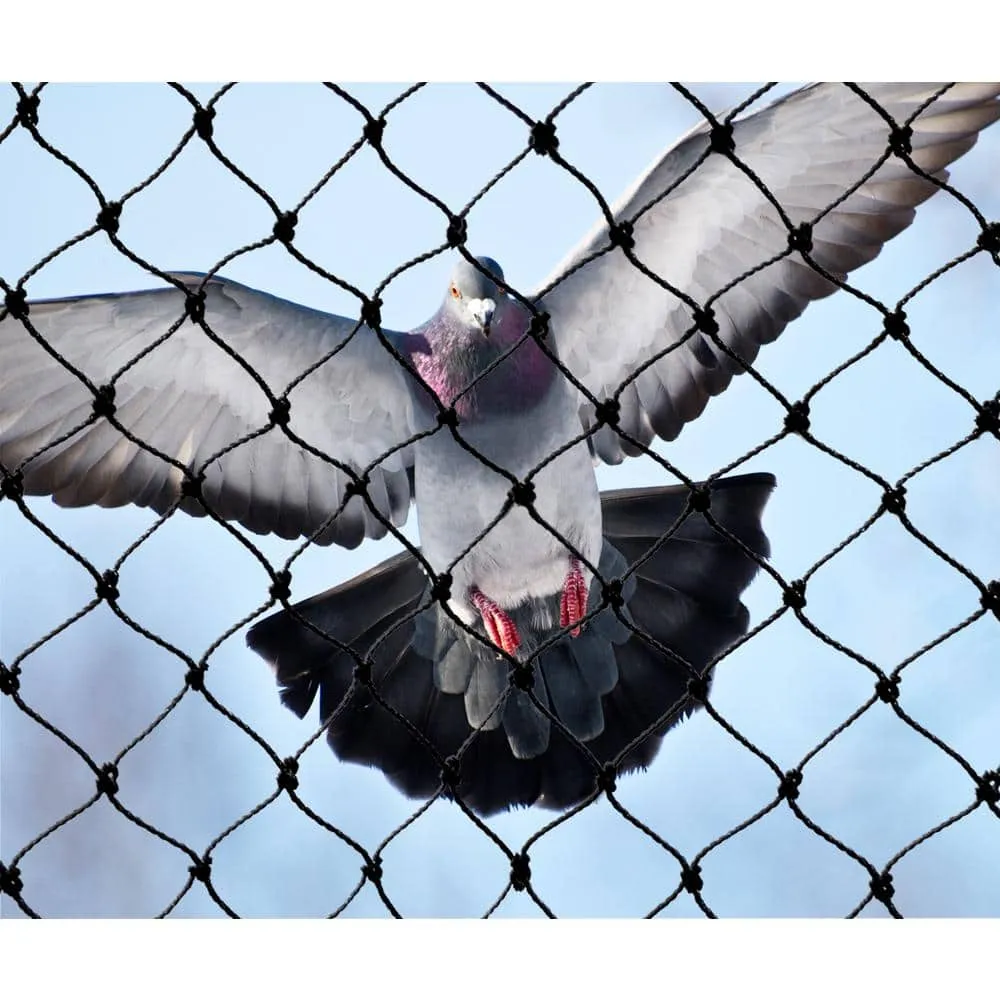
- A: Selecting the correct mesh size is crucial and depends on the predominant bird species causing damage in your area. For smaller birds like sparrows and finches, a finer mesh (e.g., 8-12mm) is recommended. For larger birds such as crows and pigeons, a slightly wider mesh (e.g., 15-25mm) may suffice. Our technical team can provide tailored recommendations based on your specific requirements and local avian pressures.
- Q: Are these nets resistant to extreme weather conditions like hail and high winds?
- A: Yes, our high-quality nets are engineered with superior tensile and tear strengths to withstand significant environmental stressors. While designed primarily for bird exclusion, they offer substantial resilience against hail, strong winds, and other adverse weather events. Optimal performance, however, is contingent upon correct installation and secure fastening to appropriate support structures.
Lead Time and Fulfillment Details:
For standard orders of our popular anti bird net for agriculture specifications and sizes, typical lead times range from 2 to 4 weeks, depending on current inventory and order volume. Customized solutions or exceptionally large-scale orders may require lead times of 4 to 8 weeks, factoring in material sourcing and specialized production cycles. We strongly advise early consultation and order placement, particularly for seasonal demands, to guarantee timely delivery and avoid potential delays. Expedited shipping options are available upon request for urgent requirements.
Warranty Commitments:
We stand behind the quality and durability of our agricultural netting products. All our nets are backed by a comprehensive warranty that covers manufacturing defects and guarantees against premature UV degradation. Typically, a 5- to 10-year prorated warranty on UV stability is provided, reflecting our confidence in the materials and manufacturing processes. Full details of our warranty terms and conditions are explicitly outlined in your formal purchase agreement, ensuring complete transparency and peace of mind for your investment.
Customer Support and After-Sales Service:
Our commitment to our clients extends far beyond the point of sale. We provide robust customer support and comprehensive after-sales service to ensure the optimal performance and longevity of your agricultural netting solution. Our dedicated team of technical specialists is readily available to assist with product selection, provide detailed installation guidance, and address any post-purchase inquiries or technical challenges. We also offer expert advice on net maintenance, storage, and minor repairs to maximize the effective lifespan of your investment. Please feel free to contact us via our website, email, or telephone for professional and responsive assistance.
Conclusion
The strategic adoption of high-performance anti bird net for agriculture represents a critical investment in the future of sustainable and profitable farming. By understanding the sophisticated manufacturing processes, the intricate technical specifications, and the expansive range of application scenarios, agricultural enterprises are empowered to make informed decisions that directly enhance crop yield, reduce operational costs, and promote environmentally sound practices. The confluence of advanced polymer science, stringent quality control, and tailored customization options ensures that these netting solutions provide an unparalleled, long-term physical barrier against avian predation. Partnering with a reputable manufacturer committed to quality, backed by rigorous testing and comprehensive support, secures the reliability and effectiveness of these essential tools, safeguarding harvests and contributing significantly to global food security.
References
- Agricultural Engineering International: CIGR Journal. (2020). Protection Nets for Sustainable Agriculture: A Review. (Online Journal Article).
- Mordor Intelligence. (2023). Agricultural Netting Market Size, Share, & Forecast. (Industry Research Report).
- International Organization for Standardization (ISO). Various standards related to plastic materials and textiles, e.g., ISO 9001, ISO 13934-1, ISO 4892-3. (Standards Publication).
- American Society for Testing and Materials (ASTM). Various standards for textile fabric, e.g., ASTM D5034, ASTM D2261, ASTM G154. (Standards Publication).
- Food and Agriculture Organization of the United Nations (FAO). (2022). The State of Food and Agriculture 2022: Leveraging Science and Innovation for Food Security. (FAO Flagship Publication).
-
High Quality Anti Bird Agro Net for Professional Crop ProtectionNewsApr.16,2026
-
Guide to Bird Netting Cost Per Square Foot and Material OptionsNewsApr.09,2026
-
Comprehensive Guide to Bird Netting Cost Factors and Material ChoicesNewsApr.07,2026
-
Comprehensive Guide to Bird Net for Balcony Cost and Installation OptionsNewsApr.04,2026
-
Comprehensive Guide to Bird Netting Price and Effective Protection SolutionsNewsMar.31,2026
-
Comprehensive Guide to Nylon Bird Net Price Factors and OptionsNewsMar.28,2026