When procurement managers evaluate the steel wire mesh price, they are often looking for more than just a number; they are assessing the long-term viability of their infrastructure or agricultural protection. The volatility of raw material costs, combined with the specific technical requirements of different weaving methods, makes pricing a complex variable in industrial budgeting. Understanding the intersection of material grade and mesh density is essential for securing a product that balances initial investment with operational longevity.
The impact of these pricing variables is felt most acutely in sectors like large-scale farming and urban construction, where the choice between galvanized steel, stainless steel, or specialized polymers can determine the failure rate of a project. For instance, in the context of Agriculture Network and Breeding Net systems, an incorrectly specified mesh can lead to premature corrosion or insufficient bird protection, resulting in significant crop loss. The real value lies in optimizing the specification to avoid over-paying for unnecessary features while ensuring the mesh withstands environmental stressors.
By analyzing the cost drivers—from wire gauge to surface treatments—buyers can transition from simple price-shopping to strategic sourcing. This guide examines the technical factors that influence the steel wire mesh price and provides a framework for evaluating suppliers based on manufacturing capacity and material integrity. Whether you are sourcing for Industrial Network applications or specialized hail nets, the following analysis will help you decode the pricing structures of the wire mesh industry.


The pricing of wire mesh is not a static figure but a result of complex material interactions and manufacturing overheads. At its core, the cost is driven by the weight of the raw metal per square meter, the complexity of the weave, and the chemical treatments applied to prevent oxidation. For example, stainless steel woven mesh typically commands a higher price than galvanized options due to the inherent cost of chromium and nickel, which provide superior corrosion resistance in pharmaceutical or chemical laboratories.
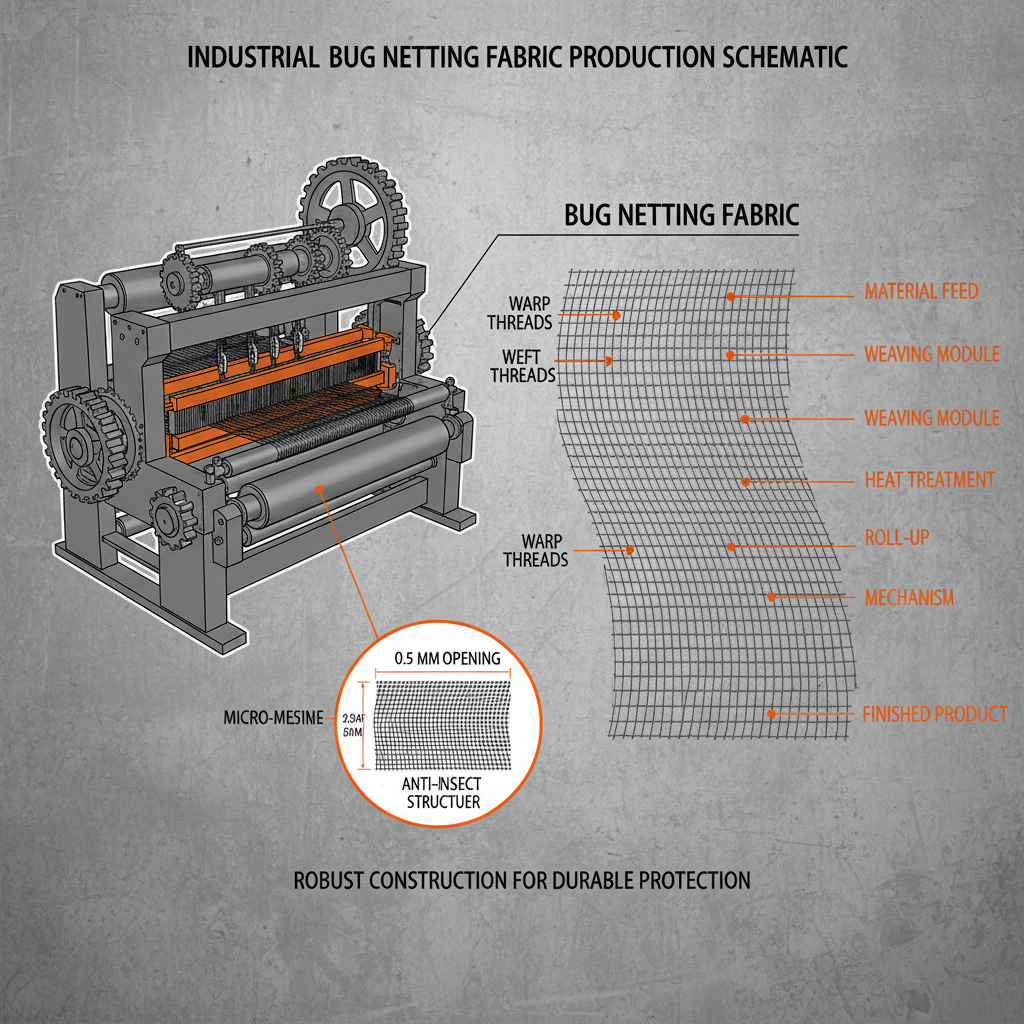
From a manufacturing perspective, the precision of the mesh size—such as the 15mm to 25mm specifications often seen in specialized netting—requires tighter quality control and more advanced machinery. When a factory utilizes automated weaving equipment, the consistency of the product increases, which may influence the price based on the reduction of material waste and the speed of production.
Material selection is the primary determinant of the total cost. Stainless steel is prioritized for filtration and petroleum applications where chemical stability is non-negotiable, whereas galvanized woven mesh is the standard for river management and mountain slope protection due to its balance of strength and cost-effectiveness. The thickness of the galvanization layer directly impacts the price and the subsequent service life of the installation in humid environments.
The most critical cost-to-performance ratio is found in the choice of surface treatment; adding high-grade coatings can increase initial costs by 15-30% but often extends the operational lifespan by over 100%, drastically reducing the frequency of replacement cycles.
Beyond materials, the weaving type—whether knotted, knotless, or stretch net—alters the labor and time required for production. Specialized nets, such as those used for insect-proof or hail prevention, require specific tensile strengths to resist wind loads and impact, necessitating higher-grade polymers or reinforced wire, which naturally elevates the price point compared to basic garden netting.
Evaluating a mesh product solely on the initial purchase price often leads to higher long-term expenditures. A low-cost mesh that lacks UV stabilization or anti-corrosive properties will degrade rapidly under direct sunlight or in salty air, necessitating full replacement within one or two seasons. This is particularly critical for crop protection where a failure in the netting during peak harvest can lead to total yield loss.
True value is realized when the "cost per year of service" is calculated; a durable nylon or polyethylene mesh with a 2-5 year service life provides a much lower annual cost than a cheaper alternative that fails within six months.
Reliability in high-stress environments, such as building safety facilities or industrial filtration, requires a focus on tensile force and shape retention. Products that maintain their dimensions under load prevent structural sagging and maintain the integrity of the barrier, ensuring that the initial investment protects the assets it was designed to guard.
Different materials offer varying levels of durability relative to their cost. While nylon woven mesh provides exceptional flexibility and strength for bird and insect prevention, stainless steel is unmatched for industrial separation. The choice depends on the specific environmental stressors the mesh will encounter, such as chemical exposure or mechanical abrasion.
The following data represents the relative durability index (where 10 is the highest) across common materials used in the industry, highlighting why certain materials are priced higher due to their extended operational stability.
In the agricultural sector, the focus is on balanced permeability and protection. Bird netting must allow sunlight, water, and air to pass through to ensure crop growth while physically stopping pests from landing or nesting. This requires a precise mesh size (e.g., 15mm to 25mm) that is economical yet reliable, making polyethylene a preferred choice for those managing large orchards or vegetable plots.
Conversely, in the industrial and infrastructure sectors, galvanized and stainless steel meshes are utilized for high-load applications. River management and slope protection require materials that can integrate with soil and resist moisture for decades. Here, the pricing is influenced by the total volume of steel and the thickness of the protective zinc coating, which ensures the mesh does not lose its structural integrity under constant environmental pressure.
The industry is shifting toward "intelligent material selection," where the composition of the mesh is tailored to the specific micro-climate of the installation site. We are seeing an increase in the use of hybrid materials that combine the strength of metal with the flexibility and UV resistance of advanced polymers, aiming to reduce the overall weight of the installation without sacrificing durability.
Automation in the weaving process is also reducing the lead times and increasing the precision of customizable sizes. With factories adopting more advanced R&D equipment, the ability to produce meshes with extremely tight tolerances for pharmaceutical laboratories and high-precision filtration is becoming more accessible, potentially stabilizing prices for high-spec products.
Sustainability is becoming a key pricing driver, with a growing demand for recyclable materials and eco-friendly coating processes. Manufacturers who can demonstrate a lower carbon footprint in their production—by optimizing raw material use and reducing chemical waste—are likely to define the next generation of industry standards.
One of the primary challenges in sourcing wire mesh is the discrepancy between quoted specifications and actual delivered quality. Buyers often encounter products that meet the mesh size requirements but fail in tensile strength or corrosion resistance due to inferior raw materials. This makes the selection of a manufacturer with a transparent production history and a large-scale facility essential for risk mitigation.
Effective procurement requires a shift from "lowest price" to "optimal specification." By providing a manufacturer with a detailed application profile—including the expected environmental exposure and the required service life—buyers can receive a customized recommendation that avoids over-engineering while ensuring the product does not fail prematurely.
A reliable supplier, such as those with decades of family-run experience and expansive workshop areas, can offer the necessary customization in width (1m to 16m) and length (1m to 500m), ensuring that waste is minimized during installation and the total cost of ownership is reduced.
| Material Type | Primary Use Case | Durability Level | Relative Cost |
|---|---|---|---|
| Stainless Steel | Industrial Filtration | Extreme | High |
| Galvanized Steel | Slope Protection | High | Medium |
| Polyethylene | Bird/Hail Netting | Moderate | Low |
| Nylon Woven | Insect Prevention | Moderate | Medium |
| Plastic Mesh | Garden Protection | Low-Moderate | Very Low |
| Hybrid Composites | Specialized Safety | High | Medium-High |
The price is primarily driven by the raw material grade (e.g., stainless vs. galvanized), the wire gauge, the mesh density, and any surface treatments applied for corrosion resistance. Additionally, customization requirements for width and length, as well as the complexity of the weave (knotted vs. knotless), contribute to the final cost.
Choose nylon for applications requiring higher tensile strength and abrasion resistance, though it is typically more expensive. Polyethylene is more economical and highly effective for bird and hail netting due to its excellent UV resistance and lightweight nature, making it ideal for large-scale crop protection where cost-efficiency is a priority.
Depending on the material and environmental conditions, professional-grade netting typically lasts between 2 to 5 years. Longevity is enhanced by selecting UV-stabilized materials and ensuring proper installation that minimizes tension-related wear and tear on the mesh knots.
Yes, most professional manufacturers offer customizable widths from 1m up to 16m and lengths from 1m to 500m. Customizing dimensions at the factory level is generally more cost-effective than manual cutting on-site, as it reduces material waste and ensures cleaner edges.
Galvanized mesh is a cost-effective solution for outdoor infrastructure like river management, offering good protection through a zinc coating. Stainless steel is a premium investment for extreme environments (chemicals, high heat), providing far superior corrosion resistance and a much longer lifespan, justifying its higher initial price.
Look for suppliers with significant manufacturing capacity (e.g., 5,000+ sqm factories), a proven history of R&D, and the ability to provide free samples. A company that manages the entire process from material selection to surface treatment usually offers better quality control and more competitive pricing than a trading company.
Determining the right steel wire mesh price requires a strategic balance between material specifications and the intended operational environment. Whether the goal is protecting a high-value orchard with a specialized bird net or securing an industrial site with galvanized woven mesh, the key to a successful investment is focusing on the lifecycle value rather than the initial unit cost. By prioritizing UV stability, tensile strength, and corrosion resistance, procurement managers can ensure long-term reliability and minimize replacement overheads.
For those seeking professional-grade netting solutions with customizable specifications and rigorous quality control, partnering with an experienced manufacturer is essential. If you are evaluating your current mesh requirements or looking for a more durable alternative for your next project, we invite you to explore the technical capabilities and product range available at www.yjwiremesh.com to find a solution that fits your specific environmental and budgetary needs.