Selecting a mesh for high-corrosion environments often comes down to a critical trade-off between structural rigidity and surface protection. For many industrial and agricultural operators, the choice of a coating determines whether a fence or filter lasts two years or twenty.
The shift toward polymer-coated metals is not merely an aesthetic preference but a technical response to the failures of traditional galvanization in acidic or saline conditions. Understanding the nuances of how these materials are bonded is essential for procurement officers and project engineers.
By evaluating the capabilities of professional pvc coated wire mesh manufacturers, users can better align their specifications with the actual environmental stresses of their project sites to optimize long-term ROI.


The efficiency of a coated mesh relies on the synergy between the core wire—typically stainless steel or galvanized iron—and the external Polyvinyl Chloride (PVC) layer. While the metal core provides the necessary tensile strength to withstand physical impact and wind loads, the PVC serves as an impermeable barrier against moisture and oxygen.
This dual-layer approach solves the inherent vulnerability of metal to oxidation. In maritime or industrial chemical zones, even high-grade galvanized mesh can experience localized pitting; the addition of a polymer coating eliminates this risk by sealing the metal entirely from the atmosphere.
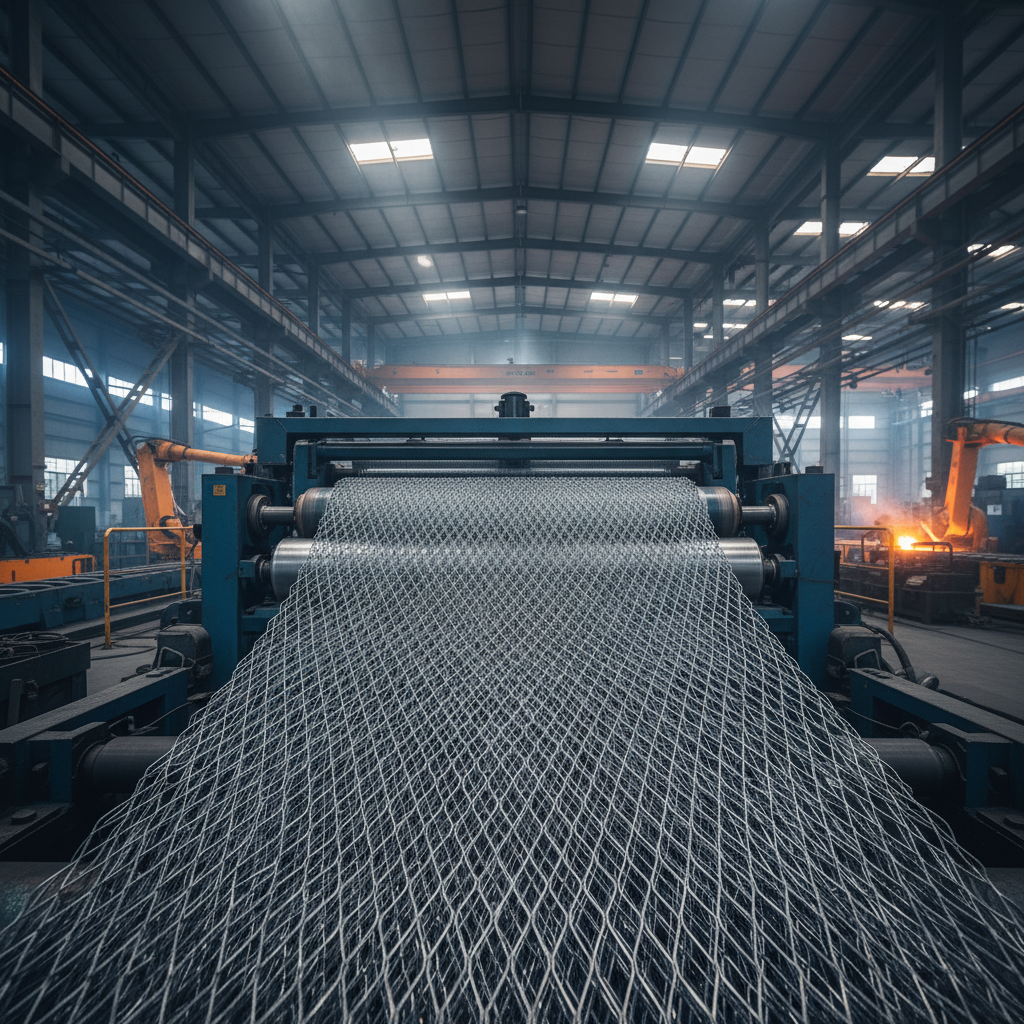
The quality of the final product is determined less by the material and more by the application method. Professional manufacturing involves a precise thermal process where the PVC is melted and extruded over the wire. If the temperature is too low, the coating will peel (delaminate); if it is too high, the polymer degrades, losing its UV resistance and flexibility.
A critical step often overlooked is the pre-treatment of the wire. To ensure a permanent bond, the metal surface must be chemically cleaned and sometimes primed. This ensures that the PVC does not simply "sit" on the wire but adheres to it at a molecular level, preventing moisture from creeping underneath the coating if the mesh is cut or punctured during installation.
Advanced production lines now utilize automated cooling systems to set the PVC quickly, ensuring a uniform thickness across every millimeter of the mesh. This consistency is vital for industrial filtration and high-security fencing, where a thin spot in the coating could become the primary point of failure for the entire system.
Deploying mesh in the field exposes it to a variety of stressors, from ultraviolet (UV) radiation to extreme temperature fluctuations. PVC, while durable, can become brittle over time if not stabilized. This is why the inclusion of UV inhibitors during the compounding stage is a non-negotiable requirement for outdoor agricultural and architectural networks.
The longevity of a coated mesh is not defined by its initial strength, but by its ability to maintain flexibility and adhesion under constant thermal expansion and contraction cycles.
In agricultural settings, such as those requiring insect-proof or hail nets, the mesh must also resist chemical degradation from pesticides and fertilizers. The non-reactive nature of PVC makes it an ideal shield, ensuring that the structural integrity of the network remains intact even after years of exposure to aggressive farming chemicals.
When comparing uncoated galvanized mesh to PVC coated options, the difference in maintenance cycles is stark. While galvanized mesh is cost-effective initially, the lifecycle cost increases as corrosion sets in, requiring replacement or expensive remedial coatings.
The following index evaluates relative performance across key durability metrics, highlighting where polymer coatings provide the most significant advantage in harsh operating conditions.
In the realm of agriculture, the requirements shift from pure corrosion resistance to biological exclusion. For instance, when integrating anti-insect netting for greenhouses, the focus is on mesh aperture precision and UV stability to prevent the degradation of the HDPE or PVC components under intense sunlight. These nets protect against pests like whiteflies and aphids while maintaining optimal airflow for crop health.
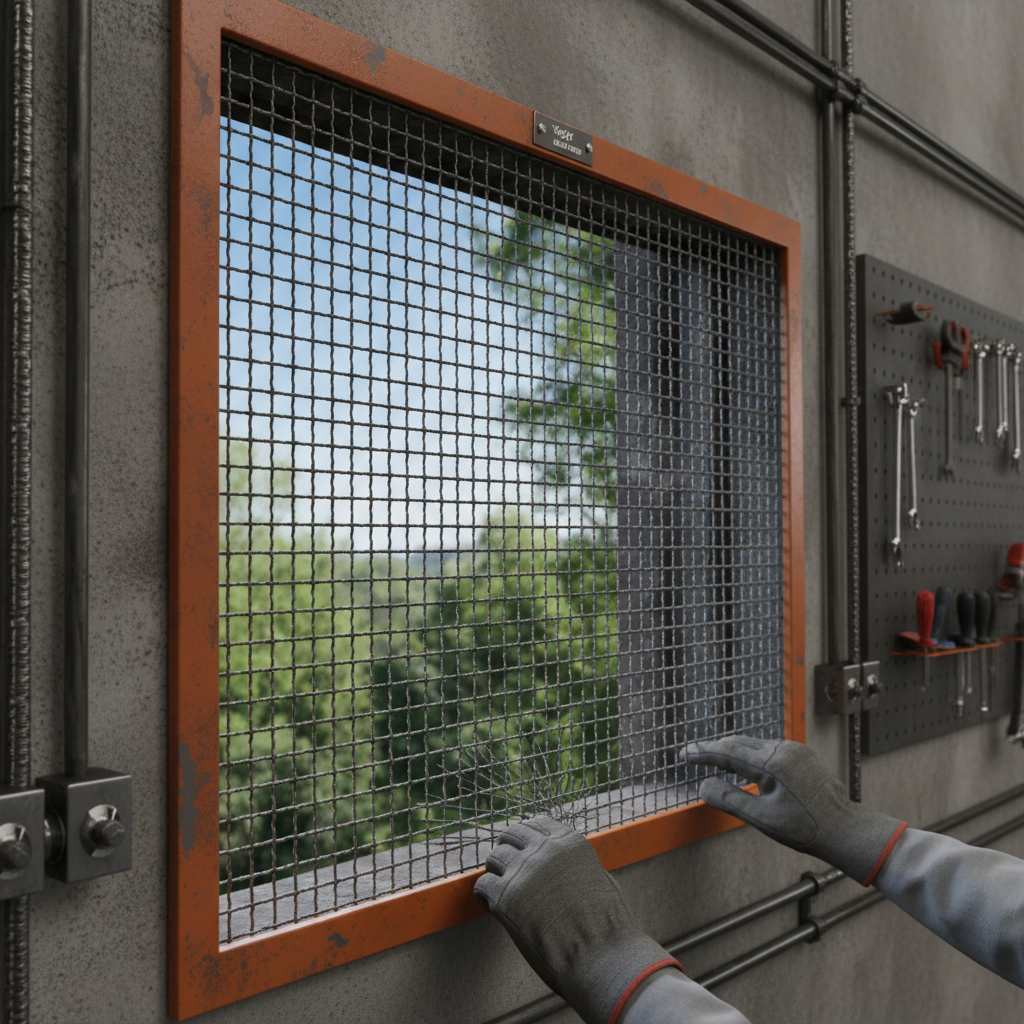
Conversely, in industrial networks, the mesh is often used for separation or safety barriers. In these scenarios, the PVC coating serves to prevent the metal edges from causing abrasions or injuries to personnel, while simultaneously protecting the facility's infrastructure from the corrosive nature of the materials being processed.
The industry is moving toward "smart" coatings that can signal when the underlying metal has begun to corrode. By integrating color-changing pigments into the PVC layer, maintenance crews can identify failure points visually before a structural collapse occurs.
Sustainability is also driving a shift toward recyclable polymers. While traditional PVC is durable, new blends are being developed that offer the same protective qualities but are easier to process at the end of the product's life, aligning with European environmental standards.
Furthermore, the integration of nano-materials into the coating is increasing scratch resistance. This is particularly important for breeding nets and industrial safety facilities where the mesh is subject to frequent physical contact and abrasion.
Procuring the right mesh requires a systematic evaluation of the environment. A buyer should not simply ask for "PVC coated mesh" but should specify the core material, the coating thickness in microns, and the required UV stabilization level.
Comparing different manufacturers often reveals a gap in quality regarding "edge sealing." In a typical industrial setting, the edges of the mesh are the most vulnerable; ensuring that the manufacturer provides reinforced or tucked edges is a key indicator of product longevity.
To simplify the decision-making process, the following framework compares common substrate and coating combinations based on typical project requirements.
| Environment | Recommended Core | Coating Type | Primary Selection Factor |
|---|---|---|---|
| Coastal / Marine | Stainless Steel 316 | Thick PVC | Chloride Resistance |
| Agriculture / Greenhouses | Galvanized Iron | UV-Stabilized PVC | UV Degradation Rate |
| Industrial Filtration | Stainless Steel 304 | Chemical Grade PVC | Aperture Precision |
| Urban Infrastructure | Galvanized Iron | Standard PVC | Cost-to-Life Ratio |
| Chemical Processing | Specialty Alloys | Fluoropolymer / PVC | Acid/Alkali Resistance |
| Safety Fencing | High-Tensile Steel | Standard PVC | Impact Absorption |
Galvanization creates a sacrificial zinc layer that protects the steel; however, once the zinc is depleted, the steel rusts. PVC coating acts as a physical, impermeable barrier that prevents oxygen and water from reaching the metal core entirely. This makes PVC significantly more effective in highly corrosive environments, such as those with high salt or acid concentrations, provided the coating remains intact.
Unstabilized PVC can undergo photo-oxidation when exposed to prolonged sunlight, leading to discoloration and embrittlement (cracking). To prevent this, professional manufacturers add UV stabilizers during the production process. This ensures the mesh remains flexible and maintains its protective properties over many years of outdoor exposure, which is critical for agriculture and architecture networks.
Focus on three technical indicators: the uniformity of the coating thickness, the adhesion strength (checking if the PVC peels away from the wire), and the certifications regarding UV stability. Additionally, inquire about the pre-treatment process of the core wire; a supplier that employs chemical cleaning and priming generally produces a more durable bond than one that applies PVC to raw wire.
PVC has a specific thermal threshold. While it is excellent for ambient and moderate temperatures, extreme heat can cause the polymer to soften or degrade. For environments exceeding 60-70°C, it is necessary to evaluate the specific grade of PVC used or consider alternative high-temperature polymers like PTFE. Always verify the maximum operating temperature with the manufacturer based on your specific site conditions.
The initial purchase price is higher due to the cost of the polymer and the additional extrusion process. However, when calculating the Total Cost of Ownership (TCO), coated mesh is often cheaper. It significantly extends the replacement cycle and reduces maintenance costs, particularly in corrosive zones where uncoated mesh might fail within a few seasons.
Modern manufacturing focuses on reducing VOCs during the coating process and utilizing lead-free PVC stabilizers. Because coated mesh lasts significantly longer than uncoated versions, it reduces the volume of metal waste generated by frequent replacements. Many manufacturers are now complying with European standards to ensure the materials used are as environmentally friendly as possible.
The decision to implement PVC coated wire mesh is essentially an investment in longevity. By shifting the focus from the initial unit price to the lifecycle performance, operators can avoid the systemic costs of corrosion-related failure and frequent replacements.
Ultimately, the success of the installation depends on the alignment between the material's technical specifications—such as UV stabilization and bonding quality—and the specific environmental stressors of the application site.