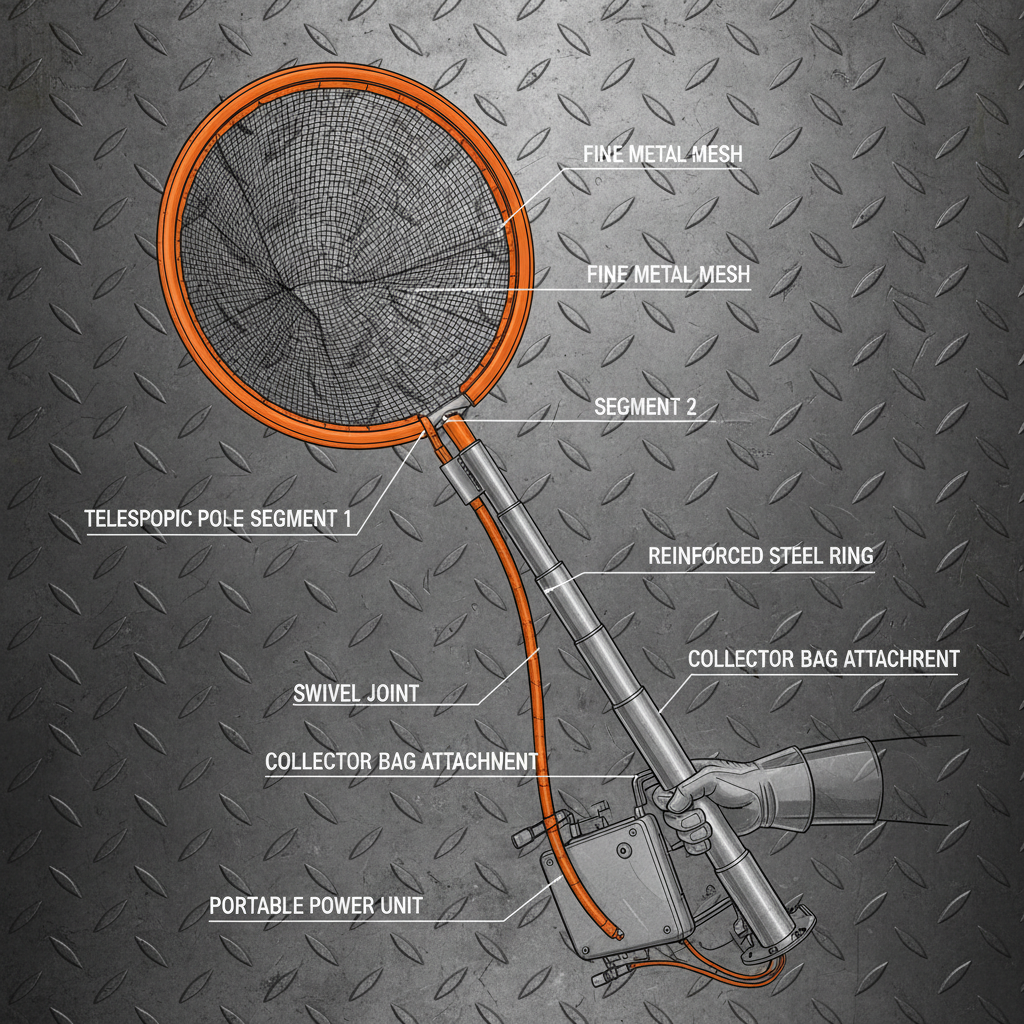
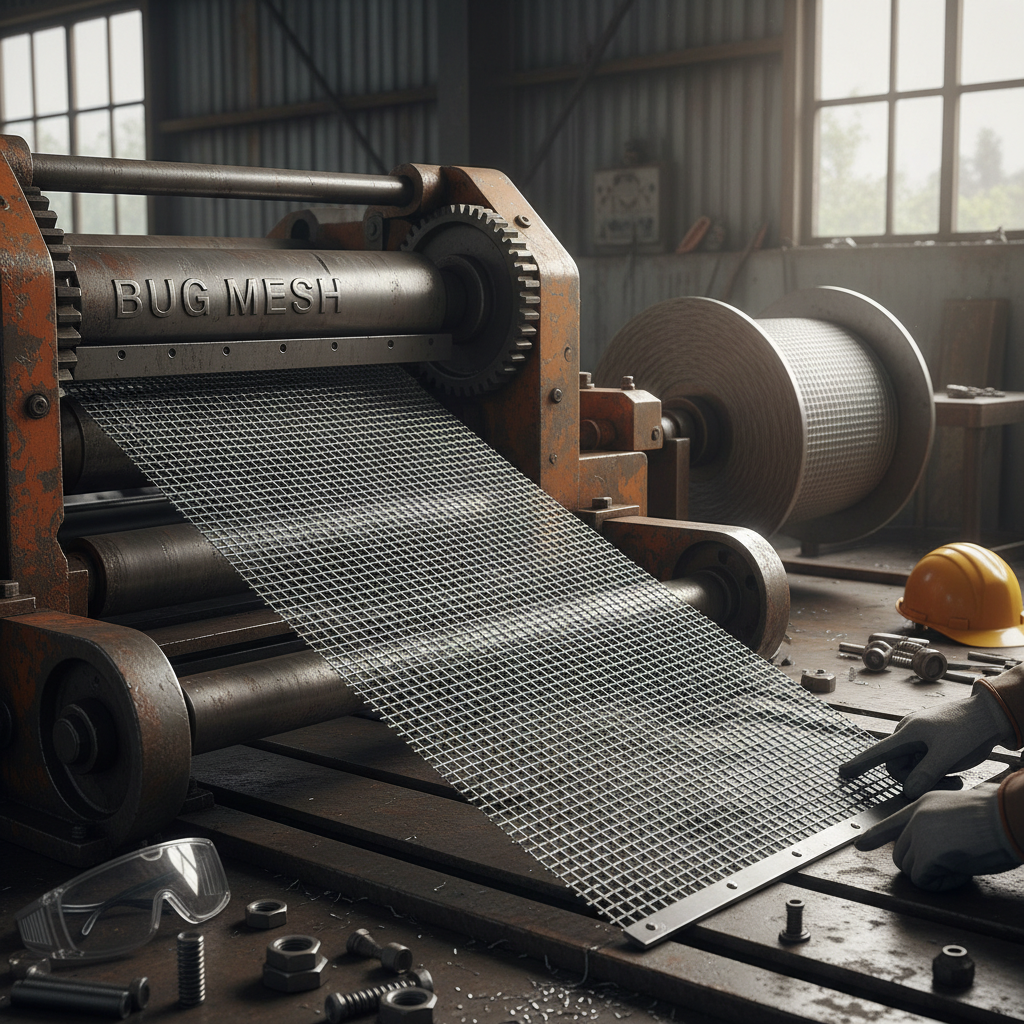
The operational efficiency of field personnel in challenging environments often depends on the smallest details of their equipment, and the military bug net stands as a critical line of defense against biological threats. In remote deployments, insect-borne diseases can incapacitate a force more effectively than conventional weaponry, making high-grade screening essential for maintaining health and morale.
Modern advancements in materials science have transformed the traditional bug net into a sophisticated piece of tactical gear. Today's military bug net incorporates UV-resistant polymers and precision-engineered mesh sizes that balance airflow with impenetrable barriers against the smallest pests, ensuring that personnel can rest and recover in any climate.
Understanding the technical specifications and deployment strategies of these netting systems is vital for logistics officers and procurement specialists. By integrating high-performance materials from the metal products and wire mesh industry, these nets provide a sustainable, long-term solution for protecting human assets in the most demanding global theaters.
Technical Specifications of Military Bug Net
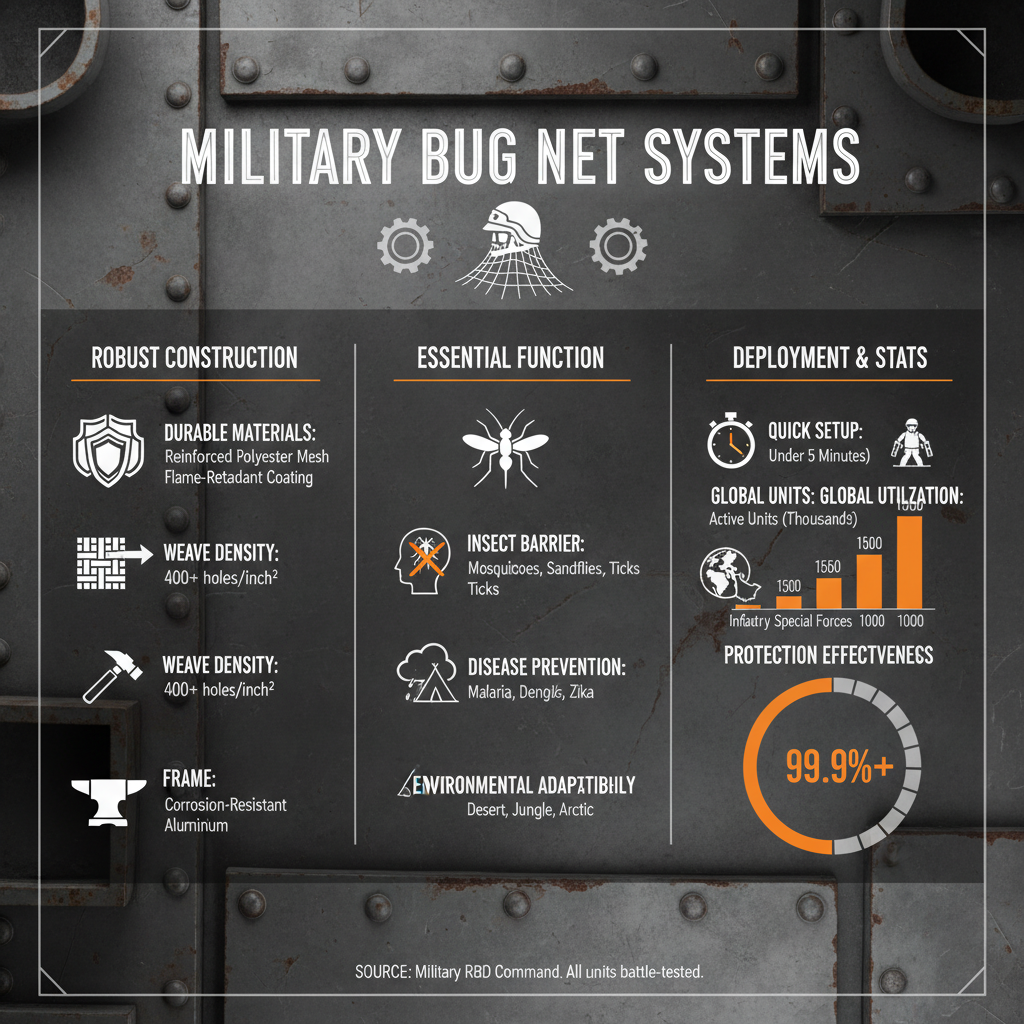
A professional military bug net is defined by its aperture size and tensile strength. Unlike commercial versions, these nets must withstand extreme tension and abrasion while remaining lightweight enough for rapid transport. The mesh is typically woven from high-density polyethylene (HDPE) or treated stainless steel wire in industrial applications, ensuring that the gaps are small enough to block sandflies and mosquitoes but open enough to allow maximum ventilation.
Beyond the physical weave, the chemical treatment of the fibers plays a pivotal role. Many military-grade nets are impregnated with long-lasting insect repellents or designed to hold chemical coatings that provide a secondary layer of protection. This dual-approach—combining mechanical barriers with chemical deterrence—makes the military bug net an indispensable tool for personnel operating in tropical and subtropical regions.
Global Impact on Force Protection
The global relevance of the military bug net is underscored by data from the World Health Organization (WHO), which highlights that malaria and other vector-borne diseases remain a leading cause of non-combat casualties in diverse geopolitical regions. In areas where infrastructure is non-existent, the ability to create a sterile sleeping environment is not a luxury but a requirement for operational readiness.
From the dense jungles of Southeast Asia to the arid plains of Sub-Saharan Africa, the challenge remains the same: protecting the human element from an invisible enemy. The implementation of standardized netting protocols across international coalitions has led to a measurable decrease in disease-related downtime, proving that simple mesh solutions have a massive strategic impact.
Furthermore, the adoption of ISO-standardized materials in the production of these nets ensures that equipment is interchangeable and reliable. When a military bug net is deployed in a joint-task operation, the consistency in quality prevents gaps in protection that could otherwise lead to localized outbreaks of disease within a camp.
Material Engineering and Durability
The engineering behind a high-performance military bug net begins with the selection of polymers that can resist photo-degradation. UV exposure in equatorial regions can break down standard plastics in weeks, leading to tears and failures in the mesh. To combat this, industry experts utilize specialized UV-stabilizers integrated directly into the yarn.
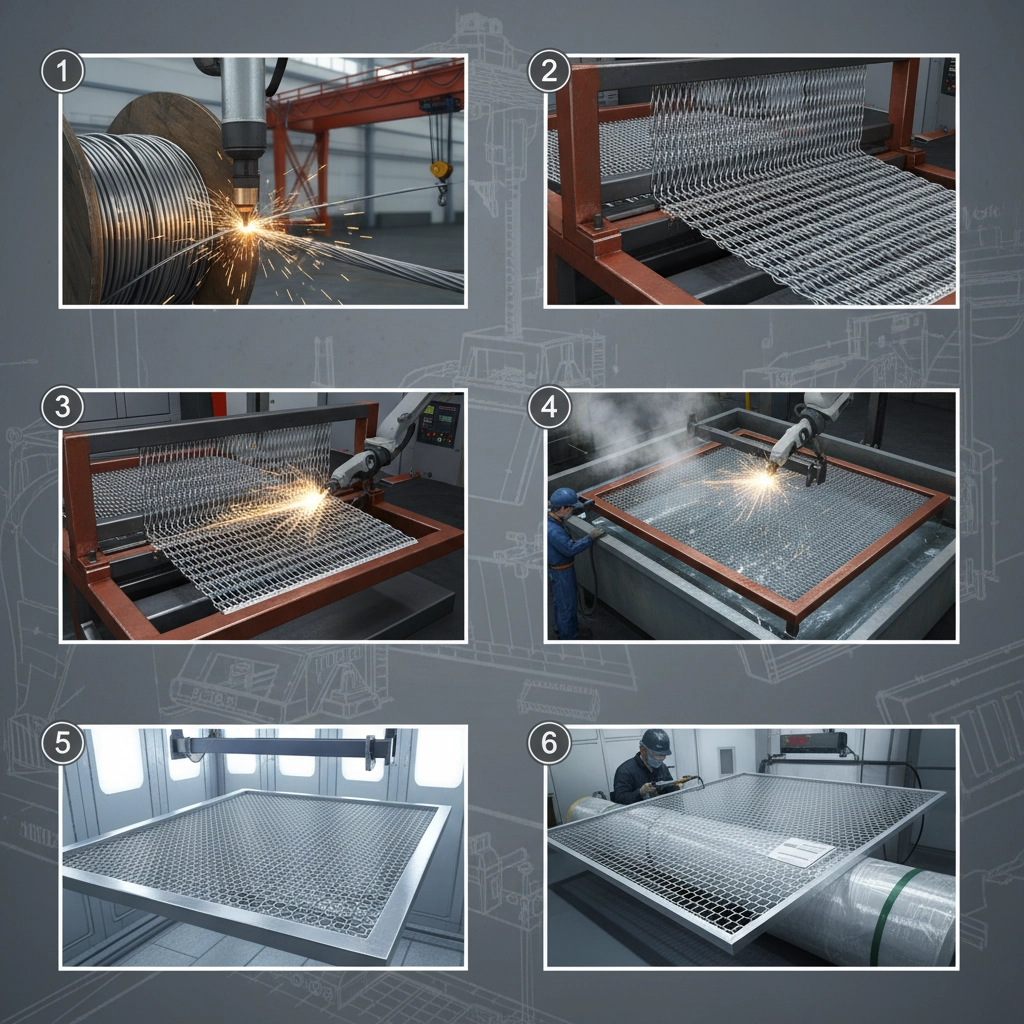
Durability is further enhanced through heat-setting and precision weaving techniques. A military bug net must maintain its structural integrity even when subjected to high winds or the physical stress of being packed and unpacked repeatedly. This requires a balance between flexibility and rigidity that only advanced metal-and-polymer blending can achieve.
Moreover, the integration of antimicrobial coatings prevents the growth of mold and mildew in humid environments. This ensures that the military bug net remains hygienic over long-term use, reducing the risk of skin infections and respiratory issues for soldiers living in damp, forest-canopy settings.
Performance Metrics and Comparisons
Evaluating the effectiveness of different netting systems requires a look at airflow permeability versus insect exclusion rates. A military bug net must not act as a heat trap; if the mesh is too tight, the internal temperature rises, leading to heat exhaustion. Therefore, the "Goldilocks" zone of mesh density is critical.
When comparing various iterations of tactical screening, we look at factors such as tear strength, weight-to-coverage ratio, and the longevity of chemical treatments. High-tensile versions often outperform standard nylon nets in longevity, although they may be slightly heavier.
Performance Analysis of Military Bug Net Variants
Strategic Deployment in Remote Zones
The deployment of a military bug net in real-world contexts often occurs in "dark zones"—areas with no permanent infrastructure. In post-disaster relief operations, where medical facilities are makeshift, these nets provide the first line of defense for field hospitals, protecting wounded patients from secondary infections caused by insect vectors.
In remote industrial zones or mining outposts that support military logistics, the use of larger-scale netting systems is common. These "industrial-sized" bug nets create safe zones for equipment maintenance and crew rest, ensuring that the workforce remains healthy and productive despite being surrounded by pest-heavy environments.
Integration with Modular Shelters
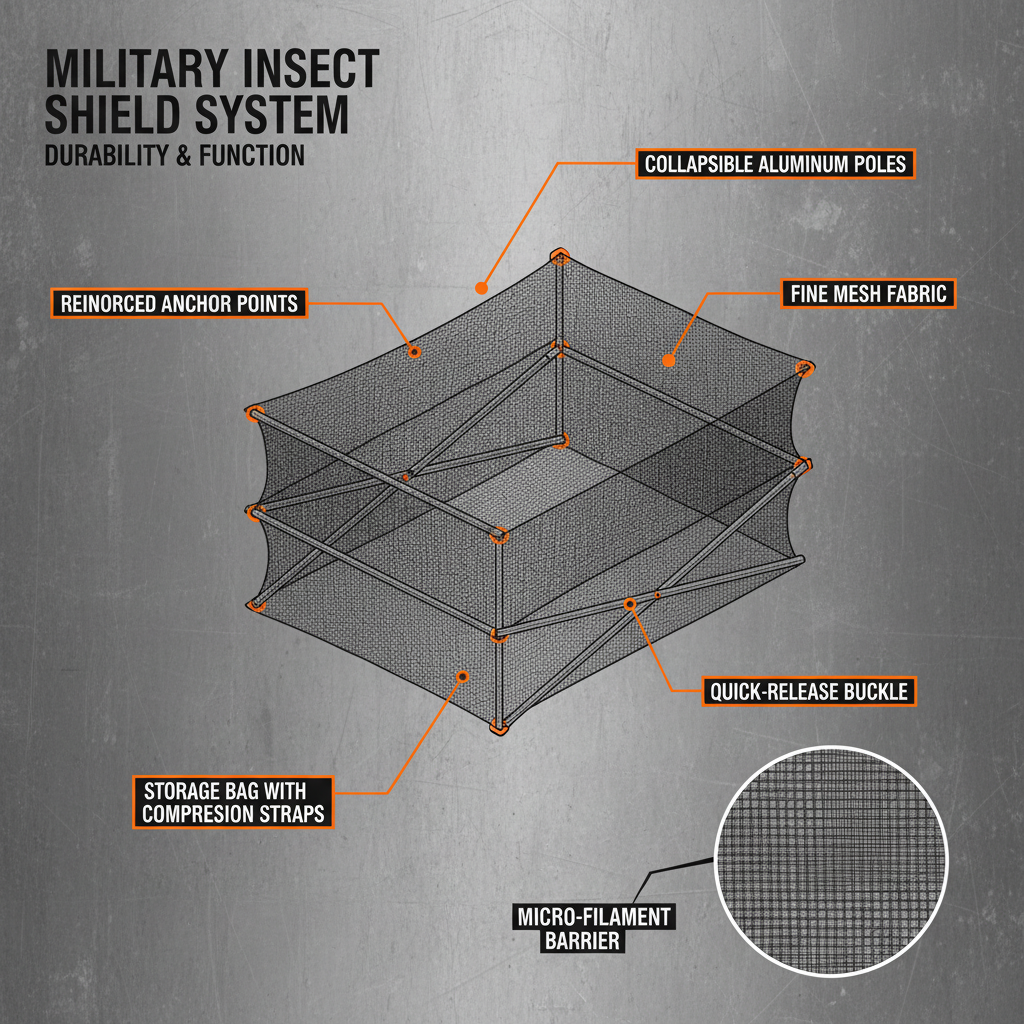
The synergy between the military bug net and modular housing is a cornerstone of modern expeditionary architecture. Rather than being a standalone accessory, the netting is now often integrated into the walls of rapid-deployment tents. This seamless integration eliminates the "gap risk" associated with manually hanging nets, where a single missed hook can compromise the entire shelter.
From a logistics standpoint, integrated netting reduces the number of individual components that need to be tracked and transported. When a shelter is unfolded, the military bug net is automatically positioned, allowing for immediate occupancy without the need for time-consuming setup.
Furthermore, these integrated systems are designed for easy replacement. Using standardized zippers or Velcro attachments, damaged sections of the mesh can be swapped out in the field, extending the lifecycle of the entire shelter system and reducing waste in the supply chain.
Future Innovations in Tactical Screening
The future of the military bug net lies in the realm of "smart materials." Research is currently underway to develop conductive meshes that can repel insects using low-voltage electronic pulses, reducing the reliance on chemical insecticides. This move toward electronic deterrence aligns with global sustainability goals and minimizes the environmental footprint of military camps.
Additionally, the integration of nano-coatings is set to revolutionize how these nets interact with the environment. Future military bug net products will likely feature self-cleaning surfaces that shed dust, mud, and organic debris, maintaining airflow and visibility even in the most grueling conditions.
As automation and 3D printing advance, we can expect the ability to print customized mesh patterns on-demand. This would allow units to tailor their netting based on the specific insect species prevalent in their current theater of operation, optimizing the balance between protection and ventilation.
Comparative Analysis of Tactical Netting Materials
| Material Type |
Tear Strength |
Airflow Rate |
Lifespan (Years) |
| HDPE Polymer |
High |
Excellent |
3-5 |
| Stainless Steel Wire |
Extreme |
Good |
10+ |
| Nylon-66 |
Medium |
Very High |
2-3 |
| Coated Polyester |
High |
Medium |
4-6 |
| Carbon-Fiber Blend |
Very High |
Excellent |
7-8 |
| Standard Polyethylene |
Low |
High |
1-2 |
FAQS
A military bug net is engineered for extreme durability and high-stress environments. While commercial nets focus on lightness and cost, military versions prioritize UV resistance, higher tear strength, and often incorporate insect-repellent chemical treatments that last for hundreds of washes. They are also designed to integrate with modular tactical shelters.
The key is the aperture size. A professional military bug net uses a precision weave that blocks insects as small as 0.5mm while maintaining an open-area percentage of over 70%. Choosing a high-quality mesh from a specialized metal products manufacturer ensures that the air-to-protection ratio is mathematically optimized.
Yes, though the primary purpose is insect protection, the materials used in a military bug net are chosen for their thermal stability. In cold climates, they act as a wind-break for inner sleeping quarters while still allowing ventilation to prevent condensation buildup inside tents.
Replacement cycles depend on the material. HDPE nets typically last 3-5 years, whereas stainless steel options can last a decade. However, if the chemical impregnation for insect repellency wears off or if UV degradation causes "brittleness" in the mesh, the military bug net should be replaced immediately to ensure personnel safety.
Modern industry is moving toward recyclable HDPE and biodegradable polymer blends. Many military bug net manufacturers are now focusing on "green" coatings that provide the same repellent efficacy as traditional chemicals but without the long-term environmental toxicity.
The best approach is to partner with manufacturers who specialize in both metal wire mesh and high-density polymers. Ensure the supplier provides certifications for UV stability and tensile strength. Visiting specialized sites like www.yjwiremesh.com allows procurement officers to see the full range of Agriculture, Industrial, and Insect-proof nets available for customization.
Conclusion
The military bug net is far more than a simple accessory; it is a vital component of force protection and operational health. By combining advanced material science—such as UV-stabilized polymers and high-tensile wire—with strategic design, these nets mitigate the risk of debilitating vector-borne diseases, ensuring that personnel remain focused and effective in the world's most hostile environments.
Looking forward, the integration of smart materials and sustainable manufacturing will further enhance the reliability and environmental profile of tactical screening. Investing in high-quality, professionally engineered netting solutions is an investment in the most valuable asset of any operation: the people. For those seeking industry-leading mesh solutions, visit our website: www.yjwiremesh.com.