In the delicate balance of modern agriculture and urban planning, the need for specialized barriers has never been more critical. A high-quality bee proof mesh serves as a vital intersection between protecting sensitive crops or residential spaces and maintaining ecological harmony. By utilizing precision-engineered apertures, these meshes prevent the entry of unwanted pests while allowing for essential airflow and light penetration.
Globally, the challenge of pest management in greenhouses and food processing facilities has escalated, leading to significant economic losses if not managed correctly. The implementation of bee proof mesh offers a sustainable, chemical-free alternative to traditional pesticides, aligning with global shifts toward organic farming and green building standards. This approach not only secures the yield but also protects the structural integrity of the facilities.
Understanding the technical nuances of mesh density, material composition, and tensile strength is key to selecting the right solution. Whether it is used in industrial breeding nets or architectural facades, the primary goal remains the same: creating an impenetrable but breathable shield. This comprehensive guide explores the engineering, application, and future of bee proofing technologies in the metal products industry.
Global Relevance and Industry Context of Bee Proof Mesh
The global demand for bee proof mesh has surged as the agricultural sector moves toward integrated pest management (IPM). According to industry benchmarks and ISO standards for agricultural screening, the precision of the mesh weave is the primary factor in preventing crop contamination and protecting livestock from insect-borne diseases. In regions like Southeast Asia and Europe, where greenhouse farming is intensive, the economic impact of insect intrusion can reduce yields by up to 30% if appropriate barriers are not installed.
Beyond agriculture, the industrial sector utilizes these meshes in food processing plants to comply with strict hygiene regulations. The challenge lies in balancing the "exclusion" capability with the "ventilation" requirement; a mesh that is too tight restricts airflow and causes heat buildup, while one that is too loose fails its primary purpose. This technical tension has driven the innovation of advanced metallic alloys and polymer coatings that ensure durability in harsh environmental conditions.
Defining Bee Proof Mesh in Modern Engineering
At its core, bee proof mesh is a high-precision woven or knitted screen designed specifically to block the entry of bees and other flying insects based on their physiological size. Unlike standard window screens, these industrial-grade meshes are engineered with specific micron-level apertures that ensure no gap is large enough for a bee to penetrate, while maintaining a high open-area percentage for optimal gas exchange.
In the context of modern manufacturing, this product is not merely a "net" but a structural component. It often involves the use of stainless steel, galvanized iron, or high-density polyethylene (HDPE), depending on whether the priority is fire resistance, corrosion prevention, or lightweight flexibility. The intersection of material science and biological data allows manufacturers to create meshes that target specific insect species without disrupting the surrounding ecosystem.
From a humanitarian and safety perspective, such meshes are essential in preventing allergic reactions in residential areas and ensuring the purity of pharmaceutical production lines. By creating a physical barrier, the reliance on chemical repellents is minimized, fostering a safer environment for both humans and the beneficial insects that remain outside the protected zone.
Core Components for Maximum Effectiveness
The first critical factor of any bee proof mesh is the Aperture Precision. The consistency of the hole size across the entire roll is what determines the reliability of the barrier. Even a few millimeters of deviation during the weaving process can create "weak points" that insects can exploit, rendering the entire installation ineffective.
Secondly, Material Durability plays a pivotal role. Given that these meshes are often exposed to UV radiation, humidity, and fluctuating temperatures, the use of 304 or 316 stainless steel provides the necessary oxidation resistance. For agricultural applications, UV-stabilized polymers are preferred to prevent the mesh from becoming brittle and cracking under the sun, ensuring a lifespan of several years.
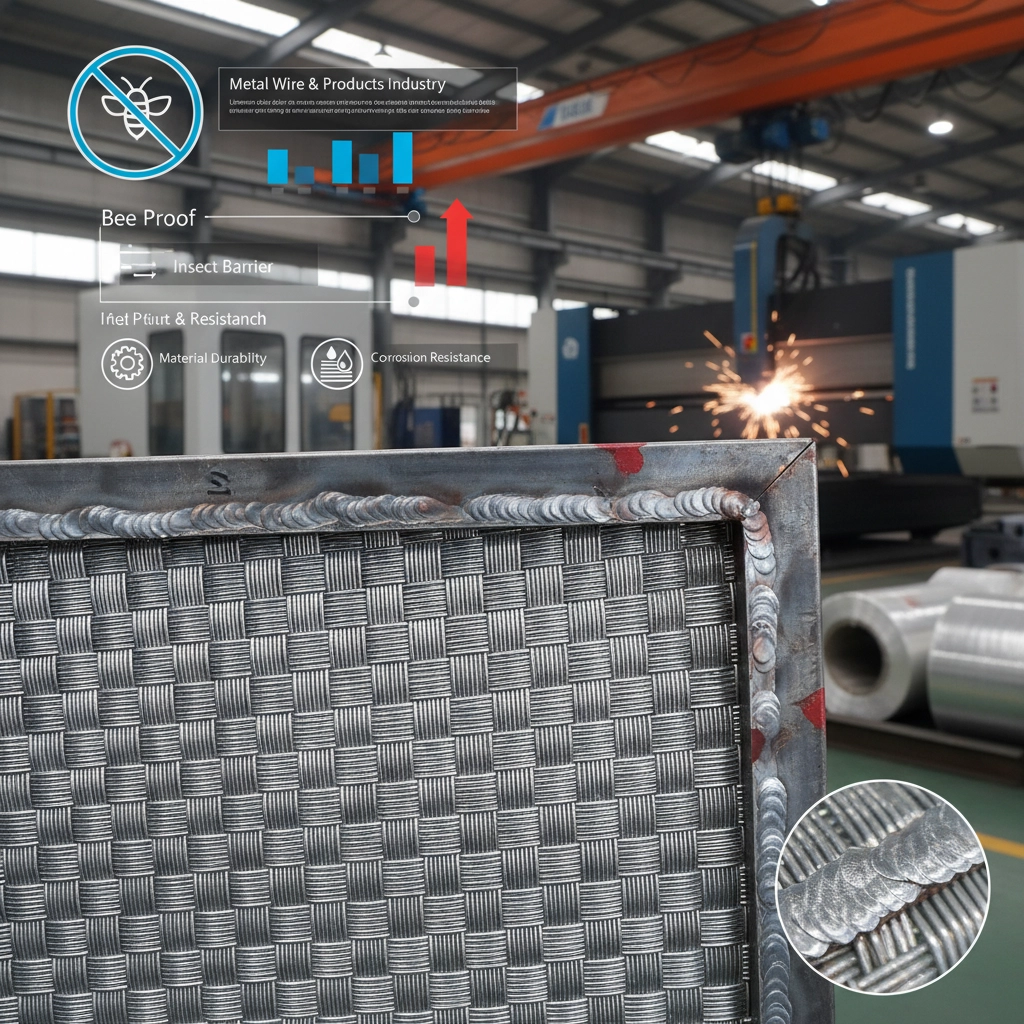
Lastly, Tensile Strength and Stability are paramount. A bee proof mesh must be able to withstand wind loads and physical pressure without sagging or warping. This is achieved through advanced heat-setting processes and precise weaving tension, ensuring that the mesh remains taut across large frames in industrial greenhouses or architectural vents.
Performance Metrics and Material Scalability
Evaluating the effectiveness of different bee proof mesh options requires a look at the trade-off between protection levels and airflow. Industrial users often categorize meshes by their "exclusion rating," which measures the smallest insect the mesh can reliably block. High-grade stainless steel meshes typically offer the best balance of longevity and precision, whereas HDPE variants provide scalability for massive agricultural projects due to their cost-effectiveness.
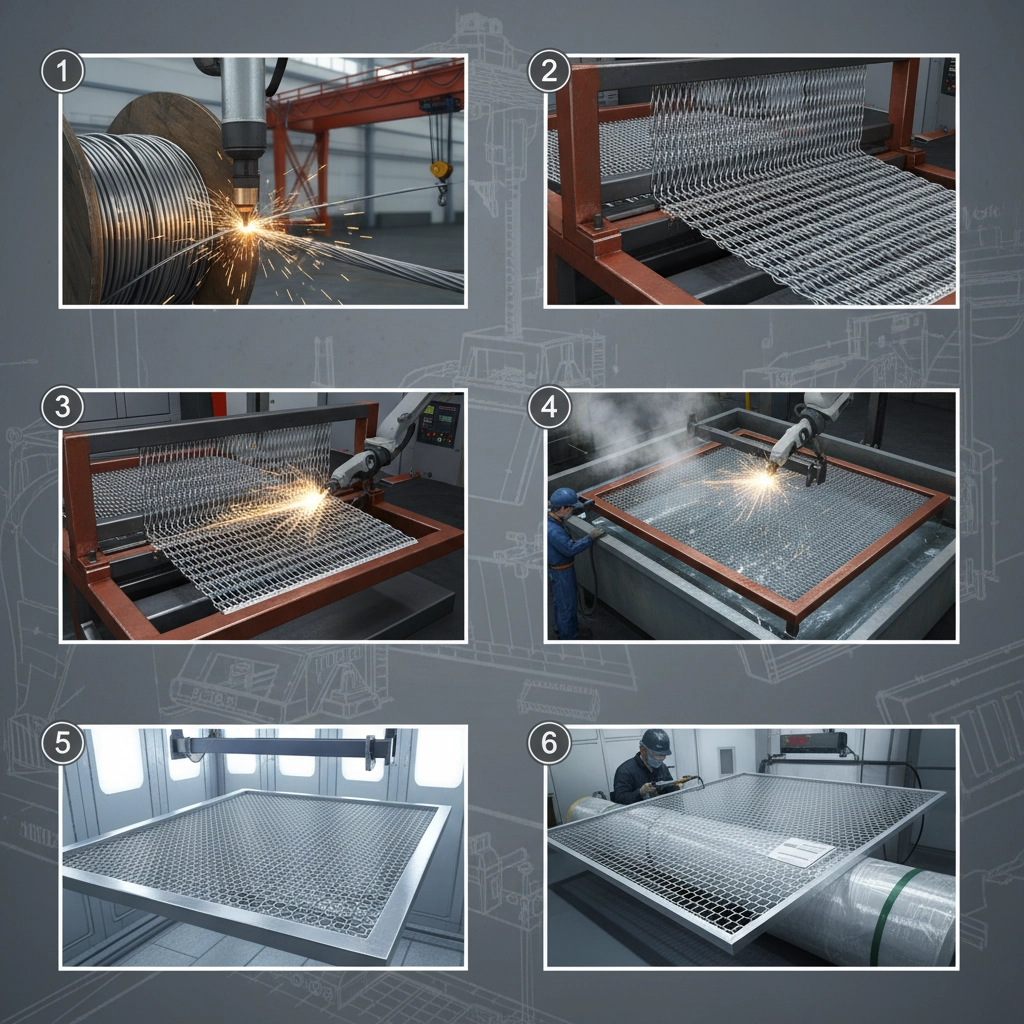
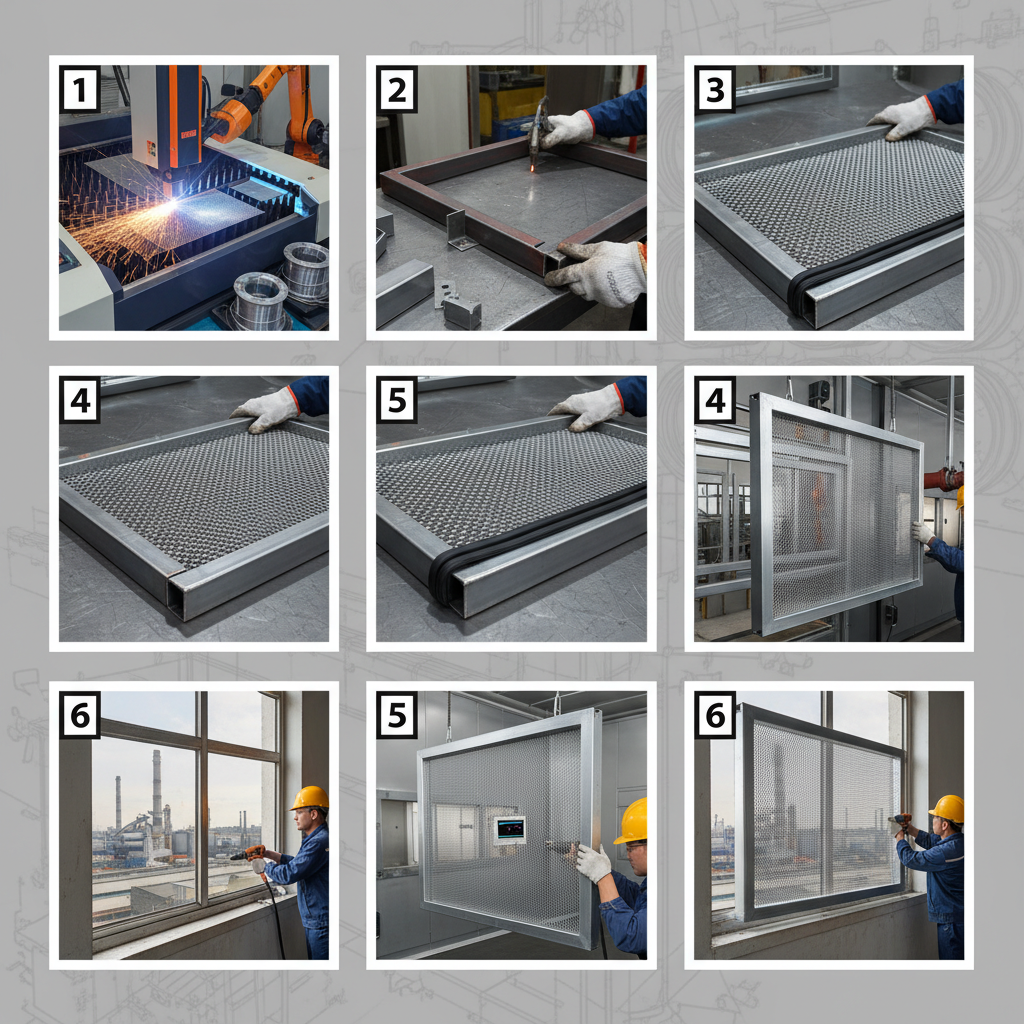
When scaling these solutions for large-scale industrial networks, the integration of the mesh into existing frames becomes the primary engineering challenge. Modern systems now utilize modular clips and seamless welding to ensure that the perimeter of the mesh is as secure as the center, eliminating any gaps where pests could enter.
Comparative Effectiveness of Bee Proof Mesh Materials
Global Applications and Real-World Use Cases
In the agricultural heartlands of the Netherlands and Spain, bee proof mesh is integrated into high-tech hydroponic systems. Here, the mesh prevents the entry of invasive pollinators that might compete with managed hives or introduce pathogens into the controlled environment. By using architecture-grade networks, farmers can maintain a sterile environment while allowing natural light to fuel plant growth.
Beyond the farm, these meshes are critical in urban industrial zones. For instance, in large-scale pharmaceutical warehouses in Singapore or the US, ventilation shafts are equipped with specialized bee proof mesh to prevent hives from forming inside air conditioning ducts. Such an occurrence could lead to costly shutdowns and health hazards, making the initial investment in a high-quality mesh a strategic risk-management decision.
Long-Term Value and Sustainability Benefits
The long-term value of investing in premium bee proof mesh extends far beyond the immediate prevention of insect entry. From a financial perspective, the reduction in pesticide use leads to lower operational costs and allows farmers to qualify for "Organic" or "Sustainable" certifications, which often command a higher market price for the final produce.
Logically, the reliability of a metallic mesh reduces the frequency of replacement compared to cheap plastic alternatives. This lower turnover reduces the amount of waste sent to landfills, contributing to a circular economy. The durability of stainless steel ensures that the barrier remains effective for decades, providing a permanent solution to a recurring biological challenge.
Emotionally, there is a profound sense of security and trust that comes with knowing a facility is physically secured. For homeowners or facility managers, the peace of mind knowing that a robust bee proof mesh is in place allows them to focus on productivity and growth rather than crisis management.
Future Trends and Technological Innovations
The future of bee proof mesh is leaning toward "smart" materials. Researchers are currently exploring the integration of nano-coatings that can repel insects using biomimetic textures, rather than just physical size exclusion. These coatings could potentially reduce the need for extremely fine meshes, thereby increasing airflow while maintaining the same level of protection.
Furthermore, the shift toward digital transformation in agriculture (AgriTech) is seeing the integration of sensors within the mesh frames. These sensors can detect the pressure of insect clusters attempting to enter a facility, alerting managers to pest surges in real-time. This allows for a proactive rather than reactive approach to pest management.
Sustainability is also driving the development of recyclable alloy blends and bio-based polymers that offer the strength of steel with a significantly lower carbon footprint. As global policies tighten around plastic waste, the industry is pivoting toward fully recyclable metallic networks that can be melted down and repurposed at the end of their lifecycle.
Technical Analysis of Bee Proof Mesh Specifications
| Material Type |
Corrosion Resistance |
Airflow Efficiency |
Expected Lifespan |
| Stainless Steel 304 |
High |
Excellent |
15-20 Years |
| Stainless Steel 316 |
Very High |
Excellent |
25+ Years |
| Galvanized Steel |
Medium |
High |
5-10 Years |
| UV-Stabilized HDPE |
High |
Medium |
3-7 Years |
| Powder Coated Iron |
Medium |
High |
8-12 Years |
| Composite Fiber |
High |
Medium |
10-15 Years |
FAQS
The ideal mesh size depends on the specific species of bee you are excluding, but generally, an aperture size between 1.0mm and 1.5mm is effective for most honeybees while still allowing sufficient air exchange. For smaller wild bees, a finer mesh of 0.8mm may be required. It is crucial to ensure the weave is consistent to avoid any gaps.
While any physical barrier reduces airflow slightly, high-quality bee proof mesh is designed to maximize the "open area." By using thinner, high-strength wires (like stainless steel), manufacturers can keep the holes open while maintaining strength, typically retaining 60-80% of natural airflow.
Stainless steel is superior in terms of longevity, fire resistance, and structural stability. It does not degrade under UV exposure, making it ideal for permanent installations. Plastic (HDPE) is a viable, cost-effective option for temporary agricultural use or very large areas where flexibility is more important than a 20-year lifespan.
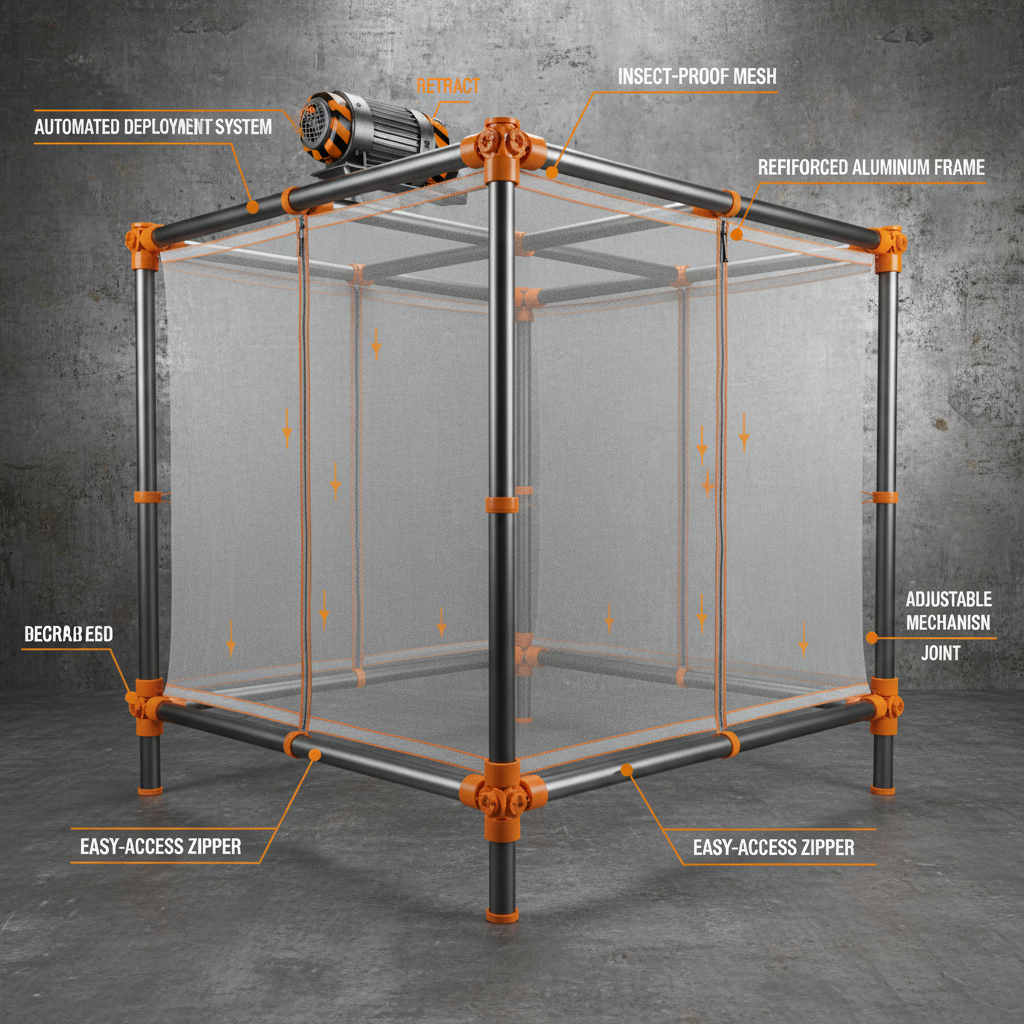
The most effective installation method is the "frame-and-seal" approach. The mesh should be stretched tightly across a rigid frame and secured using industrial staples or welding. For the edges, using a sealant or an overlapping flange ensures that insects cannot crawl through the gaps between the mesh and the wall.
Yes, because it is designed based on aperture size, it naturally blocks many other flying insects such as wasps, hornets, and certain types of moths. However, for extremely small pests like thrips or aphids, a specialized "insect-proof net" with much smaller microns would be necessary.
Cleaning should be done seasonally with compressed air or a soft brush to remove dust and pollen, which can restrict airflow. Replacement depends on the material: HDPE may need replacing every 5 years, while stainless steel only needs replacement if there is physical damage or severe corrosion in saline environments.
Conclusion
In summary, bee proof mesh represents a critical synthesis of material engineering and ecological necessity. By focusing on aperture precision, material durability, and structural stability, these meshes provide an indispensable layer of protection for agriculture and industry. We have seen that the shift from temporary plastic solutions to permanent stainless steel networks not only enhances security but also promotes long-term environmental sustainability by reducing chemical dependency.
Looking forward, the integration of smart sensors and nano-coatings will further refine the efficiency of insect exclusion. For businesses and farmers seeking to safeguard their assets while adhering to green standards, investing in high-grade mesh is no longer optional—it is a strategic imperative. We recommend evaluating your specific environmental stressors (UV, salinity, wind) before selecting a material to ensure maximum ROI. Visit our website for more professional solutions: www.yjwiremesh.com