In the modern agricultural and industrial landscape, the strategic deployment of nets insect has become a cornerstone for sustainable pest management and crop protection. These specialized mesh solutions are engineered to provide a physical barrier against harmful insects, significantly reducing the reliance on chemical pesticides and promoting a healthier ecosystem for both farmers and consumers.
Globally, the demand for high-quality nets insect is driven by the increasing need for food security and the rise of organic farming practices. By preventing the entry of aphids, whiteflies, and other destructive pests, these nets ensure higher crop yields and better quality produce, making them an indispensable tool in precision agriculture and greenhouse management.
Understanding the technical specifications—from mesh size and material composition to UV stabilization—is crucial for selecting the right protection system. Whether applied in vast breeding nets or targeted architecture networks, the right insect-proofing strategy can transform the economic viability of a farming operation by mitigating the risks of pest-borne diseases.
Global Relevance and Industry Impact of Nets Insect
The global agricultural sector faces an unprecedented challenge from migrating pest populations, exacerbated by changing climatic conditions. According to industry benchmarks and agricultural data, pest infestations can cause up to 40% of crop loss annually in certain regions. This is where the implementation of nets insect becomes a critical intervention, offering a reliable, non-toxic shield that protects plant health and ensures stable food supplies for a growing population.
Beyond simple crop protection, these netting systems integrate into larger smart-farming frameworks. By combining insect-proof netting with automated irrigation and temperature control, growers can create optimized micro-climates that accelerate growth while eliminating the biological risks associated with open-air cultivation. This shift toward controlled-environment agriculture (CEA) is rapidly expanding across Europe, Asia, and North America.
Defining the Technicality of Insect-Proofing Mesh
In technical terms, nets insect are high-density polymer or metallic meshes designed with a specific aperture size to exclude target pests while allowing essential air, light, and water to penetrate. Unlike standard screening, these nets are engineered for high tensile strength and permeability, ensuring that the plant's respiration is not hindered while the barrier remains impenetrable to the smallest of thrips or aphids.
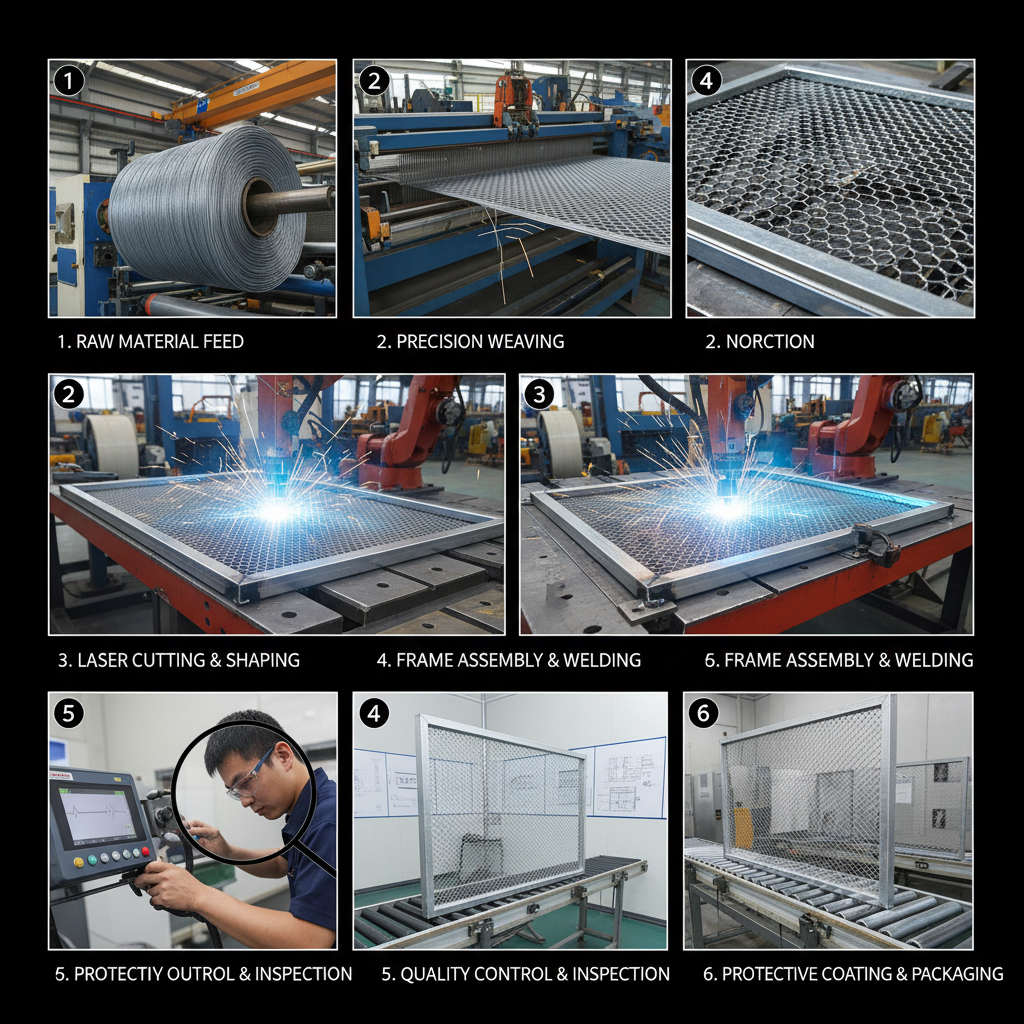
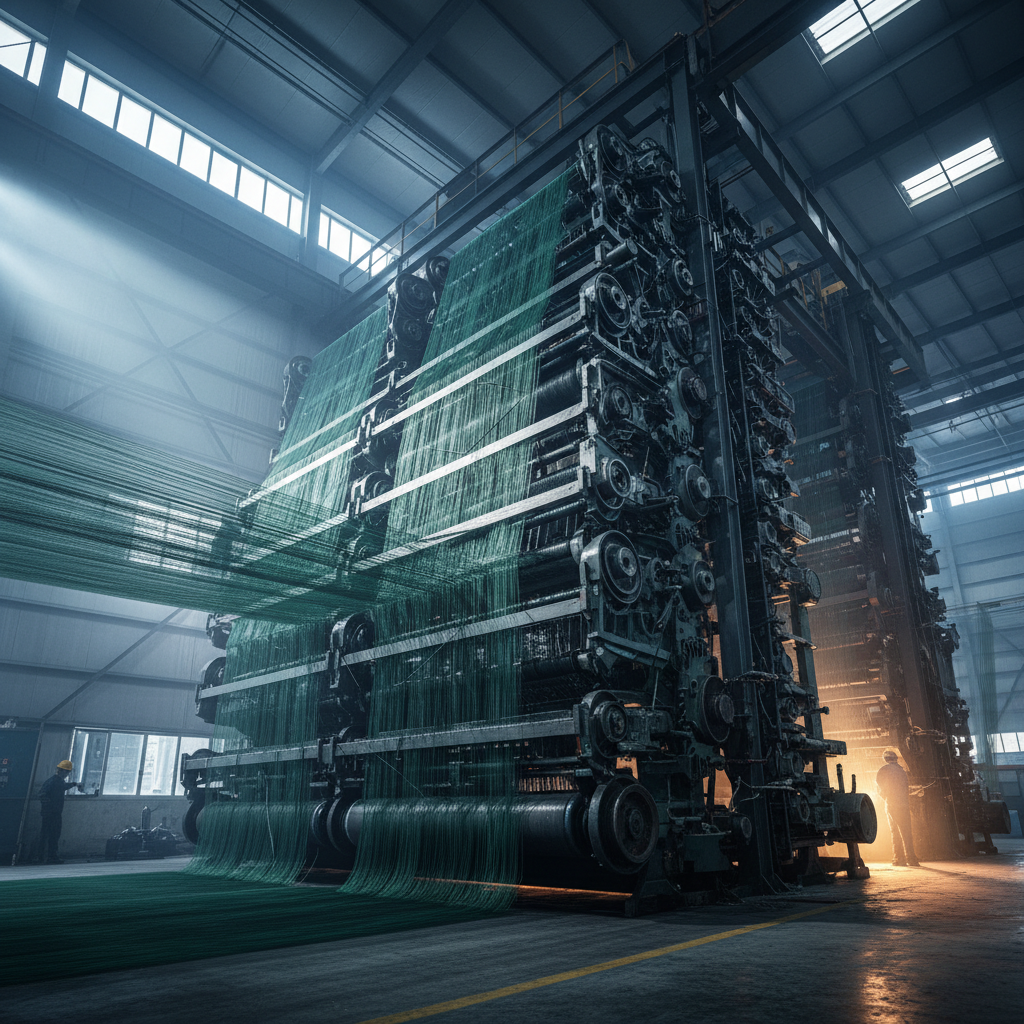
The connection to modern industry lies in the precision of the weaving process. Using advanced extrusion and knitting technologies, manufacturers can customize the "mesh count" to target specific insect sizes. This level of specialization allows for a tailored approach where a breeding net might have different properties than an industrial network or a hail net, depending on whether the priority is pest exclusion, weather protection, or structural containment.
From a humanitarian perspective, these solutions are vital in developing regions where chemical pesticides are either too expensive or too hazardous. By providing a low-cost, durable physical barrier, insect-proofing mesh empowers small-scale farmers to increase their productivity and protect their livelihoods without compromising the health of their local soil or groundwater.
Core Components for Maximum Protection Efficiency
Durability is the foremost factor when evaluating nets insect. Most professional-grade nets are treated with UV stabilizers to prevent the polymer from degrading under intense sunlight. This ensures that the structural integrity of the mesh remains intact over multiple growing seasons, reducing the frequency of replacement and lowering the overall cost of ownership for the operator.
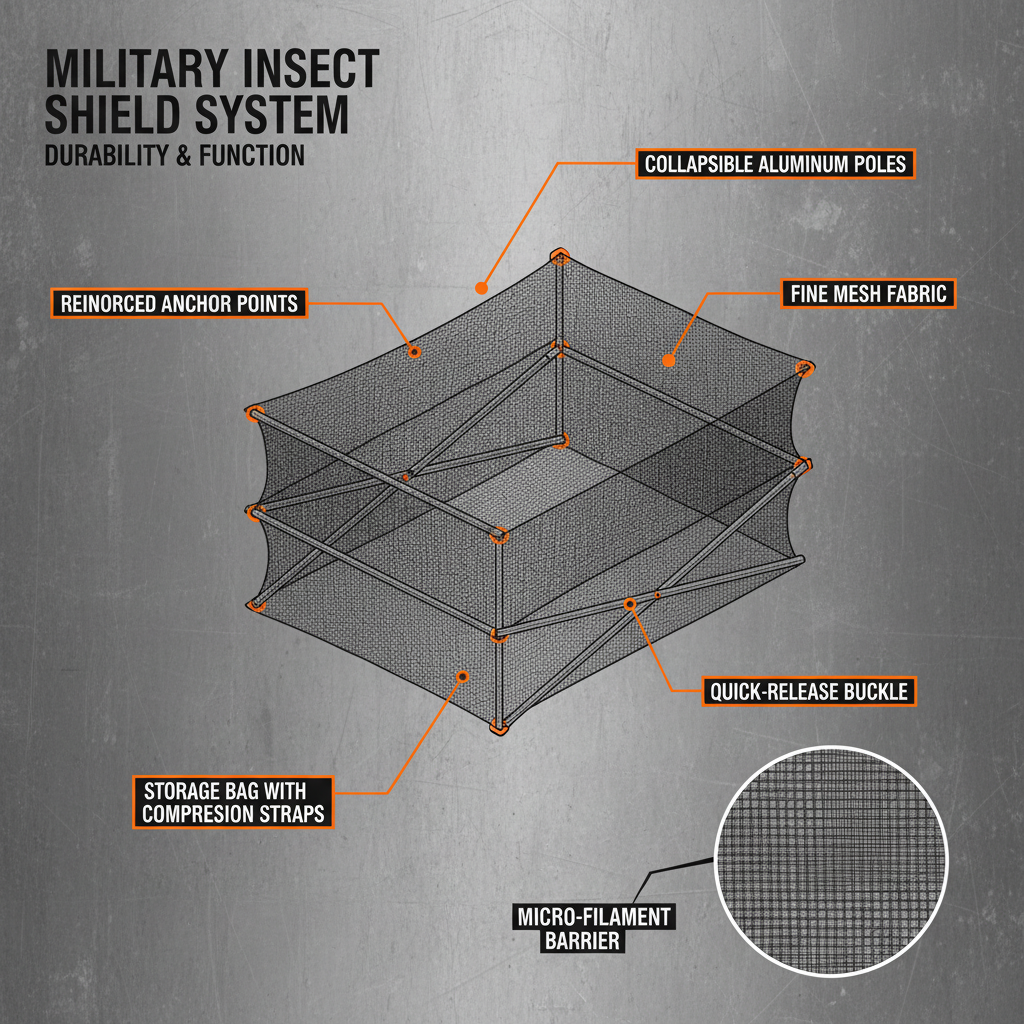
The scalability of the system is equally important. Whether it is a small-scale greenhouse or a multi-acre agricultural installation, the netting must be adaptable. This is achieved through reinforced edges and reinforced seams that allow for seamless joining of large panels, creating a continuous, airtight seal that leaves no gaps for pests to exploit.
Cost-efficiency and air permeability are the final balancing acts. A net that is too dense may protect against insects but will stifle the plant's growth by restricting CO2 exchange. Therefore, the engineering of nets insect focuses on maximizing "open area" while maintaining the required aperture size, ensuring a healthy balance between protection and biological vitality.
Global Applications Across Diverse Sectors
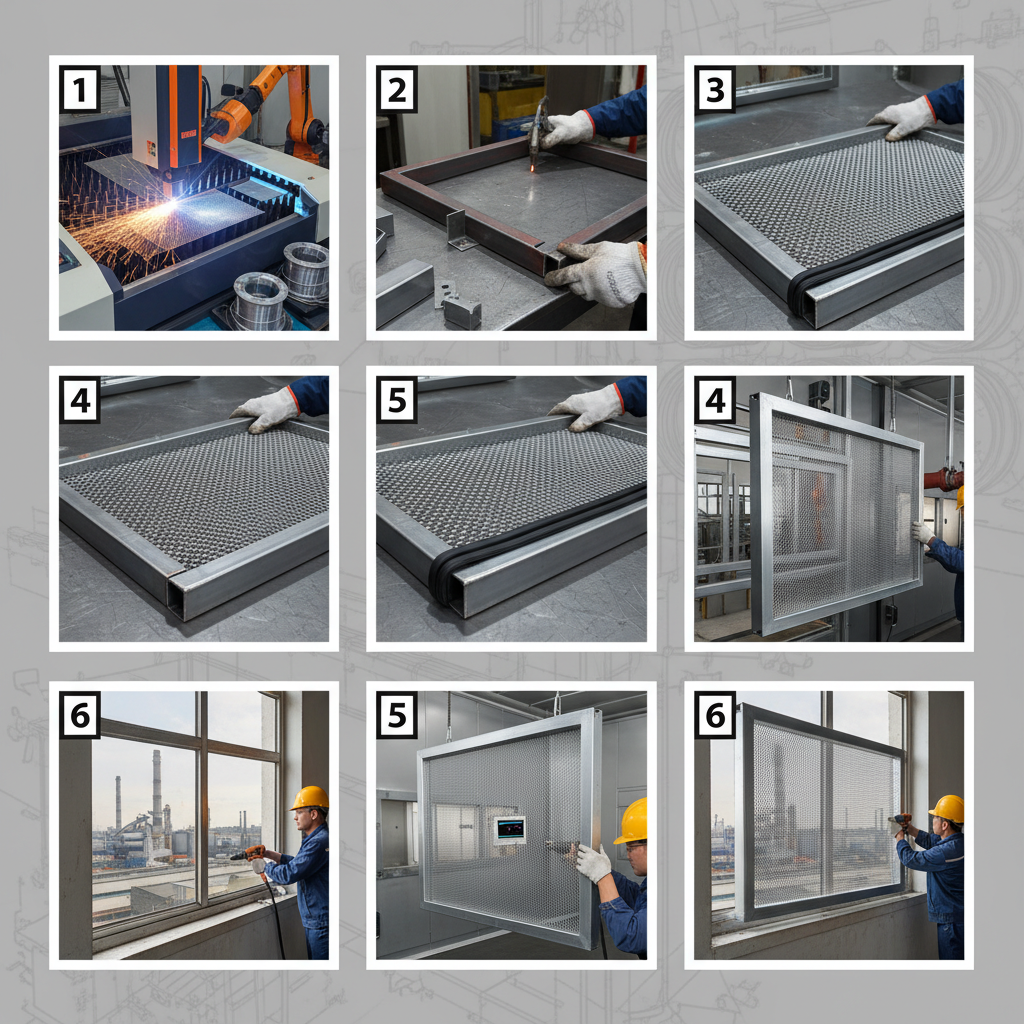
The application of nets insect extends far beyond traditional farming. In the architecture network sector, specialized insect-proof mesh is integrated into building facades and ventilation systems to prevent pests from entering residential and commercial spaces without blocking airflow. This is particularly prevalent in tropical regions where insect-borne diseases are a constant public health concern.
In industrial settings, these networks are used in food processing plants and pharmaceutical labs to maintain sterile environments. For example, in remote industrial zones where hygiene standards are strict, high-grade stainless steel insect mesh is often used to protect sensitive machinery and products from contamination, blending industrial strength with microscopic precision.
Comparison of Pest Exclusion Performance by Net Type
Long-Term Value and Sustainability Benefits
Investing in high-quality nets insect provides immediate tangible benefits in terms of reduced chemical expenditure. By creating a mechanical barrier, farmers can cut their pesticide use by up to 60-80%, which not only saves money but also prevents the development of pesticide-resistant insect strains, ensuring the long-term viability of the land.
Beyond the financial gain, there is a profound social and environmental impact. The use of insect-proofing nets promotes the growth of organic produce, which commands a premium in the global market and aligns with the consumer demand for "clean label" food. This shift fosters a sense of trust and safety between the producer and the consumer, elevating the brand value of the agricultural enterprise.
Future Innovations in Mesh Technology
The next generation of nets insect is moving toward "intelligent barriers." Researchers are exploring the integration of nano-coatings that can repel insects through biomimicry (such as the lotus effect) or the infusion of pheromones into the mesh fibers to actively distract and divert pests away from the protected area.
Sustainability is also driving the development of biodegradable polymers. Future nets may be designed to decompose naturally after a set period, eliminating the plastic waste associated with traditional HDPE netting. This evolution aligns with global green energy and zero-waste policies, ensuring that agricultural protection does not come at the cost of environmental pollution.
Digital transformation is also playing a role, with sensors being embedded into the netting structures to monitor tension, humidity, and pest pressure in real-time. These "smart nets" can alert farmers via mobile apps when the barrier is compromised or when environmental conditions favor a pest outbreak, allowing for proactive rather than reactive management.
Overcoming Implementation Challenges
One of the primary challenges in deploying nets insect is the initial installation cost and the risk of improper sealing. A single gap in the netting can render the entire system ineffective, as insects are adept at finding the smallest entry points. To solve this, experts recommend using integrated fastening systems and specialized clips that ensure a taut, gap-free enclosure.
Another limitation is the potential for airflow reduction in extremely high-density meshes. This can lead to increased humidity and the risk of fungal infections within the enclosure. The solution lies in the strategic use of ventilation ports and the selection of "climate-aware" mesh sizes that balance the exclusion of specific pests with the necessary air exchange rates for the specific crop being grown.
Finally, maintenance can be a hurdle, as dust and organic debris can clog the mesh over time, reducing light transmission. Regular cleaning protocols and the use of anti-static coatings are innovative approaches to maintaining the efficiency of the netting system throughout its lifecycle, ensuring that the protection levels remain consistent from day one until the end of the season.
Technical Analysis of Insect-Proofing Net Performance and Materiality
| Material Type |
Pest Exclusion Grade |
UV Resistance (Years) |
Air Permeability |
| HDPE (High Density Polyethylene) |
High |
5-8 |
Moderate |
| Stainless Steel 304 |
Extreme |
20+ |
High |
| Nylon Monofilament |
Moderate |
3-5 |
Very High |
| PVC Coated Polyester |
High |
4-6 |
Moderate |
| Bio-Degradable Polymer |
Moderate |
1-2 |
High |
| Aluminum Alloy Mesh |
High |
15+ |
Moderate |
FAQS
Choosing the right mesh size depends entirely on the target pest. For example, thrips require a much smaller aperture (around 0.4mm to 0.6mm) than larger beetles or moths. We recommend identifying the primary pest species in your region and selecting a mesh that is slightly smaller than the insect's smallest body dimension to ensure total exclusion without sacrificing too much light.
Yes, there are hybrid solutions. While a standard nets insect focuses on small apertures, hail nets focus on tensile strength and impact absorption. By layering these nets or using a reinforced composite mesh, you can achieve dual protection, shielding your crops from both physical weather damage and biological pest threats simultaneously.
If selected correctly, the effect is negligible. High-quality insect-proofing mesh is designed to maintain high light transmission and airflow. However, using an overly dense net in a low-wind area can increase humidity and potentially slow growth. It is essential to choose a net with the appropriate "open area" percentage for your specific plant species and climate.
Standard HDPE nets treated with UV stabilizers typically last between 5 to 8 years depending on the intensity of the solar radiation in your region. To extend the lifespan, we recommend avoiding harsh chemical cleaners and ensuring the net is properly tensioned to prevent sagging and abrasion against structural supports.
Absolutely. By providing a physical barrier, nets insect drastically reduce the need for synthetic insecticides. This protects pollinator populations (like bees), prevents chemical runoff into local water sources, and ensures that the produce is free from toxic residues, making it a vastly more sustainable choice for the environment.
Importing high-grade mesh requires attention to shipping volume and material certification. Most professional suppliers provide ISO-certified products and offer custom packaging to reduce freight costs. We recommend requesting material safety data sheets (MSDS) and UV-resistance test reports to ensure compliance with local agricultural standards in the destination country.
Conclusion
The adoption of nets insect represents a strategic shift toward integrated pest management that prioritizes both efficiency and environmental stewardship. From the precision of the mesh aperture to the long-term durability of UV-stabilized polymers, these netting solutions provide a robust defense mechanism that secures crop yields, reduces chemical dependency, and enhances the overall quality of agricultural and industrial output.
As we look toward the future, the integration of smart materials and biodegradable polymers will further refine the role of insect-proofing mesh in a sustainable world. For growers and industrial operators seeking to optimize their protection strategies, investing in high-quality, technically sound netting is not just a operational choice, but a commitment to long-term food security and ecological balance. Visit our website for professional solutions: www.yjwiremesh.com