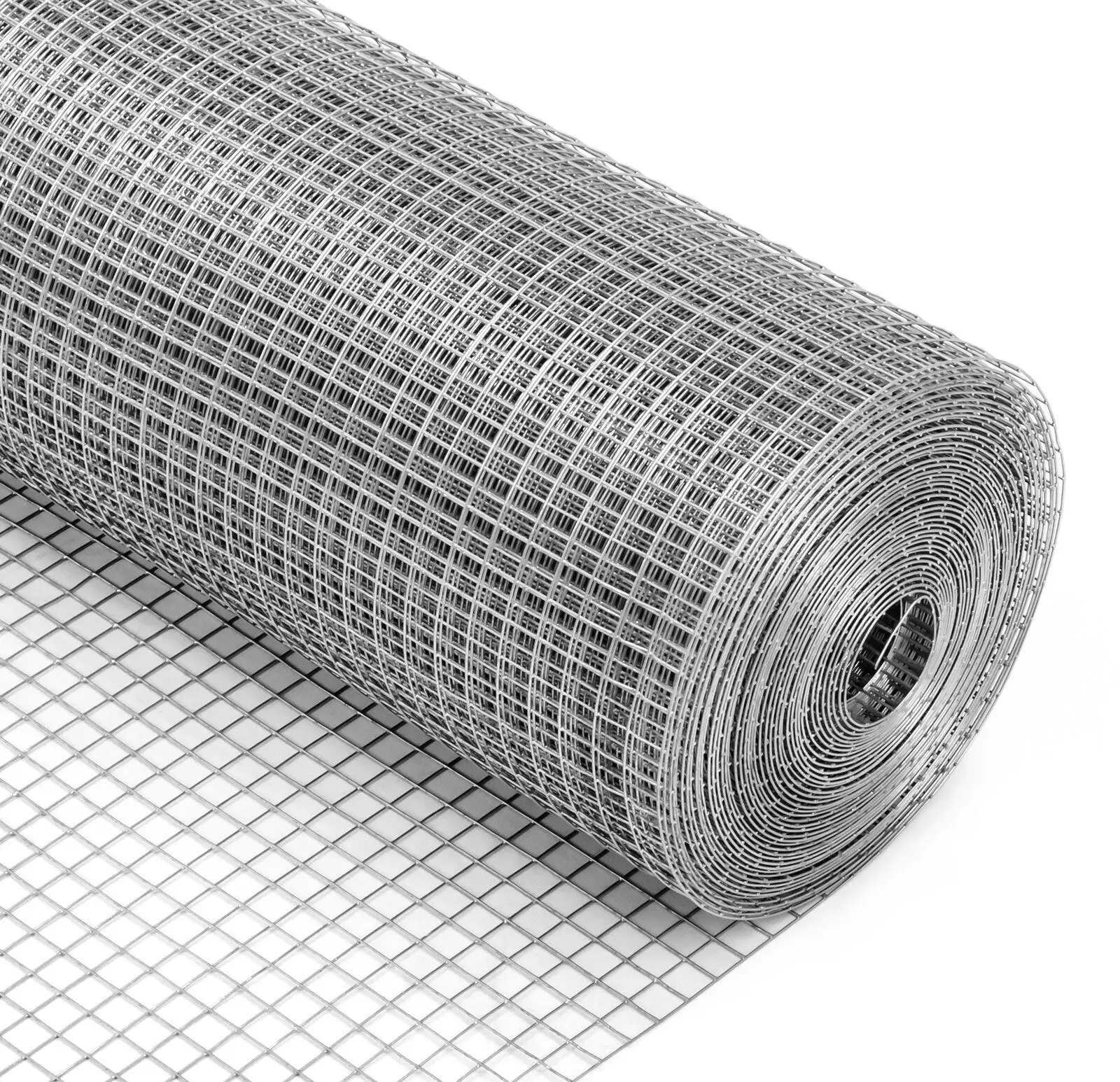
Honeycomb Steel Mesh: Durable Solutions for Industrial Use
The Practical Appeal of Honeycomb Steel Mesh in Industry
After more than a decade working with industrial equipment and materials, I’ve come across many “solid” solutions that sometimes don’t quite live up to their promise. Then again, honeycomb steel mesh has always stood out. It’s one of those things that, once you’ve handled and installed it a few times, you start to realize it’s not just a product — it’s a kind of quiet workhorse.
Why Honeycomb Steel Mesh Remains Popular
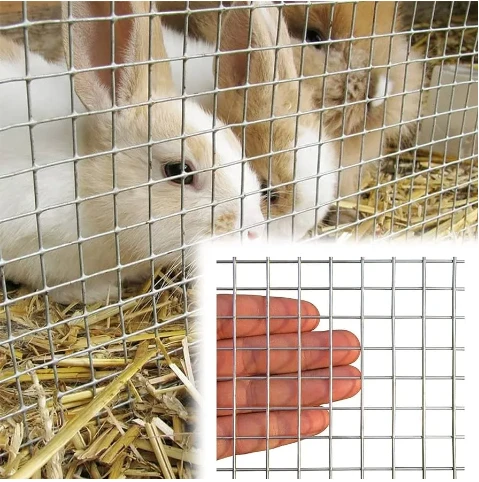
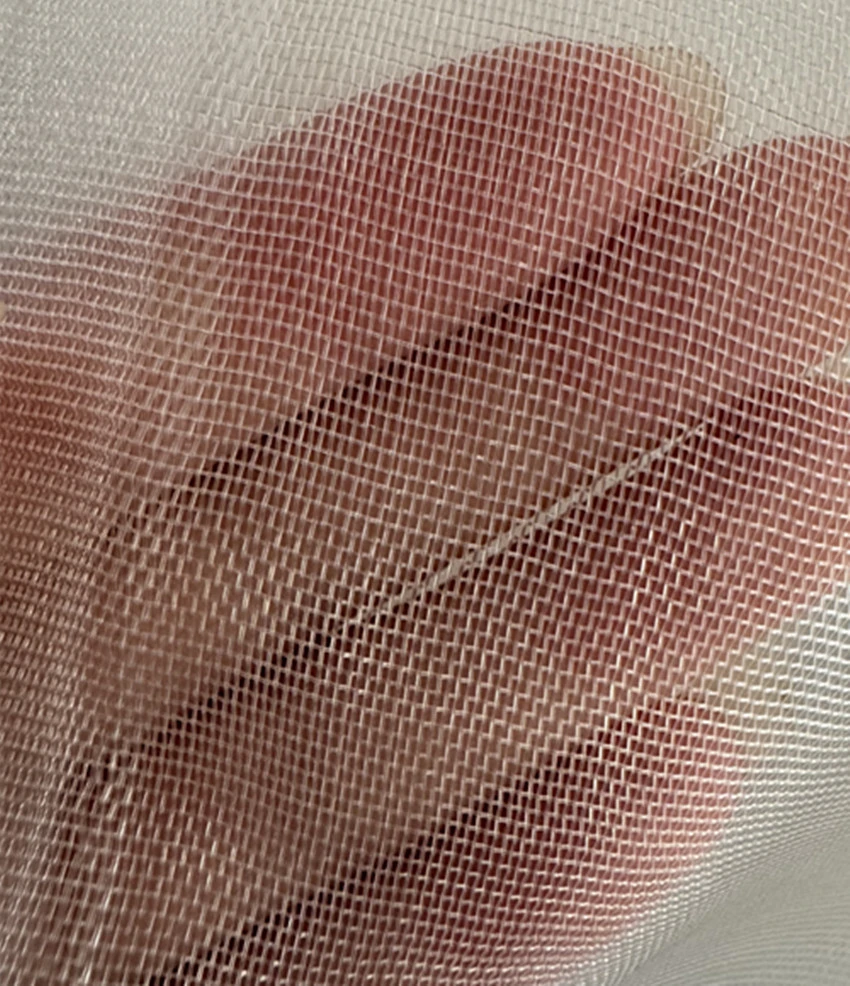
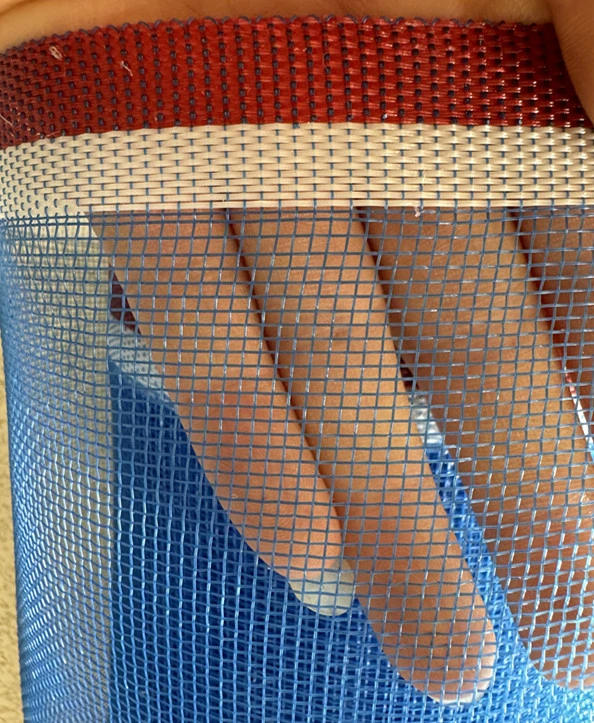
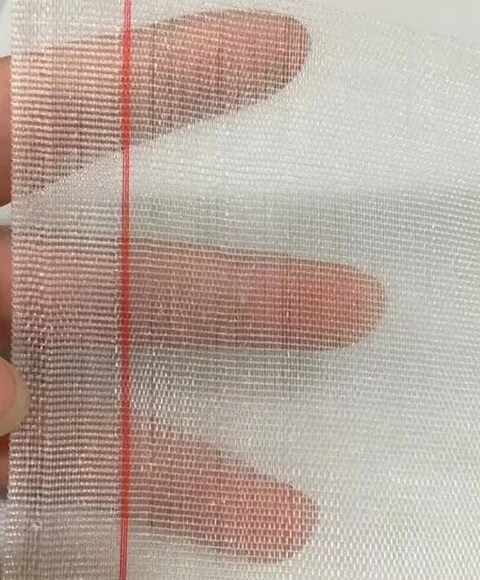
At its core, honeycomb steel mesh is about efficiency fused with strength. The design is inspired directly by nature’s honeycomb structure, which is frankly genius for distributing loads and resisting deformation. This mesh is lightweight but offers surprising rigidity — a reason engineers often specify it for applications demanding consistent airflow or filtration, while still needing structural integrity.
From conveyor belts in manufacturing plants to filtration panels in harsh chemical environments, it fits many niches. It’s not just about durability; it’s also about how this mesh can be customized. Thickness, mesh size, steel grade — you name it. Many suppliers today, including highly reputed ones like YJ Wire Mesh, offer tailored solutions meeting exacting industrial standards.
Product Specifications: What to Expect
If you’re considering honeycomb steel mesh, you’ll want to know the specs that truly matter. For instance, to ensure durability, mesh thickness can vary dramatically — think 0.5mm up to 3mm or even more. The opening size, or aperture, affects flow rates if the application is filtration or ventilation. And for corrosive environments, stainless steel variants offer long-term resilience, though at a slightly higher cost.
| Specification | Typical Range | Notes |
|---|---|---|
| Material | Mild Steel, Stainless Steel, Galvanized Steel | Stainless for corrosion resistance |
| Thickness | 0.5 mm - 3.0 mm | Depending on load requirements |
| Mesh Opening Size | 3 mm - 20 mm | Affects airflow and filtration |
| Finish | Powder Coated, Galvanized, Painted | Enhances longevity and aesthetics |
| Typical Size | 1.0 m x 2.0 m (customizable) | Cut to fit job site needs |
Choosing the Right Vendor for Honeycomb Steel Mesh
Now, finding a good vendor isn’t just about who can sell you a sheet. In my experience, a strong partnership goes a long way — especially with a product that can be customized. Some vendors are great on lead time but less flexible on specs, others may offer competitive prices but have inconsistent quality checks.
I’ve compiled a quick overview of three well-known suppliers I’ve worked with (including YJ Wire Mesh, whom I’ve come to trust for reliability and quality control):
| Vendor | Customization | Lead Time | Quality Assurance | Price Range |
|---|---|---|---|---|
| YJ Wire Mesh | High (custom design & finishes) | 2-3 weeks | ISO-certified inspection | $$ |
| SteelMesh Co. | Medium (standard sizes) | 1-2 weeks | Basic inspection | $ |
| Premium Mesh Works | Low (limited options) | 3-4 weeks | Detailed lab testing | $$$ |
Oddly enough, the best vendor for you often depends not just on specs but on your project timeline and allowed budget. In one recent project, a medium-sized plant installation required rapid supply of honeycomb steel mesh panels with precise thickness. Only one vendor delivered on time — leading to less downtime and a fairly happy operations manager. It felt like a win because the mesh held up great under tough conditions.
Final Thoughts on Honeycomb Steel Mesh
So yes, honeycomb steel mesh is that somewhat overlooked but essential component that keeps many industrial systems humming smoothly. From its natural-inspired design to its customizable specs, it’s flexible enough to satisfy many applications while maintaining its core strength and toughness.
If you’re hunting for solid mesh that balances airflow, strength, and durability — and your project requires a supplier that understands your specs — I’d recommend checking out YJ Wire Mesh. They speak the engineering language and deliver with consistency, which truly counts in the industrial world.
Well, that’s enough from me for today — but I’m always keen to hear your experiences or tricky challenges with industrial mesh. Drop a note anytime...
References:
1. Personal work experience in industrial equipment sectors, 2010-2024.
2. Product data sheets and supplier materials from YJ Wire Mesh.
3. Industry forums and engineering reviews on steel mesh applications, 2023.
-
High Quality Anti Bird Agro Net for Professional Crop ProtectionNewsApr.16,2026
-
Guide to Bird Netting Cost Per Square Foot and Material OptionsNewsApr.09,2026
-
Comprehensive Guide to Bird Netting Cost Factors and Material ChoicesNewsApr.07,2026
-
Comprehensive Guide to Bird Net for Balcony Cost and Installation OptionsNewsApr.04,2026
-
Comprehensive Guide to Bird Netting Price and Effective Protection SolutionsNewsMar.31,2026
-
Comprehensive Guide to Nylon Bird Net Price Factors and OptionsNewsMar.28,2026