Understanding the proper insect collecting net use is fundamental for entomologists, agricultural researchers, and environmental conservationists worldwide. These specialized tools allow for the precise sampling of insect populations, which serves as a critical indicator of ecosystem health and biodiversity. By employing the right netting materials, researchers can ensure that specimens are captured without damage, providing high-quality data for scientific analysis.
Globally, the demand for precision in insect collecting net use has grown as we face unprecedented challenges in food security and climate change. From monitoring invasive species that threaten crop yields to studying the decline of essential pollinators, the technical specifications of the mesh—such as aperture size and tensile strength—directly impact the accuracy of biological surveys and the success of integrated pest management strategies.
Ultimately, mastering the nuances of these tools bridges the gap between raw field observation and actionable scientific insight. Whether it is through the use of aerial nets for flying insects or sweep nets for vegetation-dwelling species, the strategic application of these mesh products ensures that our understanding of the natural world remains precise, sustainable, and comprehensive.
Global Relevance of Insect Collecting Net Use
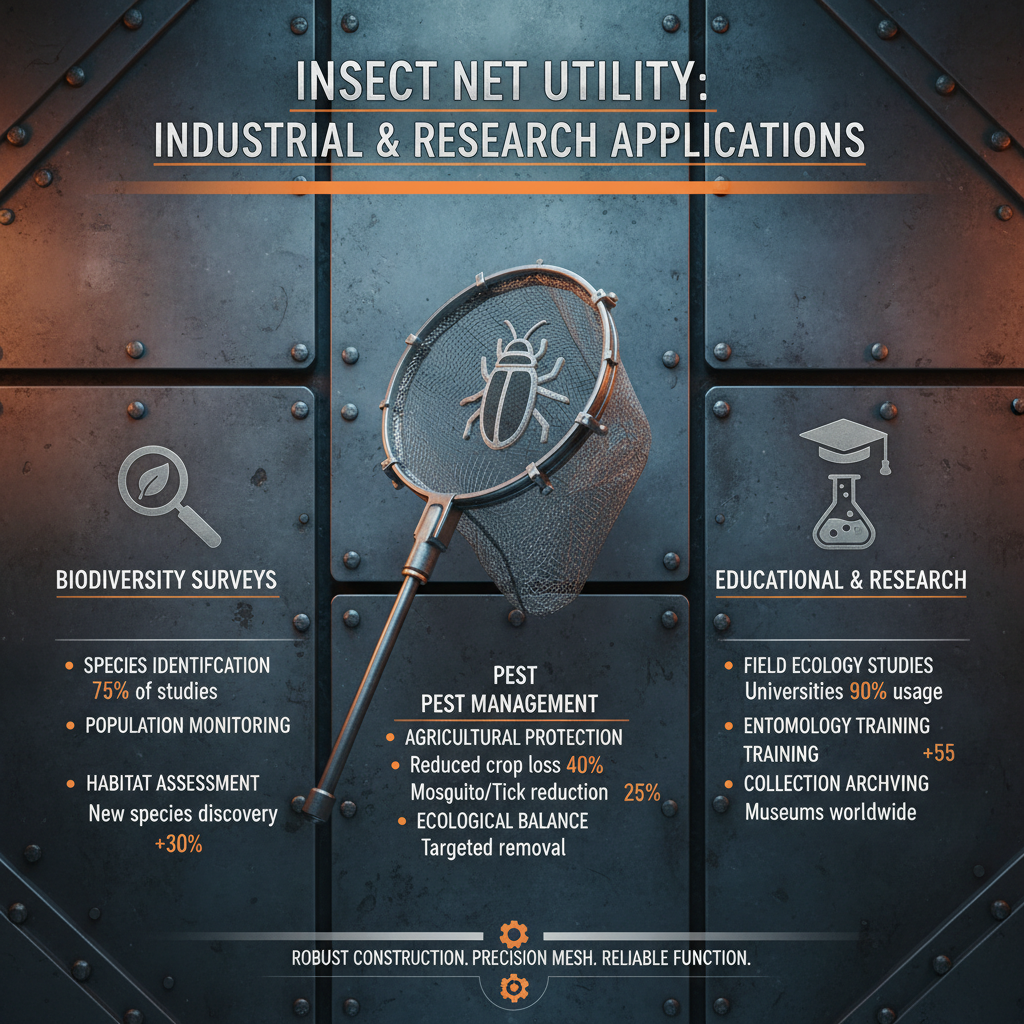
In the current era of global ecological shifts, the systematic insect collecting net use has become a cornerstone of biodiversity monitoring. According to data aligned with ISO standards for biological sampling, the precision of the mesh used can determine the success rate of species identification by up to 40%. This is particularly critical in regions where endangered pollinators are being tracked to prevent total ecosystem collapse.
Furthermore, the intersection of agriculture and entomology relies heavily on these tools to manage pest outbreaks before they reach catastrophic levels. By integrating high-grade industrial networks into field surveys, agricultural organizations can implement a "detect and defend" strategy, reducing the reliance on chemical pesticides and promoting a more organic, sustainable approach to crop protection across the globe.
Defining the Mechanics of Insect Collecting Net Use
At its most basic level, insect collecting net use refers to the strategic employment of mesh-based capture devices to isolate biological specimens from their natural environment. Unlike general netting, these tools are engineered with specific denier counts and pore sizes to ensure that insects of varying sizes—from microscopic aphids to larger coleoptera—are retained while allowing air and wind to pass through, reducing drag during the "sweep" or "swing" motion.
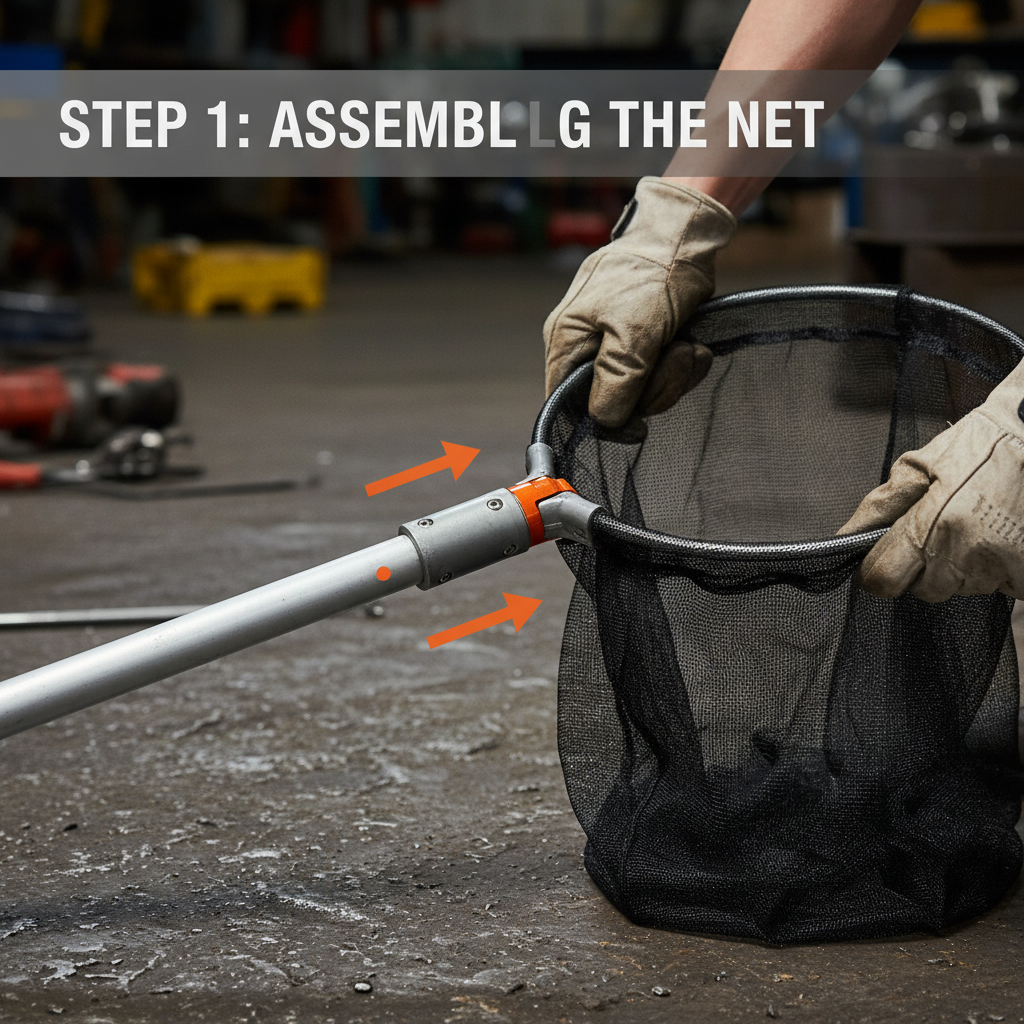
From a technical perspective, this process involves a synergy between the frame's structural integrity and the netting's flexibility. The frame provides the necessary tension to keep the mouth of the net open, while the bag's depth ensures that the specimen cannot escape once the net is closed. This mechanical design is essential for maintaining the physiological integrity of the insect, preventing the crushing or tearing that often occurs with substandard materials.
In the context of modern industry, the evolution of insect collecting net use has moved toward synthetic polymer blends that offer UV resistance and hydrophobic properties. This ensures that the nets remain functional in humid tropical rainforests or arid desert environments, meeting the rigorous demands of humanitarian and scientific expeditions that operate in the world's most extreme climates.
Core Technical Components for Effective Capture
The primary factor in successful insect collecting net use is the mesh aperture. A net designed for lepidoptera (butterflies) requires a much larger pore size to prevent the delicate wings from snagging, whereas a net for small diptera (flies) must have a fine, dense weave to ensure no specimens slip through during the collection process.
Durability and tensile strength are equally critical. High-performance insect collecting net use demands materials that can withstand the friction of abrasive vegetation and the sudden impact of fast-flying insects. Utilizing high-density polyethylene (HDPE) or reinforced nylon ensures that the net does not rip under pressure, preserving the validity of the sample set.
Finally, the ergonomics of the frame and handle play a vital role in field efficiency. A lightweight, carbon-fiber or aluminum frame reduces operator fatigue during long-duration surveys, while the angle of the rim can be optimized for either sweeping through grass or capturing aerial targets, maximizing the overall utility of the insect collecting net use protocol.
Global Applications and Field Use Cases
In real-world contexts, the application of insect collecting net use varies significantly by region. In Southeast Asia, for instance, researchers use specialized fine-mesh nets to monitor the spread of agricultural pests in palm oil plantations. By utilizing sweep nets in a grid-based sampling pattern, they can create heat maps of pest density, allowing for targeted interventions that minimize environmental impact.
Conversely, in the remote industrial zones of Northern Europe, insect collecting nets are used to monitor the bio-indicators of air quality. By capturing specific species of flying insects near industrial complexes, scientists can analyze the chemical residues within the insects' tissues, providing a biological mirror of the local pollution levels and informing stricter environmental policies.
Comparative Efficiency of Insect Collecting Net Use Methods
Long-term Value and Sustainability Benefits
The long-term value of investing in high-quality insect collecting net use extends beyond simple data collection; it is an investment in ecological security. By using durable, reusable nets, research institutions reduce the amount of plastic waste generated in the field, aligning their scientific goals with the principles of sustainability. This reliability ensures that longitudinal studies—those spanning decades—can be conducted with consistent equipment, eliminating variables caused by gear degradation.
Moreover, there is a profound logical and emotional angle to this innovation. The ability to accurately document the disappearance or arrival of a species provides the "proof" needed to trigger international conservation laws. This creates a cycle of trust between field researchers and policymakers, where the precision of the insect collecting net use becomes the foundation for protecting the dignity of natural biodiversity and ensuring a habitable planet for future generations.
Future Innovations in Mesh Technology
Looking ahead, the future of insect collecting net use is being transformed by the integration of smart materials. We are seeing the development of "bio-mimetic" meshes that can change their porosity based on the temperature or humidity of the environment, allowing for a single net to be used across various species and climates without compromising capture rates.
Digital transformation is also playing a role, with the introduction of sensor-embedded frames. These frames can record the exact GPS coordinates, time, and wind speed of every "sweep," automatically syncing the data to a cloud-based database. This automation removes the risk of human error in logging and allows for real-time global mapping of insect migrations.
Additionally, the shift toward biodegradable polymers is addressing the environmental footprint of field research. New materials are being developed that maintain the tensile strength required for professional insect collecting net use but will naturally decompose if lost in the wilderness, ensuring that the act of studying nature does not inadvertently harm it.
Overcoming Common Challenges in Net Deployment
One of the most persistent challenges in insect collecting net use is the "escape factor," where specimens fly out of the net before it can be closed. To solve this, expert entomologists are now adopting a "twist-and-lock" wrist technique combined with deeper bag designs. This architectural shift in net construction ensures that the centrifugal force of the swing keeps the insect pinned against the mesh until the bag is securely sealed.
Another limitation is the wear and tear caused by UV exposure in high-altitude regions. Standard nylon nets often become brittle and snap. The solution lies in the application of UV-stabilized coatings and the use of fluorocarbon-treated fibers, which resist degradation from solar radiation and chemical weathering, extending the lifespan of the equipment by up to three times.
Finally, the struggle to capture very small insects without damaging them is being addressed through the use of multi-layered "filter" bags. By incorporating a secondary, ultra-fine inner mesh, researchers can safely transport tiny specimens without them getting trapped in the primary coarse weave, ensuring that the insect collecting net use remains non-destructive and scientifically accurate.
Technical Analysis of Mesh Specifications for Insect Collecting Net Use
| Mesh Material |
Pore Size (mm) |
Durability Score (1-10) |
Primary Target Species |
| High-Density Polyethylene |
1.5 - 3.0 |
9 |
Large Beetles & Grasshoppers |
| Reinforced Nylon |
0.5 - 1.0 |
8 |
Medium-sized Flies & Bees |
| Polyester Blend |
2.0 - 5.0 |
7 |
Butterflies & Moths |
| Ultra-Fine Silk Synthetic |
0.1 - 0.3 |
5 |
Micro-Hymenoptera & Aphids |
| UV-Stabilized HDPE |
1.0 - 2.0 |
10 |
General Field Surveying |
| Biodegradable Polymer |
1.0 - 3.0 |
6 |
Eco-Sensitive Zones |
FAQS
Choosing the right size depends entirely on your target specimen. For larger insects like butterflies, a coarse mesh (2mm+) is ideal to prevent wing damage. For smaller insects like midges or aphids, a fine mesh (under 0.5mm) is necessary. We recommend using a multi-net kit to cover the full spectrum of biological diversity in any given field site.
Generally, no. Standard garden nets lack the tensile strength and specific aperture precision required for scientific data. They often have irregular holes that allow small specimens to escape or coarse fibers that damage delicate insects. Professional nets are engineered for aerodynamics and specimen preservation.
With proper care, a professional-grade UV-stabilized nylon or HDPE net can last 3-5 field seasons. To extend its life, we suggest rinsing the mesh with fresh water to remove salt or sap and storing it in a cool, dry place away from direct sunlight when not in use.
The "twist-and-lock" method is most effective. Immediately after the swing, rotate the handle 180 degrees to seal the mouth of the net against the rim. Using nets with a deeper bag also increases the "buffer zone," making it much harder for fast-flying insects to reach the exit.
Yes, the industry is shifting toward biodegradable polymers and recycled ocean plastics for mesh production. These materials offer similar performance to traditional plastics but break down safely over time, reducing the long-term environmental footprint of entomological research.
Avoid harsh chemicals that can degrade the polymer fibers. Use a soft-bristled brush and a mild, pH-neutral soap. Gently scrub the mesh and rinse thoroughly with lukewarm water. Air-drying in a shaded area is preferred over direct sunlight to prevent UV brittleness.
Conclusion
Mastering the technical and practical aspects of insect collecting net use is more than just a field skill; it is a critical component of global environmental stewardship. By selecting the appropriate mesh materials, understanding the mechanics of capture, and embracing new technological innovations, researchers can obtain the precise data necessary to protect our planet's biodiversity. From the choice of HDPE for durability to the implementation of "twist-and-lock" techniques, every detail contributes to the integrity of biological science.
As we move toward a future of smart materials and sustainable sampling, the role of high-quality netting will only grow in importance. We encourage all field practitioners to invest in professional-grade equipment that balances efficiency with ecological responsibility. For those seeking industry-leading mesh solutions tailored for agricultural, industrial, or scientific applications, we invite you to explore our comprehensive range of products. Visit our website: www.yjwiremesh.com