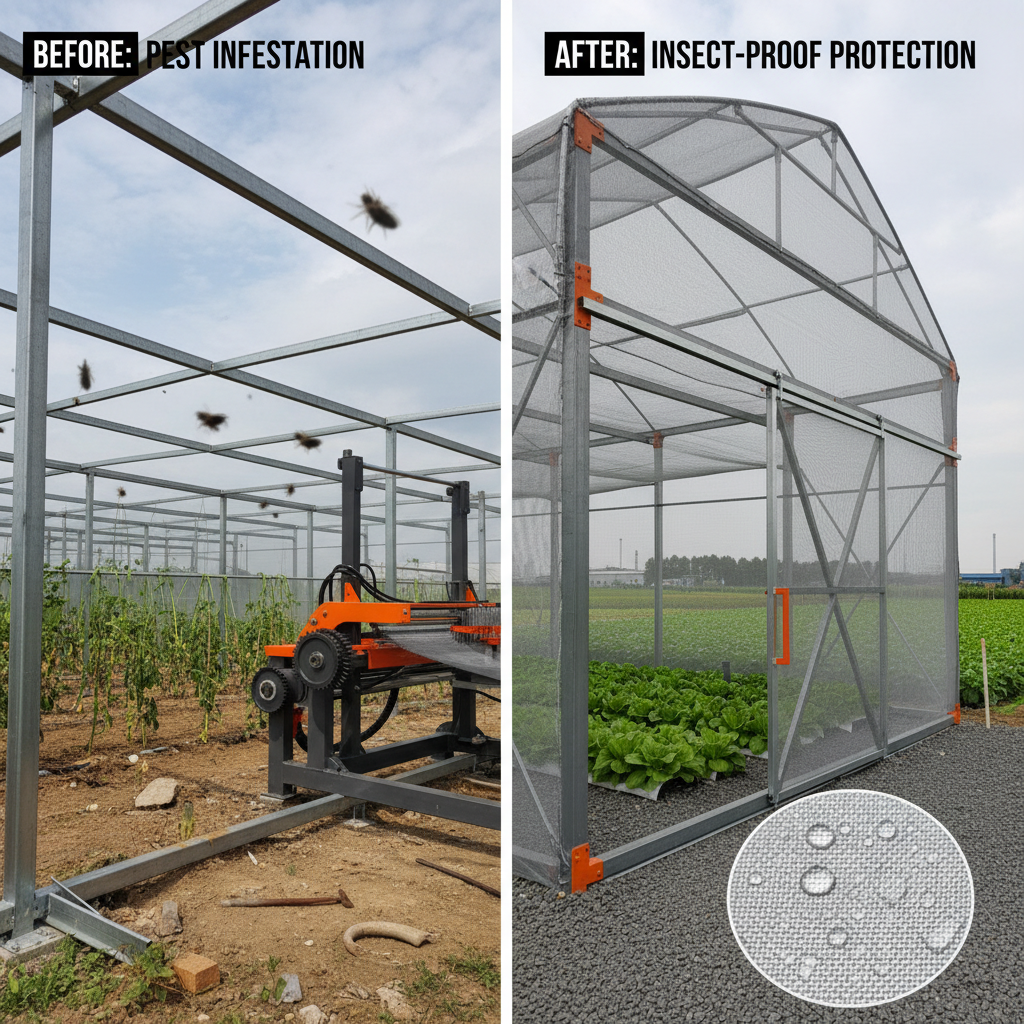
In the modern landscape of agricultural and biological research, the precision of containment is paramount. The use of high-quality insect cage mesh has evolved from simple netting to a sophisticated engineering solution designed to protect sensitive crops and research specimens from external pests while maintaining optimal ventilation. By creating a controlled environment, this specialized mesh ensures that biological experiments remain untainted and agricultural yields are protected from volatile insect populations.
Globally, the demand for specialized containment solutions is surging as food security becomes a critical priority. The implementation of advanced insect cage mesh allows farmers and scientists to reduce their reliance on chemical pesticides, aligning with the global shift toward sustainable and organic farming practices. Whether it is used in high-tech breeding centers or small-scale greenhouses, the right mesh choice can be the difference between a successful harvest and a total loss.
Understanding the technical nuances of mesh density, material durability, and airflow is essential for anyone operating in the metal products or agricultural sectors. This guide explores the industrial standards and practical applications of insect cage mesh, providing a comprehensive look at how these materials solve real-world challenges in breeding, protection, and industrial filtration.
Global Relevance of Insect Cage Mesh
The global agricultural sector faces an escalating threat from invasive species and evolving pest resistance. According to data aligned with FAO standards, crop losses due to insect pests can range from 20% to 40% annually. In this context, the deployment of high-grade insect cage mesh serves as a primary physical barrier, drastically reducing the need for systemic insecticides and protecting biodiversity.
From the massive greenhouse complexes in the Netherlands to the emerging agricultural hubs in Southeast Asia, the reliance on specialized netting has become a standard for biosecurity. The ability to isolate specific insect populations for study or exclude them from high-value crops makes this mesh a cornerstone of modern food security and scientific research.
Defining the Technical Scope of Insect Cage Mesh
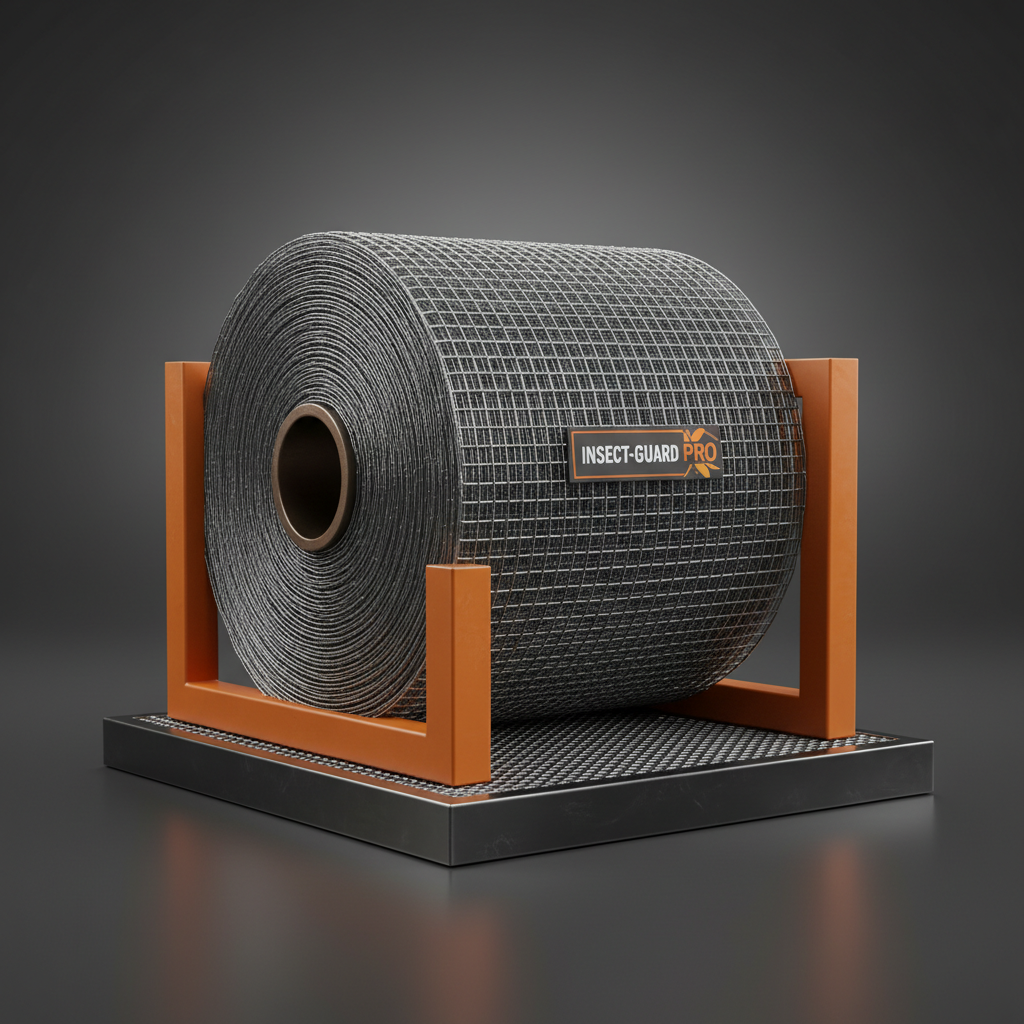
At its core, insect cage mesh is a precision-engineered fabric or metal wire grid designed to permit air and light transmission while blocking insects of specific sizes. Unlike standard window screens, these meshes are categorized by their "mesh count" (holes per square inch) and aperture size, which are meticulously calibrated to target specific pests, such as aphids, thrips, or whiteflies.
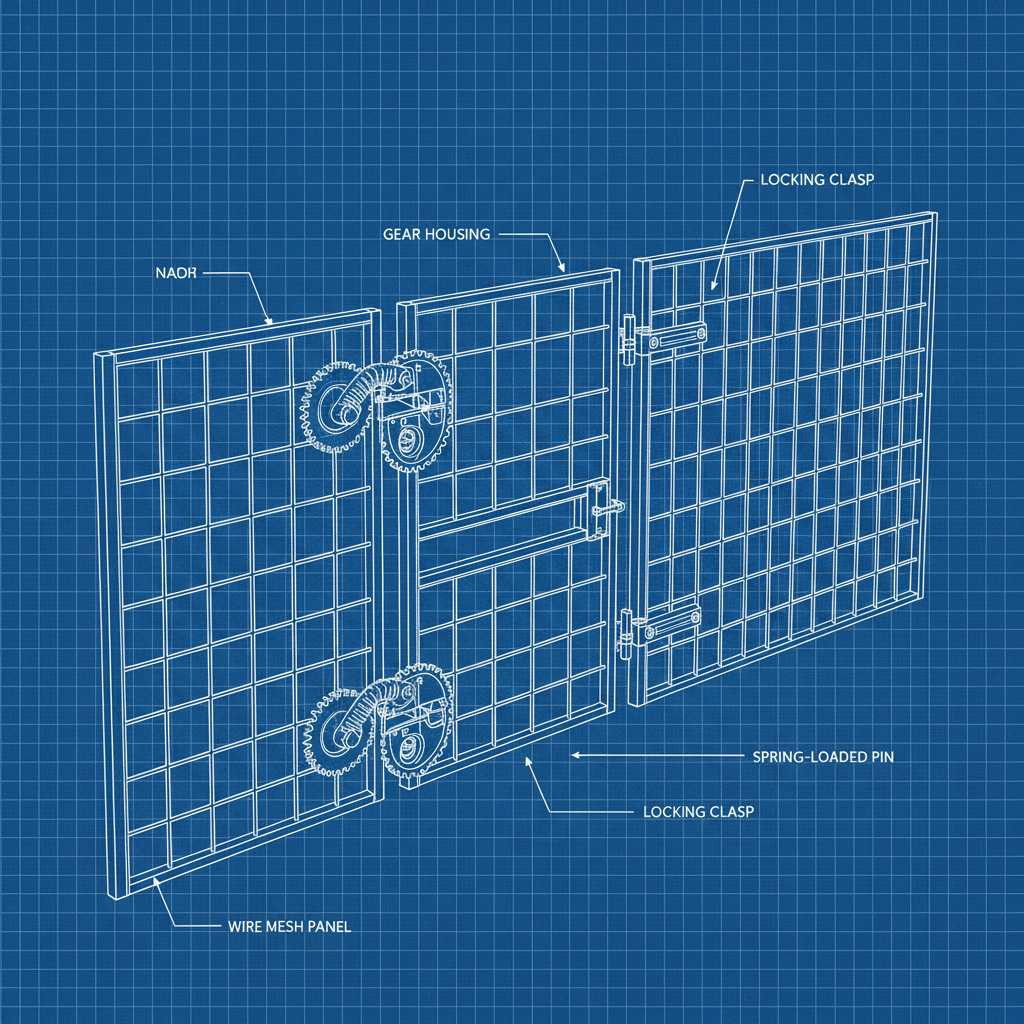
In a modern industrial context, this mesh is more than just a barrier; it is a tool for environmental control. It integrates seamlessly with breeding nets and hail nets to create a multi-layered defense system. The synergy between the mesh material and the frame construction ensures that the containment is leak-proof, which is critical for quarantine protocols in plant pathology and entomology.
The humanitarian dimension is equally significant. In regions where insect-borne diseases threaten livestock and crops, the distribution of affordable, durable mesh solutions provides a low-tech but high-impact method for improving livelihoods. By shifting the focus from chemical eradication to physical exclusion, the industry promotes a healthier ecosystem for both humans and nature.
Core Components and Material Factors
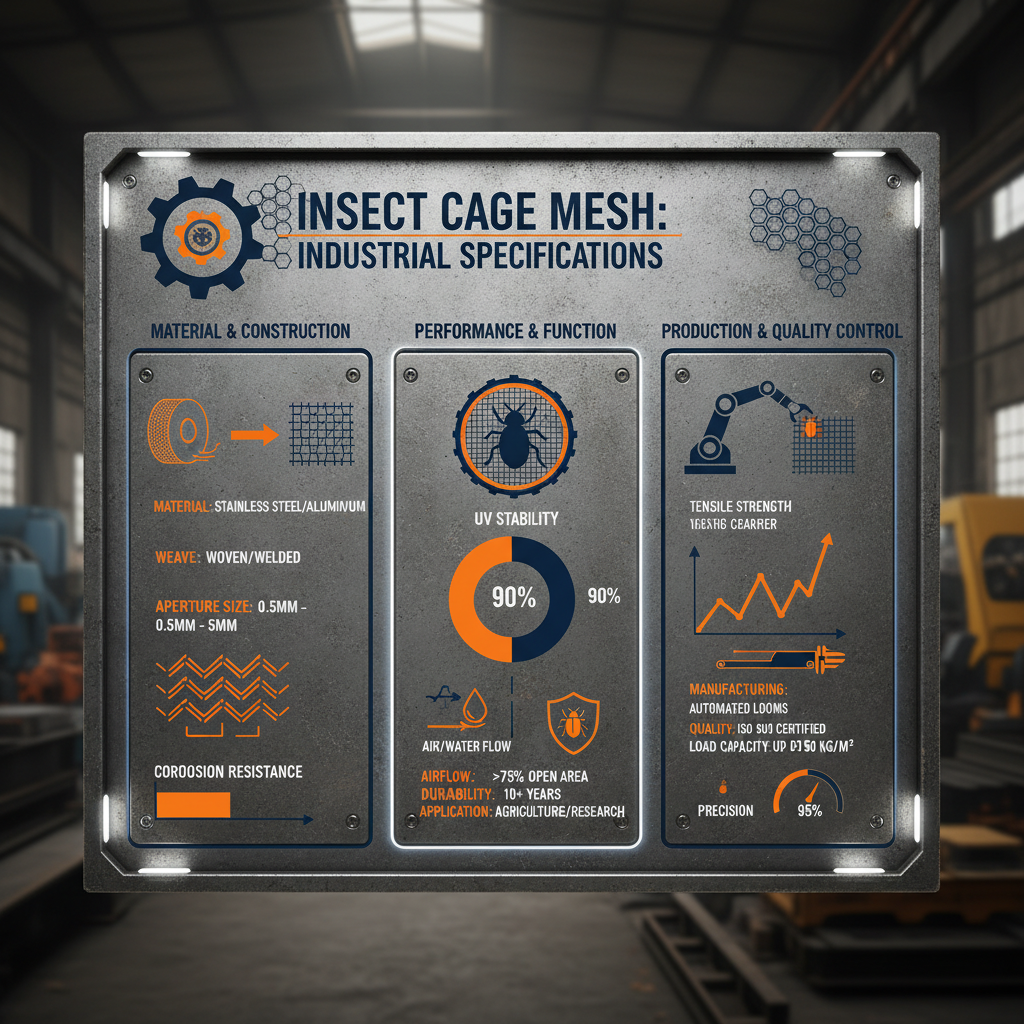
Durability is the foremost consideration when selecting insect cage mesh. Whether utilizing stainless steel for industrial strength or high-density polyethylene (HDPE) for flexibility, the material must withstand UV radiation and oxidation. A failure in a single square inch of the mesh can compromise an entire research project or crop cycle.
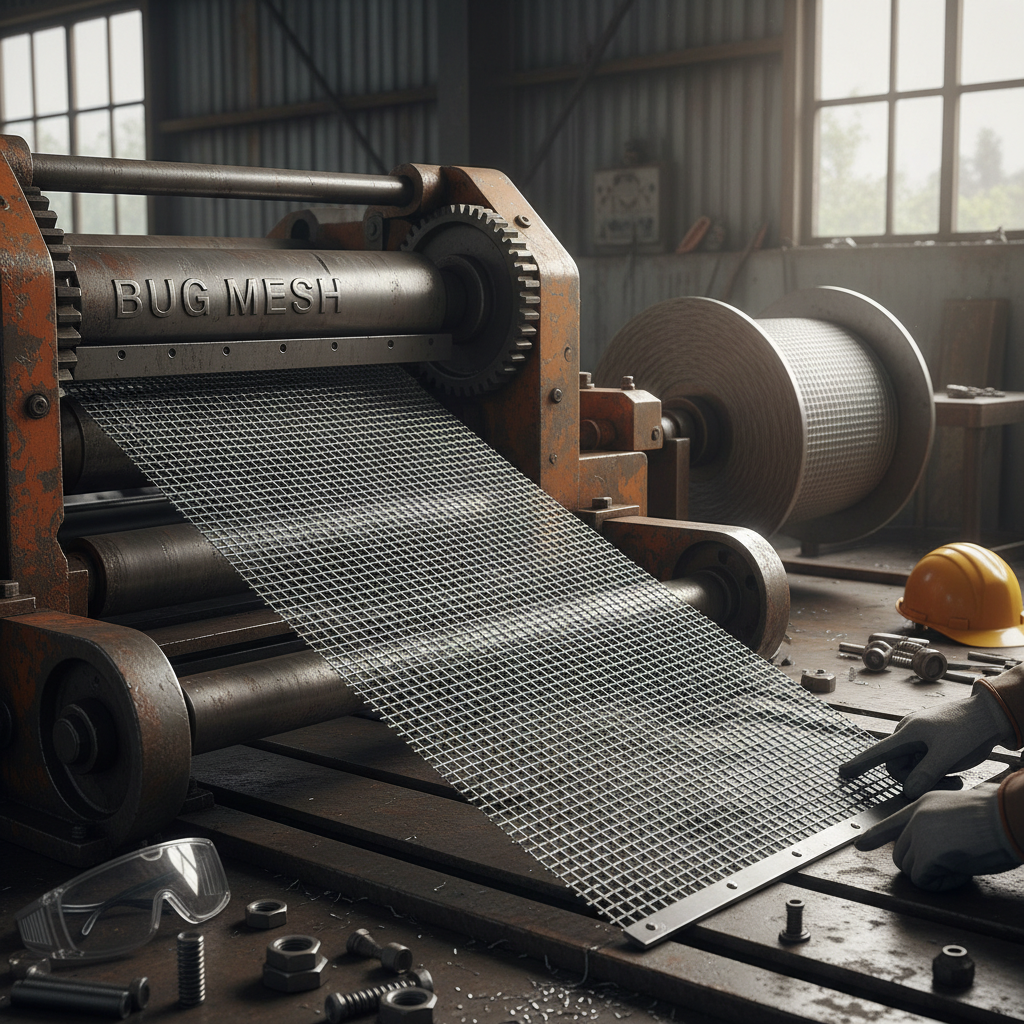
The scalability of the mesh design allows it to be adapted for various environments. From small handheld cages used in field sampling to massive industrial-scale architecture networks, the consistency of the weave ensures that the protective properties remain uniform regardless of the total surface area. This precision is what separates professional-grade mesh from generic netting.
Cost efficiency is achieved through the balance of lifespan and initial investment. While premium materials may have a higher upfront cost, their resistance to tearing and weathering ensures a lower total cost of ownership over time. When integrated with modular framing, the mesh can be easily replaced or upgraded as the needs of the breeding or protective facility evolve.
Performance Metrics for Containment Efficiency
To evaluate the effectiveness of insect cage mesh, industry experts look at the trade-off between exclusion efficiency and ventilation. A tighter weave provides better protection but can restrict airflow, leading to humidity buildup and fungal growth within the cage. Therefore, finding the "sweet spot" in mesh density is a scientific process.
Modern performance testing involves measuring the "Open Area Percentage," which determines how much light and air can penetrate the barrier. This ensures that plants inside the cage receive sufficient photosynthesis while remaining completely isolated from the external insect environment.
Comparison of Insect Cage Mesh Material Efficiency
Global Applications and Industrial Use Cases
The practical application of insect cage mesh spans multiple continents and sectors. In North America and Europe, it is extensively used in pharmaceutical-grade insectaries for the production of biological control agents. Here, the mesh must meet strict ISO standards to prevent the accidental release of modified insects into the wild.
In Asia and Africa, the focus often shifts to large-scale crop protection. For instance, in the cultivation of high-value orchids or organic vegetables, the mesh acts as a first line of defense, allowing farmers to eliminate the use of toxic sprays. This not only improves the quality of the produce but also protects the health of the laborers working within the facilities.
Long-Term Value and Sustainability Benefits
Investing in high-quality insect cage mesh provides tangible long-term economic value. By reducing crop loss and eliminating the recurring cost of chemical pesticides, the ROI (Return on Investment) is realized within a few growing seasons. Beyond the financials, there is a significant social impact; safer farming environments lead to better community health outcomes.
From a sustainability perspective, the move toward physical barriers is a victory for biodiversity. Chemical runoff from pesticides often destroys beneficial pollinator populations, such as bees. By using a targeted mesh containment strategy, farmers can protect their crops without harming the surrounding ecosystem.
Furthermore, the reliability of professional-grade mesh builds trust between producers and consumers. In an era where "organic" and "pesticide-free" are high-value labels, the ability to prove a physical containment strategy is a powerful marketing tool and a mark of innovation and integrity in the supply chain.
Future Trends and Material Innovations
The future of insect cage mesh lies in the integration of nanotechnology and "smart" materials. We are seeing the emergence of meshes coated with nano-repellents that deter insects through physical textures rather than chemicals. These innovations aim to increase the lifespan of the mesh while enhancing its exclusionary properties.
Digital transformation is also playing a role. Some advanced facilities are integrating sensors into the mesh frames to monitor air pressure and integrity, alerting operators immediately if a breach occurs. This automation ensures a level of biosecurity that was previously impossible with manual inspections.
Sustainability will continue to drive material science, with a shift toward biodegradable polymers for temporary cages and recycled alloys for permanent structures. The goal is to create a circular economy within the metal and plastic products industry, ensuring that the protection of today does not become the pollution of tomorrow.
Comparative Analysis of Insect Cage Mesh Specifications
| Material Type |
Mesh Aperture |
UV Resistance |
Primary Application |
| SS 304 Stainless |
0.1mm - 0.5mm |
Extreme |
Industrial Lab Cages |
| High-Density PE |
0.5mm - 1.2mm |
High |
Greenhouse Protection |
| Coated Nylon |
0.3mm - 0.8mm |
Medium |
Field Sampling Nets |
| Galvanized Steel |
1.0mm - 5.0mm |
High |
Large Animal Enclosures |
| Polyester Mesh |
0.2mm - 0.6mm |
Medium |
Botanical Research |
| Titanium Alloy |
0.05mm - 0.2mm |
Extreme |
Ultra-Fine Containment |
FAQS
For whiteflies, a very fine insect cage mesh with an aperture size of 0.6mm or smaller is typically required. Because whiteflies are exceptionally small, a standard screen will not suffice; a high-density weave is necessary to ensure complete exclusion while still allowing for air exchange.
High-quality HDPE mesh treated with UV stabilizers can last between 5 to 10 years depending on the climate. In extreme UV environments, such as tropical regions, we recommend inspecting the mesh annually for brittleness and ensuring that the installation includes proper tensioning to prevent premature sagging and wear.
While stainless steel offers the best durability and security, it is not always the best choice for all applications. For example, in temporary field studies, the weight and cost of stainless steel may be prohibitive. However, for permanent industrial breeding facilities where containment failure is not an option, it is the gold standard.
Yes, color can influence light transmission. White mesh is generally preferred as it reflects more light and minimizes shading, whereas black mesh is often used for better visibility from the inside and higher UV absorption. The choice should depend on the specific light requirements of the plant species being protected.
The most effective method is to "bury" the insect cage mesh. By extending the mesh 15-30cm into the soil or securing it with a weighted ground-seal strip, you prevent crawling insects and pests from entering through the gap between the frame and the earth.
Absolutely. Professional manufacturers can customize the wire diameter and the mesh opening (aperture) to target specific biological needs. By providing the average size of the target insect, we can recommend the exact mesh count that ensures containment without sacrificing necessary ventilation.
Conclusion
In summary, the strategic application of insect cage mesh is a vital intersection of material science and biological protection. By prioritizing durability, precision in mesh density, and material compatibility, operators can significantly reduce crop loss, enhance research accuracy, and promote a sustainable, pesticide-free approach to agriculture. Whether utilizing HDPE for flexibility or stainless steel for industrial strength, the correct choice of containment is an investment in long-term security and ecological health.
Looking forward, the industry will likely move toward smarter, more responsive materials that further reduce the environmental footprint of farming and research. We encourage agricultural professionals and researchers to evaluate their current containment strategies and upgrade to high-performance mesh solutions to stay ahead of evolving pest threats. For those seeking the highest standards in precision netting and wire mesh, visit our website: www.yjwiremesh.com.