Reliable Netting to Keep Pigeons Out | Industrial Solutions
Effective netting to keep pigeons out: What I’ve learned on the job
Having spent over a decade in industrial equipment fields, I often find myself dealing with surprisingly simple problems that have complex solutions. One such challenge is keeping pigeons — yes, those persistent city birds — away from sensitive equipment or certain industrial spaces. It may sound trivial, but pigeon droppings cause all sorts of operational headaches, from corrosion to hygiene issues.
So let’s talk about netting to keep pigeons out. Frankly, it’s one of those solutions you don’t really appreciate until you see it in action. Over the years, I’ve noticed that the right netting and installation approach can mean the difference between a lasting fix and a recurring problem.
Materials and Design: More Than Just Mesh
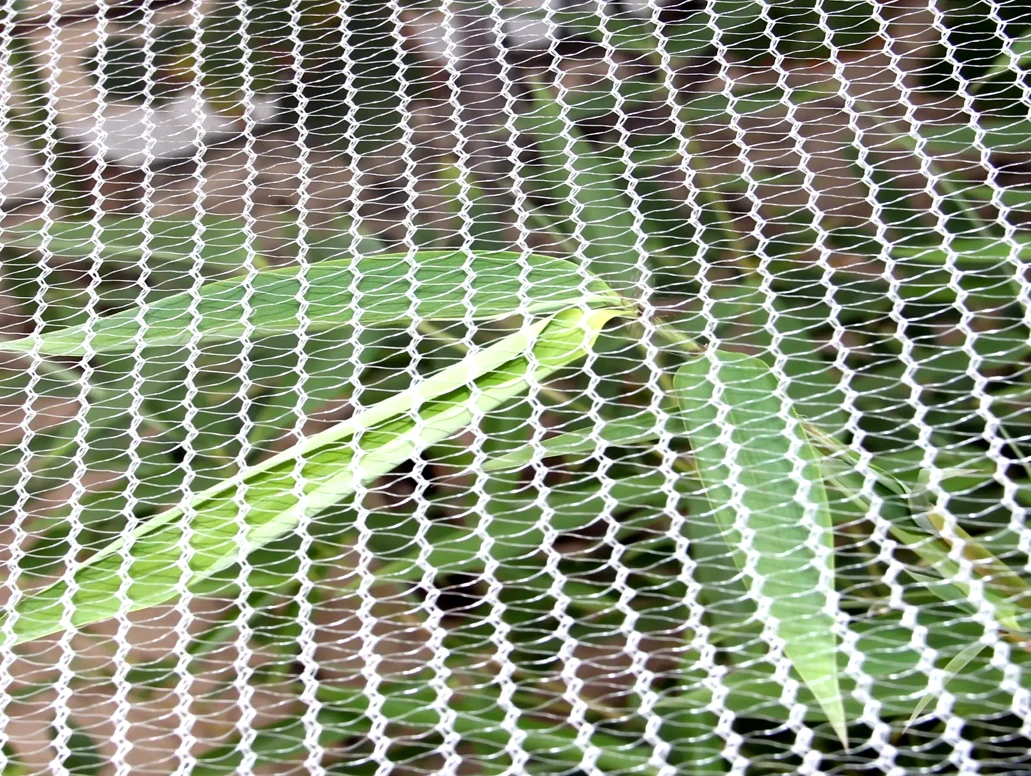
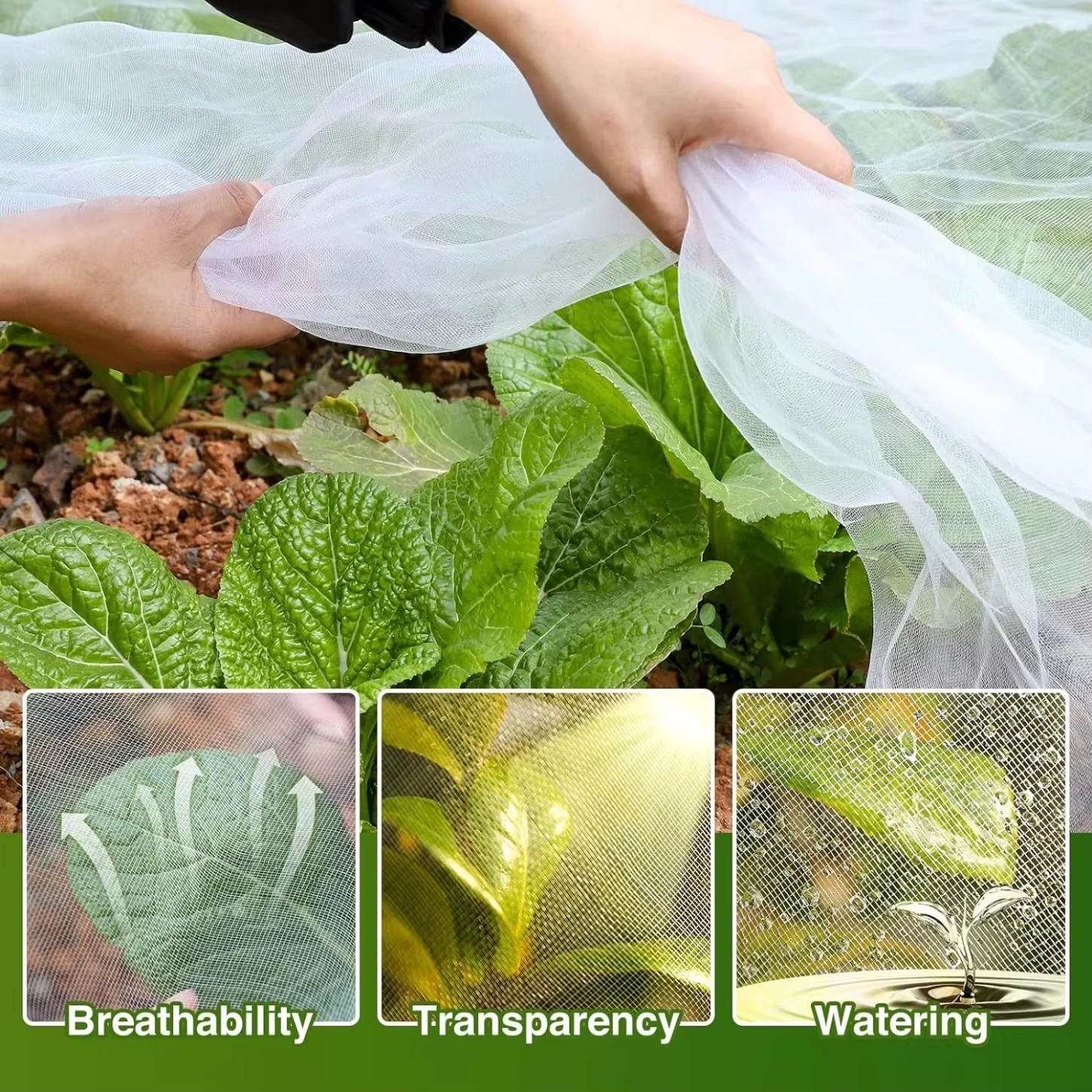
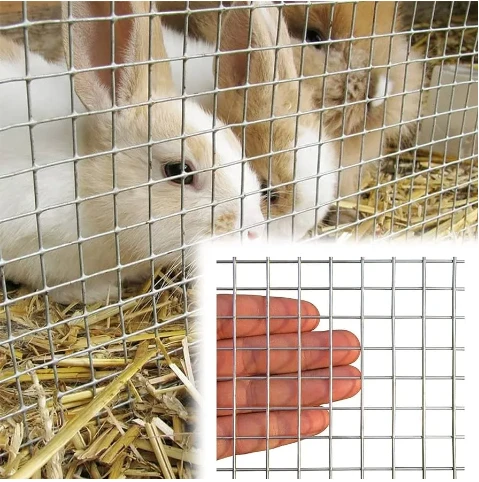
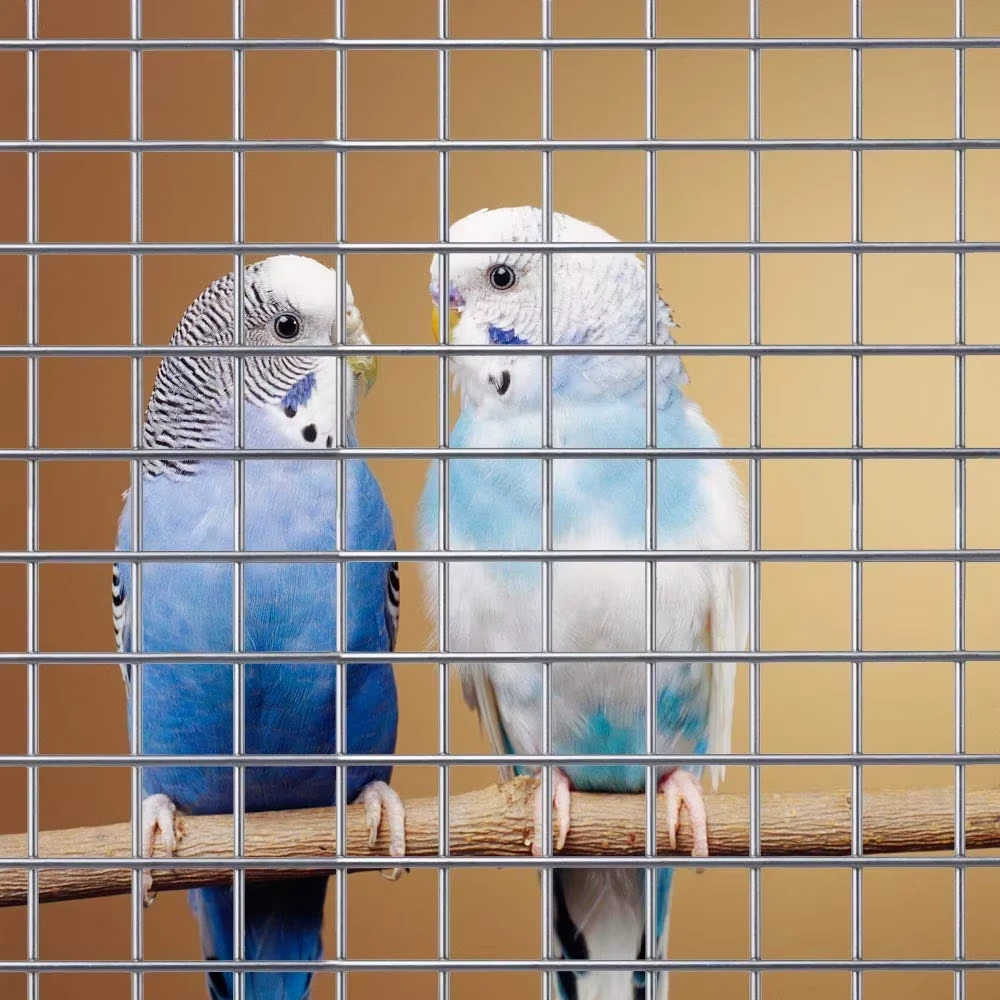
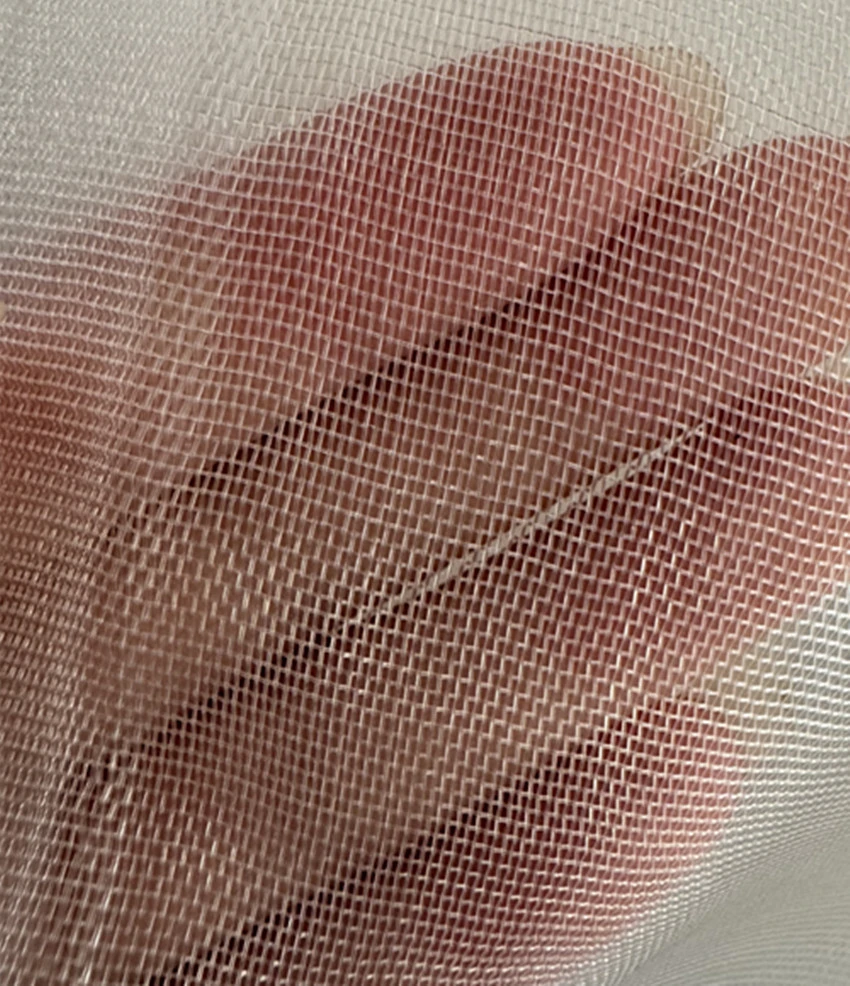
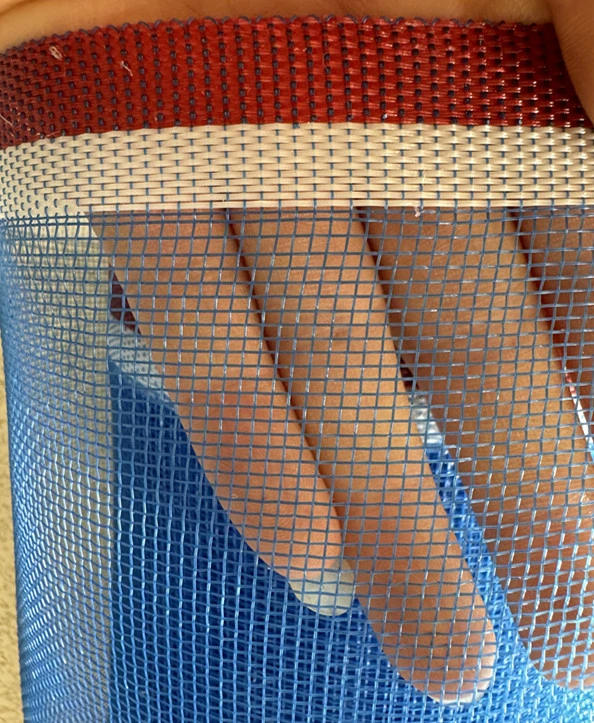
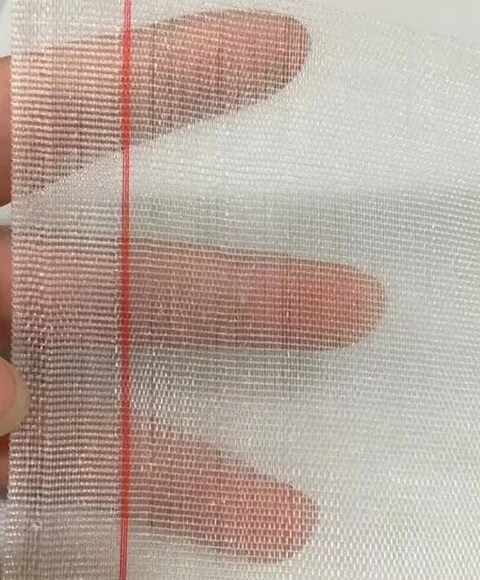
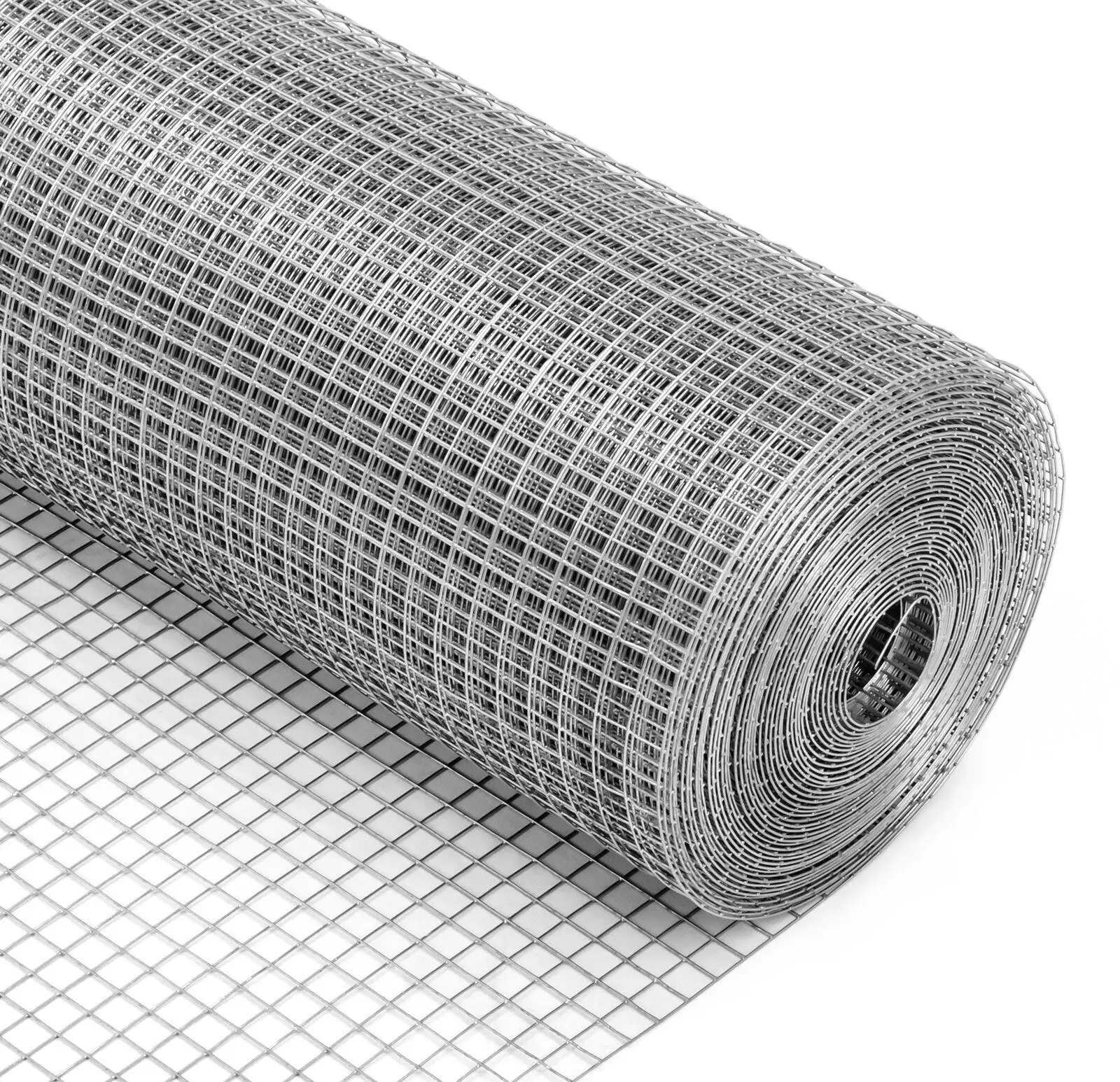
At first glance, pigeon netting looks like just a plastic or metal mesh. But the best products balance materials science with practical usage. Polyethylene netting, for instance, is common due to its lightweight nature and UV resistance — it basically lasts outdoors without falling apart too soon. Stainless steel wire mesh is a step up for durability and strength, though it can be pricier.
Oddly enough, the mesh size is crucial — too big, and pigeons squeeze through or get tangled; too small, and installation becomes a nightmare, especially over large spans. In real terms, a mesh size around 25-50mm works well for most pigeon exclusion tasks. That said, customization is often necessary depending on the site.
Product Specifications Snapshot
| Specification | Details |
|---|---|
| Material | UV-stabilized Polyethylene / Stainless Steel Wire |
| Mesh Size | 25mm – 50mm (customizable) |
| Tensile Strength | Up to 50 N/mm² (varies by material) |
| Color Options | Black, Green, White, Custom |
| Installation | Tensioned or fixed with clips; customizable frames available |
Vendor Comparison: What to Look For
Now, I’ve worked with several netting suppliers over the years, and honestly, not all are created equal. It can be tempting to go for the cheapest option — who isn’t trying to keep costs reasonable? — but there’s a lot to be said for reliability and after-sales support, especially when we’re talking about industrial applications where failure means downtime.
| Vendor | Material Options | Custom Sizes | Installation Support | Warranty |
|---|---|---|---|---|
| YJ Wire Mesh | Polyethylene & Stainless Steel | Yes (Various mesh sizes) | Technical & Installation Guides | 2 Years |
| Vendor B | Polyethylene only | Limited | Basic Support | 1 Year |
| Vendor C | Polypropylene Mesh | Custom, but slower lead times | No dedicated installation support | 6 Months |
A Small Customer Story
I recall a manufacturing plant where pigeons’ droppings on cooling towers were causing corrosion in just a few months. The maintenance crew tried various deterrents — spikes, sonic devices — but the pigeons adapted fast. When they finally installed a properly tensioned polyethylene mesh from a reputable supplier, the problem pretty much vanished. It wasn’t just the product — the vendor supplied detailed installation guidance to avoid sagging or gaps, which really mattered.
That experience stuck with me — netting is more than just a barrier; it’s a system that requires attention to detail from product selection through installation.
Wrapping Up
So, if you’re considering netting to keep pigeons out, think beyond price tags. Get the right material, understand mesh sizes, and work with vendors who back you up with support. It feels like the sort of practical foresight that pays off in spades.
Long term, it’s less downtime, less cleanup, and frankly, a smoother-running operation.
References:
- Smith, J. (2021). Industrial Bird Control: Best Practices. Industrial Maintenance Journal.
- YJ Wire Mesh Product Manual, 2023 Edition.
- GreenTech Solutions. (2022). Material Durability in Outdoor Mesh Applications.
-
High Quality Anti Bird Agro Net for Professional Crop ProtectionNewsApr.16,2026
-
Guide to Bird Netting Cost Per Square Foot and Material OptionsNewsApr.09,2026
-
Comprehensive Guide to Bird Netting Cost Factors and Material ChoicesNewsApr.07,2026
-
Comprehensive Guide to Bird Net for Balcony Cost and Installation OptionsNewsApr.04,2026
-
Comprehensive Guide to Bird Netting Price and Effective Protection SolutionsNewsMar.31,2026
-
Comprehensive Guide to Nylon Bird Net Price Factors and OptionsNewsMar.28,2026