Stainless Steel Filtration Mesh: Global Applications, Benefits, and Future Trends
Understanding Stainless Steel Filtration Mesh: A Global Industrial Staple
When it comes to filtering, screening, or separating particles across countless industries, stainless steel filtration mesh quietly plays a huge role. It’s one of those materials that, if you stop to consider, quietly powers everything from water purification plants to oil refineries and food processing lines worldwide. Frankly, its reliability and versatility make it essential to modern infrastructure, impacting industries with billions of dollars in material throughput annually.
Why does it matter globally? Well, billions of tons of liquids and gases pass through filtration systems every day. Using high-grade filtration mesh helps guarantee safety, efficiency, and compliance with strict environmental and health standards. Without it, entire supply chains could face shutdowns, contamination risks, or costly equipment failures. So, grasping what stainless steel filtration mesh is—and why it’s trusted globally—gives you insight into a quietly vital industrial linchpin.
Global Context: Why Stainless Steel Filtration Mesh Is Everywhere
Here’s a quick reality check: The International Organization for Standardization (ISO) reports that demand for industrial filtration products is expected to grow by more than 5% annually through 2030, driven by stricter environmental regulations and industrial expansion in Asia, Europe, and North America. Considering that stainless steel meshes resist corrosion better than most alloys and maintain their integrity under extreme conditions, they form the backbone of many filtration systems worldwide.
However, challenges remain. Industries often face mesh clogging, wear-and-tear, or sourcing materials that meet ever-tightening safety standards. Stainless steel filtration mesh addresses many of these issues by combining durability with low maintenance needs, making it the “go-to” filtration media for demanding environments.
What Exactly Is Stainless Steel Filtration Mesh?
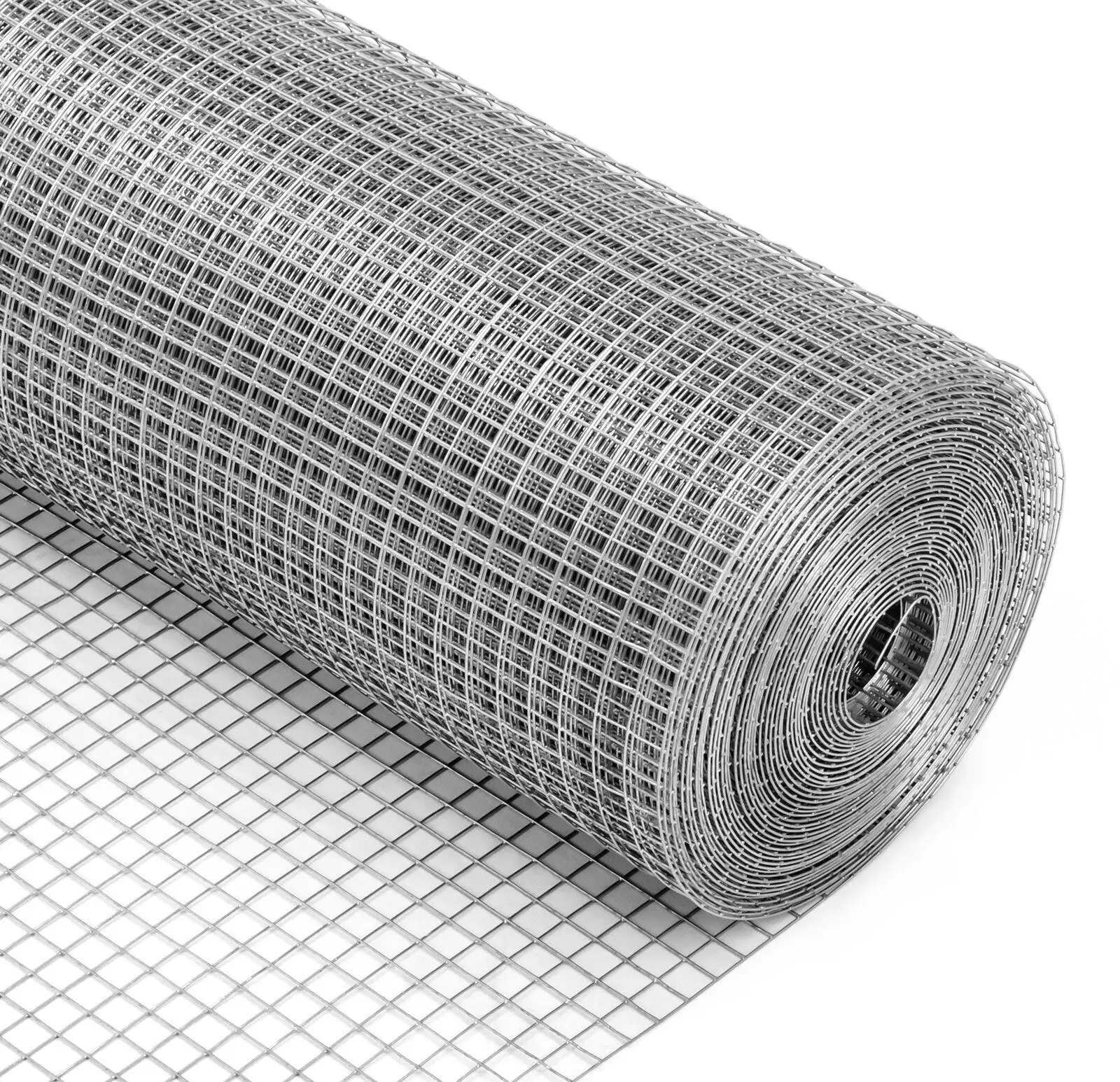
Put simply, stainless steel filtration mesh consists of interwoven strands of stainless steel wire forming a mesh grid that allows liquids or gases to pass through while trapping larger particles. Aside from its simple structure, what makes it exceptional is the specific alloy composition—typically grades like 304 or 316—which provide corrosion resistance and structural strength.
This mesh is not just about filtering water or air; it connects deeply with modern industry and humanitarian needs alike. For instance, in water-scarce regions, clean water access depends heavily on durable filtration media that won’t degrade or leach contaminants. In food processing, stainless steel ensures that hygiene standards are met without compromise.
Core Components and Key Factors of Stainless Steel Filtration Mesh
1. Durability
It’s no exaggeration to say stainless steel meshes last significantly longer than plastic or fabric alternatives. They withstand harsh chemicals, temperature extremes, and abrasive particles while maintaining shape and filtration efficiency.
2. Corrosion Resistance
With chromium content usually above 10.5%, the stainless steel mesh forms an oxide layer that prevents rust. This factor is crucial in industries like marine filtration or chemical processing where corrosive agents are routine.
3. Precision Porosity
Each mesh's opening size or mesh count can be finely tuned to target specific particle sizes, making it highly customizable. This precision allows industries to filter a wide variety of substances, from airborne dust in pharmaceutical plants to sand particles in petroleum extraction.
4. Scalability and Customization
Manufacturers can weave meshes of various thicknesses and weave patterns (plain, twill, dutch) suited for batches or industrial-scale operations—quite handy when switching projects or scaling production without replacing entire filters.
5. Cost Efficiency Over Time
At first glance, stainless steel meshes cost more than alternatives. But over time, lower replacement frequency, reduced downtime, and better separation efficiency more than compensate for the upfront investment.
| Parameter | Description | Typical Value/Range |
|---|---|---|
| Wire Material | Stainless Steel Grade | 304, 316, 316L |
| Mesh Count | Number of openings per inch | 5 - 400 |
| Wire Diameter | Thickness of wire strand | 0.015 - 1.0 mm |
| Opening Size | Space between wires | 0.005 - 5 mm |
| Weave Types | Mesh pattern variations | Plain, Twill, Dutch Weave |
Global Applications and Real-World Examples
Oddly enough, stainless steel filtration mesh finds its way into places you might not immediately expect. In Europe, water treatment plants use it extensively to guarantee the purity of drinking water for millions. In Southeast Asia’s burgeoning industrial zones, it filters contaminants from petrochemical streams. Meanwhile, humanitarian agencies rely on portable filtration units with stainless steel mesh in disaster zones — think cyclone-hit Bangladesh or wildfire areas in Australia — where robustness and reusability are vital.
It is linked to a wide array of sectors including:
- Chemical processing: For particle removal in complex reactions.
- Food and beverage: Helping meet sanitary standards while filtering liquids and powders.
- Pharmaceutical: Extremely precise particle exclusion to meet safety.
- Oil and gas industry: Filtering drilling muds or refining streams.
- Environmental protection: Wastewater treatment and emissions control.
Comparing Leading Manufacturers of Stainless Steel Filtration Mesh
| Vendor | Material Grades | Customization Options | Lead Time | Regional Strength |
|---|---|---|---|---|
| YJ Wire Mesh | 304, 316, 316L | Mesh count, weave type, size | 2-4 weeks | Asia, Global export |
| MeshTech Inc. | 304, 321 | Standard mesh sizes | 4-6 weeks | North America, Europe |
| Stainfil Solutions | 316L, 317L | High-precision meshes, specialty alloys | 3-5 weeks | Europe, Middle East |
Advantages & Long-Term Value of Stainless Steel Filtration Mesh
Stepping back a bit, the tangible benefits of stainless steel filtration mesh are extensive:
- Cost Savings: Less frequent replacements and reduced downtime save money.
- Sustainability: Recycling is straightforward; meshes last longer, reducing waste.
- Reliability: Proven resilience means fewer process failures under demanding conditions.
- Social Impact: For communities relying on clean water or safe food processing, this mesh is often the quiet keeper of health and dignity.
Emotionally, it feels reassuring to know that many unseen operations keep our lives smooth and safe — and stainless steel filtration mesh does its part without fanfare.
Future Trends & Innovations in Stainless Steel Filtration Mesh
Looking forward, expect some exciting shifts. With green manufacturing on the rise, producing stainless steel meshes with lower carbon footprints is gaining ground. Digital monitoring of mesh condition through embedded sensors may soon allow predictive maintenance, cutting unexpected failures.
Also, advances in nanotechnology could enable hybrid meshes combining stainless steel with graphene or other materials, enhancing filtration precision and durability. Automation in mesh weaving helps meet complex custom design demands faster, helping industries adapt with agility.
Challenges & Industry Solutions
Of course, no material is perfect. Stainless steel meshes sometimes face issues like occasional clogging, weight, or upfront cost hurdles. But experts tackle these by developing self-cleaning mesh coatings, lightweight mesh composites, and flexible leasing or sourcing models for high-quality meshes.
In other words, innovation isn’t just theoretical—it’s practical, often driven by industry feedback and real-world challenges. If you’re curious about tackling a specific application challenge, many suppliers, including YJ Wire Mesh, offer expert consultation tailored to your needs.
FAQ: Frequently Asked Questions About Stainless Steel Filtration Mesh
- Q1: How do I choose the right mesh count for my filtration needs?
- A: It depends on the particle size you want to filter. Higher mesh counts mean smaller openings, better for fine particles. Consulting industry specs or a mesh provider can help find the balance between flow rate and filtration precision.
- Q2: Can stainless steel filtration mesh be used in food-grade environments?
- A: Absolutely. Stainless steel’s corrosion resistance and ease of cleaning make it ideal for meeting hygiene standards in food and beverage manufacturing.
- Q3: What maintenance does stainless steel mesh require?
- A: Generally low maintenance; periodic cleaning to prevent buildup is enough. For highly contaminated environments, ultrasonic or chemical cleaning may be used.
- Q4: Is stainless steel mesh recyclable?
- A: Yes, stainless steel is fully recyclable without loss of quality, contributing to sustainable manufacturing cycles.
- Q5: How quickly can I get custom stainless steel mesh delivered?
- A: Lead times vary from 2-6 weeks depending on customization level and supplier. Quick turnarounds may be possible with established vendors.
Conclusion: Stainless Steel Filtration Mesh — The Unsung Industrial Hero
In all, stainless steel filtration mesh stands as a quietly essential part of modern industry. It tackles global filtration challenges with strength, precision, and adaptability. Its long-term durability and environmental benefits suggest it’s not just a trend but a mainstay for decades to come.
Interested in exploring specific products or custom solutions? Visit our website for more details and expert support: https://www.yjwiremesh.com
A final thought: in a world striving for cleaner water, safer food, and more efficient industry, stainless steel filtration mesh remains one of the quiet champions worth understanding.
References
-
High Quality Anti Bird Agro Net for Professional Crop ProtectionNewsApr.16,2026
-
Guide to Bird Netting Cost Per Square Foot and Material OptionsNewsApr.09,2026
-
Comprehensive Guide to Bird Netting Cost Factors and Material ChoicesNewsApr.07,2026
-
Comprehensive Guide to Bird Net for Balcony Cost and Installation OptionsNewsApr.04,2026
-
Comprehensive Guide to Bird Netting Price and Effective Protection SolutionsNewsMar.31,2026
-
Comprehensive Guide to Nylon Bird Net Price Factors and OptionsNewsMar.28,2026