Stainless Steel Mesh Conveyor: Durable, Hygienic Solutions for Global Industry
Understanding Stainless Steel Mesh Conveyor: A Global Industrial Backbone
In our increasingly automated and interconnected world, the humble stainless steel mesh conveyor quietly powers countless industries, from food processing lines to high-tech manufacturing floors. You might not notice it, but it’s there — moving, sorting, and sustaining efficiency in operations worldwide. Its relevance is undeniable, especially when you consider the growing demand for durability, sanitation, and adaptability in supply chains and humanitarian logistics.
Globally, the conveyor market is projected to grow robustly, fueled by manufacturing expansion and infrastructural investments, according to the International Organization for Standardization (ISO). But what truly sets stainless steel mesh conveyors apart is their unmatched combination of resilience and flexibility under challenging conditions. This article dives deep into what stainless steel mesh conveyors are, why they matter so much, and where they’re heading.
What is a Stainless Steel Mesh Conveyor?
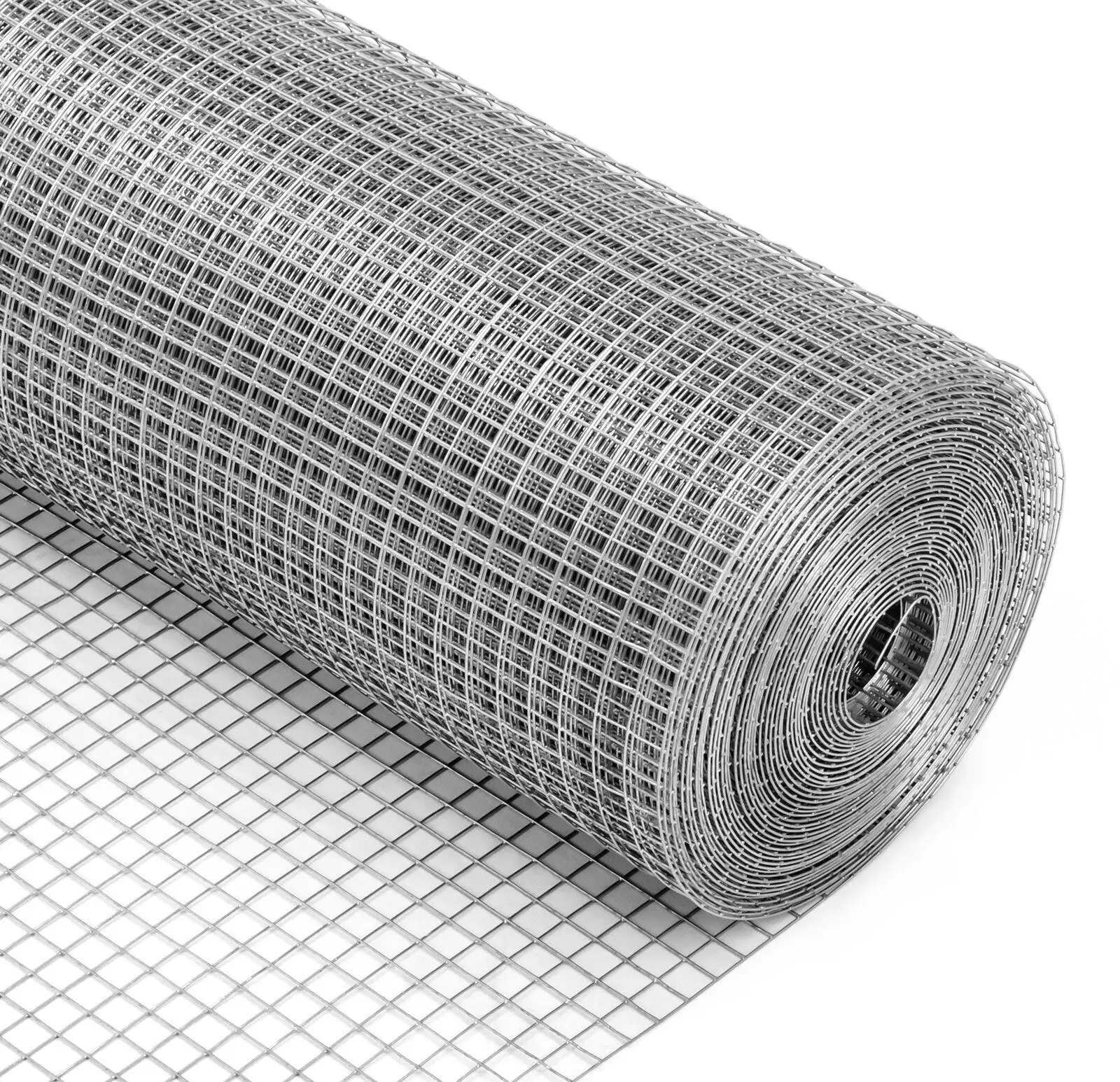
Simply put, a stainless steel mesh conveyor is a belt made of woven stainless steel wire mesh used to transport goods and materials continuously through a manufacturing or logistics process. Unlike traditional rubber belts, these mesh conveyors offer excellent airflow, heat resistance, and durability, making them the conveyor of choice for specialized environments.
You’ll find them in places requiring stringent hygiene, like food and pharmaceutical industries, or where high temperatures prevail, such as metalworking or glass manufacturing. Oddly enough, their versatility extends beyond factories: NGOs employ these conveyors for packaging and shipping relief supplies efficiently, showcasing an unexpected humanitarian angle.
Core Components & Key Factors of Stainless Steel Mesh Conveyors
1. Durability and Corrosion Resistance
Thanks to stainless steel’s innate resistance to rust and chemical damage, these conveyors last significantly longer in harsh environments — think wet or acidic conditions — compared to traditional belt materials.
2. Heat and Chemical Resistance
High-temperature tolerance means these conveyors can handle baking or sterilization processes without warping, expanding application horizons across industries.
3. Airflow and Drainage
The mesh design isn’t just aesthetic — it allows liquids and air to pass through, essential for processes needing drying, cooling, or washing on the line.
4. Maintenance & Cleanability
Stainless steel surfaces resist bacterial buildup and are easier to sterilize, ensuring tips-top hygiene levels, vital in food production or pharmaceuticals.
5. Customizability & Scalability
These conveyors come in varied mesh sizes, wire gauges, and woven patterns, allowing customization tailored to the product dimensions and weight. Scalability fits small artisan workshops to massive industrial plants.
| Specification | Value |
|---|---|
| Material | 304 / 316 Stainless Steel |
| Mesh Aperture Sizes | 1 to 10 mm (varies by application) |
| Max Operating Temperature | Up to 800°C |
| Typical Belt Width | Up to 2 meters |
| Load Capacity | Varies; up to several hundred kilograms per meter |
Mini takeaway: The physical and chemical strengths of stainless steel mesh conveyors make them an industrial staple for environments where safety, hygiene, and endurance are non-negotiable.
Global Applications & Practical Use Cases
From Asia’s bustling electronics factories to Europe’s high-end bakeries, stainless steel mesh conveyors have found a global home. In North America, they’re commonly integrated into pharmaceutical sterilization lines, while in Africa’s expanding food processing sectors, they facilitate safer, more efficient production.
- Food processing: Confectionery cooling tunnels use these conveyors for airflow and temperature control.
- Glass and metal manufacturing: Conveyors withstand extreme heat and abrasive materials during production.
- Pharmaceutical industry: Cleanroom applications make use of easy-clean, stainless steel surfaces.
- Humanitarian logistics: NGOs deploy these conveyors for quick packaging and transport of relief goods in disaster zones.
Take for example a bakery in Germany that revamped its production line with stainless steel mesh conveyors. It reduced contamination risk and improved throughput — an elegant proof point of practical value.
Mini takeaway: The versatility of stainless steel mesh conveyor belts crosses borders and industries, solving distinct challenges where conventional belts would falter.
Advantages & Long-Term Value of Stainless Steel Mesh Conveyors
Businesses increasingly value not only initial costs but sustainable, long-term gains. Stainless steel mesh conveyors score highly on:
- Cost Efficiency: Less frequent replacements reduce downtime.
- Sustainability: Stainless steel is recyclable and maintains performance over time.
- Safety and Hygiene: Critical for food safety regulations and workplace environment compliance.
- Trust and Reliability: Durability builds confidence in continuous use, reducing unexpected halts.
While the upfront investment might feel steep — I suppose it can make you hesitate — many operators swear by the peace of mind it delivers, especially in mission-critical settings.
Future Trends & Innovations on the Horizon
Looking ahead, stainless steel mesh conveyors are embracing smart manufacturing trends. Think sensors integrated into the mesh or frames for wear detection and predictive maintenance — cutting downtime further. Environmentally, manufacturers experiment with lighter alloys to reduce energy consumption while maintaining strength.
Automation and Industry 4.0 converge on conveyor technology, turning them from passive belts into intelligent data sources, syncing with digital twins and analytics to optimize entire production lines. Oddly enough, even emerging renewable energy sectors utilize these conveyors to handle lightweight solar components in clean environments.
Common Challenges & Proposed Solutions
Despite many benefits, stainless steel mesh conveyors face challenges like high initial costs, potential surface roughness causing material sticking, or noise in operation. Solutions range from innovative coating technologies to reduce adhesion, modular designs to simplify maintenance, and noise-dampening add-ons.
Experts recommend thorough lifecycle analyses before purchase, ensuring choices align with production demands and long-term goals rather than just short-term budgets.
FAQ: Frequently Asked Questions About Stainless Steel Mesh Conveyor
- Q: What industries benefit most from stainless steel mesh conveyors?
- A: Industries requiring hygiene, heat resistance, and durability — such as food processing, pharmaceuticals, and metal manufacturing — are prime beneficiaries of stainless steel mesh conveyors.
- Q: How does stainless steel mesh compare to rubber conveyor belts?
- A: Stainless steel mesh offers superior heat and chemical resistance and allows airflow, whereas rubber is generally cheaper and better for general-purpose applications without extreme conditions.
- Q: Can these conveyors be customized for specific products?
- A: Absolutely. Variations in mesh size, wire thickness, and weaving patterns let manufacturers tune belt characteristics precisely to their needs.
- Q: How long do stainless steel mesh conveyors typically last?
- A: Under proper maintenance, they can operate reliably for decades, significantly outlasting alternative belt types.
Vendor Comparison: Overview of Leading Stainless Steel Mesh Conveyor Suppliers
| Vendor | Product Range | Customization | Typical Lead Time | Global Reach |
|---|---|---|---|---|
| YJ Wire Mesh | Wide | High (mesh sizes, alloys) | 4-6 weeks | Global (Asia, Europe, Americas) |
| ABC Conveyors | Medium | Moderate | 6-8 weeks | North America, Europe |
| Global Mesh Corp. | Extensive | High | 8-10 weeks | Asia, Americas |
If you’re curious about sourcing top-quality stainless steel mesh conveyor belts tailored to your operations, consider visiting YJ Wire Mesh Conveyors — specialists in durable, customizable industrial conveyor solutions worldwide.
Conclusion
In the end, stainless steel mesh conveyors stand as a quiet yet essential cog in the vast machinery of global industry. They merge strength, hygiene, and adaptability—qualities we desperately need in today’s diverse industrial landscape. Whether it’s ensuring food safety or speeding disaster relief logistics, their long-term value is clear. So if your operations demand reliability and efficiency, they’re worth a close look.
Interested in exploring stainless steel mesh conveyor solutions? Visit https://www.yjwiremesh.com and see how innovation and quality come together.
Mini takeaway: Stainless steel mesh conveyors marry durability with precision, proving indispensable across industries and regions — with innovations promising an even smarter future.
References:
-
High Quality Anti Bird Agro Net for Professional Crop ProtectionNewsApr.16,2026
-
Guide to Bird Netting Cost Per Square Foot and Material OptionsNewsApr.09,2026
-
Comprehensive Guide to Bird Netting Cost Factors and Material ChoicesNewsApr.07,2026
-
Comprehensive Guide to Bird Net for Balcony Cost and Installation OptionsNewsApr.04,2026
-
Comprehensive Guide to Bird Netting Price and Effective Protection SolutionsNewsMar.31,2026
-
Comprehensive Guide to Nylon Bird Net Price Factors and OptionsNewsMar.28,2026