Stainless Steel Metal Screen: Durability, Applications & Global Impact
Understanding Stainless Steel Metal Screen: A Vital Component in Modern Industry
When we talk about industrial solutions, the stainless steel metal screen often gets overlooked — yet it’s quietly everywhere, impacting safety, efficiency, and sustainability. Simply put, this versatile product is a mesh or web of stainless steel wires woven or welded to form a screen or barrier. But why does it matter globally? Well, industries from construction and food processing to environmental engineering rely on these screens to filter, protect, and enhance processes that touch billions of lives daily.
In a way, understanding stainless steel metal screens is like seeing the scaffolding behind a city’s skyline — it supports the bigger picture, enabling progress and problem solving around the world. Its corrosion resistance and mechanical strength mean it withstands harsh environments, which is vital given rising global standards and the push for sustainability.
Global Context: Why Stainless Steel Metal Screen is a Game-Changer
The global market for stainless steel products exceeds $200 billion annually, and wire mesh components form a significant subset. According to the International Stainless Steel Forum (ISSF), over 50 million tons of stainless steel were produced worldwide in 2022, driven by infrastructure, energy, and manufacturing demands. Industrial sectors struggle with contamination control, filtration, and safety barriers — challenges that stainless steel metal screens directly address.
For example, the United Nations Industrial Development Organization highlights sustainable manufacturing as a key goal for developing economies. Here, stainless steel screens reduce waste and maintenance costs by providing durable, reusable filtering solutions. Oddly enough, despite its high-tech image, stainless steel metal screening technology is sometimes one of the simplest ways to meet these big goals.
Defining Stainless Steel Metal Screen
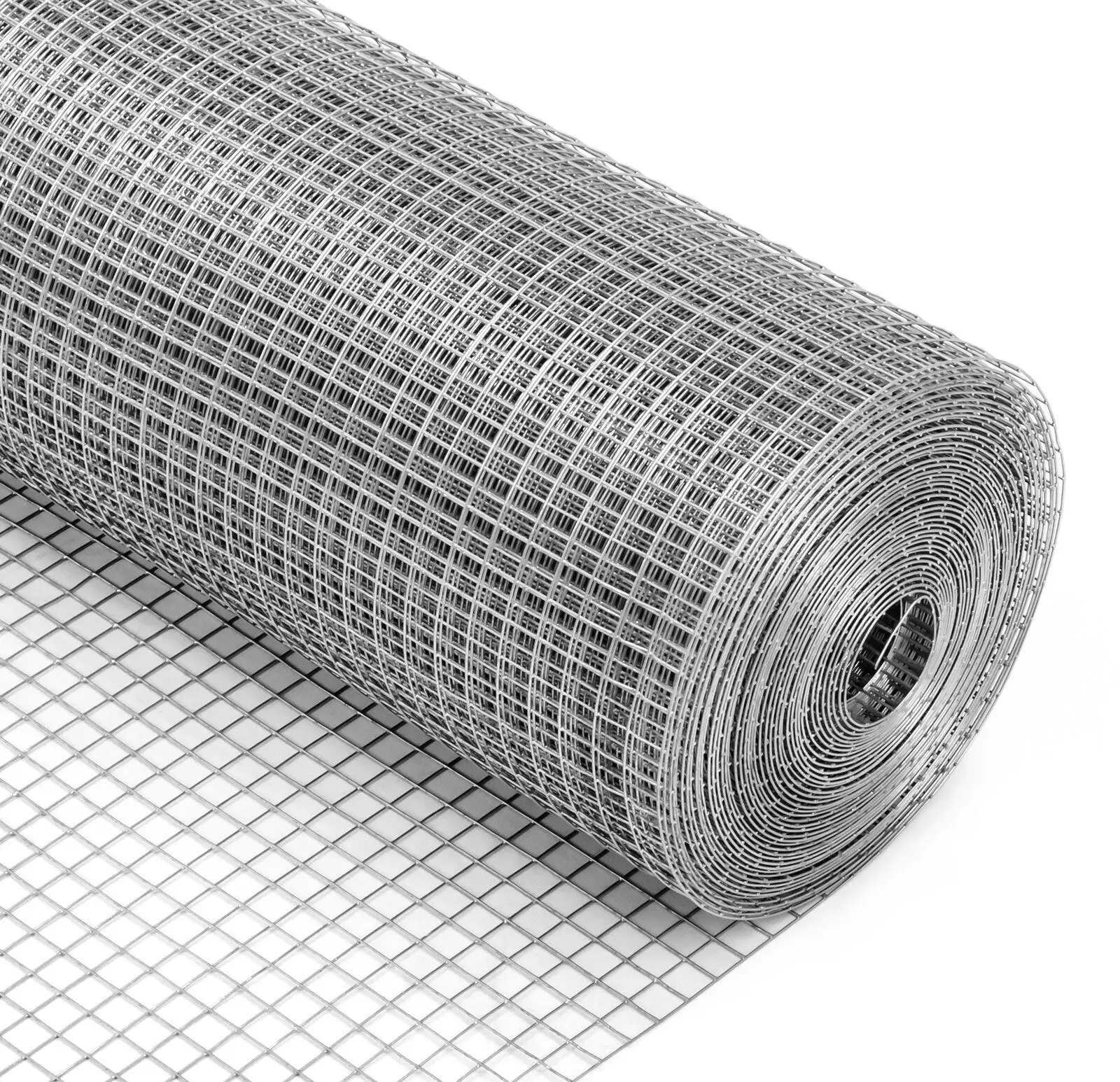
At its core, a stainless steel metal screen is a mesh fabric composed of interlinked stainless steel wires, either woven like cloth or welded for rigidity. This product’s main purpose is to serve as a barrier or filter — stopping particles, debris, or unwanted elements from passing through. The 'stainless' adjective means these wires include at least 10.5% chromium, which resists rust and corrosion, hence ideal for demanding environments.
In practical terms, applications range from air and water filtration systems to protective guards on machinery. Humanitarian sectors use it to build safer, more hygienic shelters and infrastructures, especially where materials must withstand moisture and rough handling. It’s the intersection of material science and human ingenuity — a humble product with outsized impact.
Key Factors in Stainless Steel Metal Screens
Durability
Stainless steel’s natural corrosion resistance allows these screens to function for decades in salty, acidic, or industrial settings. Unlike alternatives such as plastic meshes, they won’t easily degrade, saving replacement costs and downtime.
Customization & Scalability
Wire diameter, mesh opening size, and weaving patterns can be finely tuned to specific needs. Whether you want a tight mesh for fine filtration or coarse for heavy-duty guarding, there’s flexibility. This scalability means manufacturers can serve a wide range of industries from microelectronics to mining.
Cost Efficiency
Although initial prices might be higher than basic materials, the long-term savings from durability and low maintenance usually outweigh upfront costs. In addition, reusable stainless steel screens reduce waste, aligning with eco-conscious business models.
Thermal & Chemical Resistance
Many industries expose materials to temperature extremes or chemical agents. Stainless steel’s stability means it doesn’t warp or dissolve easily, lending crucial reliability in pharmaceutical or food processing environments.
Safety & Hygiene
Its smooth surface and resistance to contamination make stainless steel ideal where cleanliness is non-negotiable, such as in hospitals, laboratories, or water treatment plants.
Product Specifications At a Glance
| Specification | Typical Range | Notes |
|---|---|---|
| Material Grade | 304, 316, 310 | 316 preferred for marine use |
| Mesh Count | 10 - 200 mesh | Smaller mesh = finer filtration |
| Wire Diameter | 0.05 - 2.0 mm | Adjust for strength & flexibility |
| Surface Finish | Electropolished, brushed | Improves cleanliness & longevity |
Global Applications & Use Cases
It’s fascinating how stainless steel metal screens pop up in places you’d never expect:
- Water treatment plants: Across Europe and Asia, stainless steel meshes filter sediments and bacteria, helping provide safe drinking water to millions.
- Food processing: In the United States, metal screens are vital for sieving grains or preventing contamination in meat packing plants.
- Oil & Gas: Middle Eastern refineries depend on these screens to protect pumps and valves from abrasive particles.
- Humanitarian Aid: In post-disaster zones like Southeast Asia, stainless steel screens help build durable shelters and water filters that resist mold and degradation.
- Construction & Architecture: Stainless steel mesh facades provide ventilation and safety while adding modern aesthetics to buildings worldwide.
Many NGOs and industrial groups turn to stainless steel metal screen suppliers specializing in batches customized for local needs. It’s a real example of how technical components support human welfare.
Vendor Comparison: Selecting the Right Stainless Steel Screen Supplier
| Vendor | Material Grades | Customization | Global Reach | Pricing |
|---|---|---|---|---|
| YJ Wire Mesh | 304, 316, 310 | High; custom sizes & weaves | Asia, Europe, USA | Competitive; volume discounts |
| Global Mesh Inc. | 304, 316 | Medium; standard meshes only | North America, Europe | Mid-range |
| EcoSteel Mesh Ltd. | 316L (Low Carbon) | Low; few custom options | Europe, Asia | Premium pricing |
Advantages & Long-Term Value
Let’s talk concrete benefits — beyond the technical specs. Stainless steel metal screens enhance safety, which is paramount in industrial environments, where failures can mean costly downtime or injuries. On a more personal level, providing clean water or food using reliable screens preserves human dignity and health.
There’s also a sustainability angle. Because these screens last longer and resist corrosion, they reduce waste and energy expenditure related to replacements and frequent maintenance. From a logical viewpoint, investing in stainless steel mesh is investing in reliability and reduced operational costs — a win-win.
Emotionally, there’s a trust factor too. Many engineers I’ve met say knowing their filtration or safety barrier won’t fail builds peace of mind, something often understated but invaluable.
Future Trends & Innovations
The future looks promising. Innovations like nano-structured coatings could make stainless steel screens even more resistant to fouling or biofilm buildup. Smart sensors embedded in mesh structures are being explored for real-time contamination detection — bringing the product from passive barrier to active monitoring tool.
Green energy initiatives increasingly require reliable filtration systems for wind turbine cooling or hydroelectric plants — and stainless steel screens fit that bill well. Digital transformation and automation are also improving the precision and speed of screen manufacturing, reducing lead times.
Challenges & Solutions
Of course, not everything is perfect. The main downsides often center around upfront costs and weight. Stainless steel is heavier and pricier than plastics or aluminum. But here’s the catch: clever design — such as using thinner wires with advanced weaves — can maintain strength while reducing weight and cost.
Additionally, some environments pose extreme chemical challenges (e.g., highly acidic waste). For these, pairing stainless steel screens with specialized coatings or exploring duplex steel grades provides a solution. Frankly, staying open to hybrid materials is key.
FAQ: Frequently Asked Questions About Stainless Steel Metal Screen
- Q: What makes stainless steel metal screen better than plastic mesh for filtration?
A: Stainless steel offers superior durability, thermal resistance, and doesn’t degrade under UV or chemicals, making it more reliable long-term especially in harsh industrial uses. - Q: Can stainless steel metal screens be customized for specific filtration sizes?
A: Absolutely. Wire diameter and mesh count can be adjusted to filter tiny particles or serve as coarse guards. Tailored solutions are common. - Q: How long do these screens usually last in outdoor conditions?
A: Depending on grade and environment, stainless steel mesh can last 20+ years outdoors due to corrosion resistance. - Q: Is stainless steel metal screen recyclable?
A: Yes, stainless steel is widely recycled, which supports environmental goals. - Q: How do NGOs source stainless steel metal screens internationally?
A: Many suppliers, including stainless steel metal screen specialists, support global shipping and can tailor shipments for humanitarian logistics.
Conclusion: Why Stainless Steel Metal Screen is a Smart Investment
In sum, stainless steel metal screens are more than just industrial components. They’re durable, customizable, and sustainable solutions that support safety, environmental goals, and innovation worldwide. Whether for a factory in Germany or a relief center in the Philippines, their role is quietly essential.
If you want to see how the right stainless steel metal screen can elevate your project — from filtration to facade design — visit our website at YJ Wire Mesh. Exploring options pays off in performance and peace of mind.
A little mesh support goes a long way.
References
-
High Quality Anti Bird Agro Net for Professional Crop ProtectionNewsApr.16,2026
-
Guide to Bird Netting Cost Per Square Foot and Material OptionsNewsApr.09,2026
-
Comprehensive Guide to Bird Netting Cost Factors and Material ChoicesNewsApr.07,2026
-
Comprehensive Guide to Bird Net for Balcony Cost and Installation OptionsNewsApr.04,2026
-
Comprehensive Guide to Bird Netting Price and Effective Protection SolutionsNewsMar.31,2026
-
Comprehensive Guide to Nylon Bird Net Price Factors and OptionsNewsMar.28,2026