Stainless Steel Screen Printing Mesh: Durable, Precise, and Sustainable Industrial Solutions
Understanding Stainless Steel Screen Printing Mesh: Why It Matters Globally
When you hear the term stainless steel screen printing mesh, it might bring to mind images of high-tech factories or the vivid graphics on a t-shirt. But this specialized material plays a far bigger role than surface-level print jobs. Globally, its demand is fueled by industries ranging from electronics to aerospace, impacting everything from durable signage to precision circuitry. Understanding this mesh’s benefits isn’t just about print quality—it’s about reliability, durability, and sustainable manufacturing.
To frame it broadly: stainless steel meshes are essential components for quality printing processes that keep pace with the rigorous demands of modern industry. Their corrosion resistance, fine mesh count, and strength open doors for print runs in harsh environments or fine detail work that would flub with other materials. So, why focus on stainless steel specifically? Globally, materials that withstand the test of time and environment reduce waste, cut costs, and boost safety. Honestly, that’s what many sectors desperately need amid tighter regulations and consumer expectations.
Introduction: The Global Context of Stainless Steel Screen Printing Mesh
Across the world, industries are pushing for smarter, more sustainable production—especially in areas like electronics manufacturing, automotive, and textiles. According to the International Organization for Standardization (ISO), materials that extend product life cycles and reduce environmental impact are top priorities. Stainless steel meshes fit this bill by offering longevity and consistent performance.
Yet challenges persist. The printing industry faces increasing pressure to minimize errors, maintain precise detail, and handle complex substrates. Conventional meshes made from polyester or nylon can degrade quickly, affecting print quality. This is where the stainless steel screen printing mesh shines—it handles abrasive inks and chemicals, and stays taut over countless cycles, ensuring the final print is as sharp as the design intends.
What Exactly Is Stainless Steel Screen Printing Mesh?
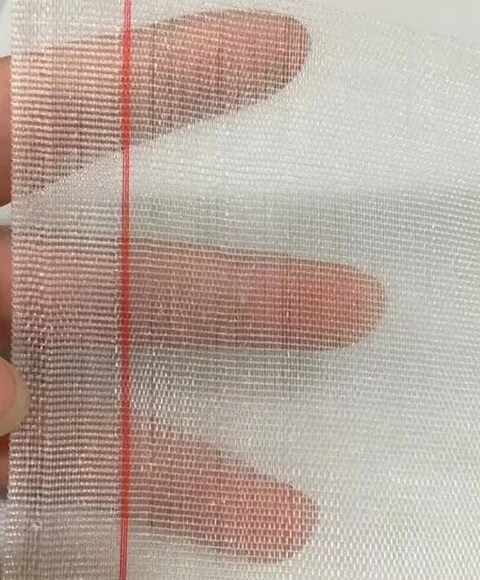
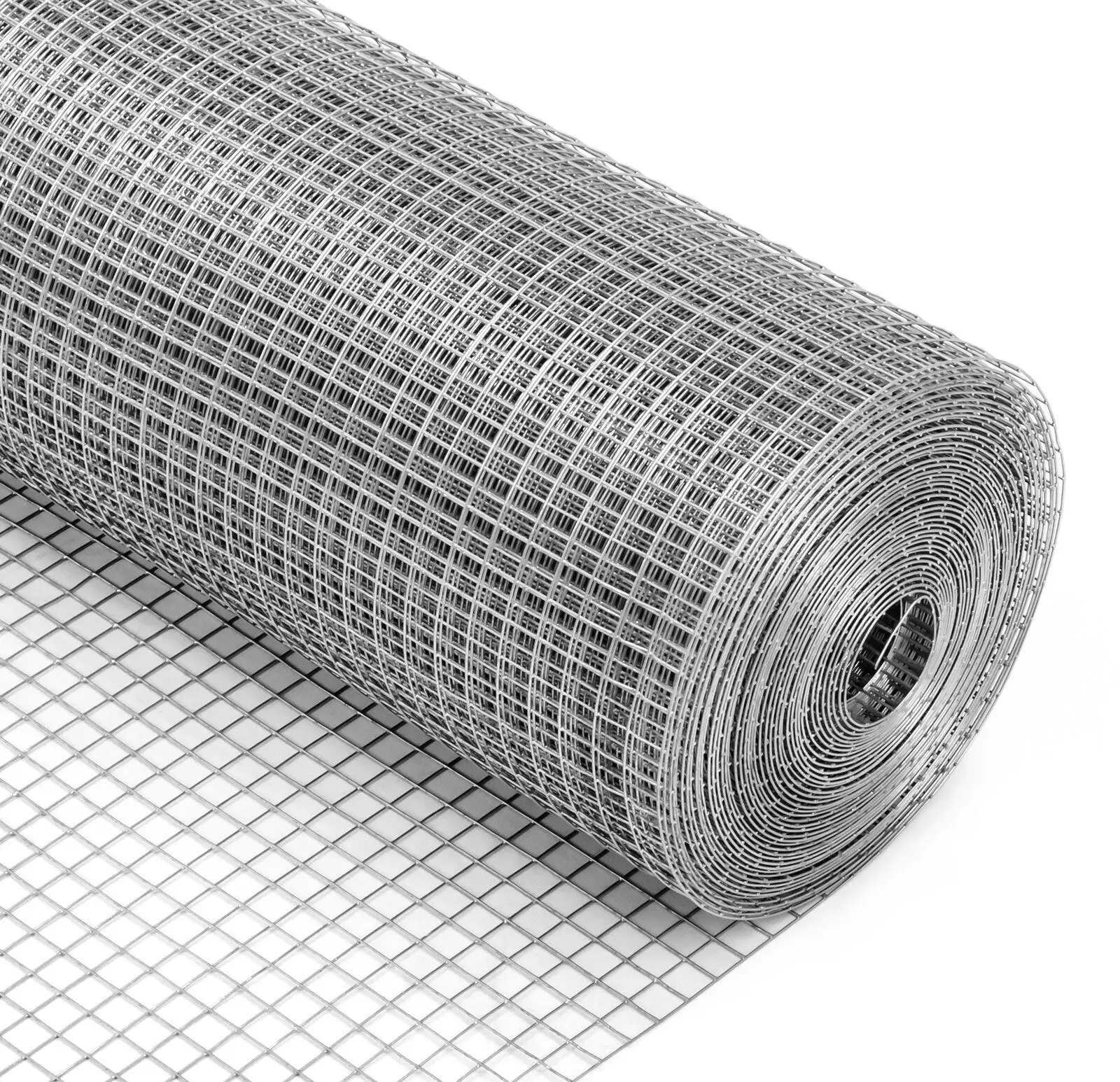
Put simply, it’s a finely woven mesh made from stainless steel wires, designed specifically for screen printing applications. Its weave allows ink to pass through in controlled amounts, making detailed or repetitive patterns possible on diverse surfaces. Beyond basic printing, these meshes are prized for their physical properties—strong, corrosion-resistant, and dimensionally stable under tension and chemical exposure.
From an industry perspective, this means higher fidelity in prints, less downtime for mesh replacement, and an end product that meets strict quality demands. From a humanitarian angle, reliable printing techniques can aid in manufacturing breathable filters or even medical devices where precision matters. The stainless steel mesh helps bridge the gap between manufacturing capability and real-world needs.
Key Factors Behind Stainless Steel Screen Printing Mesh’s Effectiveness
1. Durability
Stainless steel meshes vastly outperform organic fabrics when it comes to resilience. They resist tearing, stretching, and corrosion, which means fewer interrupted print runs. Oddly enough, that’s often overlooked until downtime hits production schedules hard.
2. Chemical Resistance
Many printing inks and cleaning solvents eat away at typical mesh materials. Stainless steel, conversely, holds up against harsh chemicals without losing integrity, making it ideal for industrial inks or reactive dyes.
3. Precision & Detail
Thanks to its tightly controlled weave counts, stainless steel mesh enables highly detailed patterns—think circuit boards or fine graphics on curved surfaces. This makes it invaluable in tech-heavy industries needing micron-level accuracy.
4. Scalability & Customization
Manufacturers can customize wire diameter, weave pattern, and mesh density to fit varying production scales—from single bespoke runs to mass manufacturing. This flexibility makes stainless steel mesh a favorite globally.
5. Cost Efficiency Over Time
While initially pricier than alternatives, stainless steel mesh outlasts competitors and reduces replacement expenses. Many engineers say the upfront cost quickly balances out with fewer disruptions and superior prints.
Typical Specifications of Stainless Steel Screen Printing Mesh
| Specification | Typical Range | Notes |
|---|---|---|
| Wire Diameter | 0.05 - 0.20 mm | Finer wires allow higher detail |
| Mesh Count | 100 - 420 wires/inch | Higher mesh count = finer print |
| Material Grade | 304, 316 stainless steel | Grade 316 preferred for corrosive environments |
| Weave Type | Plain, Dutch weave | Dutch weave achieves finer mesh and better ink control |
| Tensile Strength | >500 MPa | Ensures high mesh stability |
Mini takeaway: Stainless steel screen printing mesh isn’t just about mesh. Its durable wire, precise weave, and corrosion resistance redefine printing reliability.
Global Applications & Use Cases
Stainless steel screen printing mesh finds use far beyond textile or graphic printing. For instance, in electronics — industries in East Asia and Europe rely on it for manufacturing printed circuit boards (PCBs) where precision and durability are must-haves. Aerospace manufacturers in the USA use stainless steel mesh to create detailed stencils for applying thermal-resistant coatings.
Oddly enough, in humanitarian contexts, reliable printing methods supported by stainless steel meshes help produce medical textiles and hygiene products at scale. This is crucial in places facing post-disaster challenges where supply chains are fragile.
Even automotive sectors from Germany to Brazil use the mesh in decal and signage production, benefiting from the mesh’s resilience to chemicals like solvents and paints.
Vendor Comparison: Leading Stainless Steel Mesh Manufacturers
| Vendor | Product Range | Customization Level | Quality Certifications | Lead Time |
|---|---|---|---|---|
| YJ Wire Mesh | Wide (100–420 mesh count) | High (Custom gauges & patterns) | ISO 9001 | 2–4 weeks |
| MeshTech Inc. | Medium (150–350 mesh count) | Moderate (Standard sizes) | ISO 14001 | 3–5 weeks |
| SteelWeave Co. | Narrow (200–300 mesh count) | Low (Limited options) | None Publicly Listed | 4–6 weeks |
Mini takeaway: Choosing the right stainless steel screen printing mesh vendor boils down to your project’s need for customization, quality certification, and lead time. YJ Wire Mesh stands out for custom needs and fast delivery.
Advantages & Long-Term Value of Stainless Steel Screen Printing Mesh
What truly sets stainless steel meshes apart is their combination of physical excellence and economic wisdom. These meshes not only ensure long-term durability—meaning fewer replacements and less waste—but they also guarantee consistent print quality, which can reduce costly errors and reworks.
Sustainability is a big buzzword, but in this case, it’s genuinely applicable. Using stainless steel mesh means less landfill waste from failed prints or discarded screens, and healthier work environments because fewer chemicals break down mesh integrity. That’s an emotional win for operators and managers alike—knowing their tools respect the planet somewhat.
Safety? Absolutely. Stable meshes reduce print mishaps, keeping printed safety signage and medical products accurate. Trustworthiness grows from such dependability.
Emerging Trends and Innovations
We’re seeing interesting advances in the way stainless steel meshes are produced and used. For example, nanocoatings might soon enhance anti-stick properties, making cleaning even easier. Automation in mesh tensioning and inspection is on the rise, ensuring flawless results at scale.
Green energy manufacturing also benefits; as solar panel printing grows, stainless steel meshes tailored for conductive inks will become more critical. Digital transformation means print designs will increasingly use more complex meshes, adapted almost in real-time.
Challenges & Expert Solutions
No product is perfect. Stainless steel mesh can be cost-prohibitive upfront for some businesses, and handling ultra-fine wires requires skilled workers which not every facility can afford. And while corrosion-resistant, extreme environments can still wear them out eventually.
Experts recommend combining material selection with smart process planning—like preventive maintenance and proper storage. Additionally, partnering with vendors offering customization and technical support, such as stainless steel screen printing mesh specialists, helps businesses overcome these hurdles efficiently.
FAQ: Common Questions About Stainless Steel Screen Printing Mesh
- Q: How does stainless steel mesh improve print quality compared to nylon alternatives?
A: Stainless steel meshes maintain tension and resist wear better than nylon, resulting in sharper, more consistent prints, especially over long production runs where nylon can stretch or degrade. - Q: Is the initial investment in stainless steel mesh justified for smaller print shops?
A: While pricier upfront, stainless steel’s longevity reduces replacement frequency and downtime, often making it cost-effective even for smaller operations handling moderate volumes. - Q: Can stainless steel screen printing mesh be cleaned and reused?
A: Yes! One of its big advantages is easy cleaning and reuse without losing tension or weave integrity—helping reduce waste and cost. - Q: Are there different weave types, and how do they affect printing?
A: Absolutely; plain weaves are standard, but Dutch weaves create a tighter mesh which is better for very fine detail and controlling ink flow on intricate designs. - Q: How can international businesses source reliable stainless steel mesh?
A: Partnering with established suppliers like YJ Wire Mesh ensures quality certifications, customization options, and logistics support for smooth import/export.
Conclusion: Why Stainless Steel Screen Printing Mesh is a Smart Investment
Thinking long-term, investing in stainless steel screen printing mesh isn’t just about quality prints—it’s a step toward operational efficiency, sustainability, and producing trustworthy, durable products. Industries worldwide are recognizing this and shifting away from flimsy, short-lived alternatives.
If you want to explore the latest specs, customization options, or request a quote, I’d highly recommend visiting our website. It’s where innovation and expertise come together to elevate your printing projects.
Oddly enough, once you delve into stainless steel screen printing mesh, it feels less like just a tool and more like a quiet champion helping industries run smoother and greener every day.
References
-
High Quality Anti Bird Agro Net for Professional Crop ProtectionNewsApr.16,2026
-
Guide to Bird Netting Cost Per Square Foot and Material OptionsNewsApr.09,2026
-
Comprehensive Guide to Bird Netting Cost Factors and Material ChoicesNewsApr.07,2026
-
Comprehensive Guide to Bird Net for Balcony Cost and Installation OptionsNewsApr.04,2026
-
Comprehensive Guide to Bird Netting Price and Effective Protection SolutionsNewsMar.31,2026
-
Comprehensive Guide to Nylon Bird Net Price Factors and OptionsNewsMar.28,2026